分类: politics

  • GRA officials to be arrested for allegedly aiding Azruddin Mohamed in transfer of vehicles

    GRA officials to be arrested for allegedly aiding Azruddin Mohamed in transfer of vehicles

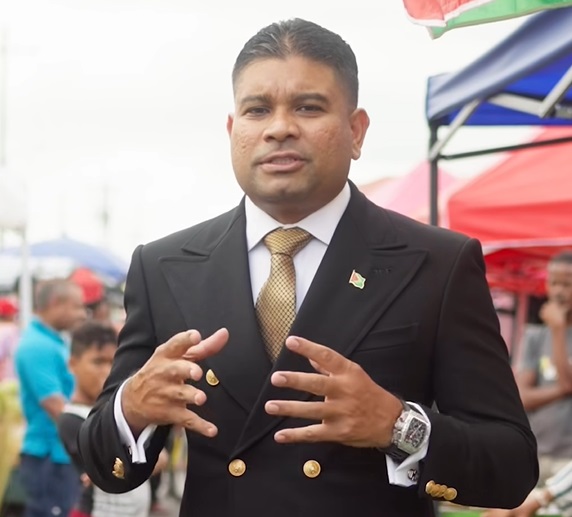
    Multiple officials from the Guyana Revenue Authority (GRA) are facing imminent arrest for their alleged involvement in facilitating illegal vehicle transfers for prominent businessman and political figure Azruddin Mohamed. The tax authority announced on Friday, January 2, 2026, that several employees conspired to illegally process 11 vehicle transfers between November 27 and December 5, 2025.

    The investigation uncovered systematic violations of both vehicle transfer protocols and Anti-Money Laundering regulations. According to GRA’s statement, the same employees conducted off-premises vehicle examinations, approved transfer documents, and processed payments while bypassing standard procedures. The scheme showed patterns of coordination, with many transferees sharing addresses in Republic Park, Atlantic Gardens, and Hill Top, Timehri regions.

    The scandal involves luxury vehicles and represents a significant breach of public trust. GRA has warned that all participants in these alleged illegal activities will face full prosecution under the law. International partners have been notified as investigations continue to unfold.

    This development compounds the legal troubles for Mohamed, who leads the main opposition party We Invest in Nationhood (WIN). He is currently contesting a United States extradition request related to an 11-count Grand Jury indictment for alleged mail fraud, wire fraud, and money laundering. Previous domestic cases against Mohamed regarding tax evasion on imported luxury vehicles, including a Lamborghini, were discontinued in Guyanese courts.

    The Revenue Authority has encouraged public reporting of illicit activities through dedicated hotlines, promising confidentiality and potential rewards under the Customs Act provisions.
  • ABLP St John’s Rural East branch pledges support for government leadership in New Year message

    ABLP St John’s Rural East branch pledges support for government leadership in New Year message

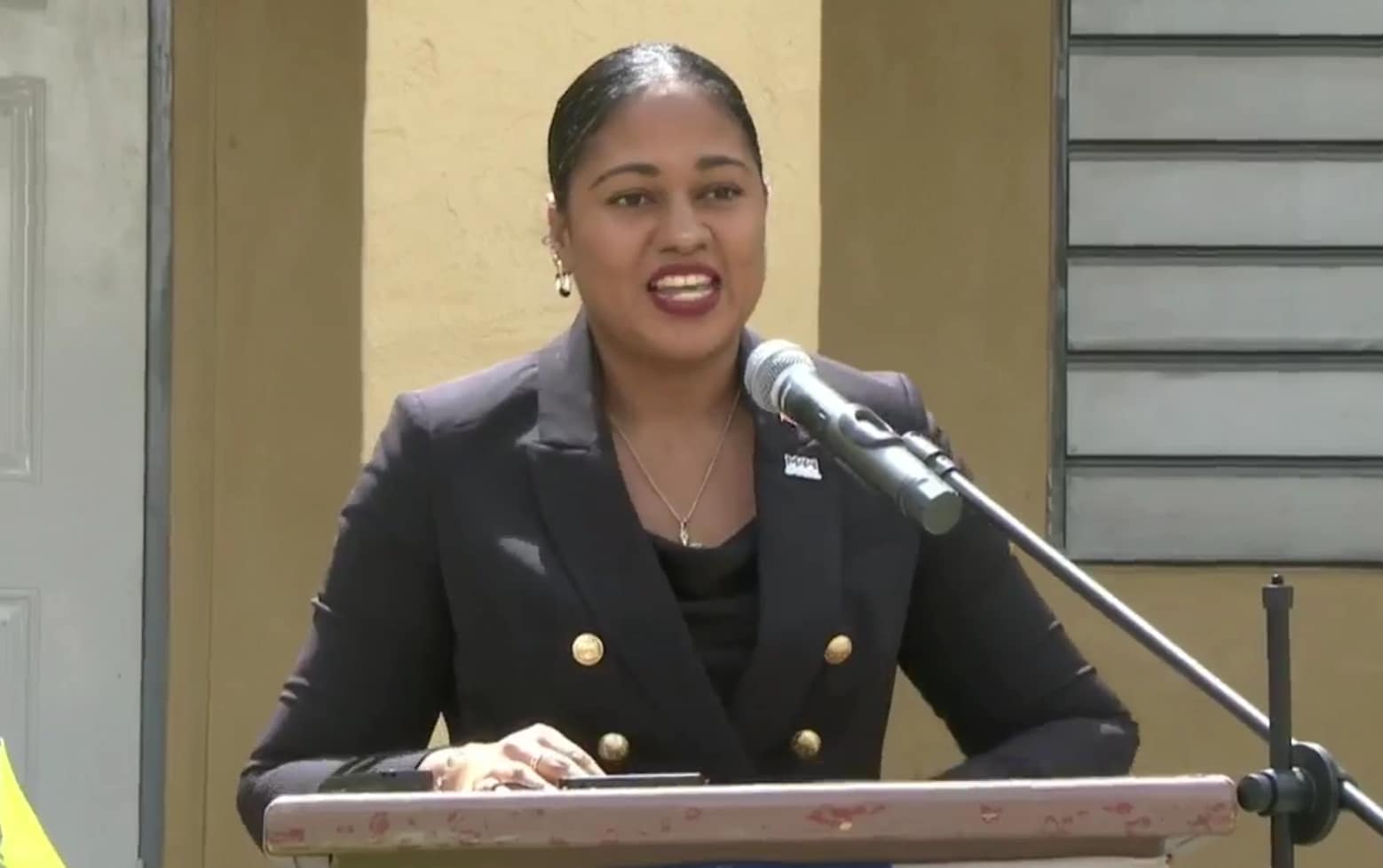
    In a significant show of political solidarity, the St John’s Rural East division of Antigua and Barbuda’s ruling Labour Party has publicly reinforced its endorsement of the nation’s leadership cadre. The declaration emphasizes continued confidence in the administration’s governance despite confronting substantial economic headwinds and external pressures affecting the Caribbean region.

    Carl A. Christopher, presiding chairman of the SJRE ABLP branch, articulated this position through a New Year’s communiqué addressed to party constituents. His message highlighted the nation’s forward momentum despite prevailing conditions of economic volatility, escalating living expenses, and broader regional challenges.

    Christopher specifically reiterated unwavering organizational support for both local parliamentary representative Maria Browne and Prime Minister Gaston Browne. He credited their leadership with consistently safeguarding the interests of the working population and maintaining stability during uncertain times.

    The chairman’s correspondence additionally served as a rallying cry for continued political engagement, urging party members to maintain discipline and unity throughout the coming year. Christopher extended personal wishes for health and prosperity to all members and their families.

    This reaffirmation of support occurs as the governing ABLP administration continues to prioritize economic resilience and social development programs. These initiatives are being advanced against a complex backdrop of international financial instability and regional economic difficulties that have characterized the post-pandemic recovery period.

  • Antiguan Diplomat Conrod C. Hunte elected to chair prestigious United Nations body

    Antiguan Diplomat Conrod C. Hunte elected to chair prestigious United Nations body

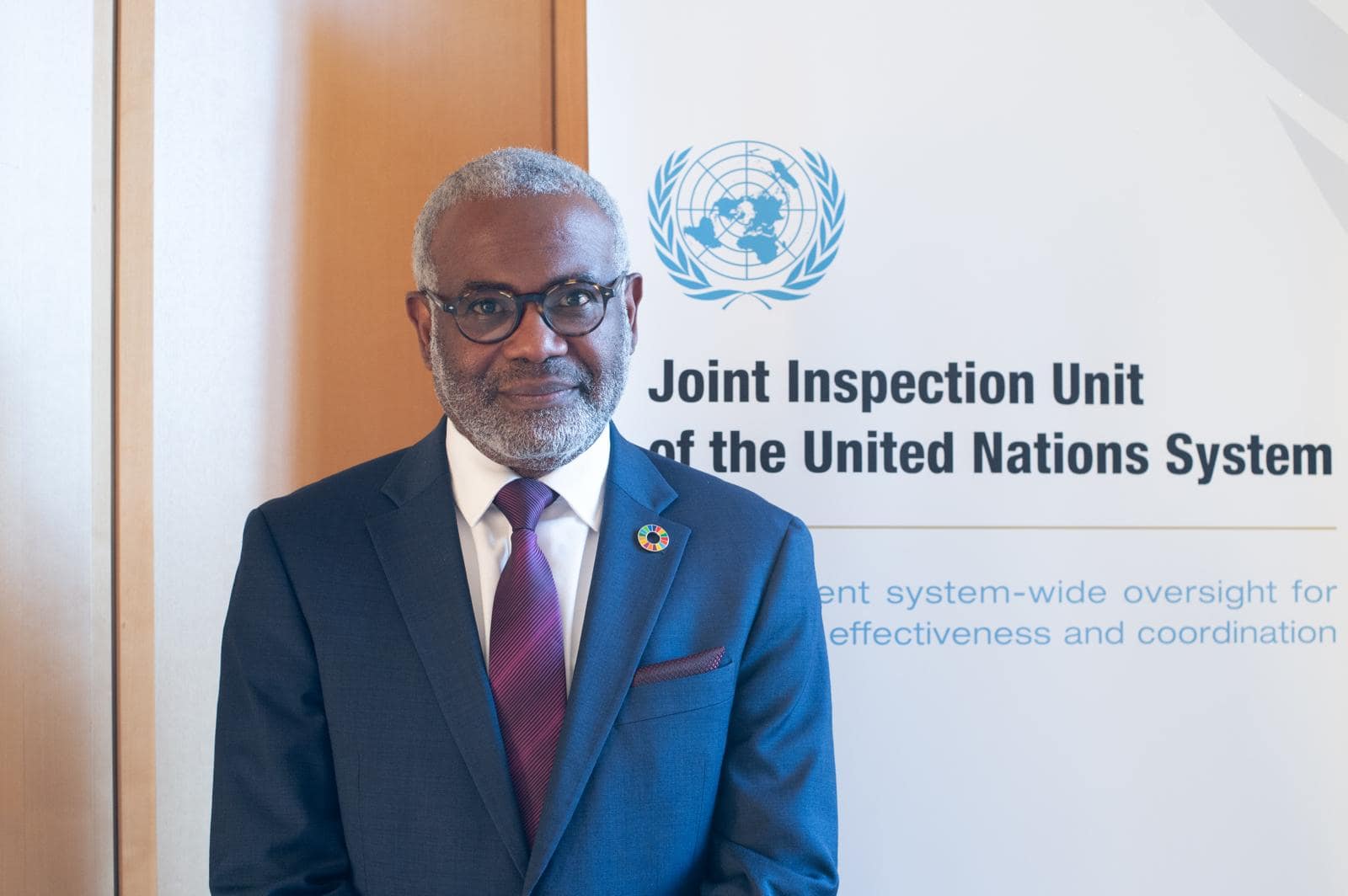
    In a significant development for international governance, veteran Antiguan diplomat Conrod C. Hunte has been elected to chair the United Nations Joint Inspection Unit (JIU), the organization’s sole independent external oversight body. The election occurred during the Unit’s Winter Session on December 3rd in Geneva, where Inspector Hunte assumed leadership alongside Vice-Chair Mohanad Al-Musawi of Iraq.

    This appointment marks a pivotal moment for the JIU as it approaches its 60th anniversary. Ambassador Hunte brings nearly forty years of multilateral experience to the position, including previous roles as Antigua and Barbuda’s Deputy Permanent Representative to the UN in New York and Permanent Representative to the International Renewable Energy Agency. His extensive background includes chairing both the Group of 77 and China in the UN Fifth Committee and the Alliance of Small Island States at UNFCCC conferences.

    Since joining the JIU in 2023, Inspector Hunte has already made substantial contributions through focused reviews of major UN agencies including the Food and Agriculture Organization and the UN Environment Programme. He has authored critical reports on governance structures within UNDP/UNFPA/UNOPS, UNICEF, and UN-Women, while co-authoring groundbreaking research on preventing sexual exploitation across the UN system.

    The JIU’s mandate under Hunte’s leadership will continue to focus on optimizing resource allocation, enhancing administrative efficiency, and identifying best practices throughout the UN system. Ambassador Walton Webson, Antigua and Barbuda’s Permanent Representative to the UN, celebrated the election as both a national pride and regional achievement, highlighting Hunte’s career-long dedication to strengthening accountability within international institutions.

  • Socialist Party of Peru celebrates Cuban Revolutionary anniversary

    Socialist Party of Peru celebrates Cuban Revolutionary anniversary

    The People’s Socialist Party (PSP) of Cuba has issued a stark assessment of Latin America’s political climate, characterizing the region as experiencing profoundly dark times marked by intensified imperial measures. According to the party’s anniversary statement, these actions aim to encircle not just physical territories but also the ideological spheres of popular thought, hope, and collective consciousness.

    The statement, released to commemorate another year of the Cuban Revolution, framed the occasion not merely as a historical milestone but as a testament to sustained resistance and moral victory. It emphasized that the Cuban people continue to demonstrate unwavering resolve in the face of unprecedented challenges.

    While acknowledging that Cuba’s journey has never been without difficulty, the PSP highlighted that current conditions present uniquely formidable obstacles. Despite this, the revolutionary fervor that ignited 67 years ago remains undiminished, serving as a continuous pulse driving present-day struggles.

    The party invoked Che Guevara’s vision, asserting that the revolutionary dream actively fuels the development of a new societal model built upon ethics, solidarity, and historical commitment. Cuba stands resilient, the statement affirmed, maintaining its dignity while resisting what it described as an inhumane economic blockade and a coordinated media campaign designed to isolate the nation globally.

    Countering this isolation, the PSP highlighted Cuba’s internationalist legacy—sharing revolutionary gains through education, healthcare, and scientific advancement dedicated to public welfare. This solidarity, characterized as substantive action rather than empty rhetoric, was crystallized in Fidel Castro’s principle: ‘Homeland is Humanity.’

  • Dominican organizations reiterate support for Cuba

    Dominican organizations reiterate support for Cuba

    International leftist organizations have issued coordinated statements commemorating the anniversary of the Cuban Revolution while simultaneously condemning United States foreign policy toward several Latin American nations. The United Left Movement (MIU) delivered a formal communication to Cuban President Miguel Diaz-Canel recognizing January 1, 1959, as a historically significant date that represents political liberation and independence achievements.

    The message coincides with the centennial celebration of Fidel Castro’s birth (1926-2016), whose legacy was characterized as fundamentally humanist, integrationist, and anti-imperialist. The MIU statement emphasized that Castro’s ideological principles continue to direct Cuba’s contemporary resistance movements and innovative approaches to national sovereignty challenges.

    A substantial portion of the communication addressed the ongoing U.S. economic, commercial, and financial embargo against Cuba, which the movement labeled as both inhumane and inconsistent with prevailing international opinion. The statement noted that the blockade contradicts the expressed will of most United Nations member states who have repeatedly voted against its continuation.

    The MIU further acknowledged the considerable sacrifices made by the Cuban population in defending national sovereignty and reaffirmed its “friendship and fraternal relations” with Cuba’s Communist Party, government institutions, and citizens.

    Separately, the Central Coordination of the Caamanista Movement endorsed these sentiments while expanding its criticism to include U.S. policies toward Venezuela, Nicaragua, Mexico, and Colombia. The Dominican Popular Movement separately characterized the Cuban Revolution as the most consequential revolutionary movement within the region and arguably across the global stage.

  • Maduro Says He’s Ready to Talk With the U.S. “Wherever and Whenever”

    Maduro Says He’s Ready to Talk With the U.S. “Wherever and Whenever”

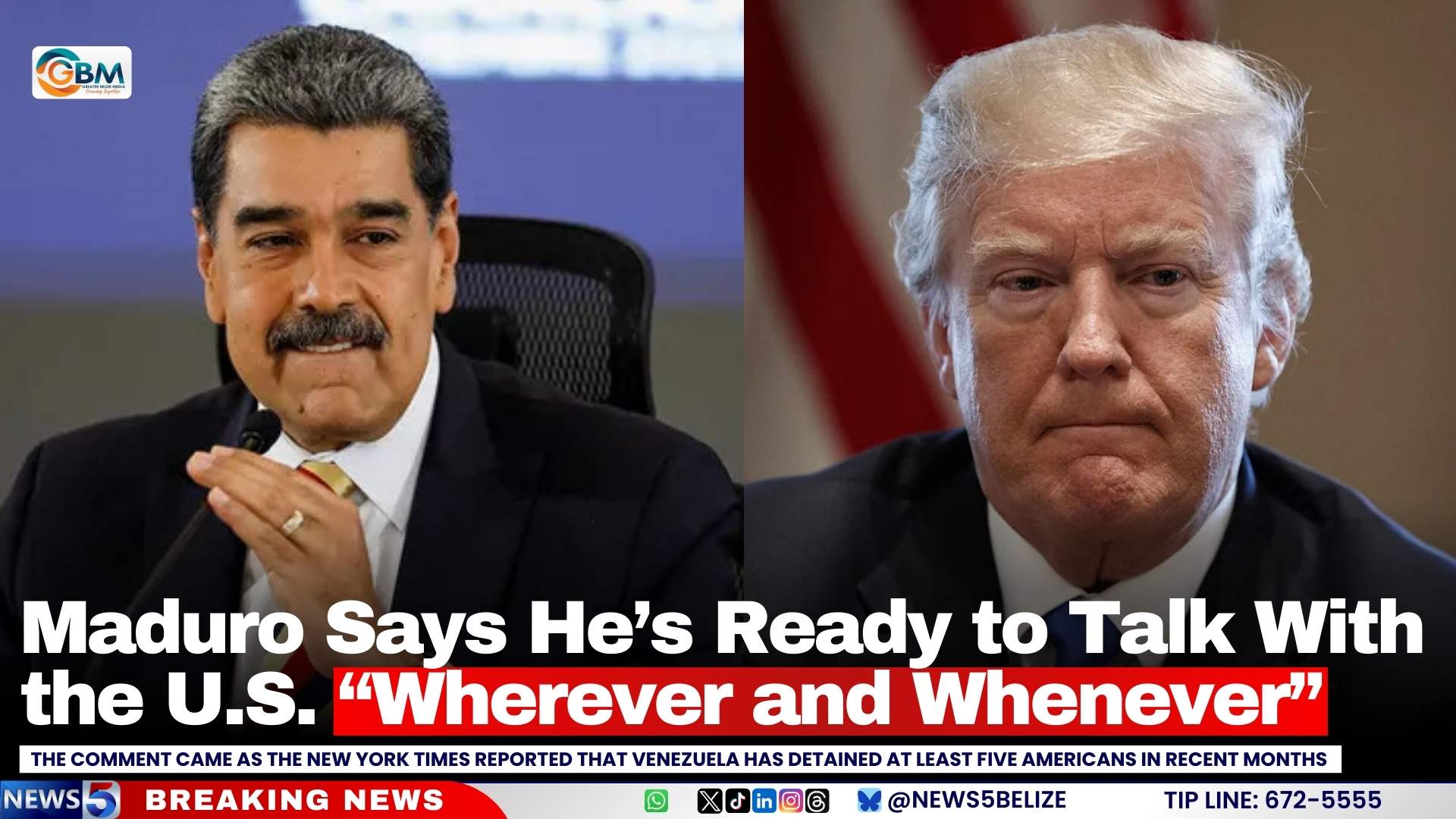
    Venezuelan President Nicolás Maduro has publicly declared his readiness to engage in diplomatic discussions with United States officials “wherever and whenever” they choose. This unexpected overture was delivered during a nationally televised address on Venezuelan state media this Thursday.

    The announcement arrives amidst escalating tensions between the two nations. According to a New York Times report, Venezuelan authorities have taken at least five American citizens into custody in recent months. U.S. officials under the Trump administration interpret these detentions as strategic maneuvers to gain diplomatic leverage.

    Maduro’s conciliatory statement follows unconfirmed reports of a military incident involving U.S. forces. President Donald Trump previously asserted that American military assets targeted a Venezuelan dock facility allegedly connected to narcotics trafficking. Subsequent intelligence suggests the operation may have been conducted by the Central Intelligence Agency utilizing drone technology, which—if verified—would represent the first acknowledged U.S. military action within Venezuelan territory.

    When questioned about the alleged strike, Maduro remained noncommittal, indicating the matter “could be discussed in a few days.”

    This diplomatic development occurs against the backdrop of intensified U.S. naval operations in the Caribbean and eastern Pacific regions. Over the past quarter, American forces have interdicted multiple vessels suspected of transporting illicit narcotics.

    Maduro has consistently rejected allegations of his government’s involvement in drug trafficking operations, characterizing the U.S. anti-narcotics campaign as a pretext for regime change and attempted control over Venezuela’s substantial petroleum reserves. The situation further deteriorated in December when U.S. authorities seized two oil tankers and pursued another, citing violations of international sanctions. Venezuela’s government has condemned these actions as acts of “international piracy.”

  • France condemns US operation to capture Maduro; Russia ‘strongly urges’ release

    France condemns US operation to capture Maduro; Russia ‘strongly urges’ release

    PARIS, France — The French government issued a stern condemnation on Saturday regarding the United States-led military operation that resulted in the capture of Venezuelan President Nicolas Maduro, denouncing it as a violation of fundamental international legal principles. Concurrently, Russia demanded the immediate release of the detained Venezuelan leader and his wife.

    French Foreign Minister Jean-Noel Barrot articulated the nation’s position through a formal statement on social media platform X, acknowledging Maduro’s record of human rights violations against Venezuelan citizens while simultaneously condemning the American intervention. Minister Barrot emphasized that the operation “contravenes the principle of non-use of force, which serves as a cornerstone of international law.”

    The French diplomatic statement further cautioned that escalating violations of this fundamental principle by permanent members of the United Nations Security Council would inevitably yield “serious consequences for global security, sparing no nation.” Barrot underscored that sustainable political resolutions cannot be externally imposed, reflecting France’s commitment to diplomatic norms and multilateral governance structures.

    Meanwhile, the Russian Foreign Ministry issued multiple statements expressing profound alarm over the development, characterizing the American operation as “an act of armed aggression against Venezuela.” Russian officials dismissed Washington’s justifications for the intervention as “untenable,” asserting that “ideological hostility has triumphed over businesslike pragmatism” in American foreign policy decision-making.

    The Kremlin demanded immediate clarification regarding the circumstances surrounding Maduro’s apprehension and called for the unconditional release of both the Venezuelan president and his spouse. Russia, which had reaffirmed its support for Maduro following his controversial re-election in 2024 and remains Venezuela’s principal strategic ally in South America, stopped short of explicitly committing military assistance to Caracas in potential confrontations with the United States.

    The coordinated responses from both European and Russian diplomatic channels highlight growing international concern over unilateral military actions and their implications for global security architecture. The developments mark a significant escalation in the ongoing Venezuelan political crisis that has drawn in major world powers with competing geopolitical interests.

  • Venezuelan capital quiet, streets empty after US strike

    Venezuelan capital quiet, streets empty after US strike

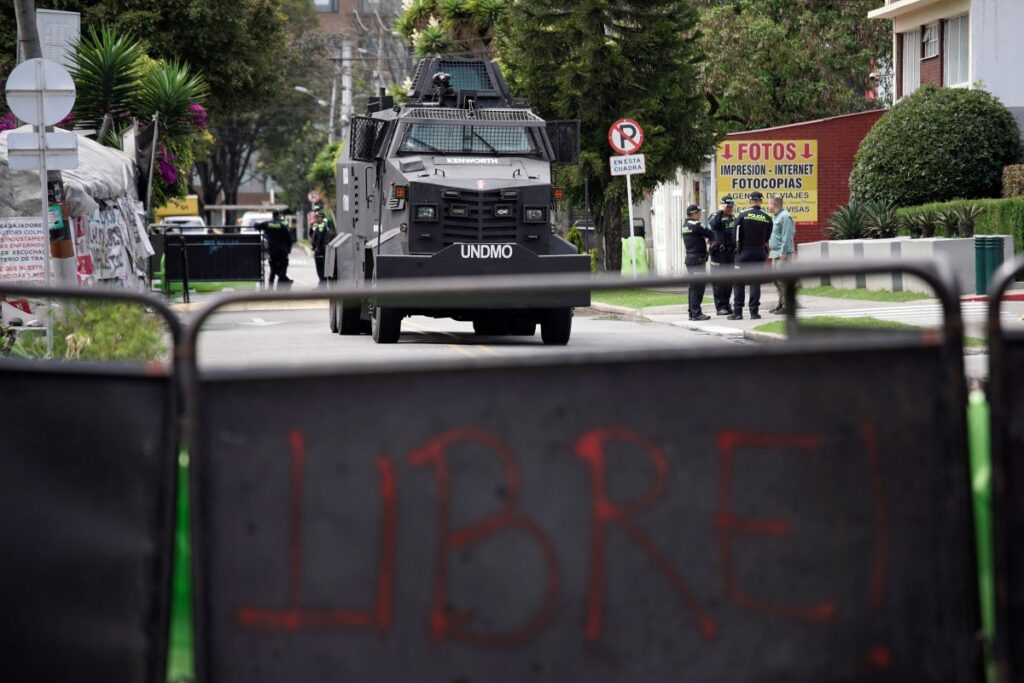
    CARACAS, Venezuela — The Venezuelan capital awoke to a transformed political reality Saturday following a pre-dawn U.S. military operation that resulted in the capture and removal of longstanding leader Nicolás Maduro. The city remained under a tense calm, with the distinct odor of explosives permeating the air as residents processed the dramatic overnight events.

    Beginning approximately at 2:00 AM local time, a series of powerful detonations rocked the city of six million, initially mistaken by some residents for fireworks. The strikes generated substantial shockwaves that rattled windows throughout the metropolitan area, prompting many citizens to rush onto terraces and balconies as military aircraft conducted operations overhead.

    Maria Eugenia Escobar, a 58-year-old Caracas resident, described the traumatic experience: “The explosion force literally threw me from my bed. In that terrifying moment, I thought ‘My God, the day has finally arrived,’ and I simply broke down crying.”

    Strategic military installations including the extensive compound in the Coche neighborhood, La Guaira’s airport and port facilities, along with targets in Maracay and Higuerote, sustained significant damage. Eyewitnesses reported observing substantial smoke columns rising from multiple locations across the city, eventually creating a dense, haze-like blanket over the urban landscape.

    U.S. President Donald Trump confirmed that American special operations forces successfully apprehended Maduro, who now faces transport to New York for judicial proceedings. The President emphasized that no American casualties occurred during the operation, though Venezuelan military and civilian casualties remain unverified.

    The city’s typically vibrant streets remained predominantly deserted throughout the day, with occasional vehicles passing through areas monitored by heavily armed security personnel in black uniforms. While numerous establishments chose to remain closed, limited commercial activity resumed at select locations implementing controlled customer entry.

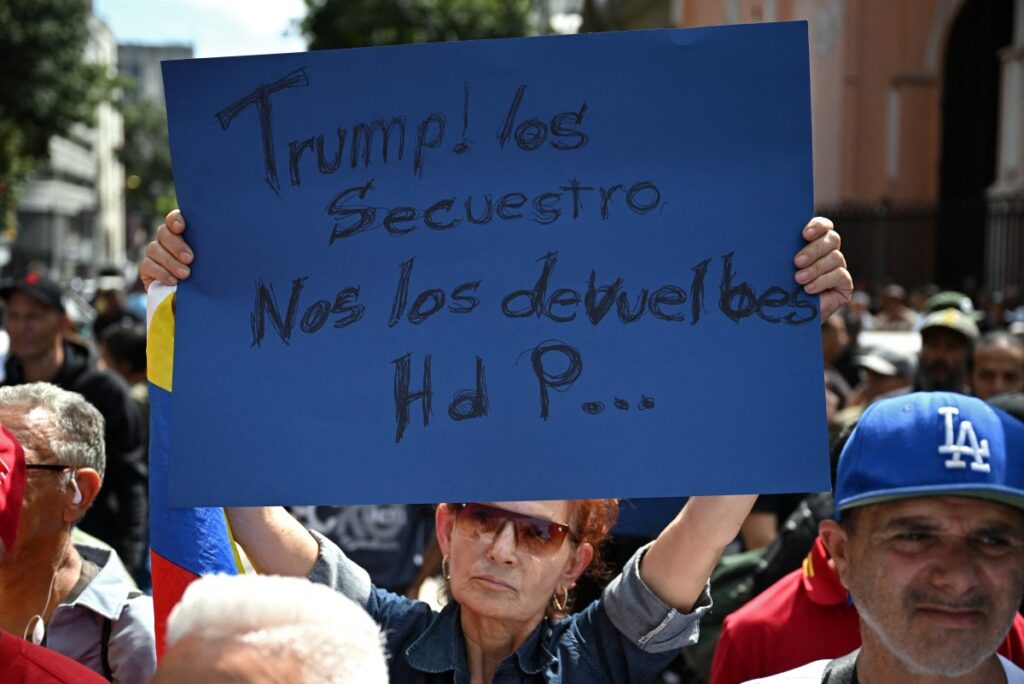
    Approximately several hundred dedicated Maduro supporters congregated at an improvised demonstration site, demanding information regarding their leader’s whereabouts and current condition. The gathering featured revolutionary music amplified through makeshift speaker systems alongside chants of “Long live Nicolás Maduro!”

    Katia Briceno, a 54-year-old university professor participating in the protests, condemned the American intervention as “barbaric,” questioning the legitimacy of foreign powers removing a national leader. Meanwhile, Defense Minister General Vladimir Padrino López accused U.S. forces of deploying missile and rocket attacks against civilian residential zones from combat helicopters.

    President Trump indicated readiness for potential additional military measures, stating he remained “unafraid of boots on the ground” while suggesting the possibility of “significantly expanded” subsequent strikes if warranted. The administration committed to overseeing Venezuelan governance until completing an appropriate political transition.

    Opposition leader Maria Corina Machado advocated for Edmundo Gonzalez Urrutia—whom opposition groups recognize as the legitimate winner of July 2024’s contested elections—to immediately assume presidential authority. However, Trump dismissed Machado’s leadership potential, instead expressing willingness to collaborate with Maduro’s deputy Delcy Rodriguez, whom he described as receptive to necessary reforms.

  • US aviation regulator shuts Caribbean airspace amid Venezuela action

    US aviation regulator shuts Caribbean airspace amid Venezuela action

    The United States Federal Aviation Administration (FAA) issued a significant airspace advisory on Saturday, directing commercial carriers to avoid portions of Caribbean airspace. The directive cited an ongoing ‘potentially hazardous situation’ linked to U.S. military operations, which culminated in the capture of Venezuelan President Nicolás Maduro.

    The aviation alert specifically warned of ‘safety-of-flight risks associated with ongoing military activity,’ effectively creating a no-fly zone for commercial aviation in the specified region. This precautionary measure underscores the scale and sensitivity of the military action undertaken.

    U.S. President Donald Trump publicly confirmed the successful capture of the Venezuelan leader, describing it as the result of a ‘large-scale strike’ conducted on Venezuelan territory. This decisive military intervention represents a dramatic escalation in a prolonged campaign of pressure against Maduro’s government.

    The operation follows an extensive period where the U.S. applied intensifying economic sanctions and diplomatic isolation tactics targeting Maduro’s socialist regime and its oil-dependent economy. Notably, this military action occurred just 48 hours after Maduro had extended an overture to the Trump administration, proposing bilateral cooperation on critical issues such as narcotics trafficking and illegal migration control.

  • Hurricane recovery a catalyst to address long-standing development constraints

    Hurricane recovery a catalyst to address long-standing development constraints

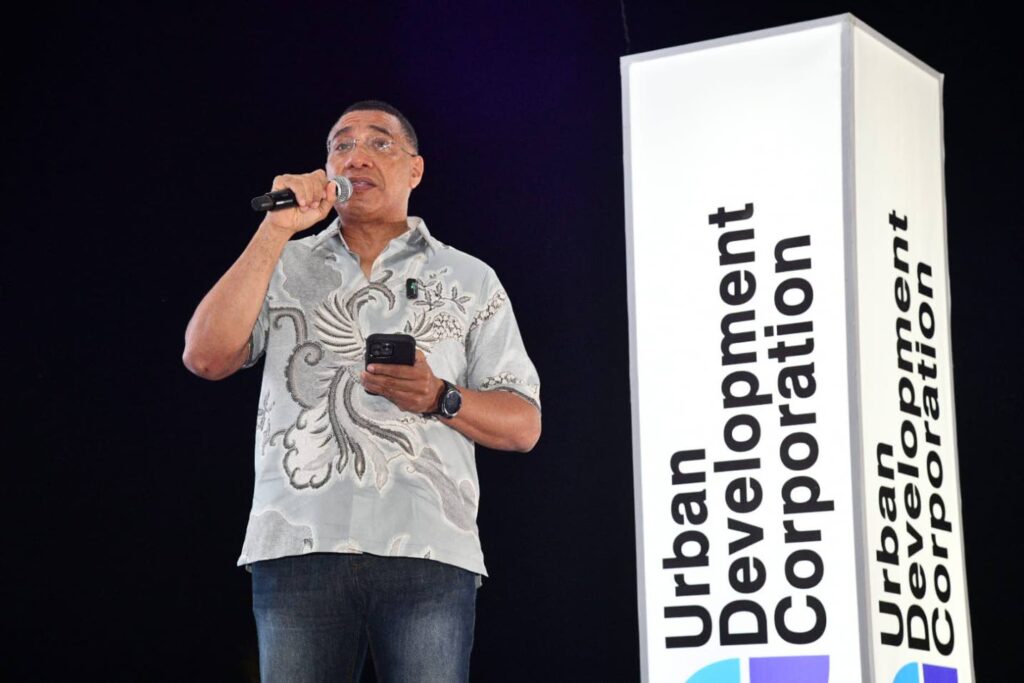
    Prime Minister Andrew Holness has declared that Jamaica’s rehabilitation efforts in the wake of Hurricane Melissa should serve as a springboard for tackling persistent developmental obstacles while simultaneously accelerating national objectives. During a media engagement in Black River after the inaugural Fireworks Festival on New Year’s Eve, Holness emphasized that the catastrophic event unveils a unique chance for nationwide transformative progress.

    Holness articulated that the disaster necessitates reconstruction that transcends mere restoration of pre-existing conditions, which he identified as inherent impediments to development. The hurricane laid bare structural deficiencies, particularly in infrastructure design and urban planning, that have historically stifled growth. He highlighted severe congestion as a principal developmental barrier, citing inadequate road dimensions and traffic overcrowding as critical constraints.

    The Prime Minister outlined a vision for constructing contemporary, functional towns equipped with modern amenities such as expansive sidewalks and sufficient parking to enhance mobility and livability. He affirmed that public safety continues to be a paramount concern, noting Jamaica’s achievement in reducing homicide rates to a 31-year low of approximately 700 cases.

    Economic resilience remains crucial to recovery, with Holness referencing a recent quarterly growth peak of five percent—the highest recorded in years. However, he cautioned that economic advancement must be paralleled by social cohesion and disciplined public behavior. Addressing broader societal violence and dysregulated conduct is essential alongside crime reduction, he stated.

    Holness concluded that societal peace, coupled with strategic investments in infrastructure, will catalyze visible transformations in both communities and individual lives across Jamaica.