分类: politics

  • MP told in Parliament: ‘Go an take yuh lil man’

    MP told in Parliament: ‘Go an take yuh lil man’

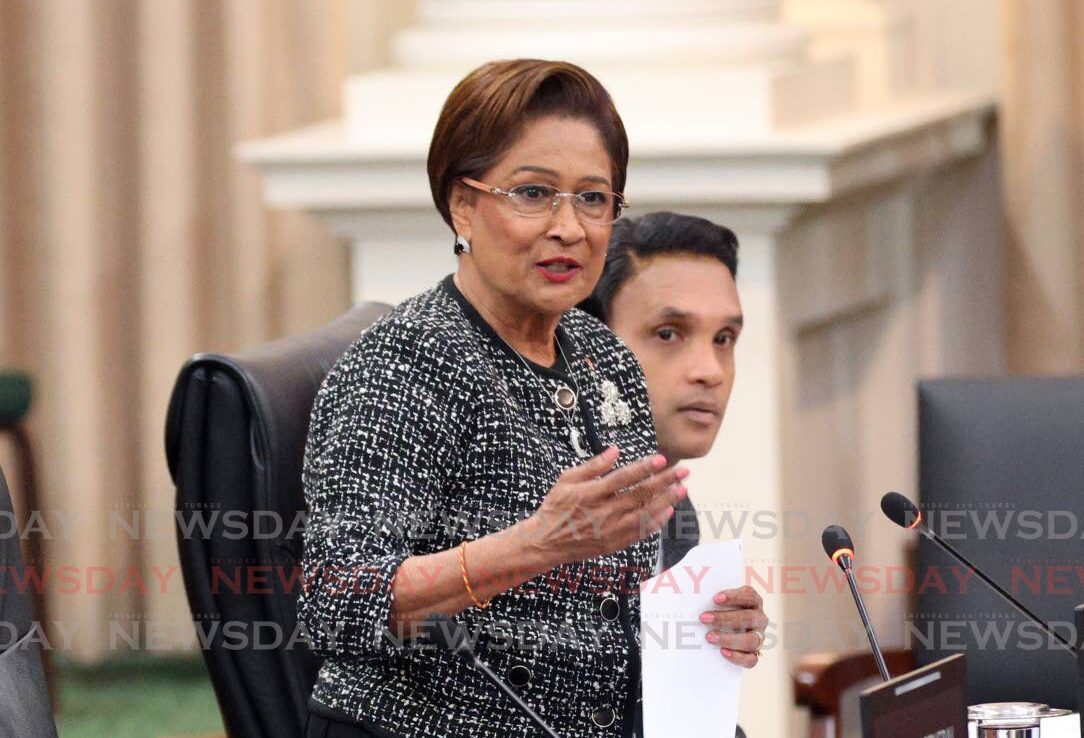
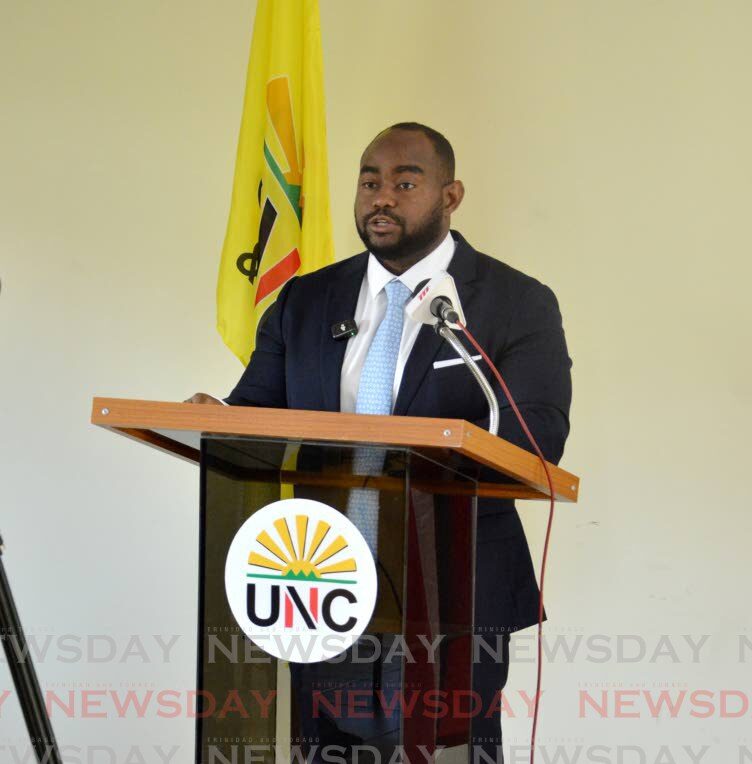
    A recent parliamentary session in Trinidad and Tobago was marred by a hot-mic incident that has sparked widespread controversy. During the debate on the Virtual Assets and Virtual Assets Service Providers Bill, 2025, proceedings were temporarily halted as House Speaker Jagdeo Singh addressed a standing order objection raised by the opposition. However, microphones remained active, capturing a voice from the government benches uttering what appeared to be a derogatory remark: ‘Hush yuh mouth, boy. Go and take yuh lil man.’ The rest of the comment was inaudible, and all microphones were muted shortly thereafter. Newsday attempted to contact the government minister believed to be responsible for the comment but received no response by the time of publication. This incident echoes a similar controversy in October 2024, when then-energy minister Stuart Young was heard on an open microphone making homophobic remarks. Young avoided being referred to the Privileges Committee by issuing a public apology. House Speaker Bridgid Annisette-George had condemned Young’s comments as ‘reprehensible’ and ‘despicable,’ urging MPs to refrain from making ‘misogynistic, homophobic, and disparaging’ remarks. The recurrence of such incidents raises concerns about the conduct of parliamentarians and the need for greater accountability in public discourse.

  • Gang Suppression Force threatens bandits in Haiti

    Gang Suppression Force threatens bandits in Haiti

    In a determined effort to restore stability in Haiti, Kenyan forces, under the leadership of FSP Commander Godfrey Otunge, have ramped up intelligence-driven operations and continuous patrols across critical regions. Otunge emphasized that these initiatives are designed to send a resolute message: the unchecked dominance of criminal gangs is coming to an end. Through strategic and visible actions, the mission aims to dismantle gang networks and reclaim security for Haitian communities. The FSP has implemented a multi-faceted security strategy, leveraging resources across land, sea, and air to ensure comprehensive coverage. Otunge reiterated the ultimate objective: to foster peace, safeguard vulnerable populations, and guarantee that every Haitian can live free from fear, with their fundamental human rights fully protected. The Kenyan official affirmed that joint operations will persist without interruption until all criminal entities are eradicated and neutralized.

  • Woman Detained After Urging Venezuela to Attack T&T PM’s Residence

    Woman Detained After Urging Venezuela to Attack T&T PM’s Residence

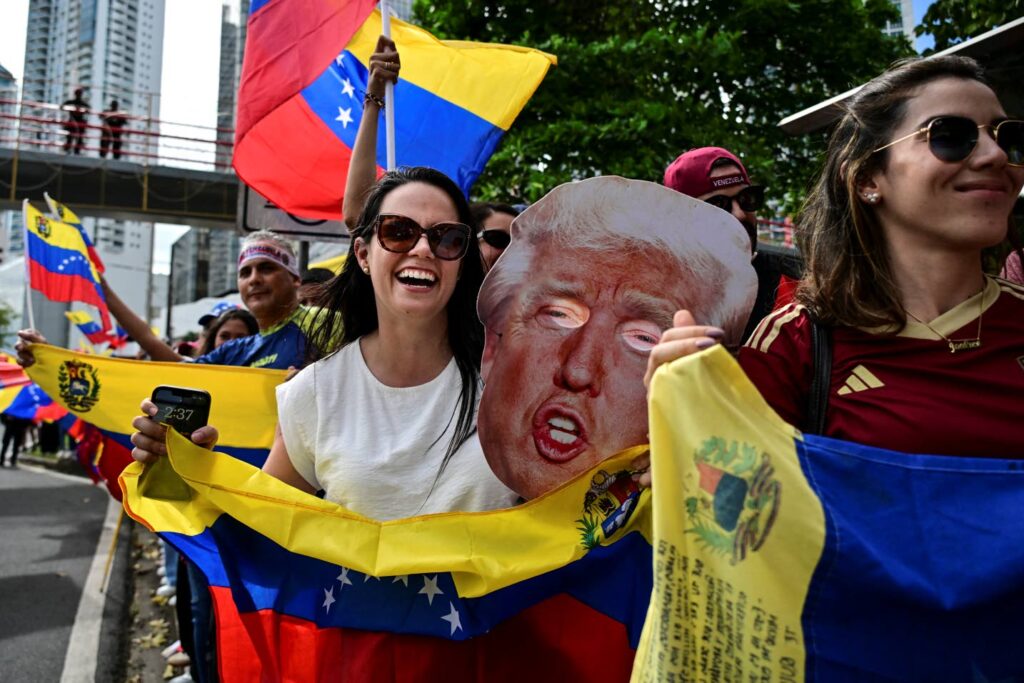
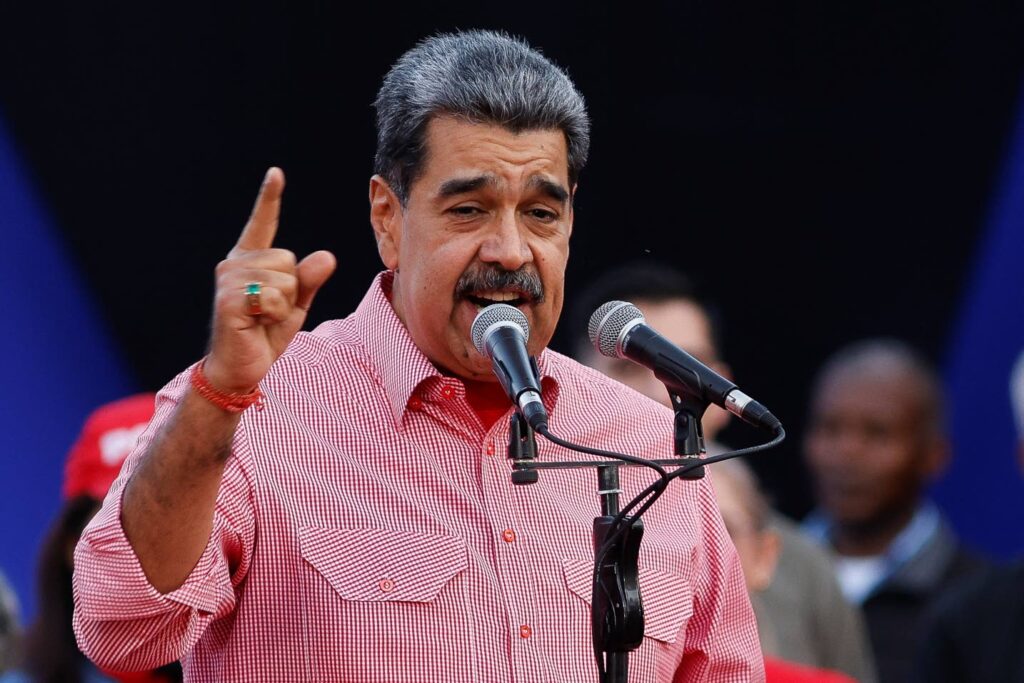
    A Trinidadian woman, Olive Green-Jack, has been detained following allegations that she urged the Venezuelan government to target the residence of Trinidad and Tobago’s Prime Minister, Kamla Persad-Bissessar. The incident stems from a social media post in which Green-Jack shared a photo of one of the Prime Minister’s residences and called for Venezuelan action against it. Authorities issued a detention order on November 12, citing her comments as a severe threat to national security and public safety. This development follows Venezuela’s declaration of Persad-Bissessar as persona non grata in October, a response to her support for U.S. naval exercises near Venezuelan waters, which Caracas viewed as a violation of its sovereignty. Green-Jack is currently being held at the Trinidad & Tobago Women’s Prison. The case has raised concerns about potential external influences inciting violence within the country.

  • Kazakhstan suspends application of Conventional Armed Forces Treaty

    Kazakhstan suspends application of Conventional Armed Forces Treaty

    The President of Kazakhstan has announced that the nation’s decision regarding the Treaty on Conventional Armed Forces in Europe (CFE) will be formally communicated across the country’s information and legal systems. This development comes in the wake of Russia’s recent withdrawal from the treaty, which has significant implications for regional security dynamics. The CFE, initially signed in 1990 and enforced in 1992, was designed to limit conventional weapons and equipment across five key categories: tanks, armored fighting vehicles, artillery, attack helicopters, and combat aircraft. It also established mechanisms for verifying compliance, including information sharing and inspections. Despite amendments in 1997, NATO members chose not to ratify the updated version, instead adhering to the original 1990 provisions to maintain the balance between NATO and the former Warsaw Pact. On May 29, 2023, Russian President Vladimir Putin formalized Moscow’s exit from the CFE, marking a pivotal shift in the treaty’s future and raising questions about its continued relevance in the current geopolitical landscape.

  • LISTEN: Director General of Communications Mounts Firm Defence of Works Minister Maria Browne

    LISTEN: Director General of Communications Mounts Firm Defence of Works Minister Maria Browne

    In a robust and unwavering defense, the Director General of Communications has publicly supported Works Minister Maria Browne amidst mounting criticism. Addressing the media, the Director General emphasized Browne’s dedication and effectiveness in her role, highlighting her contributions to key infrastructure projects and her commitment to public service. The defense comes in response to recent allegations questioning Browne’s performance and decision-making. The Director General dismissed these claims as unfounded, asserting that they stem from political motivations rather than factual inaccuracies. This public endorsement aims to reinforce confidence in Browne’s leadership and to counter the negative narrative surrounding her tenure. The statement also called for a more constructive and evidence-based approach to political discourse, urging stakeholders to focus on collaborative efforts rather than divisive criticism.

  • Colombia: Senator states Peace Agreement impacted social conscience

    Colombia: Senator states Peace Agreement impacted social conscience

    Carlos Gallo, a former member of the last secretariat of the Revolutionary Armed Forces of Colombia-People’s Army (FARC-EP), recently shared insights with Prensa Latina on the implementation of Colombia’s historic peace agreement. Gallo emphasized that the process was fundamentally a political endeavor, rather than a mechanical checklist of fulfilled terms. He noted that the government succeeding Juan Manuel Santos’s administration (2010-2018) opposed the agreement, creating significant political tension and resistance for four years. Despite this, a coalition of political and social forces emerged to safeguard the peace process from complete collapse. Gallo highlighted that the agreement catalyzed profound political and social transformations, including the election of Colombia’s first progressive government. The Final Peace Agreement, signed at the Colon Theater in Bogotá, marked the end of nearly four years of negotiations in Cuba and over 50 years of armed conflict with FARC-EP. As the agreement approaches its ninth anniversary on November 24, Gallo’s reflections underscore its enduring impact on Colombia’s political landscape.

  • Brazil’s PT calls for arrest of coup-plotter congressman

    Brazil’s PT calls for arrest of coup-plotter congressman

    In a significant development, Lindbergh Farias, the leader of the Workers’ Party (PT) in the Chamber of Deputies, has formally submitted a request to the Supreme Federal Court (STF) concerning the escape of Congressman Ramagem. Farias has accused Ramagem of using an irregular passport, violating precautionary measures, and posing a concrete risk to the enforcement of criminal law. Ramagem was sentenced to 16 years, one month, and 15 days in prison for his involvement in an attempted coup against democracy. Farias has taken to social media to publicize his actions and detail the measures already undertaken. In his statement, he emphasized the urgency of including Ramagem’s name on Interpol’s red list to facilitate his capture. Additionally, Farias has called for Ramagem’s extradition to Brazil to ensure he serves his sentence following the final ruling. According to Farias, Ramagem’s escape to the United States is fundamentally incompatible with the court’s imposed sentences, underscoring the need for swift international cooperation to uphold justice.

  • US pressures Europe to define interests on Ukraine

    US pressures Europe to define interests on Ukraine

    At a recent press conference, a German official revealed that Washington has actively engaged Ukrainian and European leaders to outline their core interests and integrate them into ongoing discussions. Analysts view this move as a strategic effort to distribute the responsibilities of a protracted military stalemate in Ukraine. Geopolitical experts suggest that this diplomatic initiative by the United States aims to alleviate the burdens of a conflict that predominantly impacts NATO’s hegemonic interests, especially after failing to secure decisive military victories against Russia. Berlin has asserted that the current line of contact should serve as the foundation for any future agreements, a stance widely interpreted as an implicit acknowledgment of the shortcomings of Ukraine’s counteroffensive and the constraints of Western military and economic support. Cornelius, a key figure in the discussions, underscored that any accord involving European states, the European Union, and NATO must receive unanimous approval from all allies. This requirement highlights the deepening fissures within the Atlantic alliance as member states grapple with the escalating military and economic pressures of the ongoing conflict.

  • Stanislas promises progress for Soufriere

    Stanislas promises progress for Soufriere

    As Saint Lucia gears up for its General Election on December 1, Herod Stanislas, the former Member of Parliament for Soufrière/Fond St. Jacques, has expressed unwavering confidence in his return to the House of Assembly under the United Workers Party (UWP) banner. With just 11 days remaining until the election, the UWP held a national public meeting in the Soufrière community of Palmiste on November 20, the eve of Nomination Day. The event coincided with the 65th birthday of UWP political leader and former Prime Minister Allen Chastanet, adding a celebratory tone to the gathering.

    Stanislas, who previously served as MP from 2016 to 2021, is vying for a second term after narrowly losing to Emma Hippolyte in the last election. Addressing the crowd, he outlined his vision for the constituency, emphasizing youth and sports development, infrastructural improvements, and economic revitalization. He highlighted his past achievements, including the reconstruction of 60% of the roads in New Development and the installation of artificial turf and a 400m rubber track at the Soufrière Stadium.

    Looking ahead, Stanislas pledged to complete the remaining road projects, construct an administrative building, and deliver 100 housing lots for first-time homeowners. He also unveiled plans to transform the old copra factory into a business incubator, museum, and restaurant to stimulate local economic growth. Additionally, he committed to advancing the second phase of the Soufrière Mini Stadium, which includes a multipurpose court for netball and volleyball, an Olympic-size swimming pool, and the certification of the track and football turf to host regional and international events.

    Stanislas further revealed his ambition to establish a cricket-specific ground on eight acres of land in Ruby, envisioning Soufrière/Fond St. Jacques as a hub for diverse sporting activities. He also lamented the unused land acquired for a 30-bed hospital during the previous UWP administration, expressing his determination to see the project come to fruition. The UWP is set to launch its 2025 Manifesto on November 23, outlining its broader plans for national development.

  • MP Questions How Antigua Reached “Unrealistic” $60,000 Per-Capita Income

    MP Questions How Antigua Reached “Unrealistic” $60,000 Per-Capita Income

    Opposition Member of Parliament Sherfield Bowen has leveled serious allegations against the government, claiming that the economic figures presented in the 2026 Throne Speech are inaccurate and misleading. Speaking at a United Progressive Party town hall meeting, Bowen argued that the data cited in the speech does not align with World Bank statistics and misrepresents the true economic state of Antigua and Barbuda.

    Bowen specifically challenged the government’s claim that the country’s GDP in 2000 was valued at US $802 million, stating that World Bank records show the nominal GDP for that year exceeded US $900 million, with an inflation-adjusted figure of approximately US $1.19 billion. ‘Where do you get 800,000 from those two numbers?’ he questioned, highlighting the discrepancy.

    He also disputed the government’s assertion of a 300 percent GDP growth over the past 25 years, asserting that the actual increase, when adjusted for inflation, is closer to 40 percent. Bowen accused the administration of manipulating historical data to create a narrative of economic progress.

    Additionally, Bowen criticized the Throne Speech’s claim that per capita income has reached US $60,000, calling it unrealistic for most working households. He pointed out that a significant portion of the national workforce is employed by the government, with more than half earning less than $3,000 monthly. He emphasized that only a small elite, approximately 153 individuals, earn exceptionally high incomes, which skews national averages.

    ‘The real, real, real people in Antigua are suffering,’ Bowen stated, arguing that the country’s economic indicators are being artificially inflated by a privileged few while the majority of residents face financial hardship. He urged the public to scrutinize official data and demand greater transparency and accuracy from the government.