分类: politics

  • How is democracy eroding in the US and what does this mean for Latin America?

    How is democracy eroding in the US and what does this mean for Latin America?

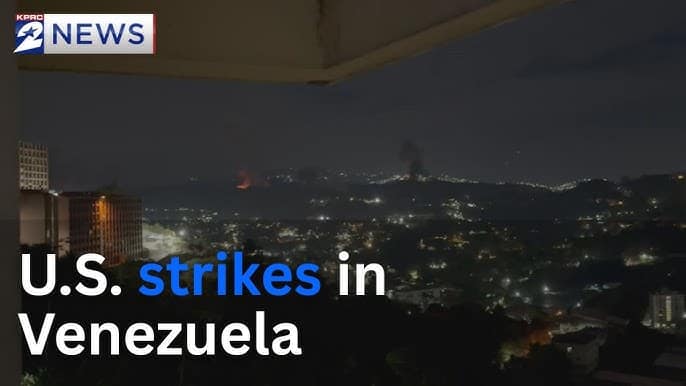
    The United States is experiencing a significant decline in its democratic foundations, raising concerns both domestically and internationally. Historically, the U.S. maintained a democratic regime characterized by free elections, universal suffrage, and a system of checks and balances. However, recent developments suggest a shift toward competitive authoritarianism, with the current administration undermining democratic institutions and processes. This transformation has drawn comparisons to autocratic regimes in Venezuela and El Salvador, where leaders like Hugo Chávez and Nayib Bukele have consolidated power at the expense of democratic norms. In the U.S., the executive branch has weakened federal bureaucracy, encroached on legislative powers, and weaponized government agencies to target universities, media, and political opponents. Immigrants and African American citizens have faced violations of due process, further eroding civil liberties. Scholars such as Steve Levitsky and Lucan Way have declared that the U.S. no longer qualifies as a democracy, marking a stark departure from its historical identity. The implications of this democratic erosion extend beyond U.S. borders, particularly affecting Latin America. The Trump administration’s policies, supported by a compliant Congress and Supreme Court, have disrupted international aid, immigration processes, and anti-drug trafficking efforts. Programs promoting democracy and human rights in Cuba, Venezuela, and Nicaragua have been suspended, while immigration policies have become increasingly harsh. The Immigration and Customs Enforcement (ICE) agency has detained and deported thousands, often without due process, leading to widespread human rights abuses. These actions have reduced the flow of remittances, a critical economic lifeline for many Latin American countries. Additionally, the U.S. has escalated military interventions in the region, such as targeting Venezuelan vessels under the guise of drug enforcement, further destabilizing the area. The Trump administration’s support for authoritarian leaders and its erratic foreign policy have exacerbated political polarization and weakened democratic movements in Latin America. As the U.S. grapples with its democratic decline, Latin America must seek collective responses and strengthen regional leadership to mitigate the fallout from these developments.

  • Politic : Medellín, a relevant model for Port-au-Prince

    Politic : Medellín, a relevant model for Port-au-Prince

    In a significant step toward addressing its urban and security challenges, Port-au-Prince has turned to Medellín, Colombia, as a model for renewal. Allwitch Joly, Chief of Staff to Mayor Ralph Youri Chevry, represented the municipality at the international seminar titled ‘The Renaissance of Medellín: Lessons for a Renaissance of Port-au-Prince.’ Organized by the Haiti Renewal Alliance (HRA) on November 21 and 22, 2025, the event brought together experts from Colombia, Haiti, and the diaspora to discuss strategies for revitalizing Haiti’s capital. Joly outlined the severe security crisis in Port-au-Prince, driven by armed groups, economic instability, and mass displacement, which has crippled public services and daily life. He highlighted the Mayor’s office’s efforts, including the establishment of the Port-au-Prince Municipal Security Council (CSMPAP) in January 2025, as a key initiative in local governance. Joly proposed solutions such as securing strategic routes, strengthening the Haitian National Police, supporting youth and vulnerable communities, revitalizing the local economy, and fostering partnerships with civil society and international actors. He emphasized the relevance of Medellín’s approach, which combined dialogue, social urban planning, innovation, and municipal action to reduce insecurity and drive urban renewal. The seminar featured insights from prominent speakers, including former Haitian Minister Reginald Delva and Colombian experts Alejandro Londono, Juan Pablo Ortega, Natalia Castaño, and David Rodriguez. The City Hall expressed gratitude to HRA and confirmed its participation in the program’s next phase, including a study visit to Medellín in early 2026.

  • A look back at key points in 2021 manifestos

    A look back at key points in 2021 manifestos

    As the December 1 general election in Saint Lucia approaches, both major political parties, the Saint Lucia Labour Party (SLP) and the United Workers Party (UWP), have yet to unveil their manifestos. These documents, which serve as public declarations of a party’s policies, aims, and ideology, are crucial for voters to understand the parties’ plans for governance.

    The SLP, which campaigned in 2021 on the promise to ‘put people first,’ emphasized three core values: equity, respect for the rule of law, and inclusiveness. The party highlighted the severe economic contraction Saint Lucia faced in 2020, with a 23.8% decline, and a public debt nearing $4 billion. The SLP’s manifesto outlined measures to address economic decline, including focusing on housing, expanding the digital economy, and exploring health tourism. Additionally, the party pledged to revamp the Citizenship by Investment Programme (CIP), broaden financial services, and establish a youth economy. Other commitments included support for manufacturers and agro-processors, reestablishing banana marketing, and developing a medicinal and recreational cannabis industry. The SLP also promised to strengthen COVID-19 response, advance Universal Health Care, and enhance education by paying facility fees for all students and introducing TVET skills at the primary level.

    On the other hand, the UWP, which won the 2016 election with its ‘five to stay alive’ campaign, titled its 2021 manifesto ‘5 for Five.’ The UWP countered the SLP’s narrative of economic decline, stating that Saint Lucia’s economy was poised for robust growth before the pandemic. The party’s five-point plan included introducing unemployment benefits, expanding monthly assistance for the needy, reducing VAT to 10%, and providing medical care for all. In its first 100 days, the UWP promised a $3 million Back to School Programme, unemployment insurance consultation, and national health insurance legislation. The party also pledged to support infrastructure projects like the Millennium Highway and West Coast project, as well as agricultural initiatives such as the seven-crop project and Banana Productivity Improvement Programme. The UWP’s plans for tourism included expanding hotel room stock to 8,000 and promoting village tourism. In health and education, the party proposed transforming St. Jude Hospital into a university hospital and aligning education more closely with global offerings.

    Both parties have outlined comprehensive plans to address the economic, social, and political challenges facing Saint Lucia, but with the election just two weeks away, the delay in releasing their manifestos has left voters eagerly awaiting the details of their proposed policies.

  • Constituencies to watch; The election deciders Part 1

    Constituencies to watch; The election deciders Part 1

    As St. Lucia’s general election on December 1 approaches, the national spotlight has shifted to several pivotal constituencies that could determine the election’s outcome. From Castries East and Micoud South, where incumbent leaders defend their seats, to Choiseul, Vieux Fort South, Dennery South, and Soufriere, these races provide critical insights into the island’s evolving political landscape. In Castries East, Philip J. Pierre faces political newcomer Peter Chiquot, who emphasizes community service over personal ambition. Meanwhile, in Micoud South, Allen Chastanet contends with Shanda Lee Harracksingh, who challenges his representation record and advocates for youth development and agricultural support. Choiseul features a dynamic contest between Keithson ‘Kiffo’ Charles and Bradley Felix, both beloved by constituents and focused on infrastructure and economic development. Vieux Fort South, transitioning after the exit of former Prime Minister Dr. Kenny Anthony, sees a clash between seasoned campaign manager Danny Butcher and media personality Leanna ‘Lady Lee’ Johannes-Paul. Dennery South has gained attention due to a high-profile political defection, with Alfred Prospere and Benson Emile vying for votes on platforms of agricultural support and youth empowerment. In Soufriere, Emma Hippolyte and Herod Stanislas face off in a rematch centered on tourism, economic stability, and community development. Across these constituencies, voters prioritize infrastructure, economic opportunities, and leadership capable of delivering tangible improvements. These local issues, combined with national concerns, will shape the election’s outcome on December 1.

  • How to prepare to vote in Saint Lucia’s upcoming general election

    How to prepare to vote in Saint Lucia’s upcoming general election

    As Saint Lucia gears up for its forthcoming general elections, citizens are urged to ensure they are fully prepared to exercise their democratic rights. The Electoral Department has outlined essential steps for voters to verify their eligibility and registration status. Citizens who possess a Saint Lucian national identification card or participated in the previous general election are already registered. Eligibility extends to Saint Lucian citizens and Commonwealth citizens who have resided in the country for at least seven years and in an electoral district for a minimum of two months, provided they are 18 years or older. However, individuals declared of unsound mind, imprisoned, or under a death sentence are ineligible to register. To register, voters must visit the Electoral Department at #23 High Street, Castries, in the Godfrey James Building, bringing necessary documents such as a birth certificate, National Insurance Card, and, if applicable, a marriage certificate. Non-native citizens must present a Certificate of Registration or Naturalisation from the Ministry of Home Affairs. Voters who have relocated must update their registration to reflect their new address. Saint Lucia is divided into 17 electoral districts, with the Electoral Department revising the register annually and publishing supplementary lists twice a year. These lists are available for public review, and citizens have 12 days post-publication to file claims or objections. By January 31 each year, the register is updated to include new electors and remove ineligible names. Voters can confirm their registration details and access additional information via the Electoral Department’s website at https://www.sluelectoral.com/electoral/voter-record-search/.

  • More diversity needed in SVG’s political candidates

    More diversity needed in SVG’s political candidates

    As St. Vincent and the Grenadines (SVG) gears up for the 2025 general elections, the selection of candidates by the two dominant political parties—the ruling Unity Labour Party (ULP) and the opposition New Democratic Party (NDP)—reveals persistent patterns of underrepresentation across various demographics. Despite the significant contributions of women to Vincentian society, only five women are contesting across 15 constituencies, with three representing the ULP and two for the NDP. Both parties, historically led by male lawyers, continue to reflect a lack of gender diversity in leadership roles. The dominance of legal professionals among candidates further highlights the need for broader occupational representation, including health professionals, engineers, and environmental specialists, to address the multifaceted challenges facing SVG. Age diversity also remains a concern, with party leaders in their 60s and 80s, though the ULP has made strides in fielding younger candidates. Racial, ethnic, and religious diversity among candidates is notably limited, with the majority being of Afro-descendant heritage and Christian backgrounds. LGBTQ+ representation is absent, and persons with disabilities are also underrepresented. While diversity alone does not guarantee effective governance, it ensures that the voices of all societal groups are heard in shaping national development. Moving forward, there is an urgent need for more inclusive candidate selection processes to better reflect the rich diversity of SVG’s population.

  • Ecuadorian group affirms blockade on Cuba violates rights

    Ecuadorian group affirms blockade on Cuba violates rights

    In a recent communication to Alena Douhan, the UN Special Rapporteur on unilateral coercive measures, the Ecuadorian organization CPAZ highlighted the detrimental effects of the U.S. economic embargo on Cuba. The embargo, which has been in place for over six decades, has been described by CPAZ as ‘an act of genocide and the principal violation of human rights’ against the Cuban population. The group emphasized that the sanctions, particularly those reinforced between March 2024 and February 2025, severely impact essential sectors such as health, food, education, and technology access. CPAZ pointed out that these measures prevent Cuba from obtaining critical resources like medicines, medical equipment, agricultural inputs, credit, and advanced technologies. Additionally, the organization criticized the extraterritorial provisions of the Helms-Burton Act, which deter foreign investment and penalize third-country companies engaging with Cuba. The statement underscored the dire consequences for Cubans, including restricted access to cancer medications, HIV/AIDS treatments, diagnostic equipment, and surgical supplies, as international suppliers avoid trade with Cuba due to fear of U.S. sanctions.

  • NDP launches manifesto of ‘bold, transformative plans’

    NDP launches manifesto of ‘bold, transformative plans’

    The New Democratic Party (NDP), the primary opposition in St. Vincent and the Grenadines (SVG), has officially launched its manifesto for the upcoming general election. Party leader Godwin Friday described the document as a blueprint for \”bold, transformative plans\” aimed at reshaping the nation over the next five years. Speaking to supporters in Keartons, Barrouallie, Friday emphasized that the manifesto encapsulates the party’s vision for economic growth, public safety, and infrastructure development.

  • Israel challenges Sabby: ‘Tell them pull me file’

    Israel challenges Sabby: ‘Tell them pull me file’

    The political contest in South Central Windward has intensified as opposition candidate Israel Bruce demands incumbent Saboto Caesar to clarify allegations surrounding Bruce’s removal as a teacher from North Union Secondary School. Bruce, representing the New Democratic Party (NDP), challenged Caesar during a radio interview on Hot 97 FM, urging him to disclose the details he has hinted at. This marks Bruce’s second attempt to unseat Caesar, who is vying for a fourth consecutive term. Bruce dismissed the allegations, stating that teacher transfers are a routine matter under the Ministry of Education’s policies and do not require justification. He further challenged Caesar to produce his employment records, emphasizing that the Ministry maintains staff files. The rivalry between the two candidates has grown increasingly personal, with Caesar criticizing Bruce for his legal representation of individuals accused of robbing Caesar’s wife in 2018. However, Caesar did not mention that his wife later withdrew the charges voluntarily. Bruce, in turn, accused Caesar of neglecting the needs of South Central Windward, particularly regarding unemployment among young men and challenges faced by farmers. The exchange highlights the deepening animosity between the candidates as the election approaches.

  • Beckles: Truth, democracy in danger in Trinidad and Tobago

    Beckles: Truth, democracy in danger in Trinidad and Tobago

    Opposition Leader Pennelope Beckles has issued a stark warning about the erosion of truth and democracy in Trinidad and Tobago, citing the pervasive spread of misinformation and the rise of superficial politics. Speaking at the relaunch of the Dr Eric Williams Institute for Political Education on November 22, Beckles emphasized the critical need for education and critical thinking to safeguard the nation’s democratic foundations. The event, held at the San Fernando City Hall Auditorium, marked a renewed commitment to the principles of Dr Eric Williams, the country’s first prime minister and a national icon. Beckles, who also serves as the political leader of the People’s National Movement (PNM), stressed that the institute’s revival is not merely a nostalgic gesture but a strategic move to institutionalize Williams’ methodologies for future generations. She highlighted the dangers of a society that neglects education, warning that such a path leads to manipulation and stagnation. Beckles urged PNM supporters to view Williams not as a historical relic but as a foundational figure whose legacy continues to shape the nation’s progress. She called for a return to the party’s roots, emphasizing the importance of building leaders and thinkers rather than mere followers. San Fernando East MP Brian Manning echoed these sentiments, crediting Williams and the PNM for the majority of the country’s progress. He criticized the government’s recent revitalization blueprint as a poor imitation of the Vision 2020 plan crafted by his father, former Prime Minister Patrick Manning. PNM education officer Dr Jelani Reid addressed the issue of misinformation, describing it as a societal illness that undermines the truth. He referenced recent claims by UNC PRO Dr Kirk Meighoo that Williams was not Trinidad and Tobago’s first prime minister, emphasizing the need to reclaim the narrative and ensure factual accuracy. San Fernando Mayor Robert Parris, a product of the institute, welcomed its relaunch, underscoring its enduring relevance. The PNM’s November 21 statement described the institute as a modern, 21st-century adaptation of the party’s traditional Party School, first established by Williams.