分类: politics

  • Trump considering military options to acquire Greenland

    Trump considering military options to acquire Greenland

    WASHINGTON — The White House has escalated geopolitical tensions by declaring the potential acquisition of Greenland a national security priority, with press secretary Karoline Leavitt confirming that military force remains “always an option” for the United States. This provocative stance comes despite urgent requests from both Danish and Greenlandic authorities for high-level diplomatic meetings to address what they term “misunderstandings.”

    The administration’s renewed interest in the autonomous Danish territory appears linked to recent military operations in Venezuela, reflecting a pattern of expansionist foreign policy maneuvers. Greenland’s strategic significance has grown substantially due to its vast untapped rare earth mineral deposits and emerging shipping routes created by melting polar ice caps.

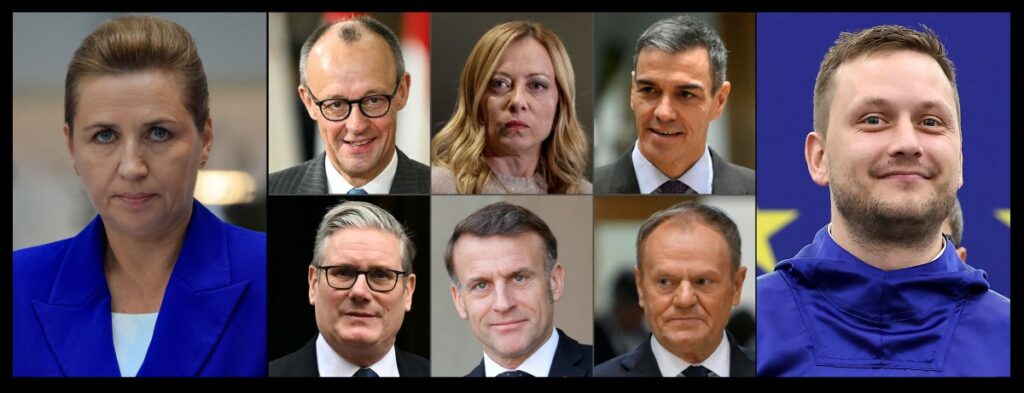
    European leaders have responded with unprecedented unity, issuing a joint statement signed by seven NATO allies affirming their commitment to territorial sovereignty principles. The declaration specifically states that “Greenland belongs to its people” and that only Denmark and Greenland may decide matters concerning the territory.

    Greenlandic Prime Minister Jens-Frederik Nielsen reiterated that the island is “not for sale,” while Danish officials emphasized their substantial security investments totaling $14 billion annually. The diplomatic impasse continues as Greenland’s Foreign Minister Vivian Motzfeldt revealed that requested ministerial-level meetings throughout 2025 have remained unscheduled.

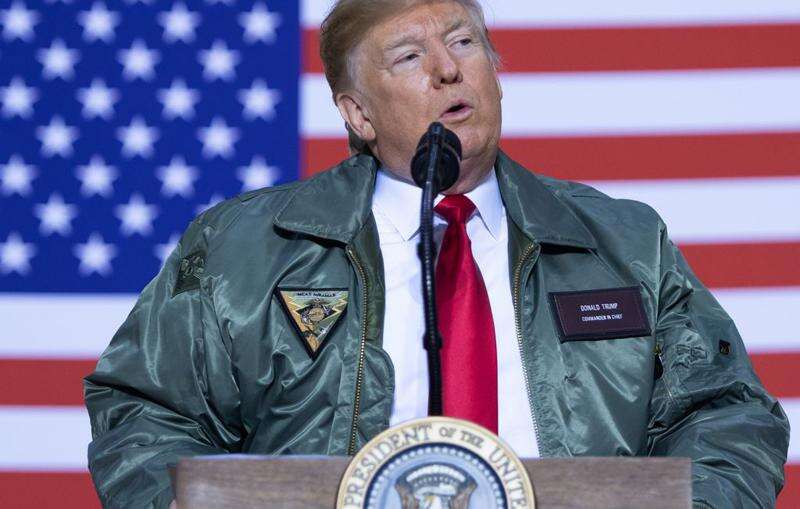
    President Trump, who has periodically floated the Greenland acquisition idea since his first term, suggested a decision might emerge within “about two months” following stabilization of the Venezuela situation. Arctic security experts like Marc Jacobsen of the Royal Danish Defence College describe the recurring proposal as “like a broken record,” noting the administration’s persistent underestimation of Denmark’s security capabilities despite Copenhagen’s significant defense allocations.
  • Grenada PM says US invasion of Venezuela pushes the region ‘into more instability’

    Grenada PM says US invasion of Venezuela pushes the region ‘into more instability’

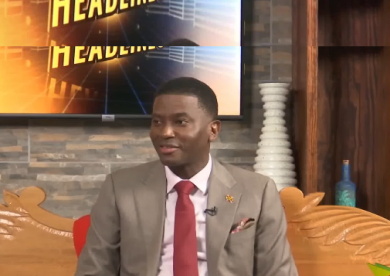
    ST. GEORGE’S, Grenada — Grenadian Prime Minister Dickon Mitchell has issued a stern critique of recent geopolitical developments in Venezuela, asserting that military interventions have exacerbated regional instability rather than resolving conflicts. Speaking on the Grenada Broadcasting Network’s ‘Beyond the Headlines’ program, Mitchell emphasized that sustainable resolutions can only emerge through diplomatic engagement and mutual compromise.

    The Prime Minister, a practicing attorney, articulated his government’s firm stance on respecting international norms and the sovereignty of all Western Hemisphere nations. His comments appeared directed at Washington’s recent actions in Venezuela, though he carefully avoided explicit confrontation. When questioned about the United States’ declaration to ‘run’ Venezuela following President Nicolás Maduro’s capture, Mitchell responded with diplomatic circumspection: ‘A country runs its own country. The only way you can run another country is if that territory belongs to that country or is its colony.’

    Simultaneously, Mitchell revealed ongoing discussions with the United States regarding a proposed memorandum of understanding (MOU) concerning third-country nationals. This initiative forms part of Washington’s broader strategy to relocate asylum processing away from American soil. While acknowledging receipt of detailed proposal documents, Mitchell clarified that Grenada has not committed to any agreement. The arrangement would involve Grenada potentially hosting deportees on a case-by-case basis when the United States cannot repatriate them to their countries of origin.

    The Prime Minister confirmed that technical officers and the Ministry of Foreign Affairs have engaged with the United States Agency for International Development (USAID) and the US Embassy, but stressed that ‘to date we have not agreed to accept.’ Mitchell declined to disclose specifics about Grenada’s counter-proposal, citing national security considerations.

    These developments follow the US military’s incursion into Venezuelan territory over the weekend, which resulted in the capture of President Nicolás Maduro. The Venezuelan leader and his wife appeared in a Federal Court in New York on Monday, pleading not guilty to charges involving alleged collaboration with drug cartels to facilitate cocaine shipments into the United States. The case has been adjourned until March 17, with defendants facing potential life imprisonment if convicted.

  • European leaders voice support for Denmark after Trump claims on Greenland

    European leaders voice support for Denmark after Trump claims on Greenland

    BERLIN, Germany — A coalition of European heads of state issued a resolute declaration on Tuesday, reinforcing their staunch backing for Denmark’s sovereignty over Greenland. This show of solidarity comes in response to renewed expressions of interest from U.S. President Donald Trump in the autonomous Arctic territory, which possesses significant strategic and economic value.

    The leaders of France, Britain, Germany, Italy, Poland, and Spain joined Danish Prime Minister Mette Frederiksen in a powerful joint communiqué. They collectively affirmed that principles of sovereignty, territorial integrity, and the inviolability of borders represent ‘universal values that we will ceaselessly uphold.’ This statement serves as a direct rebuttal to speculative remarks from Washington regarding Greenland’s future.

    Geopolitical tensions have been amplified by recent U.S. military engagements in Venezuela, prompting concerns among European allies about potential expansionist ambitions. Greenland’s vast deposits of untapped rare earth minerals, coupled with its strategic position along emerging Arctic shipping lanes created by melting polar ice, render it a territory of immense global importance. Furthermore, its location places it on the critical shortest flight path for missiles between Russia and the United States, hosting an existing American military installation.

    The European leaders emphasized that Arctic security constitutes a fundamental priority for the continent, describing it as indispensable for international and transatlantic stability. They highlighted NATO’s designation of the Arctic as a priority region and noted the increased presence and investments from European member states aimed at ensuring regional safety and deterring potential adversaries.

    The statement explicitly confirmed that Denmark, inclusive of Greenland, is an integral member of the NATO alliance. Consequently, the leaders argued that any framework for Arctic security must be developed collaboratively with all NATO allies, including the United States, and must rigorously adhere to the tenets of the UN Charter. They concluded by unequivocally stating, ‘Greenland belongs to its people. It is for Denmark and Greenland, and them only, to decide on matters concerning Denmark and Greenland,’ while simultaneously acknowledging the U.S. as an ‘essential partner’ in broader Arctic security efforts.

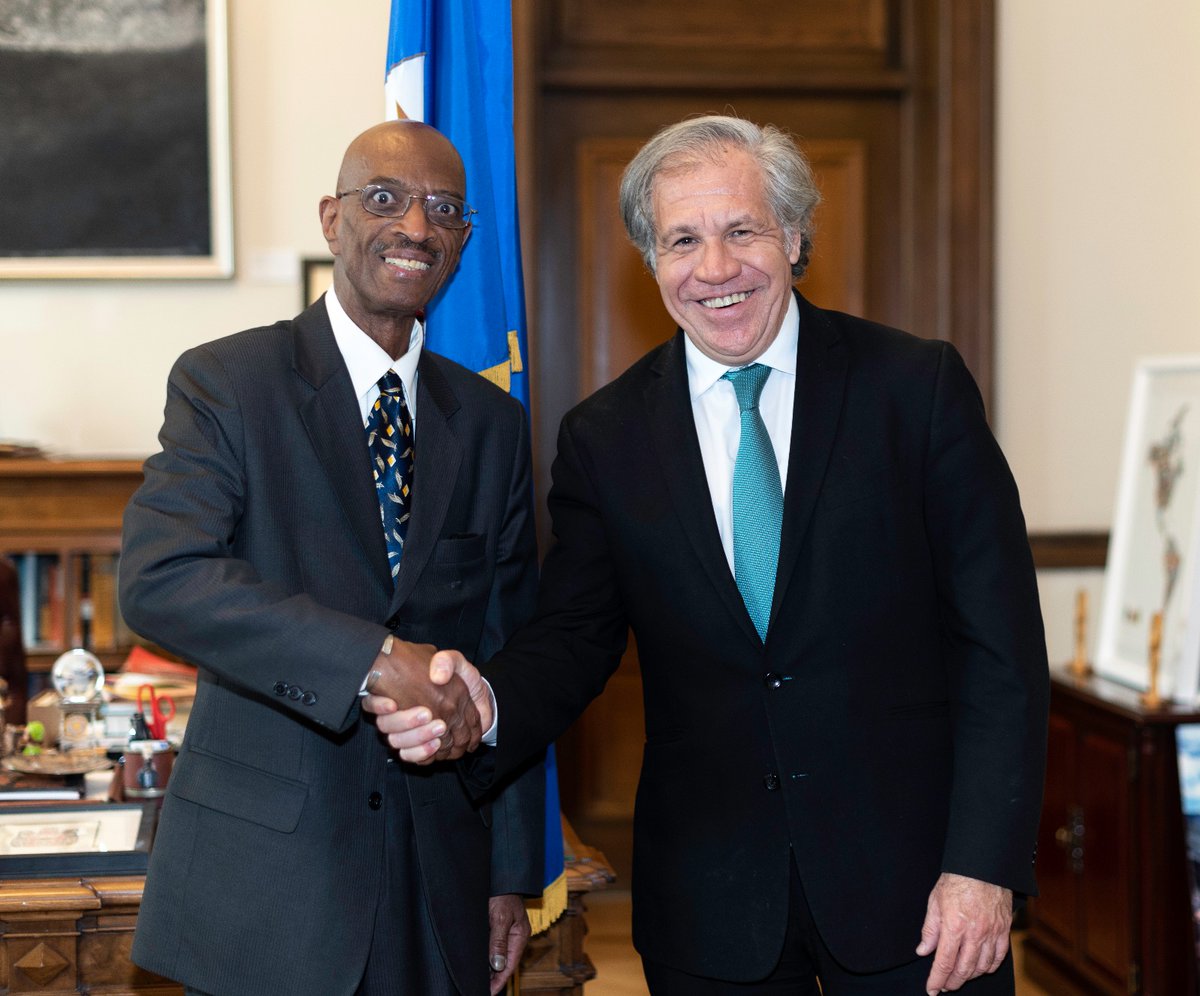
  • Former UN ambassador, Crispin Gregoire: CARICOM must find its voice amid Venezuela crisisis

    Former UN ambassador, Crispin Gregoire: CARICOM must find its voice amid Venezuela crisisis

    In a striking development that has sent shockwaves through international diplomatic circles, former Dominican UN Ambassador Crispin Gregoire has issued an urgent appeal for Caribbean Community (CARICOM) leaders to break their silence regarding Venezuela’s escalating political crisis. This follows the dramatic capture of President Nicolás Maduro by U.S. forces in what Gregoire describes as a meticulously executed operation that has left Venezuela’s military and political establishment in disarray.

    Gregoire, expressing profound disappointment with what he characterizes as the region’s ‘timid’ response, emphasized that Caribbean leaders must demonstrate unity and engage directly with Washington during this critical juncture. The former ambassador revealed astonishing operational details, indicating that U.S. intelligence had successfully penetrated Maduro’s innermost security circle, allegedly relocating family members of his personal guards to the United States under new identities prior to the operation.

    The actual extraction, conducted by Delta Force operatives, reportedly unfolded with military precision—completing Maduro’s seizure along with his wife within a remarkable twelve-minute window. This operation has triggered profound legal and political questions regarding sovereignty violations and the bypassing of conventional diplomatic protocols.

    Maduro now confronts an extensive 700-page indictment in U.S. courts that portrays him as a central figure in international drug trafficking networks. Gregoire drew compelling parallels to the case of Panama’s Manuel Noriega, raising fundamental questions about the legitimacy of trying a foreign head of state apprehended under such controversial circumstances.

    The ambassador further highlighted the severe destabilization risks within Venezuela, where armed factions including Colombian groups and Maduro’s colectivos militia remain heavily armed and operational. Compounding regional concerns are emerging reports suggesting possible connections between Caribbean politicians and Maduro’s alleged narcotics network, with recent cocaine seizures in Dominica and investigations into energy officials fueling speculation about regional involvement.

    Gregoire’s central argument maintains that CARICOM’s continued silence represents a dangerous abdication of regional leadership that could ultimately compromise the Caribbean’s political sovereignty and international standing. He criticized regional leaders for what he perceives as their subdued response to the Trump administration’s actions, suggesting they have been ‘whipped into submission’ for political survival.

    This crisis transcends Venezuela’s immediate future, presenting a critical test of the Caribbean’s ability to assert its geopolitical interests amid great power intervention. Gregoire’s statement serves as a potent reminder that in moments of international upheaval, neutrality carries significant consequences.

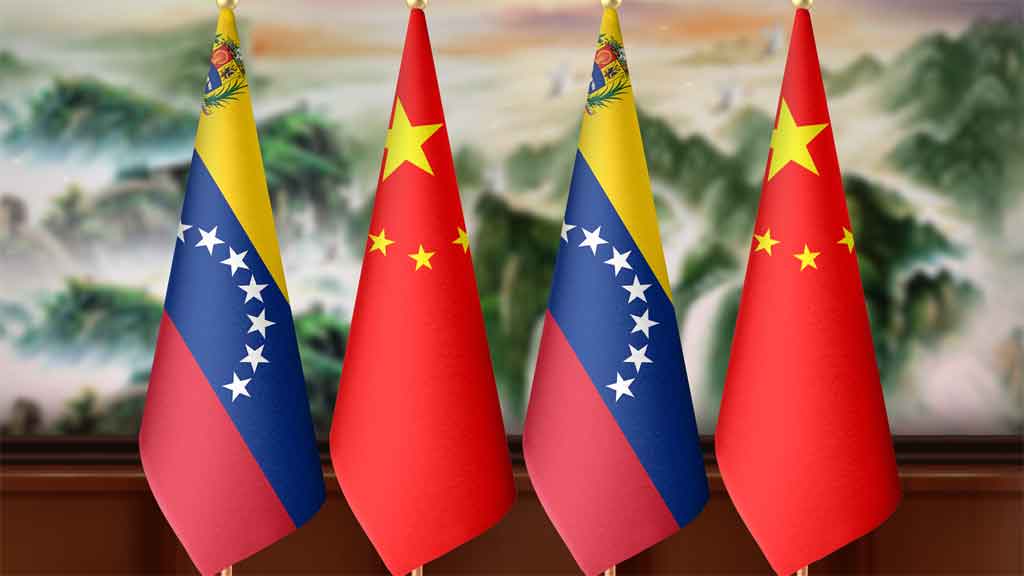
  • China underscores willingness to deepen ties with Venezuela

    China underscores willingness to deepen ties with Venezuela

    In a firm diplomatic stance, China has denounced recent U.S. military operations in Venezuela while reaffirming its strategic partnership with the South American nation. Foreign Ministry Spokesperson Lin Jian declared that China’s legitimate interests in Venezuela would be legally protected, emphasizing Beijing’s commitment to international law and sovereign equality.

    The Chinese government expressed strong condemnation of what it termed the ‘abduction’ of Venezuelan President Nicolas Maduro and First Lady Cilia Flores following U.S. military airstrikes. Spokesperson Lin reiterated China’s position of respecting Venezuela’s sovereignty and independence, expressing confidence that Caracas would manage its internal affairs in accordance with its constitutional framework.

    Foreign Minister Wang Yi articulated Beijing’s rejection of unilateralism in international relations, explicitly criticizing the concept of any nation assuming the role of ‘world policeman’ or acting as a global judiciary. This statement reflects China’s broader foreign policy approach that prioritizes multilateralism and non-interference in sovereign states’ domestic affairs.

    The bilateral relationship between China and Venezuela was characterized as an ‘unwavering strategic partnership’ with comprehensive cooperation across multiple sectors including energy, infrastructure, and finance. This longstanding alliance has involved significant Chinese investment in Venezuela’s oil industry and development projects.

    Beijing has formally called upon the United States to immediately release President Maduro and his wife while ceasing what China describes as attempts to destabilize Venezuela’s constitutional order. The statement represents one of the most direct confrontations between Beijing and Washington regarding Western Hemisphere affairs in recent years.

  • AU prepares for Assembly of Heads of State and Government

    AU prepares for Assembly of Heads of State and Government

    The African Union (AU) has officially disclosed the comprehensive timeline for its forthcoming leadership summit, with high-level assemblies scheduled to culminate in February 2026. The detailed agenda was formally announced through the continental body’s official social media channels.

    The preparatory phase will commence with the 51st Ordinary Session of the Permanent Representatives’ Committee, convening from January 12 to 30. This crucial preliminary meeting will assemble ambassadors from member states alongside senior AU officials. Their primary mandate involves conducting thorough analyses of draft reports and meticulously formulating the agenda for the subsequent Executive Council session.

    Following this diplomatic groundwork, the 48th Ordinary Session of the Executive Council is slated for February 11-12. This ministerial-level gathering will bring together foreign ministers and other designated high-ranking officials from across the continent. The Council’s agenda focuses on substantive discussions regarding issues forwarded from the preparatory committee, alongside critical evaluations of policy implementation measures previously ordained by the Assembly. Participants will also dedicate significant effort to crafting detailed session agendas and drafting formal decisions for higher-level consideration.

    The entire process will reach its apex with the 39th Ordinary Session of the Assembly of Heads of State and Government on February 14-15, 2026. This premier gathering of African leaders represents the highest decision-making organ within the AU structure, where heads of state will convene to deliberate on and ultimately ratify decisions shaping the continent’s strategic direction.

  • Sri Lanka condemns US kidnapping of Maduro as piracy

    Sri Lanka condemns US kidnapping of Maduro as piracy

    The Communist Party of Sri Lanka (CPSL) has issued a strong condemnation of military actions targeting Venezuela, drawing explicit parallels to historical interventions by the United States. In a formal statement, the party characterized recent operations involving the deliberate bombing of civilian infrastructure as severe violations of international law that meet the criteria for war crimes.

    The CPSL analysis highlighted that these operations primarily targeted facilities essential to the daily lives and well-being of Venezuelan citizens, resulting in civilian casualties and creating severe humanitarian hardship. The party’s statement noted a ‘disturbing resemblance’ between these tactics and the systematic destruction of civilian infrastructure carried out in Iraq prior to the 2003 invasion.

    Contextualizing current events within broader historical patterns, the Sri Lankan political party referenced previous acts including the 2004 kidnapping of Haitian President Jean-Bertrand Aristide and the 1961 assassination of Patrice Lumumba, Prime Minister of the Democratic Republic of Congo. The CPSL framed these actions as part of a consistent pattern of imperialist objectives historically pursued by the United States to seize natural resources and wealth from sovereign nations.

    The party reiterated its firm rejection of these interventions and expressed unwavering solidarity with the Venezuelan people, praising their continued resistance against foreign interference and their defense of national sovereignty. The statement concluded by emphasizing the need for international accountability for actions that violate established international legal standards.

  • Afgezette Venezolaanse president Maduro voor Amerikaanse rechtbank

    Afgezette Venezolaanse president Maduro voor Amerikaanse rechtbank

    In a landmark legal proceeding, deposed Venezuelan President Nicolás Maduro made his inaugural appearance before a United States federal court in Manhattan today. The embattled leader, accompanied by his wife Cilia Flores, faces serious charges of narco-terrorism that previously justified his extraordinary arrest and extradition to New York during the Trump administration.

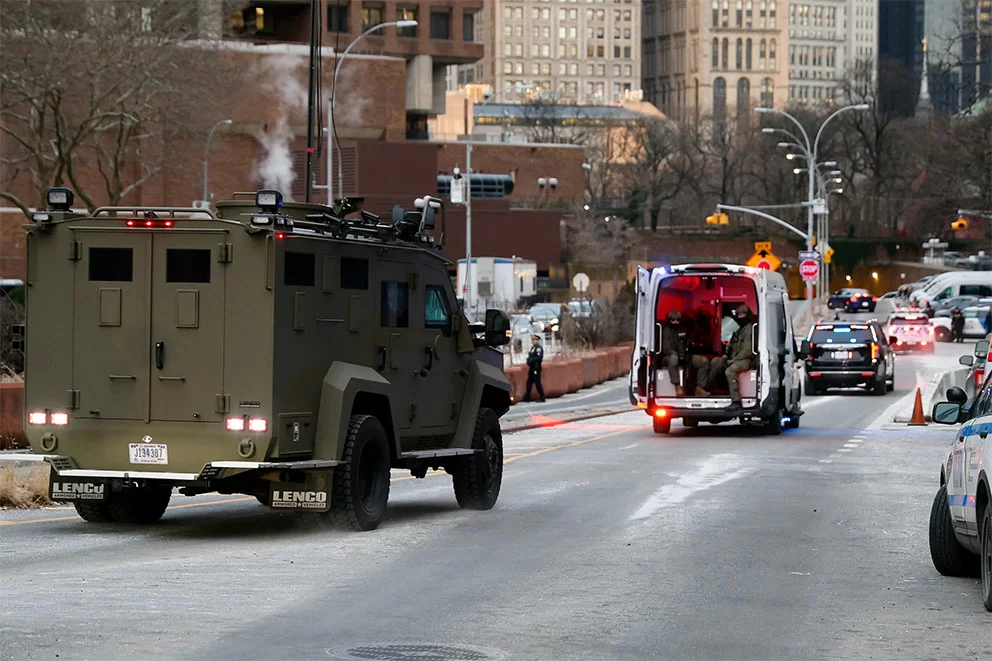
    The high-profile defendants arrived under intense security measures following an elaborate transport operation from Brooklyn’s detention facility. Surveillance footage captured Maduro displaying a noticeable limp as he transferred from a helicopter to an armored vehicle for final transport to the courthouse.

    This preliminary hearing initiates what promises to be an extended legal confrontation regarding jurisdictional authority over a sovereign leader. Maduro’s defense team is anticipated to invoke diplomatic immunity protections, mirroring unsuccessful arguments previously employed by Panamanian strongman Manuel Noriega during his 1990 U.S. prosecution.

    The American government maintains its non-recognition of Maduro’s controversial 2024 re-election legitimacy. Interim President Delcy Rodríguez has simultaneously demanded his repatriation while adopting unexpectedly conciliatory tones through social media channels, even extending cooperation invitations to Washington.

    Federal prosecutors allege systematic collaboration between Maduro’s administration and international drug cartels, accusing the Venezuelan leadership of facilitating thousands of tons of cocaine shipments to American soil. The indictment further encompasses grave accusations including kidnappings, torture, and targeted eliminations of drug trade competitors.

    Saturday’s military operation that secured Maduro’s capture primarily targeted regime criminal enterprises according to U.S. officials. Secretary of State Marco Rubio clarified temporary control objectives focused predominantly on enforcing petroleum embargo measures.

    President Trump concurrently articulated expansionist ambitions within the Western Hemisphere, launching verbal assaults against Colombian leader Gustavo Petro whom he accused of cocaine trade involvement.

    The comprehensive charges against Maduro, his spouse, and numerous Venezuelan officials span narcotics trafficking, weapons violations, and criminal conspiracy. Notably, while accusations involve the notorious Tren de Aragua criminal syndicate, U.S. intelligence assessments previously found no definitive government-gang collaboration.

    Additional corruption allegations detail bribery acceptance schemes wherein Maduro and Flores allegedly protected and facilitated drug traffickers operations for financial gain.

  • COMMENTARY: The oil myth obscuring Venezuela’s geopolitical reality

    COMMENTARY: The oil myth obscuring Venezuela’s geopolitical reality

    A recent U.S. military operation targeting Venezuelan territory has generated significant geopolitical repercussions across the Western Hemisphere, with unconfirmed reports suggesting the capture of President Nicolás Maduro and his spouse by American forces. This development has reignited longstanding debates about sovereignty, foreign intervention, and great-power competition in Latin America.

    The operation represents an escalation of Washington’s prolonged pressure campaign against Caracas, which has historically centered on allegations of narcotics trafficking, corruption, and governance deficiencies. Recent months witnessed increased U.S. naval deployments and targeted strikes against vessels suspected of drug trafficking operations in Caribbean and eastern Pacific waters.

    Contrary to popular narratives suggesting energy motivations驱动 behind American actions, analytical evidence contradicts the theory that the United States seeks to control Venezuela’s substantial oil reserves. The U.S. currently maintains energy self-sufficiency through domestic production and exports, while Venezuelan crude requires specialized refining infrastructure that would demand substantial investment and modernization efforts.

    A more plausible explanation centers on geopolitical considerations, as Venezuela’s deepening alliances with nations designated as adversarial by Washington—including China, Russia, and Iran—has created strategic concerns about great-power competition extending into America’s traditional sphere of influence. The military campaign appears primarily focused on countering perceived hostile influences rather than securing energy resources.

    Regional responses have revealed profound political divisions across Latin America and the Caribbean. Multiple left-leaning governments, including those of Brazil, Mexico, and Chile, have vehemently condemned the operations as violations of international law and sovereignty, advocating instead for diplomatic solutions. Smaller Caribbean nations expressed concerns about potential refugee crises, economic disruption, and forced political alignment.

    Notably, some regional voices, including Dominican ceremonial President H.E. Sylvanie Burton, have characterized U.S. actions as ‘bullying behavior toward smaller nations,’ reflecting deep-seated sensitivities about power asymmetry and interventionism. While limited cooperation on counternarcotics operations continues with some Caribbean states, most governments have emphasized the primacy of peaceful conflict resolution and respect for national sovereignty.

  • Cuba issues direct condemnation of U.S. capture of Venezuelan leader Nicolas Maduro

    Cuba issues direct condemnation of U.S. capture of Venezuelan leader Nicolas Maduro

    The Cuban government has issued a forceful condemnation of the United States’ military intervention in Venezuela that resulted in the capture of President Nicolás Maduro and First Lady Cilia Flores on January 3. In an official declaration characterized by strong rhetoric, Cuban authorities denounced the operation as an unlawful act of aggression that violates international law and the United Nations Charter.

    Cuba’s statement expressed unwavering solidarity with Venezuela’s Bolivarian government and endorsed Vice President Delcy Rodríguez’s demand for proof regarding Maduro’s safety and whereabouts. The Caribbean nation, a longstanding ally of Venezuela, pledged support for Caracas’ right to defend its sovereignty against what it termed ‘unwarranted foreign interference.’

    The condemnation framed the military action as part of a broader campaign against Venezuela that intensified in September 2025 with US naval deployments in the Caribbean Sea. Cuban officials characterized these maneuvers as based on ‘false pretexts and unfounded accusations lacking any evidence.’

    Invoking historical context, the statement suggested the operation reflects the Monroe Doctrine’s legacy, aiming to establish hegemonic control over Latin America’s natural resources and political systems. Cuban authorities warned of potential repercussions and placed direct responsibility for any casualties on US leadership, including former President Donald Trump and senior officials.

    The declaration referenced the 2014 Havana Declaration, which established Latin America and the Caribbean as a Zone of Peace, and called upon regional governments to honor this commitment. Cuba urged international condemnation of what it described as ‘state terrorism,’ arguing that such actions threaten global peace and challenge the sovereignty of all Latin American nations.

    Concluding with revolutionary fervor, the statement affirmed Cuba’s preparedness to ‘give even our own blood’ for Venezuela and echoed historical slogans: ‘Homeland or Death. We Shall Overcome!’