分类: politics

  • UDP’s German Tillet: “We’re Not Worried About Jose Mai, the Horse, or PUP”

    UDP’s German Tillet: “We’re Not Worried About Jose Mai, the Horse, or PUP”

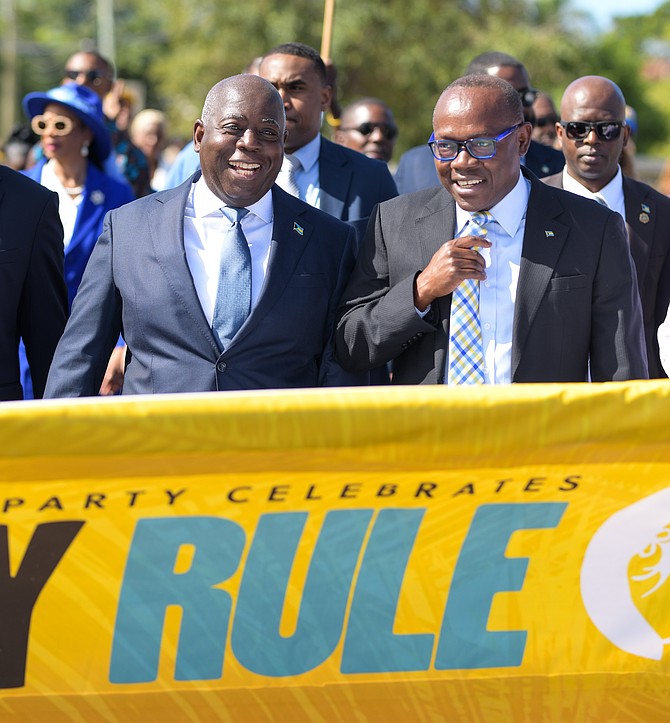
    In a striking display of political composure, United Democratic Party representative German Tillett has publicly dismissed concerns regarding his political rival’s controversial cabinet departure. The Orange Walk South constituency representative maintains unwavering focus on his parliamentary duties despite mounting speculation surrounding People’s United Party counterpart Jose Abelardo Mai’s November resignation from Cabinet.

    The political landscape shifted dramatically when Mai, who secured victory against Tillett in March’s general election, unexpectedly vacated his ministerial position. While Prime Minister John Briceño attributes the resignation to health complications stemming from equestrian injuries requiring surgical intervention, the departure coincides with serious allegations involving cartel connections and questionable procurement of bulletproof vests during Mai’s tenure at the Ministry of Agriculture.

    Tillett, participating in UDP’s National Convention, articulated his position with notable candor: “My commitment remains exclusively with serving UDP constituents. The electoral process demonstrated the people’s will, and I continue to earn their trust through tangible work. The internal decisions of PUP regarding Minister Mai represent their organizational matter alone.” The UDP representative extended professional courtesy by wishing Mai recovery while simultaneously emphasizing his detachment from the controversy.

    The political vacuum created by Mai’s absence raises significant questions about constituency leadership stability. Tillett’s calculated response suggests strategic positioning for potential future electoral opportunities, should the situation develop further. Notably, Mai has maintained silence regarding multiple requests for commentary, adding another layer of uncertainty to the developing political narrative.

  • President:  Als we het verleden durven aankijken, kunnen we samen een betere toekomst bouwen

    President: Als we het verleden durven aankijken, kunnen we samen een betere toekomst bouwen

    In a landmark address to the National Assembly during the state visit of King Willem-Alexander and Queen Máxima, President Jennifer Simons declared that Suriname and the Netherlands stand at a pivotal historical juncture to rebuild and deepen their bilateral relationship. The President emphasized that this royal visit presents a unique opportunity to transform a connection long characterized by colonial imbalance into a modern partnership grounded in mutual respect and shared values.

    President Simons articulated that the foundation for this renewed relationship must begin with acknowledging their complex shared history while simultaneously working toward reconciliation. “The future can be improved not only through recognition of what lies in the past,” she stated, “but also through collaborative efforts in the restoration process.” She affirmed Suriname’s readiness to shape its own destiny while recognizing the necessity of continued cooperation with the Netherlands as both country of origin and former colonial power.

    The framework for this reinvented relationship, according to President Simons, must be built upon principles of equality, pragmatism, mutual trust, and friendship. Both nations have demonstrated willingness to take this significant step forward, recognizing their numerous commonalities that provide a solid foundation for complementary cooperation across economic, cultural, and governance spheres. The shared legal system and language offer particular advantages for deepened collaboration.

    President Simons highlighted the profound social interconnectedness between the two nations, noting that substantial portions of both populations reside in each other’s countries. “This is literally our family,” she remarked, emphasizing that cooperation must extend beyond government levels to include private sector entities, youth organizations, businesses, and communities on both sides of the Atlantic.

    Addressing global uncertainties, the President stressed that regional peace and security require strengthened cooperation. She called for joint focus on processing historical wounds from both colonial and post-colonial periods, stating that both nations must “learn from history, look each other directly in the eye, process that history, and together create a better future.” Specific opportunities for collaboration exist in trade, economic development, energy, governance, and social advancement.

    Concluding with a powerful message, President Simons urged all Surinamese citizens to recognize that “we have a future together if we dare to face the past.” This state visit, she affirmed, provides a rare chance for both societies to collectively build a prosperous future for their people.

  • Column: Vruchtbare bodem

    Column: Vruchtbare bodem

    Recent confirmation of King Willem-Alexander’s long-anticipated state visit to Suriname has unveiled fascinating historical dimensions of the Dutch royal family’s relationship with the former colony. During the official opening of the Suriname Museum in Amsterdam, the monarch expressed his profound enthusiasm for the upcoming visit with Queen Máxima, noting he had “very much wanted to do this much earlier.

    The King’s remarks during his annual press conference in June revealed more than diplomatic protocol. When questioned about potential travel plans coinciding with Suriname’s 50th anniversary of independence (Srefidensi), he initially provided a formal response about requiring official invitations. However, he subsequently disclosed his deep curiosity about the nation and his hope to experience it similarly to how his mother had.

    This seemingly casual comment prompted historical investigation into Princess Beatrix’s numerous visits to Suriname during her pre-reign years. Archival research reveals multiple informal trips beyond official duties, facilitated by the warm relationship between the Orange and Ferrier families. While most remember the celebratory images of Beatrix cheering and dancing during the sovereignty transfer ceremonies, earlier visits tell a more personal story.

    Notably, Beatrix and Prince Claus visited Suriname during their 1966 honeymoon, traveling by traditional korjal boats along the Marowijne River, enjoying local fruits like Groningen markoesa, and demonstrating genuine relaxation far from royal formalities. Historical records confirm a second, less documented July 1966 visit, where the royal couple appeared thoroughly immersed in local culture—dancing, smiling, and completely at ease.

    The King’s reference to his mother describing Suriname as “the most beautiful country she had ever visited” gains deeper context through these historical connections. These personal experiences beyond diplomatic engagements reveal a genuine affection that transcends political relationships, suggesting the upcoming state visit carries emotional significance beyond mere protocol.

  • Trump Had a Phone Call With Maduro, Told Him to Resign Immediately

    Trump Had a Phone Call With Maduro, Told Him to Resign Immediately

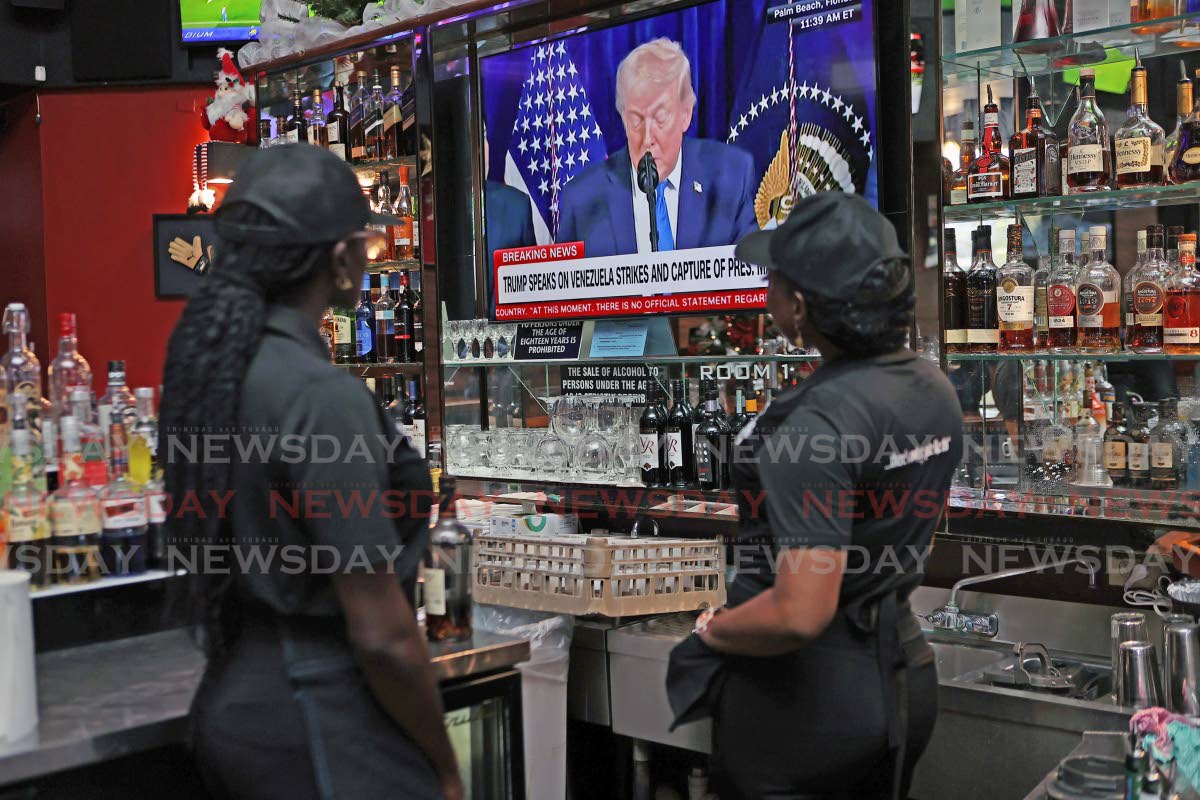
    In a dramatic escalation of tensions between the United States and Venezuela, President Donald Trump engaged in a direct telephone conversation with Venezuelan leader Nicolás Maduro on November 21, delivering an uncompromising demand for his immediate resignation. According to sources familiar with the exchange, Trump offered safe passage for Maduro and his family in return for stepping down from power.

    The Venezuelan president reportedly rejected the ultimatum, countering with a request for comprehensive ‘global amnesty’ protections for himself and key political allies. The Miami Herald first broke details of the high-stakes diplomatic encounter, which Trump later confirmed to reporters while remaining characteristically ambiguous about the conversation’s outcome, stating merely that he ‘wouldn’t say it went well or badly.’

    This diplomatic confrontation occurs against a backdrop of intensifying bilateral friction. Since September, U.S. military forces have conducted lethal strikes against vessels suspected of narcotics trafficking in Venezuelan territorial waters. Additionally, Washington has formally designated Venezuela’s alleged ‘Cartel de los Soles’ as a foreign terrorist organization—a characterization Venezuelan authorities dismiss as politically motivated fabrication.

    The situation further deteriorated when Trump announced via Truth Social that Venezuelan airspace should be considered ‘closed in its entirety.’ Caracas responded with an official communiqué accusing the United States of violating national sovereignty and attempting to illegally control its aviation territory. The Venezuelan government characterized recent U.S. suspension of repatriation flights for Venezuelan migrants as an act of aggression, noting that 75 previous flights had successfully returned nearly 14,000 citizens. The statement concluded with a firm declaration that Venezuela ‘will not accept orders, threats, or interference from any foreign power.’

  • How AI is shaping strategic engagement

    How AI is shaping strategic engagement

    In an era of escalating geopolitical complexities stemming from US-Venezuela tensions, Caribbean nations are increasingly turning to artificial intelligence to safeguard their strategic interests. Trinidad and Tobago, like its regional counterparts, faces unprecedented challenges in maintaining balanced international relations while protecting economic and political stability across the hemisphere.

    The evolving diplomatic landscape demands both agility and strategic foresight, with AI emerging as a transformative tool for modern statecraft. Through development initiatives, trade facilitation, and cultural diplomacy, Mexico under Ambassador Víctor Hugo Morales Meléndez has strengthened partnerships with Caribbean nations. Similarly, Panama’s strategic position as a logistics hub, guided by Ambassador Diomedes Carles, enhances regional connectivity through expanded aviation operations.

    AI technology now provides critical capabilities for analyzing cross-border energy flows, identifying economic disruptions, and monitoring migration patterns arising from regional instability. This data-driven approach equips diplomats with actionable intelligence for informed decision-making amid trade and security uncertainties.

    The transformation extends to economic diplomacy, where AI-powered market analytics and supply-chain monitoring enable smaller economies to identify competitive sectors and investment opportunities. As Mexico advances nearshoring and regional integration initiatives, Trinidad and Tobago can leverage analytical capabilities to attract investment and participate in emerging manufacturing networks.

    Consular services and public diplomacy also benefit from technological integration, with automated document verification and data-driven diaspora engagement enhancing embassy efficiency despite limited resources. During periods of geopolitical tension, these tools prove invaluable for citizen protection and regional stability maintenance.

    While technology augments diplomatic capabilities, the human elements of judgment, negotiation, and cultural understanding remain irreplaceable. The Caribbean’s next generation of diplomats must operate at the intersection of geopolitics, economics, and technology, combining analytical rigor with cultural intelligence to shape the region’s influence in an increasingly complex global landscape.

  • Belize elects first woman to head major political party

    Belize elects first woman to head major political party

    BELMOPAN, Belize — In a landmark moment for Central American politics, Tracy Taegar-Panton has been formally inaugurated as the first woman to lead Belize’s primary opposition force, the United Democratic Party (UDP). This historic appointment signals a strategic pivot for the party as it endeavors to heal internal fractures and reestablish its political standing.

    Addressing the significance of her new role, Taegar-Panton stated, ‘The magnitude of the responsibility does not escape me. While I am profoundly excited for both Belize and the party, I approach this with sober reflection. This reset is imperative, presenting a crucial opportunity to rebuild and restore public trust and confidence.’

    Her ascension to the leadership culminates a period of intense internal conflict and legal disputes with former party leader Moses ‘Shyne’ Barrow. The power struggle led to Taegar-Panton establishing the Alliance for Democracy faction within the UDP and involved a court battle that initially favored Barrow. Nevertheless, Barrow facilitated what he described as a ‘peaceful’ transfer of power, publicly offering his prayers for her success in guiding the party back to government.

    The political shift also marks the return of former leader John Saldivar to the UDP fold. Saldivar, who briefly led the party in 2020 before resigning amid allegations connecting him to an international fraud and money laundering case involving convicted criminal Lev Dermen, asserts his experience is vital for party reunification. He has consistently denied any wrongdoing, stating, ‘The people know me, they know what I’m about. There have been some unfortunate circumstances which I believe have been explained.’

    Taegar-Panton’s political trajectory has been groundbreaking. After securing her seat in the March general elections—a contest Barrow lost—she subsequently became Belize’s first female Leader of the Opposition. In her capacity as UDP Political Leader, she has committed to initiating a fresh start and articulating a bold, forward-looking vision for the nation’s future.

  • Fiscal Rules suspended as GDP takes a 5.3% hit from Melissa

    Fiscal Rules suspended as GDP takes a 5.3% hit from Melissa

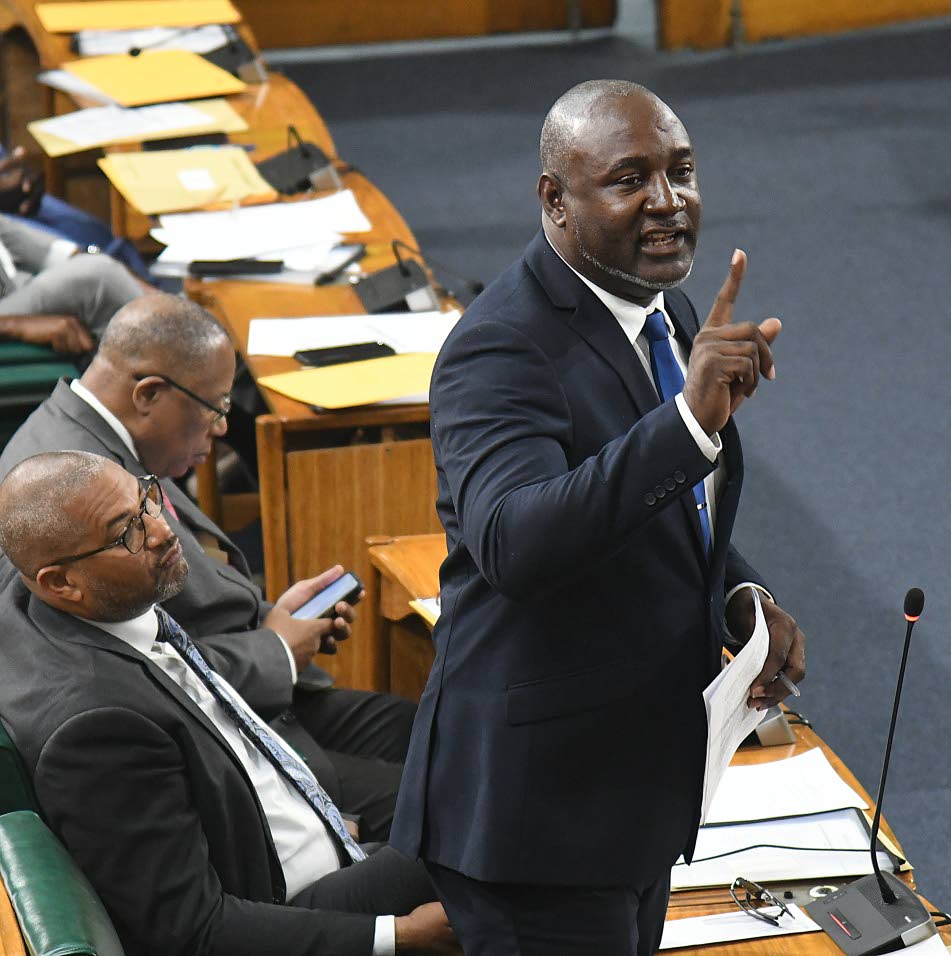
    KINGSTON, Jamaica — Jamaica’s parliament has authorized a temporary suspension of the nation’s Fiscal Rules following an official determination that Hurricane Melissa caused economic damage exceeding legislative thresholds. The decision came after Finance Minister Fayval Williams presented data to the House of Representatives on Tuesday showing the storm’s impact reached at least 1.5% of GDP, triggering provisions under Jamaican law that allow for fiscal flexibility during national emergencies.

    The Independent Fiscal Commission received comprehensive assessments from multiple government entities including the Planning Institute of Jamaica, Bank of Jamaica, and the Finance Ministry, all confirming the hurricane’s severe economic consequences. Minister Williams revealed that the total fiscal impact is projected to reach 5.3% of GDP over the period spanning fiscal years 2025/2026 through 2029/2030, significantly surpassing the 1.5% legislative threshold required for suspension.

    The approved Order grants the Administration necessary fiscal space for recovery and reconstruction efforts during the 2025-26 fiscal year. The suspension initially covers a one-year period, with provisions allowing the finance ministry to seek parliamentary approval for extensions if warranted by ongoing recovery needs.

    Economic projections have been substantially revised downward, with real GDP now expected to decline by 4.3% for fiscal year 2025/26—a dramatic reversal from the 2.2% growth forecast presented in February’s Fiscal Policy Paper. Medium-term projections indicate a gradual recovery with real GDP growth averaging between 1-2% as the economy rebounds from the current contraction.

    Despite the economic challenges, officials anticipate inflation will stabilize within the Bank of Jamaica’s target range of 4-6%, providing some macroeconomic stability during the recovery period.

  • Unions face stark reality

    Unions face stark reality

    A contentious debate has emerged in Trinidad and Tobago’s labor landscape following Finance Minister Davendranath Tancoo’s confirmation of a 10% salary increase exclusively for Public Services Association (PSA) members. The announcement has sparked widespread discontent among other labor groups whose collective agreements were signed in April but now appear excluded from similar benefits.

    Clyde Elder, Minister in the Ministry of Public Utilities, solidified the government’s position on November 28 by declaring, “An agreement made and signed is what it is.” The former trade unionist turned minister defended the selective increase by emphasizing the PSA’s political advocacy: “They put up that fight. They fought with the party – the UNC – and today, because of that fight, they are seeing the rewards.”

    The remarks have exposed underlying tensions in labor-government relations, revealing what critics describe as a system where political alignment determines economic benefits. Joanne Ogeer, secretary general of the Communication Workers’ Union, warned that such approaches create “peace by silence rather than peace by justice,” where negotiations become influenced by political loyalty rather than workers’ rights.

    Financial disclosures from the Chief Personnel Officer’s office indicate the PSA settlement will require $3.8 billion in back pay and $420 million in recurrent expenditure, raising questions about fiscal sustainability and equitable distribution of public funds. The situation echoes previous administrations’ contentious relationships with unions, though observers note the current government’s approach represents an evolution toward more explicit political conditioning of labor benefits.

    The developing scenario places essential workers—including firefighters, prison officers, police, and security personnel—in precarious positions, potentially facing the consequences of political maneuvering within the country’s labor movement.

  • ‘I always thought he was Canadian’ – Cooper questions Rick Fox’s nationality

    ‘I always thought he was Canadian’ – Cooper questions Rick Fox’s nationality

    A significant political controversy has emerged in The Bahamas following Acting Prime Minister Chester Cooper’s public questioning of Ambassador-at-Large Rick Fox’s nationality. Mr. Cooper stated he was uncertain whether the former NBA star was actually Bahamian, remarking, “I don’t know what his nationality is. I always thought he was Canadian.” These comments appear deliberately provocative given Mr. Fox’s well-documented background as the Canadian-born son of a Bahamian father and Italian mother who holds dual citizenship and was raised in The Bahamas.

    The diplomatic friction emerges just days after Mr. Fox announced his intention to contest the next general election, driven by what he describes as his “passion for the country.” While not disclosing whether he would run independently or under a party banner, Fox revealed he had met with both major political parties and found FNM Leader Michael Pintard “most aggressive” in pursuing his candidacy.

    Mr. Fox’s elevated political profile has already generated institutional tension. Last month, Foreign Affairs Minister Fred Mitchell issued what many interpreted as an official reprimand after Fox criticized political behavior in a Halloween-themed social media post. Mitchell reminded ambassadors that they serve the appointing government and that “the honourable course is clear” in cases of disagreement.

    Fox responded by highlighting what he perceived as a double standard, noting that “a sitting ambassador with a portfolio is openly endorsing a candidate while currently running for office himself”—a reference to non-resident Ambassador Sebas Bastian. He urged Minister Mitchell to focus instead on addressing widespread voter apathy.

    When questioned about whether Fox should resign his ambassadorial position following his political announcement, Acting Prime Minister Cooper deferred to the Prime Minister’s authority regarding diplomatic appointments.

    Mr. Fox has unequivocally stated his willingness to renounce his Canadian citizenship if required for frontline politics, emphasizing his strong Bahamian identity: “I am a Bahamian. I own one passport and it’s a Bahamian passport and I’m proud of that status.”

    Beyond his basketball and acting career, Fox has established himself as an entrepreneur focused on national development. As founder and CEO of Partanna, a climate-technology company producing carbon-negative building materials, he signed a memorandum of understanding with the government in 2022 to develop a manufacturing facility with plans to construct affordable housing in Abaco using sustainable materials.

  • PNM’s Keigon Denoon anchors in TPP for Jan 12 THA elections

    PNM’s Keigon Denoon anchors in TPP for Jan 12 THA elections

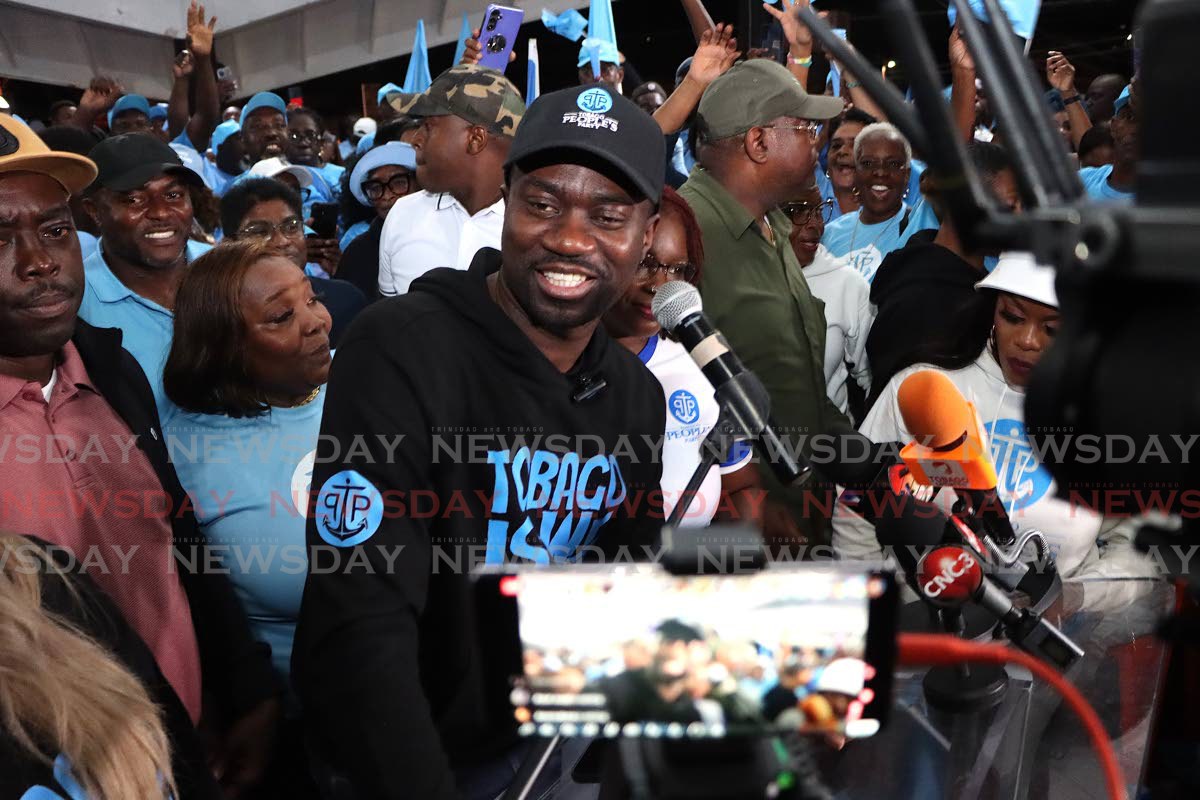
    In a significant political realignment, Tobago People’s Party (TPP) leader and Chief Secretary Farley Augustine has unveiled former PNM Tobago West chairman Keigon Denoon as their final candidate for the upcoming Tobago House of Assembly (THA) elections scheduled for January 12, 2026. The announcement came during the party’s candidate presentation event on December 1 at Scarborough’s Calypso Rose Boulevard.

    Denoon, a native of Buccoo and coordinator of the Youth Energised for Success (YES) programme, will contest the Buccoo/Mt Pleasant electoral district against PNM Tobago political leader Ancil Dennis. His defection represents a notable shift in Tobago’s political landscape just weeks before the crucial election.

    Augustine characterized the TPP as “a coalition of the competent and willing” that embraces members from various political backgrounds including TOP, NAR/DAC, Tobago Forwards, UNC, and PNM. “We are all Tobagonians fighting for a better Tobago,” Augustine declared as he welcomed Denoon to the stage with an embrace.

    The PNM response remained measured despite the unexpected defection. Tobago Council chairman Learie Paul expressed disappointment but acknowledged Denoon’s freedom to switch allegiances. “I believe in integrity,” Paul stated, adding that while surprised by the timing, he wished Denoon well in future endeavors.

    PNM political leader Ancil Dennis similarly respected Denoon’s “democratic right” to associate with any party, even noting the abruptness of the transition: “even if it’s PNM tonight and TPP the same night, that’s fine!”

    Local constituents in Buccoo appeared supportive of their native son regardless of party affiliation. Multiple anonymous villagers praised Denoon’s qualifications, with one noting “his potential continues to go unnoticed” within PNM ranks, while another declared him “the right man for the job.

    The TPP confirmed its full slate of 15 candidates, including Ian Pollard returning to defend his Mason Hall/Moriah seat. Augustine revealed the election writ is expected around December 5, with campaigning to emphasize grassroots outreach rather than rally crowds. “Votes win election,” Augustine emphasized, pledging to “knock on every door” ahead of the January vote.