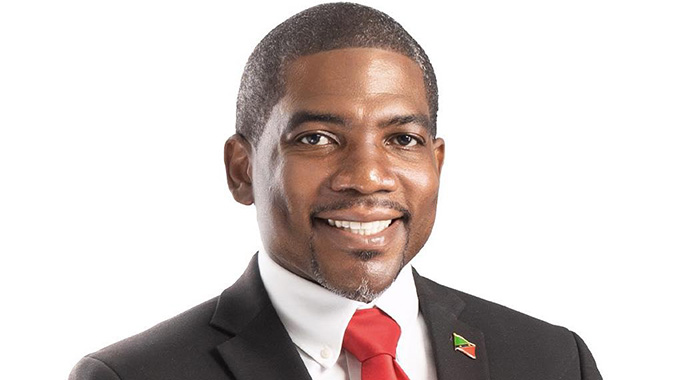
In a significant diplomatic engagement, Prime Minister of St. Kitts and Nevis Dr. Terrence Drew is scheduled to undertake an official visit to St. Vincent and the Grenadines this Tuesday. The visit, announced by the Agency for Public Information (API), highlights the ongoing collaboration between the two Eastern Caribbean nations. Dr. Drew, who currently holds the chairmanship of the Caribbean Community (CARICOM), will be received by his counterpart, Prime Minister Ralph Gonsalves of St. Vincent and the Grenadines. The agenda for the high-level meeting is set to focus on pressing regional issues, aligning shared strategic priorities, and reinforcing the framework for continued multilateral cooperation. Both leaders are expected to deliberate on mechanisms to strengthen CARICOM’s initiatives and address common challenges facing the region. The API emphasized that this diplomatic mission is a testament to the robust and historically amicable bilateral relations shared by the two member states. Furthermore, it reaffirms a joint dedication to propelling the agenda of regional integration and fostering deeper collaboration amongst CARICOM member states to achieve collective economic and social progress.
分类: politics
-
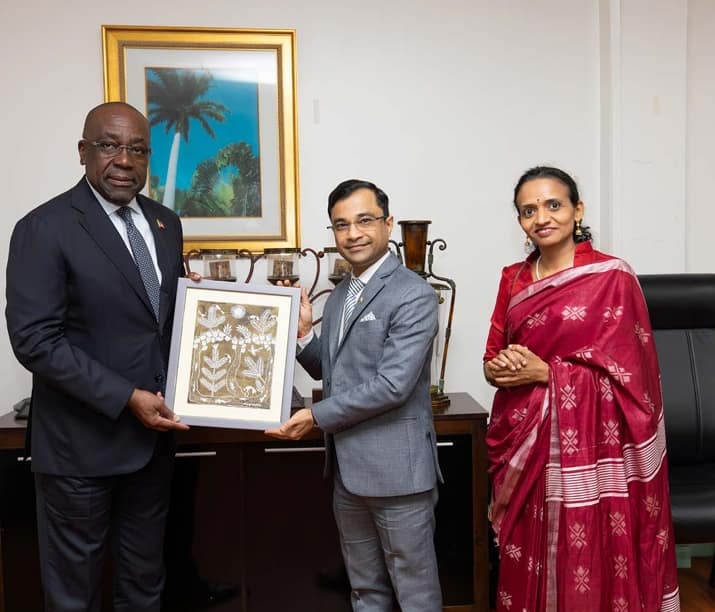
Small states seek greater voice in global affairs, says Antigua foreign minister
Antigua and Barbuda has issued a compelling call for enhanced representation of small states within international decision-making forums, asserting that global policies frequently impose disproportionate consequences on vulnerable nations. Foreign Affairs Minister E.P. Chet Greene articulated this position during a farewell meeting with India’s outgoing High Commissioner to St. John’s, Dr. Amit Telang.
Minister Greene emphasized that despite constrained resources, smaller countries persistently contribute significant value to global diplomacy and must not be sidelined in critical discussions. He declared Antigua and Barbuda’s intention to leverage its forthcoming chairmanship of the Commonwealth Heads of Government Meeting (CHOGM) as a platform to champion the specific interests of small states. This agenda will prioritize confronting existential threats and systemic challenges that jeopardize their stability and development.
Further elaborating on his nation’s strategic vision, Greene underscored the vital importance of forging stronger alliances within the Global South. He posited that such collaborative partnerships are indispensable for equipping smaller nations with the tools to effectively maneuver through complex international crises and economic upheavals.
The gathering also served to honor Dr. Telang’s diplomatic service, concluding a nearly four-year tenure. Minister Greene commended the outgoing High Commissioner for his instrumental role in deepening bilateral relations between Antigua and Barbuda and India. Dr. Telang reciprocated by expressing gratitude for the consistent support extended by the host government, which he cited as a fundamental component of his mission’s accomplishments.
Adding a distinguished presence to the event was National Hero Sir Vivian Richards. The cricketing legend, who is revered as an icon in India, fulfills the role of Antigua and Barbuda’s Ambassador to CHOGM, symbolizing the unique cultural and diplomatic bridges between the nations.
-
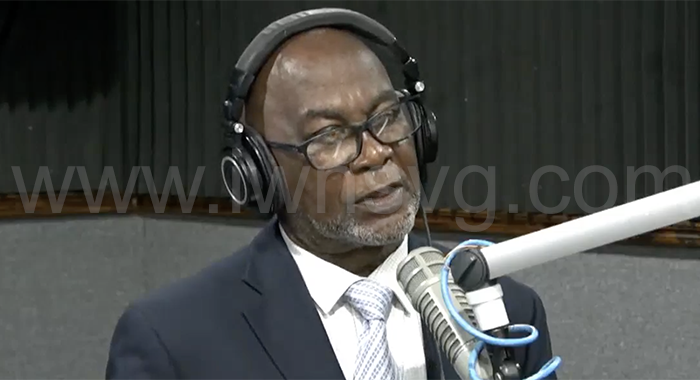
SVG to adopt regional position on deportees from US
The government of St. Vincent and the Grenadines has declared it will align with the collective position of the Organisation of Eastern Caribbean States (OECS) regarding a United States proposal for bloc members to accept third-country refugees and deportees. Deputy Prime Minister and Minister of National Security St. Clair Leacock announced the coordinated approach during a national radio interview, emphasizing regional solidarity over unilateral action.
Leacock revealed that OECS prime ministers are convening to develop a unified response after receiving technical advice, with plans to formally engage the U.S. State Department for clarification and establish proper protocols. He framed the issue within broader global migration challenges, noting that even major powers like European nations approach such matters collectively rather than individually.
The deputy prime minister cautioned against impulsive sovereign decisions, highlighting how regional agreements and protocols create interconnected obligations. While acknowledging potential security concerns regarding accepting displaced persons, Leacock also suggested possible benefits if newcomers possess valuable skills and resources that could help address underpopulation issues in Caribbean nations.
Leacock confirmed no final decision has been reached, stating outcomes could range from acceptance to rejection of the U.S. request. He connected the refugee matter to broader regional security discussions, noting upcoming meetings with regional security officials regarding Venezuela’s impact on Caribbean stability as he prepares to assume chairmanship of the Council of Ministers for National Security in March.
-
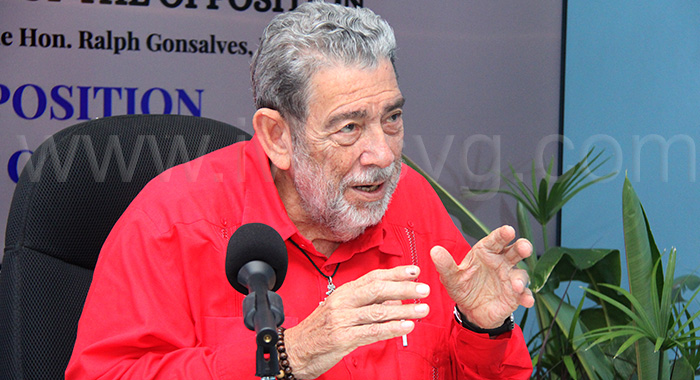
Tell US no to refugees, deportees — Gonsalves
A prominent Caribbean political figure is advocating for a unified regional rejection of a United States proposal concerning the transfer of migrants. Ralph Gonsalves, the former long-serving Prime Minister of St. Vincent and the Grenadines and current opposition leader, has publicly called on CARICOM member states to firmly refuse a U.S. request to accept refugees and deportees from third countries.
Gonsalves revealed that the U.S. State Department had approached his administration with this proposal shortly before the recent general elections. Speaking on his party’s radio station, Star Radio, he detailed his firm rejection of the idea, arguing it serves neither American nor Caribbean interests. His central contention is that accepting a minimal number of individuals—estimated at just 10-20 persons annually per Organisation of Eastern Caribbean States (OECS) member—would be symbolically insignificant for U.S. policy objectives while creating substantial security risks for the region.
The seasoned politician, who held office for nearly a quarter-century, expressed deep concern that such a program would inevitably lead to connections between some deportees and existing regional criminal networks. He characterized the potential incoming individuals as likely to include problematic elements, warning Caribbean nations against creating what he termed ‘another Haiti situation’ in terms of security challenges.
Gonsalves framed the U.S. proposal within broader geopolitical strategies, including the America-first policy and historical doctrines of hemispheric dominance. He cautioned that without a concerted CARICOM-wide position, larger powers would systematically pressure individual smaller nations into compliance.
Rather than outright confrontation or complete submission, Gonsalves proposed a middle path of strategic negotiation. He suggested CARICOM could leverage this situation to advance other regional requests, such as visa-free travel arrangements for Caribbean citizens to the U.S., the revitalization of the PetroCaribe energy initiative with Venezuela, and joint resource exploitation projects. This approach, he argued, would demonstrate the bloc’s willingness to cooperate on mutually beneficial issues while standing firm on matters of existential importance like border security and migration policy.
The opposition leader concluded by urging the current government of St. Vincent and the Grenadines to adopt a clear position of refusal and to champion this stance within regional forums, emphasizing that collective action is the only way to prevent larger nations from dividing and overwhelming smaller states.
-

Column: Wanneer staatsbezit privé wordt opgericht, faalt de controle
A significant governance crisis has emerged surrounding GuySure, the Guyanese subsidiary of Surinamese state-owned enterprise Grassalco. Official corporate registration documents from Guyana reveal that the company’s shares are formally held by private individuals with connections to Grassalco, contradicting previous representations that it represented a state-controlled regional expansion.
The disclosure directly challenges the narrative presented during GuySure’s inauguration in Georgetown last May, which was attended by then-President Chan Santokhi, suspended Grassalco CEO Wesley Rozenhout, and former Foreign Minister Albert Ramdin. The high-profile political ceremony had positioned the venture as Suriname’s strategic state-owned presence in neighboring Guyana.
Investigative findings indicate critical irregularities in documentation handling. Key GuySure documents were only entered into Grassalco’s official records and archives this January—months after both the company’s establishment and its high-profile launch. Forensic analysis confirmed no evidence of external hacking or digital manipulation, suggesting internal procedural deviations.
The administrative process displayed multiple anomalies including missing сопроводительные документы, irregularities in dossier preparation, and archival inconsistencies. Investigators have not ruled out intentional manipulation or backdating of documents, raising concerns about potential criminal offenses such as document forgery and abuse of position.
This case transcends political dimensions, touching fundamental principles of legal governance and state property protection. Unlike the separate 4-kg gold investigation, this matter involves international corporate registration, state assets, and possible cross-border legal violations that demand rigorous independent criminal investigation without political interference.
The central question remains how a purported state subsidiary transformed into a private ownership structure without transparency or accountability, revealing systemic failures in both institutional controls and their appointed guardians.
-
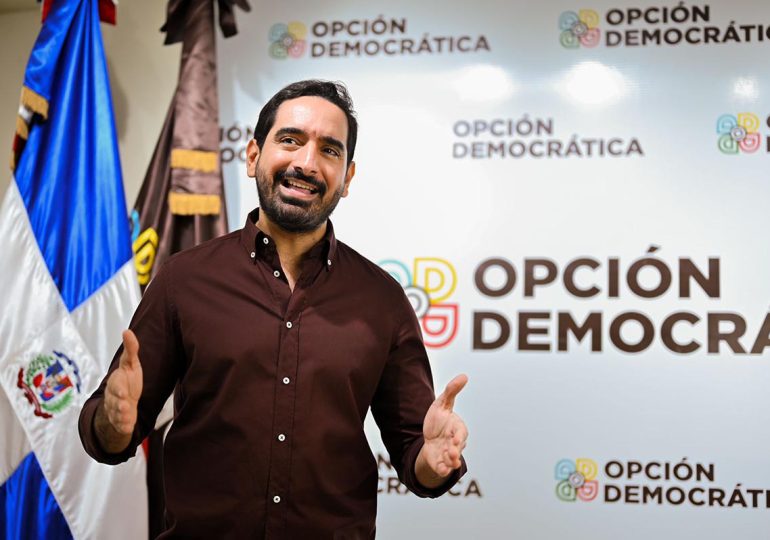
José Horacio Rodríguez calls alleged ITLA salary deductions for politics “deplorable”
SANTO DOMINGO – A prominent political leader in the Dominican Republic has issued a stern condemnation following explosive allegations of coerced political contributions from public institution employees. José Horacio Rodríguez, who heads the Democratic Option party, characterized as ‘deplorable’ a recent investigative report claiming that staff at the Technological Institute of the Americas (ITLA) were pressured to donate up to five percent of their salaries to support a political movement.
Rodríguez asserted that this incident is not isolated but rather symptomatic of a pervasive and deeply entrenched pattern of illicit political financing plaguing the nation. He emphasized that such practices represent a clear breach of Dominican law and called for an immediate and comprehensive official investigation into the matter. The party president contextualized the allegations within a troubling history of political scandals, noting that the misuse of funds for political gain has previously been linked to more severe criminal activities, including corruption and drug trafficking.
Highlighting the corrosive effect of money in politics, the former congressman advocated for sweeping systemic reforms. His proposal centers on substantially reducing the overall financial burden of political campaigns by implementing stricter expenditure caps. Furthermore, Rodríguez pushed for enhanced transparency mechanisms and robust oversight to prevent financial misconduct. He pointed to international benchmarks for inspiration, specifically citing Belgium’s framework for regulated political advertising and France’s stringent limits on broadcast campaign time as viable models for the Dominican Republic to emulate. The ultimate goal, he stressed, is to ensure that political financing operates with integrity and truly serves the public interest, rather than undermining democratic institutions.
-
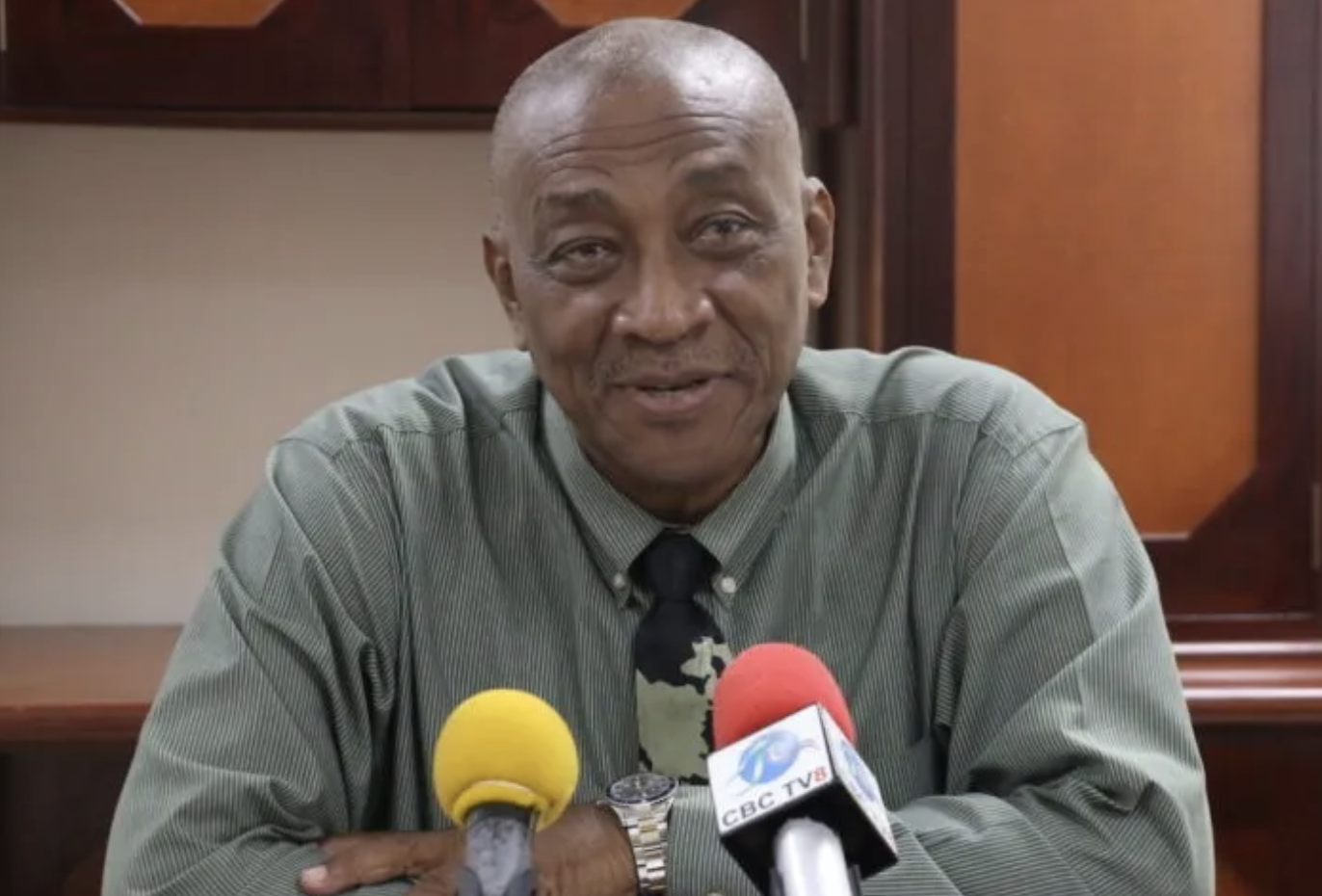
Atherley rules himself out of February 11 election
In a significant political development, former opposition leader Bishop Joe Atherley has officially declared he will not stand as a candidate in Barbados’ upcoming general election, despite reaffirming his enduring dedication to the nation’s political landscape. The announcement came during an exclusive interview with Barbados TODAY on Monday.
Atherley, who previously secured the St Michael West constituency for the Barbados Labour Party in 2018 before establishing the People’s Party for Democracy and Development (PdP) as the sole opposition voice, emphasized that his withdrawal from candidacy does not signal retirement from public service. ‘I remain deeply engaged in the political process and maintain my commitment to advancing the interests of Barbadian citizens,’ he stated.
The former parliamentarian articulated a philosophy of principle-driven service over partisan allegiance, noting: ‘My primary allegiance lies with the national colors of Barbados—blue, yellow, and gold—rather than any party label. I operate based on Christian principles and ministerial profession, remaining available to serve the people in whatever capacity circumstances permit.’
This declaration coincides with the formation of the People’s Coalition for Progress, an alliance comprising the United Progressive Party, New National Party, and Conservative Barbados Leadership Party. Notably, Atherley clarified that neither he nor the PdP are participating in this coalition effort, distinguishing the current political landscape from the previous Allied Party for Progress arrangement during the January 2022 elections.
Atherley’s decision creates strategic implications for Barbados’ opposition framework as the nation approaches its electoral process, with his continued involvement expected to take forms beyond conventional candidacy.
-
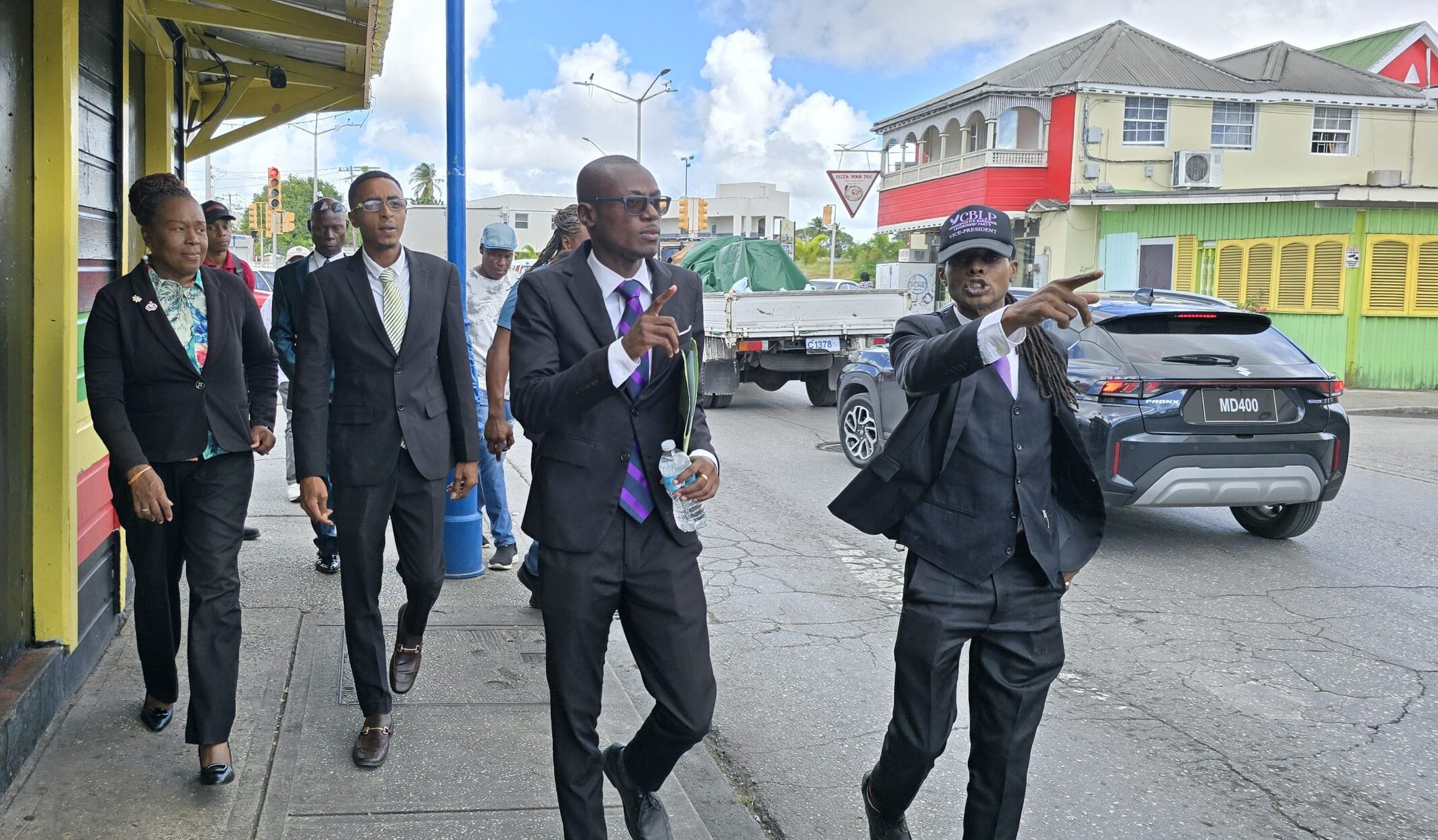
New coalition pushes for reform, fairer representation, voter re-engagement
A significant political realignment has emerged in Barbados as three emerging parties—the United Progressive Party (UPP), New National Party (NNP), and Conservative Barbados Leadership Party (CBLP)—have consolidated into the People’s Coalition for Progress (PCP) just weeks before the nation’s general election. This alliance positions itself as a viable alternative to Barbados’ established political duopoly.
At the coalition’s inaugural press conference in Bridgetown, UPP leader Lynette Eastmond criticized Prime Minister Mia Mottley’s announcement of a snap election, contending the abbreviated timeline disadvantages voters rather than political organizations. “Calling a snap election with minimal notice undermines democratic participation,” Eastmond asserted. “This approach disadvantages Barbadian citizens who deserve adequate time to evaluate their voting options rather than defaulting to established parties or abstaining entirely.”
Eastmond highlighted concerning voter apathy patterns, particularly in urban constituencies, attributing this trend to systemic neglect. She advocated for transitioning from Barbados’ current two-party framework toward multiparty parliamentary representation, citing nations with proportional representation systems that achieve superior Human Development Index rankings.
The coalition leaders presented comprehensive reform proposals including constitutional amendments to implement fixed election dates, proportional representation instead of first-past-the-post voting, and reduction of parliamentary seats from 30 to better reflect Barbados’ population size. “Maintaining 30 parliamentary seats for 300,000 citizens represents excessive bureaucratic burden,” Eastmond contended.
NNP leader Kemar Stuart raised concerns about electoral list integrity, revealing his own registration challenges despite being a parliamentary candidate. Regarding economic policy, Stuart warned about potential oil supply disruptions stemming from geopolitical tensions and suggested another International Monetary Fund arrangement might follow the election.
CBLP leader Corey Beckles characterized the coalition as injecting renewed energy into Barbadian politics, emphasizing that “fresh parliamentary voices are essential after years of unfulfilled promises.”
The PCP confirmed its candidates will contest individually like other parties, with elected members determining prime ministerial leadership. While the complete candidate roster remains forthcoming, the coalition pledged imminent publication of its full slate.
-
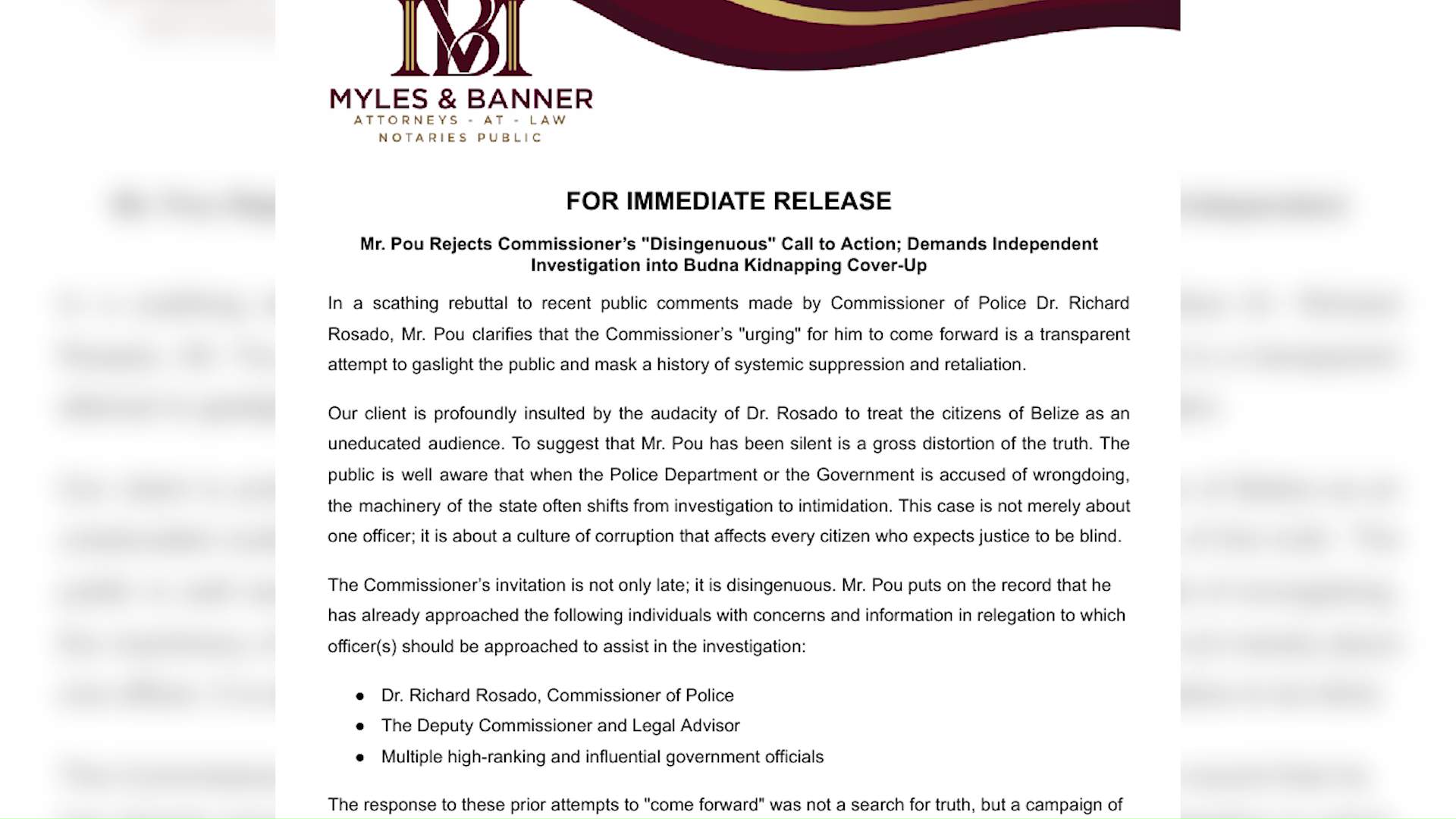
Budna Case Heats Up as Pou Pushes Back
A deepening corruption scandal within the Belize Police Department escalated dramatically on Friday as legal representatives for Police Constable Gabriel Pou issued a vehement rebuttal to Commissioner Richard Rosado. The confrontation centers on the controversial Budna kidnapping investigation, with Pou’s attorneys alleging systematic evidence manipulation and political interference.
Pou’s legal team contends their client was coerced into providing falsified testimony, directly challenging Commissioner Rosado’s recent appeal for officers to come forward with information. In a scathing statement, they accused the police commissioner of orchestrating a disingenuous campaign that suppresses critical evidence rather than pursuing transparent truth-finding measures.
Prime Minister John Briceño addressed the mounting controversy during a press briefing, delivering blunt advice to the accused officer: “He needs to go to the DPP [Director of Public Prosecutions]. That’s his right and legal responsibility. He should stop just hurling these accusations. He either steps up or shuts up.”
The Prime Minister revealed that while Cabinet discussions regarding an independent investigator for the Budna case began in December, the process remains with the Attorney General’s office. Briceño emphasized the complexity of establishing proper legal safeguards for such investigations, noting concerns about potential future political weaponization of special investigative powers. “We must ensure that when this is implemented, it can only be utilized for serious investigations that genuinely require independent oversight,” Briceño stated, specifically referencing the Budna case as potentially meeting that threshold.
-
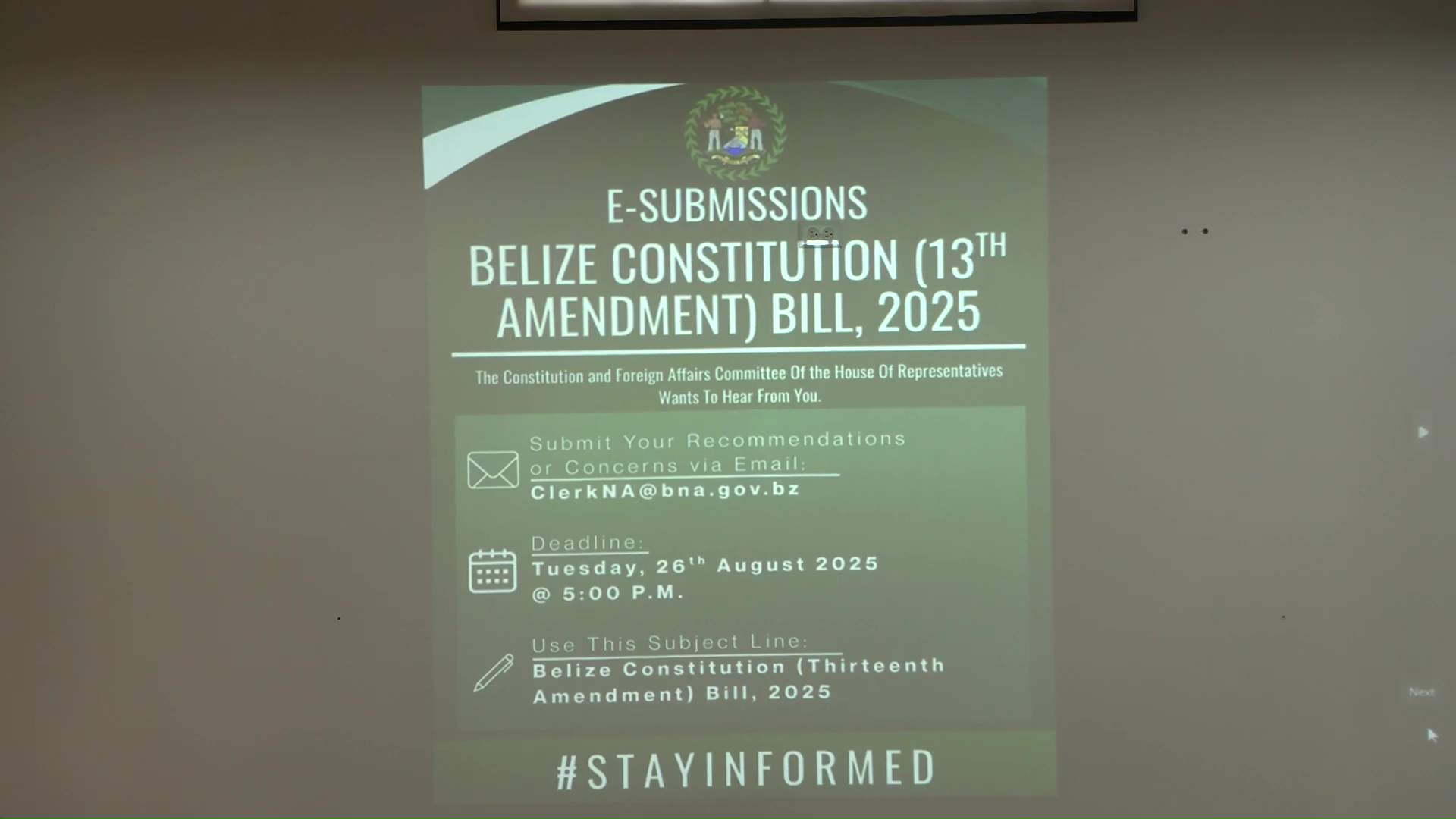
Briceño Pulls Plug on 13th Amendment, Gun Court Still in Play
In a significant policy reversal, the Briceño administration has formally terminated its pursuit of the Thirteenth Amendment to Belize’s Constitution as a mechanism to address the nation’s crime epidemic. The decision follows extensive nationwide consultations that revealed insufficient public and parliamentary support for the constitutional overhaul.
Attorney General Anthony Sylvestre confirmed the administration’s shift in strategy, indicating that while the comprehensive amendment package has been shelved, certain components—notably the establishment of a specialized Gun Court—remain under consideration through alternative legislative pathways.
“The ministry of Home Affairs and AG’s ministry are consulting and considering this matter,” Sylvestre stated. “A final product has not been determined as yet regarding what will be the next step—whether that will be an amendment to the criminal code or the Crime Control and Criminal Justice Act.”
The Attorney General emphasized that any legislative measures derived from the original amendment proposal would require thorough parliamentary deliberation and additional public consultation. He specifically noted that the potential implementation of a Gun Court, once contemplated as part of the constitutional amendment, could potentially be enacted through regular statutory legislation rather than constitutional reform.
Sylvestre declined to provide further specifics pending final decisions, but unequivocally stated: “The Thirteenth Amendment or parts of the Thirteenth Amendment will no longer be pursued.” The ultimate determination regarding which elements might be preserved through alternative legislation rests with parliamentary committees and elected representatives.
This development represents a notable recalibration of the government’s approach to criminal justice reform, shifting from comprehensive constitutional change to targeted legislative measures that can be implemented through established parliamentary processes.