分类: politics

  • Evangelical spokesman: “It is impossible to govern a nation peacefully without Christian values.”

    Evangelical spokesman: “It is impossible to govern a nation peacefully without Christian values.”

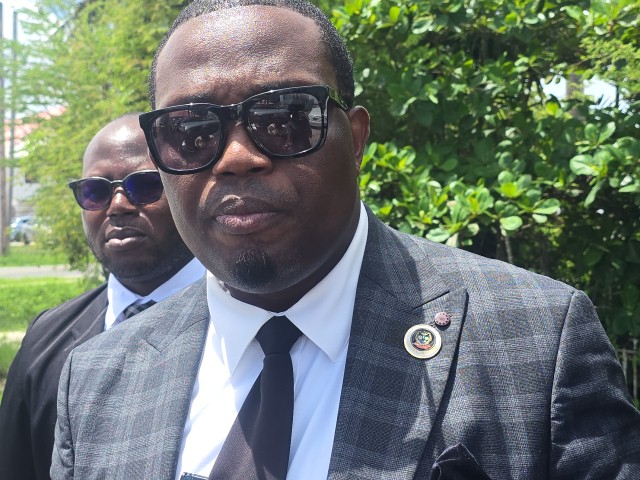
    Reverend Paulino Moya, president of the ministry Jesús es Sanidad y Vida Eterna (Jesus is Health and Eternal Life), has voiced strong concerns about the Dominican Government’s approach to governance. He emphasized that the government’s primary purpose is to safeguard the rights of all sectors within the nation. Moya warned that any president who deviates from this sacred duty risks creating a governance imbalance and losing touch with the people’s genuine needs.

    As the executive director of the Permanent Forum for Global Political and Social Peace, Moya urged officials to adopt humility and shed their pride in power. He believes such an approach would enable them to govern in alignment with the Dominican Republic’s best interests.

    Moya also criticized the government’s failure to engage with conservative evangelical leaders, despite repeated requests for meetings to discuss pressing social issues. He argued that governing a nation rooted in Christian faith and conservative family values requires addressing these concerns.

    Additionally, Moya revealed that he has sought a meeting with Attorney General Yenny Berenice Rodríguez to express the deep concerns of churches and civic organizations. He highlighted the ongoing scandals that, in his view, are destabilizing Dominican society and threatening the country’s moral foundation.

  • Caesar promises ‘blue school to train young fishers’

    Caesar promises ‘blue school to train young fishers’

    In a recent rally held in Layou, Minister of Agriculture Saboto Caesar outlined a series of ambitious initiatives aimed at bolstering the agricultural and fisheries sectors in St. Vincent and the Grenadines (SVG). Speaking to supporters of the ruling Unity Labour Party (ULP), Caesar emphasized the party’s commitment to establishing a ‘blue school’ to train young fishers in longline fishing and operate a dedicated fishing fleet if re-elected for a sixth term. Additionally, the ULP plans to set up an abattoir for livestock farmers and expand buying depots in key locations such as Langley Park, Lauders, La Croix, Vincy Fresh at Diamond, and Belmont. These measures are designed to enhance the competitiveness of local farmers and fishers both regionally and globally. Caesar, who has led the agriculture ministry since 2010, highlighted the establishment of the Eastern Caribbean Food Traders Ltd., which aims to purchase produce from local farmers, ensuring they can compete effectively in international markets. The minister also underscored the ULP’s achievements in education, healthcare, and disaster recovery, including the successful handling of the COVID-19 pandemic and the aftermath of the La Soufriere volcanic eruption. Caesar expressed confidence in the ULP’s ability to secure another term, citing the party’s track record of delivering tangible benefits to the people of SVG. He urged supporters to remain steadfast in their commitment to the ULP, emphasizing the party’s role in advancing the nation’s development and improving the livelihoods of its citizens.

  • This is how the border looked like: images of the Army Commander’s tour of the border zone

    This is how the border looked like: images of the Army Commander’s tour of the border zone

    Major General Jorge Iván Camino Pérez, Commander-in-Chief of the Dominican Republic Army, recently embarked on a comprehensive inspection tour of four provinces along the nation’s border with Haiti. The visit aimed to assess border security measures, infrastructure projects, and military operations in the region. The tour commenced at the “El Rodeo” Fortress in Jimaní, Independencia province, where General Camino Pérez addressed troops stationed at the 14th Infantry Battalion. He then met with local governor Ms. Mercedes Novas to discuss regional security and governance. During his time in Independencia, the General inspected the Mal Paso border crossing and reviewed the progress of the border fence construction, a project managed by the Army. He also visited Detachments La 248 and La 40, engaging with soldiers tasked with border security, and conducted an aerial inspection of the Tierra Virgen detachment, which is currently undergoing reconstruction. The tour continued in Elías Piña province, where General Camino Pérez oversaw the construction of a new heliport at the 11th Infantry Battalion headquarters. He later held discussions with provincial governor Ms. Migdalis De los Santos. The visit concluded with an inspection of the El Carrizal-Belladere border crossing and the surrounding perimeter fence. In Dajabón province, the General visited the 10th Infantry Battalion and met with provincial governor Ms. Severina Gil. He also toured the border crossing and perimeter fence, engaging with soldiers stationed at the Liberation Post. The final leg of the tour took place in Montecristi, where General Camino Pérez assessed the facilities at the San Fernando Fortress, home to the 15th Infantry Company. Plans are underway to elevate this unit to battalion status, enhancing military presence and control in the area. The General concluded his visit by meeting with provincial governor Ms. Leissa Cruz and inspecting the perimeter fence and security posts. Throughout the tour, General Camino Pérez emphasized the importance of adhering to the law, avoiding illegal activities, and treating undocumented migrants with dignity during their detention at the border.

  • Small states foreign policy: Drawing on past lessons for the present

    Small states foreign policy: Drawing on past lessons for the present

    Grenada, a small island nation in the Caribbean, is grappling with one of its most complex foreign policy challenges since the tumultuous events of October 1983. As the nation reflects on its history, the lessons from the Cold War era remain strikingly relevant in today’s unpredictable global landscape. Dr. Wendy C. Grenade, a seasoned political scientist, offers a profound analysis of how Grenada can navigate its foreign policy dilemmas by drawing from its past experiences and adapting to contemporary realities.

    October 1983 marked a pivotal moment in Grenada’s history, leaving deep scars on its society. While the Grenada Revolution brought significant social and economic advancements, its alignment with the Soviet Union and Cuba during the Cold War exposed the nation to foreign policy missteps. These historical events underscore the importance of neutrality and non-alignment for small states, which must avoid becoming proxies for larger powers to preserve their sovereignty and peace.

    In the current multipolar world, Grenada faces new paradoxes. Balancing sovereignty amid economic dependency, maintaining neutrality without compromising security, and asserting its identity in a world of unequal power relations are critical challenges. Dr. Grenade emphasizes that strategic diplomacy—defined as the art of achieving equilibrium in an imbalanced global system—must be a cornerstone of Grenada’s foreign policy. This approach requires regional cooperation, technical expertise, and democratic participation.

    Security regionalism, as exemplified by the Revised Treaty of Chaguaramas and the Revised Treaty of Basseterre, provides a framework for collective resilience among Caribbean nations. The Regional Security System (RSS) further strengthens this collective defense, ensuring that Grenada’s security interests are safeguarded alongside its neighbors. Additionally, technical competency and research capabilities within foreign ministries are essential to navigate the complexities of 21st-century diplomacy.

    Democracy also plays a vital role in shaping foreign policy. Public opinion and inclusive governance ensure that citizens’ voices are heard, fostering accountability and sustainability. As Grenada moves forward, the lessons of the past—particularly the dangers of militarization and the imperative of promoting peace—must guide its strategic decisions. Ultimately, Grenada’s foreign policy must serve as a tool to advance its collective well-being and uphold its sovereignty in an increasingly chaotic world.

  • Venezuelan opposition leader María Corina Machado wins Nobel Peace Prize

    Venezuelan opposition leader María Corina Machado wins Nobel Peace Prize

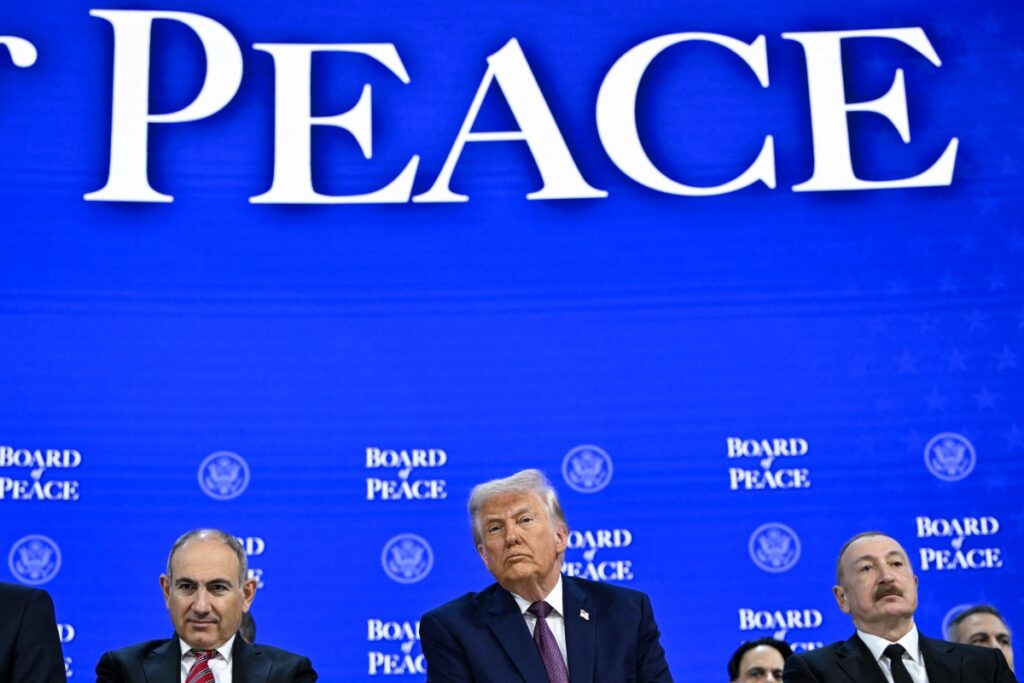
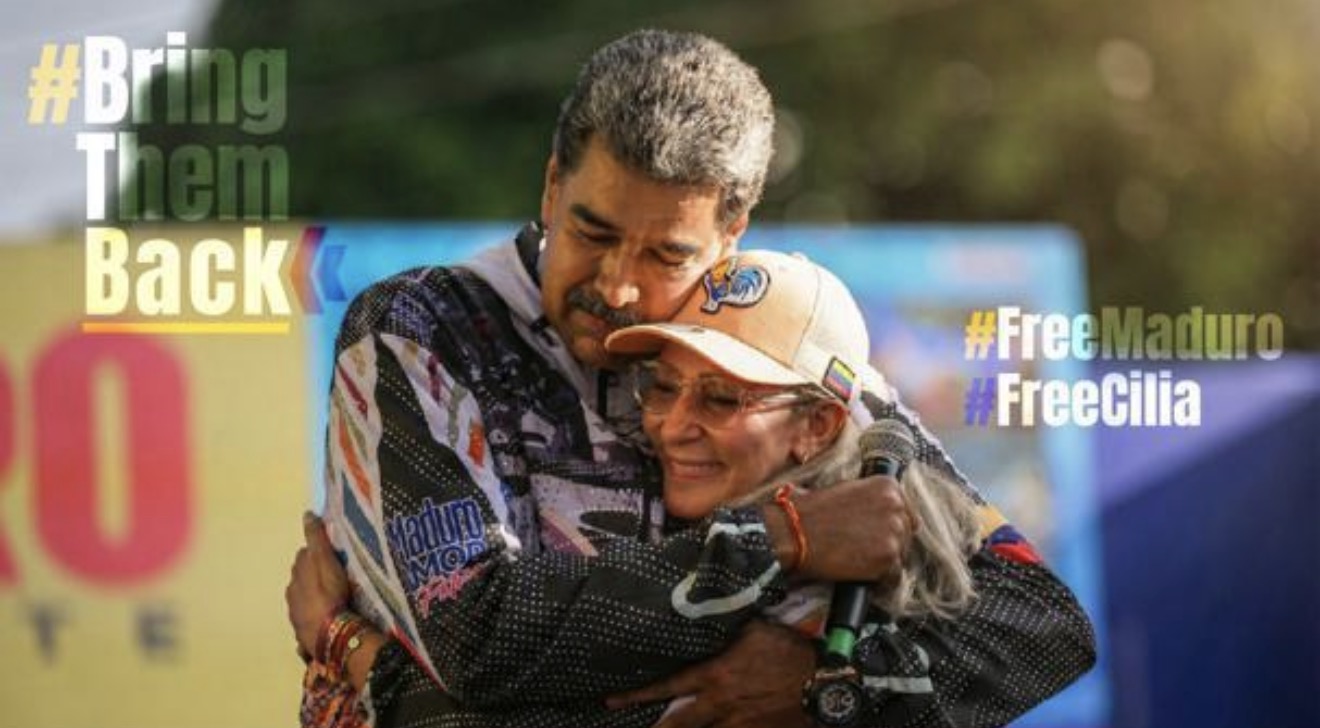
    María Corina Machado, a prominent Venezuelan opposition leader, has been honored with the 2023 Nobel Peace Prize for her unwavering commitment to advancing democratic rights. The Nobel Committee lauded the 58-year-old activist as a beacon of hope in challenging times, describing her as a figure who “keeps the flame of democracy alive amidst growing darkness.” Machado’s relentless efforts to facilitate a peaceful transition from dictatorship to democracy were particularly highlighted. Despite being forced into hiding and barred from the recent presidential election by the Nicolás Maduro regime, Machado remained in Venezuela, mobilizing widespread public support for the opposition. Her resilience in the face of potential arrest has cemented her status as a powerful symbol of resistance. Notably, the committee emphasized that their decision was rooted solely in the principles established by Alfred Nobel, dismissing other high-profile campaigns, including that of former U.S. President Donald Trump.

  • Caribbean Court of Justice Commemorates Its Fourth President with Special Sitting

    Caribbean Court of Justice Commemorates Its Fourth President with Special Sitting

    On October 6, 2025, the Caribbean Court of Justice (CCJ) held a Special Sitting at its headquarters in Port of Spain, Trinidad and Tobago, to commemorate the inauguration of the Honourable Mr Justice Winston Anderson as its fourth President. The event was attended by Heads of Judiciaries from Barbados, Belize, Guyana, the Eastern Caribbean Supreme Court, and Trinidad and Tobago, alongside regional dignitaries and judicial representatives. Justice Anderson, who assumed the presidency on July 6, 2025, in Montego Bay, Jamaica, has a distinguished career spanning academia and law, including roles as a professor at The University of the West Indies (UWI) and founding Chairman of the CCJ Academy for Law. In his address, President Anderson highlighted the CCJ’s role in enhancing access to final appellate justice for Caribbean citizens, citing a 450% increase in appeals from Barbados since the court’s establishment. However, he emphasized the need for full compliance with the CCJ Agreement to maximize its impact on regional jurisprudence. The ceremony featured speeches from prominent figures, including Chief Justice Ivor Archie of Trinidad and Tobago, who praised Anderson’s vision for accessible justice, and CARICOM General Counsel Lisa Shoman, who underscored the CCJ’s importance in fostering regional integration and stability. The event concluded with a vote of confidence from former CCJ President Sir Dennis Byron, who lauded Anderson’s contributions to landmark cases and regional crime-fighting initiatives.

  • APNU tells Azruddin Mohamed to defend himself publicly, “come clean” on accusations against govt officials

    APNU tells Azruddin Mohamed to defend himself publicly, “come clean” on accusations against govt officials

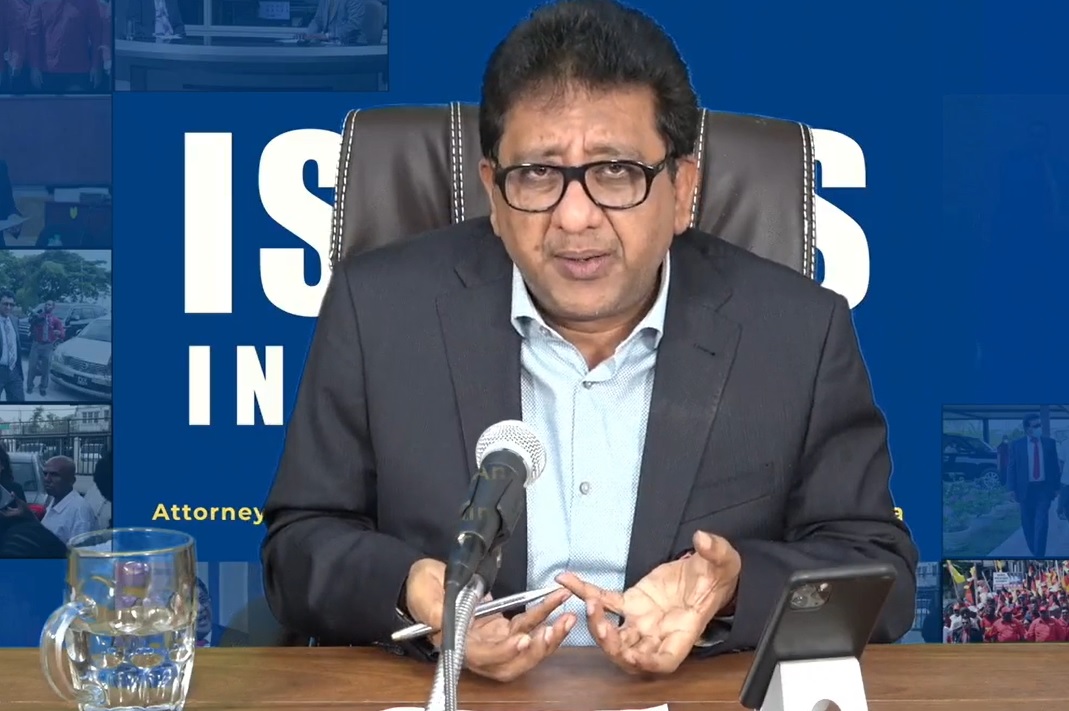
    In a bold move, Guyana’s opposition party, A Partnership for National Unity (APNU), has called on Azruddin Mohamed, the country’s incoming Opposition Leader, and his father, Nazar ‘Shell’ Mohamed, to publicly defend themselves against a series of serious allegations. These accusations, both domestic and international, include fraud, money laundering, and tax evasion linked to gold exports and the purchase of a luxury Lamborghini. APNU emphasized that Azruddin, given his new political role, must address these charges transparently to reassure the public of his compliance with the law. This demand comes after talks between APNU and Azruddin’s We Invest in Nationhood (WIN) party collapsed over leadership disputes in regional councils following the September 1 elections. WIN, which secured 16 seats, has accused APNU of colluding with the ruling People’s Progressive Party Civic (PPPC) to marginalize them. APNU, which won only 12 seats, has also criticized Azruddin for allegedly withholding incriminating evidence against government officials, urging him to disclose any such information publicly. The situation is further complicated by a pending US extradition request for the Mohameds, who have vowed to challenge it in court. APNU has stressed the importance of due process and warned against political interference in the legal proceedings.

  • Rosie Douglas’ legacy lives on in Dominica’s durability, say speakers at memorial lecture

    Rosie Douglas’ legacy lives on in Dominica’s durability, say speakers at memorial lecture

    The 25th annual Roosevelt ‘Rosie’ Douglas Memorial Lecture, held at the State House Conference Room, brought together prominent leaders to reflect on the enduring legacy of the late Prime Minister of Dominica, Rosie Douglas, and the progress of the Labour Party. Prime Minister of St. Vincent & the Grenadines, Dr. Ralph Gonsalves, and Acting Prime Minister of Dominica, Hon. Fidel Grant, delivered insightful speeches, highlighting the resilience and achievements of Dominica despite decades of challenges. Gonsalves, the keynote speaker, emphasized Dominica’s ability to thrive despite natural disasters, economic crises, and the COVID-19 pandemic. He credited Prime Minister Roosevelt Skerrit for steering the nation through these adversities, urging humility and gratitude. Grant, on the other hand, underscored Douglas’s vision as the foundation of the Labour Party’s success, particularly in education and housing. He pointed to universal access to secondary education, free college tuition, and affordable housing initiatives as evidence of the current administration’s commitment to Douglas’s ideals. The event served as a platform to honor Douglas’s contributions to nation-building and the empowerment of small states, reaffirming his lasting impact on Dominica’s political and social landscape.

  • Speaker Singh: PNM claims that I am biased are unfounded

    Speaker Singh: PNM claims that I am biased are unfounded

    House Speaker Jagdeo Singh has firmly rejected accusations leveled against him by the Opposition People’s National Movement (PNM), labeling them as baseless. The controversy erupted during a parliamentary session on October 10, when the PNM staged a walkout in protest against Singh’s alleged partiality in presiding over the House of Representatives. The debate centered on the motion to appoint Junior Benjamin as Acting Commissioner of Police (CoP) and ACP Kurt Simon as Acting Deputy Commissioner, necessitated by the absence of CoP Allister Guevarro and DCP Suzette Martin, who are attending an international police chiefs conference in Denver, Colorado. In a statement issued shortly after the walkout, the PNM accused Singh of exhibiting a consistent pattern of biased and prejudicial behavior, claiming that his rulings unfairly favor government members while penalizing opposition members. Singh, however, dismissed these allegations in a brief response to Newsday on October 12, stating, “I think it’s unfounded, in my view. Beyond that, I don’t think it’s appropriate for me to further comment on the business of the Parliament in the public domain.” The incident has reignited tensions between the government and the opposition, raising questions about the impartiality of parliamentary proceedings.

  • Young: PM eroding Trinidad and Tobago’s reputation by keeping Lee in office

    Young: PM eroding Trinidad and Tobago’s reputation by keeping Lee in office

    Trinidad and Tobago’s political landscape is embroiled in controversy as former Prime Minister Stuart Young and other prominent figures criticize Prime Minister Kamla Persad-Bissessar for allowing Housing Minister David Lee to remain in Cabinet despite facing criminal charges. Young, in a Facebook post on October 11, argued that Lee’s continued presence in the Cabinet undermines the nation’s reputation and sets a dangerous precedent. He emphasized that individuals charged with criminal offenses should step down until their names are cleared, adhering to the principle of ‘innocent until proven guilty.’ Young called for Lee’s immediate removal, stating that the situation cannot be ignored or accepted by the public. Larry Lalla, a former UNC member and senior counsel, echoed Young’s concerns, highlighting that standard practice dictates public servants charged with crimes should be placed on leave pending trial. Lalla questioned whether this standard should not also apply to ministers, warning of the grave consequences of ignoring this precedent. Lee and businessman Hugh Leong Poi were re-arrested last week on charges related to the misuse of a vehicle tax exemption, allegedly defrauding the State of $1.4 million in tax revenue. Despite the charges, Persad-Bissessar defended Lee, expressing confidence in the courts to deliver a just outcome. The controversy has sparked widespread debate about accountability and ethical governance in Trinidad and Tobago.