分类: politics

  • Chinese envoy voices concern over U.S. actions in Caribbean

    Chinese envoy voices concern over U.S. actions in Caribbean

    In a strongly worded statement at an emergency meeting of the UN Security Council on Friday, China’s Permanent Representative to the United Nations, Fu Cong, expressed grave concerns over escalating tensions in the Caribbean, attributing the instability to recent U.S. military operations near Venezuela. Fu criticized the U.S. for deploying forces in Caribbean waters under the guise of combating drug trafficking, which he argued has led to a series of provocative actions, including the sinking of Venezuelan vessels, the shooting of sailors, and the seizure of fishing boats. These actions, Fu asserted, infringe on the right to life, basic human rights, and the freedom of navigation, while also undermining the sovereignty and security of other nations. He emphasized that such unilateral enforcement operations in international waters violate international law and pose a significant threat to regional peace and stability. Fu called on the U.S. to immediately cease its unlawful activities and urged Washington to pursue international cooperation in combating transnational crimes through established legal frameworks. He reiterated China’s opposition to the use or threat of force in international relations and any external interference in Venezuela’s internal affairs, stressing the need to uphold the principles of the UN Charter.

  • José Daniel Ferrer García leaves the country at the request of the U.S. government

    José Daniel Ferrer García leaves the country at the request of the U.S. government

    On October 13, 2025, Cuban citizen José Daniel Ferrer García, accompanied by his family, departed from Cuba to the United States. This move followed a formal request from the U.S. government and Ferrer García’s explicit consent, in accordance with the legal protocols established between the two nations. The decision was underpinned by a comprehensive evaluation by the Cuban Prosecutor’s Office, which considered Ferrer García’s legal status, adherence to due process, and the unique circumstances of his case. Earlier in January 2025, Ferrer García had been granted early release from a four-and-a-half-year prison sentence. However, this privilege was revoked in April 2025 due to repeated violations of court-mandated obligations as per the Criminal Enforcement Law and its Regulations. Subsequently, Ferrer García was placed under provisional detention by the Public Prosecutor’s Office, pending charges for a new crime. Upon completing the investigation, the Prosecutor’s Office modified the precautionary measure. The Cuban Ministry of Foreign Affairs emphasized the nation’s steadfast commitment to the rule of law, the protection of individual rights, the defense of sovereignty against defamation, and the maintenance of peace and constitutional order.

  • Column: Borrelpraat no. 893

    Column: Borrelpraat no. 893

    In a multifaceted geopolitical landscape, the anticipated release of hostages by Hamas on Monday has sparked intense discussions about the broader implications of the Israeli-Palestinian conflict. The situation is further complicated by the role of international actors, including the United Nations, and the internal political dynamics within Israel and Palestine. Critics argue that the two-state solution is increasingly untenable, with Israeli settlements on the West Bank and aggressive military actions in Gaza exacerbating tensions. The UN’s perceived ineffectiveness, particularly due to the veto power in the Security Council, has been a point of contention, with calls for reform to address global conflicts more effectively. Domestically, Israel faces scrutiny over its handling of illegal immigrants and internal dissent, with some labeling the country as a de facto dictatorship. Meanwhile, the potential displacement of millions of Palestinians from Gaza raises concerns about humanitarian crises and the capacity of other nations to absorb refugees. The discussion also touches on historical and ongoing internal conflicts within other nations, such as the struggles for land rights and autonomy among indigenous and Maroon communities in Suriname. The broader narrative underscores the complexities of achieving peace and stability in a world fraught with competing interests and unresolved historical grievances.

  • Leah Francis Campos sworn in as new U.S. Ambassador to the Dominican Republic

    Leah Francis Campos sworn in as new U.S. Ambassador to the Dominican Republic

    Washington, D.C. — Leah Francis Campos has officially taken the oath as the new U.S. Ambassador to the Dominican Republic, commencing her diplomatic duties in Santo Domingo. Appointed by President Donald J. Trump and confirmed by the U.S. Senate on October 7, 2025, following her nomination in December 2024, Campos expressed profound gratitude for the opportunity. In a heartfelt social media post, she acknowledged the unwavering support of her family, friends, and political allies, emphasizing the honor of representing the United States in a nation that serves as a pivotal partner in the Caribbean region.

    Her appointment marks the end of a transitional period during which the U.S. Embassy in the Dominican Republic was overseen by a Chargé d’Affaires, signaling a reinvigorated U.S. commitment to fostering robust bilateral ties. A seasoned career diplomat and former CIA analyst, Campos brings a conservative perspective and extensive foreign service experience to her new role. She is anticipated to arrive in the Dominican Republic shortly to formally present her credentials to President Luis Abinader.

    During her Senate confirmation hearing, Ambassador Campos articulated her key priorities, which include advancing trade and investment opportunities, enhancing security collaboration to combat drug trafficking and organized crime, addressing irregular migration challenges, and countering China’s expanding influence in the region. Her tenure is expected to focus on deepening the strategic alliance between Washington and Santo Domingo, emphasizing mutual cooperation, security, and shared prosperity.

  • LETTER TO THE EDITOR: 28 years of governance — the record speaks for itself

    LETTER TO THE EDITOR: 28 years of governance — the record speaks for itself

    Over the past 28 years, the Saint Lucia Labour Party (SLP) has held power for 18 years, yet the nation’s progress remains stunted. Critical sectors such as infrastructure, agriculture, tourism, healthcare, and national security have languished under SLP’s governance. The southern region, in particular, has been systematically neglected, perpetuating poverty and dependency. SLP’s reliance on short-term handouts, exemplified by the failed Youth Economy initiative, has left the youth disillusioned and without sustainable opportunities. In contrast, the United Workers Party (UWP) governed for only ten years, a period marked by unprecedented challenges. From Hurricane Dean in 2007 to the COVID-19 pandemic in 2020, UWP navigated multiple crises while maintaining economic stability, paying salaries, and ensuring the continuity of essential services. Under UWP’s leadership, significant infrastructure projects, including the development of road networks, were realized, fostering commerce and tourism. UWP’s 20/20 Vision Plan emphasized systemic empowerment across agriculture, education, and infrastructure, contrasting sharply with SLP’s focus on temporary fixes. The record is clear: SLP’s prolonged governance has yielded minimal progress and growing insecurity, while UWP’s tenure, despite adversity, delivered tangible development and hope for Saint Lucia’s future.

  • WIN threatens legal action if no more Region 10 voting rounds in 48 hours

    WIN threatens legal action if no more Region 10 voting rounds in 48 hours

    The We Invest In Nationhood (WIN) councillors in Region 10 (Upper Demerara-Upper Berbice) have issued a stern warning of legal action if additional voting rounds for the positions of chairman and vice chairman are not conducted within 48 hours. Represented by Attorney-at-Law Siand Dhurjon, the councillors argue that the current impasse violates legal procedures. Dhurjon emphasized that the law permits up to three more voting rounds, with a final resort involving a public lottery conducted by the Clerk of Council to determine the chairman. The legal notice was directed at Clerk of Council Dwight John, who had prematurely suspended the election process after a single tied vote on October 10 and referred the matter to Minister of Local Government and Regional Development Priya Manickchand. Dhurjon criticized this move as illegal and urged the Minister to avoid involvement in any unlawful actions. The lawyer also highlighted that the Minister no longer holds unilateral authority to decide chairmanship appointments. Instead, Dhurjon insisted on adhering to the Local Democratic Organs Act, which outlines a structured process for resolving ties through multiple voting stages and, if necessary, a public lottery. The WIN councillors, including Mark Giring, Denzel Chapman, and others, are determined to ensure the election process is conducted lawfully and transparently.

  • EDITORIAL: Of free movement, and stalled promise

    EDITORIAL: Of free movement, and stalled promise

    The ongoing discourse on free movement within the Caribbean has intensified, with Barbados and three other nations spearheading efforts toward full implementation. However, this ambitious initiative raises critical questions about whether the process aligns with its lofty promises. The journey toward regional integration began in 1965 with the establishment of the Caribbean Free Trade Association (CARIFTA), aimed at fostering economic ties by reducing trade barriers. This evolved into the Caribbean Community (CARICOM) in 1973, formalized by the Treaty of Chaguaramas, which sought deeper integration across labor, services, capital, and policy coordination. The CARICOM Single Market and Economy (CSME), introduced in 2001, further advanced these goals by enabling the free movement of skilled workers and businesses across member states. Despite these strides, the CSME’s implementation, now 24 years old, remains fraught with inefficiencies. While CSME travelers can enter partner countries without work permits, their passports are stamped to prohibit employment, forcing many to navigate lengthy regularization processes. One applicant reported spending over four weeks securing necessary documentation, during which they were unable to earn income or contribute to the host country’s economy. These delays not only burden travelers but also deprive recipient countries of immediate economic benefits. Challenges extend beyond employment, with difficulties in transferring funds and accessing essential services further complicating regional integration. To address these issues, experts suggest conducting surveys of early travelers to identify pain points and inform policy adjustments. Additionally, establishing a centralized communication system between countries could enhance transparency and coordination. Streamlining subsidiary processes, such as bank account creation and insurance registration, would also alleviate the hardships of inter-island travel. With thoughtful planning and execution, the free movement initiative can achieve its potential, fostering greater regional unity and prosperity.

  • Junior Ministers Assigned New Portfolios

    Junior Ministers Assigned New Portfolios

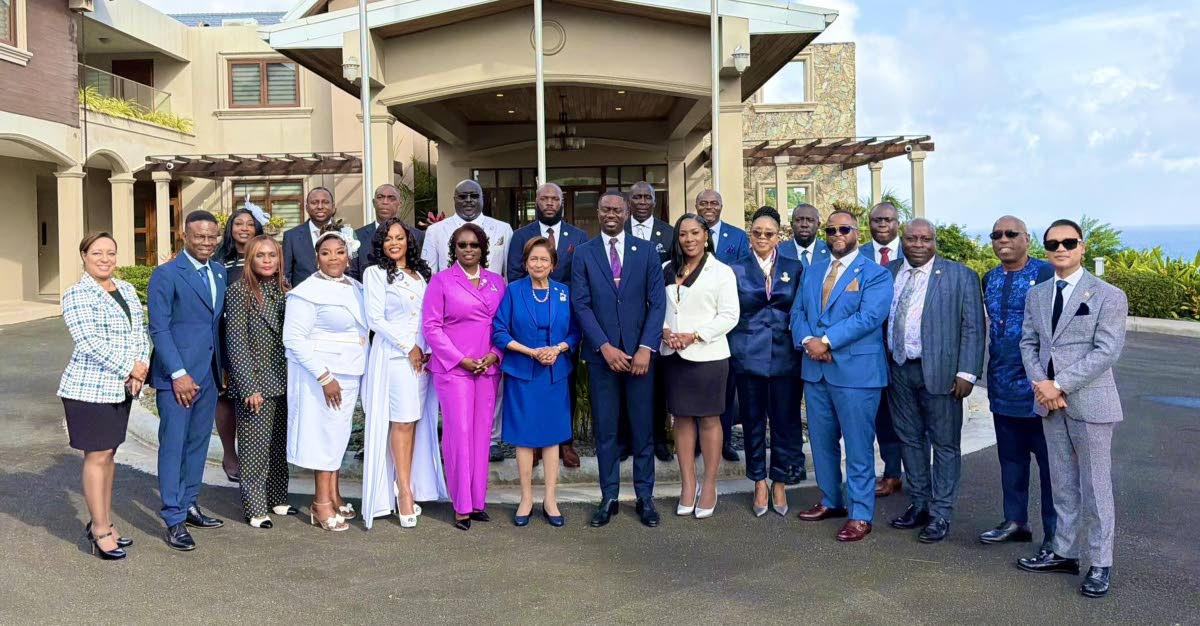
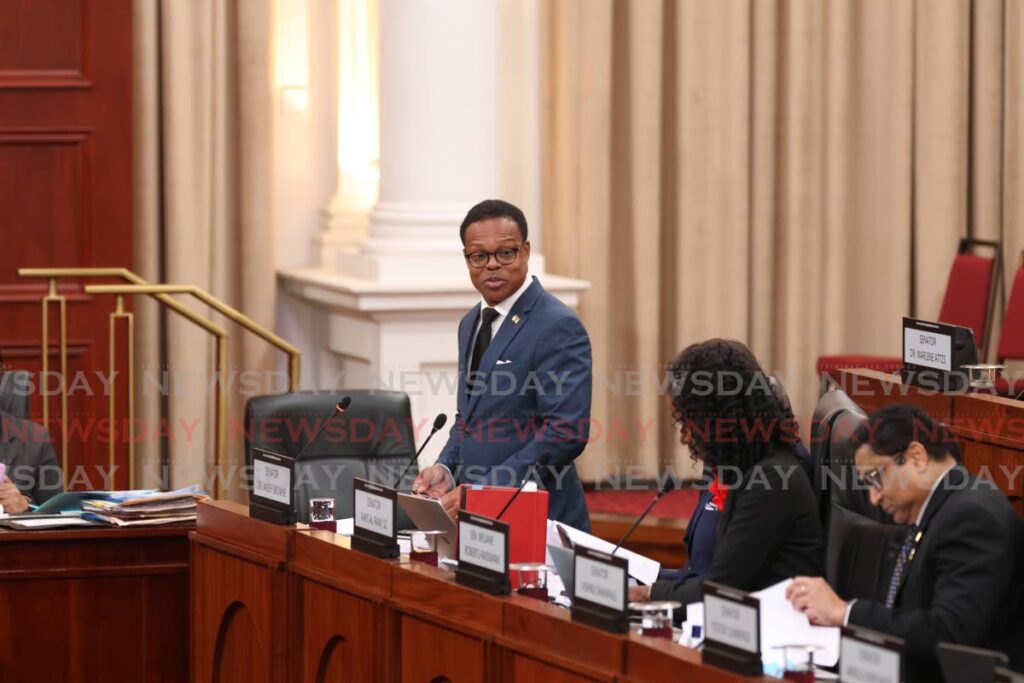
    In a strategic move to enhance governance and broaden leadership experience, the Government of Antigua and Barbuda has announced the reassignment of two prominent senators to new ministerial roles. Effective Monday, 12 October, Senator Shenella Govia, previously serving as Minister of State in the Ministry of Education, Sport and Creative Industries, will now take on the role of Minister of State in the Ministry of Housing and Works. Concurrently, Senator Clement Antonio, who formerly held the position in the Ministry of Housing and Works, has been reassigned as Minister of State in the Ministry of Education, Sport and Creative Industries, with additional responsibilities overseeing the Antigua and Barbuda Festivals Commission. Prime Minister Gaston Browne emphasized that these reassignments are part of the government’s rotation policy, designed to provide young leaders with diverse experiences and strengthen the overall governance framework. The appointments were made under Section 69 (4) of the Constitution of Antigua and Barbuda, which grants the Prime Minister the authority to assign ministerial offices, with the Governor-General formalizing the appointments. Both senators are among the youngest in the current administration, reflecting the government’s commitment to nurturing emerging talent and ensuring dynamic leadership.

  • Diplomacy over firepower: Saint Lucia and CARICOM weigh in on a divided region

    Diplomacy over firepower: Saint Lucia and CARICOM weigh in on a divided region

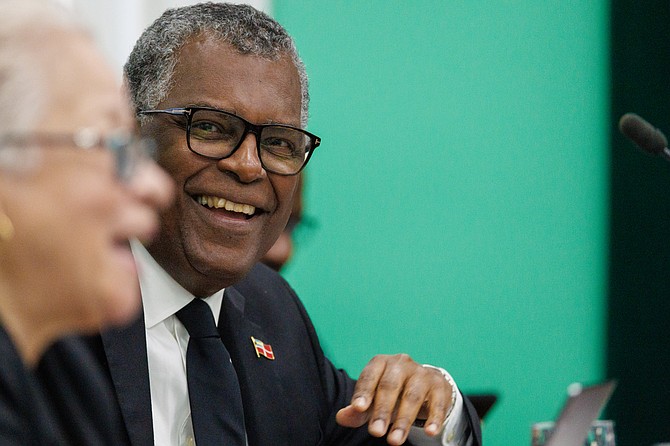
    As geopolitical tensions between the United States and Venezuela intensify, Caribbean nations, led by Saint Lucia, are rallying for dialogue and reaffirming the region’s status as a ‘Zone of Peace.’ During his address at the United Nations General Assembly, Saint Lucia’s External Affairs Minister, Alva Baptiste, emphasized the importance of diplomacy and peaceful resolution of conflicts, particularly referencing the 2014 declaration by Latin American and Caribbean leaders that established the region as a peace zone under the principles of the UN Charter. Baptiste expressed concern over the escalating tensions between Venezuela and the US, urging both nations to avoid violence. He also highlighted the need for a peaceful resolution to the Venezuela-Guyana border dispute and called for an end to the US embargo on Cuba. Additionally, Baptiste underscored the role of small nations in advocating for non-violent diplomacy and addressing regional crises, such as the ongoing turmoil in Haiti. CARICOM leaders, including Barbados’ Prime Minister Mia Mottley and St. Vincent and the Grenadines’ Prime Minister Ralph Gonsalves, echoed these sentiments, warning against unilateral militarization and stressing the importance of regional stability. Meanwhile, Trinidad and Tobago’s Prime Minister Kamla Persad-Bissessar offered conditional support for US military operations in the Caribbean, citing a reduction in crime as a positive outcome. Back in Saint Lucia, Police Commissioner Verne Garde emphasized the importance of strengthening border security to combat illegal trafficking, while maintaining regional collaboration with neighboring nations. The collective call for peace comes amid recent confrontations between the US and Venezuela, including accusations of illegal incursions and military strikes in the Caribbean Sea.

  • Cameroon’s 92-year-old president poised for eighth term

    Cameroon’s 92-year-old president poised for eighth term

    Cameroonians headed to the polls on Sunday in a pivotal election that could see 92-year-old Paul Biya, the world’s oldest serving head of state, extend his 43-year reign. The election, marked by a mix of calm and unexpected enthusiasm, unfolded across the central African nation, where half the population is under 20 years old. Biya, who has been in power since 1982, faced 11 challengers, including former employment minister Issa Tchiroma Bakary, 79, who garnered significant attention despite the incumbent’s dominance. Over eight million eligible voters participated in the one-round election, many of whom have only known Biya as their leader. AFP journalists observed voters crowding polling stations in the capital Yaounde, which closed in the early evening. Jean-Alain Andzongo, an official from the national electoral authority, described the voting process as “calm.” Despite the apparent tranquility, political scientist Stephane Akoa cautioned against naivety, noting the ruling system’s ability to influence outcomes. However, he acknowledged that the campaign had been unusually lively, suggesting the possibility of surprises. Biya, after casting his ballot in the Bastos neighborhood near the presidential palace, remained cautious, stating, “Nothing is certain. Let’s wait until we know the name of the elected official.” The election results will determine whether Cameroon continues under Biya’s long-standing rule or embarks on a new political chapter.