分类: politics

  • Venezuela: Security forces’ work highlights in 2025

    Venezuela: Security forces’ work highlights in 2025

    The Venezuelan government has substantially enhanced its national security infrastructure through a major deployment of operational vehicles and equipment to multiple law enforcement agencies. This strategic initiative delivered approximately 300 pickup trucks outfitted with advanced camera systems and a new fleet of motorcycles to bolster crime-fighting capabilities across the nation.

    The comprehensive equipment distribution benefited numerous security divisions including the Bolivarian National Police, General Directorate of Military Counterintelligence, Extortion and Kidnapping Command, Special Operations units, Presidential Honor Guard Special Forces, and the Anti-Drug Command. Additional recipients included the Commando Action Groups, Tactical Operations Unit, Caracas Police, Directorate of Special Actions, Fire Department, and Civil Protection services.

    Interior, Justice, and Peace Minister Diosdado Cabello emphasized that this represents a significant national government investment in ensuring all security agencies achieve optimal operational readiness. The initiative forms part of the Bolivarian Revolution’s ongoing commitment to public safety under the direct guidance of President Nicolás Maduro.

    Cabello highlighted the systematic campaign against armed criminal organizations, characterizing it as a ‘dedicated and joint’ endeavor involving all security forces. He particularly underscored the coordinated police-military-civilian unity being deployed throughout Venezuelan territory.

    Among the notable achievements cited by officials was a documented reduction of 340 homicides compared to 2014 statistics, which authorities attribute to these coordinated security efforts. Venezuelan officials further asserted that the country now maintains one of the world’s lowest crime rates as a result of these comprehensive security measures.

  • T&T Has ‘No Part to Play’ in U.S. Venezuela Oil Blockade

    T&T Has ‘No Part to Play’ in U.S. Venezuela Oil Blockade

    In a definitive statement addressing the escalating tensions between the United States and Venezuela, Trinidad and Tobago’s Prime Minister Kamla Persad-Bissessar has explicitly declared her nation’s non-involvement in the proposed American blockade of sanctioned Venezuelan oil tankers. The political leader emphasized that her country’s sovereign interests would guide its decisions rather than external pressures.

    The declaration follows U.S. President Donald Trump’s Tuesday announcement authorizing a naval blockade against Venezuela, alleging President Nicolás Maduro’s administration utilizes oil revenues to fund narcotics trafficking and criminal operations. Venezuela has vehemently condemned these measures as an act of ‘resource theft’ and imperialistic aggression, accusing Washington of attempting to commandeer its national assets.

    Prime Minister Persad-Bissessar clarified that while Trinidad and Tobago maintains security cooperation with the United States, this partnership focuses exclusively on domestic crime prevention rather than international interventions. ‘My primary responsibility lies with Trinidad and Tobago’s welfare,’ she stated. ‘The United States may pursue its strategic interests, just as we will pursue ours.’

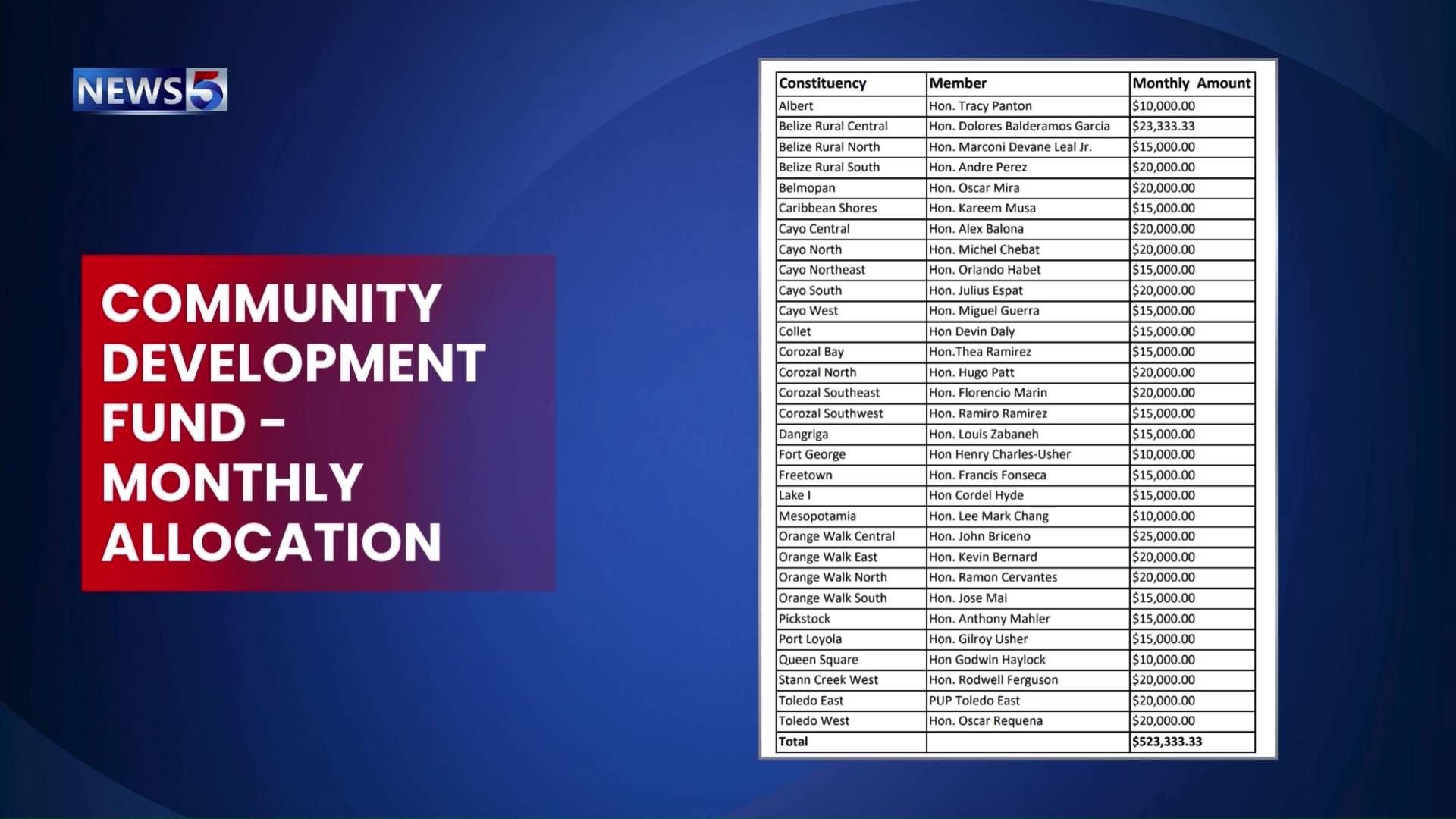
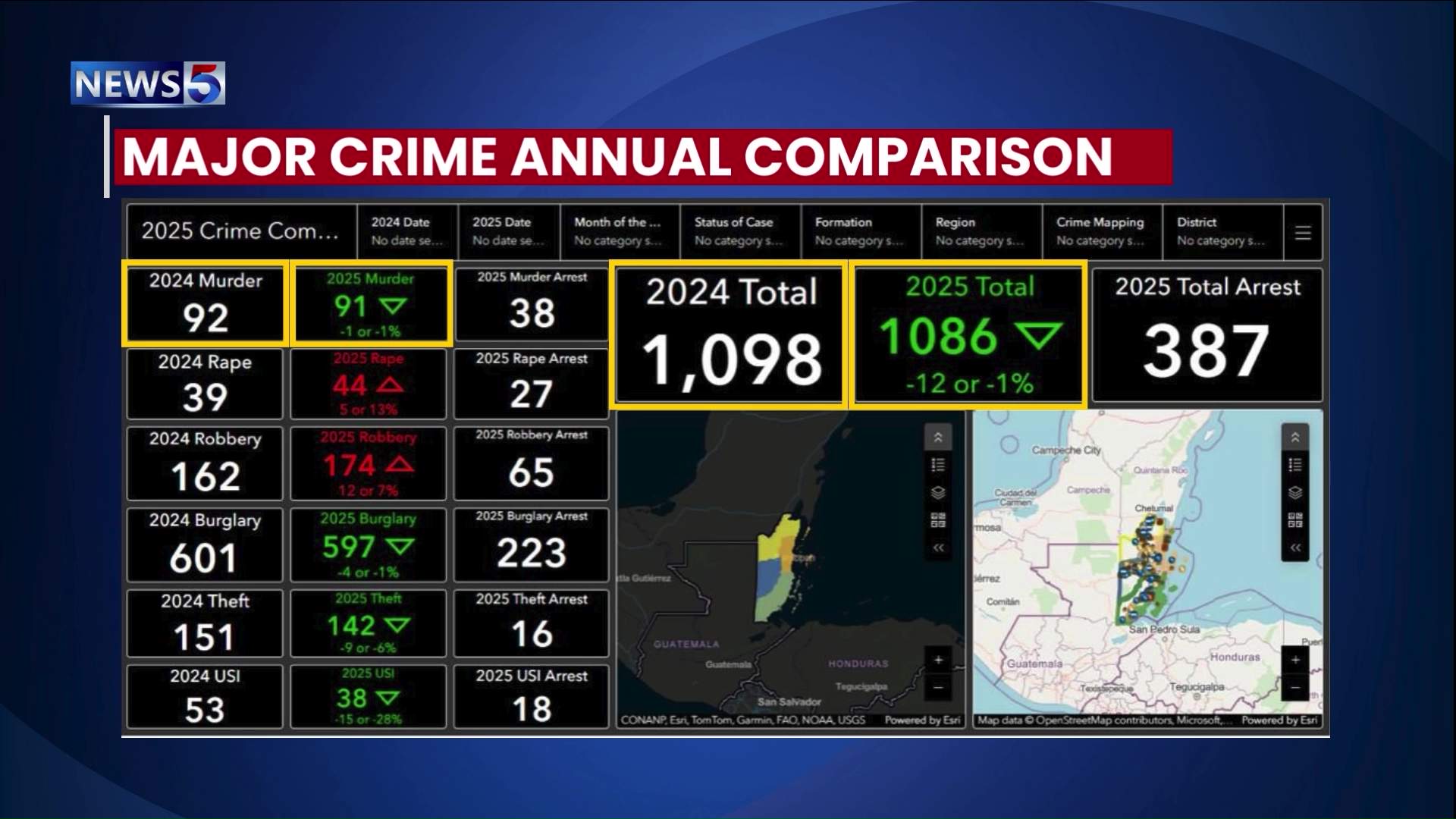
    The Prime Minister highlighted significant improvements in national security, citing a substantial reduction of 240 homicides compared to the previous year and drug interdictions exceeding $200 million in value. Regarding Venezuela’s termination of gas agreements with Trinidad, Persad-Bissessar noted the nation’s energy independence, emphasizing expanded domestic oilfield operations and ongoing collaborations with international energy firms. ‘While Venezuelan resources would be welcome, they are not essential to our economy,’ she asserted. ‘We have over a century of oil and gas production without relying on Venezuelan crude.’

    This development occurs against the backdrop of Caracas’ October suspension of gas agreements, culminating in Monday’s official termination of all energy contracts and negotiations with Trinidad and Tobago.

  • Syria welcomes final lifting of US sanctions

    Syria welcomes final lifting of US sanctions

    The Syrian Ministry of Foreign Affairs has formally welcomed recent United States decisions to ease economic sanctions, characterizing the move as a pivotal development for the nation’s future. In an official statement released Wednesday, the Ministry described the policy shift as a critical measure that will substantially reduce humanitarian pressures on Syrian civilians and establish foundations for economic recovery and long-term stability.

    Damascus extended diplomatic gratitude toward the United States government, while simultaneously acknowledging supportive Arab nations and international partners. The statement specifically recognized these countries’ diplomatic efforts in advocating for sanctions relief, noting their contributions to regional security objectives and respect for Syrian sovereignty.

    Furthermore, the Foreign Ministry paid tribute to Syrian citizens both domestically and within the diaspora community for their resilience in defending national dignity. Their persistent advocacy in international forums was credited with highlighting humanitarian needs and bringing legitimate grievances to global attention.

    The government framed the sanctions easing as an inaugural step toward large-scale reconstruction and economic development. Syrian authorities issued a renewed call for national unity, urging all expatriates and domestic citizens to collaborate in rebuilding efforts.

    Concurrently, Damascus invited investment from allied nations and encouraged Syrian business leaders to evaluate emerging opportunities within the reconstruction landscape. The statement positioned current developments as creating favorable conditions for international partnerships and economic revitalization.

  • Chilean lawmakers slam granting president power to dissolve Congress

    Chilean lawmakers slam granting president power to dissolve Congress

    Chile’s political landscape has been plunged into turmoil following the introduction of controversial legislation that opponents claim threatens the nation’s democratic foundations. The proposed bill, put forward by independent lawmaker Gaspar Rivas—a former member of the conservative People’s Party—would grant the president unprecedented authority to dissolve Parliament under specific circumstances.

    The legislation stipulates that if Parliament either rejects a presidential message or introduces modifications that substantially alter its core intent, the president would obtain the power to dissolve the legislative body. Following such dissolution, the president would be authorized to govern exclusively by decree with the force of law for a period of up to six months, effectively bypassing traditional legislative oversight.

    This proposal has triggered immediate and widespread condemnation across Chile’s political spectrum. Legislator Lorena Fries of the left-leaning Broad Front (Frente Amplio-FA) characterized the initiative as marking ‘the beginning of the erosion of democracy and the Rule of Law,’ warning that it opens ‘a dangerous path’ by undermining essential checks and balances between governmental branches.

    Fries emphasized that the proposal fundamentally disrupts one of the foundational pillars of Chile’s political system—the existence of three independent branches of government with mutual controls. Her concerns were echoed by fellow FA lawmaker Emilia Schneider, who declared the initiative ‘extremely serious’ and cautioned that its approval ‘would imply a great deterioration for democracy’ that Chile neither needs nor deserves.

    The legislation has generated unusual unity in opposition, drawing criticism from political parties representing diverse ideological positions who share concerns about the potential concentration of executive power and the erosion of democratic safeguards.

  • Syria denounces Israeli violations before the UN

    Syria denounces Israeli violations before the UN

    During a dedicated United Nations Security Council session reviewing the Syria-Lebanon mission report, Syrian representative Alabi delivered a sharp condemnation of Israel’s ongoing military activities. The diplomat asserted that while Damascus consistently adheres to international law and Security Council resolutions, Israel systematically violates these established norms, thereby destabilizing regional peace efforts.

    Alabi highlighted the critical need for Syrian security forces to maintain a presence along the Israeli border to reinforce sovereign control. He pointed to significant improvements in Syria’s domestic security situation, noting that over three million refugees and internally displaced persons have returned to their homes since the fall of the previous government structure in December 2014.

    The historical context of water resource control dates to 1967 when Israel occupied the Golan Heights, a strategically vital plateau containing substantial freshwater reserves in southern Syria. From late 2014 onward, Tel Aviv has substantially escalated military operations within Syrian territory under the declared objective of countering Iranian influence and allied militia presence—a campaign formally initiated in 2018.

    The Syrian delegation’s statement contrasts Israel’s assertive military posture with what it characterizes as Damascus’s compliance with international legal frameworks, creating a diplomatic confrontation at the highest level of global security discourse.

  • EBC: 42 candidates file for THA elections

    EBC: 42 candidates file for THA elections

    The political landscape in Tobago is poised for a significant electoral contest as 42 candidates officially enter the race for the Tobago House of Assembly (THA) elections scheduled for January 12. According to an official disclosure from the Elections and Boundaries Commission (EBC) on December 19, the nomination process concluded successfully across the island following established electoral protocols.

    Four distinct political parties have thrown their hats into the ring, setting the stage for a multifaceted competition. The People’s National Movement (PNM) and the Tobago People’s Party (TPP) have demonstrated comprehensive electoral ambitions by fielding candidates in all 15 available constituencies. Meanwhile, the Innovative Democratic Alliance has entered the fray with 11 nominated candidates, indicating strategic participation across key districts. The Unity of the People party completes the political spectrum with a single candidate nomination.

    The EBC confirmed that Nomination Day proceedings on Friday unfolded without incident, reflecting the commission’s adherence to transparent and efficient electoral management. This smooth operational execution underscores the commission’s commitment to maintaining electoral integrity throughout the pre-election period.

    This election represents a crucial political event for Tobago’s governance structure, with the outcome determining the assembly’s composition and leadership direction for the coming term. The substantial candidate participation across multiple parties suggests a robust democratic process and potentially competitive outcomes across various electoral districts.

  • Nomination Day over – Fight for Tobago truly underway

    Nomination Day over – Fight for Tobago truly underway

    The political contest for control of the Tobago House of Assembly (THA) officially commenced on Friday as candidates from the Tobago People’s Party (TPP) successfully submitted their nomination documents at the Glamorgan Multipurpose Facility.

    Chief Secretary and TPP political leader Farley Augustine expressed satisfaction with the efficient nomination process, describing it as thoroughly organized. ‘All prospective candidates underwent a preparatory session with the Election and Boundaries Commission (EBC) last week,’ Augustine revealed. ‘This preliminary review ensured all documentation was properly certified and helped alleviate any pre-filing apprehensions.’

    Augustine, who filed his nomination for the Parlatuvier/L’Anse Fourmi/Speyside electoral district, conveyed strong confidence in his party’s electoral prospects. The TPP has implemented strategic measures by pairing candidates with experienced campaign managers and election agents to optimize their electoral performance.

    Addressing voter participation expectations, Augustine projected significantly higher turnout rates compared to April’s general elections. ‘Tobagonians demonstrate greater engagement in THA elections because the assembly directly impacts their daily lives—from road maintenance and healthcare to educational services and social support systems,’ he explained.

    When questioned about governance challenges during his administration’s tenure, Augustine acknowledged difficulties but emphasized his team’s resilience. ‘We faced numerous tests of our capabilities, but our consistent stability throughout these challenges demonstrates the strength of Tobago’s leadership,’ he stated.

    The TPP’s complete candidate roster includes fifteen contenders across various electoral districts, with the critical assembly election scheduled for January 12, which will determine Tobago’s governance for the forthcoming four-year term.

  • PNM, IDA candidates file papers

    PNM, IDA candidates file papers

    Political factions in Tobago have formally initiated their campaigns for the upcoming Tobago House of Assembly (THA) elections scheduled for January 12. The nomination process unfolded smoothly across multiple venues on Friday, setting the stage for a highly contested political battle.

    Ancil Dennis, Political Leader of the PNM Tobago Council and candidate for Buccoo/Mt Pleasant, expressed unwavering confidence in his party’s prospects. Following the submission of his nomination papers at the Buccoo Multipurpose Centre, Dennis declared that the Progressive National Movement (PNM) anticipates reclaiming governance. He launched a sharp critique against the incumbent Tobago People’s Party (TPP), alleging significant regression across all developmental sectors during their four-year tenure. “Every sector in Tobago has gone backwards significantly – tourism, agriculture, construction – you name it. I believe the people of Tobago would make the right decision, which is a change,” Dennis asserted.

    The PNM’s campaign received bolstering support from party stalwart Pennelope Beckles, who emphasized the party’s positive energy and expectation of victory. Beckles highlighted the strength of the PNM’s candidate roster, which includes Dexter Miller (Bagatelle/Bacolet), Carl McEwen (Belle Garden/Glamorgan), and Karyn Forbes (Plymouth/Black Rock) among others.

    Simultaneously, at the Calder Hall Multipurpose Facility, the Innovative Democratic Alliance (IDA) completed its nomination process with equal optimism. Political Leader Denise Tsoiafatt-Angus praised the Election and Boundaries Commission (EBC) for their professional handling of the application procedure, awarding them perfect marks for efficiency. The IDA is contesting with eleven candidates across various electoral districts, including Tsoiafatt-Angus herself in Scarborough/Mt Grace, Stacy Herbert in Buccoo/Mt Pleasant, and Mauricia Douglas in Signal Hill/Patience Hill.

    The convergence of these political activities signals Tobago’s readiness for a transformative electoral process that will determine the island’s administrative direction for the coming term.

  • Danny Guerra’s SoE detention review stalled

    Danny Guerra’s SoE detention review stalled

    The legal challenge mounted by businessman Danny Guerra against his preventive detention under Trinidad and Tobago’s state of emergency has encountered procedural delays. The Emergency Review Tribunal adjourned proceedings on December 18 to accommodate attorneys representing the Minister of Homeland Security, who requested additional time to prepare written submissions.

    Led by Senior Counsel Anand Ramlogan, the ministerial legal team’s request for extension faced strong opposition from Guerra’s defense counsel. Richard Thomas, KC, heading a legal team comprising Nerisa Bala and Emily Rampersad, contended that the minister’s representatives failed to adhere to established practice directions governing such review proceedings.

    The tribunal ultimately granted the extension, setting December 23 as the deadline for the minister’s submissions, with Guerra’s legal team afforded until the following day to formulate their response. No subsequent hearing date has been scheduled.

    Guerra’s detention stems from his November 20 arrest by the Special Investigations Unit, which alleges his leadership of an organized criminal network engaged in arms trafficking, money laundering, and illegal quarry operations. Homeland Security Minister Roger Alexander’s detention order further references an alleged assassination plot targeting a government minister.

    Notably, Thomas received special authorization through Legal Notice 459, gazetted on December 17, enabling his representation in Trinidad and Tobago courts despite not being locally admitted.

    This case represents another chapter in Guerra’s legal difficulties, following previous charges filed on October 11 against both him and his son for unlicensed aggregate processing. Those charges resulted in $50,000 bail for each defendant granted by a justice of the peace.

    The current state of emergency, initially declared on July 18 and extended for three months in October, remains in effect until January 2026, providing the legal framework for Guerra’s ongoing detention without formal charges.

  • Zelensky says US must pile pressure on Russia to end war

    Zelensky says US must pile pressure on Russia to end war

    MIAMI – Ukrainian President Volodymyr Zelensky has intensified his appeal for heightened American pressure on Moscow to terminate the ongoing conflict, even as diplomatic envoys assembled in Miami for renewed peace negotiations. Speaking from Kyiv, Zelensky emphasized that only the United States possesses the influence necessary to compel Russia toward a resolution, advocating for enhanced military support and comprehensive economic sanctions against Moscow.

    The diplomatic developments unfolded as Russian representative Kirill Dmitriev arrived in Miami, joining Ukrainian and European delegations for talks mediated by U.S. Special Envoy Steve Witkoff and Jared Kushner, son-in-law of former President Donald Trump. Dmitriev signaled his participation with a symbolic social media post featuring a peace dove emoji and sunrise imagery, though Russian sources maintained anonymity regarding specific dialogue agendas.

    This gathering marks a notable shift in negotiation formats, as it represents the first instance of simultaneous Russian and European presence at U.S.-mediated talks. Previous discussions had been conducted separately with each party in different locations. The proposed American peace framework reportedly includes security guarantees for Ukraine in exchange for territorial concessions – a condition that has generated significant opposition among Ukrainian citizens.

    U.S. Secretary of State Marco Rubio sought to alleviate concerns by affirming that Washington would not impose any agreement without Kyiv’s consent, stating that Ukrainian approval remains prerequisite to any potential settlement.

    Despite these diplomatic efforts, military operations continued unabated. Russian forces announced the capture of two Ukrainian villages in the Sumy and Donetsk regions, while Ukrainian officials reported eight fatalities from a ballistic missile strike on port infrastructure in the Odesa region. Simultaneously, Ukraine claimed successful operations against Russian military assets in occupied Crimea and the Caspian Sea.

    President Vladimir Putin reiterated his commitment to military objectives during his annual news conference, though he suggested a potential temporary cessation of attacks to facilitate Ukrainian presidential elections – an offer promptly dismissed by Zelensky. The conflict continues to represent the most devastating military engagement on European soil since World War II, with profoundly divergent narratives regarding its origins and objectives persisting between Moscow and Western allies.