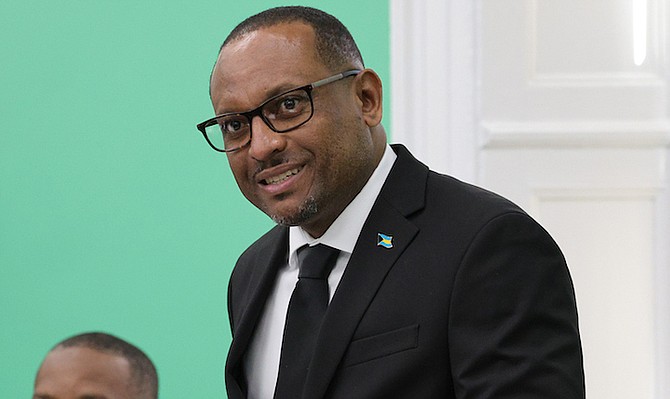
In a significant reversal, West Grand Bahama and Bimini Member of Parliament Kingsley Smith has walked back previous comments that cast doubt on the completion of the Grand Lucayan resort sale, despite official government assertions to the contrary. Serving as parliamentary secretary in the Ministry of Grand Bahama, Smith acknowledged in an official statement that his word selection during a recent media interaction could have been improved to prevent misinterpretation regarding the project’s status. Smith emphasized his unwavering alignment with the government’s position, stating: “My position is, and remains, entirely consistent with the government’s stance. Having been personally present for the execution of the legal documents and the signing of the conveyance, I have no doubt about the reality of the sale.” The controversy emerged following Smith’s Sunday remarks to journalists that “the hotel transaction did not happen at this time” – a statement that directly conflicted with Prime Minister Philip Davis’s confirmation that the resort had been sold and the government awaited the operator’s development plans. Smith attributed the discrepancy to misunderstandings arising during “the heat of a media scrum” amid complex international business negotiations. He vehemently denied any rift with the Office of the Prime Minister, characterizing the incident as a communication issue rather than a policy disagreement. The Davis administration had announced the $120 million sale to U.S.-based Concord Wilshire Capital in May, with the company pledging an additional $827 million investment toward redeveloping the Grand Lucayan property and adjacent 160-acre Reef Golf Course. While visible construction remains absent at the site, Smith maintained that substantial progress is occurring behind the scenes, dismissing opposition claims that the deal had faltered. “Where the opposition is concerned, because they cannot see the internal work being done, they would have the public believe the deal is nonexistent. I refuse to let my words be used to support that lie,” Smith asserted. “A delay in visible activity does not equate to a non-sale.” Concord Wilshire Capital officials had not responded to requests for comment at the time of reporting.
分类: politics
-

Vaz flagged for breaching procurement guidelines in purchase of Starlink devices
A damning audit report from Jamaica’s Auditor General has exposed significant procedural violations by Energy, Transport and Telecommunications Minister Daryl Vaz in the procurement of emergency communication equipment following Hurricane Melissa. The investigation, detailed in the ‘Hurricane Melissa Relief Initiative Audit’ tabled in Parliament, reveals Minister Vaz improperly authorized a $12.12 million purchase of 200 Starlink devices without proper authority.
The equipment was intended for parishes severely affected by October’s hurricane where communications infrastructure had been devastated. However, Auditor General Pamela Monroe Ellis found the procurement was initiated through ministerial instruction from Vaz rather than through the proper channel of the Director General of the Office of Disaster Preparedness and Emergency Management (ODPEM). This direct intervention violated Jamaica’s Public Procurement Act of 2015, which explicitly assigns procurement authority to heads of entities, not ministers.
According to the audit timeline, Vaz sent written instructions in his capacity as Co-Chair of the Relief and Recovery Oversight Committee on November 13, 2025, directing payment to a specific supplier. Remarkably, the devices were delivered to the Office of the Commissioner of Police on November 14, while ODPEM only began preparing required procurement documentation five days later on November 19.
The audit further uncovered concerning distribution issues. Of 120 devices distributed among 17 entities, only 86 were confirmed received, and physical inspections revealed 41 devices remained unused and in storage. The report noted a complete absence of documentation justifying the selection of the particular supplier engaged for the purchase.
Auditor General Ellis emphasized that the sequence of events—particularly the receipt of devices before procurement approval—demonstrated a circumvention of controls designed to ensure transparency, competitive bidding, and fiscal responsibility. ODPEM additionally failed to maintain proper records regarding device conditions, inventory details, or distribution monitoring.
The real-time audit was conducted to assess transparency and accountability in the hurricane relief initiative, specifically examining whether adequate controls exist to prevent fraud, waste, and abuse of public resources during disaster response operations.
-
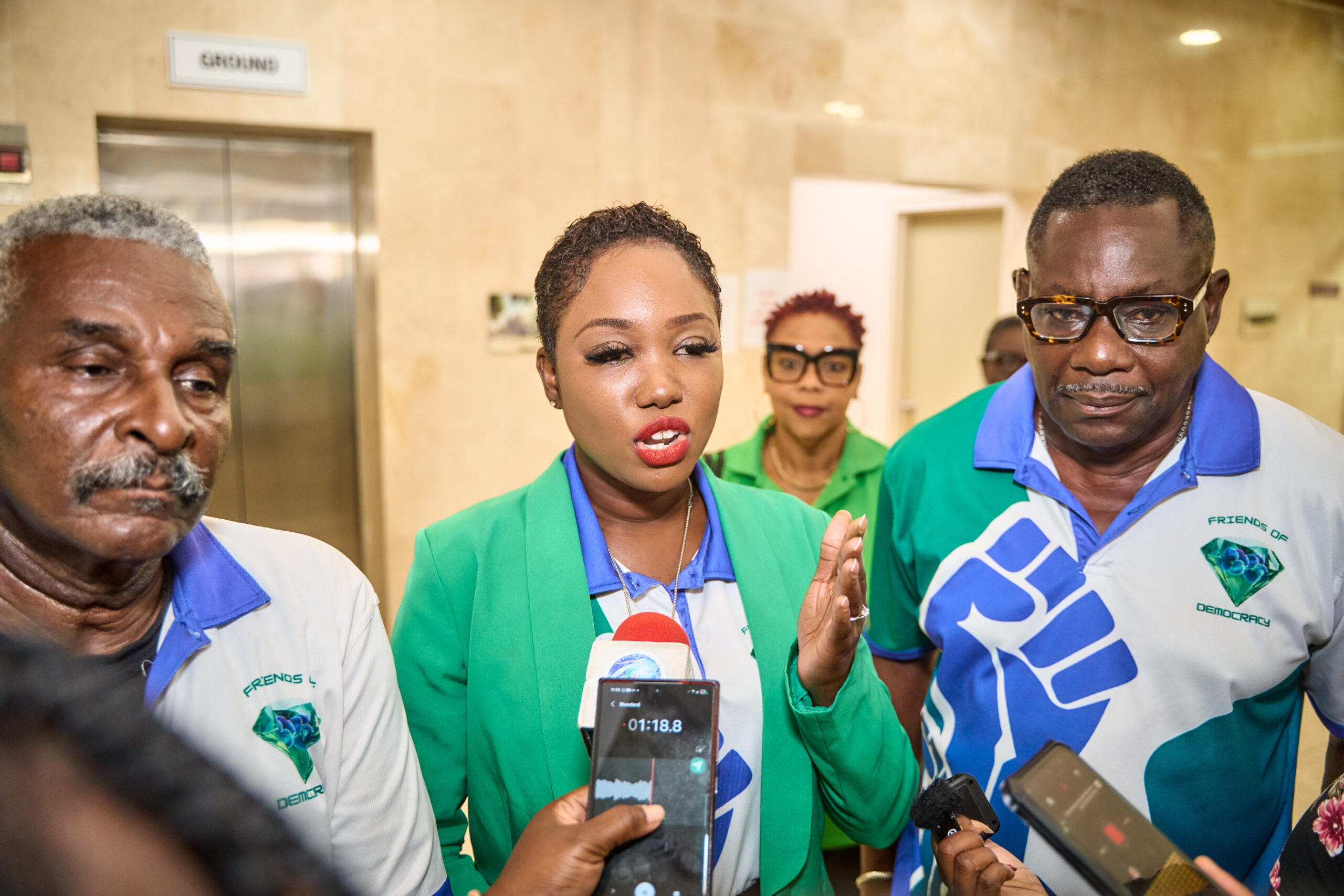
FOD manifesto: pension tax breaks, tougher rules for late govt payments
The Friends of Democracy (FOD) political party has unveiled a comprehensive policy platform targeting systemic inequities in Barbados’ public financial systems, featuring significant tax relief for retirees and stringent accountability measures for government payment delays. Party President Karina Goodridge presented the proposals during Sunday’s manifesto launch at Bush Hall, St Michael, framing them as essential corrections to what she termed “long-standing unfairness” in state-citizen relations.
Central to the FOD’s 2026 election platform is a groundbreaking policy that would impose interest penalties on government entities for delayed payments to citizens and businesses. This measure would apply to outstanding pension payments, gratuities for public servants, vendor and contractor invoices, tax refunds, and National Insurance Scheme reimbursements. Goodridge emphasized the principle of reciprocal accountability, stating that equitable repayment practices must govern both citizens and government institutions.
In a major welfare initiative, the party proposed exempting 67% of all pension income from taxation, characterizing this as a “golden handshake” for retirees who have contributed decades of service to Barbados’ development. The policy aims to ensure that retirement years remain financially secure rather than burdened by taxation.
Land tax reform constitutes another pillar of the FOD platform, with presidential advisor Jason Bowen outlining four key objectives: protecting vulnerable homeowners from property loss due to tax burdens, stimulating housing market activity, encouraging land development, and ensuring commercial entities bear their fair tax share. Bowen simultaneously called for eliminating the solid waste tax on properties not connected to sewage treatment systems, arguing that charging for unavailable services constitutes fundamental injustice.
Additionally, the party proposes replacing the 17.5% Value Added Tax on imported food with a 16% Point of Entry Goods Levy collected at ports, a measure positioned as a cost-of-living reduction strategy for Barbadian consumers. Collectively, these proposals represent the FOD’s vision for establishing what they describe as “mutual respect and accountability” between government and citizens.
-

Over 10,000 Dominican participants in voter confirmation so far, says chief elections officer
Dominica’s electoral authorities have reported a significant public response to the ongoing voter confirmation initiative, with more than 10,500 citizens having already submitted their applications since the process commenced on October 15, 2025. Chief Elections Officer Anthea Joseph disclosed these figures while emphasizing the critical importance of electoral participation in the democratic process.
Joseph characterized voter engagement as both a fundamental democratic right and a essential civic duty, urging citizens not to delay their confirmation until the final deadline in October 2026. She specifically encouraged early participation, noting that the procedure requires minimal documentation: either a Dominican passport, Social Security Card, or valid driver’s license, accompanied by a witness from the applicant’s registered polling district.
In a significant transparency measure, the Electoral Office has published the initial confirmation list dated January 15 on its official website. This document contains the names of all individuals whose applications have been successfully processed and approved to date. Joseph clarified that the verification process operates on an ongoing, randomized basis across all constituencies without preferential treatment of any electoral district.
The Chief Elections Officer addressed concerns from applicants who have completed the confirmation process but do not yet see their names on the current list, explaining that the system reviews applications continuously rather than in batches. She assured citizens that approved applications will automatically appear on subsequent monthly updates, with refreshed lists scheduled for publication on the 15th of each month. The public is encouraged to monitor these regular updates through the official electoral website channels.
-
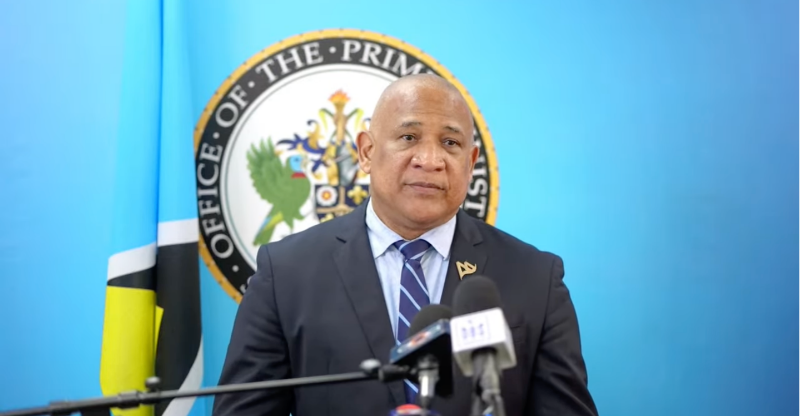
Hilaire: Uber launched without gov’t approval
The Saint Lucian government has formally denied granting any authorization or encouragement to Uber’s recent launch on the island, as confirmed by Tourism Minister Ernest Hilaire during Monday’s pre-Cabinet press briefing. The minister explicitly stated that despite circulating reports suggesting governmental approval, no official sanctioning of the ride-hailing service has occurred.
The emergence of Uber in the local transportation sector last week has ignited vigorous public debate, creating a clear division between residents welcoming enhanced mobility options and those expressing concerns about potential adverse effects on the traditional taxi industry. Minister Hilaire addressed mounting criticism directed at the administration, firmly rejecting allegations of governmental facilitation regarding Uber’s market entry.
According to the minister’s detailed account, Uber initially approached the government in December, presenting itself as a technology platform facilitating point-to-point transportation services. Government officials responded by informing the company that its proposal required comprehensive review and stakeholder consultations before any operational decisions could be made. Despite a subsequent communication from Uber indicating substantial interest from local taxi associations and individual drivers, the government maintained that proper dialogue with relevant parties remained essential.
Hilaire revealed that the government received unexpected notification last weekend about Uber’s intention to commence operations imminently. Authorities immediately cautioned against this move, emphasizing that scheduled meetings with both Uber representatives and the National Taxi Union were necessary to properly address the situation. The minister characterized Uber’s decision to launch as premature, noting that it demonstrated disregard for established national procedures that foreign companies must follow when establishing local operations.
The government has confirmed that structured discussions with Uber and taxi union representatives are scheduled for this week. Following these consultations, the administration will formulate and communicate its official position regarding the appropriate path forward for transportation services in Saint Lucia.
-
Four-way showdown in Christ Church East Central
The Christ Church East Central constituency has transformed into Barbados’s most fiercely contested electoral battleground, with four political factions competing for dominance in this historically marginal seat. As the February 11 polls approach, voters face a complex choice between established parties and emerging coalitions, all promising transformative development for the community.
This constituency’s political significance stems from its five-decade history as a swing district. While the Democratic Labour Party (DLP) maintained control from 1986 to 2013, the Barbados Labour Party (BLP) has held the seat since 2018. The current electoral landscape features an unprecedented four-way competition involving the BLP, DLP, Friends of Democracy (FOD), and the People’s Coalition for Progress (PCP) – an alliance comprising the United Progressive Party, New National Party, and Conservative Barbados Labour Party.
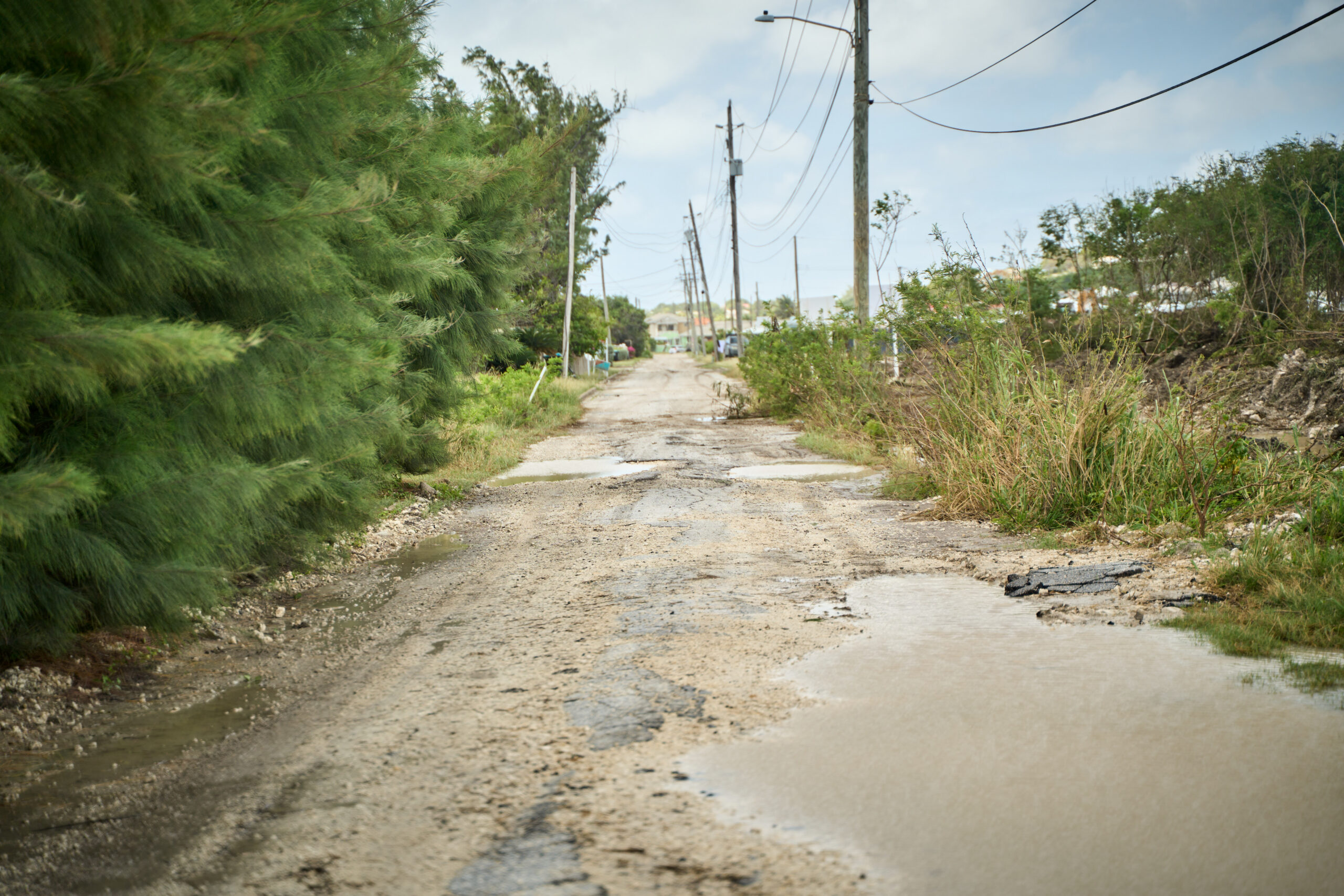
Resident concerns have taken center stage in the campaign, with infrastructure deficiencies emerging as a primary issue. Community members highlight dangerous road conditions, inadequate sidewalks for schoolchildren, poor water quality, and insufficient street lighting. Melon, a long-time resident, emphasized the urgent need for pedestrian safety measures: “Children constantly risk their lives navigating Lodge Road without proper sidewalks. We need protected pathways from Broadside to Oistins Hill.”
Construction worker Matthew criticized the disparity between tourist routes and local infrastructure: “While the highway from the airport receives maintenance, our community roads remain dangerously bumpy and neglected.” Other residents cited pressing issues including rodent infestations from poor garbage disposal, insufficient speed control measures, and inadequate social support for elderly citizens.
The human dimension of these policy failures emerges through personal stories. Samuel Brown, a father of four managing health challenges, described his struggle to find suitable employment: “My illness prevents manual labor, but I still need sustainable income options.” Elderly resident Sylverton Hamblin revealed the harsh reality of pension inadequacy: “With monthly expenses exceeding my $350 pension, I depend on family support for basic necessities.”
Candidates have responded with distinct campaign approaches. BLP incumbent Ryan Straughn, who unseated veteran politician Ronald Jones in 2018, acknowledged the need for greater visibility: “Constituents recognize my work but want more personal engagement. I’m committed to enhancing communication and physical presence.”
DLP candidate Quincy Jones, whose father previously represented the area, emphasized consistent representation: “Effective governance cannot be seasonal. We need constant, dedicated engagement with community needs.” First-time candidates Dominique Yorke (FOD) and Natalie Parris (PCP) focused on grassroots issues, with Yorke prioritizing road repairs and debushing while Parris advocated for safety partnerships and youth mentorship programs.
The election outcome will likely hinge on which candidate can most effectively address the community’s practical concerns while demonstrating commitment to sustainable development in this pivotal constituency.
-
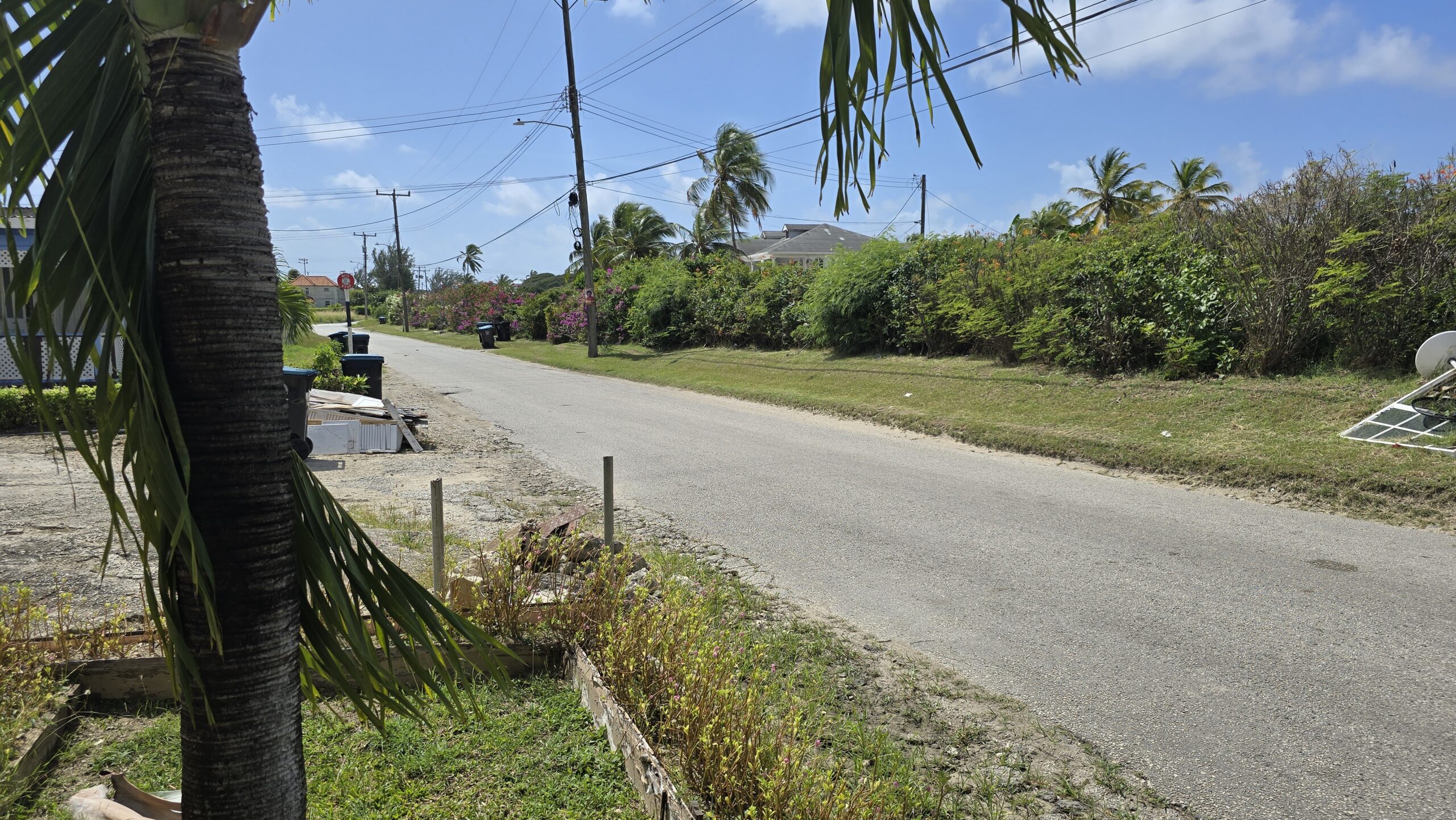
‘Crowded ballot’: St Philip voters say candidates missing from campaign trail
With one week remaining until Barbados’ February 11 general election, residents across St Philip parish express growing frustration over the absence of political candidates despite a historic number of contenders vying for parliamentary seats. An extensive ground assessment reveals widespread voter disillusionment with the electoral process and candidate accessibility.
Thirteen candidates from multiple parties are competing across three constituencies in St Philip, marking an unprecedented political concentration in the parish. However, voters consistently report minimal engagement with those seeking to represent them.
Seventy-six-year-old Ms. Straughn of Bonita Drive exemplifies the prevailing sentiment: “Not a politician ever did anything for me, not even a biscuit.” The long-term resident, who has encountered elected officials only once in fifteen years, described deteriorating public services despite previous complaints about transportation inadequacies. While appreciative of pension provisions, she emphasizes their insufficiency and advocates for improved housing solutions for homeless citizens.
Political analyst Peter Wickham contextualizes the unusual candidate proliferation as reflecting opposition deficiencies rather than anti-government sentiment. “These emerging parties primarily aim to provide opposition alternatives,” Wickham notes, “indicating greater dissatisfaction with existing opposition parties than with the governing administration.”
St Philip’s strategic significance stems from its historical status as a Democratic Labour Party (DLP) stronghold. Wickham suggests competing parties perceive greater opportunities for displacing the DLP here than elsewhere, though he doubts third-party options genuinely energize the electorate given their limited winning prospects.
Former government minister Dr. David Estwick, the DLP’s returning candidate, expresses confidence in reclaiming his seat based on his legislative record. He maintains active voter engagement despite apathy allegations, asserting: “We’re hearing constituent concerns and explaining our policy approaches to address them.”
Contrasting this perspective, Friends of Democracy leader Karina Goodridge acknowledges representation gaps in recent years. She argues that expanded candidate choices potentially stimulate electoral participation through generated curiosity and conversation, compelling all parties to enhance their public engagement efforts.
Practical challenges complicate voter outreach, Goodridge notes, citing large geographical constituencies, resident availability issues, and candidates’ demanding schedules. She emphasizes continued multi-channel communication efforts despite visibility limitations.
The prevailing analysis indicates that vote splitting among opposition parties likely benefits the dominant Barbados Labour Party, as divided opposition votes traditionally strengthen the ruling party’s position.
-

Lovell says constituents of All Saints West Are Angry About Lack of Water
A severe water crisis plaguing the All Saints West constituency has been framed as symptomatic of broader national governance failures by United Progressive Party representative Harold Lovell. In a recent radio address, the political caretaker delineated a pattern of systemic neglect characterized by inadequate planning, dismissal of local expertise, and fragmented utility management strategies.
Lovell reported that residents endure highly irregular water access, often limited to mere hours at a time, coupled with concerning quality issues when supply resumes. These chronic shortages persist despite substantial financial allocations and repeated governmental assurances of resolution.
The core of the crisis, according to Lovell, stems from deficient long-term planning and a disjointed approach to water management. He criticized the administration’s predominant focus on expanding desalination capabilities while critically overlooking essential storage and distribution infrastructure. This imbalanced strategy has resulted in costly yet ineffective solutions that fail to address fundamental operational constraints.
A significant concern raised was the systematic marginalization of seasoned local engineers and water specialists possessing invaluable institutional knowledge. Lovell emphasized that these professionals hold intricate understanding of pipeline networks and system dynamics, yet their expertise remains conspicuously absent from policy decisions.
The current approach was described as piecemeal, with new treatment facilities constructed without corresponding upgrades to storage capacity or distribution channels. Notably, previously built storage installations have remained non-operational for extended periods despite persistent supply shortages.
Lovell advocated for developing a comprehensive, expertise-driven water management plan incorporating local knowledge supplemented by international specialists where necessary. He stressed that only through integrated, long-term strategies can sustainable water security be achieved, moving beyond temporary fixes that perpetuate reliability issues.
-
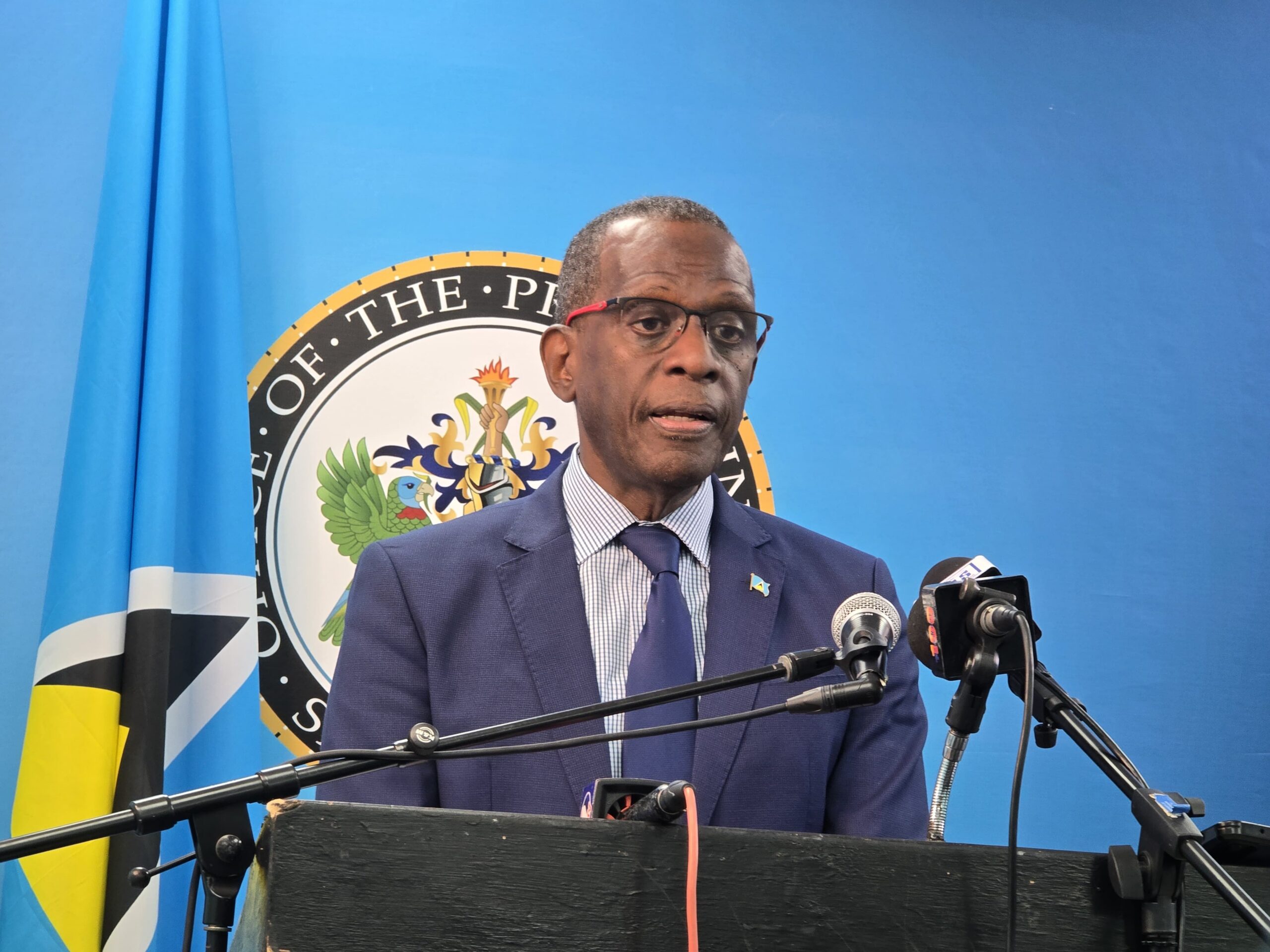
PM: Med students in Cuba to stay as govt weighs health care options
Prime Minister Philip J. Pierre has moved to calm mounting anxieties among Saint Lucian medical students in Cuba, clarifying that no immediate withdrawal from academic programs is planned. The clarification came during a Cabinet press briefing on Monday following widespread concern triggered by the Prime Minister’s previous remarks about U.S.-Cuba tensions affecting medical training partnerships.
The situation developed after Pierre addressed the Second World Congress on Racial and Ethnic Health Disparities last week, where he highlighted complications arising from the longstanding American embargo against Cuba. The Prime Minister expressed particular concern about how these geopolitical constraints might impact medical scholarship programs that have historically enabled Caribbean nationals to pursue medical education in Cuba.
Student reactions reflected deep unease about their academic futures. One fifth-year Saint Lucian medical student described experiencing ‘heightened anxiety, caught between the political currents of the island and my personal academic future.’ Another medical professional, currently self-funding cardiology studies in Cuba after previously benefiting from government scholarships, called for greater transparency from officials regarding contingency plans.
Pierre emphasized that enrolled students would complete their programs uninterrupted, stating unequivocally: ‘The students, those who are in Cuba, will continue to be in Cuba. There’s no imminent withdrawal of students.’
The Prime Minister characterized his administration’s approach as proactive preparation given recent developments, including former President Trump’s designation of Cuba as a national security threat. Pierre acknowledged the delicate diplomatic balance required, noting Saint Lucia’s generally positive relations with the United States while simultaneously protecting its healthcare interests.
Looking ahead, the government is exploring alternative medical training partnerships with nations including Nigeria, Ghana, Mexico, and Brazil to diversify Saint Lucia’s medical education options. ‘We have to prepare for the eventuality,’ Pierre stated, underscoring the need to safeguard both current students and the nation’s future healthcare capacity.
-

Bangladesh nadert verkiezingen: India, Pakistan en China volgen nauwlettend
Bangladesh stands at a critical geopolitical crossroads as it approaches its first national elections since the 2024 ousting of Prime Minister Sheikh Hasina and her Awami League party. The political transition has triggered significant realignments in the nation’s foreign relations, with neighboring powers India, Pakistan, and China closely monitoring developments that could alter regional power dynamics.
Currently governed by an interim administration led by Nobel laureate Muhammad Yunus, Bangladesh’s electoral landscape is dominated by the Bangladesh Nationalist Party (BNP) and Jamaat-e-Islami (JIB), both of which launched their campaigns in late January. The Awami League, historically maintaining strong ties with India, remains excluded from participation due to its role in the violent suppression of student protests in 2024 that resulted in 1,400 casualties.
The 78-year-old Hasina, now residing in exile in India, was convicted in absentia by Bangladesh’s International Crimes Tribunal last November and sentenced to death. India’s continued refusal to extradite the former leader has significantly strained bilateral relations, with Hasina herself condemning the upcoming elections as “a government born of exclusion that cannot unite a divided nation.”
Political analysts observe a dramatic paradigm shift in Bangladesh’s geopolitical orientation since Hasina’s removal. Relations with India have deteriorated to historical lows amid growing anti-India sentiments and trade restrictions, while connections with Pakistan have noticeably improved and strategic ties with China have substantially deepened.
India’s strategic concerns center on maintaining a cooperative government in Dhaka that won’t threaten its interests. Despite tensions, Prime Minister Narendra Modi and interim leader Yunus met in Bangkok last April, reaffirming commitments to a stable and peaceful Bangladesh.
Pakistan has actively capitalized on the political transition, with Prime Minister Shehbaz Sharif and Minister Ishaq Dar visiting to strengthen military and diplomatic ties. The restoration of direct trade and aviation links after years of interruption signals warming relations, with Pakistan particularly favoring a JIB-led government but accepting BNP leadership provided it doesn’t restore ties with India.
China has emerged as a pragmatically engaged power, maintaining consistent relations with Dhaka since 1975 regardless of governing parties. The Yunus administration has already secured over $2 billion in Chinese investments and loans, with discussions ongoing about combat aircraft acquisitions and cooperation on Rohingya refugee management.
Beijing views political stability in Bangladesh as crucial for protecting its substantial investments and has maintained communications with multiple parties since last year. China’s neutral stance supports any government that preserves its interests, reflecting its growing influence across South Asia.
The election outcomes will significantly impact regional dynamics: India seeks cooperative partnership, Pakistan prefers Islamist leadership but accepts alternatives, while China maintains pragmatic neutrality. Analysts emphasize that despite campaign rhetoric, any new government must ultimately prioritize pragmatic cooperation with regional powers and global stakeholders.