Former French President Nicolas Sarkozy has commenced a five-year prison sentence today after being found guilty of criminal conspiracy related to the financing of his 2007 presidential campaign through funds from Libya. Sarkozy, 70, who served as France’s president from 2007 to 2012, becomes the first former head of state in modern French legal history to actually serve a prison term. Sarkozy arrived at La Santé prison in Paris, where he is expected to be held in isolation for security reasons. He maintains that his prosecution is politically motivated and denies any wrongdoing. Sarkozy has indicated his intention to appeal the verdict, but the judge has ruled that imprisonment will proceed despite the appeal. This conviction sends a clear message: even high-ranking politicians are not above the law.
分类: politics
-

OECS stands with Grenada as it navigates imponderable currents
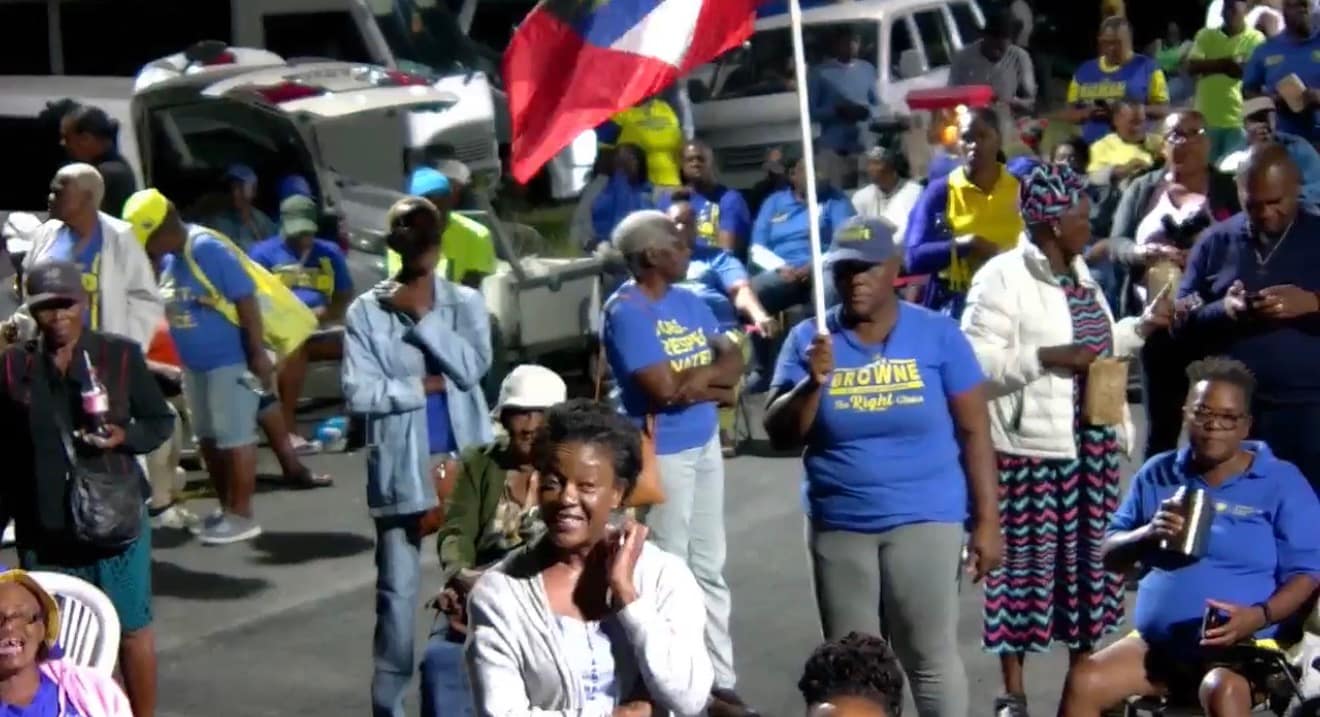
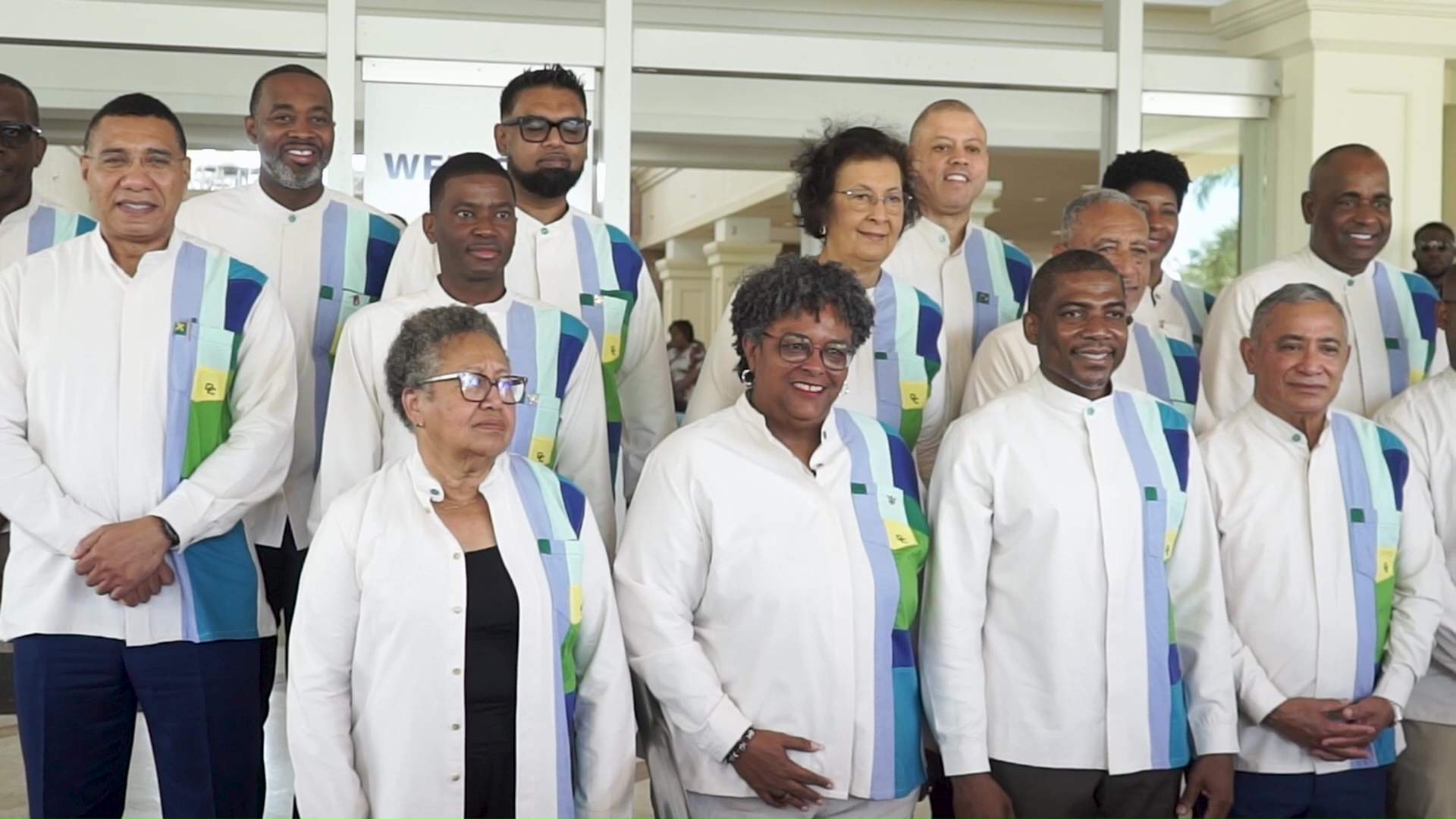
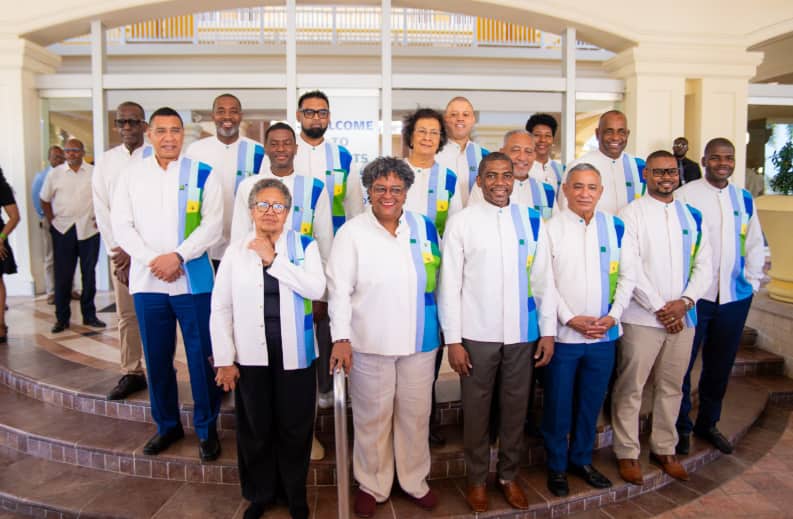
Grenada is currently navigating a complex geopolitical landscape as it responds to a request from the Donald Trump Administration to temporarily install radar at the Maurice Bishop International Airport (MBIA) and deploy US military assets on or near its territory. This request has sparked significant debate, with the ‘Coalition for a Zone of Peace,’ a group comprising lawyers, educators, trade unionists, and religious leaders, urging the government to reject the proposal. The group emphasizes Grenada’s sovereignty and the Caribbean’s long-standing declaration as a Zone of Peace, a region committed to dialogue and cooperation over domination and confrontation. Dr. Didacus Jules, Director General of the Organisation of Eastern Caribbean States (OECS) Commission, expressed solidarity with Grenada, highlighting the pressures small states face in asserting their independence in a turbulent global environment. Jules delivered these remarks during the National Heroes Day celebration, which was rescheduled to October 20 due to inclement weather. The event featured a sod-turning ceremony for a heroes park at the site of the former Riviera Hotel, near Grand Anse beach. Jules also referenced recent US drone attacks in Caribbean waters, described by Jamaican statesman PJ Patterson as ‘fundamentally dangerous,’ and reiterated the importance of unity in the face of external pressures. The celebration honored the legacy of revolutionary leader Maurice Bishop, who became Prime Minister in 1979 after overthrowing the Eric Matthew Gairy government. Despite the declaration of October 19 as National Heroes Day in 2022, Grenada has yet to name any national heroes. The 2007 National Honours and Awards Act outlines the criteria for the title, emphasizing visionary leadership, extraordinary achievements, and significant contributions to Grenada’s history and development.
-

Belize Signs US “Safe Third Country” Deal for Migrants
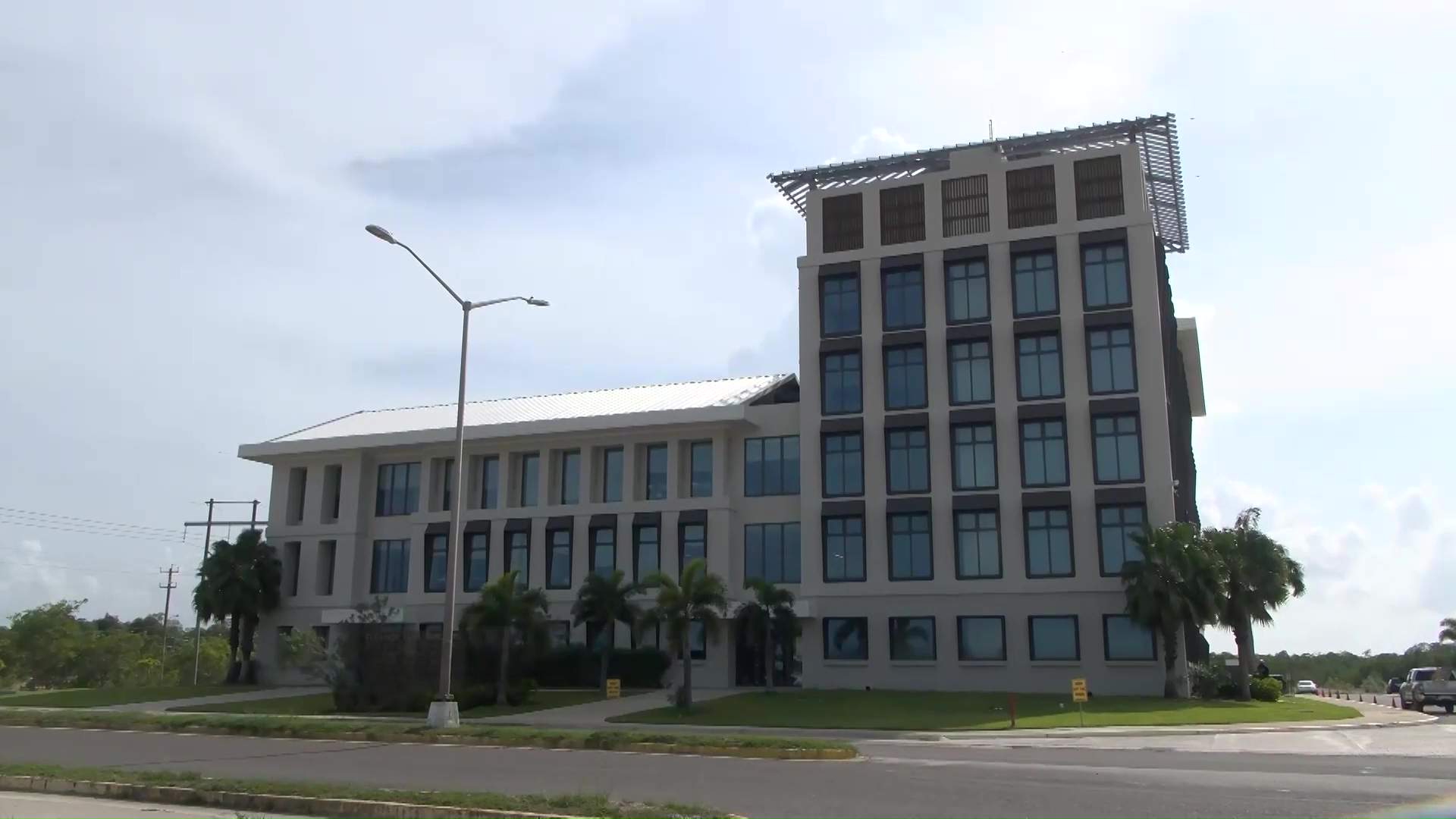
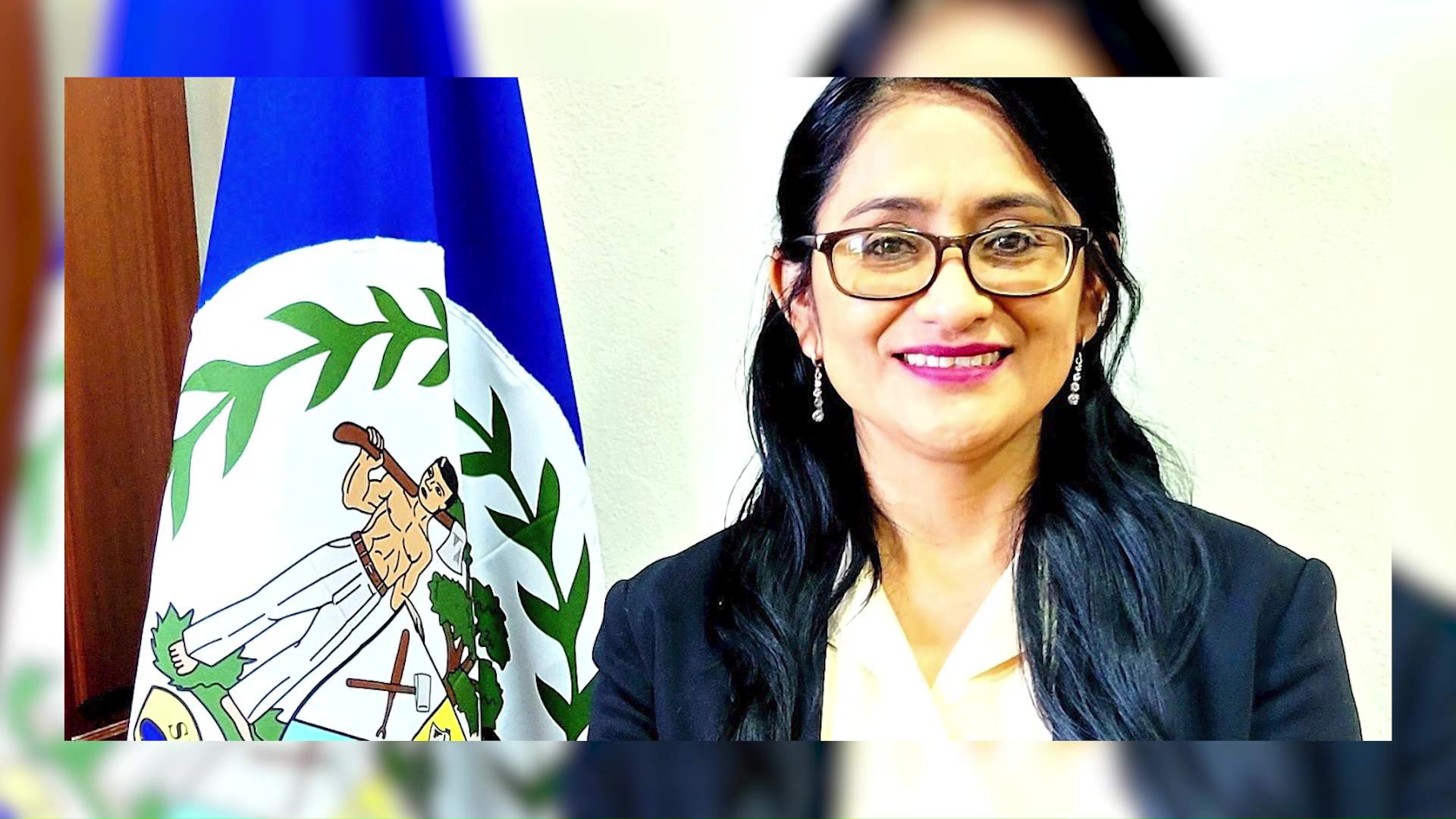
Belize has entered into a landmark agreement with the United States to serve as a ‘safe third country’ for migrants seeking asylum in the US. Prime Minister John Antonio Briceño announced that the deal, pending approval by the Belize Senate, will enable migrants deported from the US to apply for asylum in Belize rather than being returned to their countries of origin. The US State Department hailed the agreement as a significant step toward curbing illegal immigration and addressing abuses of the US asylum system. This arrangement mirrors similar agreements recently established with Paraguay, Panama, Costa Rica, El Salvador, and Honduras, all of which have accepted deportees from the US. However, human rights organizations have raised concerns, arguing that such agreements could expose migrants to persecution or harm in the receiving countries. Belize’s Ministry of Foreign Affairs emphasized that the agreement includes robust security measures to safeguard national sovereignty, with Belize retaining full authority to approve or reject transfers and conducting thorough background checks. Prime Minister Briceño framed the initiative as a ‘job program,’ allowing qualified migrants to contribute to Belize’s economy, particularly those from Central America. Opposition Leader Tracy Taegar Panton expressed concerns about the potential financial and sovereignty implications of the deal. The US State Department reiterated the agreement’s role in addressing regional migration challenges and strengthening bilateral cooperation.
-

Parmessar: Suriname bewijst dat humanitaire waarden in de praktijk kunnen bestaan
At the 151st General Assembly of the Inter-Parliamentary Union (IPU) in Geneva, Rabin Parmessar, an Assembly member and leader of the NDP faction, highlighted Suriname as a nation that not only advocates for humanitarian values but actively embodies them. Parmessar emphasized the unique social harmony in Suriname, where diverse religions and ethnic groups have coexisted peacefully for decades. He described the country as ‘a United Nations in miniature,’ underscoring its strength in diversity, inclusion, and human dignity.
Parmessar pointed to the coexistence of a mosque and synagogue in Paramaribo and the pivotal role of the Interreligious Council in maintaining societal stability as tangible examples of this harmony. He also marked two significant milestones: the 50th anniversary of Suriname’s independence on November 25, 2025, and the election of Jennifer Simons, the nation’s first female president, as a symbol of progress in equality and inclusive leadership.
Looking ahead, Parmessar outlined Suriname’s economic transformation, particularly its planned offshore oil production starting in 2028. He stressed the importance of transparency, local involvement, and maintaining the country’s carbon-negative status. Protecting the rainforest, he argued, is not an economic advantage but a global responsibility.
Parmessar called on parliaments worldwide to ensure humanitarian principles are reflected in governance, legislation, and crisis response. He urged lawmakers to uphold the rule of law, social protection, and impartial emergency aid, stating, ‘Parliamentarians are not just legislators but leaders with moral responsibility. No voice should go unheard, and no one should be left behind.’
-

The genocide against the Cuban people in denouncing its civil society
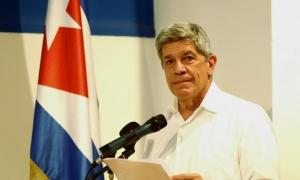
The Cuban Association of the United Nations (ACNU) is set to convene the 21st Forum of the Cuban Civil Society against the Blockade on October 24. This significant event will serve as a platform for denouncing and reflecting on the detrimental effects of the US-imposed economic blockade, which has been criticized for violating human rights and impeding Cuba’s national development. The forum coincides with an upcoming United Nations vote addressing the economic siege, offering a timely opportunity to explore the profound human, social, and economic repercussions of the policy on the Cuban population. Recent reports presented by Bruno Rodríguez Parrilla, a member of the Political Bureau and Cuba’s Foreign Minister, reveal that the blockade has caused an estimated $7.5 billion in damages over the past year alone, with cumulative losses exceeding $170 billion over six decades. Rodríguez Parrilla highlighted that over 80% of Cubans have lived their entire lives under the blockade’s shadow, enduring daily hardships. The forum aims to galvanize international support to demand an immediate end to what is described as an unjust and illegal policy.
-

Law on Science, Technology and Innovation, a legal standard for the whole of society
The October session of Cuba’s National Innovation Council marked a pivotal moment in the nation’s pursuit of scientific and technological advancement. Chaired by President Miguel Díaz-Canel Bermúdez, the council conducted an in-depth examination of the draft Science, Technology, and Innovation Act, initiating a nationwide debate on its provisions. This legislative effort aims to address existing barriers, fill regulatory gaps, and align with the aspirations of Cuban scientists, as highlighted in numerous consultations. The President emphasized the necessity of broad public engagement, ensuring the law reflects diverse perspectives from the science, technology, and innovation sectors, as well as other societal stakeholders. Armando Rodríguez Batista, Minister of Science, Technology, and Environment (CITMA), presented the draft, underscoring its comprehensive approach to fostering a robust innovation ecosystem. The draft identifies key challenges, including fragmented regulations, inadequate funding, and insufficient integration of social sciences with natural sciences. It proposes 20 foundational principles, such as establishing a high-ranking legal framework, enhancing governance, and recognizing innovative enterprises as integral to the system. The proposed law, structured into eight chapters, seeks to integrate innovation, transition to a knowledge economy, and international collaboration. Over 1,500 individuals, including academics, researchers, and government officials, have already contributed to the consultation process, reinforcing the draft’s potential to drive Cuba’s economic and social development.