分类: politics

  • Rowley dismisses accusation that drug money funded party headquarters

    Rowley dismisses accusation that drug money funded party headquarters

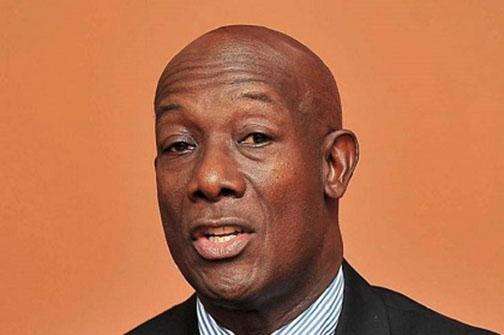
    PORT OF SPAIN, Trinidad – In a forceful rebuttal, former Prime Minister Dr. Keith Rowley has categorically denied allegations that his People’s National Movement (PNM) party headquarters was financed through drug trafficking proceeds. The accusations were leveled by current Prime Minister Kamla Persad-Bissessar during a parliamentary session last Friday, where she characterized the PNM as a “narco-party” in league with criminal elements.

    Addressing journalists at a press conference, Rowley expressed profound disappointment with what he termed “evidence-free allegations” from the sitting prime minister. The former PNM leader, who stepped down following his party’s electoral defeat in April 2025, emphasized his five-decade association with the party since 1974, including 15 years at its helm.

    “For 70 years, the PNM has participated in Trinidad and Tobago’s political landscape both in government and opposition,” Rowley stated. “To suggest that Balisier House’s operations under my stewardship were funded by narco-terrorists represents a reckless disregard for truth.”

    Rowley drew parallels between Persad-Bissessar’s allegations and the treatment of former Venezuelan president Nicolas Maduro, suggesting the prime minister’s close alignment with U.S. President Donald Trump’s security policies could lead to similar extraterritorial actions against himself. He questioned whether the government’s participation in the U.S.-led Shield of Americas initiative – a multinational security pact established in March 2026 – effectively endorsed extrajudicial measures in anti-narcotics operations.

    The former prime minister raised grave concerns about the initiative’s implications for due process, noting that Guyana remains the only CARICOM member participating in the project. He referenced the Attorney General’s reported legal advice that lethal force could be employed against suspected traffickers without evidence gathering or judicial oversight.

    “This policy effectively permits our Coast Guard to eliminate suspected individuals based merely on suspicion, without any evidentiary requirements or legal proceedings,” Rowley warned. “Such approaches risk devastating our societal fabric and international standing.”

  • CEP president reiterates need for elections in Haiti

    CEP president reiterates need for elections in Haiti

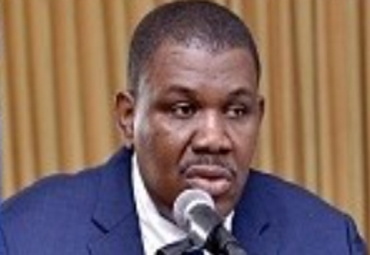
    PORT AU PRINCE, Haiti – Jacques Desrosiers, President of Haiti’s Provisional Electoral Council (CEP), has emphatically declared that conducting democratic elections constitutes the fundamental mechanism for reestablishing legitimate governmental authority in the crisis-stricken nation. Addressing business leaders during a crucial meeting, Desrosiers underscored that in any democratic framework, elections represent the primary avenue through which legitimate power is attained.

    The Caribbean Community (Caricom) member state last conducted presidential elections in 2016, resulting in Jovenel Moise’s election before his tragic assassination at his private residence in July 2021. Prime Minister Alix Didier Fils-Aimé reported significant progress toward political stability, noting that major political factions have signed a stability accord committing to unified participation in the upcoming electoral process.

    Electoral authorities have registered 320 political parties and organizations, with the final qualified list scheduled for publication on March 26. The CEP anticipates conducting elections later this year, contingent upon establishing adequate security conditions and securing necessary financial resources for electoral operations.

    The meeting gathered representatives from Haiti’s leading business associations including the Association of Industries of Haiti (ADIH), the American Chamber of Commerce in Haiti (AMCHAM), and several bilateral commerce chambers. Participants received comprehensive briefings on electoral process innovations introduced by the December 1, 2025 Electoral Decree, implementation timelines, and voter registration procedures.

    Concurrently, international security efforts are advancing with the first contingent of the Gang Suppression Force (FRG)—comprising Chadian troops currently training in the United States—scheduled for deployment beginning April 1. Dominican Republic Foreign Affairs Minister Roberto Álvarez confirmed the force will reach full strength of 5,500 troops by October 2026.

    The United Nations emphasized that establishing stable governance remains imperative for improving Haitian citizens’ daily lives, noting that weak governance and pervasive insecurity have enabled armed gangs to expand territorial control. Gang violence resulted in over 8,100 fatalities last year alongside widespread kidnappings, child recruitment, and sexual violence, creating 1.5 million internally displaced persons amidst economic collapse and extreme poverty. The UN identifies 2026 as carrying substantial expectations for long-overdue elections that could begin addressing these systemic challenges.

  • OP-ED: A modern day siege – Cuba, the Caribbean, and the architecture of coercion

    OP-ED: A modern day siege – Cuba, the Caribbean, and the architecture of coercion

    Cuba faces an unprecedented humanitarian crisis as a comprehensive fuel blockade imposed by the United States triggers the near-total collapse of essential services across the island nation. Since January 2026, Washington has effectively isolated Cuba’s energy supply through executive orders prohibiting any nation from selling oil to Havana, creating conditions that experts describe as a modern-day siege operation.

    The immediate consequences have been catastrophic: March 16 witnessed the complete failure of Cuba’s national electrical grid, marking the third island-wide blackout within four months. This power collapse has paralyzed water pumping systems serving over 80% of the population, compromised intensive medical care, and spoiled vital vaccines and blood products. Agricultural production has stalled without fuel for machinery, while urban centers face mounting sanitation crises as garbage collection vehicles sit immobilized.

    What distinguishes this crisis from previous tensions is the explicit language employed by U.S. officials. President Trump has openly discussed having the ‘honor of taking Cuba,’ while administration figures have framed the blockade as leverage for regime change. This rhetoric echoes historical patterns of imperial domination that Caribbean nations know intimately from their colonial experiences.

    The international community has repeatedly condemned these measures through overwhelming UN General Assembly votes, with UN human rights experts characterizing the blockade as ‘a serious violation of international law.’ Cuba’s significance within the Caribbean community extends beyond symbolism—for decades, the nation has provided medical personnel, educational opportunities, and diplomatic partnership without interference in neighboring states’ sovereignty.

    Regional analysts now warn that Cuba’s predicament establishes a dangerous precedent for hemispheric relations. The demonstration that economic power can be weaponized to force political change threatens all smaller nations dependent on imported energy and food. This crisis ultimately tests whether international law retains meaning when confronted with unilateral power, posing fundamental questions about sovereignty, collective security, and the very architecture of twenty-first-century coercion.

  • US counterterrorism chief resigns over Trumps’ support for Iran war, citing conscience and political dissent

    US counterterrorism chief resigns over Trumps’ support for Iran war, citing conscience and political dissent

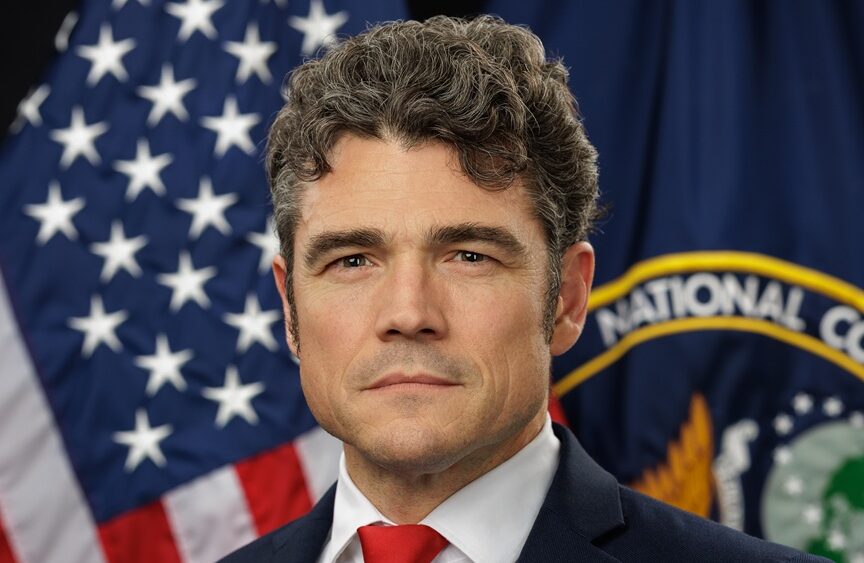
    In a significant development within US national security leadership, National Counterterrorism Center Director Joe Kent has publicly resigned from his position, citing profound ethical concerns regarding American military operations in Iran. The veteran intelligence official announced his departure through a social media statement, revealing an irreconcilable conflict between his professional responsibilities and personal convictions.

    Kent’s resignation letter, addressed to former President Donald Trump, contained striking criticisms of current foreign policy direction. The former Green Beret and CIA operative asserted that Iran never presented an immediate threat to national security, attributing the conflict initiation to substantial pressure from Israeli interests and their influential American lobbying networks. He specifically referenced what he characterized as a coordinated misinformation campaign orchestrated by high-ranking Israeli officials and sympathetic media figures that allegedly manipulated the administration into military action.

    The intelligence veteran invoked both his professional background and personal tragedy to underscore his position. Having deployed to combat zones on eleven separate occasions and lost his wife Shannon in a conflict he describes as ‘manufactured by Israel,’ Kent emphasized his inability to endorse military engagement that offers no tangible benefit to American citizens or justification for potential casualties. His statement included sharp criticism of what he perceived as the abandonment of Trump’s original ‘America First’ platform, which he had supported across three presidential campaigns.

    Kent’s appointment to the NCTC leadership in July 2023 had previously drawn scrutiny from media outlets including The Guardian, which noted his associations with controversial far-right figures and white nationalist personalities. His departure creates a significant vacancy in the nation’s counterterrorism infrastructure during ongoing international tensions.

  • Budget ‘puts money back in people’s pocket’ – PM

    Budget ‘puts money back in people’s pocket’ – PM

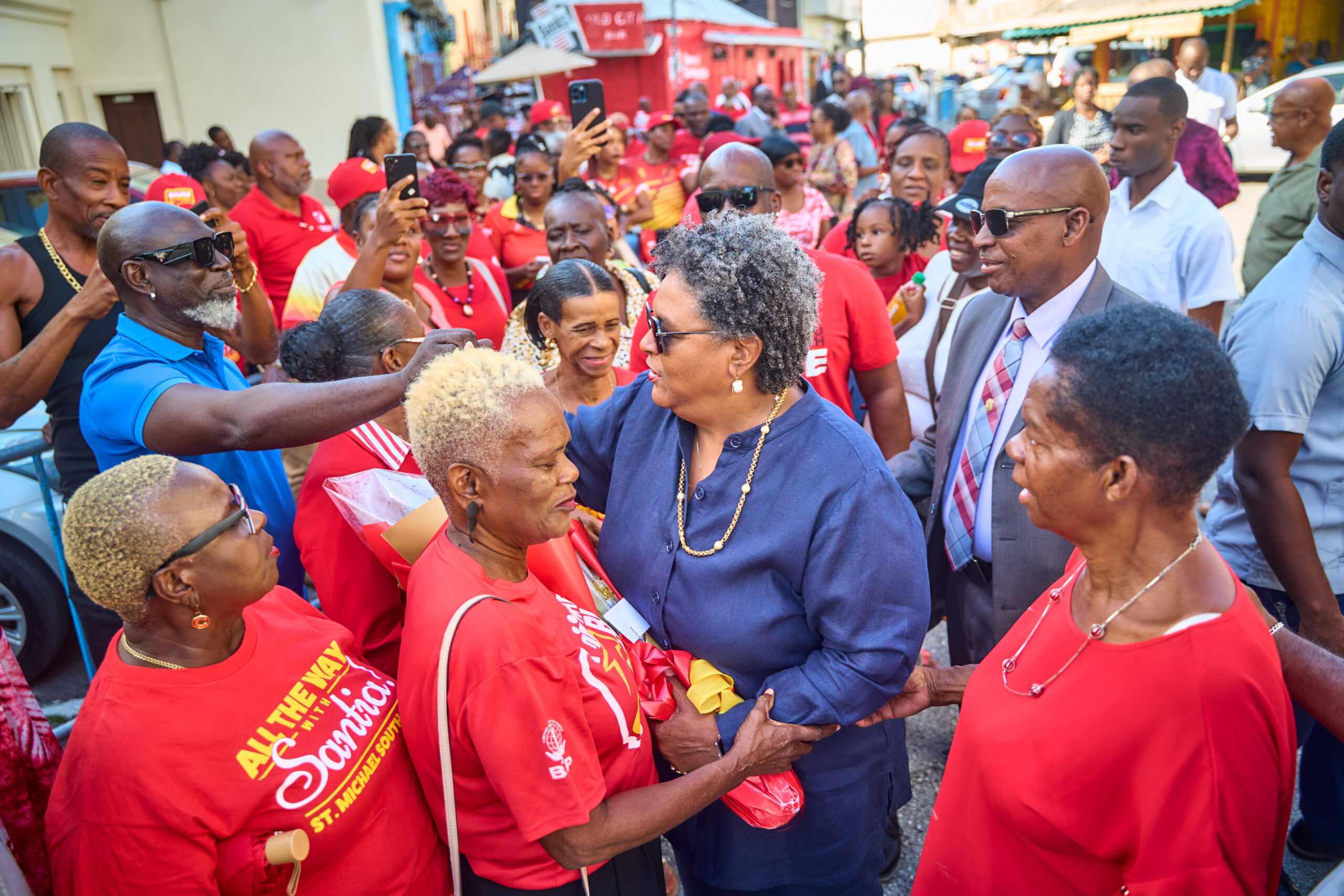
    Prime Minister Mia Mottley has characterized Barbados’ 2026 national budget as a comprehensive “people’s budget” designed to honor campaign commitments while insulating citizens from escalating global economic challenges. The financial blueprint, presented to Parliament by Finance Minister Ryan Straughn on Monday, represents what Mottley describes as the swift implementation of electoral promises made just over a month ago.

    The budgetary measures specifically target economic relief for households and businesses through direct financial support and strategic protections against external market volatilities. Mottley emphasized the government’s focus on mitigating the impact of geopolitical tensions and soaring oil prices, which have created inflationary pressures worldwide.

    Central to the administration’s strategy is controlling fundamental cost drivers including energy expenses and freight charges. “By stabilizing fuel prices at the pump and managing freight costs,” Mottley explained, “we can substantially reduce the inflationary effect on both domestic budgets and commercial operations.”

    Beyond immediate economic relief, the budget outlines initiatives for economic diversification and addresses critical social concerns. Mottley highlighted the government’s dual approach of strengthening economic resilience while tackling pressing societal issues.

    The Prime Minister expressed particular satisfaction with the expedited implementation timeline, noting that the administration has translated campaign manifesto promises into actionable policies within weeks of the general election. Parliamentary debate scheduled for later this week will provide further elaboration on specific budgetary components, with government members expected to detail various aspects of the financial plan.

  • Greene urges Caribbean, African leaders to deepen ties beyond ‘talk’

    Greene urges Caribbean, African leaders to deepen ties beyond ‘talk’

    In a significant diplomatic appeal, Antigua and Barbuda’s Foreign Affairs Minister E.P. Chet Greene has challenged Caribbean and African leadership to transform rhetorical commitments into concrete action. Addressing what he characterized as a pivotal historical juncture, Greene emphasized that global circumstances demand innovative approaches to international cooperation rather than awaiting a return to previous norms.

    The minister identified a critical knowledge gap as a fundamental barrier to deeper ties, noting that limited African awareness about Caribbean nations has historically constrained relationship development. His proposal includes comprehensive educational initiatives, enhanced tourism exchanges, and the establishment of direct transportation links between West Africa and Caribbean territories.

    This diplomatic push coincides with a Nigerian delegation’s extensive tour through multiple Caribbean and Central American nations, representing a concerted effort to strengthen diaspora connections and explore new bilateral opportunities. The current geopolitical climate, according to Greene, presents a unique window for the Global South to forge substantive partnerships that transcend traditional diplomatic frameworks.

  • Prime Minister Browne Congratulates Randy Baltimore On Emphatic By-Election Victory

    Prime Minister Browne Congratulates Randy Baltimore On Emphatic By-Election Victory

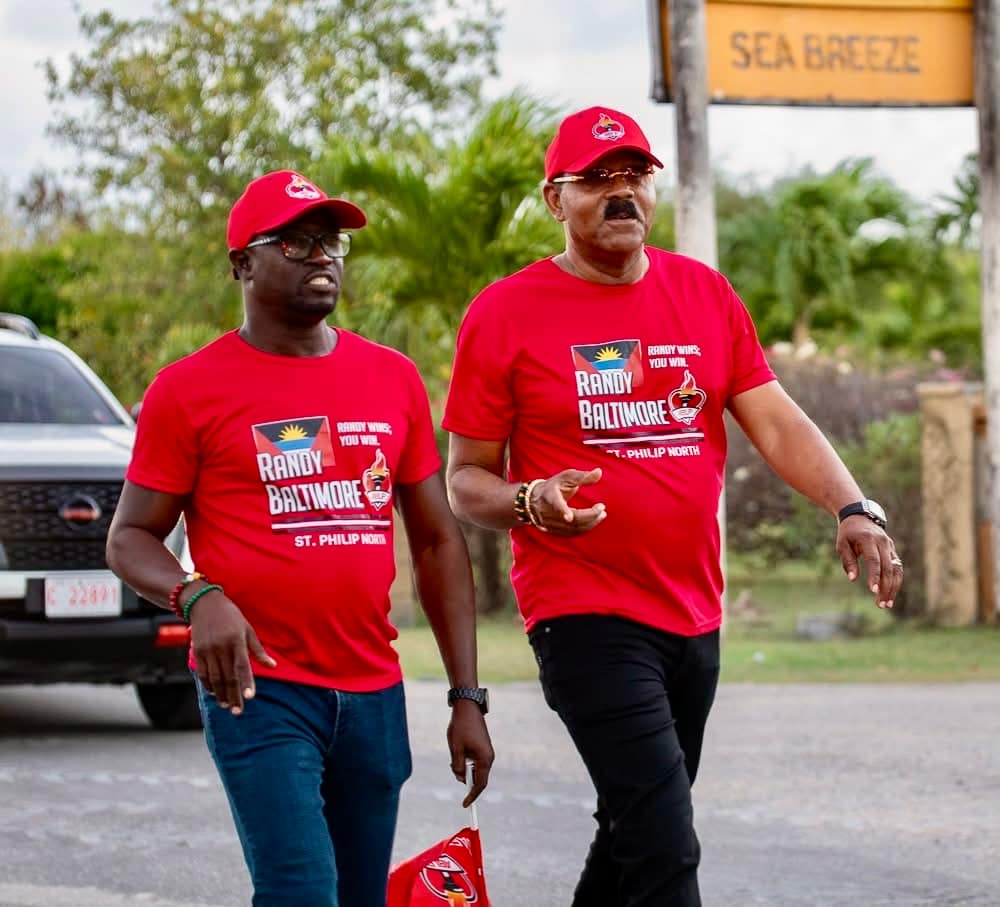
    In a decisive political contest, Randy Baltimore of the ruling Antigua and Barbuda Labour Party (ABLP) has secured a commanding victory in the St. Philip’s North by-election held on March 16, 2026. The electoral outcome represents a significant consolidation of support for the incumbent administration led by Prime Minister Gaston Browne.

    Baltimore’s emphatic triumph over United Progressive Party contender Alex Browne demonstrates sustained voter confidence in the ABLP’s governance framework and developmental policies. The by-election, necessitated by the resignation of veteran parliamentarian Sir Robin Yearwood, has resulted in the ABLP strengthening its parliamentary majority.

    Prime Minister Browne enthusiastically welcomed Baltimore to the government benches, characterizing the victory as both a personal mandate for the newly elected representative and a broader endorsement of his administration’s national agenda. “The people of St. Philip’s North have spoken clearly and decisively,” Browne stated during his victory address.

    The Prime Minister further emphasized the government’s commitment to advancing constituency-specific development initiatives while maintaining national progress. Browne articulated expectations for collaborative governance, stating that Baltimore’s election would facilitate enhanced service delivery to residents and contribute to Antigua and Barbuda’s continued economic transformation.

    This electoral result reinforces the ABLP’s political dominance while potentially altering opposition dynamics within the Antiguan parliamentary landscape. Political analysts suggest the margin of victory indicates sustained public approval of the administration’s economic policies and infrastructure development programs.

  • Parmessar: Verder overleg inzichten wetten rechterlijke macht

    Parmessar: Verder overleg inzichten wetten rechterlijke macht

    PARAMARIBO – Critical deliberations on judicial reform legislation in Suriname’s National Assembly have been postponed indefinitely as both coalition and opposition parties require additional time to resolve substantive disagreements. The delay follows Monday’s parliamentary session suspension where lawmakers identified several unresolved issues requiring further negotiation.

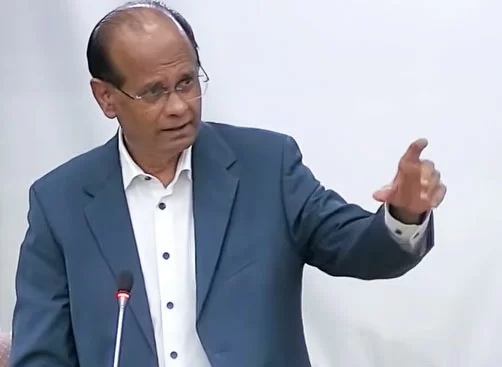
    Rabin Parmessar, parliamentary leader of the National Democratic Party (NDP), confirmed to Starnieuws that submitted amendments to the judiciary bills haven’t been addressed due to emerging ‘new insights’ requiring deeper discussion. Parliamentary faction leaders will continue working behind the scenes to refine the proposed legal modifications before formal debates can resume.

    The political impasse stems from multiple concerns within both governing and opposition blocs. Within the coalition, the ABOP party has raised specific questions regarding the proposed five-year appointment term for the Attorney General, particularly concerning procedural implementation and post-term arrangements. Meanwhile, opposition parties have expressed reservations about technical formulation aspects within the legislative texts.

    Assembly Chairman Ashwin Adhin consequently declined to convene Tuesday’s scheduled session, acknowledging that substantial work remains before productive debates can continue. All parties now anticipate further consultations, including coordinated discussions with the Court of Justice, to establish common ground before reconsidering the judicial overhaul legislation.

    The extended deliberation period reflects the complex nature of constitutional reform in Suriname’s multiparty democracy, where achieving cross-bench consensus on judicial matters remains particularly challenging. Observers note that the postponement demonstrates institutional maturity rather than political dysfunction, as lawmakers prioritize comprehensive legislation over rushed decisions.

  • The Polaris Journal: Receipts, risk, and the road to Hope Vale

    The Polaris Journal: Receipts, risk, and the road to Hope Vale

    As Grenada prepares for the ceremonial groundbreaking of its ambitious $250 million medical complex on March 27, 2026, a detailed examination of the project’s financial and operational framework reveals both substantial international backing and lingering questions about long-term sustainability.

    The project’s legal foundation traces back to October 2024, with its financial authorization formalized through the 2025 Loan Authorisation Act—representing the largest single-project debt authorization in the nation’s post-independence history. The government secured EC$405 million (approximately US$150 million) specifically for capital projects, including the hospital development.

    To ensure fiscal discipline, the legislation established a dedicated Project Management Unit (PMU) tasked with preventing financial leakage and maintaining strict procurement controls. Subsequently, the government created Polaris Development Company as a wholly-owned entity to operate the facility outside traditional health ministry bureaucracy.

    The financing structure combines multiple sources: a US$30 million concessional loan from the OPEC Fund for International Development (with another US$30 million pending), a US$25 million equity deposit at the Eastern Caribbean Central Bank, and an ambitious US$100 million philanthropic campaign targeting international donors rather than additional national debt.

    Opposition Leader Emmalin Pierre has raised legitimate concerns about debt servicing over the coming decades, questioning the project’s economic viability. However, the government’s business model draws validation from successful medical tourism operations elsewhere in the Caribbean. Health City Cayman Islands reported a 78% revenue increase in 2025, while the Dominican Republic generated US$1.3 billion from medical procedures in 2022. Barbados’ Welcome Stamp program has consistently produced over US$100 million annually from long-term residents—the same demographic targeted by Polaris’s retirement village component.

    The project has secured significant institutional partnerships, including a 15-year master agreement with New York’s Mount Sinai Health System signed in May 2025. With site preparation already underway since March 11, 2026, the development has progressed beyond theoretical planning into active execution.

    While the opposition plans to boycott the groundbreaking ceremony, the concrete financial commitments from international institutions and reputable medical partners suggest more substance than mere political spectacle. The ultimate measure of success will depend on whether the completed facility can retain local medical talent while attracting international patients—a challenge that will determine the project’s true legacy.

  • Baltimore thanks supporters, pledges to continue working following landslide victory

    Baltimore thanks supporters, pledges to continue working following landslide victory

    In the wake of a decisive by-election triumph, Randy Baltimore has formally assumed his role as the newly appointed Member of Parliament for St. Philip North. The victorious candidate commenced his inaugural address by extending profound appreciation to his electoral base and party leadership for their instrumental support throughout the campaign cycle. Baltimore attributed his electoral success to divine providence before systematically acknowledging the collective efforts of campaign volunteers, constituency workers, and senior government figures including the Prime Minister and cabinet members who amplified his grassroots mobilization efforts. The parliamentarian emphasized his campaign’s unwavering commitment to policy-driven electioneering, highlighting how his team maintained ethical campaigning standards while prioritizing the substantive concerns of local constituents. Baltimore confirmed the immediate continuation of constituent service initiatives, signaling no transitional pause between campaign promises and parliamentary action. While encouraging supporters to momentarily celebrate the electoral achievement, the newly elected representative concluded with a forward-looking declaration of ongoing dedication to public service in St. Philip North.