分类: politics

  • Trump says Iran ‘afraid’ to admit it wants a deal

    Trump says Iran ‘afraid’ to admit it wants a deal

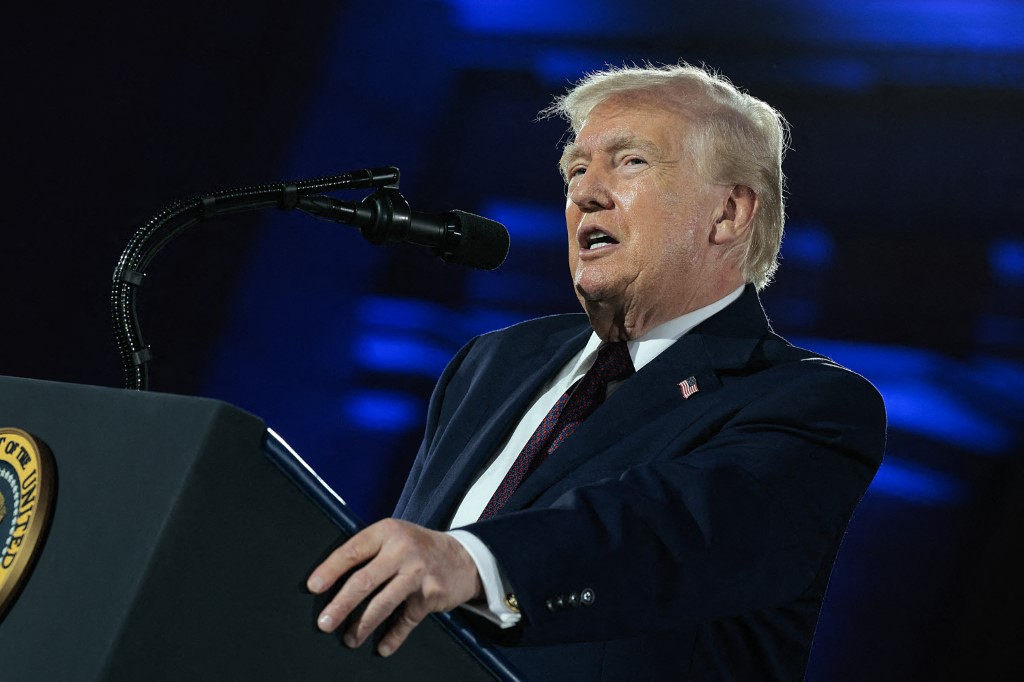
    WASHINGTON, United States – President Donald Trump made striking claims at a Republican congressional dinner Wednesday, asserting that Iranian officials are secretly participating in peace negotiations despite their public denials. The President suggested Tehran’s contradictory statements stem from negotiators’ fears of retaliation from both their own government and potential U.S. action.

    “They are negotiating, by the way, and they want to make a deal so badly. But they’re afraid to say it,” Trump stated, “because they figure they’ll be killed by their own people. They’re also afraid they’ll be killed by us.”

    These comments directly contradicted Iranian Foreign Minister Abbas Araghchi’s recent declaration that “we do not intend to negotiate.” Trump maintained his position that Iran is being “decimated” in the ongoing conflict, now entering its fourth week, despite Tehran maintaining control over the strategically vital Strait of Hormuz oil route.

    The White House reinforced Trump’s aggressive stance, with Press Secretary Karoline Leavitt warning that the President would “unleash hell” if Iran fails to acknowledge military defeat. “President Trump does not bluff and he is prepared to unleash hell. Iran should not miscalculate again,” Leavitt told reporters.

    When questioned about negotiation status, Leavitt confirmed that “talks continue” and described them as “productive,” though she declined to identify current U.S. interlocutors following the assassination of Supreme Leader Ali Khamenei. Reports suggest Mohammad Bagher Ghalibaf, Iran’s parliamentary speaker, has emerged as a key figure in discussions.

    The administration maintained its four to six-week timeline for military operations, with Trump postponing his scheduled visit to China until mid-May to manage the ongoing conflict. The White House also declined to confirm reports of planned high-level talks between U.S. officials and Iranian representatives in Pakistan, which has positioned itself as a mediation hub.

    Amid escalating tensions, the U.S. continues military buildup in the Gulf region, deploying additional airborne troops and marines amid speculation of potential ground operations targeting Iranian oil assets or securing the Strait of Hormuz.
  • Sugar tax diluted

    Sugar tax diluted

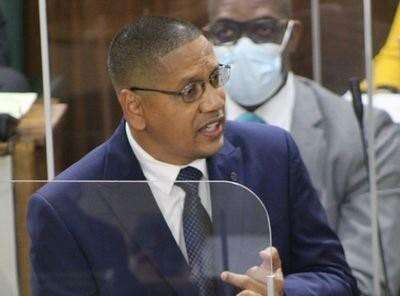
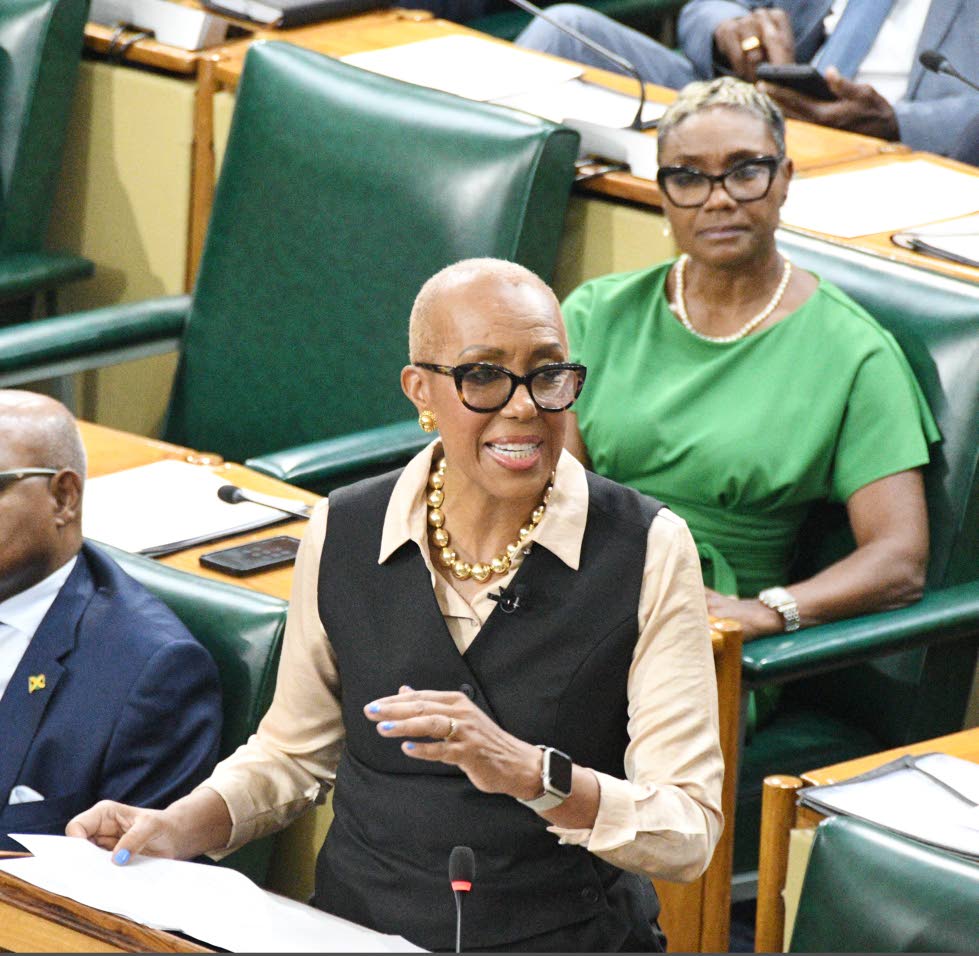
    In a significant policy reversal, the Jamaican government has abandoned its initial volumetric approach to taxing sugary beverages, adopting instead a refined sugar-content-based taxation system. The announcement came from Finance Minister Fayval Williams during the conclusive session of the 2026/27 Budget Debate in the House of Representatives.

    The original framework, introduced in February, proposed a flat-rate Special Consumption Tax (SCT) of two cents per milliliter of beverage. This structure was initially favored for its administrative simplicity and ease of enforcement. However, it faced immediate criticism from beverage manufacturers and importers who argued that it unfairly taxed low-sugar and high-sugar products identically, failing to incentivize sugar reduction.

    Minister Williams revealed that extensive consultations with industry stakeholders prompted a comprehensive reassessment. The revised policy, set to take effect on May 1, 2026—a one-month delay from the original April 1 implementation date—will impose a tax of $0.22 per gram of added sugar. This tiered mechanism ensures that beverages with no added sugar incur no tax, moderately sweetened drinks attract a modest levy, and high-sugar products face proportionally higher taxation.

    Williams emphasized that the primary objective of the SCT remains rooted in public health rather than revenue generation. The measure specifically targets the reduction of non-communicable diseases such as diabetes, obesity, and hypertension, which impose a severe burden on both the population and the healthcare infrastructure.

    The Finance Minister clarified that the government’s intent is not to undermine the beverage industry, which employs thousands of Jamaicans, but to reshape market incentives. By directly linking tax liability to sugar content, the policy encourages manufacturers to reformulate products toward healthier profiles. The government has committed to ongoing stakeholder engagement to address practical implementation challenges and will monitor the tax’s impact on pricing, consumer behavior, and product composition, remaining open to further adjustments if necessary.

    Concluding her address, Williams appealed to the Jamaican public to view the policy as a critical investment in national health, urging consumers to make informed choices that collectively contribute to a healthier, more productive society.

  • JLP councillor unshaken by demand letter from fellow Labourite

    JLP councillor unshaken by demand letter from fellow Labourite

    A significant political confrontation has emerged within Jamaica’s ruling Jamaica Labour Party (JLP) as Central Kingston MP Donovan Williams initiated legal proceedings against longstanding party councillor Rosalie Hamilton over allegedly defamatory social media comments. The conflict originated from private voice messages that were subsequently leaked from an internal JLP WhatsApp group, creating a public party rift that threatens to destabilize local political dynamics.

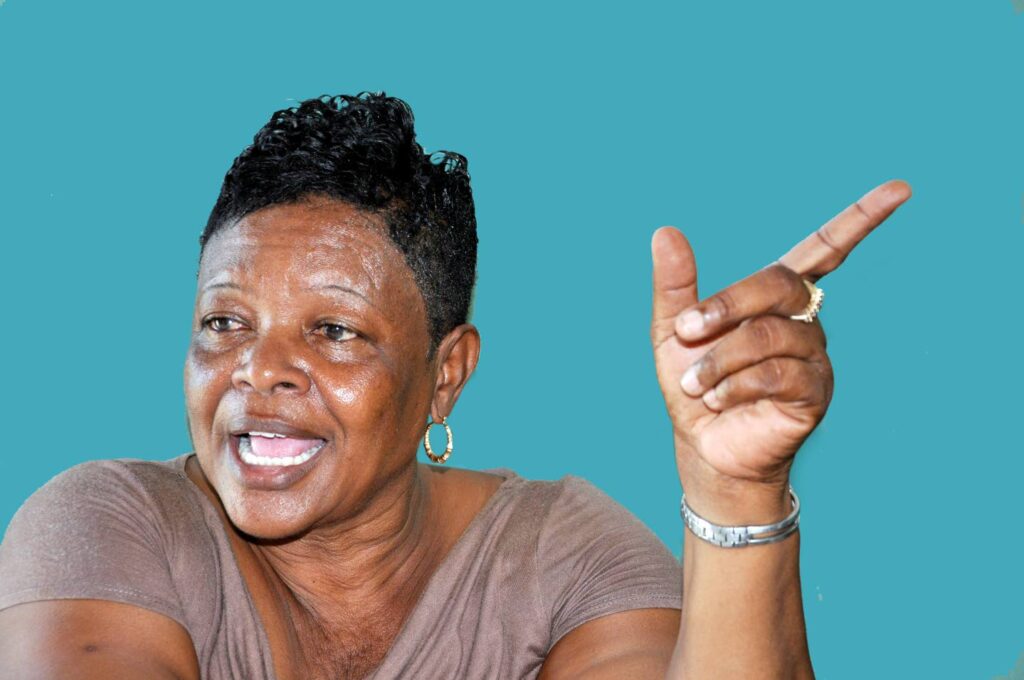
    Hamilton, who has represented the Rae Town Division for numerous years within the Kingston and St Andrew Municipal Corporation, received a formal cease-and-desist letter from Williams’ legal representatives at Richardson Law Chambers. The correspondence, delivered via email and WhatsApp, accused Hamilton of circulating “false, malicious, and highly defamatory statements” through multiple social media platforms including TikTok and WhatsApp.

    Despite the legal threat, Hamilton remained defiant, suggesting the leak was strategically engineered to intimidate her. She confirmed receiving the demand letter but declined to comment directly on its contents, instead highlighting that the original voice notes were intended for internal party discussion only. Hamilton alleged the existence of a conspiracy within party ranks to promote an alternative candidate against her in upcoming elections.

    In the controversial audio recordings, Hamilton explicitly threatened to campaign aggressively against Williams, vowing to ensure his electoral defeat. She promised to “open your file inna social media” and deliver a confrontation at the “right time,” indicating her intention to publicly challenge Williams’ political standing.

    The legal notice characterized Hamilton’s statements as demonstrating “reckless disregard for the truth” and causing “serious reputational damage, public embarrassment and ongoing distress” to Williams. Attorney Rodain Richardson referenced Jamaica’s Defamation Act of 2013, warning that failure to comply with demands within 48 hours would result in Supreme Court proceedings seeking injunctive relief and damages.

    The demands include immediate removal of all offending content, cessation of further defamatory statements, issuance of a public apology, and implementation of damage mitigation measures. This internal party conflict exposes deepening factional divisions within Jamaica’s political landscape as both figures prepare for potential legal and electoral battles.

  • MP Williams threatens to sue Councillor Hamilton over ‘defamatory’ comments

    MP Williams threatens to sue Councillor Hamilton over ‘defamatory’ comments

    KINGSTON, Jamaica — A significant political dispute has erupted within Jamaica’s ruling party as government minister Donovan Williams initiated legal proceedings against fellow Jamaica Labour Party representative Rosalie Hamilton over allegedly defamatory social media content. Williams’ legal representatives from Richardson Law Chambers dispatched a formal cease-and-desist notice on March 24, 2026, demanding immediate retraction of what they characterize as “false, malicious and highly defamatory statements” circulated through digital platforms including WhatsApp and TikTok.

    The legal correspondence asserts that Councillor Hamilton’s online publications have generated substantial reputational damage and public embarrassment for Williams, who serves as Member of Parliament for Kingston Central and holds ministerial responsibilities. The attorneys maintain these allegations are “wholly untrue” and designed to diminish Williams’ standing within Jamaican society while undermining his credibility as a public official.

    Legal counsel emphasized the apparent failure to verify claims before publication, describing the behavior as demonstrating “reckless disregard for the truth” that violates Jamaica’s Defamation Act of 2013. The formal demand requires complete removal of the contentious material from all digital platforms alongside publication of a comprehensive apology. Non-compliance threatens Supreme Court litigation seeking injunctive relief and additional legal remedies.

    The confrontation carries political significance as both figures represent overlapping constituencies within the Jamaica Labour Party framework. Hamilton’s Rae Town division operates within Williams’ Kingston Central constituency, intensifying the jurisdictional complexities. At time of reporting, Councillor Hamilton had not issued any public response to the legal demands.

  • Cuba celebrates 34th anniversary of diplomatic ties with Turkmenistan

    Cuba celebrates 34th anniversary of diplomatic ties with Turkmenistan

    The foreign ministry of the Caribbean island nation Cuba has publicly restated its unwavering commitment to advancing constructive bilateral relations with the Central Asian state of Turkmenistan, delivering the message in an official post on the social media platform X.

    The diplomatic partnership between the two countries dates back more than three decades, to March 23, 1992. That milestone came just months after Turkmenistan declared its full independence following the dissolution of the Soviet Union, where it had previously existed as one of the union’s 15 constituent republics.

    In the decades since formal ties were established, the relationship between Cuba and Turkmenistan has been defined by mutual friendship and collaborative action. Core pillars of the partnership include consistent reciprocal support in multilateral international forums, and ongoing work to strengthen both political and economic connections between the two nations.

    Despite the significant geographical distance separating the Caribbean and Central Asian countries, their bilateral bond remains rooted in fraternity, solidarity and a shared, clear ambition to expand collaborative work, particularly in multilateral and economic domains.

    Most recently, in December of last year, Serdar Berdimuhamedow, President of Turkmenistan, extended formal messages of congratulations to Cuban President Miguel Díaz-Canel to mark Cuba’s national holiday and ring in the new year. In his correspondence, Berdimuhamedow also extended warm wishes of lasting peace, steady progress and widespread prosperity to the Cuban people.

  • The US government ignores its own people, concludes Cuban F.M.

    The US government ignores its own people, concludes Cuban F.M.

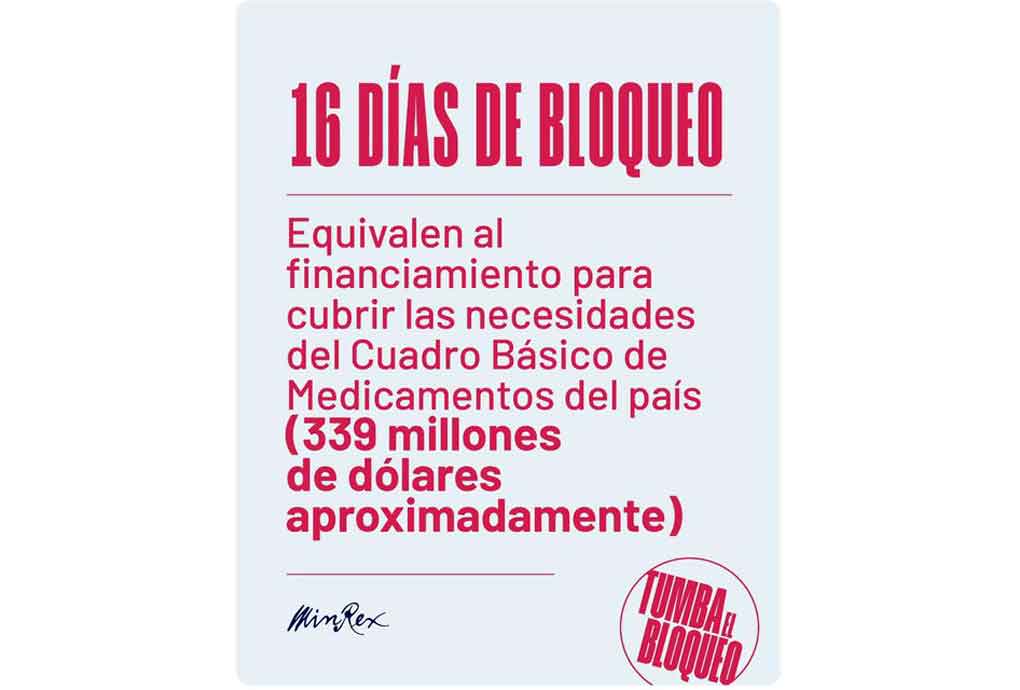
    The top diplomat of Cuba has used his social media platform on X to amplify new polling data that reveals shifting American public opinion toward the decades-long U.S. trade blockade against his country, urging the Biden administration to heed the growing discontent and reverse the long-standing punitive policy.

    The Cuban foreign minister pointed out that 40% of U.S. adults now oppose the ongoing embargo, marking an 8-percentage-point rise in disapproval compared to previous measurements. He emphasized that this shifting trend reflects the will of a growing segment of the U.S. population, rather than the agenda of a small, hateful minority driven by warmongering. If the current U.S. administration were truly responsive to its own people’s views, he argued, it would immediately end what he called the criminal policy toward Cuba that inflicts mounting humanitarian harm on ordinary Cuban citizens.

    The findings come from a recent public opinion survey conducted by YouGov, which also broke down attitudes by partisan affiliation. The poll makes clear that opposition to the blockade is far from a uniform position across the U.S. political spectrum, but it holds overwhelming support for ending the policy among two key blocs: 65% of Democratic respondents expressed disapproval of the blockade, compared to just 16% who support it. Among independent voters, 41% oppose the embargo versus 21% who back it. The only group where a majority still favors the policy is Republican voters, 63% of whom approve of the blockade while only 15% disapprove.

    Beyond core attitudes toward the broader trade embargo, the survey captured additional insights into U.S. public opinion on related hardline policies. Nearly half of all respondents (46%) said they oppose, to varying degrees, the current U.S. policy that blocks oil shipments to Cuba from third-party countries. An even larger share of Americans — 61% — oppose any use of military force against Cuba.

    Across partisan lines, the poll also found broad agreement on two key points: most U.S. citizens hold a positive view of the Cuban people, and a vast majority support restoring full diplomatic relations between the two neighboring countries, a stance that crosses party lines.

  • Defeat Did Not Define Him: The Resilient Journey of Dwayne George

    Defeat Did Not Define Him: The Resilient Journey of Dwayne George

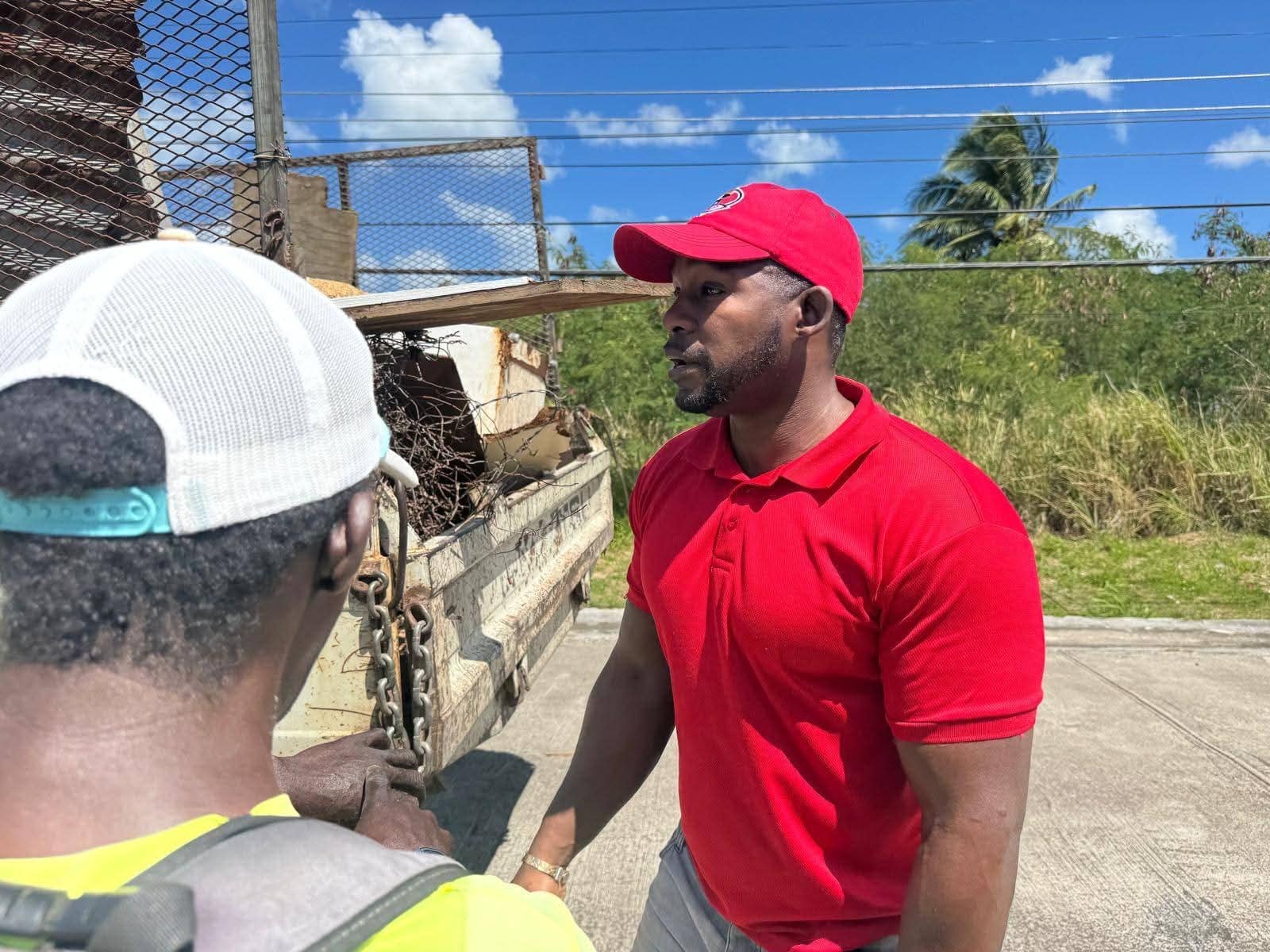
    In the aftermath of a disappointing 2023 by-election defeat in Antigua, Dwayne George faced the pivotal choice that confronts many failed political candidates: retreat from public life or persevere. Unlike numerous politicians who vanish after electoral setbacks, George demonstrated remarkable resilience by maintaining his active presence within the constituency. His continued engagement with the community, despite lacking official position or power, revealed a depth of character that transcends conventional political ambition.

    While the political arena frequently attracts fair-weather participants who emerge solely during campaign seasons, George’s consistent dedication between elections underscores an authentic commitment to public service. His ongoing involvement suggests motivations deeper than mere electoral victory—emphasizing genuine connection with constituents, trust-building through sustained interaction, and unwavering dedication to community welfare.

    The crucible of electoral defeat often exposes the fundamental character of political aspirants, stripping away the superficial glamour of campaigning to reveal core intentions. In George’s case, his response to failure demonstrated persistent determination and purpose-driven resilience that remained unshaken by disappointment.

    As Antigua approaches another election cycle, observers witness not merely a renewed campaign but the continuation of a transformative political journey. George’s path reflects the maturation of a public servant who has processed electoral setback, extracted valuable lessons from the experience, and returned to the political arena with refined perspective and strengthened resolve.

    This narrative challenges conventional political wisdom that prioritizes immediate victory over sustained commitment. George’s story illustrates how electoral loss can serve as a catalyst for developing the authentic leadership qualities that communities truly need—proving that sometimes the most compelling representatives are those who persevere through adversity rather than those who achieve instant success.

  • Azara Lavia Declines UPP Offer to Contest St Paul Seat

    Azara Lavia Declines UPP Offer to Contest St Paul Seat

    In a significant development for Antigua and Barbuda’s political landscape, prominent journalist Azara Lavia has formally declined an invitation to stand as a parliamentary candidate for the United Progressive Party (UPP). The offer emerged following the unexpected withdrawal of previously selected candidate Wayne Benjamin Marsh from the St Paul constituency race.

    Lavia, who serves as a media professional at Newsco and founded the organization Inspire Antigua & Barbuda, confirmed receiving the approach from opposition party officials. Despite the opportunity to enter frontline politics, she articulated her commitment to maintaining her current professional trajectory.

    “My present priorities center on advancing my professional studies and fulfilling existing responsibilities, alongside continuing my personal and academic growth,” Lavia stated. She emphasized that political involvement does not currently align with these objectives, though she remains dedicated to contributing to national development through alternative channels. The media practitioner notably left open the possibility of future political engagement, indicating her career path remains fluid.

    The UPP now faces renewed pressure to identify a viable candidate for St Paul constituency amid reports that Marsh’s withdrawal stemmed from constitutional complications regarding dual citizenship status. This development occurs against the backdrop of ongoing preparations for the nation’s general elections, where constituency representation remains a critical battleground for political parties.

  • Beazer Says Focus Will Be on Development and Expanding Opportunities for Barbudans

    Beazer Says Focus Will Be on Development and Expanding Opportunities for Barbudans

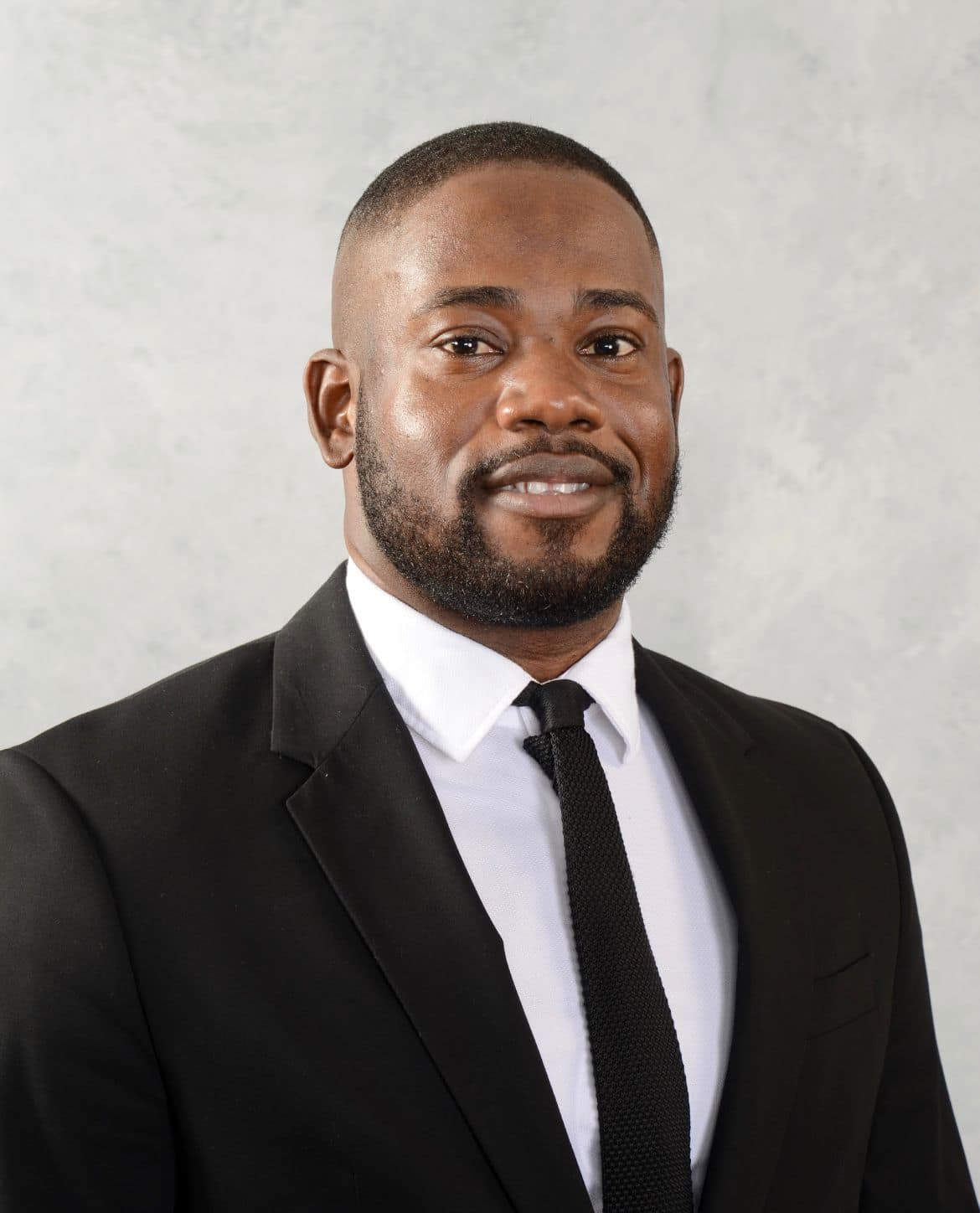
    Kendra Beazer, a former member of the Barbuda Council, has announced his parliamentary candidacy for the Antigua and Barbuda Labour Party (ABLP), pledging to center his political campaign on securing direct developmental benefits for Barbudans. Beazer emphasized that his alignment with the ABLP stems from the party’s demonstrated capacity to effectively address resident needs and implement substantive change. In an interview with ABS, Beazer articulated that his decision was fundamentally guided by his commitment to his constituents and the party’s capability to provide necessary resources. His campaign platform will prioritize comprehensive development, encompassing both physical infrastructure and social advancement. Key focus areas include enhancing healthcare services, modernizing educational facilities, implementing efficient waste management systems, and addressing critical social needs. Beazer envisions a parallel development trajectory where infrastructural progress coincides with human capacity building, ensuring that residents are equipped to thrive amid the island’s transformation.

  • Independent senator urges budget reform to fix widening fiscal gaps

    Independent senator urges budget reform to fix widening fiscal gaps

    Barbados’s public finance management system contains profound structural flaws that require immediate overhaul, according to Independent Senator Andrew Niles. His urgent warning follows revelations that the final expenditure for CARIFESTA XV skyrocketed to $31.7 million—a staggering 800% increase from the originally requested $4 million in the previous fiscal year.

    During Monday’s Senate debate on the Appropriations Bill, Senator Niles introduced the critical distinction between ‘the acts’ (initial budget requests) and ‘the grant’ (final authorized amounts), highlighting a persistent and concerning gap between projected and actual spending. The current fiscal year demonstrates this problem clearly: while the initial budget was set at $5.1 billion, it has since been revised upward to $5.89 billion, creating a $710 million discrepancy. Supplemental resolutions accounted for $562 million of this gap, with technical revisions like depreciation adjustments making up the remaining $148 million.

    Senator Niles employed artificial intelligence to analyze the massive 800-page budget document, with the technology summarizing the data in under six minutes. This analysis identified 93 line items across 17 ministries requiring significant adjustments. The senator, drawing on his engineering background, categorized the budget shortfalls into five distinct structural problems:

    1. Deliberate Compression: Known costs are systematically understated to meet fiscal targets
    2. Structural Deficits: Institutions like the Transport Board operate with permanent costs exceeding revenue
    3. Emergency Shocks: Unforeseen events like Hurricane Beryl, which incurred $17.5 million in costs
    4. Informal Gaps: Volatile exchange rates that inflate overseas mission expenses
    5. Governance Failure: Breakdowns in oversight that leave the state financially exposed

    Senator Niles specifically highlighted the Queen Elizabeth Hospital (QEH) as a microcosm of the broader problem, describing it as a massive entity that ‘dictates the pace of this country.’ He characterized ministries as businesses that become unworkable when essential funding components are removed from the equation.

    Looking forward, the senator expressed serious concern about projected revenue declines following temporary windfalls. ‘When revenue falls to $3.8 billion as projected, the compression pressure returns, the gap cycle restarts, and we will revert to the scenario we’ve seen in recent years,’ he warned.

    The senator concluded with a call for fundamental reform in how the government handles financial shortfalls, urging improved estimation mechanisms to create more collaborative and understandable budget conversations rather than relying on supplementary approvals for already-committed expenditures.