
In a significant escalation of its anti-narcotics operations, the United States military conducted a strike on an alleged drug-smuggling vessel off the coast of Venezuela on Friday, resulting in the deaths of four individuals. US Defense Secretary Pete Hegseth announced the operation on social media, sharing a video that captured the moment the boat was engulfed in flames. Hegseth described the targets as ‘narco-terrorists’ transporting substantial quantities of narcotics destined for the US, emphasizing that such strikes would continue until threats to American citizens are neutralized. This marks at least the fourth such operation, with a cumulative death toll of 21. The Trump administration has framed these actions as part of an ‘armed conflict’ against drug cartels, designating them as terrorist organizations and labeling their members as ‘unlawful combatants.’ However, critics argue that the US has not provided concrete evidence to justify the strikes, and legal experts contend that such summary killings may violate international law. The latest strike has further strained US-Venezuela relations, already tense due to the deployment of American warships and fighter jets in the region. Venezuelan officials have condemned the incursions as provocative and a threat to national security, while the US maintains its actions are aimed at combating drug trafficking. The situation remains volatile, with both nations on high alert.
分类: politics
-

Chinese Ambassador reaffirms China’s global economic leadership at 76th anniversary reception in Dominica
Chinese Ambassador to Dominica, H.E. Chu Maoming, emphasized China’s pivotal role as the primary engine of global economic growth during a reception commemorating the 76th Anniversary of the Founding of the People’s Republic of China. The event, hosted on October 1 at the Chinese Embassy in Morne Daniel, gathered officials and dignitaries to celebrate the occasion and reflect on China’s expanding influence on the world stage. Ambassador Chu underscored China’s economic resilience and reform initiatives, particularly in the face of global challenges. He noted that China has pursued comprehensive reforms, advanced high-quality development, and expanded institutional openness, positioning itself as a key contributor to global economic expansion. Projections suggest China’s total economic output will reach USD 19.5 trillion by 2025, accounting for roughly 30% of global growth. The ambassador also highlighted China’s dominance in global trade and its advancements in emerging technologies, including artificial intelligence, biomanufacturing, and quantum technology, which he described as critical drivers of future economic growth. On environmental policy, Ambassador Chu reiterated China’s commitment to green and low-carbon development, referencing President Xi Jinping’s updated climate pledges at the United Nations Climate Summit. These include ambitious targets for reducing greenhouse gas emissions, increasing renewable energy capacity, and promoting electric vehicles. The ambassador also expressed China’s readiness to collaborate with small island developing states, such as Dominica, in addressing climate challenges. He concluded with a message of optimism, emphasizing China’s willingness to share the benefits of its modernization efforts with global partners.
-

UN appoints new resident coordinator in Haiti
UNITED NATIONS (CMC) — In a significant move to bolster its efforts in Haiti, United Nations Secretary-General António Guterres announced the appointment of Nicole Flora Boni Kouassi of Côte d’Ivoire as the new Deputy Special Representative for the United Nations Integrated Office in Haiti (BINUH) and Resident Coordinator in Haiti. Additionally, she will assume the role of Humanitarian Coordinator. Boni Kouassi steps into the position previously held by Ingeborg Ulrika Ulfsdotter Richardson of Sweden, whom Guterres commended for her unwavering dedication and service to the UN. With over 22 years of experience within the UN system, Boni Kouassi brings a wealth of expertise in development, peace and security, and humanitarian efforts. Since 2022, she has served as the United Nations Development Programme (UNDP) Resident Representative in Niger. Her prior roles include UNDP Resident Representative in Burundi from 2019 to 2022 and interim Resident and Humanitarian Coordinator in 2021. Boni Kouassi has also held leadership positions in Djibouti and Niger, as well as serving as a Senior UN Coherence Specialist in New York. Academically, she holds a Doctorate in Medicine from the Université Félix Houphouët-Boigny in Côte d’Ivoire and a Master of Public Health from the Johns Hopkins Bloomberg School of Public Health in Maryland. Fluent in English, French, and her native Baule, Boni Kouassi is well-equipped to navigate the complexities of her new role in Haiti.
-

Off to a bumpy start
The constitutional reform process in Jamaica, aimed at transitioning the nation to a republic, has encountered a significant obstacle shortly after the new parliamentary term began. The reform, which was previously stalled due to disagreements between the Jamaica Labour Party (JLP) and the People’s National Party (PNP), faces renewed challenges as leaders clash over the approach to collaboration.
Prime Minister Andrew Holness, leader of the JLP, recently invited opposition leader Mark Golding to partner in completing the reform process. However, Golding expressed disappointment when Holness proposed that he meet with Justice Minister Delroy Chuck instead of engaging directly. In a public letter, Golding emphasized that such an approach undermines the spirit of partnership necessary for meaningful progress.
Golding highlighted the importance of bipartisan cooperation, noting that the government lacks a two-thirds majority in Parliament, making collaboration essential. He reiterated his commitment to achieving Jamaica’s full sovereignty by removing the British monarch as head of state and the Privy Council as the final court of appeal. While both parties agree on transitioning to a republic, they differ on the replacement for the Privy Council, with the PNP favoring the Caribbean Court of Justice and the JLP advocating for a domestic final court.
The issue of the final court has been a contentious point, leading the PNP to boycott parliamentary committee meetings earlier this year. Golding called for a return to the collaborative spirit demonstrated by past leaders, citing historical examples of bipartisan efforts in constitutional reform. He urged Holness to reconsider his approach to ensure the reform process does not become futile.
The public exchange underscores the challenges of navigating political divisions in pursuit of national transformation. As Jamaica seeks to redefine its constitutional identity, the path forward remains uncertain without genuine collaboration between its major political parties.
-

US delays visa surcharge
The United States has postponed the enforcement of a $250 visa surcharge, initially set to take effect on October 1, 2025, as outlined in the One Big Beautiful Bill signed by President Donald Trump in July. The State Department has yet to confirm a new implementation timeline, leaving applicants from non-visa waiver countries, including Jamaica, in limbo. Once enacted, the surcharge will increase the total visa application cost to $435 per applicant, as it adds to the existing $185 fee. The Department of Homeland Security will oversee the collection of this fee, which is intended to bolster immigration enforcement, deter visa overstays, and fund border security initiatives. Notably, the surcharge is refundable for visa holders who comply with all visa terms and depart the U.S. within five days of expiration or after legally adjusting their status. However, the lack of clear refund procedures has sparked concerns that many travelers may never reclaim the fee. Critics argue that the surcharge disproportionately affects low-income travelers and could discourage tourism and commerce, particularly from Caribbean nations like Jamaica. In 2024, the U.S. issued 83,957 B1/B2 visas to Jamaicans, and while 2025 figures remain unavailable, immigration attorneys believe the surcharge may not significantly deter applicants. Nevertheless, the additional financial burden—amounting to $1,000 for a family of four—could impact travel plans for events such as weddings, funerals, or vacations.
-

Open borders: Not a pressing priority for Barbadian consumers right now
The Government of Barbados has announced plans to expand freedom of movement within the Caribbean Community (CARICOM) by opening its borders to at least three additional states, including two from the Organisation of Eastern Caribbean States (OECS) and Belize. While this move is framed as a step toward regional integration, it has sparked significant criticism among Barbadians who feel it is ill-timed given the country’s pressing domestic challenges. Barbados is grappling with a soaring cost of living, stagnant wages, and overstretched public services. Many citizens argue that prioritizing border expansion before addressing these issues raises concerns about whose interests are truly being served. The potential influx of migrants, whether immediate or gradual, could exacerbate existing economic and social pressures. Critics liken the move to pouring water into a leaking bucket, emphasizing that it may worsen rather than alleviate the country’s problems. Unemployment and underemployment, particularly among the youth, remain high, and opening the labor market to more competition could further depress wages. Additionally, long healthcare wait times, scarce affordable housing, and inadequate schools and transportation systems are already straining the population. The Barbados Consumer Empowerment Network (BCEN) has expressed support for regional integration but insists it must be fair, reciprocal, and sustainable. They urge the government to focus on stabilizing the economy, reducing living costs, and improving public services before pursuing symbolic gestures of integration. BCEN emphasizes that leadership should be measured by how well it cares for its people, not by how quickly it opens its borders.
-
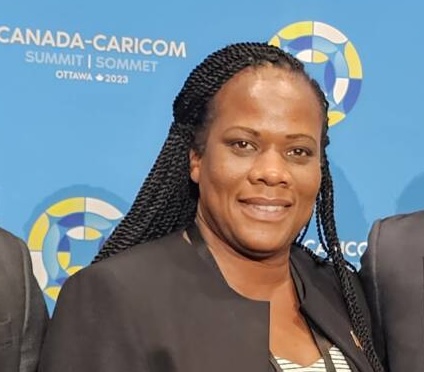
Grenada concludes 4th cycle of UN Human Rights Review
The Government of Grenada has successfully completed its participation in the 4th Cycle of the Universal Periodic Review (UPR) at the United Nations Human Rights Council in Geneva. The delegation, led by Permanent Secretary Roxie McLeish-Hutchinson from the Ministry of Foreign Affairs, Trade and Export Development, presented the national outcome report, emphasizing Grenada’s steadfast dedication to human rights, democratic governance, and sustainable development. The report showcased significant advancements in justice, education, gender equality, and climate resilience, while highlighting ongoing efforts to strengthen institutional frameworks and protect vulnerable populations. During the review, Grenada received 171 recommendations and, following extensive national consultations facilitated by the National Mechanism for Implementation, Reporting and Follow-up (NMIRF), formally accepted 103. These recommendations now form the cornerstone of Grenada’s reform agenda, reflecting broad national consensus and legitimacy. Key priority areas identified include correctional reform, human rights and climate resilience, protection of vulnerable groups, advancing gender equality, and establishing a national human rights institution. Grenada expressed gratitude to the Commonwealth Secretariat and its multilateral and bilateral partners for their technical and financial support. The international community lauded Grenada’s transparency, engagement, and commitment to multilateralism. The government remains resolute in implementing the accepted recommendations, working closely with civil society, regional institutions, and international partners to ensure a rights-based future for all Grenadians.
-
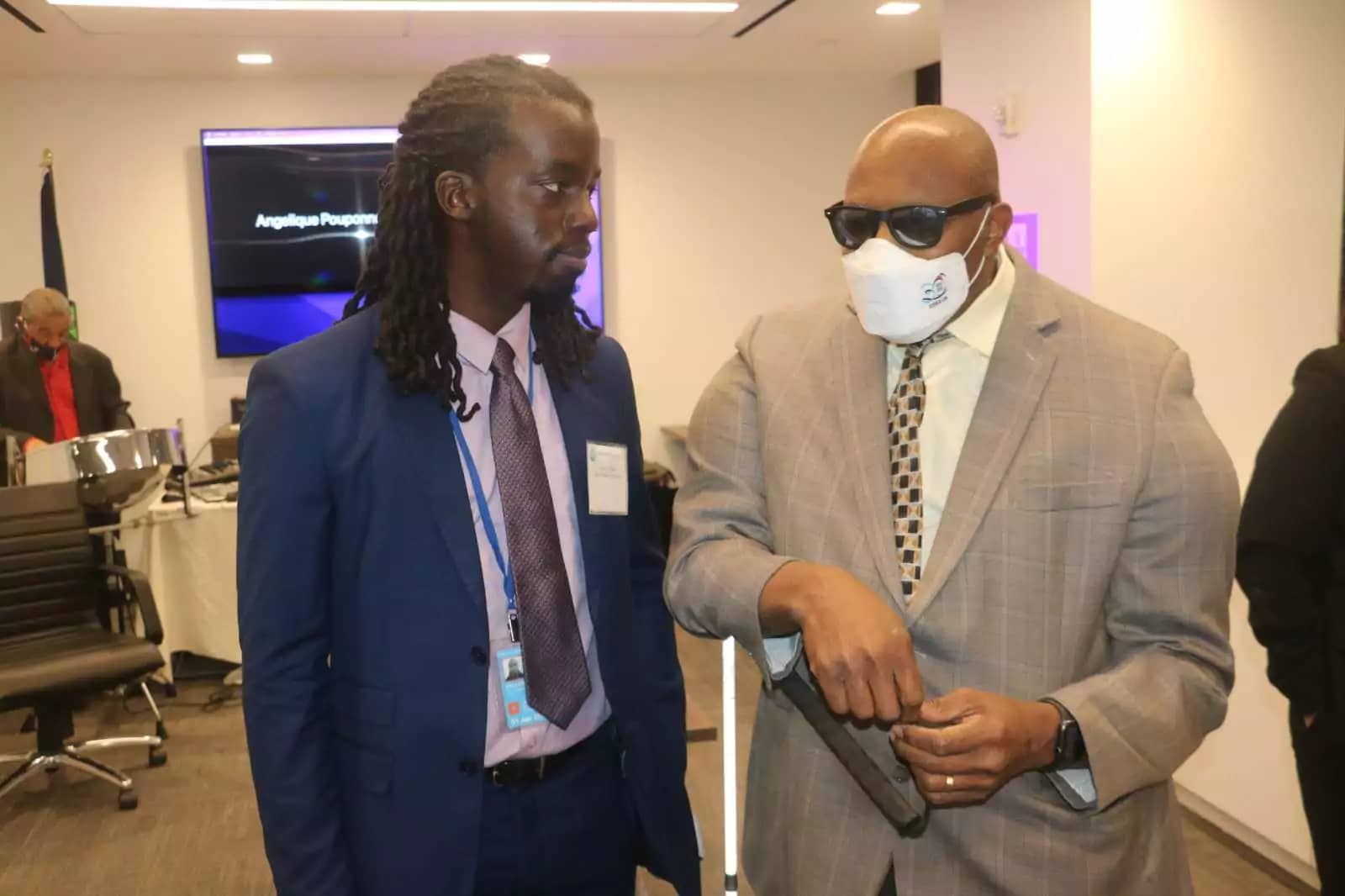
Antiguan Lawyer Zachary Phillips Appointed as Legal Coordinator for AOSIS at COP30
ST. JOHN’S, Antigua — Antigua and Barbuda has taken a significant step forward in international climate diplomacy with the appointment of Crown Counsel Zachary Phillips as the Legal Coordinator for the Alliance of Small Island States (AOSIS) during the upcoming United Nations Climate Change Conference (COP30). The conference is scheduled to take place in Belém, Brazil, from November 6 to 21, 2025. Phillips, who currently serves in the Attorney General’s Chambers, will play a pivotal role in advising the AOSIS Chair and lead negotiators on legal and strategic matters. His responsibilities will include coordinating positions across the negotiation agenda and assisting in the drafting and review of legal texts. This appointment highlights both Phillips’ legal expertise and Antigua and Barbuda’s increasing influence in global climate negotiations. Attorney General and Minister for Legal Affairs Sir Steadroy Benjamin announced the appointment to the Cabinet, describing it as a moment of national pride. He emphasized that Antigua and Barbuda’s growing presence in international forums reflects its strong advocacy for the interests of small island developing states, particularly in the realms of climate resilience and justice. The Cabinet extended its congratulations to Phillips and pledged continued support for nationals serving in high-profile international roles. This development underscores the nation’s commitment to addressing global climate challenges and its leadership in advocating for vulnerable states.
-
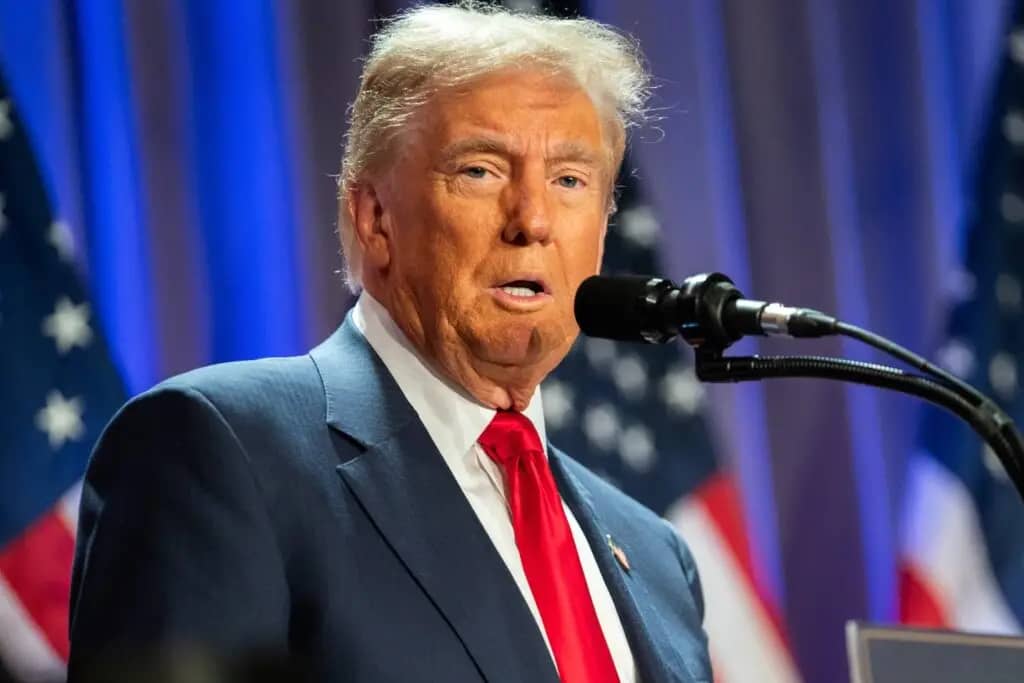
Trump declares drug cartels operating in Caribbean unlawful combatants
In a bold move that has sparked significant debate, President Donald Trump has officially declared drug cartels as unlawful combatants, asserting that the United States is now engaged in an ‘armed conflict’ with these organizations. This declaration, outlined in a memo obtained by The Associated Press, marks a dramatic escalation in the administration’s approach to combating drug trafficking. The memo justifies the use of military force under the law of armed conflict, signaling a shift in how the U.S. addresses the flow of illicit narcotics into the country.
-
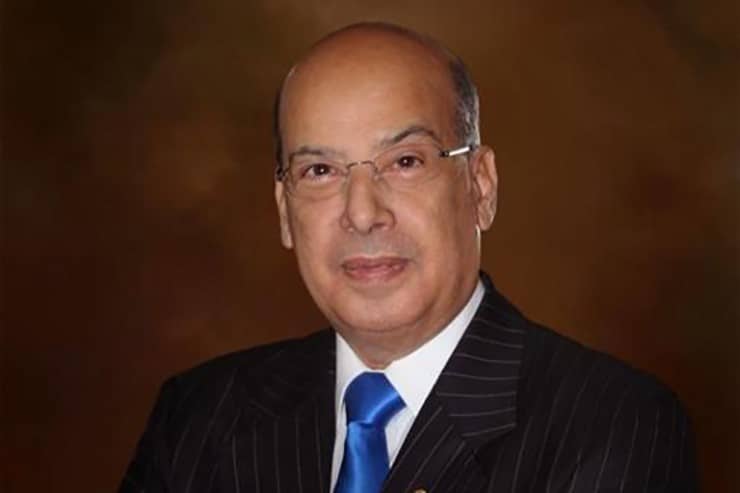
COMMENTARY: No Empty Chairs: The Case for Attending the 2025 Summit of the Americas
The Dominican Republic (DR) is set to host the 2025 Summit of the Americas, a pivotal gathering of 32 Western Hemisphere nations. However, the event has already sparked controversy with the DR government’s announcement on September 30 that Cuba, Nicaragua, and Venezuela will not be invited. The decision, framed as necessary to ensure broad political dialogue and summit success, mirrors the 2022 Summit in Los Angeles, where the exclusion of these nations led to protests and boycotts by some leaders. The DR emphasized that this move does not affect bilateral relations with the excluded countries. The exclusion is likely to reignite debates over ideological rifts within the hemisphere, particularly as global and regional challenges—such as conflicts in the Middle East and Europe—cast economic and security shadows over the Americas. The Summit’s agenda focuses on four critical security pillars: citizen security, energy security, water security, and food security. Latin America and the Caribbean face significant challenges in these areas, including the world’s highest homicide rates, water insecurity, and elevated food prices. The DR has been preparing for the Summit since February, with a draft declaration issued in June and negotiations among the 32 participating countries ongoing since September 11. A key initiative is the CEO Convocation, co-hosted with the Inter-American Development Bank, aimed at fostering public-private partnerships to address these challenges. Additionally, the Summit seeks to advance trade and economic integration across the region, with a focus on customs facilitation, reliable transportation links, and infrastructure development. Caribbean leaders are urged to attend to address specific regional concerns, such as the UN Security Council’s decision on Haiti and climate change negotiations. Despite the political controversy, the Summit offers an opportunity for leaders to engage in constructive dialogue, manage differences, and advance hemispheric cooperation. The DR government has framed the exclusions as a Summit-specific decision, encouraging leaders to attend and advocate for their national interests. Absence, it argues, only diminishes their influence in shaping decisions that impact the entire region.