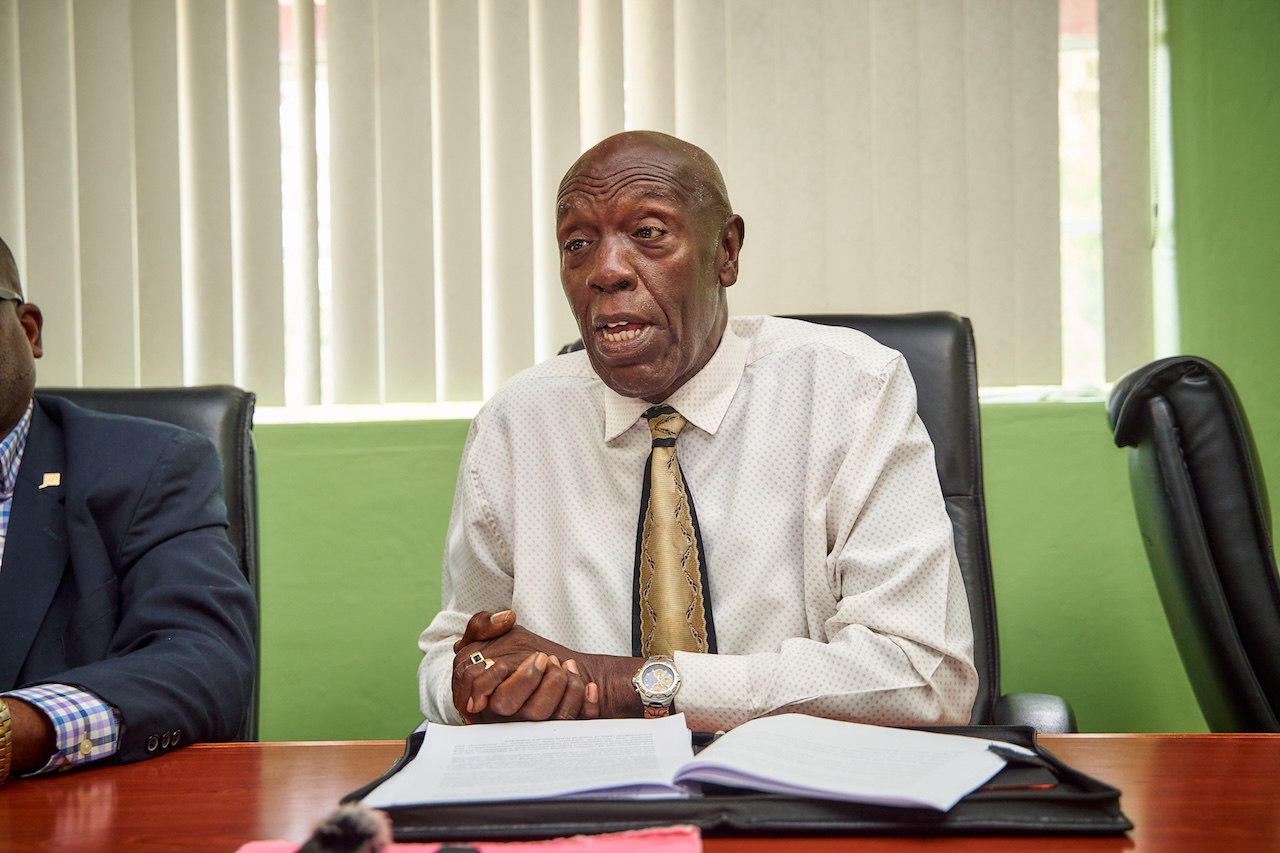
The Congress of Trade Unions and Staff Associations of Barbados (CTUSAB) has reiterated its opposition to granting arrest powers to soldiers, labeling the move as a ‘dangerous precedent.’ This comes as joint training sessions commence for members of the Barbados Defence Force (BDF) and the Police Service, part of the government’s implementation of the controversial Police (Amendment) Act 2025. The Act permits BDF personnel to assist police in maintaining law and order, a measure CTUSAB General Secretary Dennis de Peiza strongly criticizes. Speaking to Barbados TODAY, de Peiza emphasized that the union’s stance remains unchanged since it first raised concerns earlier this year. He argued that empowering the military with policing responsibilities fundamentally alters the nature of law enforcement. ‘Any time you empower the Defence [Force] in policing, you change the whole idea of what policing is about,’ he stated. ‘You are giving soldiers now the powers to arrest people. That, to my mind, is creating a dangerous precedent in any state.’ De Peiza warned that blurring the lines between military and police duties could have severe consequences, citing global examples where such practices led to negative outcomes. He stressed that the existing law clearly delineates the separate roles of the BDF and the Police Service, with the latter solely responsible for maintaining law and order. ‘Police are trained to police, with the powers to arrest and investigate. Soldiers are trained to kill; they’re trained to secure the country and in that, they have a power to shoot for a purpose,’ he explained. ‘Therefore, let them do what they’re supposed to do and let the police do what they’re supposed to do. There’s no compromising on that.’ De Peiza also challenged the government’s rationale for involving soldiers in law enforcement, particularly amid rising concerns about violent crime. ‘If you are short on policemen, go and get policemen,’ he urged. ‘We are talking about opening doors to Caribbean nationals, freedom of movement: seek policemen. But don’t ever try to compromise the whole process by trying to justify a means to an end… and that’s what we’re doing.’ Over the past year, Barbados has experienced a surge in serious crimes, including armed robberies, murders, and gang-related incidents involving young men. Public anxiety over national security has led to calls for stronger measures, with government officials defending the involvement of soldiers as necessary. However, de Peiza cautioned that short-term security gains should not come at the expense of democratic norms.
分类: politics
-
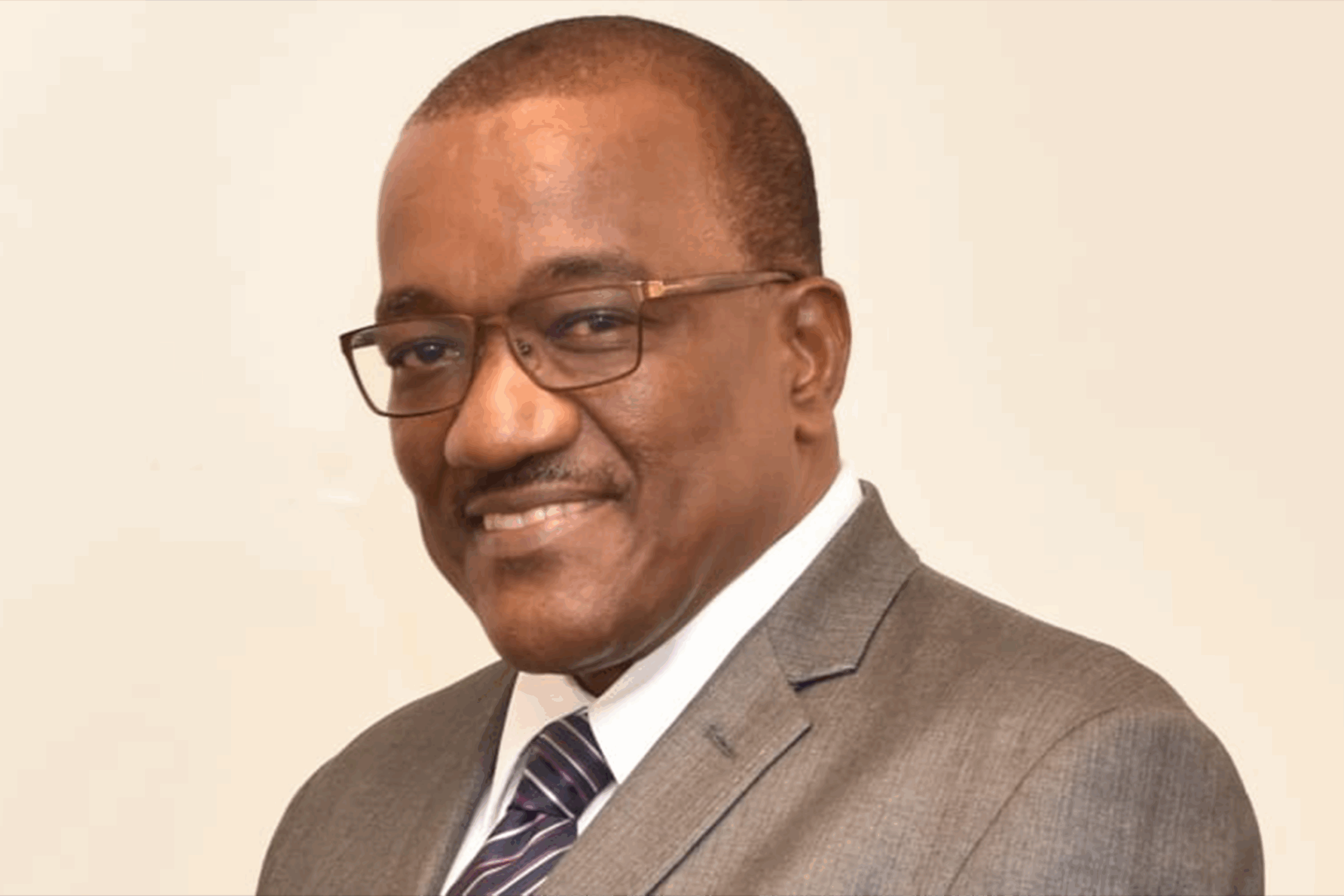
Lawmakers unite to confirm Jeffrey Bostic as second republican president
In a historic display of bipartisan unity, retired Lieutenant Colonel Jeffrey Davidson Bostic was confirmed as Barbados’ second president on Tuesday. The joint sitting of the House of Assembly and Senate witnessed no objections to his appointment, a rare occurrence that highlighted his widespread national appeal and reputation for dependable leadership. The announcement was met with enthusiastic desk-thumping from members across the political spectrum, symbolizing collective endorsement.
-
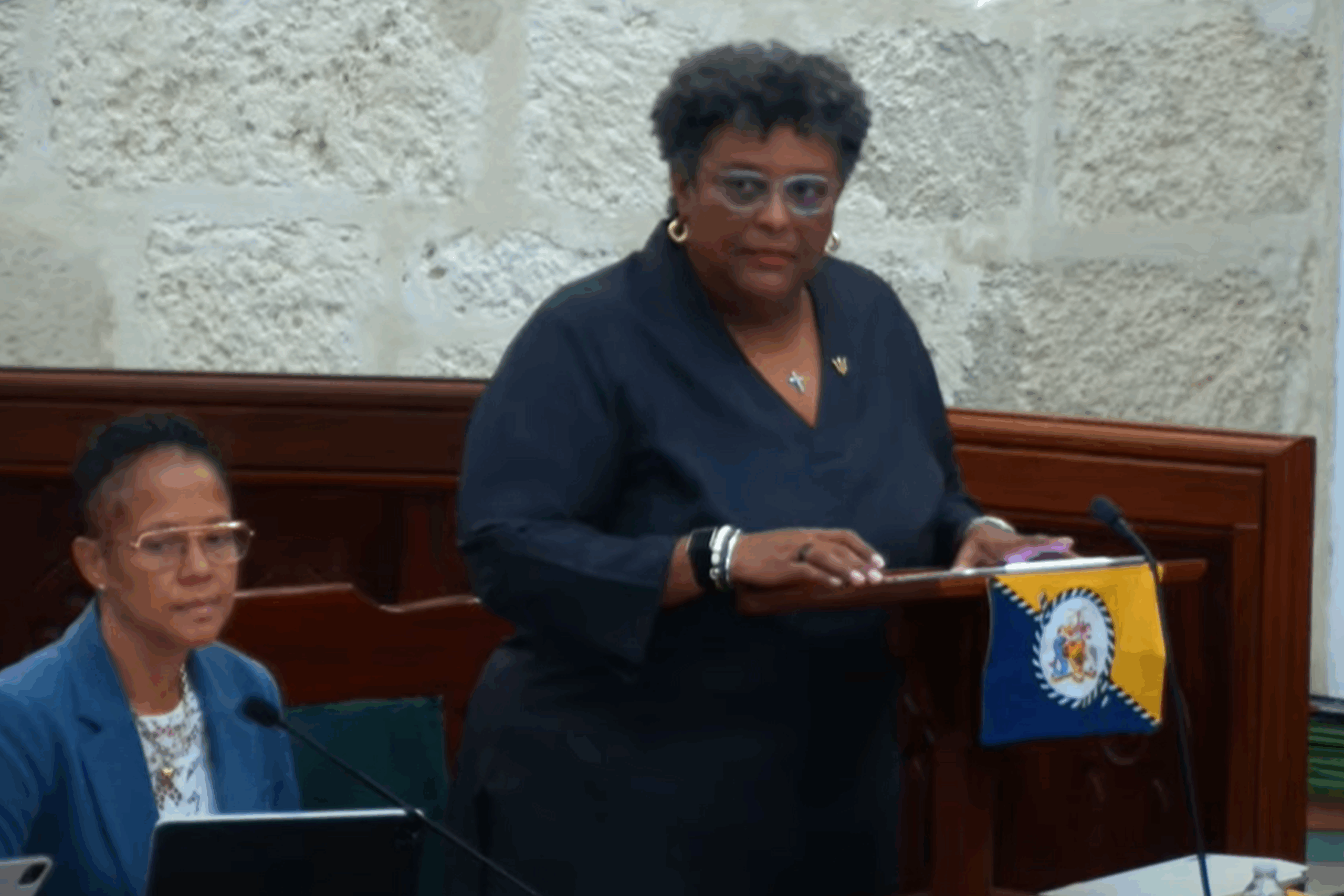
PM says President-elect Bostic is the man for the moment
Prime Minister Mia Mottley has lauded President-elect Jeffrey Bostic as a leader of exceptional caliber, capable of uniting Barbados during challenging times. Speaking at a joint session of Parliament on Tuesday, Mottley emphasized Bostic’s proven leadership, moral authority, and ability to command respect across all societal sectors. His nomination, jointly proposed by Mottley and Opposition Leader Ralph Thorne, was unanimously approved by MPs and senators, marking the transition from outgoing President Sandra Mason, whose term concludes on November 30. Mottley highlighted Bostic’s extensive experience in policy development, strategic planning, and multi-disciplinary coordination, underscoring his integrity and deep commitment to Barbados. She described him as a figure who embodies both tradition and progress, bridging divides between military and civilian leadership, national and regional security, and generations of Barbadians. Bostic’s academic and military achievements, including studies at the Inter-American Defence College and the National War College, further attest to his qualifications. Mottley also paid tribute to outgoing President Sandra Mason, praising her grace and dignity in office and her role as a model for Barbadian girls. Bostic’s leadership during the COVID-19 pandemic was cited as evidence of his unifying capabilities, making him an ideal choice for the presidency.
-
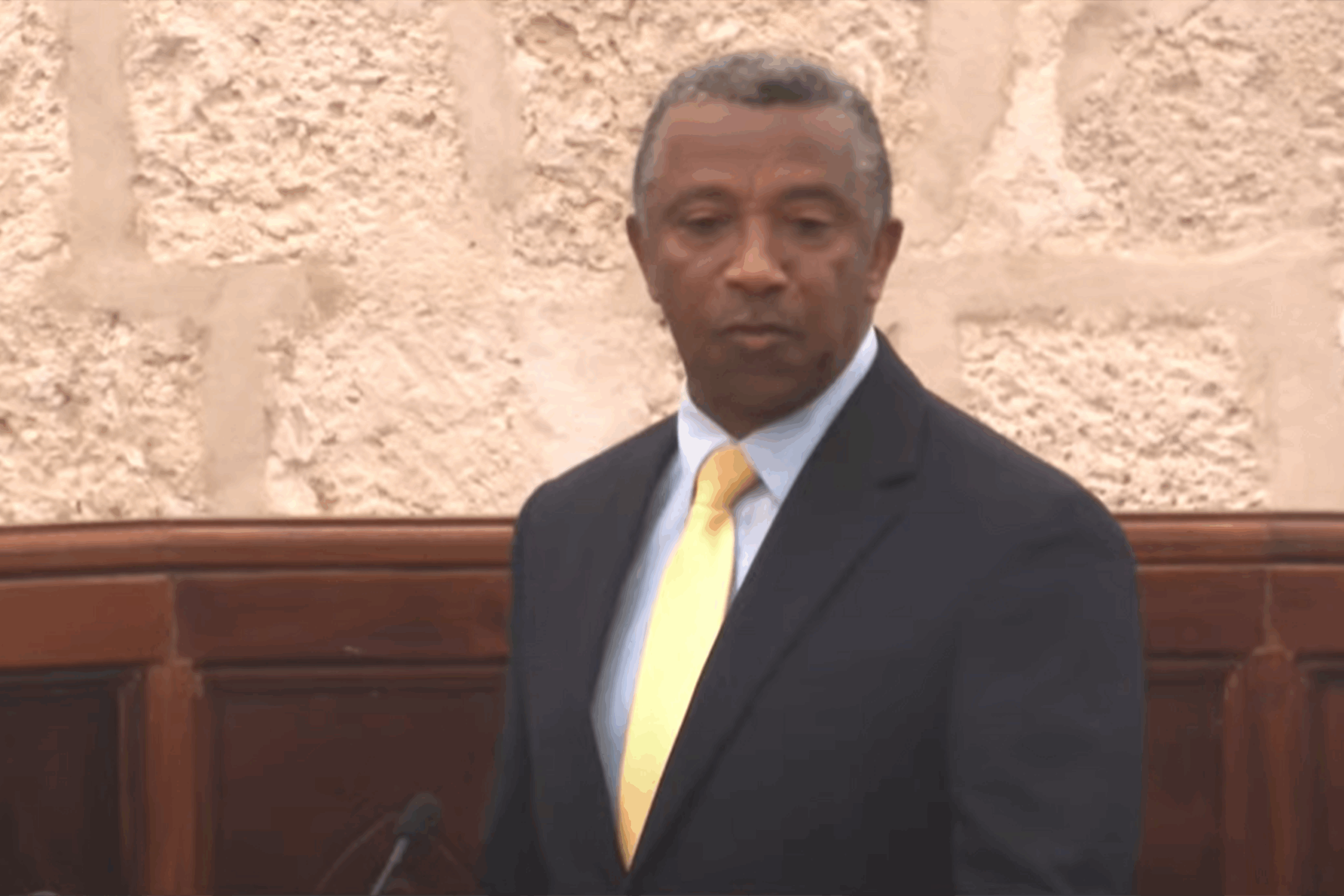
President-elect Bostic urged to uphold stability and justice
As Barbados prepares for a historic presidential transition on Independence Day, Lieutenant Colonel Jeffrey Bostic, the incoming President, has been called upon to lead the nation with unwavering resolve and a commitment to justice and unity. Opposition Leader Ralph Thorne emphasized the critical role of the head of state in navigating the nation through both calm and turbulent times, urging Bostic to rise above partisan divides and focus on the broader interests of the country. Speaking at a joint parliamentary session convened for the election of the head of state, Thorne invoked the metaphor of the ‘ship of State,’ highlighting the need for stability, wisdom, and a sense of justice in leadership. Thorne, who represents Christ Church South and leads the Democratic Labour Party (DLP), expressed his support for Bostic’s nomination, stressing that the presidency, while a political office, must transcend partisanship. He appealed to all Barbadians, including skeptics and conspiracy theorists, to set aside bitterness and rancor, emphasizing the importance of respect and unity in this pivotal moment. Thorne underscored the DLP’s commitment to doing what is right for the nation’s future, calling for order, stability, and prosperity under Bostic’s leadership. He concluded with a hopeful prayer that the new President would embody wisdom, maturity, and justice, ensuring a bright future for Barbados.
-
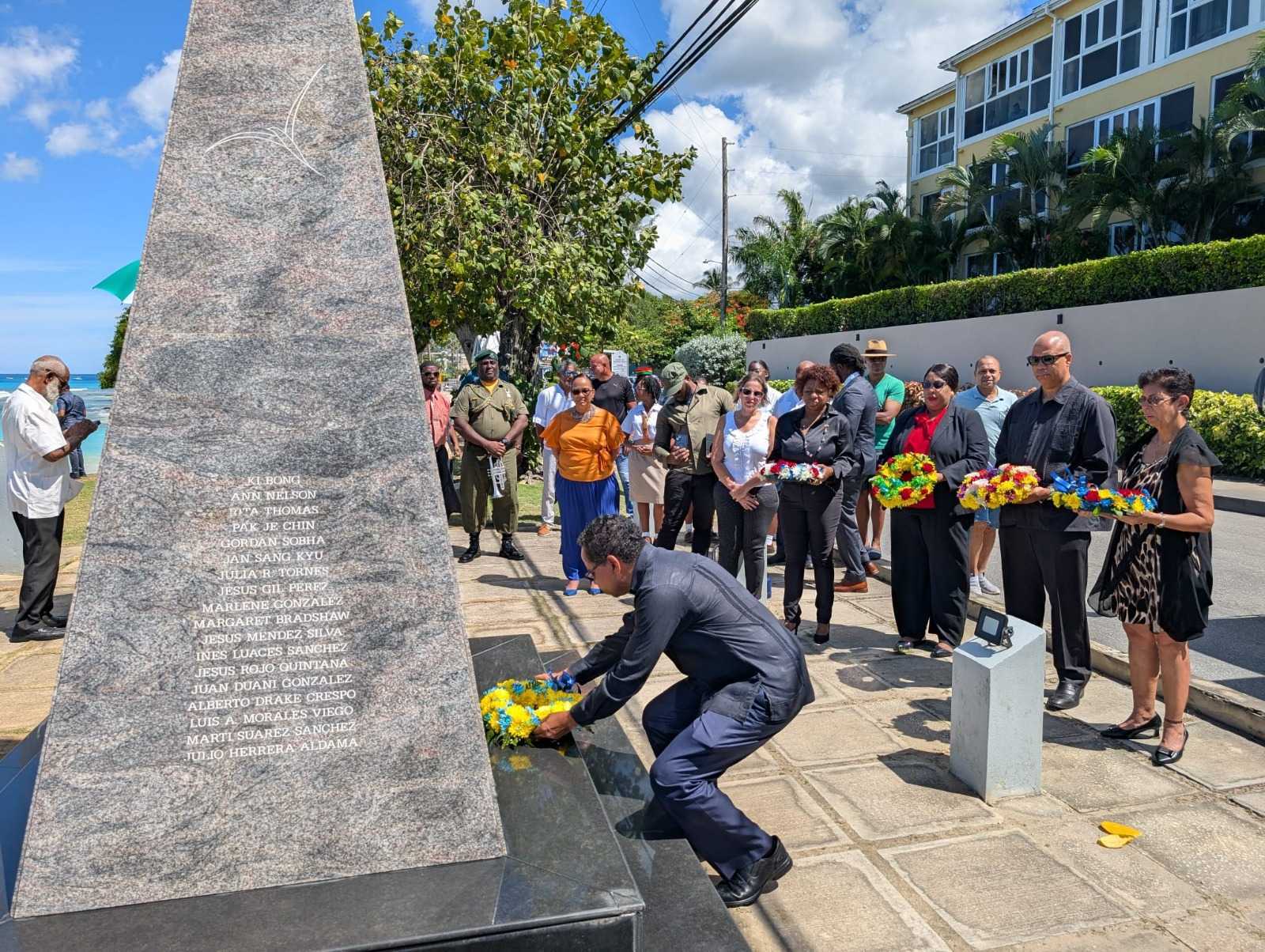
Barbados Ambassador calls for end to alleged ‘Zone of Peace’ violations
Barbados’ Ambassador to CARICOM, David Comissiong, has issued a strong appeal to the United States government to dismantle its 63-year-old economic blockade against Cuba and revoke its designation of Cuba as a state sponsor of terrorism. Speaking at a ceremony marking the 49th anniversary of the Cubana Airliner tragedy and the third year of CARICOM-Cuba Day Against Terrorism, Ambassador Comissiong labeled the US actions as both fraudulent and unjust. He emphasized the need for the US to align with international consensus, citing the annual United Nations resolution that overwhelmingly condemns the blockade as illegal. Comissiong argued that the terrorism designation exacerbates Cuba’s economic challenges, hindering trade, financial operations, and access to essential goods. He also highlighted Cuba’s history as a victim of terrorism, with 713 documented acts largely orchestrated from US soil. Furthermore, Comissiong referenced the 2014 Zone of Peace Declaration, adopted by the Community of Latin American and Caribbean States (CELAC), which underscores principles of non-intervention, sovereignty, and peaceful coexistence. He criticized recent US military actions in the Caribbean, particularly against Venezuela, as a violation of these principles. The ambassador’s call reflects broader regional concerns over US policies in the Caribbean and their impact on regional stability.
-

Of free movement, and stalled promise
The ongoing discourse surrounding free movement within the Caribbean has brought Barbados and three other nations to the forefront of efforts to fully implement this concept. However, the pace of progress raises questions about whether the reality aligns with the promise.
-

Drew reaffirms Caribbean as ‘Zone of Peace’ amid US–Venezuela tensions
As tensions between the United States and Venezuela escalate, Caribbean leaders are calling for the region to remain a ‘Zone of Peace.’ Prime Minister Dr. Terrance Drew of St. Kitts and Nevis has emphasized the importance of maintaining regional stability amidst recent U.S. military strikes on Venezuelan vessels in the Caribbean. These strikes, which U.S. officials claim targeted drug-trafficking operations, have resulted in over 20 fatalities, raising concerns about potential destabilization in the region. Dr. Drew acknowledged the necessity of combating drug trafficking but stressed that such efforts should not compromise the Caribbean’s long-standing peace. ‘We want to maintain our region as a zone of peace,’ he stated during a press briefing. The situation has reignited broader concerns about U.S.-Venezuela relations, with Venezuela’s leader facing U.S. sanctions and an arrest warrant linked to alleged drug trafficking. CARICOM leaders, excluding Trinidad and Tobago, have collectively opposed the U.S. actions, warning of the risk of open conflict. Dr. Drew reiterated the region’s commitment to addressing the drug trade through cooperation rather than military confrontation, emphasizing the Caribbean’s vulnerability. Meanwhile, U.S. Secretary of Defense Pete Hegseth defended the strikes as necessary measures to protect U.S. borders and interests.
-

Trump administration enforces US$5,000 penalty for unauthorized entry
The U.S. Embassy in the Dominican Republic has confirmed the implementation of a stringent new immigration policy under President Donald Trump’s administration. Effective immediately, foreigners aged 14 and above who are apprehended for unauthorized entry into the United States will face a mandatory fee of $5,000. This charge, as outlined in an official statement posted on the embassy’s Instagram account (@embajadausaenrd), is non-negotiable, final, and not subject to appeal. Failure to comply with the payment will lead to further financial penalties. The policy is part of the Trump administration’s broader zero-tolerance strategy to curb irregular immigration by imposing stricter economic sanctions. It applies to all individuals deemed ‘inadmissible,’ including those entering without proper documentation, with expired visas, or through unauthorized border crossings. The measure underscores the administration’s commitment to deterring illegal immigration through punitive financial measures.
-
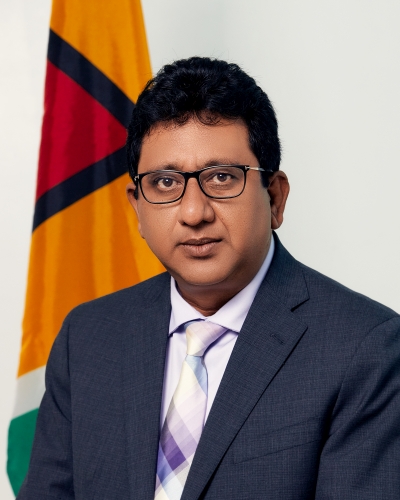
No political motivation behind US’ charges against Mohameds- Nandlall
Attorney General and Minister of Legal Affairs, Anil Nandlall, has dismissed claims that the charges against Guyanese businessmen Azruddin Mohamed and his father Nazar “Shell” Mohamed by the United States are politically motivated. Speaking on his social media program, “Issues In The News,” Nandlall emphasized that the 11-count indictment spans multiple administrations in both Guyana and the US, indicating a long-standing investigation rather than a politically driven action. The charges, unsealed on Monday, relate to alleged fraud and money laundering involving gold exports and the importation of a Lamborghini luxury car, which reportedly defrauded the Guyana Revenue Authority (GRA) of taxes. Nandlall refuted the notion that the People’s Progressive Party Civic (PPPC) could influence the US Department of Justice, calling such claims “outrageous.” He also highlighted that the Mohameds had previously enjoyed close ties with the PPPC, questioning the logic behind accusations of political persecution. Azruddin Mohamed, whose political party, We Invest in Nationhood (WIN), secured 16 parliamentary seats in the recent elections, suggested that the charges were personal, viewing himself as a political threat to the PPPC. However, Nandlall clarified that holding parliamentary or constitutional office does not grant immunity from criminal prosecution. If convicted, the Mohameds face severe penalties, including up to 20 years imprisonment per count, substantial fines, and asset forfeiture. The indictment also accuses the Mohameds of bribing Guyanese officials to evade taxes and royalties on gold shipments. The case underscores the complexities of international legal cooperation and the challenges of addressing transnational financial crimes.
-
PM Mitchell missing in oil and gas working group town hall
A significant town hall discussion focusing on Grenada’s oil and gas sector is set to take place on 9 October 2025 at the Trade Centre in Grand Anse. The event, organized by the Oil and Gas Working Group chaired by Nazim Burke, will provide the public with updates and insights into the nation’s emerging energy industry. However, Prime Minister Dickon Mitchell will not be present in person, as he is scheduled to attend the 3rd EU-Caribbean Global Gateway Conference on Sargassum in Brussels, Belgium, on 8–9 October.