
In a fervent appeal to Caribbean nations, Venezuelan Ambassador to Dominica, Jose Durabio Moros Savelli, has called for regional solidarity in opposing the United States’ escalating military presence in waters near Venezuela. Savelli emphasized the critical importance of maintaining peace in the Caribbean, warning that any conflict initiated by the US could have devastating consequences for the entire region, including economic and humanitarian crises. The US has justified its military buildup by accusing Venezuelan leaders of involvement in illegal narcotics trade. On Thursday, the US military conducted a strike on a suspected drug-carrying vessel in the Caribbean, resulting in the first survivors being captured since President Donald Trump intensified military operations in the area. This marks at least the sixth such strike since August, with the death toll from these operations now standing at 28. Savelli expressed grave concerns over the deployment of nuclear submarines and other advanced military assets, urging Caribbean countries to uphold international law and prevent the outbreak of war. He also highlighted the importance of mobilizing international public opinion to pressure the US government to prioritize peace. The Trump administration has significantly increased its military presence in the Caribbean, deploying an amphibious squadron, nuclear-powered submarines, reconnaissance aircraft, and warships as part of its campaign against Latin American drug cartels.
分类: politics
-
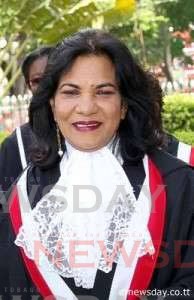
Judge strikes down law that prevented JPs from granting station bail
In a landmark ruling on October 15, Justice Carol Gobin of the High Court declared that Justices of the Peace (JPs) retain their authority to grant bail for indictable offences, overturning a government policy that had stripped them of this power. The decision came in response to a judicial review filed by Joel Alexander, who was detained in deplorable police cells for nearly 57 hours due to the policy. Justice Gobin ruled that Section 10 of the Administration of Justice (Indictable Proceedings) Act, 2011 (AJIPA) did not revoke JPs’ jurisdiction to grant station bail, calling the government’s interpretation of the law ‘null, void, and illegal.’ She criticized the policy for normalizing inhumane detention conditions and undermining constitutional rights to liberty and the presumption of innocence. Alexander was awarded $140,000 in damages, and the court ordered the immediate restoration of JPs’ bail powers. The ruling also emphasized the need for accountability in safeguarding citizens’ rights, echoing broader concerns about governmental overreach.
-
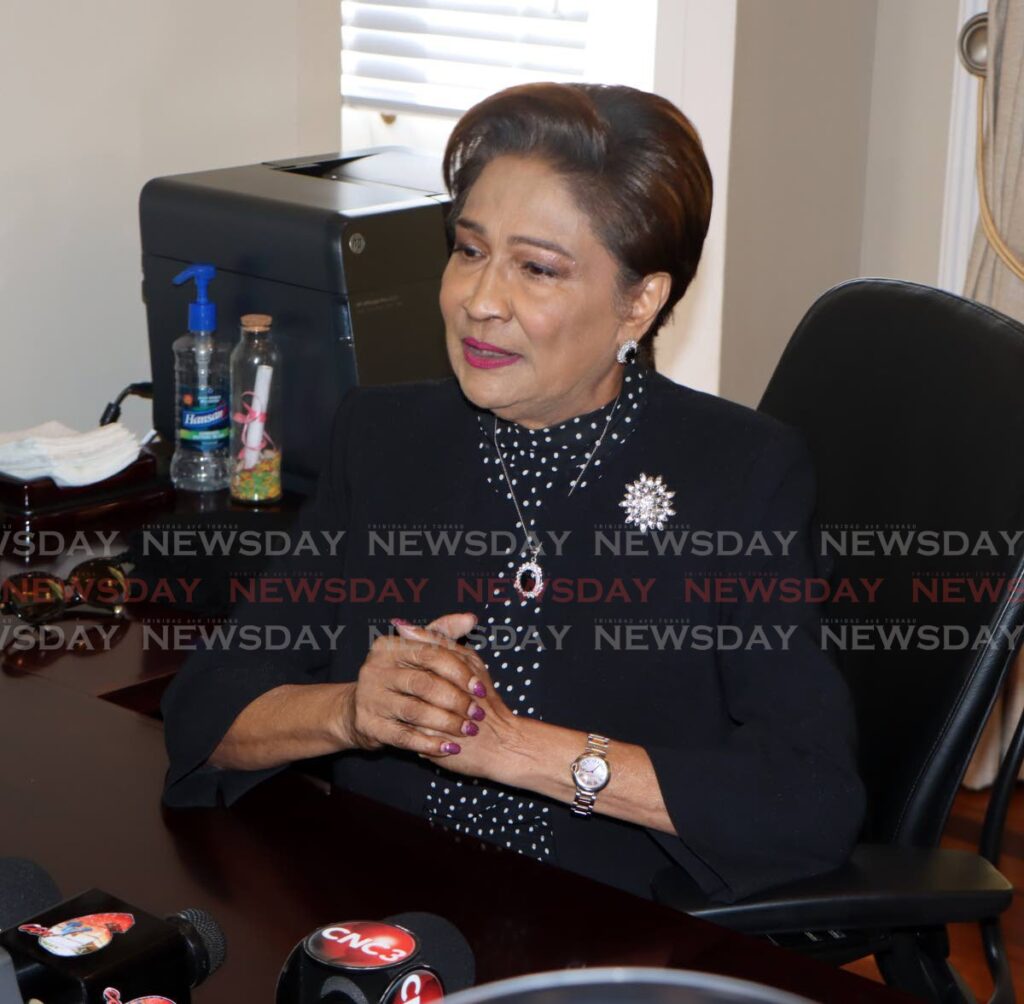
Cabinet mum on claim of TT deaths on ‘drug boat’
Prime Minister Kamla Persad-Bissessar of Trinidad and Tobago was in a hurry on October 16, leaving a land distribution ceremony for former Caroni (1975) Ltd workers at the Diplomatic Centre in St Ann’s to attend a virtual meeting of Caricom heads, followed by her weekly Cabinet meeting. Reporters had hoped to question her about allegations that two Trinidadian nationals were aboard a drug boat reportedly destroyed by the US military in the Southern Caribbean. They also sought her stance on US anti-narcotics operations, especially in light of President Donald Trump’s admission of authorizing CIA covert activities in Venezuela. However, the Prime Minister’s swift departure left these queries unanswered. Defence Minister Wayne Sturge was also seen rushing off from the event. Minister of Land and Legal Affairs Saddam Hosein, when questioned about the government’s position on the drug boat incident, declined to comment, citing the Prime Minister’s directive for ministers to ‘stay in your lane’ regarding their portfolios. Meanwhile, Jamaican Prime Minister Andrew Holness, who chaired the 41st Inter-Sessional Meeting of the Conference of Heads of Government, highlighted the meeting’s focus on regional integration, economic resilience, and collective security. While Holness did not specify whether discussions included the US military presence in the Caribbean, US Southern Command head Admiral Alvin Holsey’s recent visits to Grenada and Antigua and Barbuda raised questions about potential US radar base installations. Antigua and Barbuda’s Prime Minister Gaston Browne emphasized his country’s reluctance to host foreign military assets, while Grenada’s government stated that any decisions would prioritize sovereignty, public safety, and national interests.
-
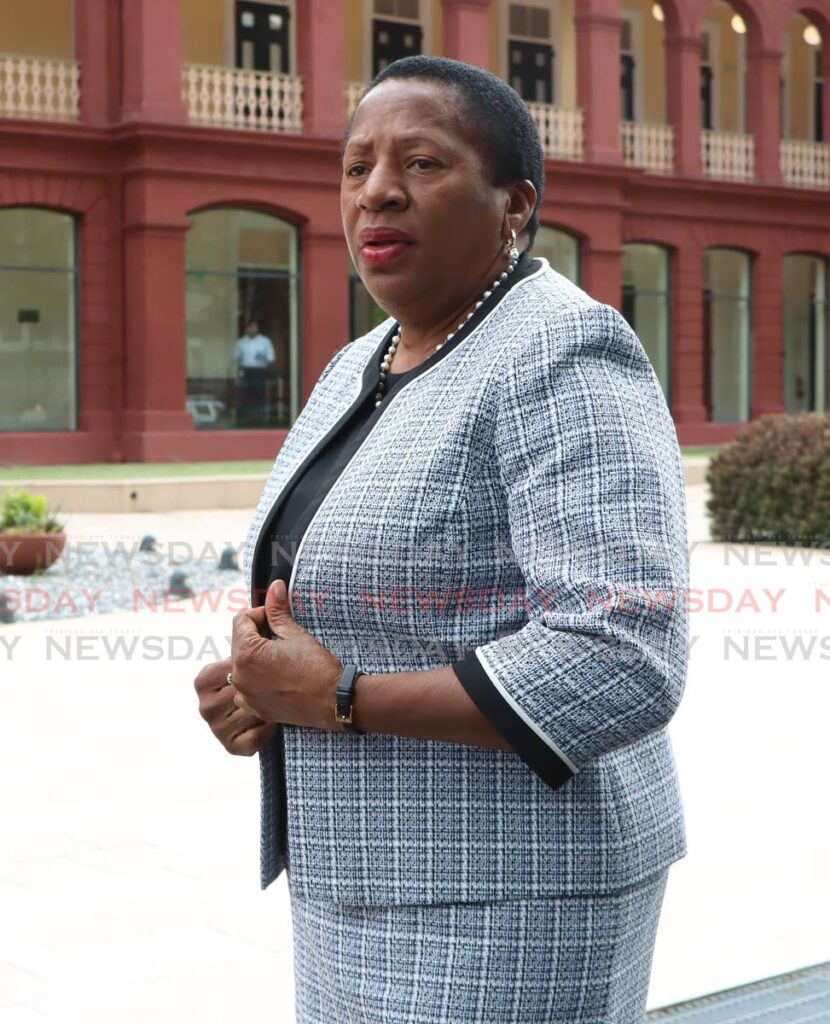
Beckles begins budget debate in House
Opposition Leader Pennelope Beckles is set to initiate the debate on Trinidad and Tobago’s $59.2 billion budget for the fiscal year 2025/2026. The session will commence at the Red House in Port of Spain on October 17 at 10 am. This marks Beckles’ first response to the budget since her appointment as opposition leader and PNM political leader on May 6 and June 22, respectively. Finance Minister Davendranath Tancoo, who presented the budget on October 13, delivered a three-and-a-half-hour address, setting the stage for Beckles’ equally lengthy response. Following Beckles’ contribution, other Members of Parliament, including the Prime Minister, will have up to 45 minutes to speak, with an optional ten-minute extension. Leader of Government Business Barry Padarath indicated that the debate could extend over four to five days, potentially including weekend sessions, with the Standing Finance Committee reviewing the budget over an additional five days. The government, holding 26 seats in the House, will determine the debate’s conclusion after all 13 opposition MPs have spoken. The Tobago People’s Party, with two MPs, has also expressed its intention to participate. Prime Minister Kamla Persad-Bissessar’s contribution is anticipated later in the debate. The Senate will subsequently review the budget, though it is barred from voting on money bills. Concurrently, the PNM will host a post-budget political meeting at the Belmont Community Centre on October 17, featuring Beckles and other prominent MPs as speakers.
-
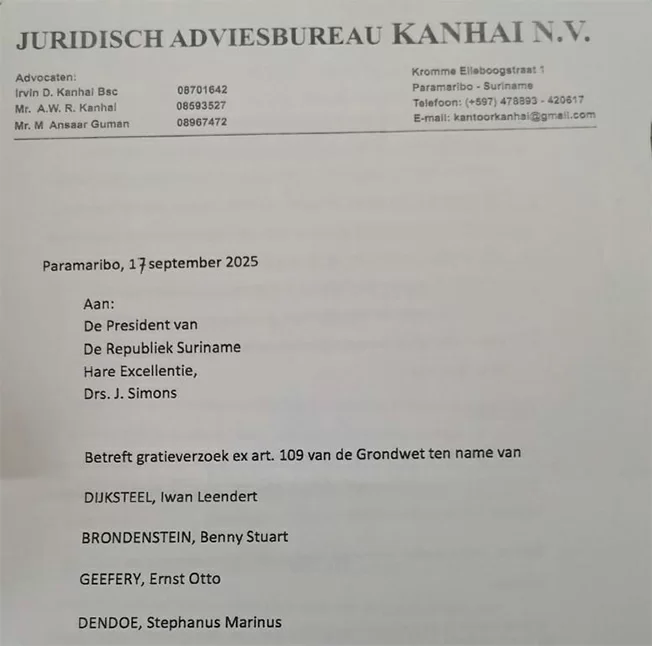
Kanhai: Ik trek gratieverzoek niet in
Attorney Irvin Kanhai remains steadfast in his decision to file a clemency request on behalf of the convicted individuals in the December 8 case. In a statement to Starnieuws, Kanhai confirmed that the request was delivered to the President’s Cabinet on September 17, 2025, and was officially acknowledged. “I have no intention of withdrawing the clemency request. This was submitted after consultation with the four convicts and leaders within the NDP,” Kanhai stated. He emphasized his 25-year involvement in the case, which he has handled pro bono, and his desire to avoid entanglement in internal NDP political disputes. Kanhai described the request as a “legal-scientific approach” rather than a political maneuver, aiming to conclude the case with dignity and legal integrity. The request, addressed to President Jennifer Simons, invokes Article 109 of the Constitution, seeking the remission of the remaining prison sentences for Iwan Dijksteel, Benny Brondenstein, Ernst Gefferie, and Stefanus Dendoe, all sentenced to 15 years. Dijksteel remains at large. Kanhai cited humanitarian and medical grounds for the plea, noting that the convicts, all over 75, suffer from severe health issues and inadequate medical care in Santo Boma prison. The request also highlights “exceptional circumstances” surrounding the trial, including public opinion influence, the role of victims’ families, and alleged judicial bias. Kanhai stressed that the request seeks humanitarian clemency, not a review of the verdict or an admission of guilt. The issue has sparked confusion and division, with President Simons initially claiming unawareness of the request, while Kanhai provided evidence of its receipt. Additionally, three convicts signed statements denying consent for the request, contradicting earlier agreements. The case has ignited intense political debate within the NDP and broader society, raising questions about the legitimacy of the request and the responsibilities of the involved parties.
-
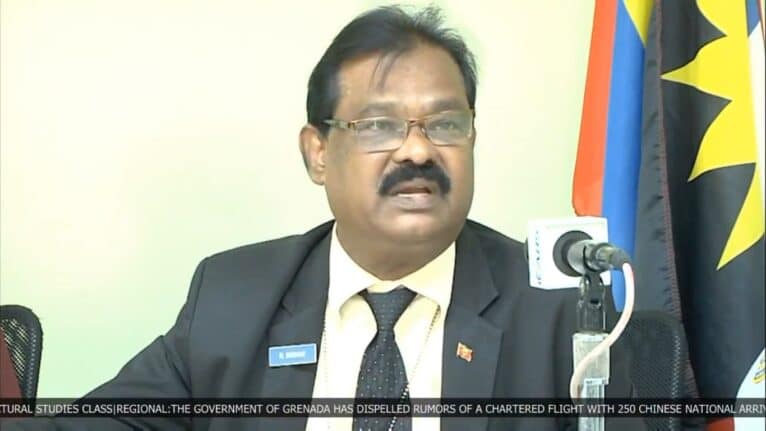
Customs Comptroller Raju Boddu Resigns, Citing Health Reasons
In a surprising turn of events, Raju Boddu, the Comptroller of Customs in Antigua and Barbuda, has resigned from his position, marking the end of his extensive tenure as head of the Customs and Excise Division. Sources reveal that Boddu submitted his resignation earlier this week, attributing his decision to health concerns. However, the abrupt nature of his departure has sparked widespread speculation within the department and beyond, with rumors swirling about an ongoing internal investigation. Boddu, a veteran customs administrator, is known for his stringent enforcement strategies and significant contributions to modernizing customs operations during his years in Antigua and Barbuda. Authorities have yet to announce an interim replacement, leaving the department in a state of uncertainty. Opposition Members of Parliament are reportedly preparing to raise pointed questions in the upcoming parliamentary session, seeking clarity on the circumstances surrounding Boddu’s resignation. Whispers of ‘irregularities’ and potential misconduct have further fueled the intrigue, though no official statements have been made to confirm these allegations. As the silence from official channels continues, the void left by Boddu’s departure raises more questions than answers, leaving the public and political observers eager for transparency and resolution.
-
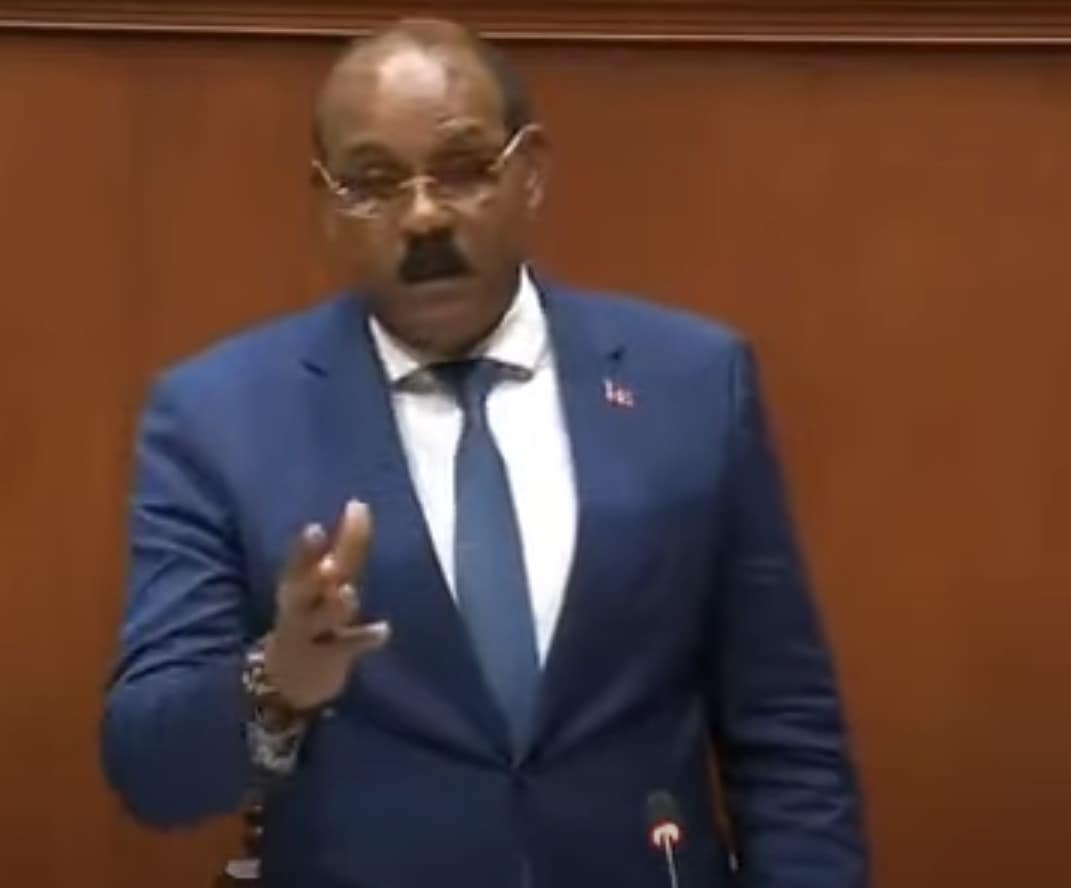
Prime Minister to Present Bill Modernizing Tax Recovery and Enforcement Procedures
Prime Minister Gaston Browne is set to present the Tax Administration and Procedure (Amendment) Bill, 2025, in Parliament today. This landmark legislation aims to overhaul Antigua and Barbuda’s tax recovery system, introducing measures to modernize processes while ensuring fairness and accountability. The proposed reforms include establishing a statutory charge on real property for delinquent taxpayers, granting the Commissioner of Inland Revenue the authority to issue clear property titles post-asset seizure, and enhancing transparency in auctions and public sales. Additionally, the Bill redefines the term ‘property’ and formalizes the roles of ‘designated officers,’ clarifying enforcement boundaries and accountability within the tax framework. Government officials emphasize that the reforms seek to balance taxpayer rights with the state’s obligation to secure outstanding revenues, a critical step toward robust fiscal planning and sustainable development. This initiative aligns with broader efforts to strengthen fiscal management and bring Antigua and Barbuda’s tax administration in line with international best practices.
-

Lower House to Convene on Thursday to Debate Key Legislative Amendments
The House of Representatives of Antigua and Barbuda is set to convene on Thursday, October 16, 2025, at 9:30 a.m. at the Parliament Building on Queen Elizabeth Highway. The session will focus on several critical legislative matters, including the Tax Administration and Procedure (Amendment) Bill, 2025, and the Electronic Crimes (Amendment) Bill, 2025. These bills aim to modernize the nation’s legal framework and address pressing issues in tax recovery and cybercrime. The Tax Administration and Procedure (Amendment) Bill, introduced by Prime Minister and Minister for Finance, the Honourable Gaston Browne, seeks to enhance the efficiency and transparency of tax debt recovery. Key provisions include the establishment of a statutory charge on properties owned by delinquent taxpayers, new regulations for the public sale of seized assets, and authorization for the Commissioner of Inland Revenue to execute property transfers. Meanwhile, the Electronic Crimes (Amendment) Bill, presented by Attorney General and Minister for Public Safety, the Honourable Sir Steadroy C. O. Benjamin, aims to clarify procedures for production orders, strengthen privacy protections, and update penalties for non-compliance. These reforms are designed to improve the government’s ability to address cyber-related offenses while safeguarding individual rights. Additional bills on the agenda include amendments to the Automatic Exchange of Financial Account Information Act, the Eastern Caribbean Citizenship by Investment Regulatory Authority Agreement Bill, and the Disabilities and Equal Opportunities (Amendment) Bill. Collectively, these legislative measures underscore the government’s commitment to fostering good governance, transparency, and national development.
-
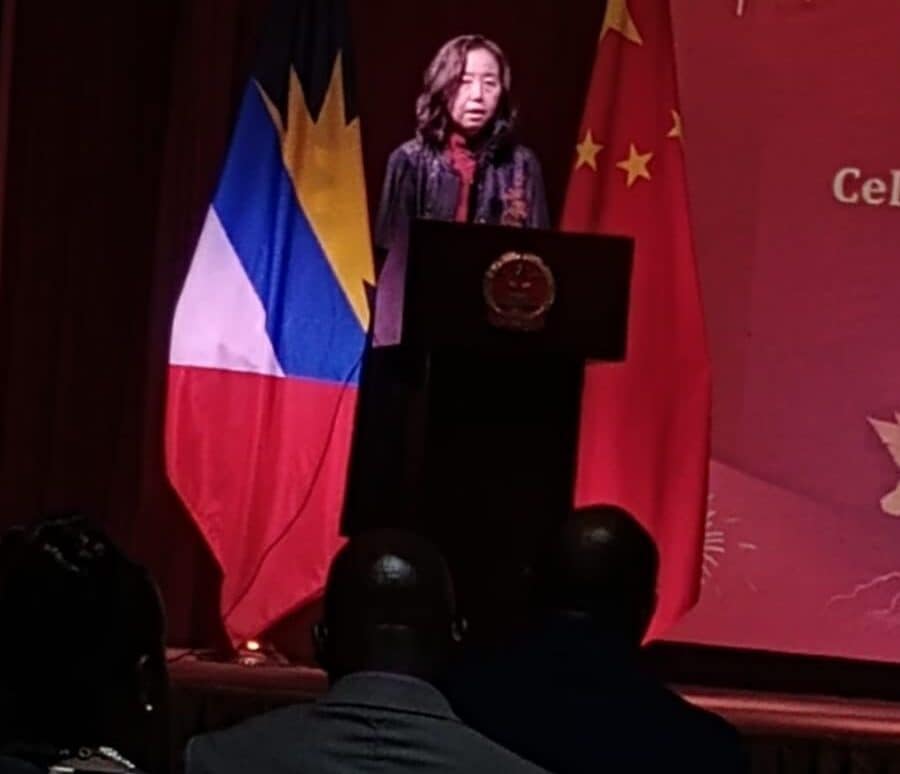
A Legacy of Partnership: Honouring H.E. Zhang Yanling’s Tenure in Antigua & Barbuda
The 76th National Day celebrations of the People’s Republic of China in Antigua and Barbuda marked not only a significant diplomatic event but also the culmination of Ambassador Zhang Yanling’s impactful four-year tenure. Held on September 15, 2025, the event served as a poignant farewell to one of the most engaged envoys in the nation’s history. Ambassador Zhang’s approach to diplomacy, characterized by action and accessibility, left an indelible mark on the bilateral relationship between China and Antigua and Barbuda. Her tenure was defined by a commitment to practical collaboration, cultural exchange, and mutual respect. Under her leadership, key initiatives such as the Booby Alley housing project, solar energy systems, and agricultural and educational exchanges were successfully implemented. These efforts not only strengthened infrastructure but also fostered cultural understanding and climate resilience. The National Day celebration itself was a vibrant fusion of Antiguan and Chinese cultures, featuring performances by local artists like King Short Shirt and Khan Cordice alongside traditional Chinese acts. In her farewell address, Ambassador Zhang reflected on China’s journey of development and emphasized the importance of equality, peace, and mutual support among nations. Her words resonated deeply in a world grappling with division. Prime Minister Gaston Browne and Foreign Minister E.P. Chet Greene praised her as a true friend of Antigua and Barbuda, highlighting her transformative impact on the nation’s development sectors. Before her departure, Ambassador Zhang was honored with the Governor General’s Faithful and Meritorious Service Cross (FMC) for her distinguished contributions to strengthening bilateral ties. Governor General Sir Rodney Williams commended her for turning goodwill into tangible outcomes, particularly in fostering South-South cooperation. Ambassador Zhang’s legacy extends beyond infrastructure and agreements; it is rooted in the spirit of mutual respect and partnership she cultivated. Her tenure will be remembered as a bridge between two nations, built on warmth, wisdom, and unwavering commitment. As Antigua and Barbuda looks to the future, the foundations she laid will continue to bear fruit, ensuring a lasting and prosperous relationship with China.
-

ABEC urges citizens to replace expired voter ID cards
The Antigua and Barbuda Electoral Commission (ABEC) has issued a renewed call to citizens to replace their expired voter identification cards, highlighting that fewer than half of the nation’s registered voters have completed the process. Since the initiative launched on August 12, 2024, only 16,000 out of 40,000 eligible voters have updated their cards, according to ABEC Public Relations Officer Elisa Graham. Graham emphasized that while there is no strict deadline, the process has been streamlined to take just two to three minutes at registration units, with new cards printed weekly and ready for collection within seven days. Applicants are required to present their expired voter ID, a valid government-issued photo ID, proof of address, and any documents reflecting changes in marital status. The updated cards feature enhanced security measures, including new photos, signatures, and fingerprint validation. ABEC underscored the importance of a valid voter ID, not only for electoral participation but also for conducting official transactions requiring identity verification. The commission continues to encourage citizens to act promptly to ensure their voting rights and access to essential services.