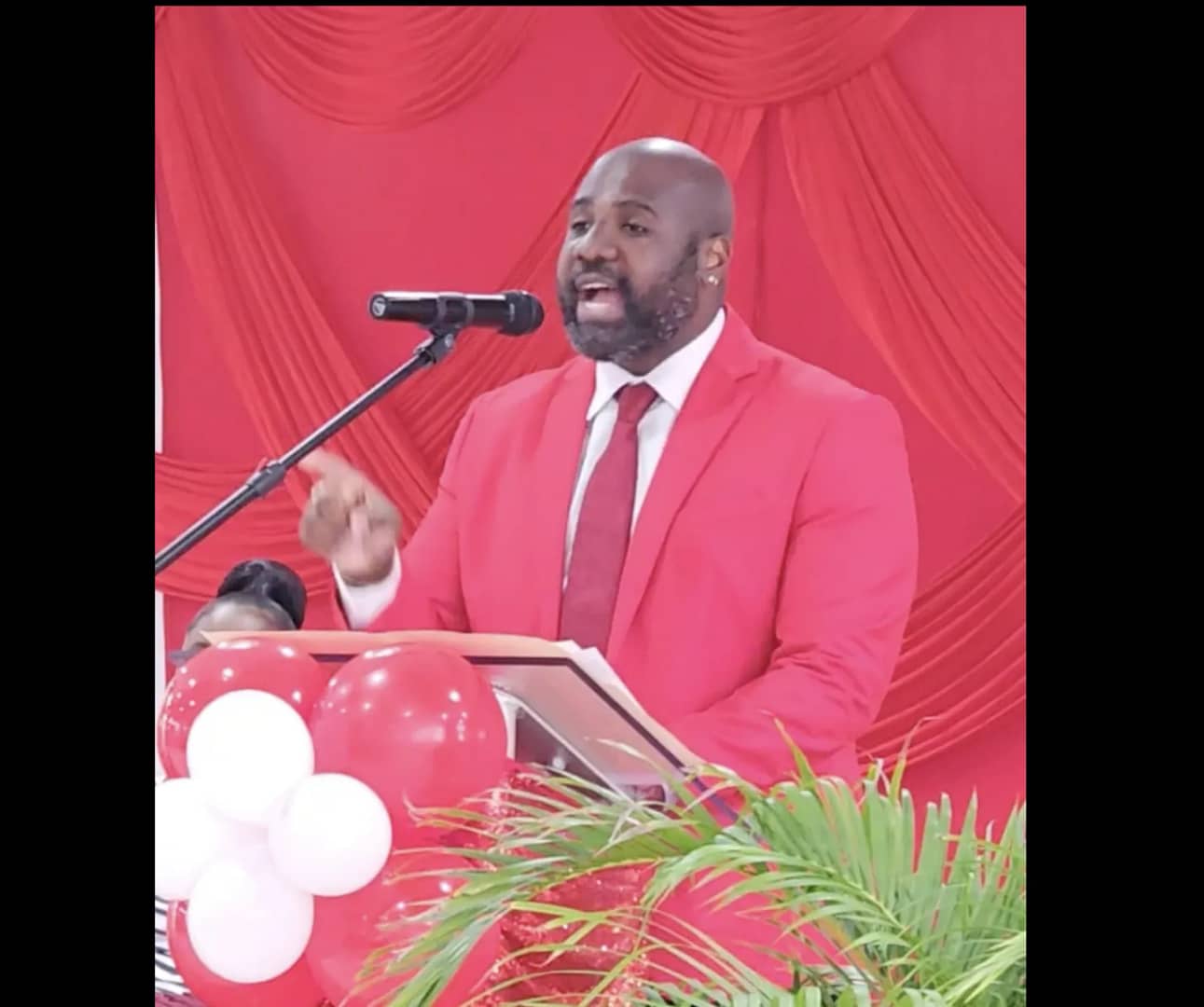
At the 86th Annual Delegates’ Conference of the Antigua and Barbuda Trades and Labour Union (AT&LU), featured speaker Carl Christopher lauded Prime Minister Gaston Browne’s administration for its transformative housing and infrastructure initiatives. Christopher described these efforts as a “housing revolution for the workers” and an “infrastructural revolution,” emphasizing their role in elevating living standards across the nation. He highlighted the broader societal benefits, including expanded access to education, ownership opportunities, and investment avenues for the youth. Christopher urged delegates to remain vigilant against detractors, warning against allowing “liars, laggards, and charlatans” to derail the progress achieved. He invoked the legacy of past labour leaders, such as Sylvia Cornwall Byrd, Ivan Peters, and Rufus Lewis, to underscore the importance of unity in addressing global challenges like inflation, climate change, and conflicts. Christopher stressed that these issues are not abstract but directly impact workers, making solidarity essential. He called for continued discipline and productivity, urging the younger generation to view education as a tool for empowerment and job creation. In his closing remarks, Christopher emphasized the critical role of unity, declaring that “the unity of labour is the salvation of our nation.” He rallied support for Prime Minister Browne and AT&LU President Bernard de Nully, asserting that the movement’s future hinges on collective strength.
分类: politics
-
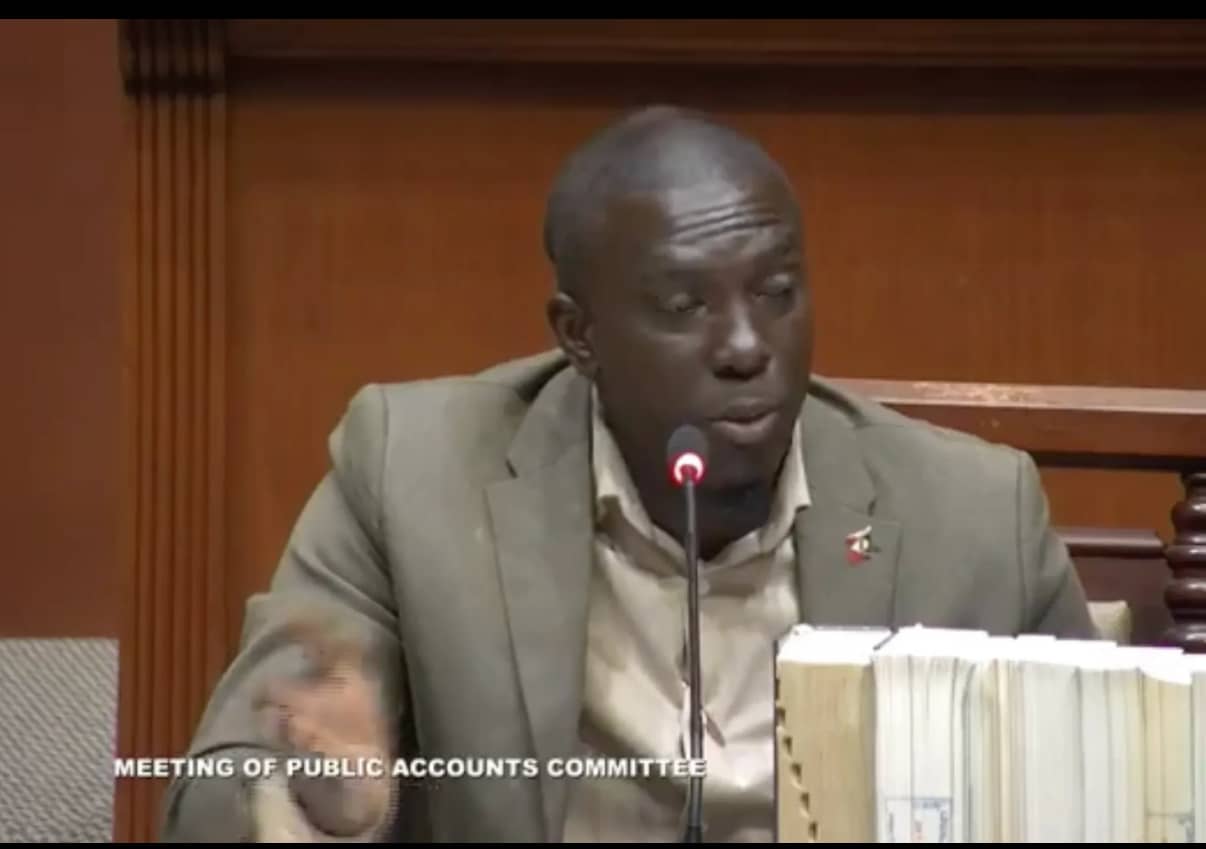
VIDEO: Opposition Leader Pringle Criticised Over PAC Conduct
Opposition Leader Jamale Pringle has come under intense scrutiny following his recent handling of the Public Accounts Committee (PAC) session. During a heated discussion on the Browne and Browne Show, panelists lambasted Pringle for what they described as a superficial and ineffective approach to overseeing state finances. Critics accused him of prioritizing theatrics over substantive accountability, with one panelist characterizing the meeting as a ‘pageant and a presentation’ rather than a rigorous examination of public accounts. Pringle’s inability to grasp the complexities of the issues at hand was a recurring theme in the critique. Panelists noted that he appeared to read pre-prepared questions without fully understanding the responses, and failed to ask follow-up questions that would have demonstrated deeper engagement. One commentator likened his performance to ‘someone still trying to grapple with the alphabet,’ highlighting his apparent struggles with comprehension. The criticism extended beyond the panelists, with callers to the program joining the chorus of disapproval. One particularly scathing caller described Pringle as having ‘a coconut head with cement in it,’ questioning how someone with business experience could fail to grasp basic accounting and auditing principles. The backlash underscores growing concerns about Pringle’s leadership capabilities and his effectiveness in holding the government accountable. As the debate continues, the incident raises broader questions about the role and expectations of opposition leaders in ensuring transparency and fiscal responsibility.
-

PM Accuses UPP of Silence on Climate Change
Prime Minister Gaston Browne has launched a scathing critique against the opposition United Progressive Party (UPP), accusing them of failing to address the critical issue of climate change. Speaking on Pointe FM’s *Browne and Browne Show*, Browne highlighted the absence of substantive statements from UPP leader Harold Lovell on the matter, despite his decades-long political career. Browne emphasized that climate change is the most pressing challenge for small island states like Antigua and Barbuda, yet the UPP’s political discourse has been dominated by personal attacks rather than policy discussions. Browne contrasted this with his own Antigua and Barbuda Labour Party (ABLP), which has prioritized climate action since 2014, including energy transition and reducing the nation’s carbon footprint. He cited research showing Lovell’s lack of documented policy statements on climate change, apart from a vague reference to a “greener Barbuda” in the 2023 manifesto. Browne argued that this silence reflects the UPP’s ignorance and lack of issue-based focus. He urged citizens to recognize the multidimensional consequences of climate change, from intensified hurricanes to rising sea levels, and reaffirmed his government’s commitment to climate advocacy, including international leadership in seeking climate justice and reparations at the United Nations.
-
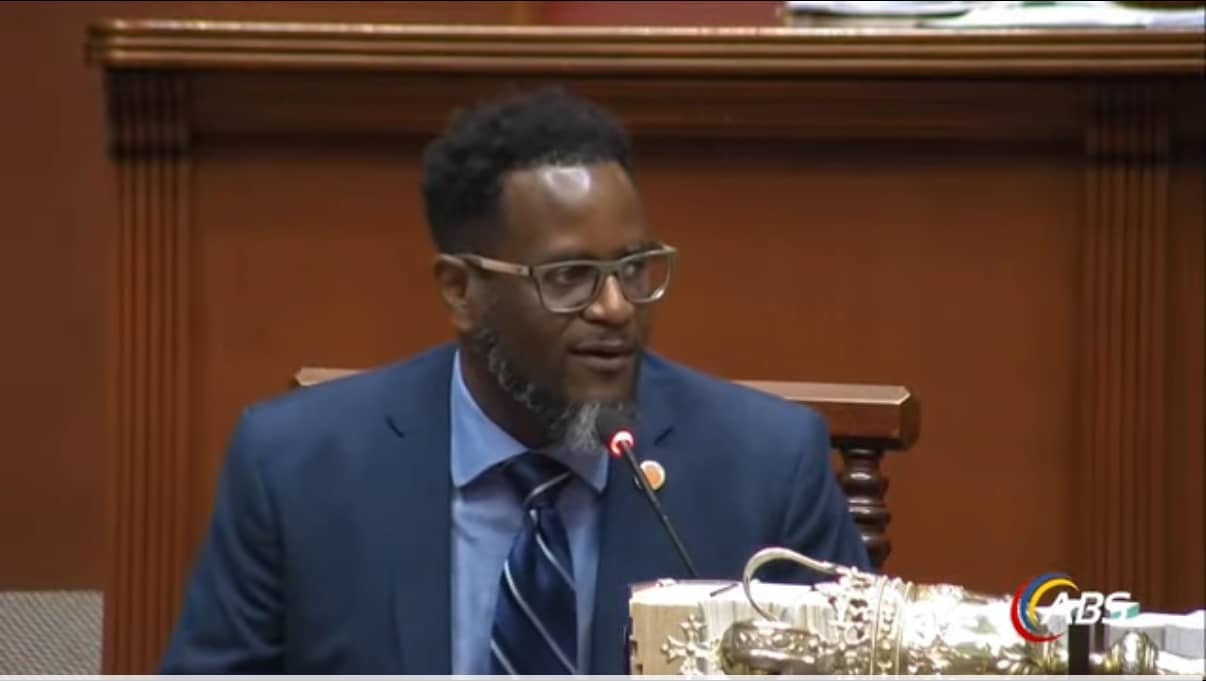
LISTEN: Social Security Director Says Gaston Browne Administration Never Borrowed From Social Security
In a recent statement on the Browne and Browne Show, David Mathias, Director of the Antigua and Barbuda Social Security Board, affirmed that the current Antigua Labour Party (ALP) administration has not borrowed any funds from the Social Security Scheme. This declaration underscores the government’s dedication to maintaining the fund’s stability and integrity. Mathias emphasized that the administration has taken tangible steps to address outstanding liabilities, ensuring the scheme remains robust and functional. He highlighted that during the COVID-19 pandemic, when payments fell short, the government intervened to keep the scheme current and advance payment processing. Mathias also reassured the public that the Social Security Scheme is stable and projected to remain so well beyond 2031, the year previously identified as a potential risk point. These remarks come in response to opposition criticism regarding the scheme’s arrears and align with the government’s commitment to fully settle outstanding contributions. The director’s statements aim to bolster public confidence in the Social Security Scheme’s future and the government’s fiscal responsibility.
-
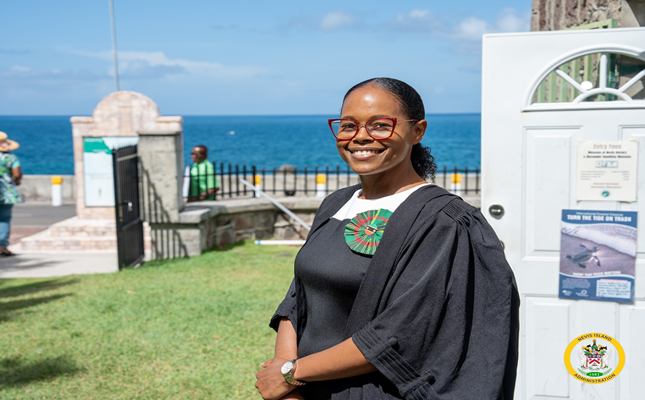
Nevis Island Assembly President Michelle Slack-Clarke to Serve on Commonwealth Parliamentary Association Executive Body
In a significant development for the Caribbean, Americas, and the Atlantic (CAA) region, Honourable Michelle Slack-Clarke, President of the Nevis Island Assembly, has been nominated to serve on the Executive Body of the Commonwealth Parliamentary Association (CPA). The announcement was made during a session of the Nevis Island Assembly on September 25, 2025. Mrs. Slack-Clarke emphasized the importance of Nevis’s role within the broader Commonwealth network, stating, ‘As a law-making body in the Commonwealth, we are integral to the CPA and its regional representation.’ Her appointment positions her as one of three representatives from the CAA region, granting her authority to influence the CPA’s management and direction. This milestone precedes the 68th Commonwealth Parliamentary Conference (CPC), scheduled for October 5–12, 2025, in Bridgetown, Barbados. The conference, themed ‘The Commonwealth: A Global Partner,’ will host key events, including the CPA General Assembly and specialized forums on gender-sensitive legislation, climate change, and budgeting. Mrs. Slack-Clarke’s new role follows her active participation in the 47th CPA Regional Conference of the CAA Region, held earlier in Nassau, The Bahamas. The CPA remains a cornerstone in promoting parliamentary democracy and good governance across its member states. Mrs. Slack-Clarke’s appointment is poised to elevate Nevis’s profile within the Commonwealth and amplify the region’s global influence.
-
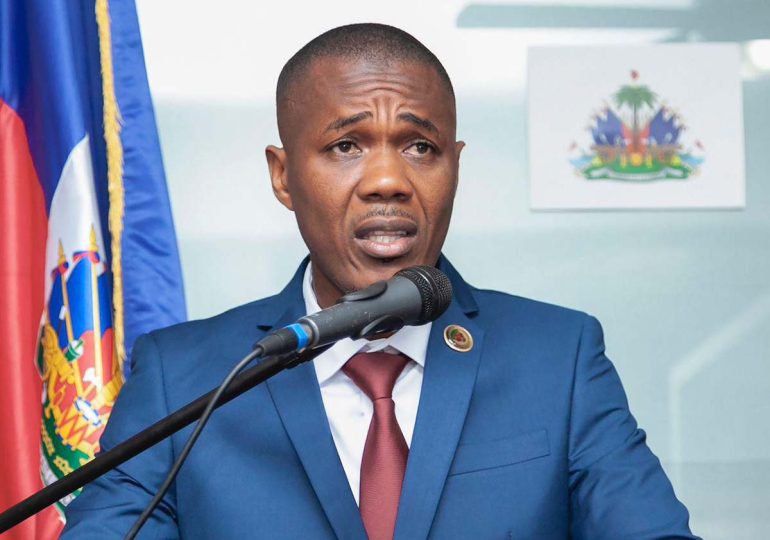
Stephen Junior Cherenfant appointed as Haiti’s new consul in Santiago
Santiago de los Caballeros – In a strategic move to enhance diplomatic relations and consular services, the Haitian Ministry of Foreign Affairs has named Stephen Junior Cherenfant as the new consul at the Haitian consulate in Santiago de los Caballeros. Cherenfant, who completed a significant portion of his higher education in Santiago, possesses a deep understanding of the cultural and social intricacies of both Haitian and Dominican communities in the Cibao region. His appointment is seen as a step toward fostering stronger bilateral ties and addressing shared challenges. Cherenfant has pledged to prioritize personalized, efficient, and compassionate consular services. His primary objectives include safeguarding the dignity of Haitians, promoting unity within the community, and engaging in constructive dialogue with local authorities to develop collaborative solutions. This appointment underscores Haiti’s commitment to improving the welfare of its citizens abroad and strengthening its diplomatic presence in the Dominican Republic.
-

OPINION: UWP free education at SALCC proposal: questions to be answered (Part II)
The United Workers Party (UWP) in Saint Lucia has recently announced a policy proposal for free education at the Sir Arthur Lewis Community College (SALCC), sparking both support and skepticism. While the initiative is not aimed at university-level education, it has raised significant questions about its feasibility, implementation, and alignment with the party’s previous stances. This policy, juxtaposed with the Saint Lucia Labour Party’s ‘One University Per Household’ initiative, demands thorough scrutiny from a public policy perspective.
-
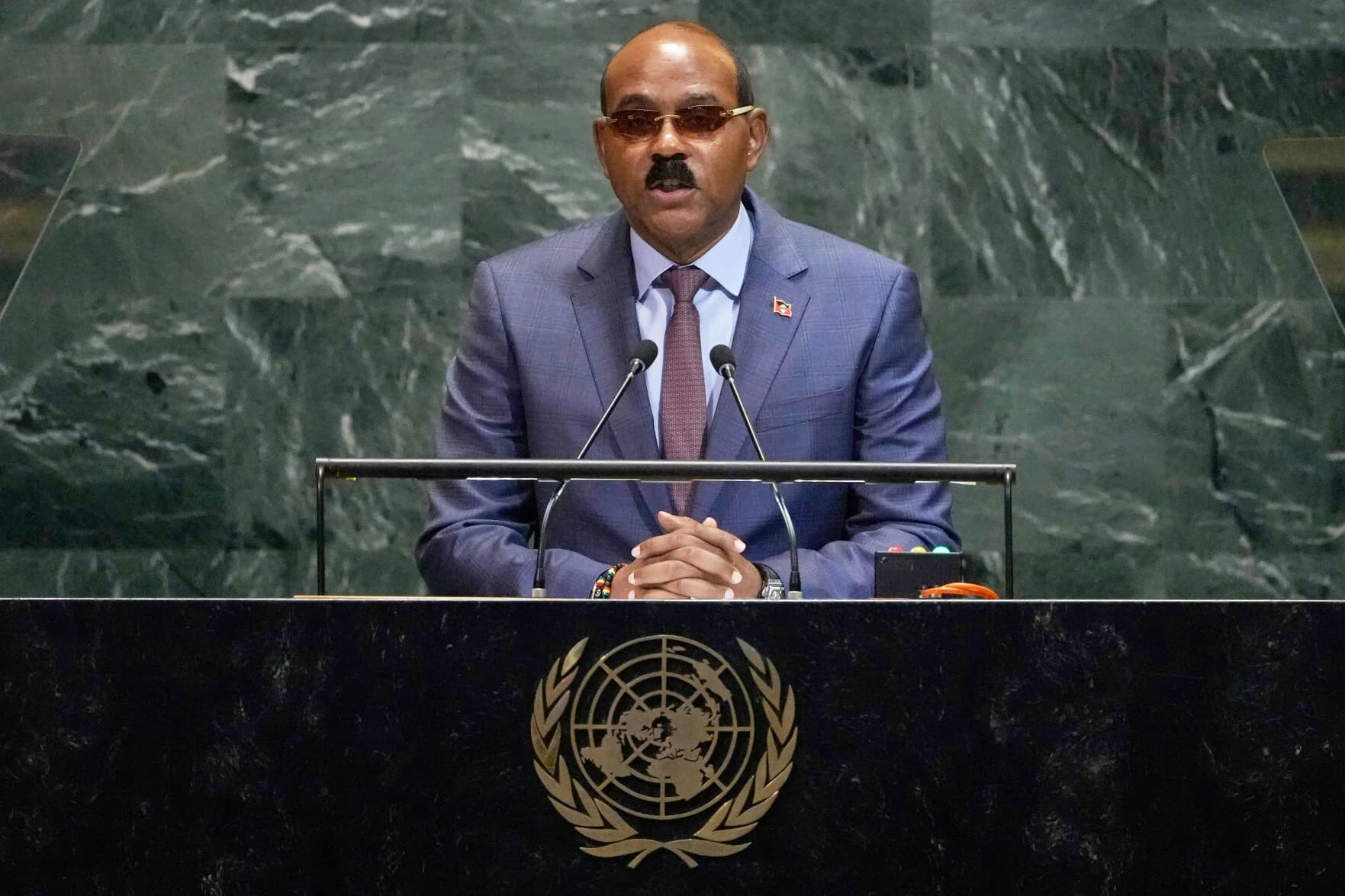
Antigua PM wants fight against drug trafficking in the Caribbean to be based on law and order
In a comprehensive address at the 80th session of the United Nations General Assembly (UNGA), Antigua and Barbuda Prime Minister Gaston Browne emphasized the critical need for regional cooperation and adherence to international law in combating drug trafficking in the Caribbean. Browne highlighted the importance of legal frameworks and rules of engagement to minimize risks to life and respect sovereignty, particularly in light of recent lethal incidents off the coast of Venezuela. He expressed concern over the militarization of the region, including the deployment of a nuclear submarine by the United States, and urged that the hemisphere remain a zone of peace rather than a theater of military conflict. Browne also addressed the ongoing economic embargo against Cuba, calling for normalized relations and the removal of Cuba from the U.S. list of state sponsors of terrorism. He stressed the need for sustained international attention and support for Haiti, advocating for a unified, Haitian-led plan to address the country’s crisis. Additionally, Browne underscored the urgent need for global action on climate change, particularly for small island states, and called for fair financing mechanisms to support adaptation and resilience efforts. He concluded by advocating for the protection of marine ecosystems and a moratorium on seabed mining until its environmental impact is fully understood.
-
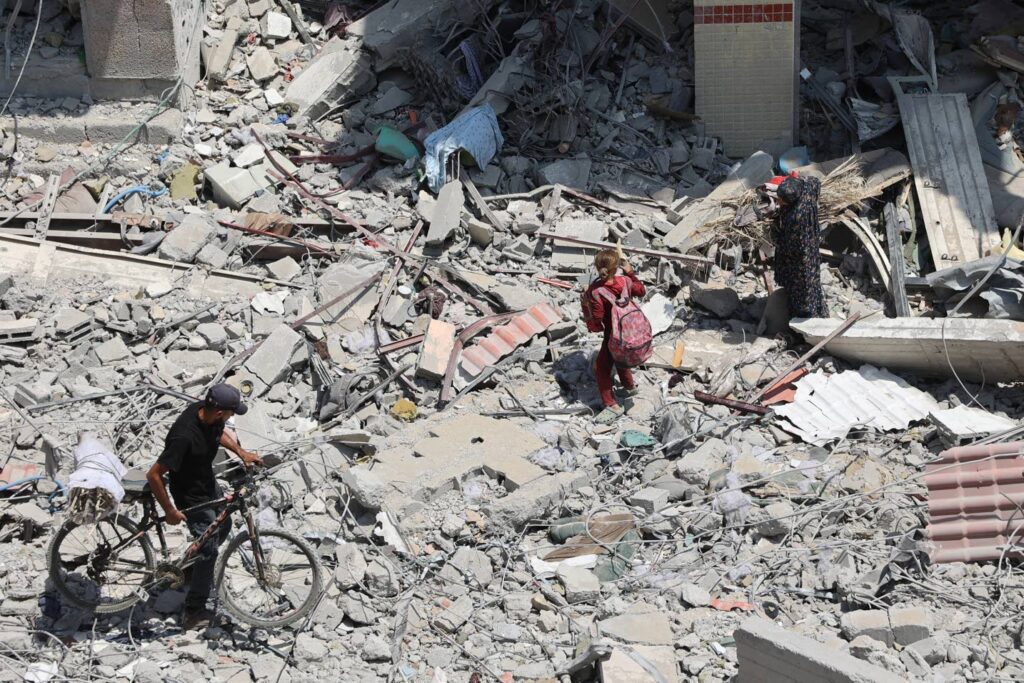
Muslim states join European powers in backing Trump Gaza plan
DOHA, Qatar — In a significant development, several Muslim-majority nations have expressed their support for U.S. President Donald Trump’s proposal to end the ongoing conflict in Gaza. The plan, which has also garnered backing from key European allies, aims to bring an immediate halt to the devastating war. However, some Palestinian factions and residents of Gaza have dismissed the initiative as a “farce” and a ploy to secure the release of hostages without addressing the root causes of the conflict.
-
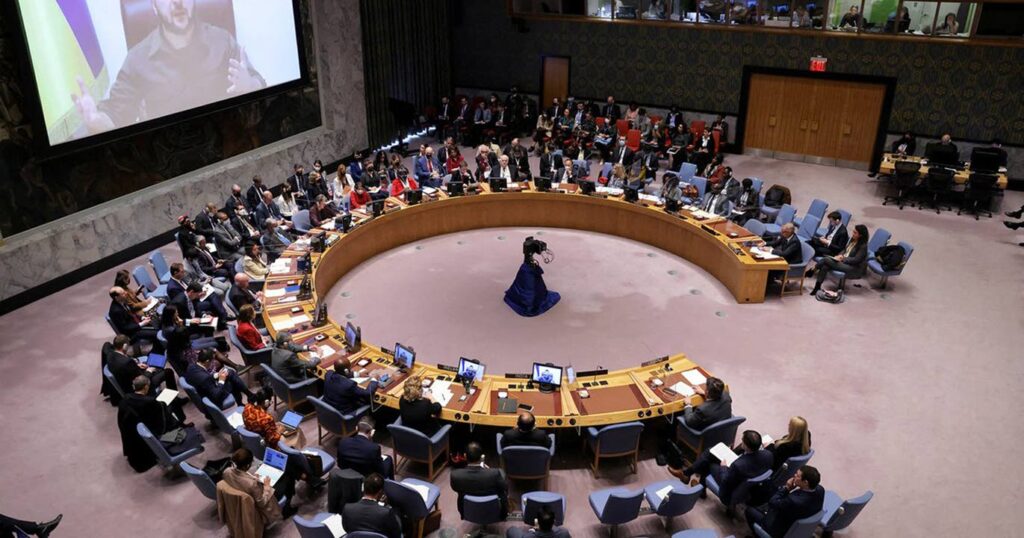
UN Security Council to vote on future of foreign Haiti force
The United Nations Security Council is set to vote on Tuesday on a pivotal proposal to transform the current UN-backed security mission in Haiti into a robust, full-scale force. This initiative aims to address the escalating gang violence that has plunged the Caribbean nation into chaos. Currently, the Multinational Security Mission (MSS) comprises 1,000 police officers, predominantly from Kenya, who are assisting the overwhelmed Haitian police force. However, the mission, established in 2023, has yielded inconsistent results. Laurent Saint-Cyr, head of the Haitian Transitional Presidential Council, recently highlighted the dire situation at a UN diplomatic gathering, describing Haiti as a ‘country at war’ and a ‘human tragedy on America’s doorstep.’ He emphasized the urgent need for international intervention, citing the displacement of over a million people and the destruction of entire neighborhoods. The proposed expansion, spearheaded by the United States and Panama, would increase the force to a maximum of 5,500 personnel, including both police and military units, for an initial one-year period. Kenya’s President William Ruto expressed confidence that with adequate resources and logistics, Haiti’s security could be restored. The plan also includes establishing a UN support office to provide logistical and financial backing. US Deputy Secretary of State Christopher Landau underscored the mission’s mandate to proactively target gangs and restore stability. However, the resolution faces potential opposition, with China and Russia expressing skepticism about the mission’s effectiveness without political reforms in Haiti. Both countries abstained from the initial vote, and their positions remain uncertain ahead of Tuesday’s decision. Haiti, the poorest nation in the Americas, has been plagued by violent gangs, political instability, and a lack of elections since 2016. The situation deteriorated further in early 2024 when gangs forced Prime Minister Ariel Henry to resign, leaving the country under the leadership of a Transitional Presidential Council.