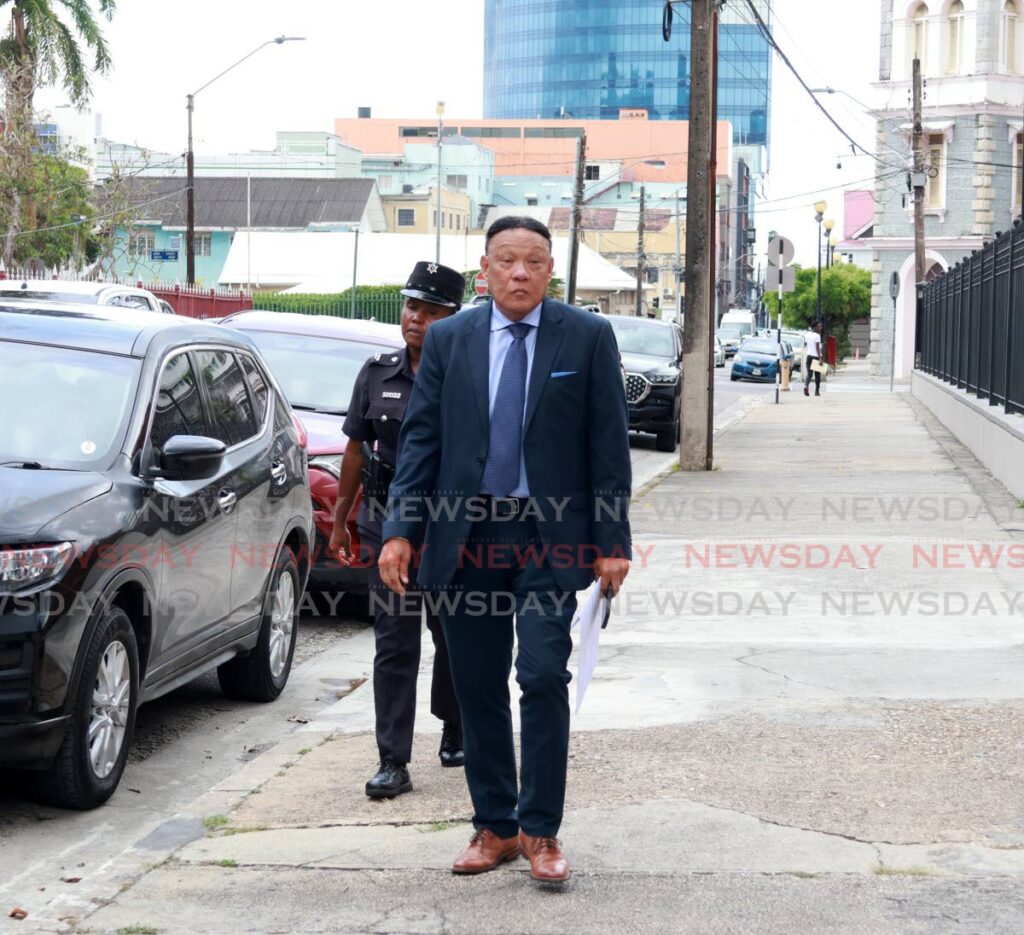
Recent developments surrounding Housing Minister David Lee have ignited a heated public debate, with many calling for his immediate dismissal following the re-filing of charges against him. However, these demands have been met with strong opposition from those who argue that such actions undermine the fundamental principles of justice and democracy. Political analyst Professor Hamid Ghany has emphasized that the circumstances of this case are distinct from others, noting that the charges were previously dismissed, suggesting a lack of substantial evidence. He posits that these charges may once again fail under legal scrutiny. The core issue at hand transcends Lee’s political career, touching upon the foundational democratic principle of ‘innocent until proven guilty.’ Prime Minister Kamla Persad-Bissessar has reiterated her confidence in the judicial system, urging the nation to respect the rule of law and due process. This stance highlights the necessity of maintaining fairness and integrity in the face of media trials and political witch-hunts, which threaten to erode the very fabric of democratic institutions.
分类: politics
-
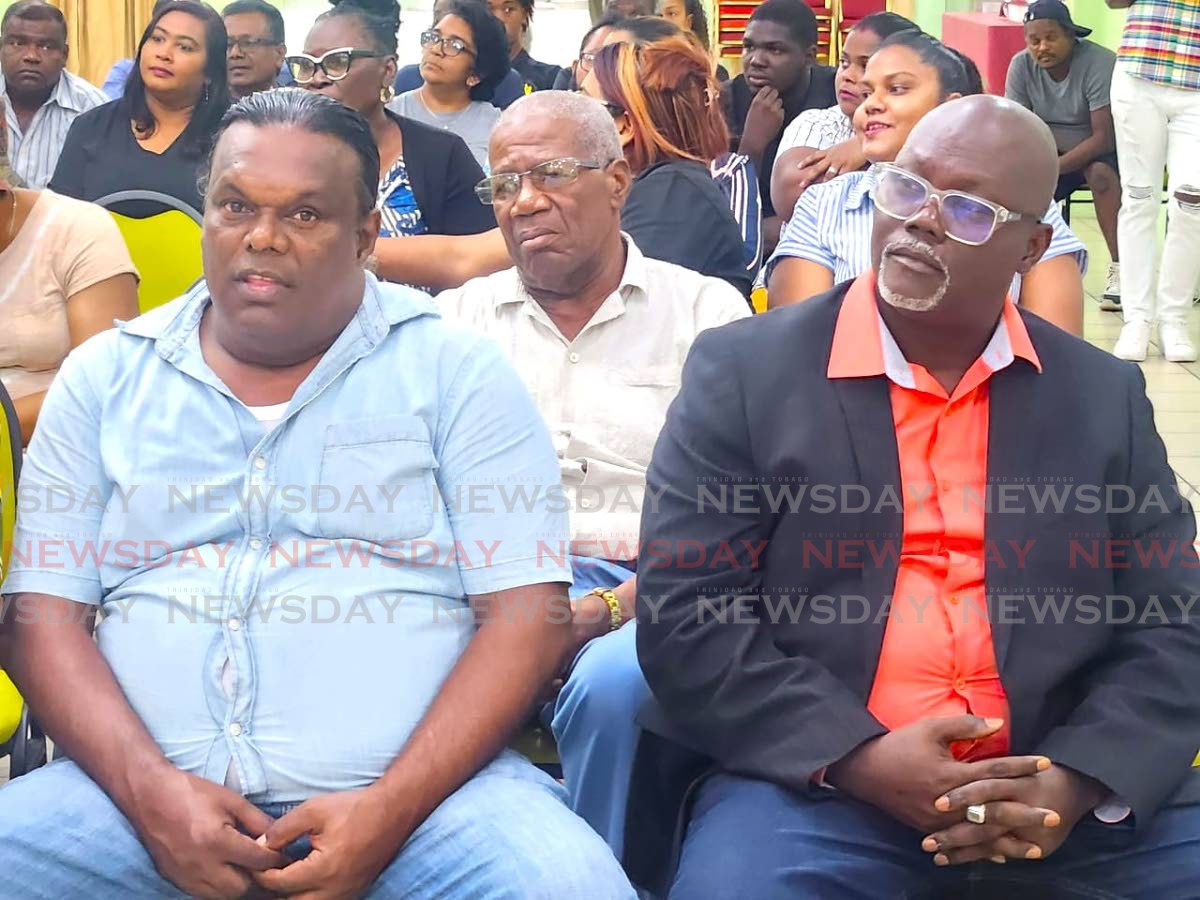
Ex-Point Fortin mayor: Divided TT must unite on stand-your-ground law
Former Point Fortin Mayor Abdon Mason has issued a compelling call for all 41 Members of Parliament (MPs) in Trinidad and Tobago to set aside partisan differences and collaborate on the proposed stand-your-ground legislation. Speaking at a public consultation held at the Point Fortin Borough Corporation on October 7, Mason emphasized the importance of prioritizing national interests over political affiliations. While he expressed gratitude to Point Fortin MP Ernesto Kesar for organizing the session, Mason refrained from outright endorsing the bill, stating, ‘I would support any legislation which aims to protect the citizens of Trinidad and Tobago.’ Mason highlighted the nation’s growing divide between ‘the fearless and the fearful,’ placing himself in the latter category as a father concerned for his children’s safety. He also lamented the polarization between political factions and ethnic groups, urging unity and mutual respect. Recalling a dramatic demonstration by Minister of National Security Roger Alexander, Mason underscored the urgency of addressing home invasion fears. He appealed to MPs to transcend political noise and focus on the legislation’s potential benefits for the population, emphasizing the need for progress beyond electoral disappointments. Mason concluded, ‘Let us leave the pettiness aside and look at the true value of the legislation and its benefit to the population.’
-
Overnight military shake-up
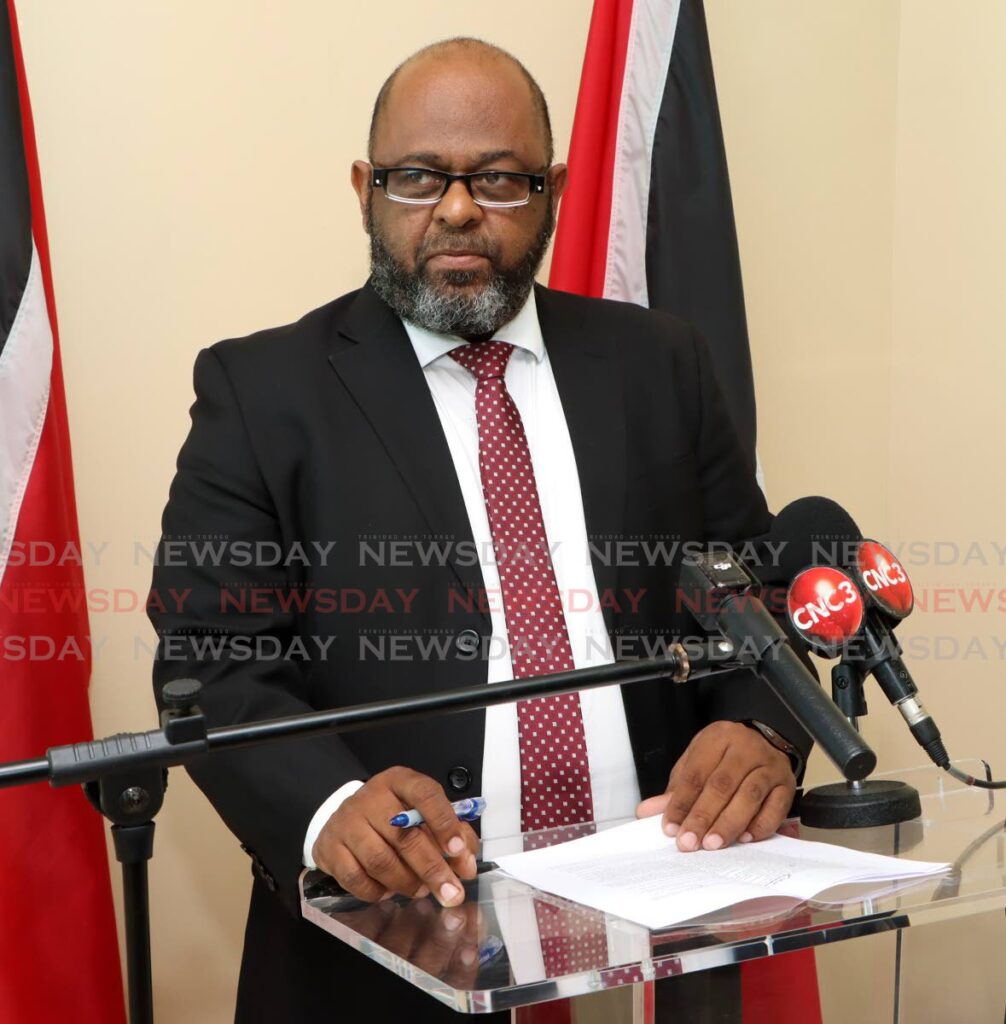
A significant restructuring within the military leadership has unfolded, raising questions about the transparency and timing of the changes. Defence Minister Wayne Sturge had previously signaled impending reforms in September, criticizing the deteriorating conditions of military bases, the poor state of soldiers’ uniforms, and disparities between senior officers and rank-and-file personnel. He vowed to address these issues “in the coming weeks.”
However, the abrupt dismissal of Air Vice Marshal Darryl Daniel and the appointment of Captain Don Polo as the new Chief of Defence Staff on October 7 has drawn scrutiny. The ministry’s press release stated that the changes were made “after lengthy deliberations and mature consideration,” yet the suddenness of the decision contrasts with this claim. The outgoing leader’s tenure was expected to last another six months, adding to the confusion.
The appointment process itself has raised eyebrows. While Section 191 of the Defence Act governs the selection of the Chief of Defence Staff, the ministry referenced Section 12, which pertains to promotions. This suggests that Capt Polo may have been elevated to a higher rank, such as commodore, to assume the role. The move follows an earlier, unexplained leadership shake-up in August, which was reversed within 24 hours of being announced.
Despite the controversy, the installation of a new Chief of Defence Staff marks a decisive step in reshaping the Defence Council, which oversees military command and administration. The council includes the Defence Minister, the Chief of Defence Staff, and the Permanent Secretary of the line ministry, with a new Permanent Secretary appointed in June.
The Chief of Defence Staff plays a pivotal role in leading the Defence Force, one of the largest in the English-speaking Caribbean. The force is tasked with safeguarding national sovereignty, supporting regional objectives, and responding to disasters—a mission increasingly critical amid the climate crisis. However, the leadership change occurs against a backdrop of heightened tensions, including a state of emergency triggered by the disappearance of 28,000 rounds of ammunition and escalating US-Venezuela relations.
-
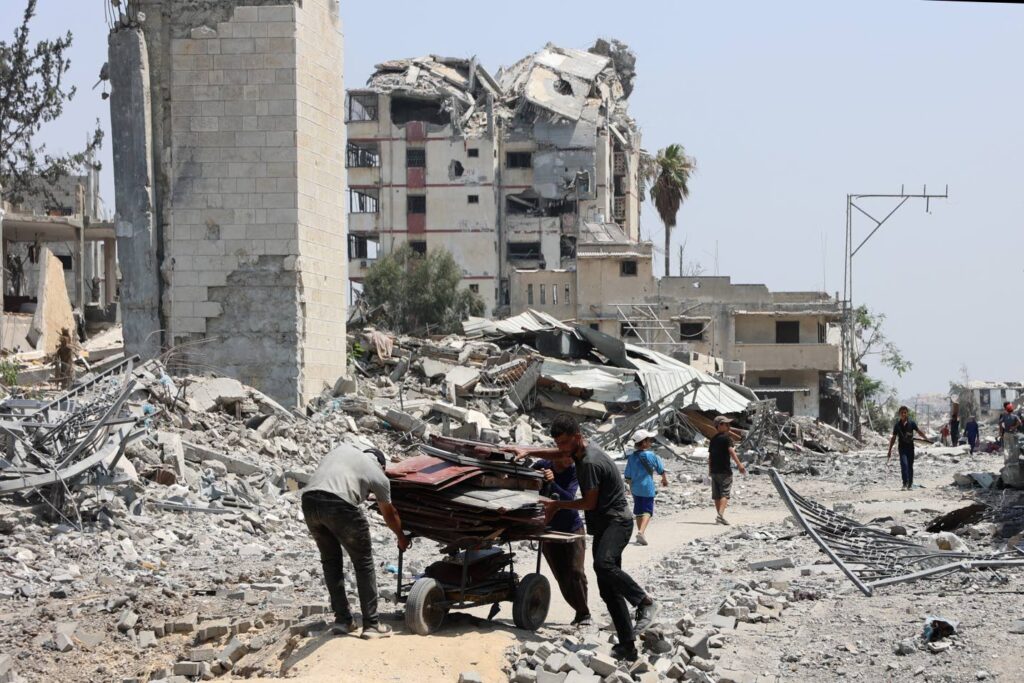
Israel ceases fire and Gazans start to trek home
In a significant development, Israel announced a ceasefire in Gaza on Friday, initiating the withdrawal of its troops after two years of intense conflict. The truce, brokered by U.S. President Donald Trump, aims to facilitate the release of remaining Israeli hostages held in the Palestinian territory. The Israeli military confirmed the cessation of hostilities at noon (0900 GMT), marking the first step toward implementing the ceasefire agreement. Shortly after, the U.S. Pentagon announced that Israel had completed the initial phase of its troop pullback, as outlined in Trump’s peace plan. Despite the withdrawal, Israeli forces still control approximately 53% of Gaza. The ceasefire sets a 72-hour deadline for Hamas to release the hostages, while Israel has published a list of 250 Palestinian prisoners it plans to free, alongside 1,700 Gazans detained since the conflict escalated in October 2023. As the truce took effect, thousands of displaced Palestinians began returning to their devastated homes, many of which lie in ruins after years of bombardment. The EU mission at the Rafah border crossing announced plans to reopen a pedestrian route on October 14, further easing the humanitarian crisis. Under the agreement, Hamas is expected to hand over 47 hostages—both living and deceased—from the 251 abducted two years ago, along with the remains of another hostage held since 2014. While celebrations erupted in Israel and Gaza, unresolved issues, including Hamas’s disarmament and the proposed transitional authority for Gaza, remain contentious. Senior Hamas official Osama Hamdan rejected the transitional authority, emphasizing the group’s resistance to external governance. Meanwhile, Trump indicated that Hamas’s disarmament would be addressed in the second phase of the peace plan. As Israeli troops withdrew from key areas like Tel al-Hawa and Al-Shati camps in Gaza City, residents expressed a mix of joy and grief. Areej Abu Saadaeh, a mother who lost two children in the conflict, reflected the bittersweet sentiment: ‘I’m happy about the truce and peace, even though I grieve deeply for my children. Yet, returning to our homes brings joy.’
-
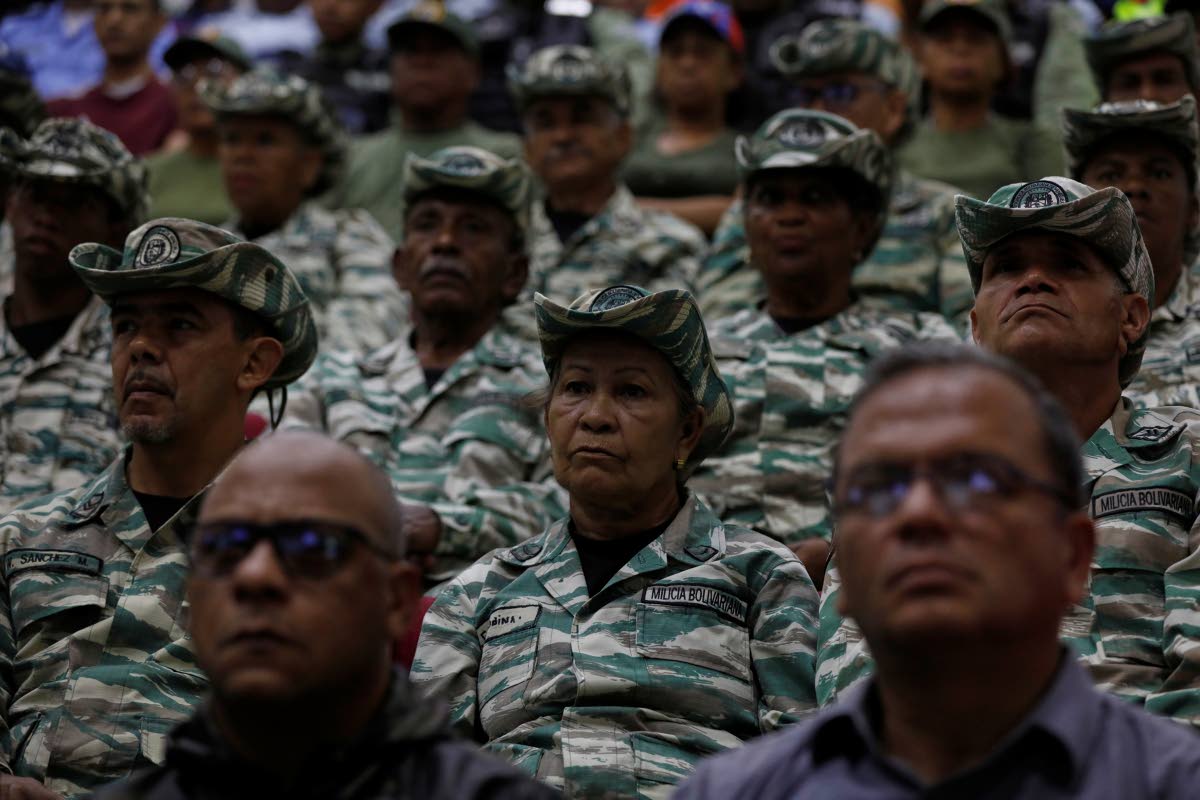
US media: Trump calls off diplomacy to Venezuela
In a significant escalation of tensions between the United States and Venezuela, President Donald Trump has decided to halt all diplomatic outreach efforts toward Caracas. This decision comes amidst a backdrop of heightened military activity in the Southern Caribbean, including the sinking of four alleged “drug boats” by US forces off the Venezuelan coast. The New York Times reported on October 6 that Trump’s move could pave the way for potential military escalation against the Venezuelan government led by Nicolás Maduro or drug traffickers operating in the region. Special presidential envoy Richard Grenell, who had been leading negotiations with Maduro and other Venezuelan officials, was ordered to cease all diplomatic engagements. According to the report, Trump’s frustration stems from Maduro’s refusal to relinquish power voluntarily and Venezuela’s persistent denial of involvement in drug trafficking. The Trump administration has reportedly drafted multiple military plans, including one aimed at forcing Maduro from power. US Secretary of State Marco Rubio has labeled Maduro an “illegitimate” leader and a “fugitive from American justice,” referencing a US indictment on drug trafficking charges and a $50 million bounty on Maduro’s head. Grenell’s negotiations, which aimed to avoid a larger conflict and secure US access to Venezuelan oil, were deemed unproductive by Rubio and his allies. The US military has claimed its recent strikes on “drug boats” occurred in international waters, but concerns persist within the Trump administration that further military action could entangle the US in a prolonged conflict. Meanwhile, the US Southern Command and the 22nd Marine Expeditionary Unit have been conducting extensive military exercises in the Caribbean, showcasing aerial insert operations and live-fire training. On the Venezuelan side, President Maduro announced the activation of defense plans in two northern regions, signaling heightened alertness amid the escalating tensions.
-
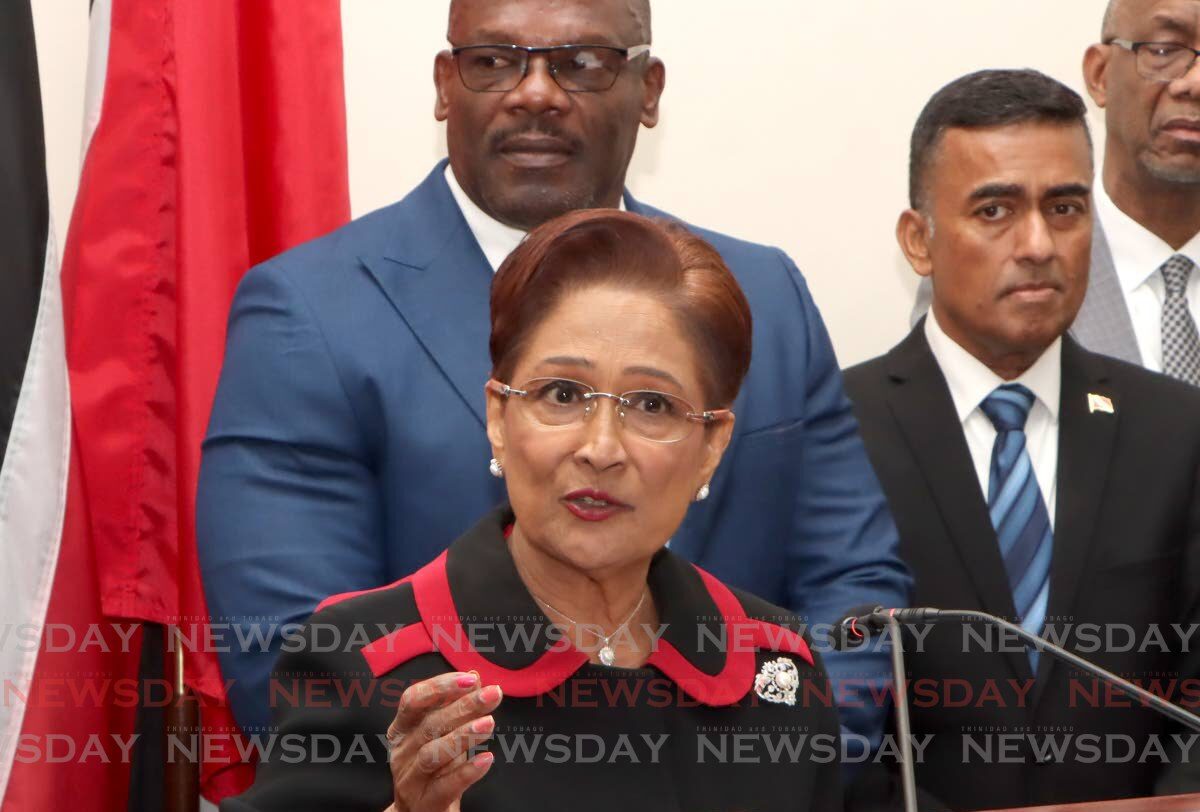
NACTA tells government: Public expects budget ‘goodies’
The upcoming presentation of the 2025/2026 budget in the House of Representatives on October 13 is poised to be a pivotal moment for Prime Minister Kamla Persad-Bissessar, as indicated by a recent survey conducted by the North American Caribbean Teachers Association (NACTA). Released on October 10, the survey highlights that since the general election on April 28, Persad-Bissessar and her United National Congress (UNC) party have been riding a wave of overwhelming public support, enjoying what NACTA describes as an extended political honeymoon. The Prime Minister has faced minimal criticism from both the public and the media during this period. However, the survey notes that all eyes are now on the budget, which many hope will inject vitality into the stagnant economy and deliver significant benefits. The recent cabinet reorganisation on October 4, which involved reassigning roles rather than a full reshuffle, has also garnered widespread approval. Voters have embraced Persad-Bissessar’s rationale that these changes aim to make the government more people-centred, efficient, transparent, and accountable. Additionally, her alignment with the Donald Trump administration’s stance against drug cartels has further bolstered her image as a strong and compassionate leader. The survey also highlighted the public’s support for several government ministers, with Barry Padarath, Minister in the Office of the Prime Minister and Public Utilities Minister, receiving particular acclaim for his assertive and effective leadership. Other ministers, including Davendranath Tancoo, Saddam Hosein, and Jearlean John, were also recognized for their commendable performances since the election.
-
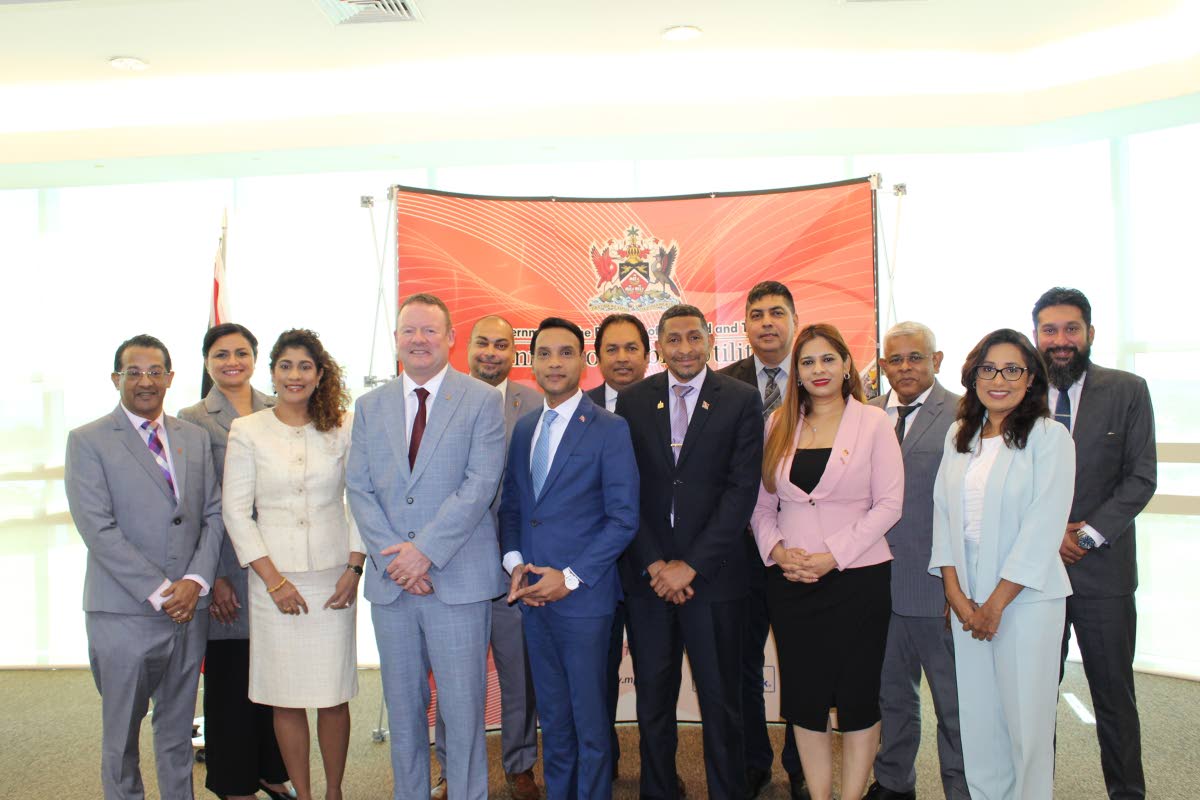
Padarath meets with PowerGen executive
In a significant move to streamline the nation’s energy sector, Public Utilities Minister Barry Padarath convened a pivotal meeting with the executive team of the Power Generation Company (PowerGen) on October 9. The gathering, held at the ministry’s head office in Port of Spain, marked a new chapter in the governance of Trinidad and Tobago’s power generation framework. This meeting followed a recent Cabinet reshuffle, as detailed in an October 4 gazetted notice, which transferred the oversight of PowerGen, Trinidad Generation Unlimited, and Powergen from the Ministry of Energy and Energy Industries to the Public Utilities Ministry. The transition was previously under the stewardship of Dr. Roodal Moonilal, the former Minister of Energy and Energy Industries. Joining Minister Padarath were Clyde Elder, Minister in the Public Utilities Ministry, and Shivanna Sam, Parliamentary Secretary in the same ministry. The discussions centered on enhancing the operational efficiency of PowerGen and reviewing existing Power Purchase Agreements (PPAs). Minister Padarath expressed optimism about the realignment, emphasizing its potential to foster greater synergy between electricity generation and distribution across the nation. PowerGen, established in 1994 as a subsidiary of the TT Electricity Commission (T&TEC), manages key power stations in Port of Spain, Point Lisas, and Penal. Despite several divestment initiatives, T&TEC retains a 51% stake in PowerGen. Padarath reiterated the ministry’s dedication to ensuring the reliability, transparency, and sustainability of the country’s power generation infrastructure, vowing to take a proactive approach to addressing sectoral challenges. In addition to his public utilities portfolio, Padarath, who represents Couva South in Parliament, also serves as a Minister in the Office of the Prime Minister. Reflecting on the Cabinet reshuffle, Padarath highlighted the urgent need to revisit the PPAs, which he claimed had been neglected by the previous administration. He underscored the government’s commitment to making these agreements more commercially viable and exploring new investment opportunities, in consultation with all stakeholders, as part of a long-term strategy for the energy sector.
-
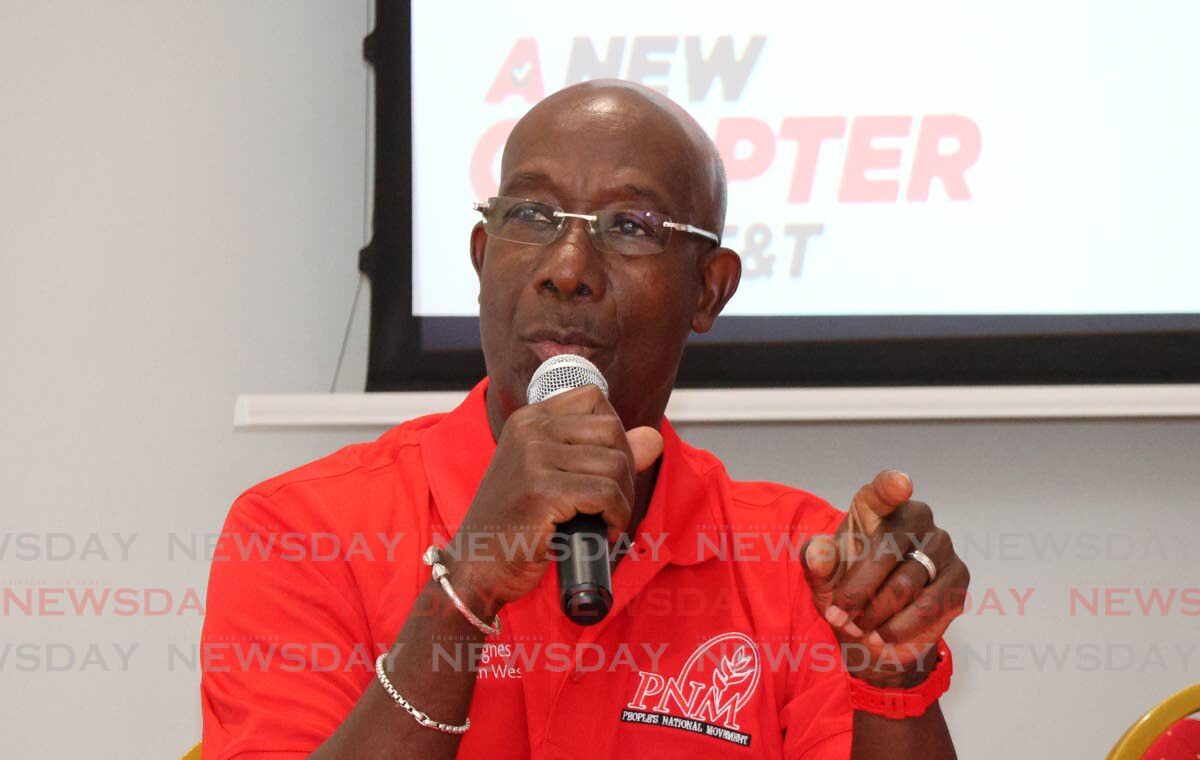
Rowley challenges government on OFAC licence details
Former Prime Minister Dr. Keith Rowley has called on the current government to disclose the specifics of the six-month OFAC (Office of Foreign Assets Control) licence granted by the United States to facilitate negotiations for a Dragon gas deal with Venezuela. Speaking at a press conference on October 10, Rowley emphasized that withholding such details could pose significant risks to Trinidad and Tobago, potentially endangering the nation’s future generations. The licence, announced by Attorney General John Jeremie on October 9, permits Trinidad and Tobago, along with entities like NGC, Shell PLC, and Futura Clara Ltd, to engage in transactions with Venezuela’s state-owned energy company, PDVSA. Jeremie highlighted that the current arrangement differs from the previous PNM administration’s approach, which involved licensing the entire project. Instead, the new ‘tiered approach’ grants a licence valid until April 2026, secured at a cost of less than $500,000—a stark contrast to the PNM’s $120 million expenditure with no tangible results. Rowley criticized the government’s indirect communication with Venezuela, attributing potential failures in negotiations to the administration’s alleged mismanagement since 2016.
-
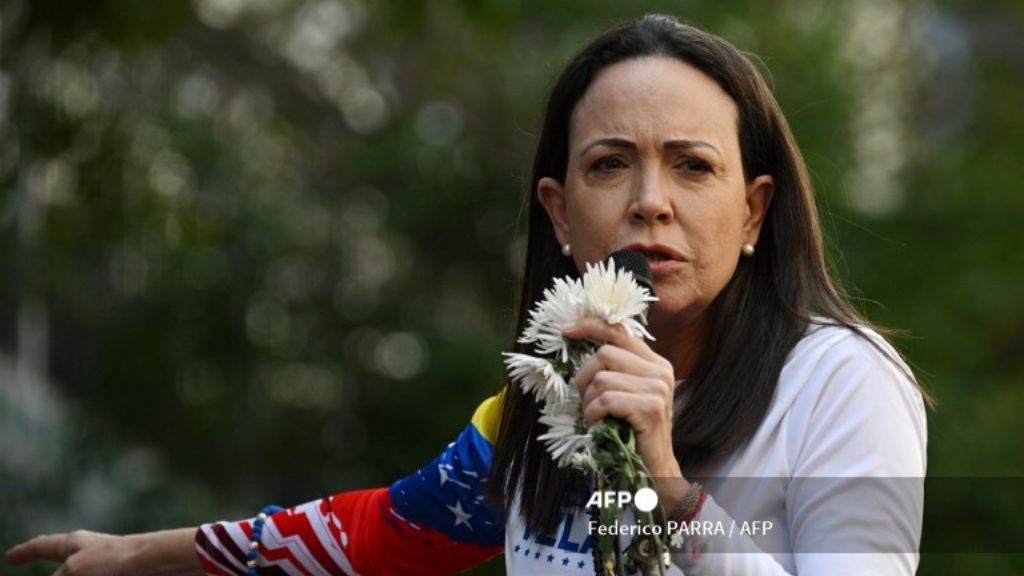
White House says Nobel Trump omission was ‘politics over peace’
The White House has strongly criticized the Norwegian Nobel Committee following its decision to award the 2024 Peace Prize to Venezuelan opposition leader Maria Corina Machado, bypassing U.S. President Donald Trump. Steven Cheung, the White House Director of Communications, expressed his disapproval on social media platform X, stating, ‘The Nobel Committee has demonstrated that they prioritize politics over peace.’ Cheung further praised Trump, asserting that the President would continue his efforts to broker peace agreements, end conflicts, and save lives, describing him as a humanitarian with unparalleled determination. Since his re-election in January, Trump has repeatedly claimed he deserved the Nobel Peace Prize for his role in resolving multiple global conflicts, a claim many experts have dismissed as exaggerated. On the eve of the prize announcement, Trump highlighted his recent involvement in brokering a ceasefire in Gaza, which he described as the eighth war he had ended. Despite his assertions, Trump downplayed the significance of the award, stating, ‘Whatever they do is fine. I know this: I didn’t do it for that, I did it because I’ve saved a lot of lives.’ Nobel Prize experts in Oslo had previously indicated that Trump’s ‘America First’ policies were inconsistent with the ideals of the Peace Prize, as outlined in Alfred Nobel’s 1895 will.
-
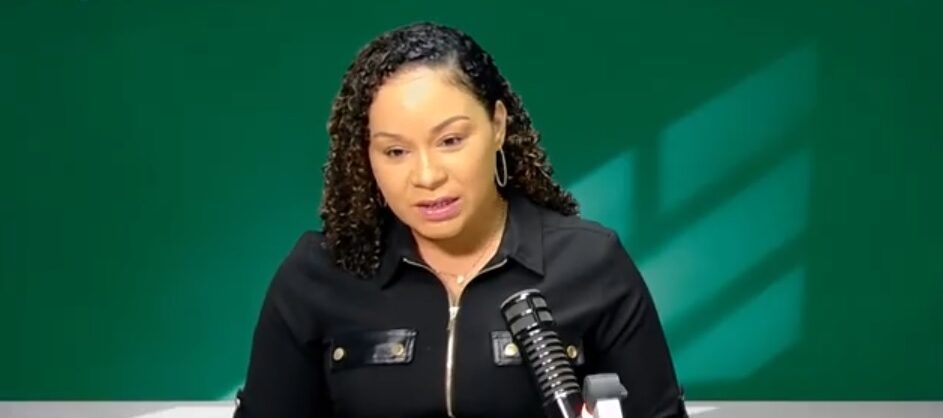
Roseau Enhancement Project: ‘Alive and moving’, more info coming, says Poponne-Skerrit
Melissa Poponne-Skerrit, the Parliamentary Representative for the Roseau Central Constituency, has reaffirmed the ongoing progress of the Roseau Enhancement Project, emphasizing transparency and stakeholder involvement. Speaking on the ‘Focus on Government and Development’ program aired on DBS Radio, Poponne-Skerrit assured the public that the project is advancing steadily, with technical aspects nearing completion. Key steps, such as appointing a project manager, finalizing tender agreements, and sorting contracts, are being meticulously addressed before physical work commences.
Poponne-Skerrit highlighted the importance of engaging stakeholders, particularly vendors, residents, and business owners along Great George Street, the first area slated for transformation. She plans to discuss temporary relocations, construction timelines, traffic diversions, and other logistical details to minimize disruptions. The project aims to modernize Roseau, making it resilient, wheelchair accessible, and aesthetically pleasing. Additionally, initiatives like the ‘Paint the Town’ program will enhance buildings alongside infrastructure improvements.
Prime Minister Roosevelt Skerrit recently addressed delays in setting up the project information unit and staffing decisions during a press conference. He confirmed that negotiations with a supervisory firm are ongoing, with a contract expected by the end of October. Once approved, the project will proceed to the tender phase. Skerrit clarified that the $40 million loan from the Saudi Fund remains in Saudi Arabia, with disbursements scheduled in phases upon contract signing and certification of completed work.