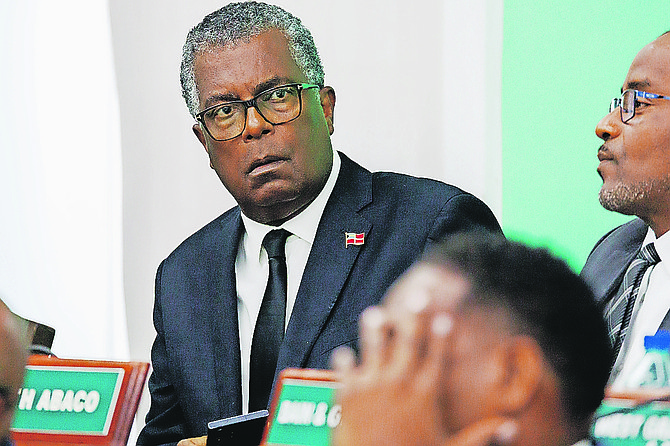
The Bahamas is contemplating abstaining from the International Maritime Organization’s (IMO) pivotal vote on the proposed Net Zero Framework, following threats of retaliation from the United States. Foreign Affairs Minister Fred Mitchell revealed that the Bahamian government has formally requested the IMO to postpone the vote, signaling that the nation may withhold its support if the vote proceeds as scheduled. This decision comes in response to a stern warning from the Trump administration, communicated via the US Department of State, which outlined five retaliatory measures against countries endorsing the framework. The US has criticized the plan, claiming it imposes ‘unduly or unfairly burdens’ on American citizens and could harm the nation’s shipping and commercial interests by enforcing stricter emissions standards. As one of the world’s largest ship registries and a longstanding IMO member, The Bahamas holds significant sway in global maritime regulation. The IMO’s Net Zero Framework aims to reduce greenhouse gas emissions from international shipping, targeting carbon neutrality by 2050. While proponents argue the framework is essential for achieving global climate goals, opponents, particularly US conservatives, contend it could escalate shipping costs and disadvantage maritime economies dependent on fossil fuel transport.
分类: politics
-
Candidates, contributors campaign financing submissions due Wednesday
KINGSTON, Jamaica – The Electoral Commission of Jamaica (ECJ) has issued a reminder to all candidates who participated in the September 3, 2025, General Election, emphasizing that the deadline for submitting their election expense reports is Wednesday. According to the Representation of the People Act (ROPA), candidates or their official agents are legally obligated to file the Return of Election Expenses within six weeks following Election Day. The submission must be made using the prescribed Form 22, and the law caps election spending at a maximum of $15 million per candidate. Additionally, contributors to election campaigns are also mandated to provide their legally required declarations by the same deadline. These documents must be submitted to the returning officer of the respective constituency or directly to the Director of Elections at 43 Duke Street, Kingston, addressed to the Legal Affairs and Compliance Department. Once the submissions are received, the ECJ will compile and publish a summary of the declarations provided by the candidates.
-

Businessman charged for allegedly obstructing election officer
KINGSTON, Jamaica — A prominent businessman from St Mary has been formally charged following a controversial incident during the recent general election in the St Mary South Eastern constituency. Leon Campbell, 47, also known as “Poogie,” residing at Addison Close, Gibraltar Housing Scheme, faces allegations of using a computer for malicious communication and obstructing an election officer, violations under the Representation of the People Act. The incident occurred on September 4 at a primary school serving as a polling station.
-
Trump considering strikes on land against Venezuela cartels
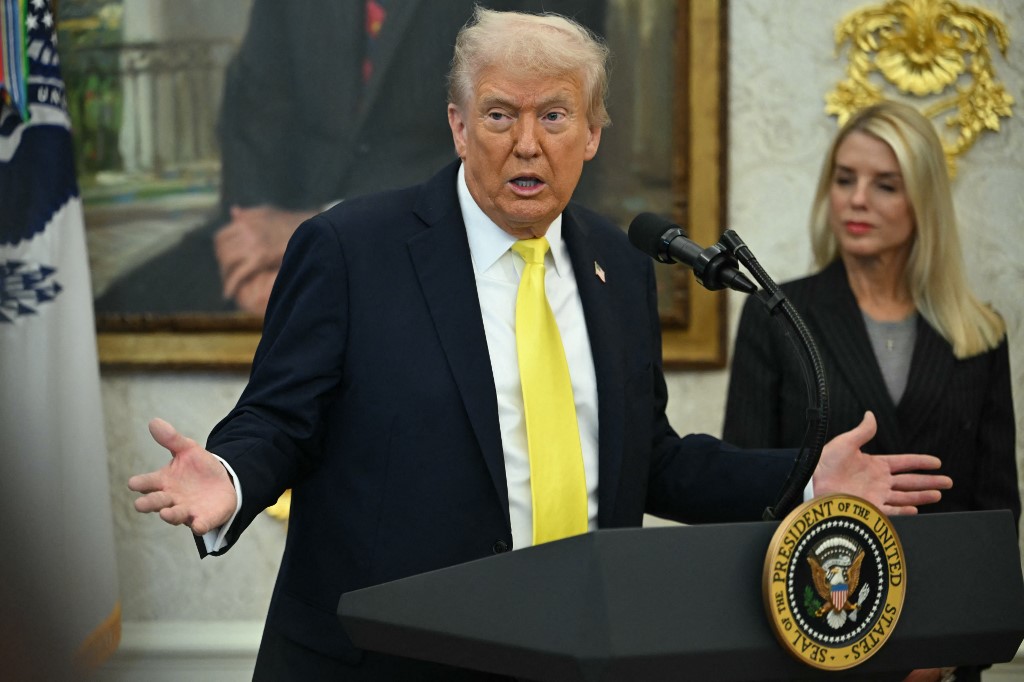
WASHINGTON, United States—President Donald Trump announced on Wednesday that the United States is evaluating the possibility of launching land-based strikes against Venezuelan cartels, following a series of deadly maritime operations targeting alleged drug-trafficking vessels. Speaking to reporters in the Oval Office, Trump emphasized that while maritime operations are under control, land strikes are now under consideration. However, he refrained from confirming a New York Times report suggesting he had secretly authorized the CIA to conduct covert actions in Venezuela against President Nicolas Maduro’s administration. When questioned about authorizing the CIA to target Maduro, Trump dismissed the inquiry as ‘ridiculous’ to answer. The announcement comes after Trump revealed that a recent strike on suspected drug-carrying boats resulted in the deaths of six ‘narcoterrorists.’ Since the operations began, at least 27 individuals have been killed, raising concerns among experts about the legality of using lethal force in foreign or international waters without prior interception or questioning. Colombian President Gustavo Petro has also expressed concerns, stating that some of the deceased may have been Colombian nationals.
-
Israel threatens to resume fighting if Hamas does not respect Gaza truce deal
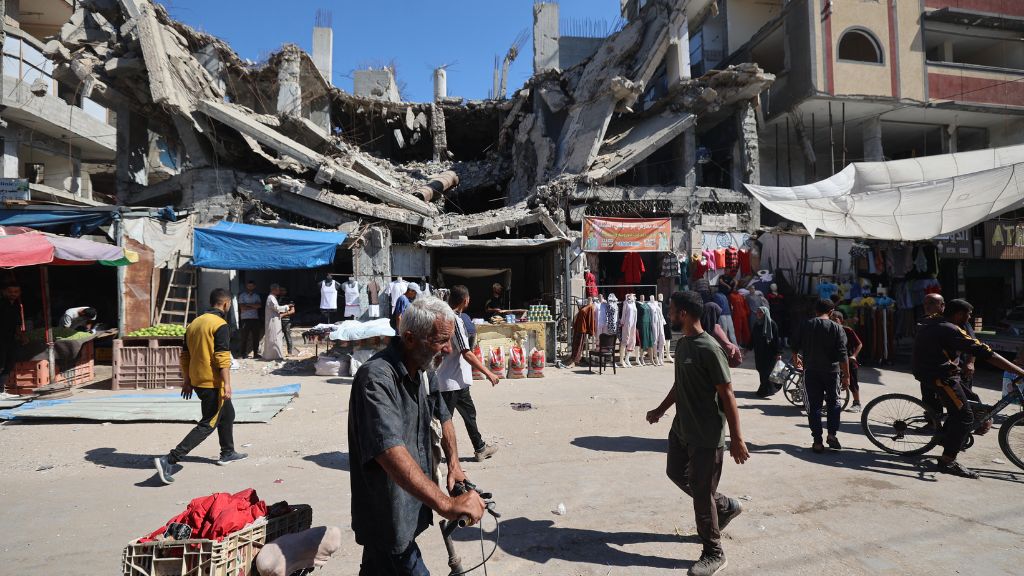
Israel’s Defence Minister Israel Katz issued a stern warning on Wednesday, threatening to resume military operations in Gaza if Hamas fails to adhere to the terms of a US-brokered ceasefire. The statement followed Hamas’s return of the remains of two deceased hostages, with the group claiming it cannot retrieve additional bodies without specialized equipment. Since the ceasefire began on Monday, Hamas has released 20 living hostages in exchange for nearly 2,000 Palestinian prisoners freed from Israeli jails. However, tensions remain high as Hamas’s armed wing, the Ezzedine Al-Qassam Brigades, stated that the two bodies returned would be the last for now, citing logistical challenges. Katz’s office emphasized that Israel, in coordination with the US, would resume fighting to achieve a total defeat of Hamas if the agreement is violated. Meanwhile, Israel transferred 45 Palestinian bodies to Gaza, bringing the total returned to 90, as part of the Trump-mediated deal. The ceasefire has also raised humanitarian concerns, with UN humanitarian chief Tom Fletcher urging Israel to open all crossings into Gaza for aid delivery. The Rafah crossing, Gaza’s sole connection to the world outside Israel, remains closed, exacerbating the humanitarian crisis. The conflict, sparked by Hamas’s October 7, 2023 attack, has left Gaza in dire straits, with famine declared by the UN in August. Israel and the US continue to insist that Hamas must have no role in Gaza’s future governance, adding another layer of complexity to the fragile ceasefire.
-
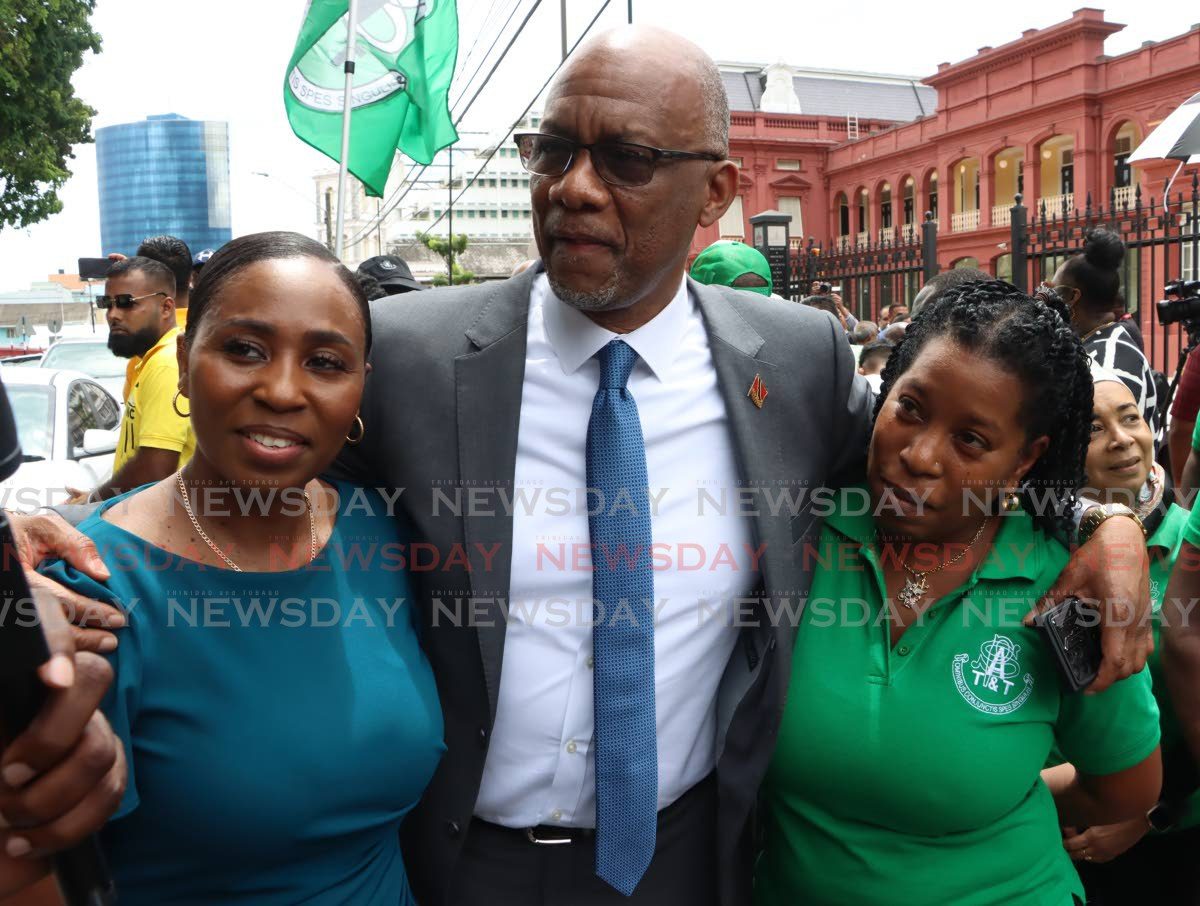
PSA head eyes 10% wage settlement by Christmas
Public Service Association (PSA) President Felisha Thomas has announced the union’s commitment to finalizing public sector wage negotiations by Christmas, ensuring workers receive long-overdue payments. Speaking at a media conference on October 14, Thomas addressed what she termed ‘misinformation from the opposition’ regarding the recent ten per cent wage offer proposed by Finance Minister Davendranath Tancoo during the October 13 budget presentation.
Thomas emphasized the PSA’s dedication to resolving the negotiations swiftly, stating, ‘We are serious about settling your negotiations. Our aim is to have your negotiation settled by Christmas so that your money will be in your pockets.’ She also criticized former Finance Ministry official Brian Manning for his public remarks, urging him to refrain from interfering in public servants’ affairs.
Thomas accused the opposition of spreading ‘lies’ and attempting to undermine the PSA’s achievements on behalf of civil servants, statutory authority workers, and the Tobago House of Assembly (THA). She referenced a May 2022 memorandum of agreement from the chief personnel officer (CPO), which outlined previous wage proposals, describing the earlier two per cent offers as ‘disrespectful’ and a catalyst for protests.
Thomas hailed the revised ten per cent offer as a turning point for public sector workers, restoring dignity to the negotiation process. She confirmed that the CPO had acknowledged the PSA’s request for a meeting and expressed optimism about commencing formal talks.
Labour Minister Leroy Baptiste praised the ten per cent offer as a victory for public workers, condemning the previous ‘unjust’ four and five per cent offers. He highlighted the government’s efforts to save jobs and improve the standard of living for working-class citizens, emphasizing its people-centred approach. Additionally, the government announced initiatives to support small and micro enterprises, including mentorship and financing for aspiring entrepreneurs.
Thomas concluded by urging public servants to rely solely on the PSA for accurate information regarding the negotiations, warning against the opposition’s attempts to ‘create mischief.’
-
Privy Council going to pot?
In a recent letter to the editor, legal expert E Galy expressed strong disapproval of the Privy Council’s decision to accept the appeal in the Jason Jones case. Galy argued that the Privy Council, as Trinidad and Tobago’s supreme judicial tribunal, was not established to alter the Constitution or existing laws. According to Galy, such authority lies solely with Parliament. The court’s role, as outlined by Galy, is to ensure that new laws conform to the Constitution and to uphold laws that have already been passed. Galy emphasized that the court is not empowered to render laws inoperable if they fall within the constitutional framework. In the case of Jason Jones, Galy pointed out that a law was suspended to allow a claimant, whose personal declarations could subject him to police investigation, an opportunity to overturn a law clearly within the constitutional remit. Galy argued that there is no provision in the Constitution or procedural law that permits the judiciary or the Privy Council to entertain such claims. The invocation of ‘changed times’ or ‘new era’ is not a recognized formula in the Constitution, nor is it the role of the Privy Council to adapt the nation to social movements or ideas from elsewhere. Galy concluded by stating that these principles are well-established in law and that any deviation from them could lead to unintended mutations in other branches of law, which is not the responsibility of the Privy Council.
-
Kamla’s budget
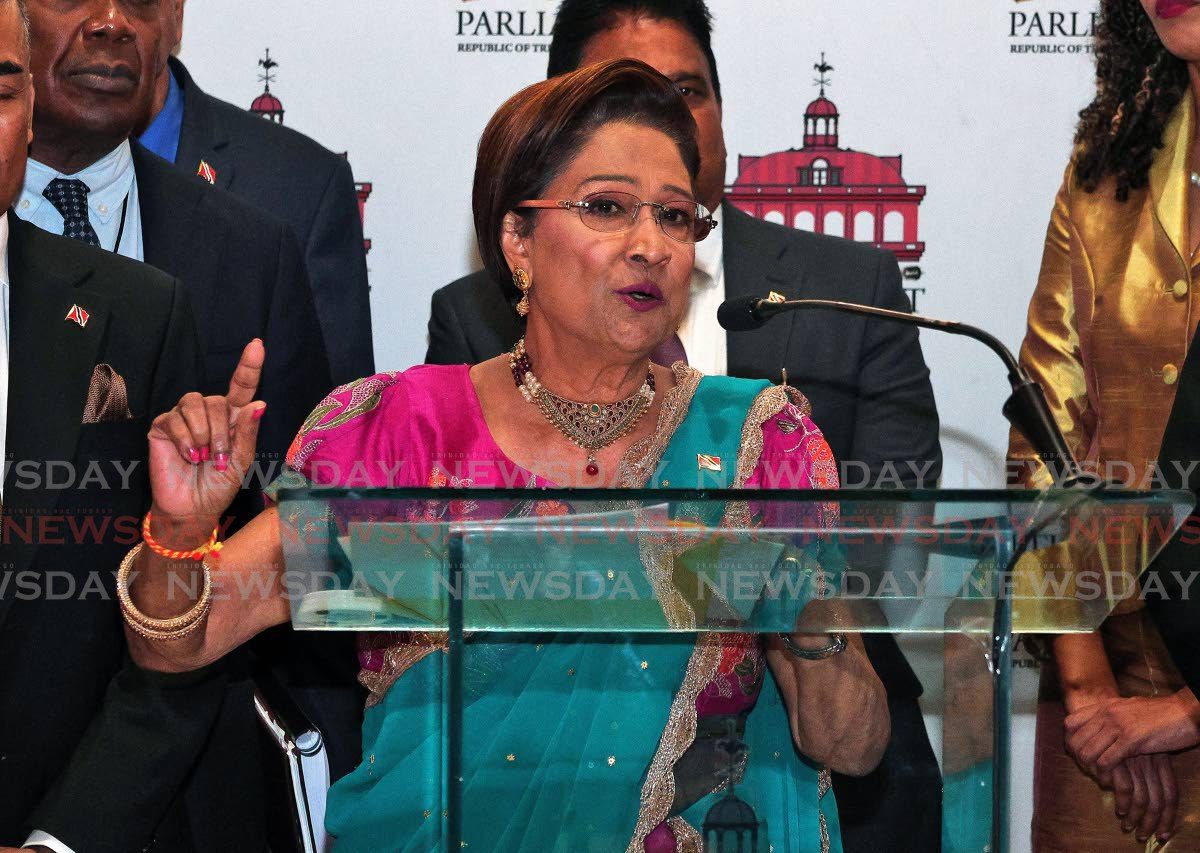
The recently unveiled budget by the Kamla Persad-Bissessar administration has been hailed as a deeply political maneuver, strategically timed months after the April 28 general election. Presented by Finance Minister Davendranath Tancoo on October 13, the budget was more than an economic roadmap; it was a victory lap for the United National Congress (UNC) and a testament to Prime Minister Persad-Bissessar’s enduring influence. Tancoo’s repeated acknowledgment of her as the driving force behind the budget underscored her centrality in shaping its measures, which aim to fulfill campaign promises and strengthen the social contract with citizens. Key initiatives, such as the public servant pay increase, not only fulfill pledges but also strategically weaken the opposition People’s National Movement (PNM) by placing them on the defensive. The budget also highlights a shift in governance style, with Persad-Bissessar taking a more hands-on approach compared to her first term, where figures like Winston Dookeran and Larry Howai were more prominent. A notable feature is the establishment of a financial oversight committee chaired by the Prime Minister, signaling her heightened control over fiscal matters. Beyond domestic concerns, the budget carries geopolitical undertones, with references to global leaders like Donald Trump and Narendra Modi, reflecting Persad-Bissessar’s broader vision for Trinidad and Tobago’s place on the world stage. Her recent speech at the Siparia Divali celebrations, where she vowed to ‘go to war’ for citizens, further emphasized the interconnectedness of fiscal policy and international relations. This budget is not just about economic management; it is a calculated move to cement Persad-Bissessar’s legacy and position the country for a future shaped by both domestic and global priorities.
-

Limburg: We hebben geen andere keus dan de NDP te versterken
At a gathering held in tribute to the late Desi Bouterse on Monday evening, Clifton Limburg, former communications director of the Bouterse administration, called for unity within the National Democratic Party (NDP). Limburg emphasized the need to strengthen the party and preserve the legacy of its deceased leader, who played a pivotal role in shaping the NDP. He described the NDP as ‘the only party in Suriname where all people can feel at home.’
Limburg urged party members to honor Bouterse’s contributions to Suriname’s development since 1980, acknowledging both the highs and lows of his leadership. ‘We have known triumphs and challenges, but no one is perfect,’ he said. ‘We must remember him as a simple, focused, and forgiving individual.’ He expressed confidence that Bouterse’s significance would eventually be fully recognized, despite attempts by some to downplay his impact. ‘Time always provides the answers. I believe those who criticize him now will speak differently in the future,’ Limburg stated.
Highlighting the importance of unity, Limburg warned against internal divisions and external efforts to undermine the party’s cohesion. ‘Arm yourselves against intrigues and ensure we continue to support one another. We must keep all noses pointed in the same direction,’ he said, echoing Bouterse’s vision for the party. Limburg concluded by calling for the strengthening of the NDP’s structures and collective efforts to secure its leadership role in Suriname’s future, particularly in anticipation of the oil and gas sector’s growth by 2030.
-
Caribbean Court of Justice visits Guyana
The Caribbean Court of Justice (CCJ) has announced that its President, the Honourable Mr. Justice Winston Anderson, will undertake a series of high-profile engagements in the Cooperative Republic of Guyana from October 14 to October 17, 2025. The visit will be marked by the swearing-in ceremony of the Honourable Mr. Justice Arif Bulkan, a distinguished Guyanese jurist, as a Judge of the CCJ. The ceremony is scheduled for Thursday, October 16, 2025, and will be presided over by His Excellency, Dr. Mohamed Irfaan Ali, President of Guyana, at the Office of the President. Justice Bulkan’s appointment underscores Guyana’s commitment to regional judicial excellence and the strengthening of the Caribbean legal framework. Beyond the swearing-in, President Anderson’s agenda includes courtesy visits and strategic discussions with key figures such as the Acting Chancellor of the Judiciary, Honourable Madame Justice Roxane George; Attorney General and Minister of Legal Affairs, Honourable Mohabir Anil Nandlall, SC, MP; and CARICOM Secretary-General Dr. Carla N. Barnett, OBE. Additionally, he will engage with representatives from influential organizations, including We Invest in Nationhood (WIN), the APNU Parliamentary Group, and the Forward Guyana Movement (FGM). These interactions aim to foster collaboration and reinforce the CCJ’s role in advancing justice and regional integration.