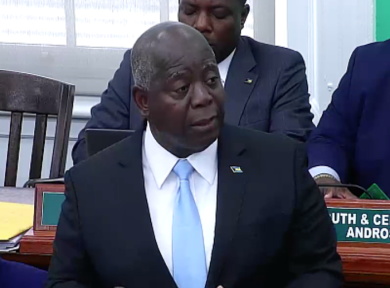
The Bahamas Government has introduced a groundbreaking legislative proposal aimed at reallocating funds from dormant accounts to the Disaster Emergency Fund. This initiative seeks to enhance the nation’s resilience and recovery capabilities in the face of increasingly frequent and severe storms. Prime Minister Phillip Davis emphasized the necessity of proactive disaster preparedness, stating that the government’s previous reactive approach had left the country ill-equipped for events like Hurricane Dorian in 2019. The proposed resolution authorizes the transfer of US$17 million from dormant accounts, which are currently part of the Consolidated Fund, to the Disaster Emergency Fund. These unclaimed resources will now serve a critical national purpose, providing immediate financial support during disasters without reliance on external funding. The government is also developing stringent regulations to ensure transparent and efficient management of these funds, outlining their permissible uses, investment strategies, and activation protocols. The establishment of the Disaster Risk Management Authority (DRMA) marks a significant shift towards risk reduction, mitigation, and preparedness. Prime Minister Davis highlighted that this new strategy, supported by the Inter-American Development Bank (IDB), could reduce potential disaster-related losses by 45% over the next decade, thereby improving fiscal resilience. The resolution aligns with the Disaster Risk Management Act, 2022, which mandates the maintenance of the Disaster Emergency Fund to finance response, rehabilitation, and recovery efforts. By capitalizing this fund, the Bahamas aims to build a stronger, more resilient nation capable of withstanding and recovering from natural disasters.
分类: politics
-
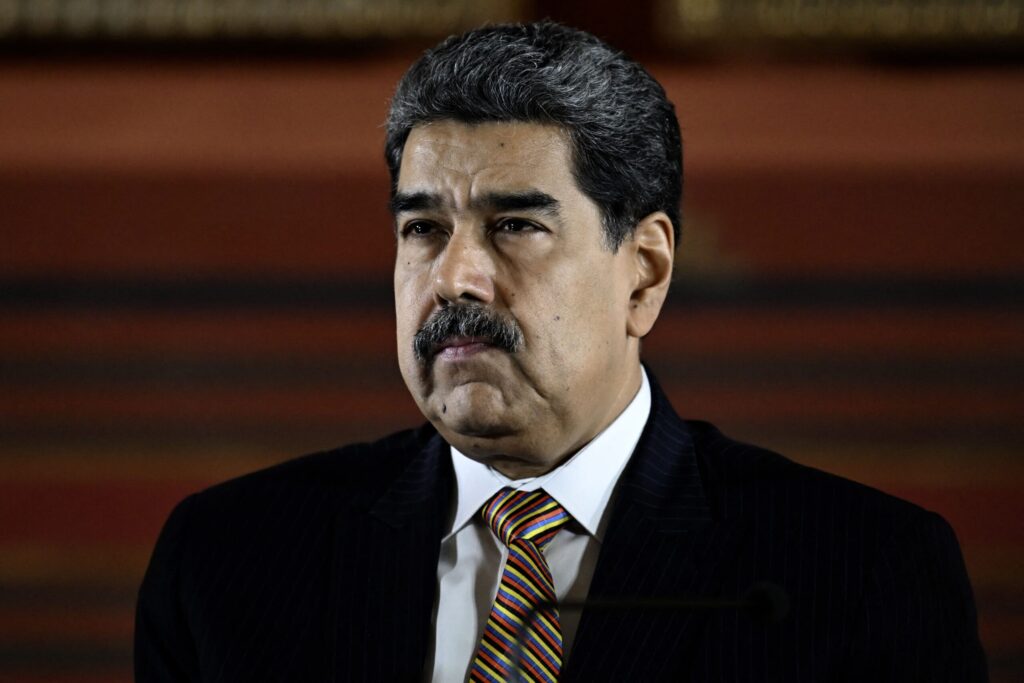
Maduro says Venezuela has 5,000 Russian anti-aircraft missiles to counter US
CARACAS, Venezuela — In a bold move to counter escalating tensions with the United States, Venezuelan President Nicolas Maduro announced on Wednesday that the nation has acquired 5,000 Russian-made Igla-S man-portable surface-to-air missiles. These short-range missiles, designed to target low-flying aircraft, have been strategically positioned across key air defense locations to ensure national security and peace, Maduro stated during a televised ceremony with senior military officials.
The announcement comes in response to the US military’s recent deployment of stealth warplanes and Navy ships in the Caribbean, which Washington claims are part of counter-narcotics operations. However, Venezuela views these actions as a prelude to a potential operation aimed at ousting Maduro, whom the US accuses of leading a drug cartel. The US has already destroyed at least eight vessels allegedly smuggling drugs from Venezuela to the United States.
The Igla-S missiles have been integrated into military exercises ordered by Maduro, reflecting Venezuela’s readiness to defend its sovereignty. This development has further inflamed regional tensions, with Latin American leaders expressing outrage over the US military presence. The Pentagon has labeled Latin American drug cartels as terrorist groups and described suspected smugglers as ‘unlawful combatants,’ justifying its aggressive stance.
Meanwhile, diplomatic relations between Colombia and the US have soured, with Colombia recalling its ambassador to Washington following a heated exchange between Colombian President Gustavo Petro and US President Donald Trump. Trump defended the US deployment, claiming it has significantly reduced drug trafficking by sea and is prepared to extend operations to land-based traffickers.
Experts warn that the US’s summary killings of suspected traffickers, even if confirmed, may violate international law. As tensions continue to rise, the region braces for further geopolitical instability.
-
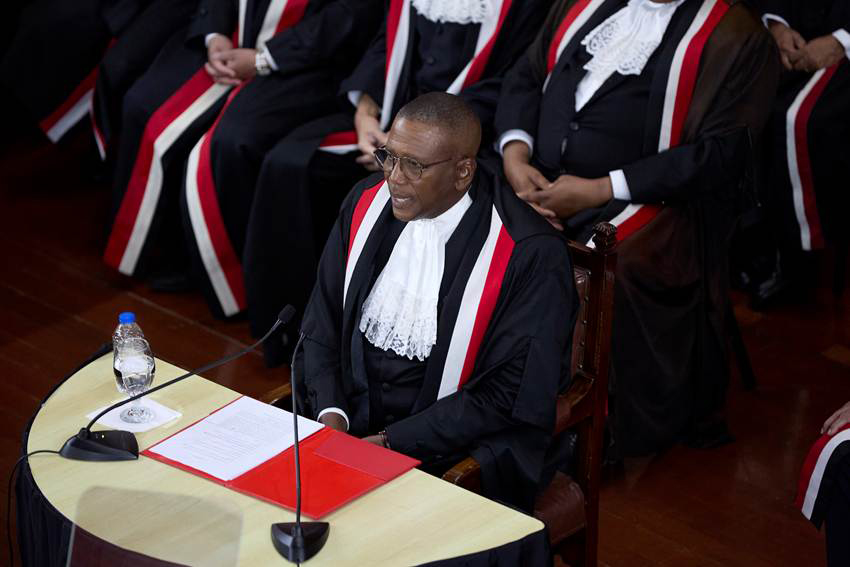
New Chief Justice to be sworn in at 2 pm on October 22
In a significant development for Trinidad and Tobago’s judicial system, Acting President Wade Mark is set to appoint the new Chief Justice at 2 pm on October 22. This appointment comes in the wake of Chief Justice Ivor Archie’s retirement, which took effect today, leaving the nation’s highest judicial position vacant. Archie, who assumed office in 2008, served for over 17 years, marking a notable era in the country’s legal history. The Office of the President has confirmed that the appointment process adheres to Section 102 of the Constitution of the Republic of Trinidad and Tobago. This section mandates that the President appoint the Chief Justice after consulting with the Prime Minister and the Leader of the Opposition. The swearing-in ceremony will be exclusively covered by the state-owned Trinidad and Tobago Television (TTT), ensuring the event is accessible to the public. This transition underscores the importance of maintaining a robust and transparent judicial system in the country.
-

PM: Cabinet to Review All Major Payments Weekly
Prime Minister Gaston Browne of Antigua and Barbuda has unveiled a significant reform to enhance financial oversight within the government. The new Cabinet oversight mechanism mandates that all major government payments undergo Cabinet review before authorization. This initiative aims to tighten financial controls and prevent unauthorized expenditures, addressing concerns over misuse of public funds.
During his weekly ‘Browne and Browne Show,’ the Prime Minister revealed that the reform was prompted by evidence of Treasury officers and private sector partners circumventing existing safeguards to expedite large payments. Browne emphasized that Cabinet will now directly scrutinize all high-value disbursements to ensure transparency and accountability.
The Prime Minister highlighted instances where influential business players allegedly cultivated ‘captured public servants’ within the Treasury, prioritizing their payments over smaller local suppliers. ‘Sometimes a little man can’t get paid for the bread he supplies to the prison,’ Browne remarked. ‘But the big players go every week and collect their checks.’ He explained that the system allowed a select few to exploit oversight gaps, bypassing necessary approvals.
To address this, Browne announced that all significant Treasury payments will require clearance from both the Ministry of Finance and Cabinet. ‘I called the Accountant General and said, ‘You have no authority to make any large payments. They will now come to Cabinet before you make any payments,’’ he stated. ‘We’re putting down our foot.’
This reform is part of a broader anti-corruption campaign within the government, particularly following the vehicle procurement controversy that exposed weaknesses in oversight. Browne emphasized that the new process will prioritize payments to smaller local businesses that have historically struggled to receive timely payments. ‘The little man that I refused to pay for years—pay them,’ he declared.
While analysts suggest the reform could slow routine financial operations, Browne insists the added scrutiny is essential to restore public trust. ‘We’re not here to make anyone uncomfortable,’ he said. ‘We’re here to make sure every dollar of the people’s money is properly spent.’
The initiative complements other measures announced by Browne, including the rotation of key public officers and the hiring of external validation officers to conduct random audits of Customs and procurement transactions. Together, these steps form part of what he calls a ‘national reset’—a comprehensive effort to rebuild transparency and confidence in public administration.
-
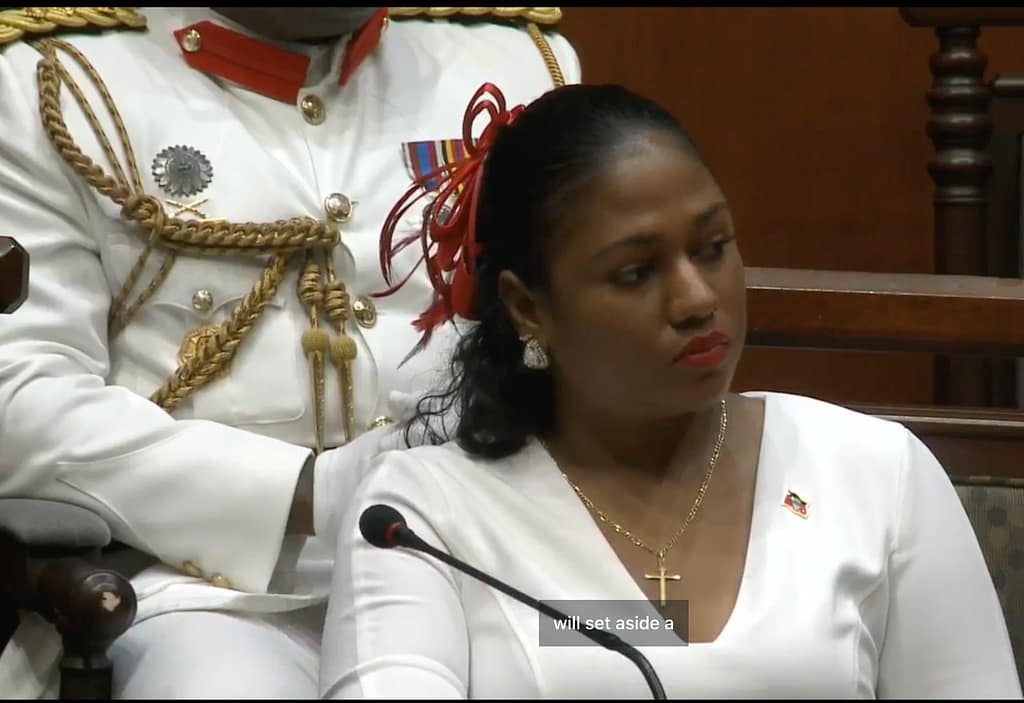
PM Defends Wife’s Integrity, Dismisses Corruption Rumors
Prime Minister Gaston Browne has vehemently defended his wife, Maria Browne, the Housing and Works Minister, against opposition allegations connecting her to a recent vehicle procurement scandal. Speaking on his radio program, the Browne and Browne Show, he dismissed the claims as politically motivated and aimed at diverting attention from other influential figures. ‘Just imagine the person who is helping to solve these problems—the person being vindicated—is the one they’re trying to frame,’ Browne stated. ‘What they’re doing to her is totally inappropriate.’
Browne highlighted Maria Browne’s pivotal role in reforming the government’s vehicle procurement process. Over two years ago, she identified inefficiencies in the system and advocated for centralizing vehicle purchases under Cabinet oversight. Her recommendations led to the establishment of a procurement committee at Public Works, chaired by the Financial Secretary, to ensure transparency and exclude ministerial involvement. ‘It is Minister Browne who strengthened the governance framework within Public Works to ensure that there would not be any such violation,’ the Prime Minister emphasized.
Describing his wife as composed yet resilient, Browne praised her ability to withstand political attacks. ‘She appears very soft on the outside, but she has this inner strength in which she’s been able to hold it together,’ he remarked. ‘She has my full support.’
By intertwining his personal defense with the government’s anti-corruption narrative, Browne framed the controversy as both a political smear and a testament to Maria Browne’s integrity. He argued that her advocacy for centralization exemplifies her commitment to good governance. ‘She sits in the Cabinet, she knows the process, and she has worked to strengthen it,’ Browne said. ‘So when people try to smear her name, they’re really attacking the very reforms that protect public accountability.’
-
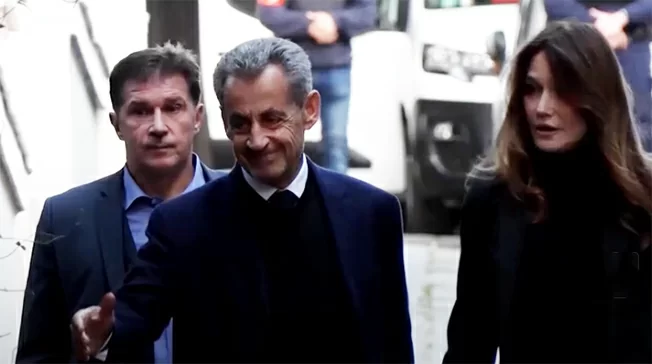
Voormalig Franse president Sarkozy begint 5-jarige gevangenisstraf
Former French President Nicolas Sarkozy has commenced a five-year prison sentence today after being found guilty of criminal conspiracy related to the financing of his 2007 presidential campaign through funds from Libya. Sarkozy, 70, who served as France’s president from 2007 to 2012, becomes the first former head of state in modern French legal history to actually serve a prison term. Sarkozy arrived at La Santé prison in Paris, where he is expected to be held in isolation for security reasons. He maintains that his prosecution is politically motivated and denies any wrongdoing. Sarkozy has indicated his intention to appeal the verdict, but the judge has ruled that imprisonment will proceed despite the appeal. This conviction sends a clear message: even high-ranking politicians are not above the law.
-
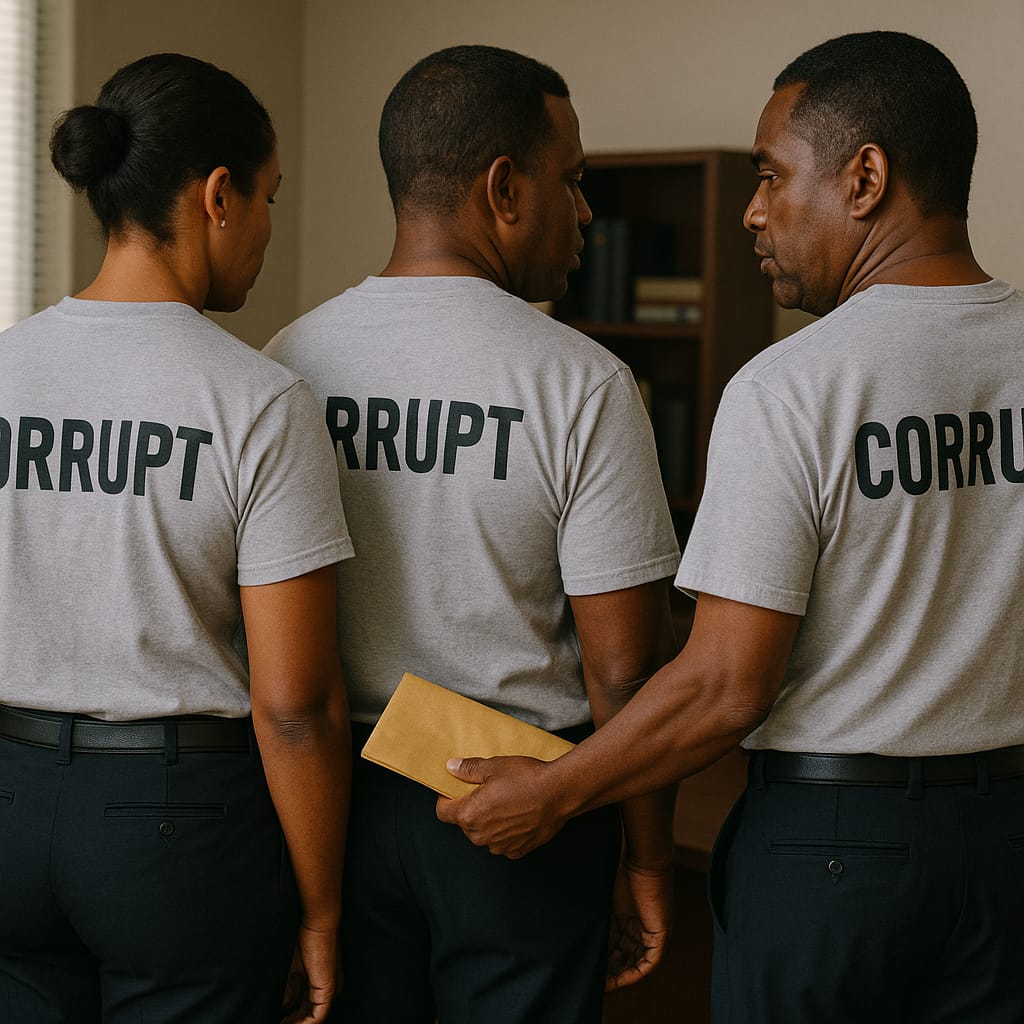
PM Browne Admits Anti-Corruption Efforts Focused Too Much on Politicians, Not Civil Servants
Prime Minister Gaston Browne has publicly conceded that his administration’s anti-corruption initiatives disproportionately targeted Cabinet ministers, while systemic corruption persisted unchecked within the civil service. During an episode of his *Browne and Browne Show*, Browne highlighted that excessive focus on politicians allowed entrenched civil servants to engage in long-standing abuses and collusion with private entities. He revealed that key departments, including the Treasury, Customs, and Public Works, had been effectively “captured” by influential business operators who manipulated public officers to bypass regulations and secure unfair advantages. Browne cited instances where large businesses received preferential treatment, while smaller suppliers faced delays in payments. He acknowledged that existing laws and safeguards were being circumvented by insiders exploiting oversight weaknesses. To address these issues, Browne outlined a series of reforms, including centralizing financial control, rotating staff in critical positions, and allocating $1 million in the upcoming budget to hire private citizens as validation officers for random spot checks on imported goods and Customs transactions. These measures aim to disrupt entrenched relationships and restore public trust in government operations. Browne framed these efforts as part of a broader “national reset” to rebuild integrity and transparency following recent controversies.
-
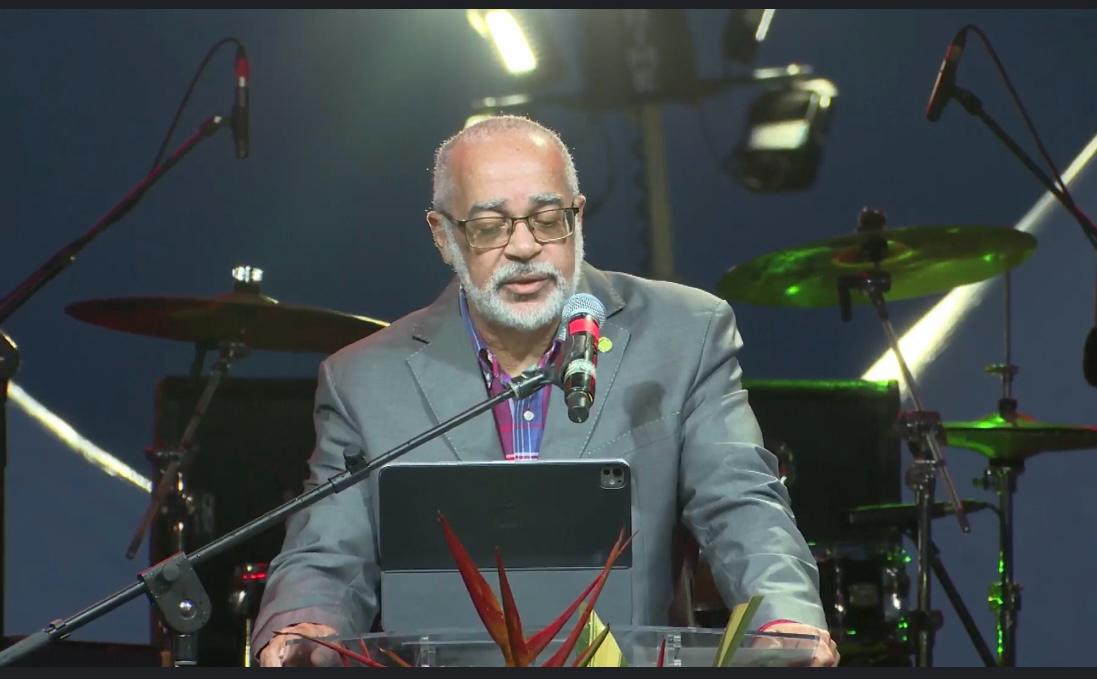
OECS stands with Grenada as it navigates imponderable currents
Grenada is currently navigating a complex geopolitical landscape as it responds to a request from the Donald Trump Administration to temporarily install radar at the Maurice Bishop International Airport (MBIA) and deploy US military assets on or near its territory. This request has sparked significant debate, with the ‘Coalition for a Zone of Peace,’ a group comprising lawyers, educators, trade unionists, and religious leaders, urging the government to reject the proposal. The group emphasizes Grenada’s sovereignty and the Caribbean’s long-standing declaration as a Zone of Peace, a region committed to dialogue and cooperation over domination and confrontation. Dr. Didacus Jules, Director General of the Organisation of Eastern Caribbean States (OECS) Commission, expressed solidarity with Grenada, highlighting the pressures small states face in asserting their independence in a turbulent global environment. Jules delivered these remarks during the National Heroes Day celebration, which was rescheduled to October 20 due to inclement weather. The event featured a sod-turning ceremony for a heroes park at the site of the former Riviera Hotel, near Grand Anse beach. Jules also referenced recent US drone attacks in Caribbean waters, described by Jamaican statesman PJ Patterson as ‘fundamentally dangerous,’ and reiterated the importance of unity in the face of external pressures. The celebration honored the legacy of revolutionary leader Maurice Bishop, who became Prime Minister in 1979 after overthrowing the Eric Matthew Gairy government. Despite the declaration of October 19 as National Heroes Day in 2022, Grenada has yet to name any national heroes. The 2007 National Honours and Awards Act outlines the criteria for the title, emphasizing visionary leadership, extraordinary achievements, and significant contributions to Grenada’s history and development.
-
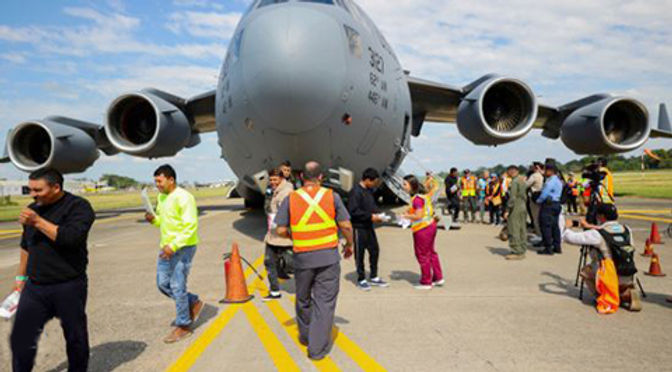
Belize Signs US “Safe Third Country” Deal for Migrants
Belize has entered into a landmark agreement with the United States to serve as a ‘safe third country’ for migrants seeking asylum in the US. Prime Minister John Antonio Briceño announced that the deal, pending approval by the Belize Senate, will enable migrants deported from the US to apply for asylum in Belize rather than being returned to their countries of origin. The US State Department hailed the agreement as a significant step toward curbing illegal immigration and addressing abuses of the US asylum system. This arrangement mirrors similar agreements recently established with Paraguay, Panama, Costa Rica, El Salvador, and Honduras, all of which have accepted deportees from the US. However, human rights organizations have raised concerns, arguing that such agreements could expose migrants to persecution or harm in the receiving countries. Belize’s Ministry of Foreign Affairs emphasized that the agreement includes robust security measures to safeguard national sovereignty, with Belize retaining full authority to approve or reject transfers and conducting thorough background checks. Prime Minister Briceño framed the initiative as a ‘job program,’ allowing qualified migrants to contribute to Belize’s economy, particularly those from Central America. Opposition Leader Tracy Taegar Panton expressed concerns about the potential financial and sovereignty implications of the deal. The US State Department reiterated the agreement’s role in addressing regional migration challenges and strengthening bilateral cooperation.
-
COMMENTARY: Bridges Over Water: Enhancing the U.S.–Caribbean Partnership
The vast ocean separating the United States and the Caribbean is not a divide but a potential bridge, waiting to be crossed through visionary leadership and decisive action. The future, as the waves suggest, belongs to those who invest in people, innovation, and trust. The Caribbean does not seek charity; it seeks genuine partnership. Similarly, the United States must move beyond mere influence to establish credibility. Together, these regions can forge a relationship rooted in tangible impact, shared prosperity, and enduring stability.
Economic collaboration must be both bold and practical. In Antigua and Barbuda, U.S. investments in solar-powered microgrids can reduce energy costs and enhance resilience against natural disasters. In St. Kitts and Nevis, joint ventures in sustainable tourism can generate employment while preserving the region’s natural heritage. Barbados, Guyana, and St. Martin could become hubs for technology incubators, supported by U.S. partners, fostering local entrepreneurship and connecting regional talent to global markets. These initiatives demonstrate that economic cooperation is not about aid but about creating a shared pathway to prosperity.
Security and stability must prioritize prevention over reaction. In St. Lucia, community-based programs offering training and employment for youth can diminish the allure of illicit activities. Joint maritime surveillance across the Eastern Caribbean can strengthen disaster response while safeguarding fisheries and trade routes. Supporting environmental and social resilience ensures that security is sustainable and grounded in opportunity rather than force. When safety stems from empowerment, it becomes both durable and credible.
Diplomacy must be rooted in partnership and respect. The United States should engage Caribbean leaders as equal voices in regional initiatives, co-designing projects in renewable energy, digital innovation, and climate adaptation. Recognizing the leadership and sovereignty of nations like St. Vincent and the Grenadines, Jamaica, Barbados, and Trinidad and Tobago fosters trust. Policies aligned with Caribbean priorities build credibility while advancing mutual interests. True partnership emerges when dialogue transforms into action and shared vision translates into shared impact.
The ocean between the United States and the Caribbean is not a barrier but a bridge. By focusing on economic opportunity, education, security, and respectful diplomacy, both regions can rise together, anchored in trust, propelled by collaboration, and united by the belief that shared prosperity secures a safer, stronger, and more vibrant hemisphere.
Actionable Suggestions:
– Launch solar microgrid projects in Antigua and Barbuda and renewable energy hubs in Barbados.
– Develop sustainable tourism and entrepreneurship partnerships in St. Kitts and Nevis.
– Expand scholarships, student exchanges, and summer internships with practical learning in Jamaica, Guyana, St. Lucia, Dominica, and Barbados.
– Implement joint maritime surveillance and disaster preparedness programs across the Eastern Caribbean.
– Engage in co-designed initiatives and regional leadership support to build mutual trust and credibility.About the Author:
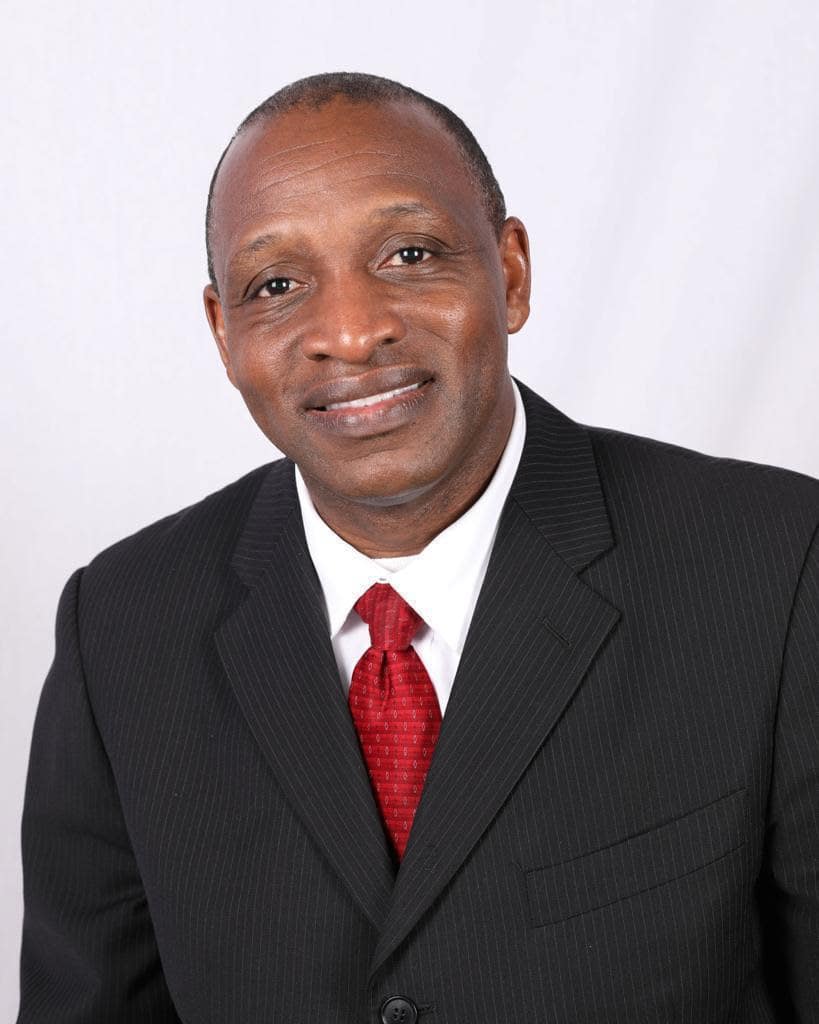
Dr. Isaac Newton is a strategist and scholar trained at Harvard, Princeton, and Columbia. He advises governments and international institutions on governance, public transformation, and global justice. His work blends visionary thinking with practical insight, helping Global South nations address historical injustice, advance human dignity, and engage global issues of peace, sovereignty, and shared prosperity. Dr. Newton envisions societies where innovation and responsibility evolve together to promote human flourishing and where partnerships between nations create enduring opportunity, stability, and trust.