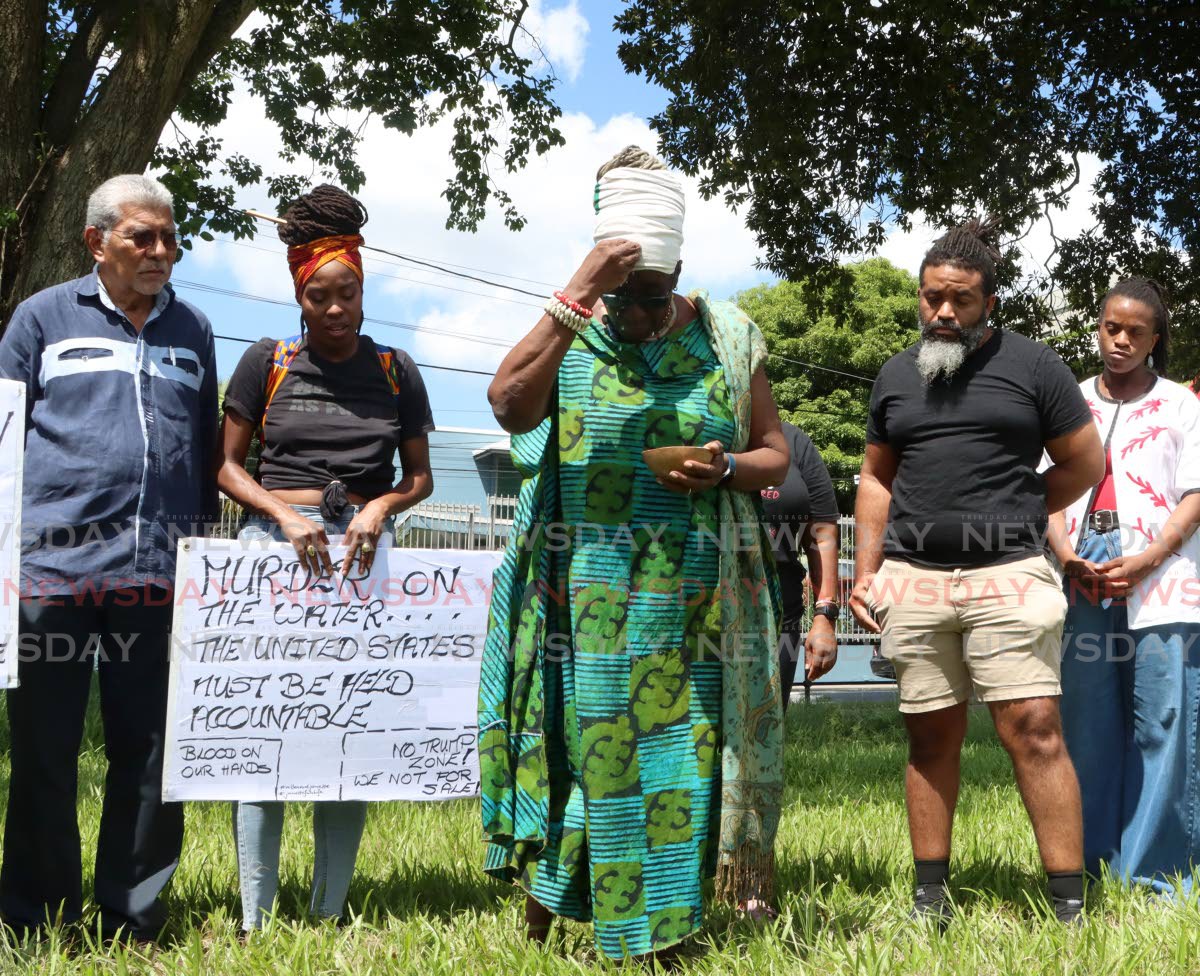
In response to escalating tensions between the United States and Venezuela, eight local organizations in Trinidad and Tobago are set to host a peace vigil at Woodford Square, Port of Spain, on November 9. The event, scheduled to begin at 5 pm, aims to address growing concerns among citizens regarding the increasing US military presence in the southern Caribbean. Organizers emphasized the potential for conflict to disrupt the region, citing the possibility of war and its devastating consequences on human lives, infrastructure, and economic stability. Among the participating groups are the Concerned Muslims of TT, the Emancipation Support Committee, and the Movement for Social Justice. The organizers highlighted the potential for mass migration from Venezuela to neighboring countries, including Trinidad and Tobago, which could severely impact local businesses, investor confidence, and trade. They also expressed concerns about the disruption of tourism, particularly during carnival season, and the livelihoods of fisherfolk already facing challenges. The vigil is not a political initiative but a call for peace, urging the Caribbean to remain a Zone of Peace. The organizers noted the significant increase in US military assets in the region, including destroyers, a nuclear submarine, and B52 Bombers, with over 10,000 military personnel now stationed nearby. They also pointed to the rhetoric from US officials, including statements about targeting Venezuelan President Nicolas Maduro, and Venezuela’s preparations for potential conflict, including military exercises and the acquisition of anti-aircraft missiles from Russia. The vigil aims to unite like-minded individuals and groups in advocating for peace and stability in the region.
分类: politics
-
Griffith urges unity as US, Venezuela tensions rise
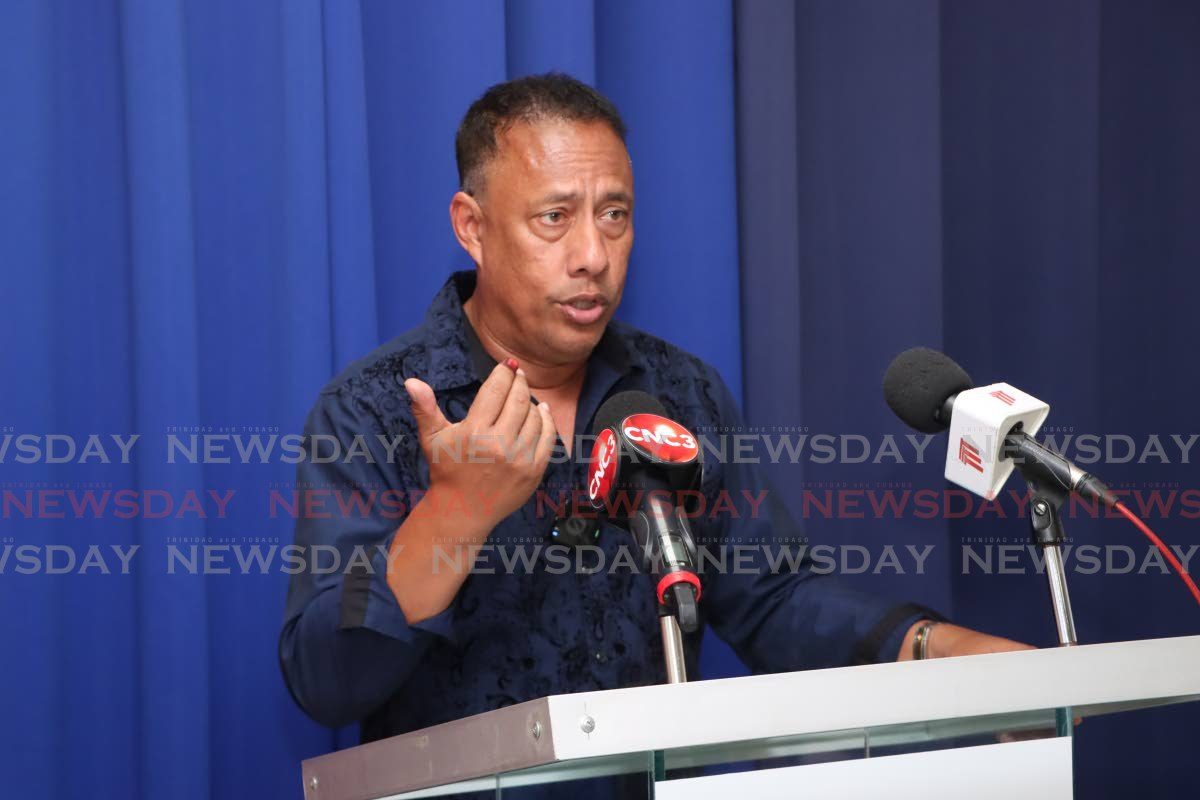
Former Trinidad and Tobago Police Commissioner Gary Griffith has called for national unity and preparedness in light of the escalating tensions between the United States and Venezuela. In a video message shared via WhatsApp on October 28, Griffith emphasized the need to move beyond political divisions and focus on the potential fallout from the geopolitical standoff. He warned that the public discourse had devolved into political bickering, urging citizens and the government to prioritize readiness over blame or propaganda. Griffith, who also served as national security minister and is a retired military officer, highlighted the direct implications for Trinidad and Tobago, including possible security threats and a surge in Venezuelan migrants if the situation deteriorates. He advocated for the Ministry of Defence to play a more proactive role in national preparedness, referencing a framework he developed in 2010 for such scenarios. Griffith proposed the formation of an advisory committee comprising retired senior military officers to guide the government’s response. He named several former defense leaders, including retired generals John Sandy, Carl Alfonso, Ancil Antoine, and Edmund Dillon, as valuable contributors. Additionally, Griffith called for immediate recruitment drives for the Defence Force, particularly the Coast Guard, and stressed the importance of mental and operational readiness among personnel. He emphasized the need for maintaining military assets and utilizing the National Operations Centre (NOC) to ensure coordination among security agencies and combat misinformation. Griffith warned that a regional conflict could trigger a mass exodus of Venezuelans, overwhelming Trinidad and Tobago’s health, education, and security systems. He also condemned attempts to show allegiance to foreign powers, particularly Venezuela’s accusation that Trinidad and Tobago harbors terrorists, which he labeled as a threat to national sovereignty. Griffith concluded by urging unity, preparation, and strong leadership, stating, ‘When the storm comes, TT must stand ready together.’
-
Misrepresentation of Privy Council
In a recent letter to the editor, E Galy’s critique of the Judicial Committee of the Privy Council’s role in the Jason Jones case demonstrates a profound misunderstanding of constitutional law and the judiciary’s function in a democratic society. Galy’s assertion that the Privy Council overstepped its bounds by altering the Constitution is not only incorrect but also dangerously misleading. This rebuttal seeks to clarify the constitutional principles at play and reaffirm the judiciary’s vital role in safeguarding the rule of law.
First and foremost, the Privy Council, as the highest appellate court for Trinidad and Tobago (TT), is tasked with interpreting and enforcing the Constitution. Section 2 of the Constitution explicitly designates it as the ‘supreme law of the land,’ rendering any inconsistent legislation void. The judiciary, not Parliament, is the ultimate arbiter of constitutional validity. This separation of powers is foundational to preventing elected dictatorship and ensuring democratic governance.
Second, the Jason Jones decision did not ‘change’ the Constitution but rather interpreted it in light of its guarantees of equality, privacy, and personal protection (sections 4 and 5). The court ruled that colonial-era laws criminalizing consensual adult acts in private violated these fundamental rights. This was not judicial activism but the fulfillment of the court’s constitutional duty to strike down laws that contravene the supreme law, as mandated by section 14(1).
Third, Galy’s claim that the court cannot render a law inoperable if it aligns with the Constitution is a fundamental misrepresentation of judicial review. Established in cases like Marbury v Madison (1803) and reaffirmed in Commonwealth jurisprudence, judicial review empowers courts to invalidate statutes inconsistent with the Constitution. This principle ensures that constitutional supremacy is upheld.
Fourth, Galy’s dismissal of ‘changed times’ as irrelevant to constitutional interpretation is misguided. The Constitution is a living document, as affirmed by the Privy Council in cases like Reyes v The Queen (2002) and Matthew v The State (2004). It must be interpreted in a manner that reflects evolving societal standards of dignity and equality.
Galy’s argument, rooted in theocratic posturing rather than constitutional reasoning, conflates religious morality with legal interpretation. This stance is incompatible with the secular rule of law enshrined in TT’s 1976 Constitution. Sovereignty lies with the people and the Constitution, not with religious dogma.
Finally, the assertion that judicial review ‘mutates’ civil and criminal law is legally untenable. When a law is declared unconstitutional, it is void ab initio, ensuring the coherence of the legal system. The judiciary’s role is to preserve constitutional order, not to subvert it.
In conclusion, the Privy Council’s decision in the Jason Jones case was a reaffirmation of constitutional supremacy and judicial duty. Public discourse must rise above misconceptions that equate judicial independence with political interference. The true tragedy lies in the persistence of such uninformed critiques in our public dialogue.
MOHAN RAMCHARAN
Birmingham, UK -
No easy task turning around country
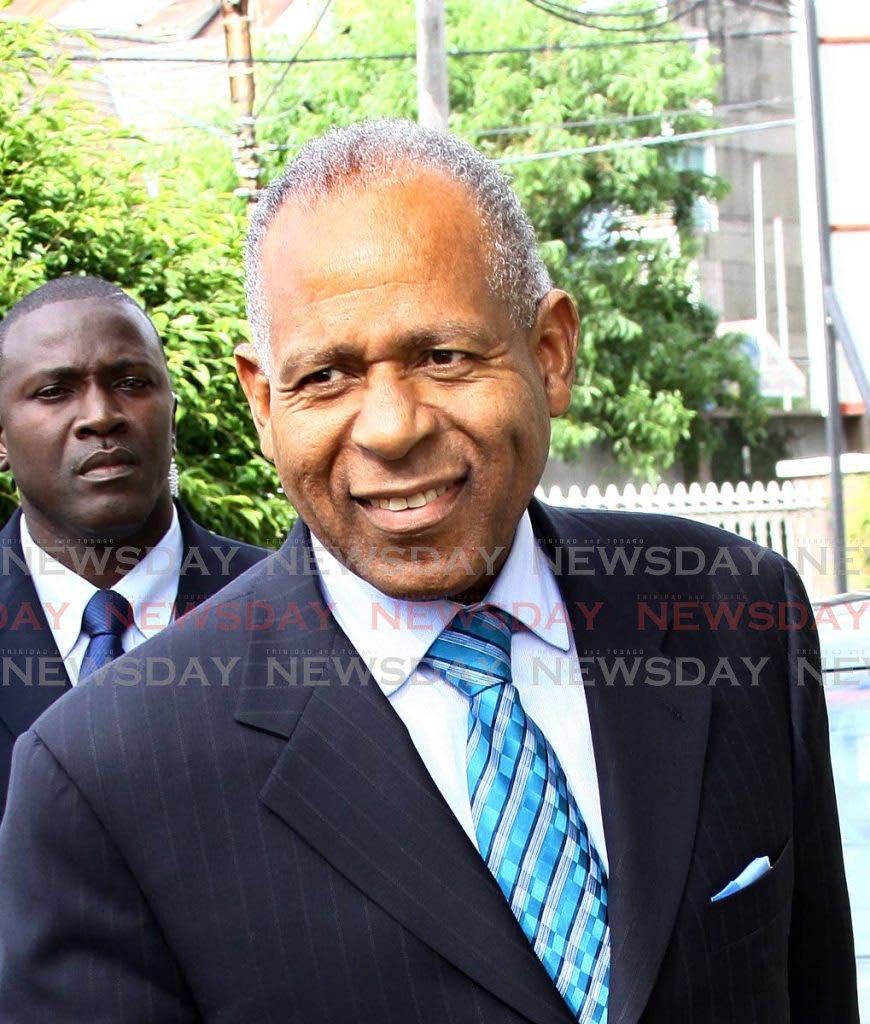
In a recent letter to the editor, C Peters reflects on the complexities of governing Trinidad and Tobago (TT), drawing inspiration from former Prime Minister Patrick Manning. The letter emphasizes the challenges of leadership and the often-overlooked potential of the nation. Peters notes that while imperfections are inevitable, the pursuit of progress requires hard work and resilience. The writer highlights the democratic exercise of voting for change on April 28, a decision driven by the belief in a new direction. However, Peters observes a paradox: some citizens expect consistency while desiring different outcomes. The letter underscores that meaningful transformation is a gradual process, fraught with trial and error. Quoting Greek philosopher Heraclitus, Peters reminds readers that change is inherent and inevitable, urging patience and perseverance in the nation’s journey toward progress.
-
Venezuelan activist urges Trump to end Maduro’s rule
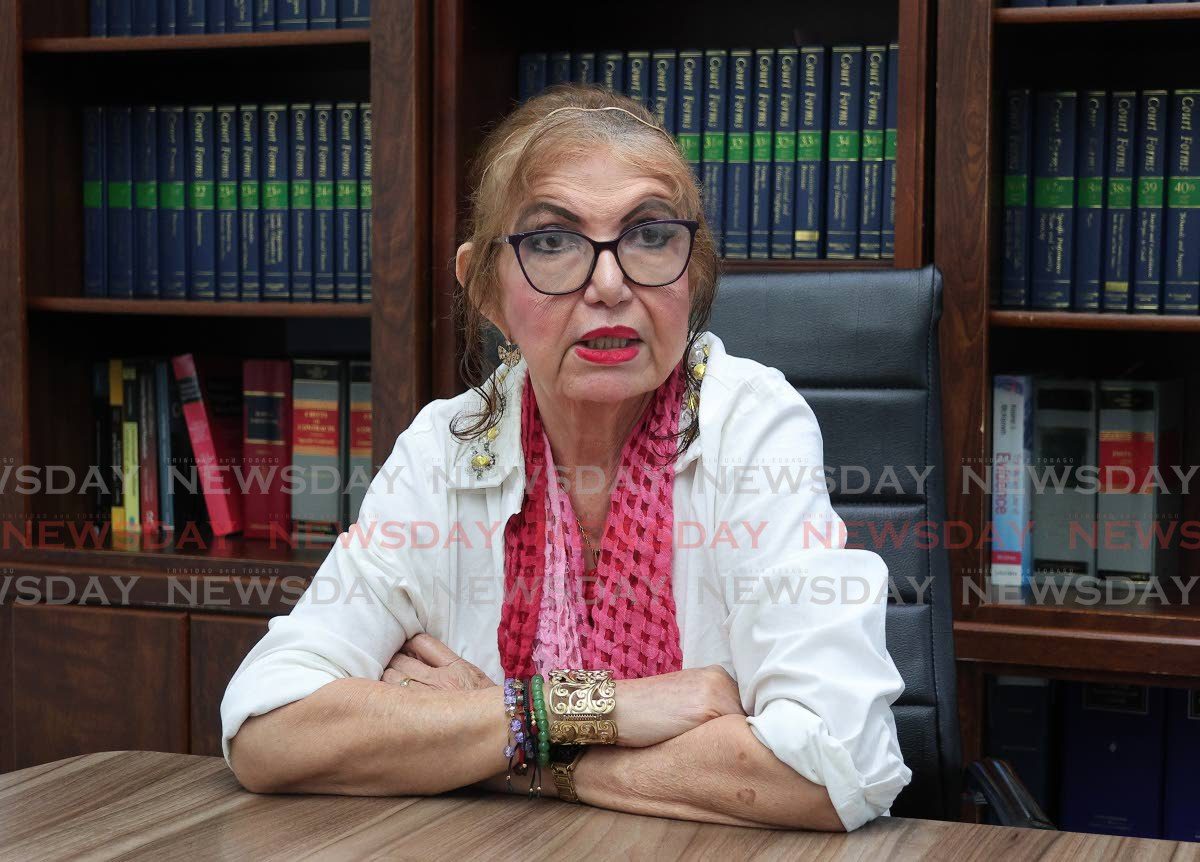
Venezuelan activist Yesenia González has voiced her strong support for US intervention in Venezuela, asserting that it is essential to end Nicolás Maduro’s rule and restore justice to the Venezuelan people. Speaking to a Newsday reporter at her office in Port of Spain on October 29, González expressed unwavering confidence that democracy would soon prevail in Venezuela. She criticized Maduro’s administration as a dictatorship, accusing him of severe human rights violations, suppression of free speech, and electoral fraud in the July 28 presidential election. González emphasized that Maduro’s presidency is illegitimate and called for the closure of the Venezuelan Embassy in Trinidad, describing it as an illegal entity. She also condemned Opposition Leader Penelope Beckles for hosting Venezuela’s ambassador, Álvaro Enrique Sánchez Corderoon, labeling it as inappropriate. González believes that US intervention will pave the way for new leadership in Venezuela, led by Edmundo González Urrutia and opposition leader María Corina Machado. She dismissed the National Assembly of Venezuela’s declaration of Trinidadian Prime Minister Kamla Persad-Bissessar as persona non grata, calling it a meaningless act by Maduro’s allies. González also addressed the issue of illegal immigration in Trinidad, urging the government to engage in dialogue rather than deporting migrants, whom she described as valuable contributors to the economy. She warned of potential violent uprisings by Maduro’s supporters in Trinidad and called for vigilance against criminal groups like Tren de Aragua. González concluded with a message of hope, urging Venezuelans to stay strong and Trinidadians to remain calm, expressing her belief that Maduro’s rule is nearing its end.
-
SoE detainees remain lawfully detained until November 2
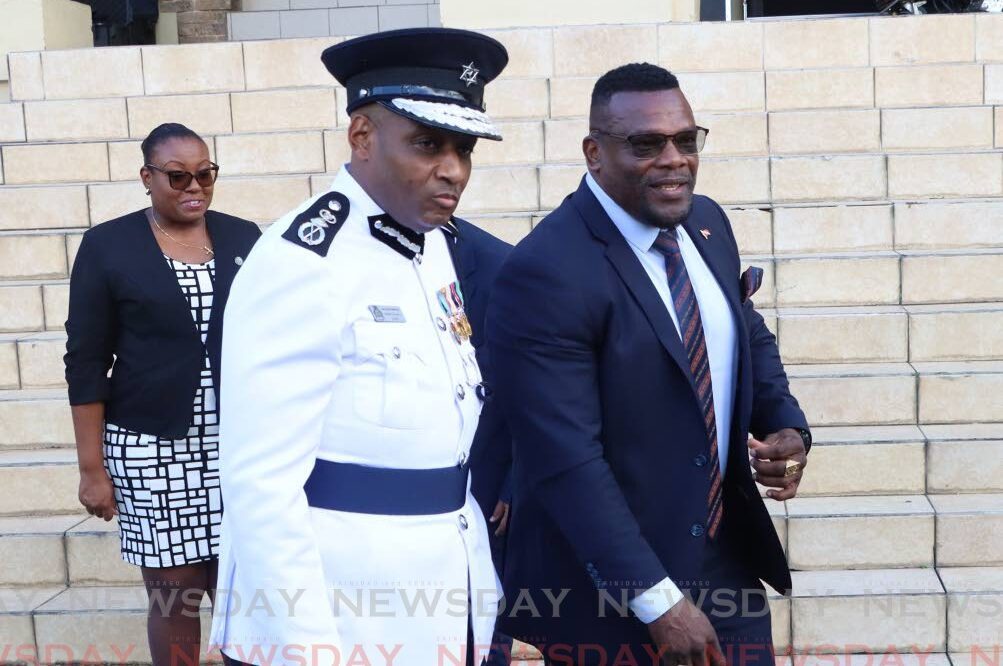
A state of emergency (SoE) in Trinidad and Tobago, initially declared by the President on July 18 and extended by Parliament on July 28, has sparked confusion and legal challenges over its expiration date. While many detainees and their attorneys believed the SoE ended on October 28, government sources clarified that the emergency measures remain in effect until November 2. The SoE was authorized for a three-month period, with a second extension potentially pushing it into the new year. This clarification came amid threats of legal action from attorneys representing detainees held under preventive detention orders signed by Minister of Homeland Security Roger Alexander. They argued that continued detention after October 28 was unlawful, but government officials maintained that the extension is valid until November 2, and an upcoming parliamentary debate on October 31 to further extend the SoE does not affect the current detention orders. Over 80 detention orders have been issued so far. Commissioner of Police Allister Guevarro supported the government’s decision to seek a three-month extension, emphasizing the need for continued vigilance to maintain national stability. He acknowledged that while the initial threat prompting the SoE had been neutralized, criminal networks remain adaptive. Prime Minister Kamla Persad-Bissessar announced that the motion to extend the SoE will be debated in the House of Representatives on October 31, following a recommendation from Guevarro based on local intelligence and operational assessments.
-
Two new constituencies proposed – with splits in Killarney and West GB and Bimini
The Boundaries Commission of The Bahamas is advancing plans to establish two new constituencies in preparation for the upcoming general election. The proposed changes involve splitting the existing Killarney constituency and the West Grand Bahama and Bimini constituency, according to sources familiar with the matter. The commission convened recently to finalize these adjustments, which are expected to be submitted to the Prime Minister shortly. Killarney, currently one of the most densely populated constituencies with over 7,000 registered voters, has been a focal point of discussions for some time. Similarly, West Grand Bahama and Bimini, now home to 6,070 registered voters, have also been under review due to population growth. Additionally, several constituencies in New Providence, including St Barnabas, Tall Pines, Centreville, and Freetown, may undergo changes to their polling station allocations. Deputy Prime Minister Chester Cooper, a member of the commission, highlighted the body’s progress in analyzing boundary adjustments to ensure a more equitable distribution of voters. While the law does not mandate a fixed voter count per constituency, the Constitution requires that boundary changes reflect population size and address practical needs to justify any significant disparities.
-
Senator: Screen for learning impediments earlier
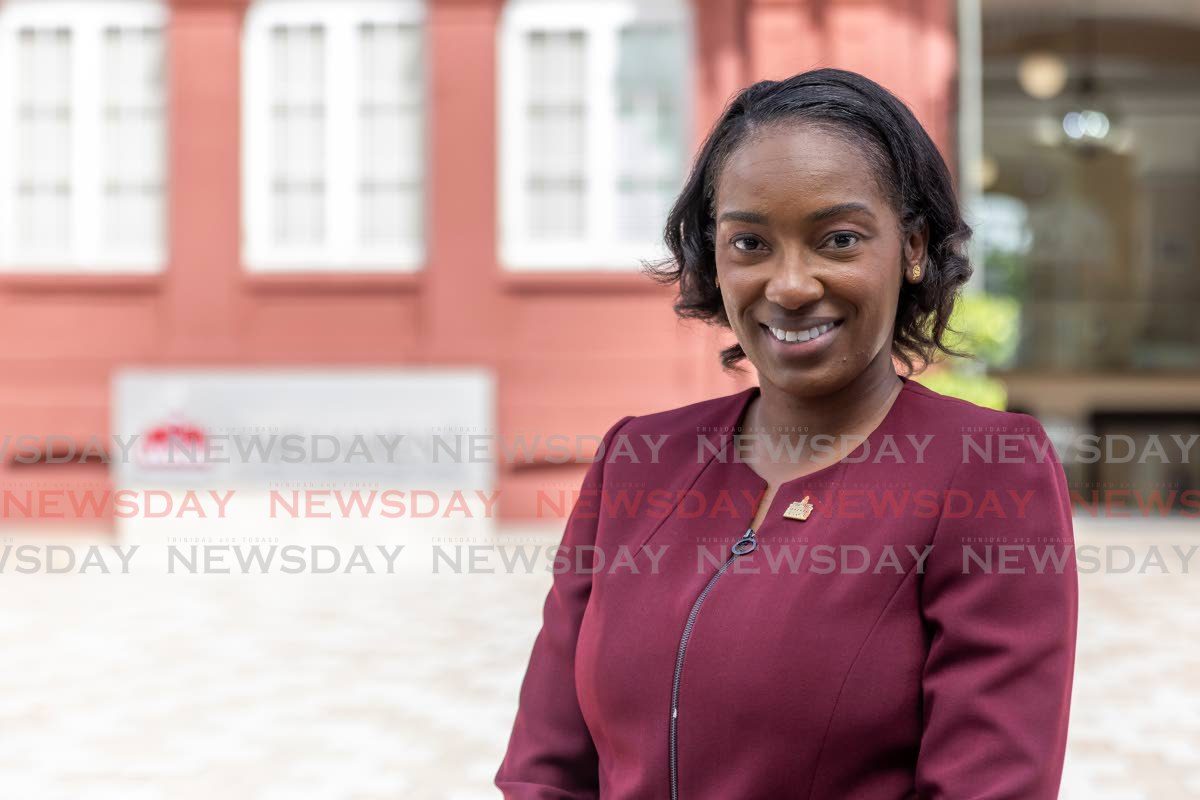
Opposition Senator Janelle John-Bates has raised significant concerns regarding the government’s approach to child development and public servant compensation. During the Senate budget debate on October 27, John-Bates advocated for earlier screening of infants for learning impediments, arguing that the government’s proposed age of four to five is too late. She emphasized that early detection and intervention are crucial for addressing developmental delays in motor skills, speech, language, social and emotional skills, and cognition. John-Bates pointed out that other countries typically screen children between zero and three years old, leveraging the brain’s neuroplasticity during this critical period. She highlighted the importance of therapies such as speech, physical, occupational, and behavioral interventions to foster proper brain development. Additionally, John-Bates criticized the high cost of educational assessments and therapies, which can be prohibitive for many families. She also addressed the plight of single mothers facing the government’s 3.5% landlord surcharge, noting the difficulty of finding landlords willing to accommodate children. On the issue of public servant back-pay, John-Bates expressed skepticism about the government’s promise to deliver a 10% increase by Christmas, citing the absence of allocated funds in the budget. She graded the budget an ‘F,’ labeling it as ‘fluff, false, and fraudulent.’
-
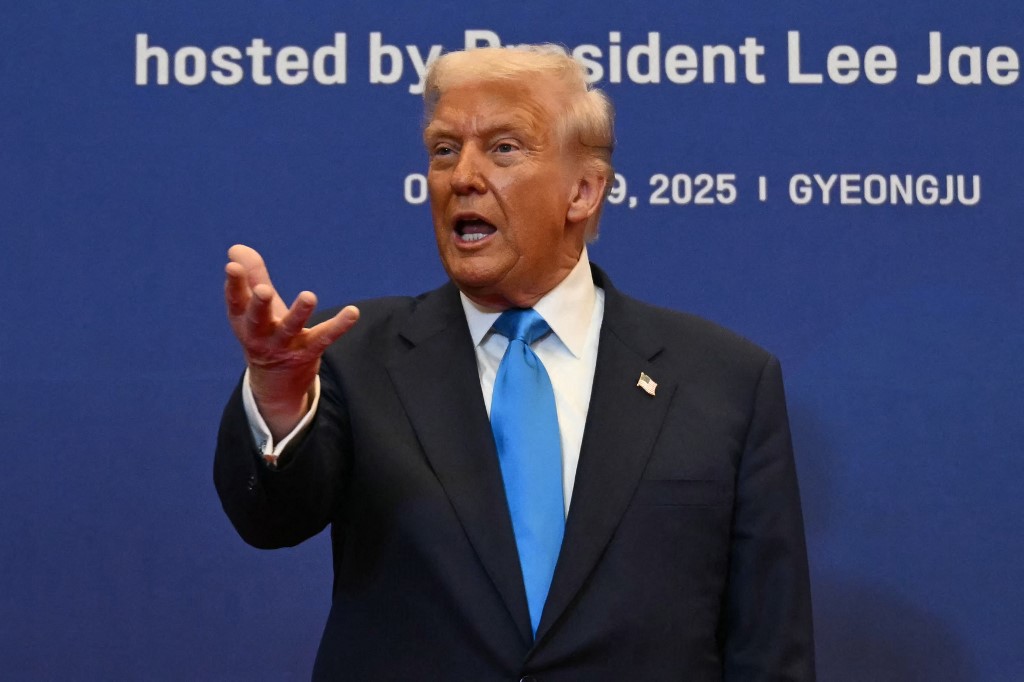
Trump declares victory against climate ‘hoax’ after Bill Gates comments
In a recent development, former US President Donald Trump has proclaimed a triumph over what he labeled the ‘hoax’ of climate change. This declaration came after billionaire philanthropist Bill Gates stated that a warming planet would not lead to the end of civilization. Trump took to his Truth Social platform to assert, ‘I (WE!) just won the War on the Climate Change Hoax. Bill Gates has finally admitted that he was completely WRONG on the issue. It took courage to do so, and for that we are all grateful.’ Gates, in a detailed memo, acknowledged that while climate change poses ‘serious’ consequences, humanity would still ‘live and thrive in most places on Earth for the foreseeable future.’ He emphasized that addressing global disease and poverty would better prepare the world’s poorest for the impacts of a warming climate. Gates also addressed potential criticism regarding his carbon footprint and defended his stance by highlighting significant progress in reducing emissions and expressing optimism about future technological advancements. Trump, a long-time skeptic of environmental issues, has consistently dismissed climate change, famously calling it the ‘greatest con job ever’ during a UN General Assembly speech in September. Since his return to power in January, following a successful 2024 election campaign heavily funded by the oil industry, Trump has rolled back numerous green policies.
-
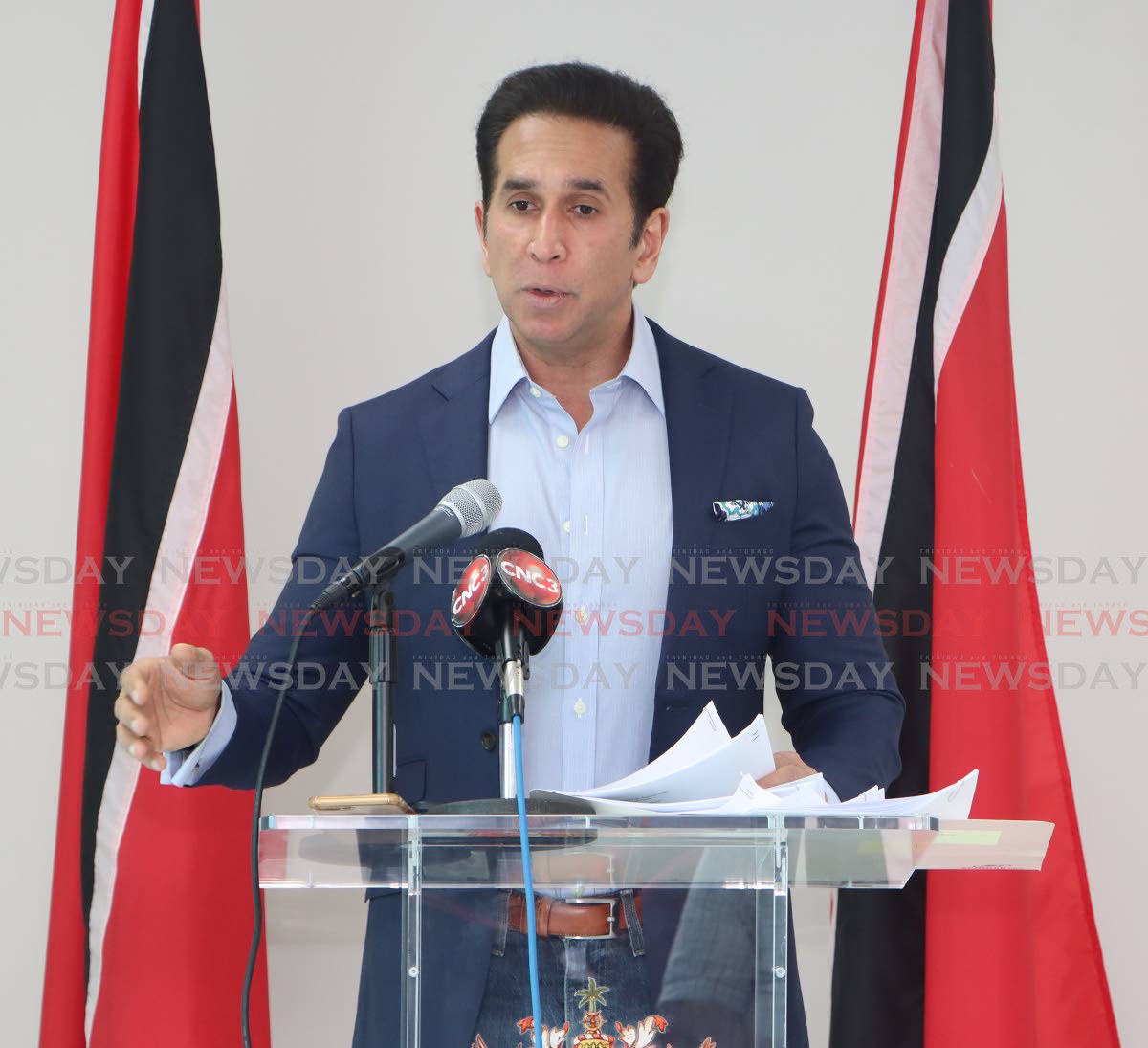
Al-Rawi: Trinidad and Tobago economy may ‘fall flat’ amid Venezuela fallout
Opposition Senator Faris Al-Rawi has issued a stark warning about the potential economic consequences of the Trinidad and Tobago (TT) government’s failure to effectively manage escalating tensions with Venezuela. Speaking during the Senate budget debate on October 28, Al-Rawi highlighted recent statements by Venezuelan Vice-President Delcy Rodriguez, who announced plans to propose the termination of the energy cooperation framework agreement between the two nations. Rodriguez also indicated that Venezuela would seek to suspend all bilateral gas agreements with TT. Al-Rawi emphasized that these developments could jeopardize critical energy projects, including the Loran Manatee field, which holds significant natural gas reserves. He stressed that 73% of the field’s resources belong to Venezuela, while TT retains 27%. Al-Rawi cautioned that without access to these resources, TT’s energy sector investments could collapse, leading to severe economic repercussions. He urged the government to act swiftly and diplomatically to resolve the crisis and safeguard the nation’s economic stability. Additionally, Al-Rawi criticized budget cuts to key education and youth programs, questioning the government’s commitment to these sectors.