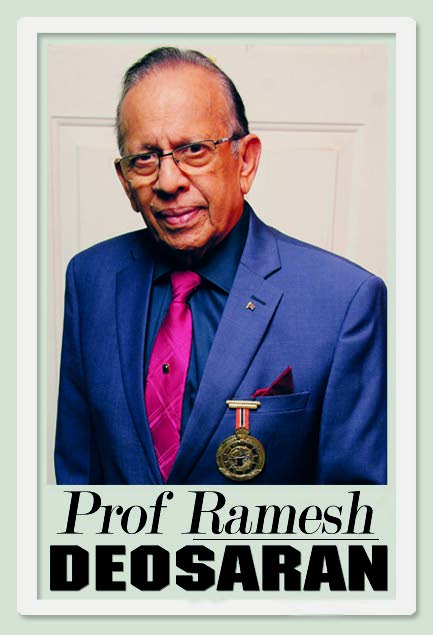
The government of Trinidad and Tobago is navigating a complex web of challenges, including opposition criticism of the 2025/2026 budget, a delicate balance between revenue and expenditure, ongoing public safety concerns, and strained relations within the Caribbean Community (Caricom). Adding to the pressure is the precarious geopolitical situation between the United States and Venezuela, which has placed the nation in a tense middle ground. Prime Minister Kamla Persad-Bissessar and Foreign Affairs Minister Sean Sobers have urged citizens to remain calm amidst rumors of war, emphasizing that the country is not heading into conflict. The administration must strengthen its political strategies, public policies, and communication efforts to address these issues effectively, particularly in an environment rife with misinformation. The budget, crafted by lawyer-economist Davendranath Tancoo, aims to promote economic fairness through accountable fiscal policies. However, the opposition has questioned the government’s handling of the economy, pointing to a decline in real GDP growth from 3.7% in 2014 to 2.5% in 2024 and a significant increase in national debt. Employment has also dropped by 70,000 jobs over the same period. Despite these criticisms, the budget includes measures to create full-time, better-paid jobs, funded by $475 million from the Employment Fund and an additional $310 million for job creation. The government has also reduced the price of super gasoline by $1 per liter, a move welcomed by the public. Meanwhile, the closure of the CEPEP and URP programs, criticized for harboring criminal activity and inefficiency, has sparked debate. Tobago has retained these programs, drawing scrutiny from the opposition. The budget’s connection to crime is also evident, as economic slowdowns and widening inequality often exacerbate social tensions. Recent salary increases for politicians, contrasted with modest raises for labor unions, have fueled public resentment. On the geopolitical front, Prime Minister Persad-Bissessar’s remarks labeling Caricom as an “unreliable partner” have stirred controversy, though she claims her comments were misinterpreted. Her support for the U.S. crackdown on drug trafficking and the docking of a U.S. warship in Port of Spain have further strained relations with Venezuela, which has labeled her persona non grata. Despite these tensions, recent developments suggest a shift toward diplomacy, with Venezuela calling for unity against potential U.S. aggression.
分类: politics
-
Small State, Big Impact: PM Browne Highlights Antigua and Barbuda’s Global Leadership
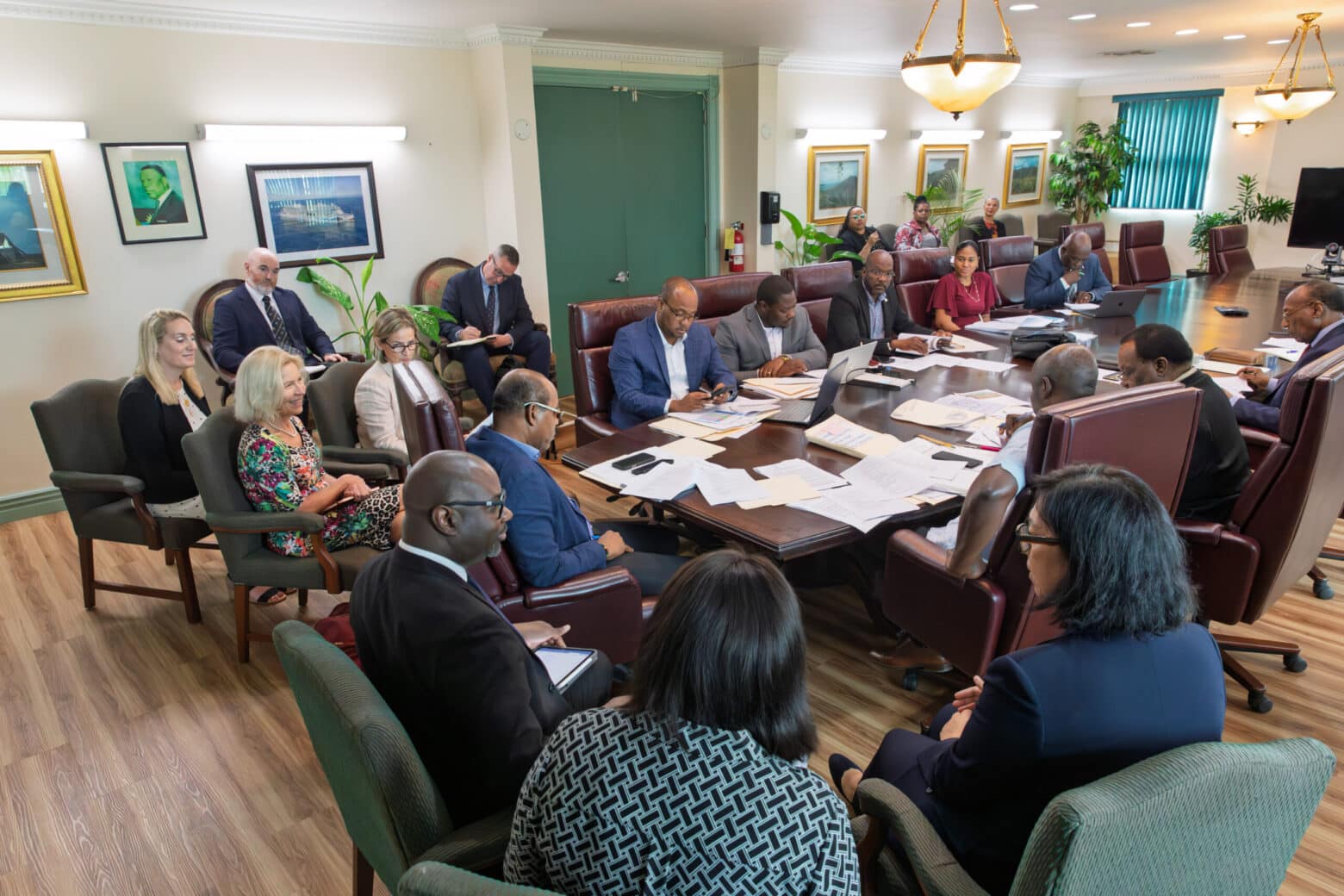
Prime Minister Gaston Browne has underscored the significant global impact of Antigua and Barbuda, despite its modest size. Speaking at a recent address, Browne highlighted the nation’s pivotal role in hosting major international events, including the UN SIDS4 Conference, the OAS General Assembly, and the upcoming CHOGM 2026. These gatherings have positioned the twin-island nation as a key player on the world stage. Browne also emphasized Antigua and Barbuda’s top ranking in the Caribbean on the UN Human Development Index, a testament to its progress in social and economic development. Additionally, the Prime Minister pointed to the country’s active engagement in critical global issues such as climate change, reparations, and financial reform. ‘We may be small in geography, but our influence is substantial,’ Browne asserted, reaffirming the nation’s respected voice in international forums.
-
PM Gaston Browne 44th Anniversary of Independence Address to the Nation
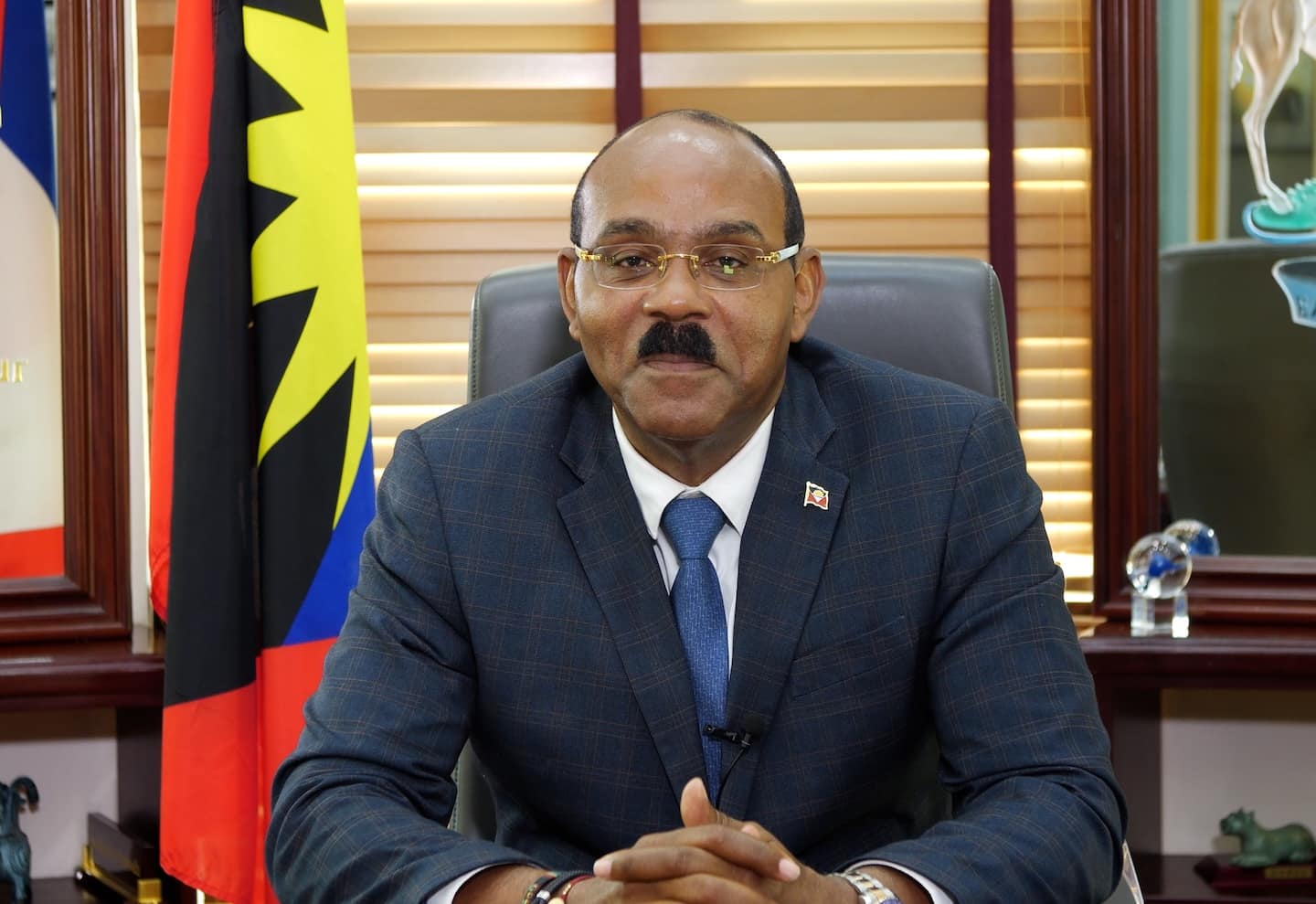
On November 1, 2025, Prime Minister Gaston A. Browne addressed the nation on the 44th anniversary of Antigua and Barbuda’s independence, highlighting the country’s remarkable progress and future aspirations. Reflecting on the nation’s journey from struggle to strength, Browne emphasized the enduring spirit of patriotism and the collective efforts that have driven the country forward.
-
TTDF on highest alert: All personnel recalled to base amid Venezuela war fears
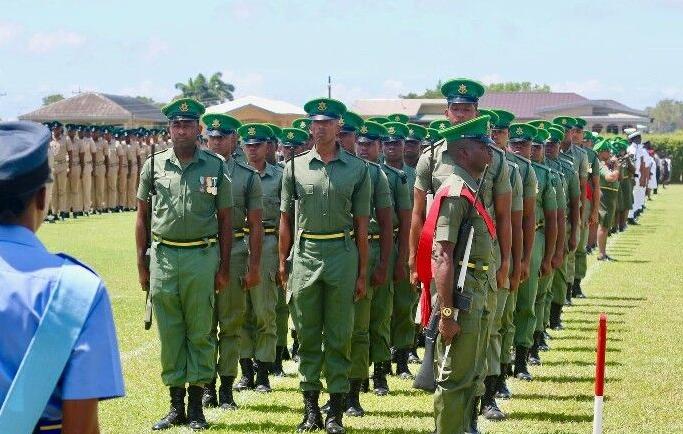
The Trinidad and Tobago Defence Force (TTDF) has escalated its operational readiness to the highest level, known as State One Alert, following an abrupt directive for all military personnel to report to their respective bases by the evening of October 31. This unprecedented recall was prompted by escalating regional instability, particularly international media reports suggesting an imminent U.S. military strike against targets in neighboring Venezuela. Senior intelligence and military sources confirmed that an urgent circular was issued mid-morning on October 31, mandating all active soldiers, sailors, and air guard officers to report for duty. An internal message emphasized the gravity of the situation, stating, ‘This is not a drill. All are strongly advised to make all necessary arrangements with your families and prepare for confinement.’ Personnel on leave, including those on pre-retirement or sick leave, were instructed to remain on immediate standby. Soldiers were directed to report to the four main military bases across the country: Cumuto, La Romaine, Chaguaramas, and Long Circular. The State One Alert signifies the military’s maximum readiness posture, prepared for immediate deployment to secure national assets and borders. High-level officials described the move as a precautionary measure to address potential regional or national disturbances arising from the escalating crisis. The immediate trigger for the alert is the mounting tension between the United States and Venezuela, with international news agencies reporting that the U.S. administration is considering military action against the Maduro government. Despite the TTDF’s mobilization, the Ministry of Foreign and CARICOM Affairs issued a statement urging calm, denying any changes to national security arrangements and attributing public anxiety to ‘false news reports.’ Defence Minister Wayne Sturge declined to confirm the orders in Parliament, stating that doing so would be ‘contrary to the public interest.’ However, these assurances have failed to alleviate widespread anxiety, with schools and businesses closing early across parts of Trinidad. The TTDF remains on State One Alert, with troops confined to their installations awaiting further instructions.
-

Ambassador Calvin Ayre, Ayre Group Salutes Antigua and Barbuda on 44th Independence: “Solid, Stable, Soaring”
Ambassador Calvin Ayre, founder of the Ayre Group, has extended heartfelt congratulations to Antigua and Barbuda on the occasion of their 44th Independence Anniversary. In a statement, Ayre described the nation as ‘solid, stable, and soaring,’ highlighting its remarkable progress and resilience since gaining independence in 1981. He emphasized the country’s economic stability, political maturity, and its ability to overcome challenges, which have positioned it as a beacon of success in the Caribbean region. Ayre also acknowledged the government’s efforts in fostering innovation, particularly in the technology and financial sectors, which have attracted global attention. The Ayre Group, known for its investments in blockchain and digital assets, has been a key partner in Antigua and Barbuda’s technological advancements. Ayre expressed optimism about the nation’s future, predicting continued growth and prosperity. His remarks underscored the strong relationship between the Ayre Group and Antigua and Barbuda, rooted in mutual respect and shared goals for sustainable development.
-
CARICOM Highlights Antigua and Barbuda’s Diplomatic Leadership on 44th Independence Anniversary
The Caribbean Community (CARICOM) Secretary-General, Dr. Carla Barnett, has lauded Antigua and Barbuda for its prominent role on both regional and international platforms as the nation prepares to celebrate its Forty-Fourth Anniversary of Independence on November 1, 2025. In a congratulatory message to Prime Minister Hon. Gaston Browne, Dr. Barnett highlighted the country’s significant diplomatic achievements, including its successful hosting of the 55th Organization of American States (OAS) General Assembly in June 2025 and its upcoming role as host of the 28th Commonwealth Heads of Government Meeting (CHOGM) in 2026. Dr. Barnett also commended Prime Minister Browne’s leadership in the CARICOM Quasi-Cabinet, particularly in the Services portfolio. The Secretary-General’s message emphasized the theme of this year’s celebrations, ‘Solid – Stable – Soaring,’ which reflects the nation’s resilience, vision, and aspirations. She extended her best wishes for continued peace, stability, and progress in Antigua and Barbuda.
-
Ravin Soerdjbalie benoemd tot directeur Bureau Binnenlandse Zaken
In a significant administrative development, President Jennifer Simons has officially approved the appointment of Ravin Soerdjbalie as the Director of the Bureau of the Minister of Home Affairs. This decision, based on the recommendation of the Minister of Home Affairs, was formalized through a resolution dated October 24, 2025, and is retroactively effective from September 1, 2025. The employment contract, signed by Minister Marinus Bee, is indefinite and aligns with the salary scale for directors of General Administration departments. The appointment received unanimous approval from the Council of Ministers. Soerdjbalie brings a wealth of experience in public administration, having previously served as a legal policy advisor to the National Assembly and as the Deputy Chairman of the Independent Electoral Bureau. Additionally, he is currently pursuing a doctorate in Criminal Justice and Cybercrime at the European International University and has extensive experience as a consultant in governance, law, and security.
-
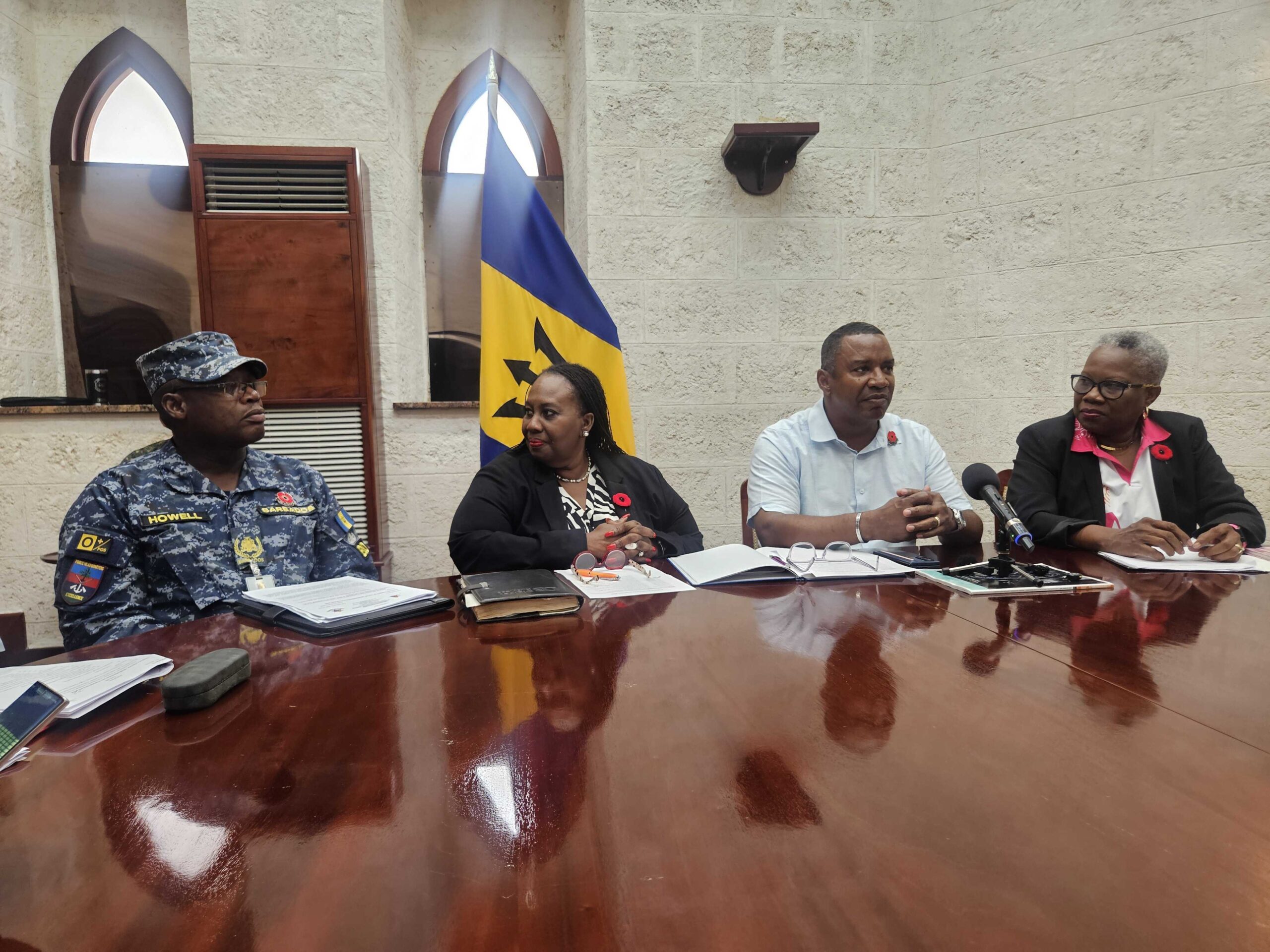
November 30 to remain Independence Day
The Barbadian government has officially confirmed that November 30 will continue to be celebrated as Independence Day, putting an end to the ongoing public debate about whether the date should instead be observed as Republic Day. Minister of Home Affairs and Information Wilfred Abrahams emphasized the significance of the day during a press conference held at Parliament on Friday. He clarified that both Independence Day and the day Barbados became a republic fall on the same date, stating, “Some accept that republican status is effectively the culmination of independence. Our independence journey started on the 30th of November 1966 and it went to the next stage when we became a republic.” Abrahams stressed that the focus remains on national pride, celebrating all aspects of independence, including the separation from Britain and the declaration of Barbados as an independent republic with a homegrown head of state. While the government is preparing a full calendar of Independence activities, many businesses have already shifted into Christmas mode. Abrahams acknowledged this trend, noting that businesses prioritize their bottom line and people are eager to start their Christmas activities. He encouraged media and radio stations to play Barbadian music in the lead-up to Independence but admitted that the government cannot control individual participation levels. The ministry has reached out to Bridgetown businesses and commercial entities responsible for public spaces to encourage participation in national decorations and lighting. Abrahams reminisced about a time when Christmas decorations were not put up until after Independence, highlighting a cultural shift. This year’s Independence festivities, expected to cost about $1 million, will feature a strong patriotic theme and incorporate the final events of We Gatherin’, a year-long community and parish initiative. Abrahams praised We Gatherin’ for rekindling parish pride and community spirit, noting increased participation in events. A formal monitoring and evaluation report on We Gatherin’ will be published after the final month’s activities conclude. Abrahams also highlighted the inauguration of President-elect Lieutenant Colonel Jeffrey Bostic on Independence Day, generating heightened anticipation. Bostic, who gained public trust during the COVID-19 pandemic, is seen as a voice of reason and strength. Barbadians are excited to see him take the highest office in the land.
-
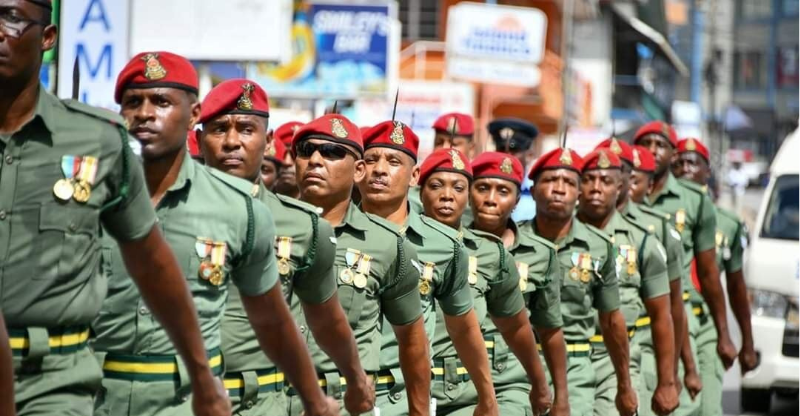
TTDF on highest alert: All personnel recalled to base amid Venezuela war fears
The Trinidad and Tobago Defence Force (TTDF) has escalated its operational readiness to the highest level, known as State One Alert, following an abrupt directive for all military personnel to report to their respective bases by early evening on October 31. This unprecedented move was prompted by heightened regional instability, particularly reports of a potential US military strike against targets in neighboring Venezuela. Senior intelligence and military sources confirmed that an urgent circular was issued mid-morning, mandating all active soldiers, sailors, and air guard officers to return to duty. An internal message emphasized the gravity of the situation, stating, ‘This is not a drill,’ and advising personnel to prepare for confinement. Even those on leave were instructed to remain on standby. Troops were directed to report to four main bases: Cumuto, La Romaine, Chaguaramas, and Long Circular. State One Alert signifies the military’s maximum readiness, poised for immediate deployment to safeguard national assets and borders. High-level officials described the measure as precautionary, aimed at addressing potential regional or national disturbances stemming from the escalating US-Venezuela crisis. International media reports suggest the US is intensifying its campaign against the Maduro government, including possible military action. Despite the mobilization, the Ministry of Foreign and CARICOM Affairs urged calm, denying any changes to national security arrangements and attributing public anxiety to ‘false news reports.’ Defence Minister Wayne Sturge refrained from confirming the orders in Parliament, citing public interest concerns. However, these assurances have failed to alleviate widespread unease, with schools and businesses closing early across parts of Trinidad. The TTDF remains on State One Alert, with troops confined to installations awaiting further instructions.
-
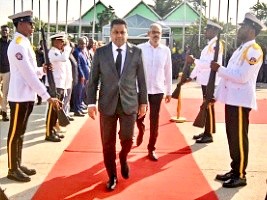
Politic : Laurent Saint-Cyr in Doha, Qatar
Laurent Saint-Cyr, the President pro tempore and Coordinator of Haiti’s Transition Council, embarked on a crucial diplomatic mission to Doha, Qatar, on October 31, 2025. His participation in the Second World Summit on Social Development marks a pivotal moment for Haiti, which is grappling with a deepening humanitarian crisis exacerbated by the imminent threat of Hurricane Melissa. Saint-Cyr emphasized that this visit is far from symbolic, stating, ‘We will continue our work on the ground, alongside our diplomatic efforts, to ensure that resolving the Haitian crisis remains a top priority among all major global emergencies.’ The summit, attended by heads of state, government leaders, and international organizations, provides Haiti with a unique platform to secure financial and technical assistance, strengthen security, and lay the groundwork for free and credible elections. During his stay, Saint-Cyr will also engage with Qatari authorities to further discussions initiated at the 80th United Nations General Assembly, aiming to mobilize essential resources and partnerships. Back in Haiti, the Transition Council and the government remain actively engaged in coordinating relief efforts and providing support to communities most affected by the hurricane.