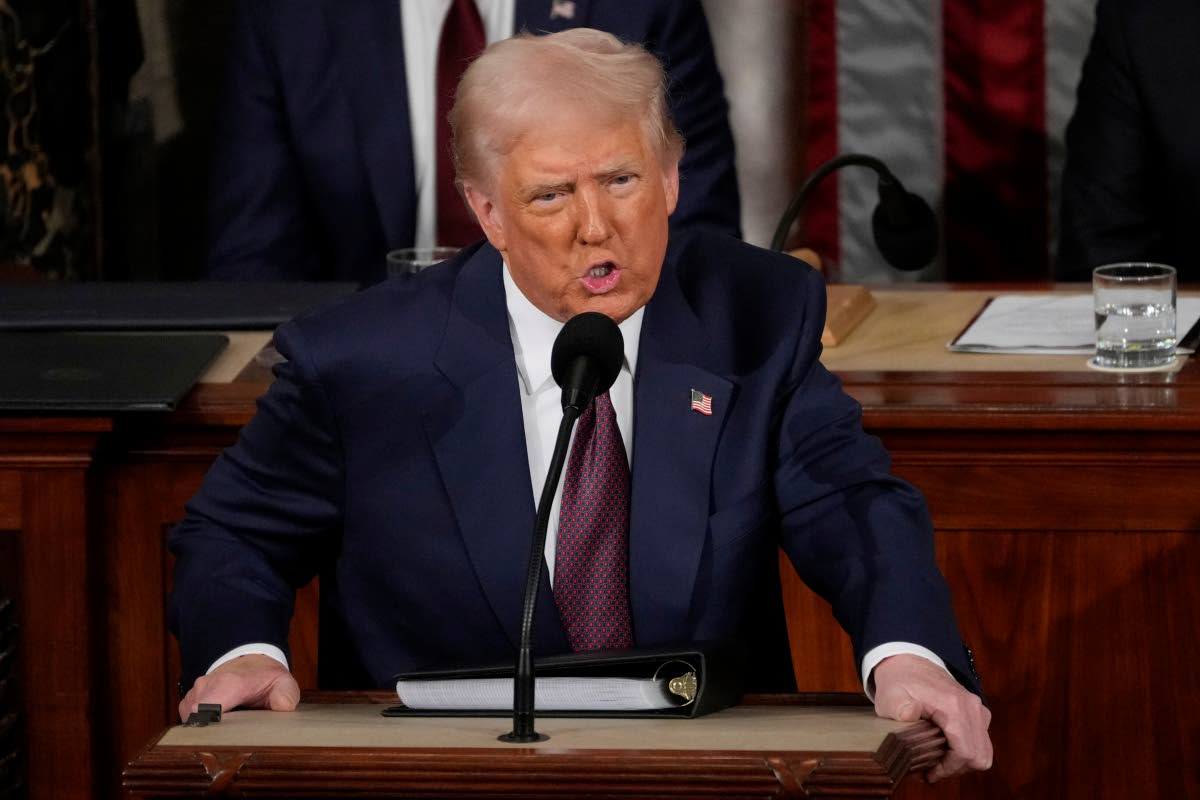
US President Donald Trump has hinted at possible discussions with Venezuelan leader Nicolás Maduro, marking a potential shift in the strained relations between the two nations. Speaking to reporters at Palm Beach International Airport on November 16, Trump stated, ‘Let’s see how that turns out. They would like to talk.’ However, he remained noncommittal about Maduro’s future as Venezuela’s leader, citing the significant damage Maduro has caused to the US, particularly through drug-related issues and the release of prisoners into the country. Trump emphasized that the situation is complex and that further decisions would be made in due course. This announcement came shortly after the US Department of State declared its intention to designate Venezuela’s Cartel de los Soles as a terrorist organization, effective November 24. Secretary of State Marco Rubio affirmed that the US would continue to employ all available tools to safeguard national security and disrupt funding to narco-terrorists. Trump acknowledged that the designation could enable the US to target Maduro’s assets but clarified that no definitive actions have been decided. The backdrop to these developments includes a reported offer from Maduro’s administration to grant the US a dominant stake in Venezuela’s oil and mineral wealth, as revealed by The New York Times on October 10. Meanwhile, US Secretary of War Pete Hegseth has launched Operation Southern Spear, aimed at dismantling drug cartels in the Western Hemisphere. The US has also increased the bounty for Maduro’s arrest from $15 million to $50 million. Recent US military actions in the Eastern Pacific and Caribbean Sea have resulted in at least 83 deaths, further straining relations between Venezuela and Trinidad and Tobago (TT). Venezuela has accused TT of collaborating with the US, a claim vehemently denied by TT Prime Minister Kamla Persad-Bissessar, who has expressed strong support for US efforts to curb illegal weapons and drugs. In response, Venezuela has suspended energy deals with TT and declared Persad-Bissessar persona non grata.
分类: politics
-
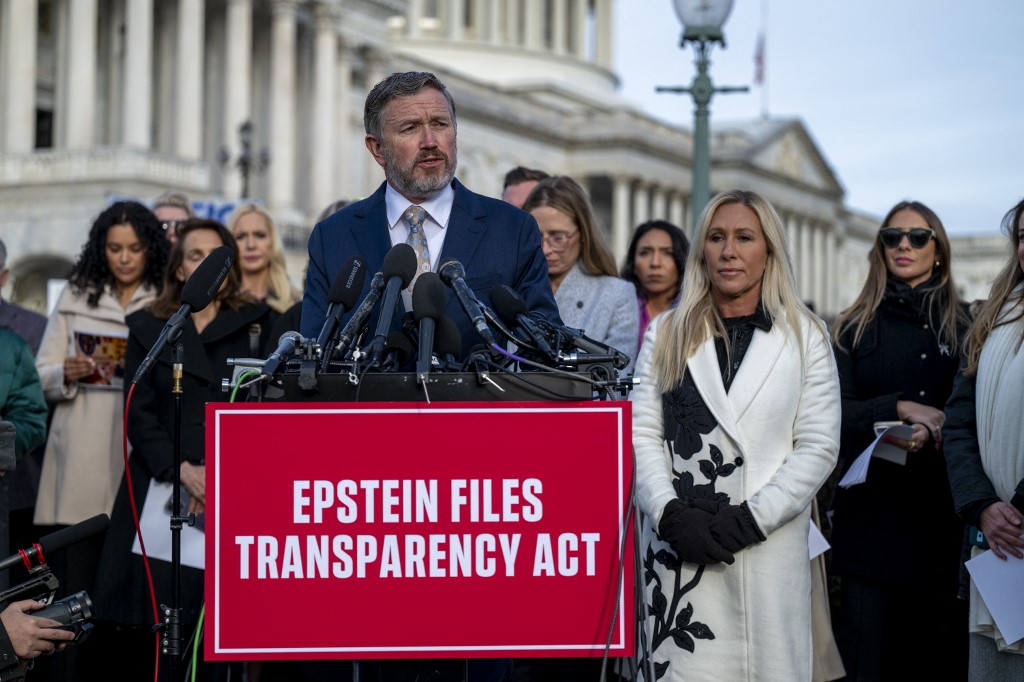
US lawmakers set for explosive vote on Epstein files
In a significant political development, the US House of Representatives is set to vote on Tuesday for the release of government records related to Jeffrey Epstein, the convicted sex offender whose case has sparked widespread controversy. This move comes despite initial resistance from President Donald Trump, who had sought to suppress the documents. However, mounting pressure from within his own party has forced a reversal of his stance. The Epstein Files Transparency Act, which mandates the publication of unclassified documents detailing the investigation into Epstein’s operations and his 2019 death in custody, is expected to pass, potentially unanimously. Lawmakers argue that the public deserves transparency in a case involving over 1,000 alleged victims. Trump has claimed the files will expose powerful Democrats’ ties to Epstein, but his own long-standing friendship with the financier has drawn scrutiny. While the House vote appears decisive, the Justice Department retains the authority to withhold information if it jeopardizes an active investigation. The saga has revealed rare divisions within the Republican Party, with some members defying Trump to push for the release. Epstein survivors have expressed skepticism about the president’s motives, emphasizing the need for accountability. The case continues to cast a shadow over Washington, with potential revelations likely to fuel further political and public debate.
-
Sentenced to death
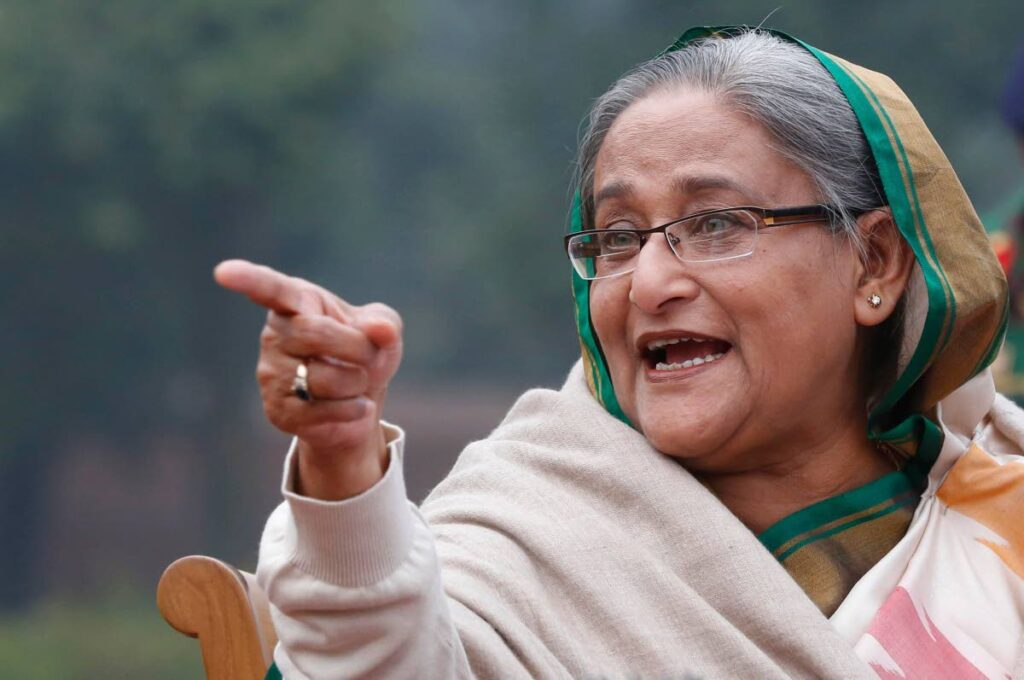
In a landmark ruling, Bangladesh’s former Prime Minister Sheikh Hasina has been sentenced to death for crimes against humanity, following a brutal state crackdown on student-led protests in 2024. A UN fact-finding report revealed that 1,400 people were killed, including 13% children, while thousands were maimed and 11,700 arbitrarily detained. The crackdown, marked by extrajudicial killings, torture, and surveillance, targeted dissenters, journalists, and medical staff. Women and girls faced sexual and gender-based violence, all orchestrated under Hasina’s iron-fisted regime. Despite her conviction, Hasina, exiled in India, remains unlikely to face extradition. She dismissed the tribunal’s ruling as a “farce,” claiming it was politically motivated. Her lawyers preemptively lodged a complaint with the UN, arguing the trial was retribution. The UN report corroborated the tribunal’s findings, detailing how Hasina, also the defense minister, directed security forces to violently suppress opposition. UN Human Rights Chief Volker Türk described the response as a calculated strategy to retain power. Hasina, the world’s longest-serving female head of state, openly demeaned protesters, asserting their efforts were futile. While international bodies face challenges in enforcing accountability, this ruling serves as a stark reminder that leaders may eventually face consequences for disregarding due process and human rights for political gain.
-
Trump’s Venezuela strategy collapsing
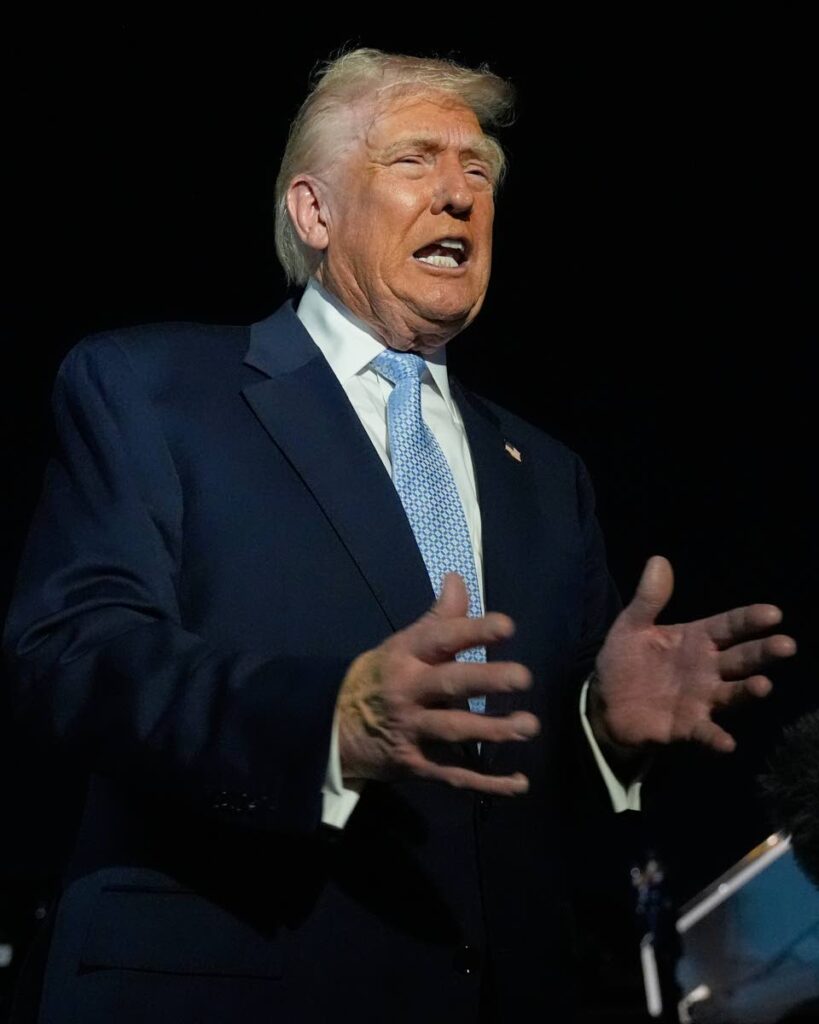
US President Donald Trump’s recent decision to launch missile strikes on suspected drug-trafficking boats in the Caribbean has ignited a firestorm of criticism, both domestically and internationally. Initially framed as a decisive move against organized crime, the operation has instead highlighted the limitations of unilateral military action and the perils of prioritizing force over diplomacy. The strikes resulted in 76 fatalities, yet the US has failed to provide concrete evidence linking the destroyed vessels to drug trafficking. This lack of transparency raises serious concerns about due process and the rule of law, principles that are foundational to any democratic society. The most striking reactions have come not from Trump’s critics but from his traditional allies. The UK, America’s closest partner, has ceased intelligence-sharing to avoid complicity, while Canada has distanced itself and Colombia has severed ties entirely. This widespread disengagement underscores the flawed nature of the strategy. Trump’s supporters argue that the strikes were necessary to protect American citizens, but such actions, devoid of legal justification, represent unchecked power rather than genuine security. History has repeatedly shown that wars waged on fear and instinct, rather than clear evidence, rarely yield positive outcomes. Equally troubling is the silence from Republican leaders, who once championed constitutional values but now turn a blind eye to extrajudicial killings carried out in America’s name. The global backlash is not an overreaction but a stark warning. When a nation forsakes transparency, legality, and alliances, it does not strengthen itself—it isolates itself. Trump’s promise of strength rings hollow when it lacks the support of allies, adherence to law, and a foundation of humanity. This episode marks the beginning of a decline, and the world is already witnessing it unfold.
-
What about removal of online tax?
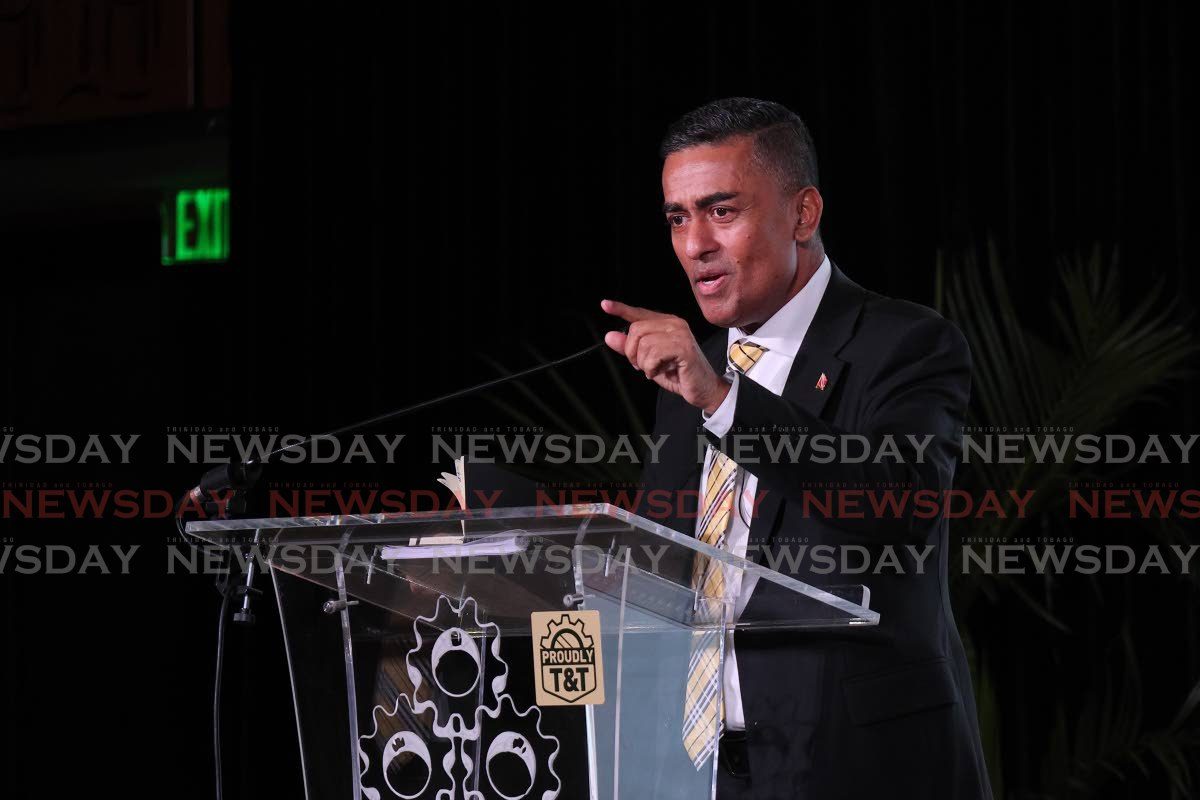
In a heartfelt letter to the editor published in Newsday, Barry S. Bissessar, a self-proclaimed ‘Fyzo boy’ and former schoolmate of Finance Minister Davendranath Tancoo, extended his congratulations on Tancoo’s recent appointment to public office. However, Bissessar also took the opportunity to remind the minister of a significant campaign promise: the removal of the seven per cent Online Purchase Tax (OPT).
Bissessar recalled that the current Prime Minister, during his time as opposition leader, had repeatedly criticized the OPT as a ‘nuisance tax’ and vowed to eliminate it. The tax was introduced during the 2016-2017 budget by the then finance minister, placing an additional burden on an already heavily taxed population.
While acknowledging that the removal of the OPT might have been overlooked in the preparation of the 2025-2026 budget, Bissessar expressed confidence that the issue would be addressed during the mid-year review or, at the latest, in the next budget cycle. The letter serves as both a congratulatory message and a gentle nudge to the finance minister to fulfill a key electoral promise.
-
Venezuela congrats Ecuadorians on referendum’s victory
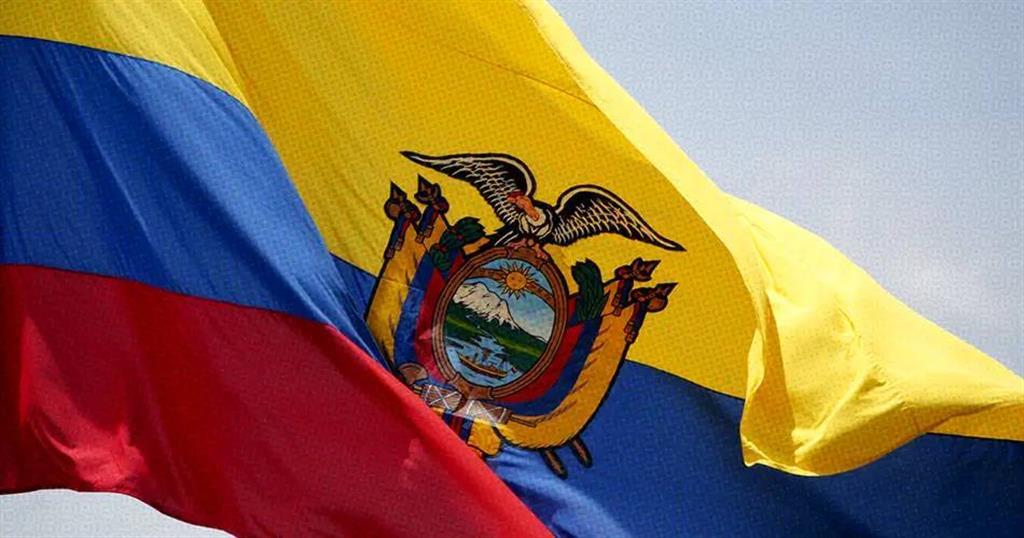
In a landmark political event, Ecuador witnessed an overwhelming public rejection of key government proposals during a recent referendum. With voter turnout surpassing 80 percent, the Ecuadorian people delivered a decisive message by voting ‘NO’ on four critical issues. Nearly 90 percent of the votes counted revealed that 60.54 percent opposed the establishment of foreign military bases, 58.04 percent rejected reducing the number of assembly members, 53.45 percent objected to public funding for political parties, and 61.58 percent declined the proposal to convene a Constituent Assembly. This unexpected outcome marked a significant political victory for the nation. A high-ranking diplomat, expressing solidarity with Ecuador, hailed the event as a triumph for dignity and a rejection of ‘defeatist policies’ linked to corruption and drug trafficking. He emphasized that Ecuador is now on a path to reclaiming popular victories and combating systemic issues of violence and subjugation. The referendum underscored the people’s resilience and their commitment to shaping a future free from external and internal threats.
-

Fox in de henhouse!
In a bold and thought-provoking address at the Grenada Co-operative Bank’s 2025 IMA Round Table Conference, economist Brian Samuel delivered a scathing critique of Grenada’s Citizenship by Investment (CBI) program. Known for his vocal opposition to CBI, Samuel was invited to share his perspective on the controversial initiative, which grants citizenship to foreign investors in exchange for significant financial contributions. His panel discussion, titled ‘Dependence vs Reliance: CBI as a Foreign Direct Investment Source of Revenue for Grenada,’ set the tone for a day of intense debate and introspection. Samuel argued that the program, while lucrative, disproportionately benefits private developers and foreign agents at the expense of Grenadian citizens. He highlighted the lack of due diligence in CBI-funded projects, citing examples of poorly planned developments that clash with Grenada’s natural beauty and cultural identity. Samuel also raised concerns about the long-term demographic and political implications of issuing over 20,000 passports in less than a decade. He called for the elimination of the real estate option within CBI, advocating instead for all proceeds to be directed toward public sector investments, such as healthcare and education. His remarks, though controversial, resonated with many Grenadians, sparking a broader conversation about transparency, accountability, and the true beneficiaries of the CBI program.
-

Fostering Global Security Together: A Call for Taiwan’s Participation in INTERPOL
In an era where transnational crime is increasingly complex and interconnected, the exclusion of Taiwan from INTERPOL poses significant challenges to global security. H.E. Edward Ling-wen Tao, Ambassador of the Republic of China (Taiwan) to the Federation of St. Kitts and Nevis, has issued a compelling call for Taiwan’s inclusion in the international law enforcement network. Taiwan’s robust law enforcement capabilities and commitment to public safety make it a valuable partner in combating crime, yet its absence from INTERPOL limits its ability to share and access critical intelligence. This gap not only hinders Taiwan’s efforts but also weakens the global fight against crime. INTERPOL, founded on the principle of international cooperation, emphasizes the importance of shared resources and strategies to address threats like human trafficking, terrorism, and cybercrime. Taiwan’s exclusion, however, creates vulnerabilities, particularly in areas such as passport fraud and digital piracy. Despite these challenges, Taiwan has demonstrated its commitment to global security through its active participation in international investigations and its advanced law enforcement systems. The international community is urged to support Taiwan’s bid for observer status at INTERPOL, enabling it to contribute more effectively to the shared goal of a safer world.
-

Call for Taiwan’s substantive participation in INTERPOL—enhancing joint efforts to combat transnational crime through real-time intelligence exchange
In a compelling call for inclusion, Taiwan’s law enforcement authorities have urged for substantive participation in INTERPOL, emphasizing the critical need for real-time intelligence exchange to combat transnational crime. Despite its proven expertise in crime prevention and public safety, Taiwan has been unjustly excluded from INTERPOL for over four decades due to political reasons. This exclusion severely hampers Taiwan’s ability to access vital databases, participate in global law enforcement events, and share information in real time, creating a significant gap in the global security network. Taiwan’s law enforcement agencies have demonstrated remarkable success in combating drug smuggling, cyberfraud, and human trafficking, earning international recognition for their efforts. However, without access to INTERPOL’s I-24/7 global police communications system, Taiwan faces delays in reporting and coordination, which can lead to loss of evidence, failure to apprehend suspects, and increased suffering for victims. The globalization of crime, including the rise of human trafficking-fueled scam centers and cybercrime, underscores the urgent need for enhanced international cooperation. Taiwan’s inclusion in INTERPOL would enable seamless coordination among countries, addressing common threats and safeguarding global stability. Experts, including Dr. John Coyne of the Australian Strategic Policy Institute, have highlighted the detrimental impact of Taiwan’s exclusion on global policing efforts, urging the international community to support Taiwan’s bid for observer status in INTERPOL. Taiwan remains committed to strengthening cooperation with countries worldwide and contributing to the fight against transnational crime.
-
I will not vote
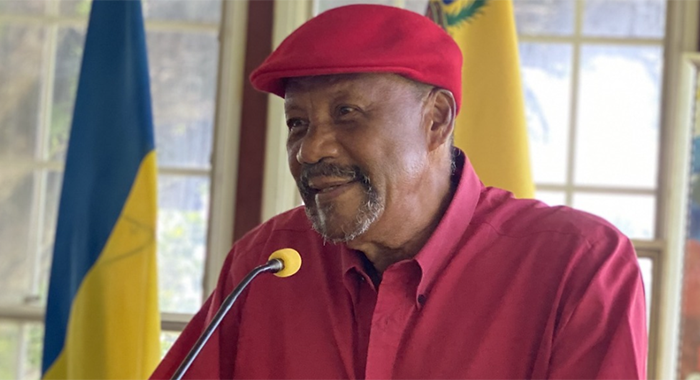
As the November 27 elections in St. Vincent and the Grenadines approach, the working class finds itself deeply divided in its support for political parties. This division has pitted co-workers against co-workers and family members against one another, with many hoping that their chosen party will deliver tangible benefits. However, both the Unity Labour Party (ULP) and the New Democratic Party (NDP) are fundamentally capitalist entities, prioritizing the interests of local and foreign capitalists over the working class. Historically, the ULP initially positioned itself as pro-working class, influenced by the left-leaning Movement for National Unity during its 1994 merger. However, once in power, the ULP shifted to the right, aligning itself with multinational corporations, particularly in the hospitality sector. The NDP, founded in 1975, emerged during a period of political turmoil but has consistently maintained its capitalist and liberal leanings. Despite their differences, both parties have failed to address systemic issues such as poverty, unemployment, wage disparities, and inadequate public services. The working class remains disillusioned, with many viewing the elections as a choice between two flawed options. Campaigns, funded by the wealthy, further marginalize ordinary citizens, leaving them with little influence over the political process. In this context, the need for systemic change has become increasingly apparent. Organizations like SOLIDARITY RIGHTS advocate for fundamental rights, including access to quality healthcare, education, decent work, and housing, as essential pillars for a just society. As the election looms, the focus shifts to the broader question of national direction post-November 27, emphasizing the need for a system that empowers ordinary people to shape their own destinies.