
As the United Democratic Party (UDP) prepares for its November 30th national convention under the banner of \”Unity,\” attention has sharply focused on a contentious three-way race for Party Chairman. The convention, intended to mark a fresh start for Belize’s primary opposition party, now features a dramatic political subplot with former leader John Saldivar attempting a remarkable return to prominence.\n\nThe chairman candidates—Sheena Pitts, Roosevelt Blades, and John Saldivar—each bring substantial backing. Pitts enjoys support from UDP leadership frontrunner Tracy Panton, while Blades serves as campaign manager for key party financier Lee Mark Chang. Most notably, Saldivar has secured endorsement from the northern caucus, including Deputy Leader Hugo Patt, despite carrying significant political baggage.\n\nSaldivar’s political trajectory once appeared destined for the highest office. After winning Belmopan in 2008 following redistricting and securing re-election in 2012 and 2015, he reached his zenith in February 2020 by winning the party leadership vote to succeed Dean Barrow. This triumph proved shockingly brief—within hours, U.S. court documents linked him to convicted fraudster Lev Dermen, who was implicated in a major money laundering case.\n\nThe fallout was immediate and severe. Saldivar resigned as leader-elect and faced suspension from his Cabinet position. In November 2022, the U.S. Department of State formally designated him for \”significant corruption,\\” citing improper acquisition of immigration documents and misuse of governmental resources during his tenure. The designation included travel bans for Saldivar and his immediate family, though he consistently denied the allegations as politically motivated.\n\nDespite these controversies, Saldivar remained politically active, most recently contesting the March 12, 2025 general election under Panton’s leadership. His defeat to PUP incumbent Oscar Mira by over 2,200 votes was widely interpreted as potentially ending his career. His current bid for chairman therefore represents a critical test of both his personal rehabilitation and the UDP’s willingness to embrace a figure with such controversial history.\n\nWhen questioned about Saldivar’s candidacy, financier Lee Mark Chang acknowledged having \”certain opinions\” but deferred to the democratic process, stating voters would ultimately decide. The convention now represents not just an organizational exercise, but a fundamental choice about the party’s identity and its path toward rebuilding credibility as an effective opposition force.
分类: politics
-

Magistrate to rule next month on whether Azruddin Mohamed’s case should go to High Court
A pivotal judicial decision awaits Guyanese opposition leader Azruddin Mohamed and his father, Nazar ‘Shell’ Mohamed, as Principal Magistrate Judy Latchman prepares to rule on December 10 regarding their potential extradition to the United States. The case centers on whether the US request for extradition on alleged financial crimes will be referred to Guyana’s High Court based on constitutional considerations.
The magistrate is expected to adjudicate multiple constitutional arguments presented by the Mohameds’ legal team, who are challenging the validity of amendments made to the Fugitive Offenders Act in 2009. Defense lawyer Roysdale Forde characterized these amendments as unconstitutional, stating they fundamentally altered Guyana’s extradition landscape following a previous High Court ruling that had struck down significant portions of the existing legislation.
Prosecutors have submitted extensive evidence, including an 11-count US indictment accusing the Mohameds of wire fraud, mail fraud, and money laundering related to their gold trading operations. However, the defense team expressed concerns about receiving redacted documents just one month before the deadline, with attorney Siand Dhurjon describing the situation as nearing an ‘ambush’ by the prosecution.
Lead prosecutor Terrence Williams, a Jamaican legal expert, dismissed allegations of procedural unfairness while emphasizing his team’s readiness to proceed with the extradition hearing. The court has established a strict timeline requiring defense submissions by December 5, followed by oral arguments on December 8 ahead of the magistrate’s final ruling.
The outcome will determine whether Guyana’s judicial system will allow the extradition process to advance, potentially setting significant legal precedents regarding constitutional protections in international criminal proceedings.
-

Northern frontline workers cast early ballots at Gros Islet Fire Station
Northern Saint Lucia witnessed robust electoral participation as essential workers from Gros Islet, Babonneau, and Castries North constituencies commenced advance voting Friday morning at the Gros Islet Fire Station. The polling facility opened precisely at 6:30 a.m., witnessing consistent voter traffic throughout the morning hours in preparation for the December 1 general elections.
Uniformed personnel from multiple critical services—including the Royal Saint Lucia Police Force, Saint Lucia Fire Service, and correctional facilities—formed the majority of early voters. Assistant Commissioner of Police Elvis Thomas, presiding officer for the northern electoral district, confirmed to St Lucia Times that comprehensive arrangements had been implemented to guarantee a seamless and organized voting procedure.
Commissioner Thomas revealed that 477 essential workers were registered for the northern division’s advance poll, with voter numbers anticipated to increase as the morning advanced. Official representatives from various political candidates were formally sworn in, while an international election observer from the Organisation of American States (OAS) monitored proceedings to ensure electoral integrity.
Emphasizing his commitment to preserving polling integrity, Thomas stated his primary objective was to facilitate an electoral exercise that proceeds ‘smoothly, freely, without any interruption.’ He advised voters to ‘exercise your rights, but do so in a manner that you do not violate any other person’s rights.’
Police officer Leon Epiphane of the Rodney Bay Police Station, currently on vacation, characterized his voting experience as fundamentally smooth despite noting some procedural delays involving candidate agents. ‘In the end, it worked out well, and I cast my ballot,’ commented Epiphane, a decade-long service member who expressed hope for peaceful elections through the post-polling period until Monday.
-
STATEMENT: ERC congratulatory message to New Democratic Party and people of St. Vincent and the Grenadines
In a landmark development for Caribbean politics, the Electoral Reform Coalition based in Dominica has formally applauded the New Democratic Party’s decisive victory in St. Vincent and the Grenadines’ 2025 general elections. This electoral outcome marks a profound political transformation, terminating a quarter-century of opposition status for the NDP while ushering in a new governance era under Prime Minister-elect Dr. Godwin Friday.
The coalition’s statement emphasized the exemplary democratic exercise demonstrated by Vincentian citizens, whose peaceful electoral participation resulted in the NDP securing eleven parliamentary seats—a commanding majority enabling government formation. This political transition represents not merely a domestic power shift but signals broader implications for democratic standards throughout the Caribbean region.
Dr. Friday, now poised to become the nation’s seventh post-independence prime minister, receives commendations for his leadership during this historic transition. The ERC’s message specifically highlighted expectations for the incoming administration to prioritize transparency, strengthen electoral integrity mechanisms, and advance socio-economic policies benefiting all citizens.
Notably, the coalition’s commentary extended beyond congratulatory remarks to draw parallels with Dominica’s political landscape, where a similarly prolonged administration has governed for 25 years. This comparative framing suggests the Vincentian election serves as both inspiration and potential catalyst for renewed civic engagement across neighboring nations.
The ERC concluded with expressions of optimism regarding national reconciliation efforts and reaffirmed its commitment to supporting democratic processes throughout the Caribbean community.
-

Dr Friday Puts An End to Gonsalves’ 24-Year Rule
In a historic political shift, St. Vincent and the Grenadines has elected its first new government in nearly a quarter-century. The New Democratic Party (NDP), led by Dr. Godwin Friday, secured a decisive victory in the 2025 general elections, capturing 11 of the 15 parliamentary seats and unseating the long-ruling Unity Labour Party (ULP).
This electoral outcome concludes the remarkable 24-year tenure of Dr. Ralph Gonsalves, who ranks among the Caribbean Community’s (CARICOM) most enduring leaders. First assuming office in 2001, the 79-year-old incumbent had been pursuing an unprecedented sixth consecutive term in power.
The victory positions Dr. Friday to become the nation’s seventh prime minister since gaining independence from Britain in 1979. His incoming administration has outlined an ambitious reform agenda prioritizing economic revitalization through job creation, wage increases, and measures to reduce the high cost of living. Additional key priorities include addressing public security concerns through enhanced crime prevention strategies and upgrading critical national infrastructure.
The NDP’s return to governance marks their first electoral triumph in 25 years, signaling a significant realignment in the nation’s political landscape and reflecting voters’ appetite for change after nearly a generation under ULP leadership.
-
Regional leaders congratulate Dr. Godwin Friday on historic election victory
The Caribbean political landscape has witnessed a seismic shift as Dr. Godwin Friday’s New Democratic Party (NDP) secured a landmark victory in St. Vincent and the Grenadines’ 2025 general elections, ending a quarter-century of opposition status. The NDP captured 14 of the 15 parliamentary seats, marking one of the most decisive electoral triumphs in the nation’s history since gaining independence in 1979.
Regional leaders have unanimously extended congratulations to Dr. Friday, who is poised to become the country’s seventh prime minister. Dominican Prime Minister Roosevelt Skerrit, speaking through official state channels, commended the democratic process and expressed eagerness to strengthen bilateral ties. “Dominica looks forward to working with Dr. Friday to reinforce the bonds of friendship and regional solidarity between our nations,” Skerrit stated.
The sentiment was echoed by Dr. Thomson Fontaine, leader of Dominica’s United Workers Party, who characterized the outcome as “a new beginning” for Vincentians. Jamaican Prime Minister Andrew Holness similarly praised the peaceful democratic exercise, emphasizing Jamaica’s commitment to collaborative regional development. “May this new chapter bring hope, unity, and progress for all Vincentians,” Holness remarked, underscoring the collective aspiration for enhanced Caribbean resilience and prosperity.
This electoral upset concludes the lengthy tenure of former Prime Minister Ralph Gonsalves and introduces a transformative era of governance under Dr. Friday’s leadership. The overwhelming mandate reflects public appetite for change and sets the stage for potential policy reorientation in both domestic affairs and regional diplomacy.
-
Comrade Ralph falls
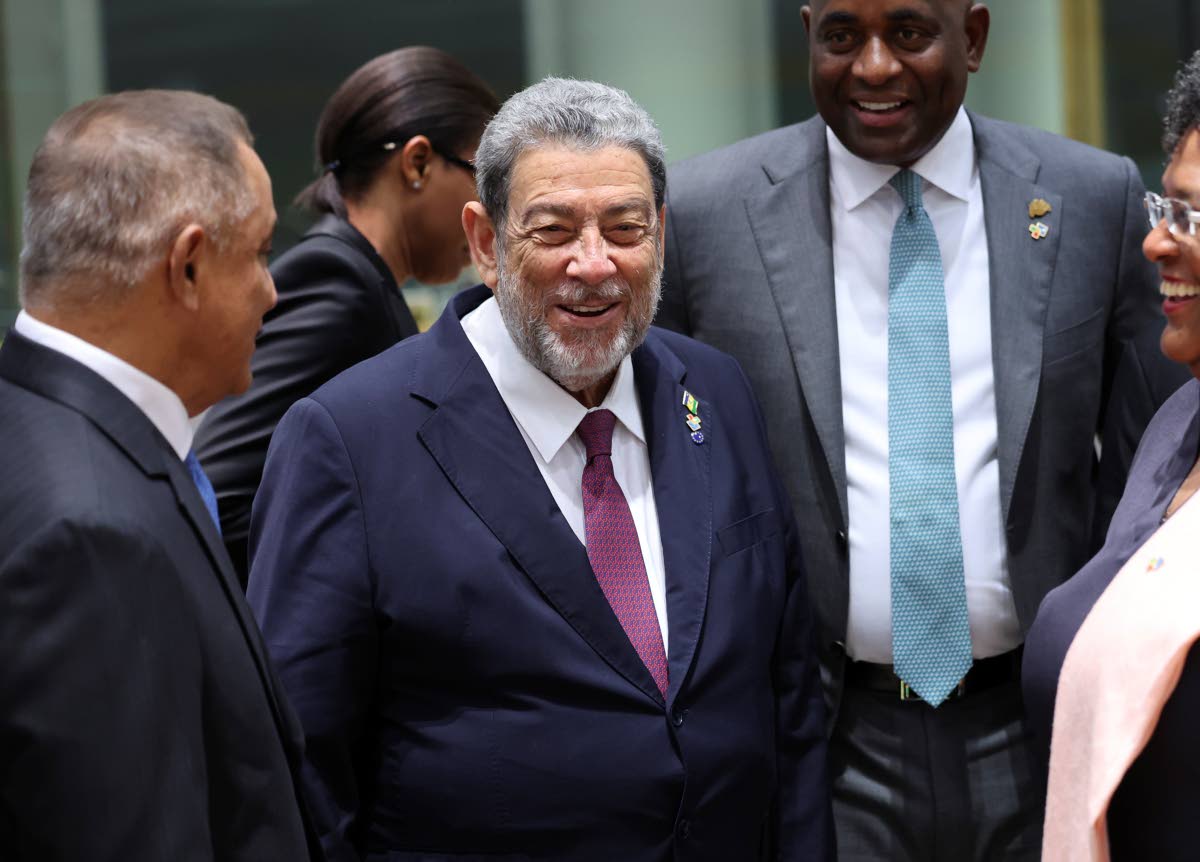
The Caribbean political landscape has undergone a seismic shift with the decisive electoral outcome in St Vincent and the Grenadines. On November 27, voters delivered a stunning rebuke to incumbent Prime Minister Ralph Gonsalves and his United Labour Party (ULP), ending their 23-year governance with a resounding 14-1 parliamentary victory for opposition leader Godwin Friday’s New Democratic Party (NDP).
This electoral result marks the most conclusive victory in the nation’s history since 1989, when the NDP previously secured all parliamentary seats under James Mitchell’s leadership. For Dr. Friday, aged 66, this triumph represents the culmination of a methodical political ascent. Conversely, for the 79-year-old Dr. Gonsalves, the defeat signals the conclusion of an extraordinary political era that began in 2001.
While regional leaders including Trinidad and Tobago’s Prime Minister Kamla Persad-Bissessar celebrated the outcome as a “resounding democratic mandate,” constituency-level results reveal a nation characterized by deep political divisions. Despite his party’s overwhelming defeat, Dr. Gonsalves retained his own seat with 2,577 votes against 996 for his opponent. The ULP secured 27,148 total votes compared to the NDP’s 37,002, with overall voter participation declining to 62% from 67% in the previous election.
The incoming administration campaigned on ambitious promises including economic revitalization, job creation with improved wages, addressing escalating crime rates, and enhancing national infrastructure. Potentially most significant internationally is the NDP’s historical commitment to sever diplomatic relations with Taiwan in favor of establishing ties with China—a geopolitical maneuver that would reduce Taiwan’s diplomatic partners to merely 12 nations worldwide.
Dr. Gonsalves leaves behind substantial shoes to fill within CARICOM frameworks, where he served as a prominent advocate for climate justice, slavery reparations, and regional mediation efforts—most notably contributing to the Argyle Decree. His departure, combined with potential foreign policy recalibrations in Trinidad and Tobago, Guyana, and now St Vincent, may signal broader geopolitical realignments within the Caribbean bloc, all while the United States under the Trump administration maintains its assertive stance toward Cuba and Venezuela.
The veteran leader’s legacy includes steering the nation through multiple crises including the global financial downturn, COVID-19 pandemic, La Soufrière volcanic eruption, and Hurricane Beryl. He also presided over the development of the country’s inaugural international airport. However, his implementation of vaccine mandates eroded support among certain constituencies, and many voters ultimately believed his time in leadership had naturally concluded. Dr. Gonsalves’ anticipated role as opposition leader now presents an intriguing dynamic for the nation’s political future.
-
Don’t scold citizens, Alexander
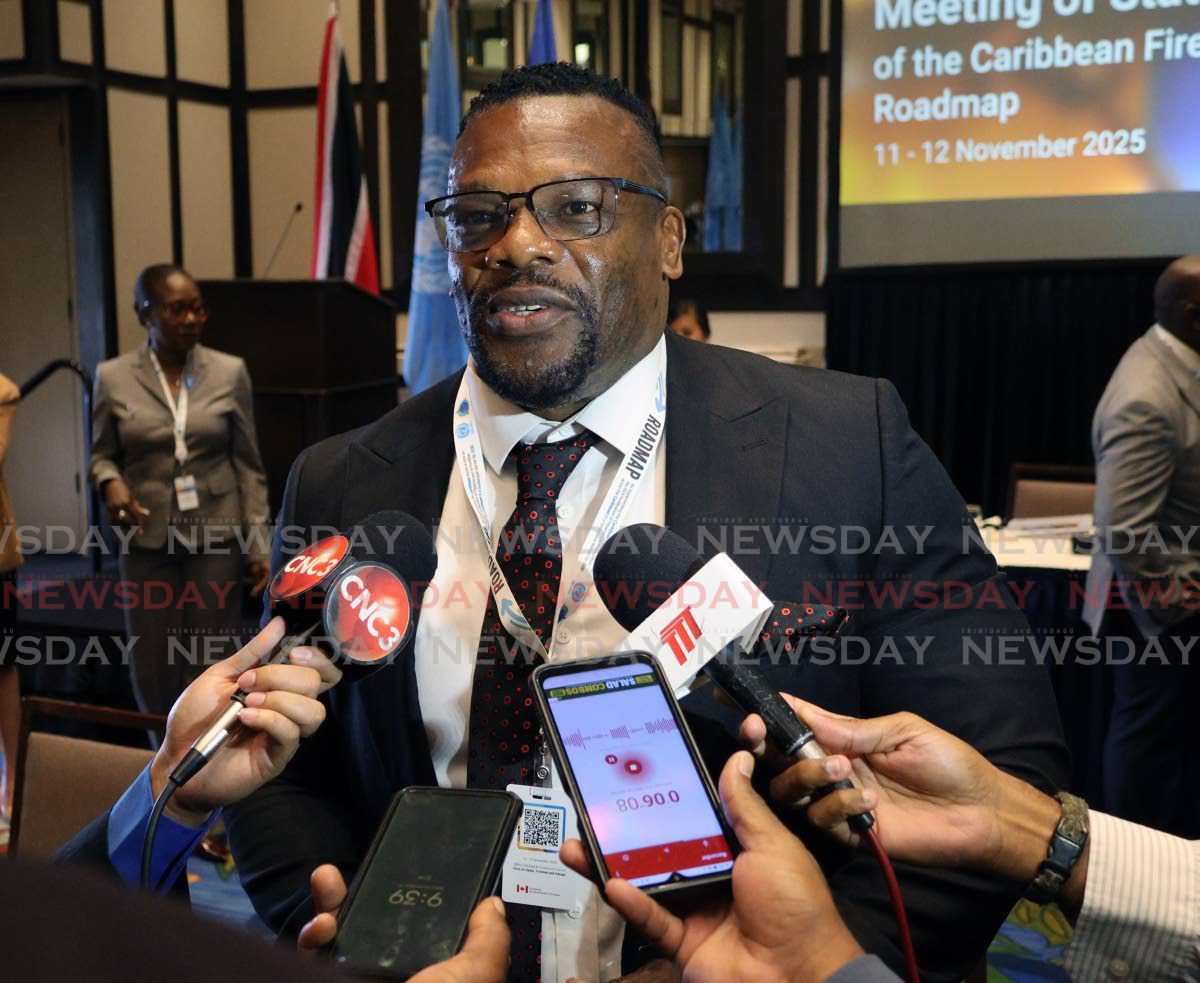
In a striking display of political irony, Homeland Security Minister Roger Alexander has drawn sharp criticism for his recent admonishment of citizens and media outlets utilizing social platforms for information gathering regarding national affairs. The minister’s reprimand appears particularly contradictory given his own government’s extensive reliance on these very channels for official communications.
The controversy stems from Alexander’s expressed frustration with the public’s growing dependence on digital platforms to stay informed about Trinidad and Tobago’s current socio-political climate. Critics argue this stance ignores the fundamental reality that citizens have turned to alternative information sources precisely due to the government’s inadequate official communication strategies.
This situation grows more paradoxical when examining the political history of Alexander’s United National Congress (UNC) party. During their time in opposition, the UNC actively leveraged social media influencers to disseminate narratives targeting various institutions including the judiciary, previous administration, law enforcement, and private sector entities. Now holding governing power, the party confronts the amplified consequences of these very tactics they once employed.
The UNC maintains the most substantial social media footprint among Trinidad and Tobago’s political organizations, with countless supporters daily amplifying party messages. Notably, significant governmental announcements—including the recent budget date revelation—frequently debut on UNC-affiliated digital platforms before appearing on official ministry channels. Even Prime Ministerial decisions, such as the prohibition of Carnival celebrations at state-owned venues, have been communicated primarily through social media.
Commentator Nigel Seenathsingh of San Fernando emphasizes that responsible social media regulation requires public consultation rather than ministerial reproach. While acknowledging current challenges with digital discourse, including cyberbullying and hate speech, he invokes Albert Einstein’s wisdom that problems cannot be resolved using the same mindset that created them. The solution, he suggests, lies in collaborative efforts to establish fair usage guidelines rather than chastising citizens for embracing communication channels the government itself actively employs.
-
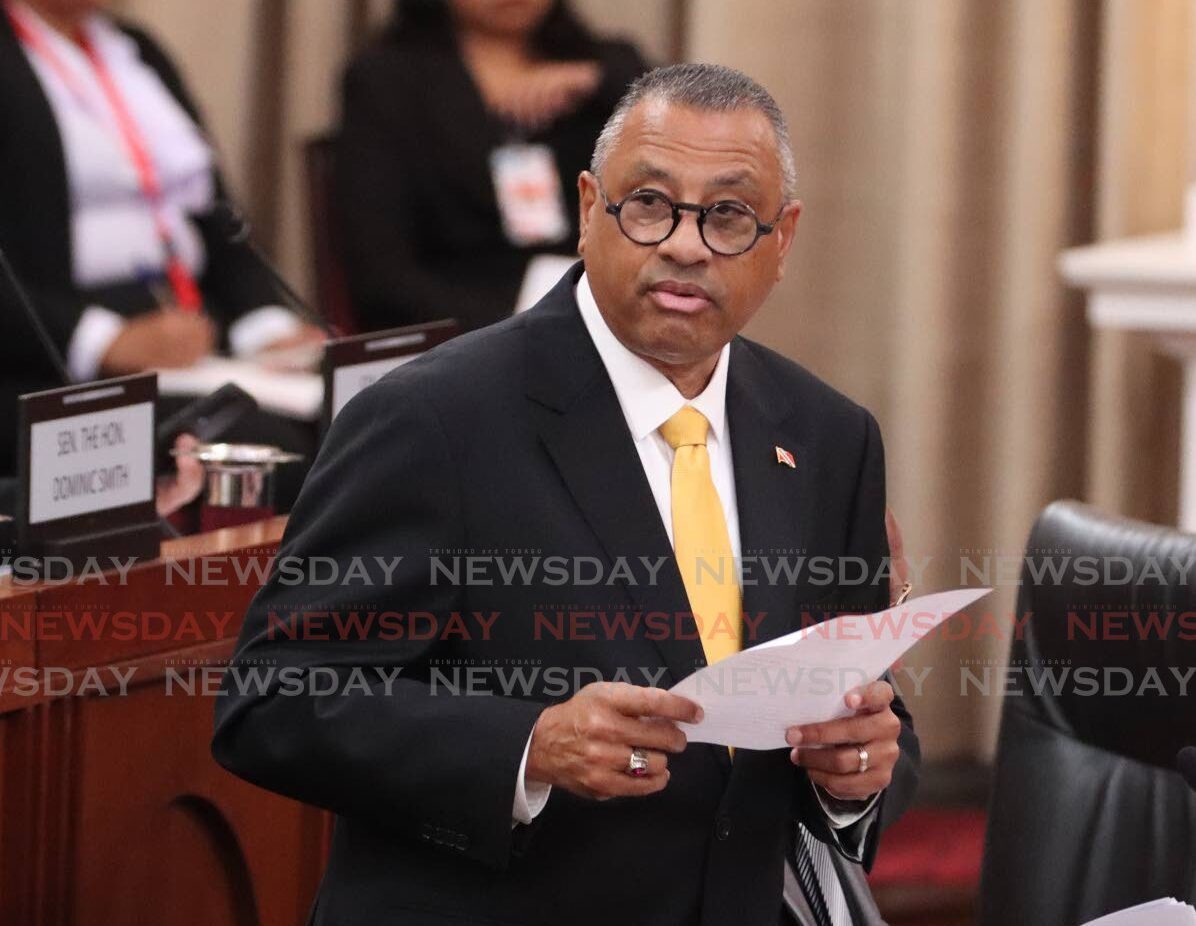
Swaratsingh: TT will hear soon where $$$ to pay PSA workers will come from
The Trinidad and Tobago government confronts a significant fiscal challenge as it seeks sources for $3.8 billion required to fulfill back pay obligations to public servants. This financial commitment follows the recent settlement between the Public Services Association (PSA) and the Chief Personnel Officer (CPO) regarding a ten percent salary increase promised during the April general election campaign.
Dr. Kennedy Swaratsingh, Minister of Planning, Economic Affairs and Development, indicated that funding details would emerge “soon enough” when briefly addressing reporters outside the Red House on November 28. The agreement, reached on November 27, structures the increase across a five-year period with one percent annually from 2014 to 2018 and five percent in 2019.
The settlement is projected to increase recurrent government expenditure by $420 million annually. CPO Dr. Daryl Dindial confirmed plans to formalize the agreement through a memorandum of understanding with PSA representatives on December 1, followed by expedited Cabinet ratification potentially as early as December 4.
Opposition Chief Whip Marvin Gonzales expressed cautious optimism about the settlement while emphasizing the need for transparency regarding funding mechanisms. Meanwhile, former finance minister Colm Imbert raised concerns about potential ripple effects, warning that similar demands from other unions could escalate the state’s financial burden to approximately $20 billion in back pay and $2 billion in additional annual expenditure.
Minister in the Ministry of Public Utilities Clyde Elder cautioned against renegotiation attempts from other unions, noting that organizations that previously accepted four percent settlements should not expect retroactive adjustments based on the PSA’s outcome. Elder highlighted the PSA’s particular struggles during previous administrations and deferred payment timing decisions to Finance Minister Davendranath Tancoo.
-
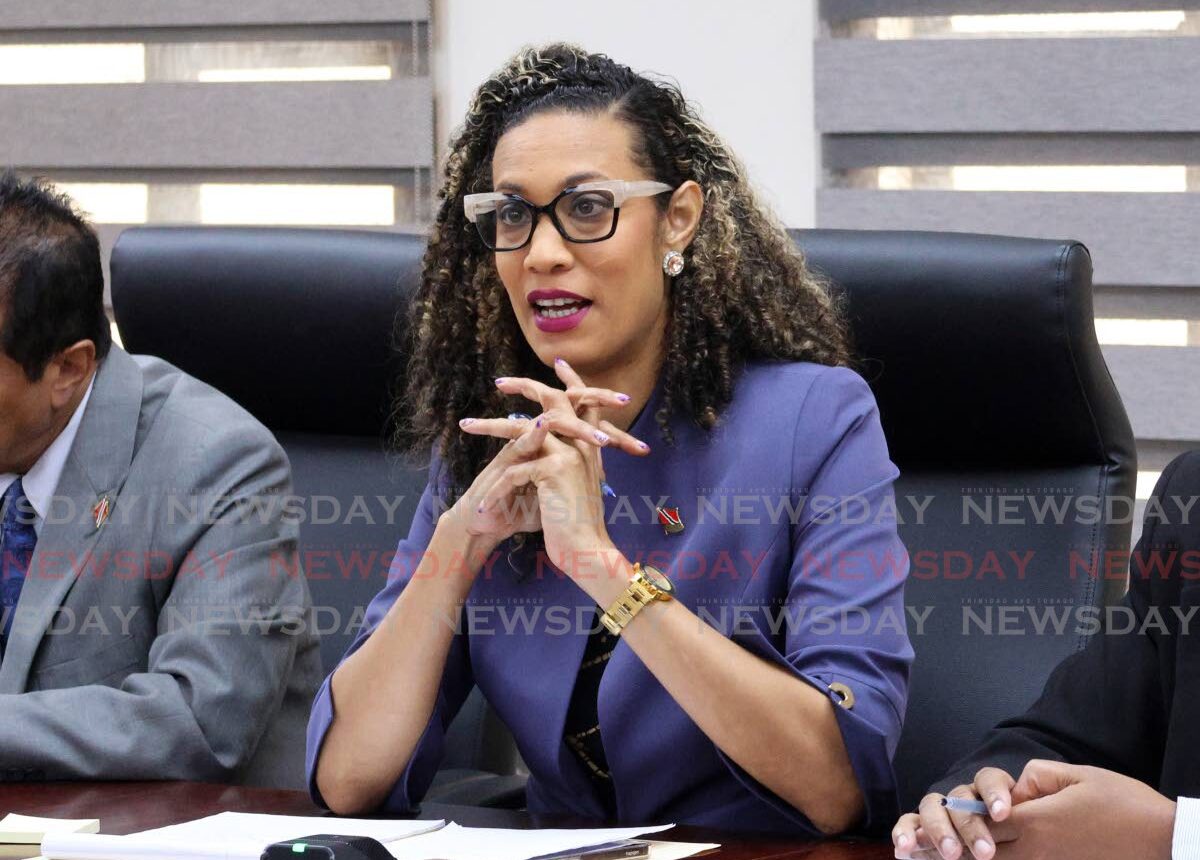
Ameen: Boundaries should not split communities
In a significant address at Kent House in Maraval on November 28, Minister of Rural Development and Local Government Khadijah Ameen issued clear directives to eleven newly appointed boundary committee members. Emphasizing the critical importance of preserving community integrity, Minister Ameen stressed that municipal boundaries must adhere to natural divisions rather than artificially splitting villages and communities.
The Minister highlighted substantial disparities in current electoral representation across different regions. Data reveals concerning imbalances where individual councillors represent populations ranging dramatically from 3,800 to over 15,700 citizens depending on their corporation. This variation, according to Ameen, creates fundamental inequities in governance and resource allocation that must be addressed through boundary reform.
Demographic distribution emerged as another crucial factor in the boundary determination process. Minister Ameen noted that while some municipal areas contain merely 2-4% of the national population, others such as Tunapuna/Piarco account for significantly higher percentages at 17% and 14% respectively. Geographic size variations further complicate the landscape, with municipalities spanning from compact 12 square kilometer areas to expansive 927 square kilometer regions like Sangre Grande.
The Minister articulated the direct connection between equitable boundary division and fair funding distribution, stating that proportional resource allocation remains impossible without geographic and demographic balance. While expressing confidence in the committee’s ability to fulfill its mandate, Ameen clarified the procedural framework: the committee’s recommendations will proceed to Cabinet, though ultimate authority rests with Parliament regarding municipal boundaries, while the Elections and Boundaries Commission maintains jurisdiction over electoral districts.
Ameen encouraged committee members to utilize available demographic data and community consultations to inform their decisions, particularly emphasizing the need to create sub-regions based on development priorities where necessary. This approach aligns with the Prime Minister’s longstanding concerns regarding funding disparities resulting from inequitable boundary divisions.