分类: politics

  • Unions reject Elder’s comments, demand fair negotiations for all

    Unions reject Elder’s comments, demand fair negotiations for all

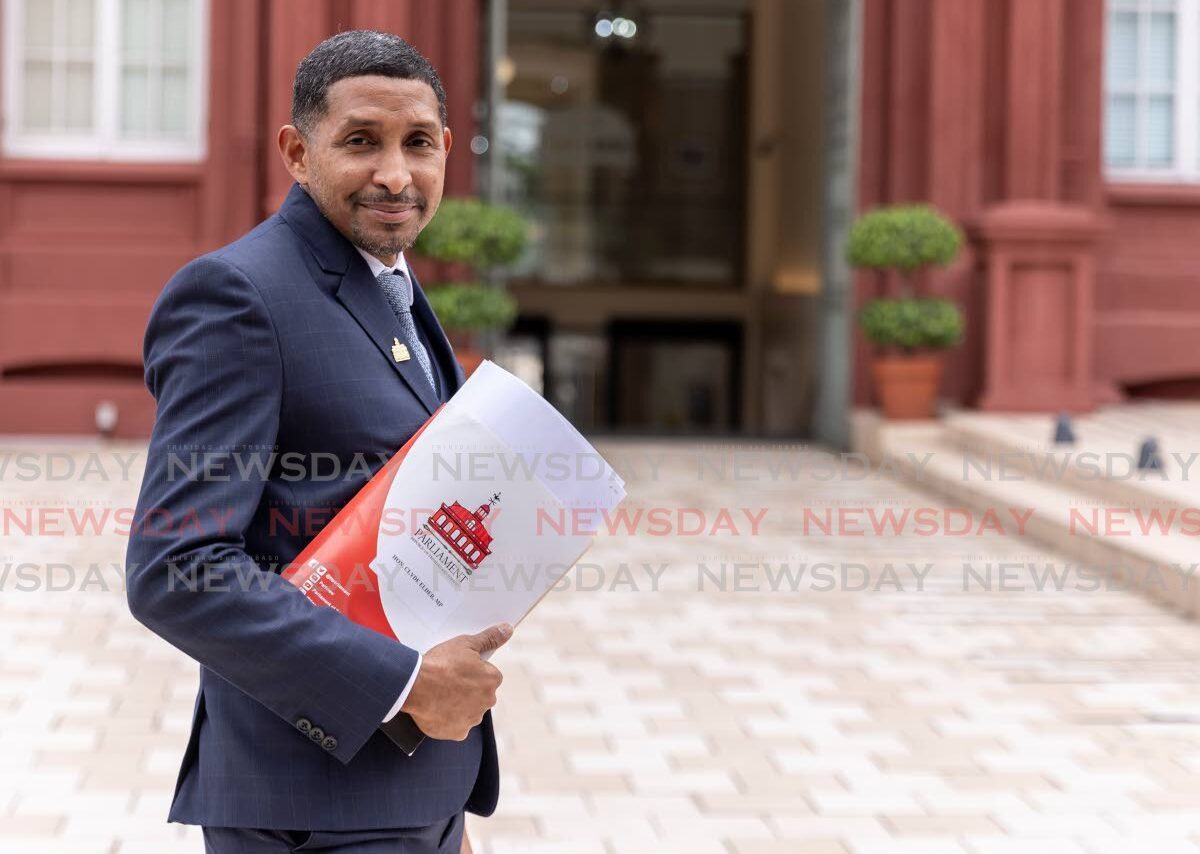
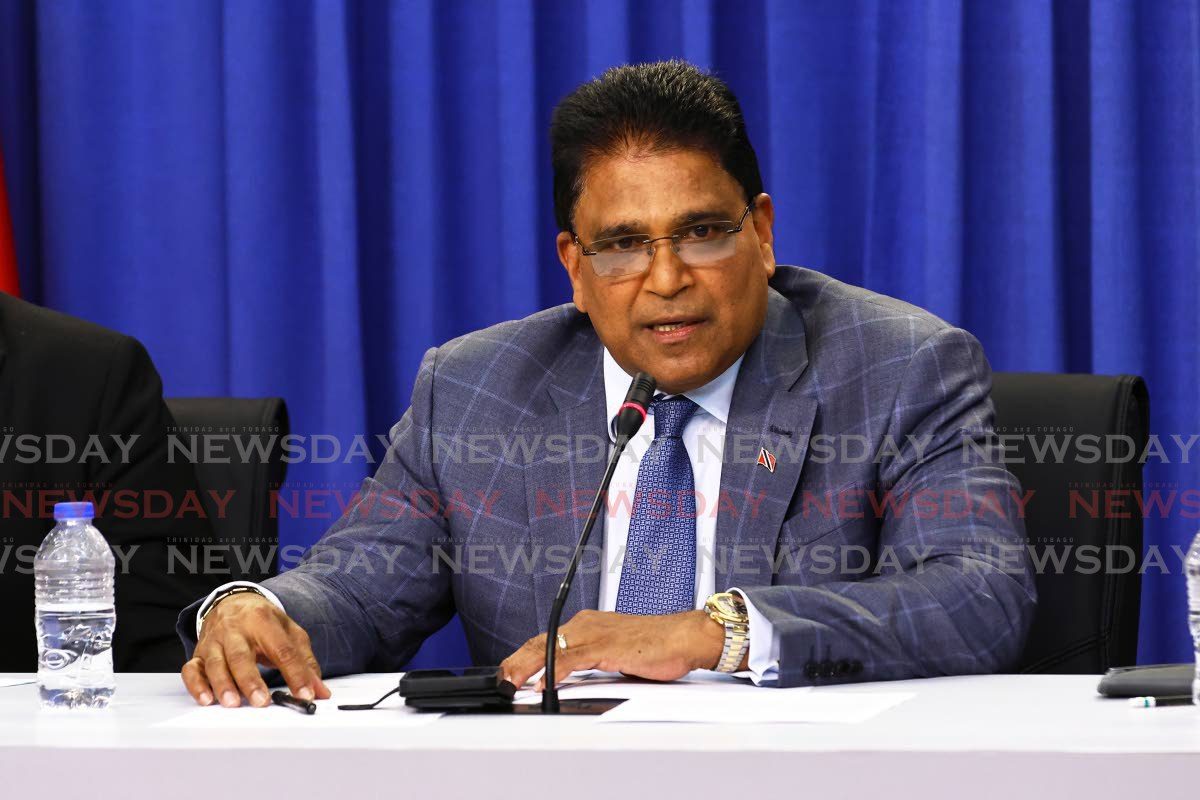
    Trinidad and Tobago’s labor movement has united in condemnation of Minister Clyde Elder’s controversial statements suggesting unions that accepted the previous administration’s 4% wage offer should not expect parity with the Public Services Association’s recently secured 10% increase. The Minister of Public Utilities’ remarks, made outside Parliament on November 28, have ignited fierce criticism from multiple trade organizations representing public sector workers.

    Prison Officers’ Association president Gerard Gordon denounced the comments as divisive and historically ignorant, revealing that many unions signed previous agreements under duress. ‘The Special Tribunal of the Industrial Court threatened to impose a ten-year judgment if matters proceeded fully,’ Gordon explained. ‘For small organizations, this coercive environment left little meaningful choice but to accept inadequate offers.’

    The Trinidad and Tobago Registered Nurses Association announced plans to restart negotiations dating back to 2014, with president Idi Stuart demanding clarification from Prime Minister Kamla Persad-Bissessar and Finance Minister Davendranath Tancoo on whether Elder’s position reflects official government policy. Stuart warned that linking wage settlements to political alignment would represent ‘the final nail in the coffin’ for collective bargaining.

    Communications Workers’ Union secretary general Joanne Ogeer highlighted the dangerous precedent of political loyalty influencing labor negotiations, noting that Elder himself had previously accepted a 5% settlement for TSTT workers who haven’t received increases since 2019. The Estate Police Association joined the chorus of disapproval, emphasizing that all state workers deserve equal consideration amid rising living costs, regardless of their union’s administrative decisions or political affiliations.

    The growing controversy threatens to undermine industrial peace, with multiple unions characterizing the minister’s stance as a betrayal of the government’s own manifesto commitments to fair wage policies for all public sector employees.

  • Moonilal: No money from Venezuela to Trinidad and Tobago

    Moonilal: No money from Venezuela to Trinidad and Tobago

    Energy Minister Dr. Roodal Moonilal has revealed that Trinidad and Tobago currently derives no energy revenue from Venezuela, despite longstanding bilateral relations. The disclosure came during parliamentary debate on an opposition motion condemning Prime Minister Kamla Persad-Bissessar’s statements regarding US-Venezuela tensions in the Caribbean.

    Opposition Leader Pennelope Beckles filed the motion expressing concern that the government’s approach could adversely affect TT’s economy, trade relations, and national security. Minister Moonilal countered that while robust cultural and trading connections exist with Venezuela, commercial energy collaboration remains absent.

    The discussion highlighted the fragile status of the Dragon gas project, a US$1 billion initiative originally signed in 2018 but stalled by US sanctions against Venezuela. Although the previous administration secured a 30-year license from Venezuela in 2023 with US Office of Foreign Assets Control (OFAC) approval under the Biden administration, the project faced renewed uncertainty following Donald Trump’s November 2024 electoral victory.

    Prime Minister Persad-Bissessar had previously declared the Dragon agreement defunct in May, announcing intentions to seek gas supplies from Grenada, Guyana, and Suriname instead. However, following her September meeting with US Secretary of State Marco Rubio, cross-border energy initiatives appeared revitalized.

    The geopolitical context has intensified with significant US military deployment in the southern Caribbean, including the presence of US Marines in Tobago for joint exercises with Trinidad’s Defense Force. Persad-Bissessar has endorsed this deployment as anti-narcotics operations, despite international concerns about extrajudicial strikes on alleged drug vessels.

    Minister Moonilal assured that operations concerning the Dragon gas field continue uninterrupted, dismissing opposition claims that governmental actions have jeopardized energy initiatives. He indicated additional confidential energy projects are underway but declined specifics due to ongoing sensitive negotiations.

  • Colombian president slams Trump’s airspace calls against Venezuela

    Colombian president slams Trump’s airspace calls against Venezuela

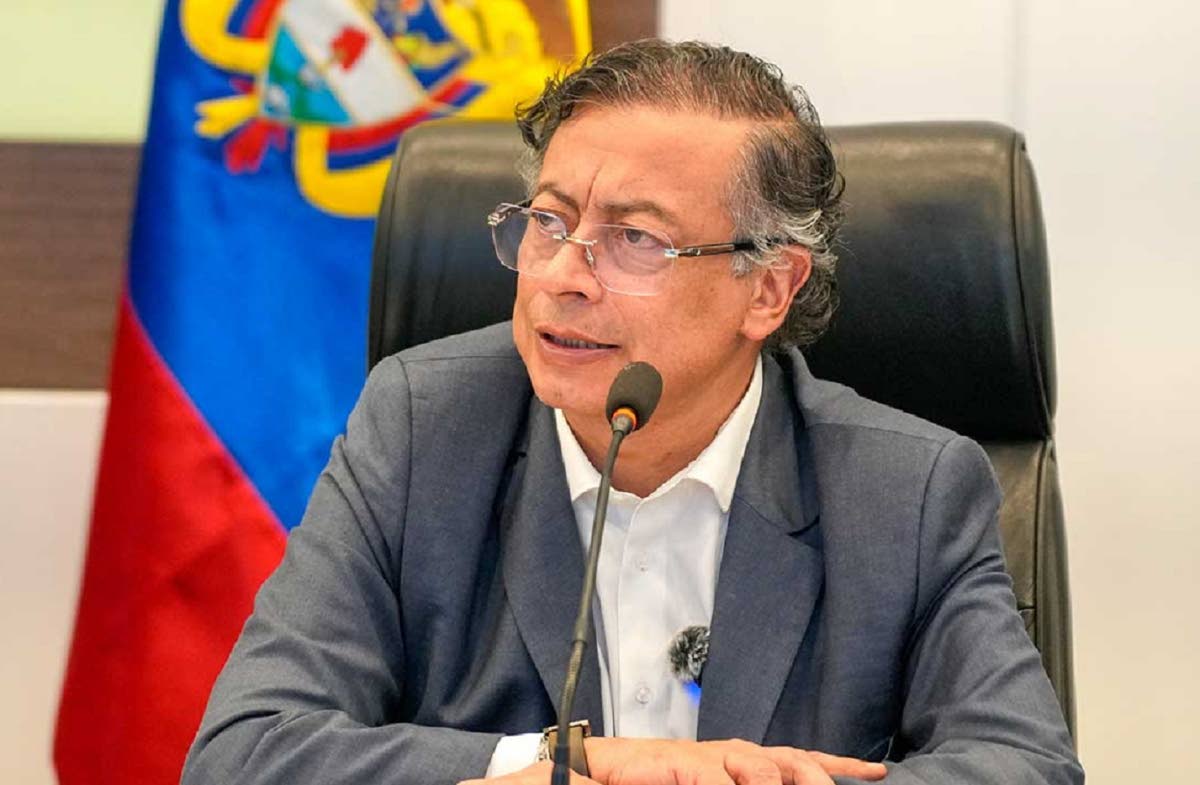
    Colombian President Gustavo Petro has launched a forceful diplomatic challenge against the United States following President Donald Trump’s directive to close Venezuelan airspace. In a strongly-worded social media statement on November 30, Petro denounced the US action as \”completely illegal\” and called for immediate intervention by international aviation authorities.\n\nThe South American leader demanded that the International Civil Aviation Organization (ICAO), a United Nations agency overseeing global aviation cooperation among 193 nations, convene an emergency assembly to address the escalating situation. Petro emphasized that neither the UN Security Council nor the US Senate had authorized military action against Venezuela, asserting that \”the international order must be preserved\” through regional solidarity.\n\nPetro’s statement highlighted the deep historical ties between Colombia and Venezuela, noting their shared independence from Spain under Simón Bolívar and their former existence as a single nation. This historical context underscores the significance of Colombia’s defense of its neighbor against what Venezuelan officials characterize as \”colonialist threats.\”\n\nThe aviation conflict emerged when Trump publicly called on November 29 for all airlines, pilots, and even illicit traffickers to avoid Venezuelan airspace entirely. This unprecedented move prompted immediate retaliation from Caracas, which revoked concessions for several airlines that had already suspended operations following US Federal Aviation Administration warnings about regional security deterioration.\n\nVenezuelan Vice President Delcy Rodríguez accused the US government of collaborating with opposition figures to blockade the country’s airways. In response, the Maduro administration announced emergency measures to assist stranded citizens and facilitate international travel while pursuing multilateral legal challenges.\n\nThe airspace confrontation represents the latest escalation in mounting tensions between the US and Venezuela, which have intensified since American military deployments to the Southern Caribbean. While US authorities frame their presence as counter-narcotics operations, Venezuelan leadership maintains this constitutes an attempted resource grab targeting the nation’s substantial oil reserves.\n\nPresident Petro has urged Latin American and Caribbean nations to maintain normal flight operations and proposed sanctions against companies complying with what he considers unlawful orders, asserting that \”humanity must be free to fly\” and skies must remain open worldwide.

  • Venezuela complains to OPEC about the US ‘threats’

    Venezuela complains to OPEC about the US ‘threats’

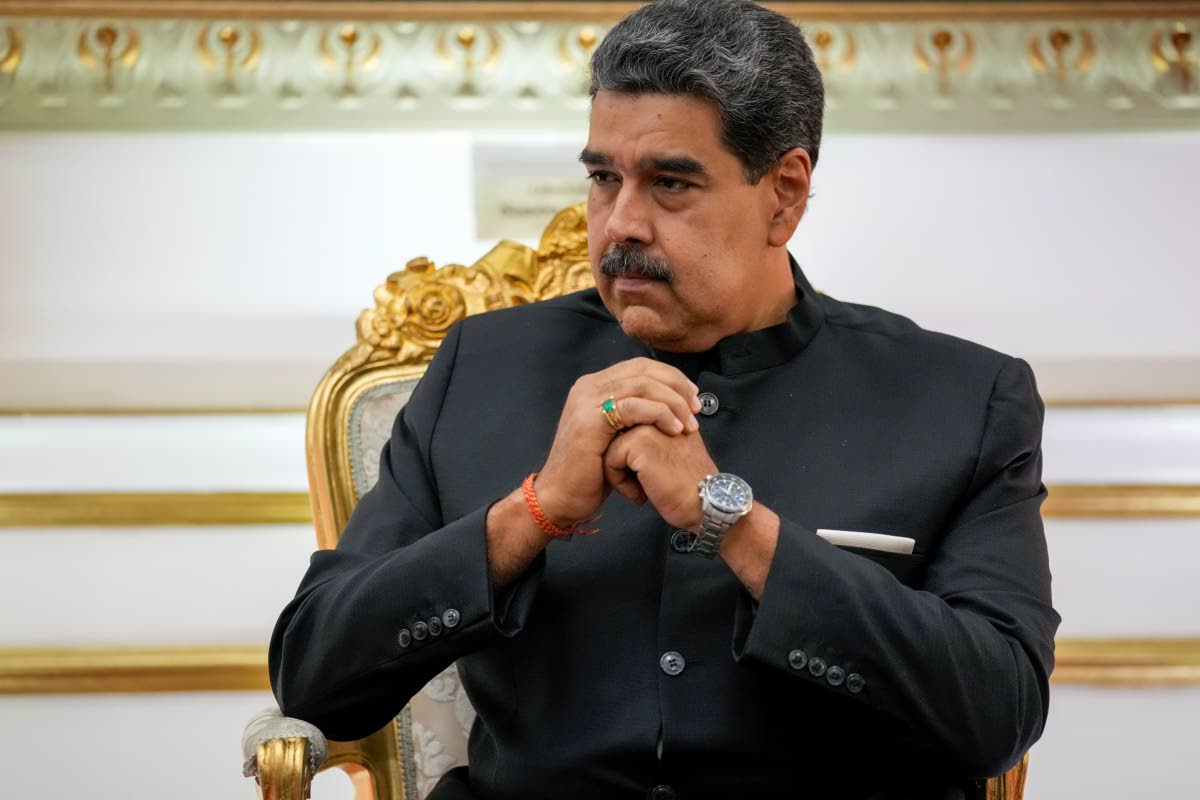
    Venezuelan President Nicolás Maduro has formally accused the United States of plotting to militarily seize his country’s vast petroleum resources in a dramatic diplomatic escalation addressed to global energy leaders. The three-page communiqué, dated November 30 and addressed to OPEC Secretary General Haitham Al Ghais, alleges systematic US aggression that threatens both Venezuelan sovereignty and global energy market stability.

    Vice-President Delcy Rodríguez announced the diplomatic move via social media, characterizing Washington’s actions as ‘growing and illegal threats’ that jeopardize international peace. The letter specifies that since mid-August, the Trump administration has orchestrated a campaign involving the deployment of substantial military assets to the Caribbean region—including more than 14 warships and 15,000 troops—accompanied by alleged bombings against small vessels resulting in over 80 extrajudicial killings.

    Maduro’s correspondence contends that these actions constitute flagrant violations of the United Nations Charter and international law frameworks. The Venezuelan government positions itself as defending not only national sovereignty but also global energy equilibrium, noting that any disruption to Venezuela’s oil production—representing the world’s largest reserves—would severely impact market balance.

    The letter appeals to OPEC and OPEC+ members for solidarity against what Caracas describes as US attempts to destabilize producing nations through military intervention. Maduro specifically requested distribution of the document to all member states and called for ‘a sovereign union without external disturbances’ to address the crisis.

    Neither Energy Minister Dr. Roodal Moonilal nor former minister Stuart Young provided immediate commentary regarding these allegations when contacted on November 30. The Venezuelan government maintains it will ‘remain firm in defending its natural energy resources’ against perceived economic and military coercion.

  • Trump Moves to Pardon Convicted Ex-Honduran President

    Trump Moves to Pardon Convicted Ex-Honduran President

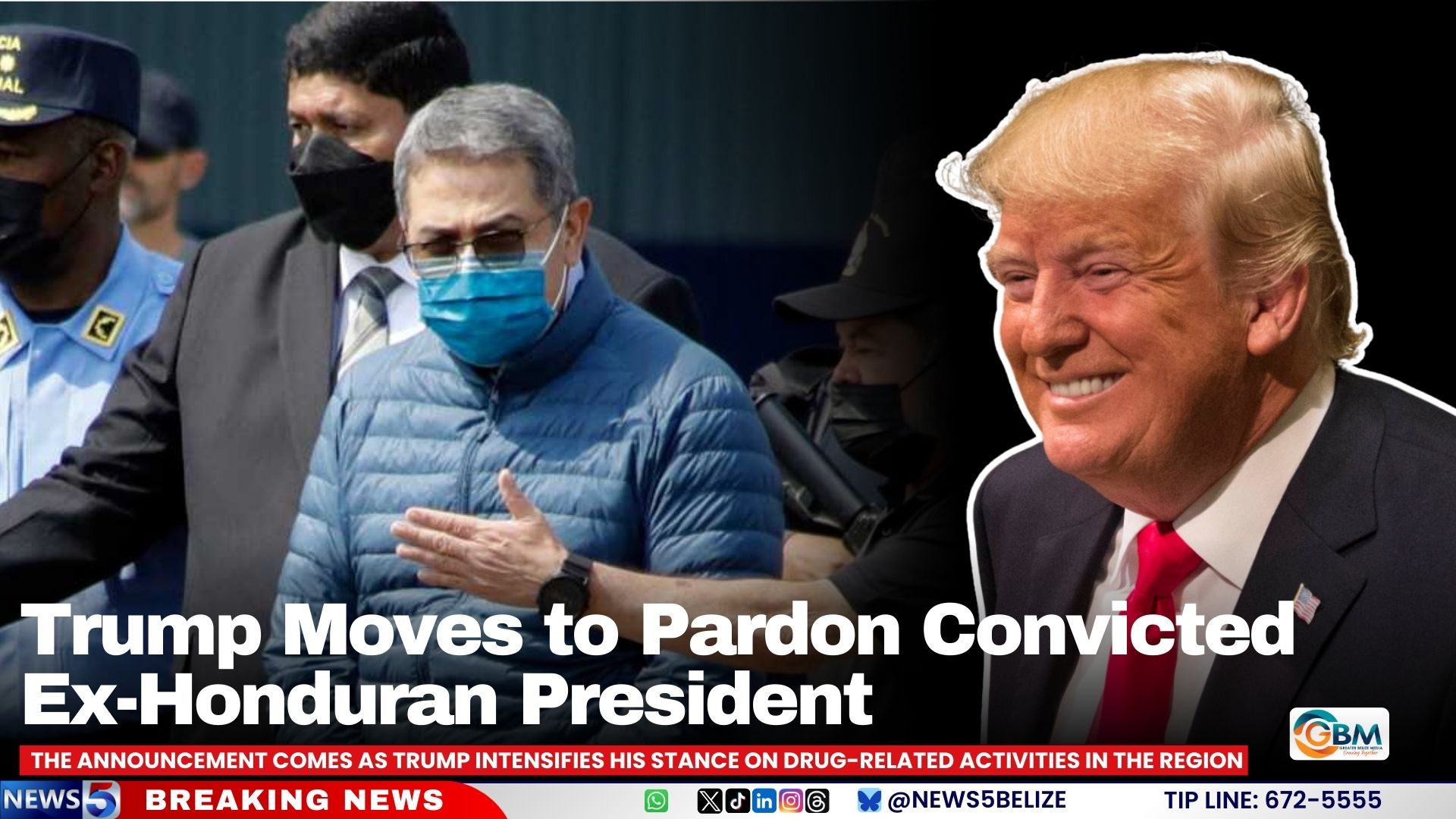
    In a significant diplomatic development, former U.S. President Donald Trump has declared his intention to grant a full presidential pardon to Juan Orlando Hernández, the incarcerated former leader of Honduras. Hernández is currently serving a 45-year sentence in a U.S. federal prison following his conviction on extensive drug trafficking charges.

    The announcement was made through Trump’s social media platform, where he characterized Hernández’s treatment as “very harshly and unfairly” based on consultations with respected sources. This controversial decision comes despite substantial evidence presented during Hernández’s trial demonstrating his deep involvement with international drug cartels.

    During his presidency from 2014 to 2022, U.S. prosecutors established that Hernández conspired with narcotics organizations that facilitated the movement of over 400 tons of cocaine destined for American markets. The judicial proceedings revealed his acceptance of millions in bribes while leveraging presidential authority to shield allied traffickers from prosecution.

    Concurrently, Trump has thrown his political weight behind conservative Honduran presidential candidate Nasry “Tito” Asfura, explicitly conditioning U.S. support for Honduras on Asfura’s victory in the upcoming Sunday election.

    This development occurs against a backdrop of intensified U.S. anti-narcotics operations targeting Venezuela and other Latin American nations. The New York Times reports that Trump recently engaged in diplomatic communications with Venezuelan leader Nicolás Maduro, despite previously denouncing him as an illegitimate head of a state-sponsored trafficking network known as the Cartel de los Soles. While Caracas has consistently denied these allegations, the U.S. has conducted military operations against suspected drug vessels connected to Venezuela since early September. Potential future discussions between Trump and Maduro in the United States remain unconfirmed and without established timelines.

  • Early voting for special forces

    Early voting for special forces

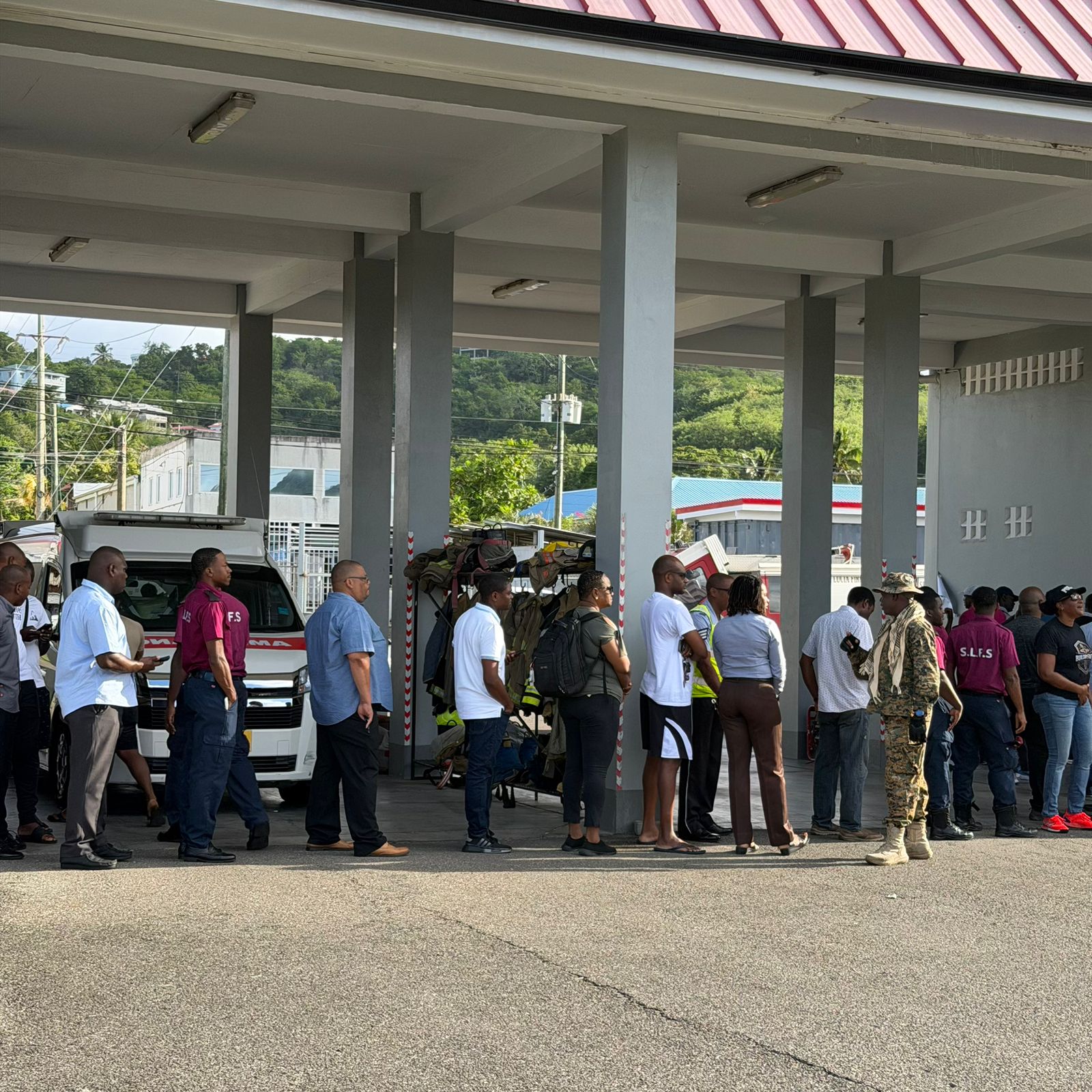
    Special forces personnel throughout Saint Lucia initiated the electoral process for the 2025 general election on Thursday through early voting procedures. While officials reported generally smooth operations, significant queues emerged at multiple polling locations due to higher-than-anticipated participation.

    The early voting process commenced at 6:00 AM across four designated facilities: Gros Islet Fire Station, Police Training School in La Toc, Vieux Fort Divisional Headquarters, and Soufrière Fire Station. These stations were established specifically to accommodate election workers and law enforcement personnel, including police, fire services, and correctional officers who will be on duty during the December 1 general election.

    Assistant Commissioner of Police Dr. Mashama Sealy, speaking from the Police Training School, confirmed that voting commenced precisely at the scheduled time of 6:30 AM. She noted that despite considerable lines forming at several locations, the voting process maintained steady progression, particularly at stations with fewer registered voters.

    Chief Elections Officer Herman St Helen provided context regarding the congestion, explaining that the lengthy queues resulted directly from the limited number of polling stations allocated for special forces voting. He acknowledged in retrospect that additional polling stations within certain divisions would have alleviated congestion, admitting that election planners had underestimated potential voter turnout among security personnel.

    At the Gros Islet Fire Station, Presiding Officer and Assistant Commissioner of Police Elvis Thomas confirmed the voting process was proceeding efficiently under observation from international monitors, including representatives from the Organisation of American States. Thomas emphasized his responsibility to ensure both smooth operations and the protection of voters’ rights to cast ballots without interference throughout the entire election period.

    Veteran police officer Leon Ephiphane, who voted at the Gros Islet station, shared his perspective after completing the process. With a decade of service, Ephiphane described the experience as ultimately successful despite initial organizational delays involving election agents’ coordination.

    Similar patterns emerged in the southern region, where election officials at Vieux Fort Divisional Headquarters indicated that Monday’s general election would feature significantly more polling stations, potentially reducing waiting times. An election clerk explained that the Vieux Fort South district contains four polling divisions with multiple stations each, which should distribute voter traffic more effectively during the main election.

    One female police officer who voted at Vieux Fort reported waiting nearly three hours to cast her ballot, expressing surprise at the early morning turnout while still characterizing her overall experience positively.

    In Soufrière, voting began at a slower pace during early morning hours but intensified toward midday. Although election officials declined formal commentary, visual observations indicated orderly proceedings throughout the day.

  • MP for Salisbury Jesma Paul: Government has neglected her constituency in providing housing benefits

    MP for Salisbury Jesma Paul: Government has neglected her constituency in providing housing benefits

    Jesma Paul-Victor, Parliamentary Representative for the Salisbury Constituency, has delivered a powerful condemnation of the government’s housing allocation practices during a recent parliamentary session. The elected official revealed that despite millions in approved housing funds, her constituency has received zero benefits from national housing initiatives.

    Paul-Victor detailed how families in the Coulibistrie area continue to inhabit substandard living conditions eight years after Hurricane Maria devastated the region. Residents remain in partially repaired homes, deteriorating structures, and temporary accommodations originally intended as short-term solutions.

    The parliamentarian expressed frustration that while other communities have received modern apartment complexes and climate-resilient housing units, her constituents face perpetual neglect. She emphasized her support for the national housing project and congratulated recipients elsewhere, but questioned the equity of distribution.

    ‘How long can my people endure this wait? How long must they tolerate these conditions?’ Paul-Victor challenged the assembly. ‘After eight long years, my constituents feel forgotten, unseen, and that their suffering since Maria has been normalized and dismissed.’

    The representative’s address highlights growing concerns about regional disparities in post-disaster recovery efforts and raises questions about the transparency of housing fund distribution across constituencies.

  • Two manifestos, two futures: Which vision matches the Saint Lucia you want?

    Two manifestos, two futures: Which vision matches the Saint Lucia you want?

    As Saint Lucia prepares for its pivotal 2025 General Election, the nation’s two dominant political forces have unveiled fundamentally different governance philosophies through their detailed manifestos. The United Workers Party (UWP) has presented an extensive 78-page blueprint advocating for comprehensive systemic transformation, while the Saint Lucia Labour Party (SLP) offers a more focused 35-page document emphasizing incremental improvements and community-centric development.

    Despite their contrasting methodologies, both parties converge on addressing critical national challenges including public security, healthcare accessibility, economic pressures, educational reform, agricultural sustainability, and tourism development. The distinction emerges in their strategic implementation frameworks and philosophical approaches to governance.

    **Public Security Overhaul**
    The crime epidemic represents perhaps the most urgent concern for both parties. The UWP proposes a radical security architecture redesign through its Relief, Recovery, and Reform framework, featuring establishment of a Border Control Authority, enhanced forensic capabilities, expanded surveillance networks, and treatment of crime as a public health issue requiring early intervention programs. Conversely, the SLP emphasizes strengthening existing law enforcement infrastructure through increased police manpower, upgraded equipment, and community-based prevention initiatives.

    **Economic Stabilization Strategies**
    Addressing the escalating cost of living crisis reveals another philosophical divide. The SLP advocates for targeted social protection measures and price stabilization for essential goods, building upon current welfare programs. The UWP’s SOS Plan promises immediate financial relief through tax eliminations, reduced fuel prices, and free tertiary education, coupled with an investment-driven economic recovery model focused on infrastructure development.

    **Healthcare System Transformation**
    Both parties acknowledge the healthcare sector requires substantial investment, with mutual commitments to facility upgrades and a new hospital in Soufrière. The SLP prioritizes universal coverage expansion and mental health support within the existing system framework. The UWP proposes more fundamental restructuring through National Health Insurance implementation, digital health management systems, and an additional hospital in Dennery.

    **Tourism and Economic Diversification**
    As the nation’s primary economic engine, tourism receives significant attention in both manifestos. The SLP emphasizes sustainable tourism development with enhanced community benefits and agricultural linkages. The UWP envisions broader sector diversification through sports, wellness, and cultural tourism initiatives alongside global marketing expansion.

    **Educational Philosophy Divergence**
    The parties present contrasting educational visions reflecting their broader governance approaches. The SLP focuses on early childhood development, classroom modernization, and digital literacy integration. The UWP emphasizes workforce alignment through technical education expansion, industry partnerships, and adult retraining programs.

    **Agricultural Renaissance**
    Both manifestos recognize agriculture’s renewed importance for food security and climate resilience. The SLP proposes farmer capacity building and technological adoption, while the UWP outlines comprehensive modernization through land banking, irrigation networks, and processing infrastructure.

    **Creative Economy Development**
    The emerging creative sector receives unprecedented political attention. The UWP proposes formalization through dedicated institutions and legislation, while the SLP integrates creative industries within broader youth entrepreneurship initiatives.

    **Funding Realities**
    Ultimately, both visions confront the same fiscal constraints. The SLP’s approach suggests reliance on existing budgetary structures and gradual scaling, while the UWP’s ambitious agenda necessitates significant resource mobilization through economic recovery initiatives and external investment attraction. The electoral decision will ultimately hinge on which funding model voters find most credible and sustainable.
  • Syria denounces to UN recent Israeli aggression

    Syria denounces to UN recent Israeli aggression

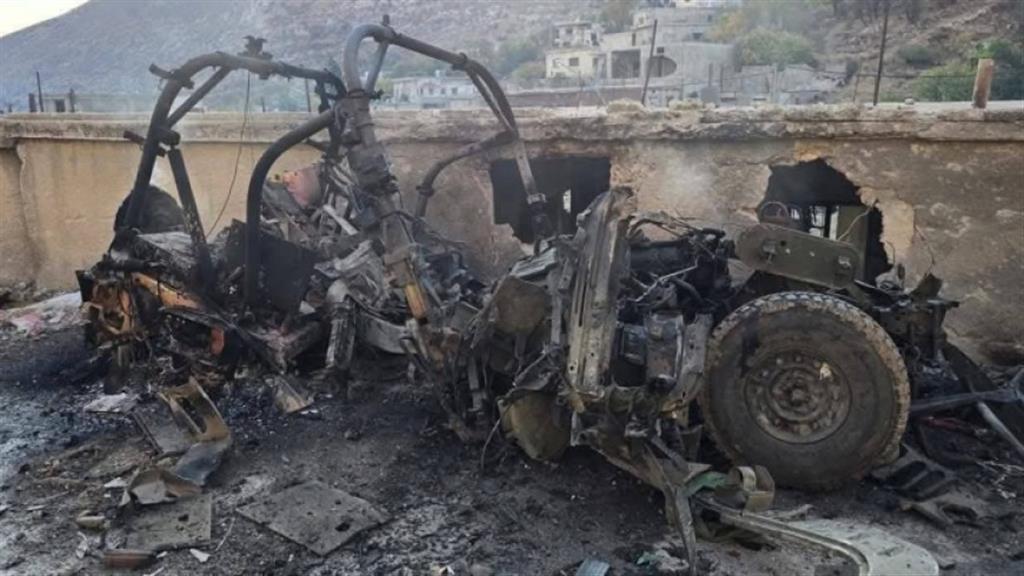
    In a recent interview with Al-Arabiya Al-Hadath, Syrian diplomat Olabi articulated Damascus’s firm stance on maintaining national advancement while countering external threats. The official emphasized that Syria would continue progressing “at all levels” without yielding to destabilizing provocations.

    Olabi clarified that any response from Damascus would be meticulously coordinated through established international channels, with the paramount priority being the protection of Syrian civilians. This approach underscores the government’s commitment to measured diplomacy amid regional tensions.

    The Syrian government is concurrently intensifying diplomatic campaigns to isolate Israel internationally and diminish support from its allied nations. This strategic initiative aims to reshape geopolitical dynamics through multilateral engagement rather than unilateral action.

    Referencing recent developments at the United Nations, the diplomat highlighted that during the latest Security Council session, the Israeli ambassador witnessed unanimous consensus among all fifteen member states. The council collectively condemned acts of aggression and reaffirmed support for Syria’s sovereignty and territorial integrity.

    Furthermore, Syrian representatives are actively engaged in efforts to renew the United Nations Peacekeeping Force’s mandate. This initiative seeks to enhance security mechanisms along separation lines and contribute meaningfully to long-term regional stability, demonstrating Syria’s commitment to diplomatic solutions within international frameworks.

  • UK to Support Antigua and Barbuda’s Preparations for CHOGM 2026

    UK to Support Antigua and Barbuda’s Preparations for CHOGM 2026

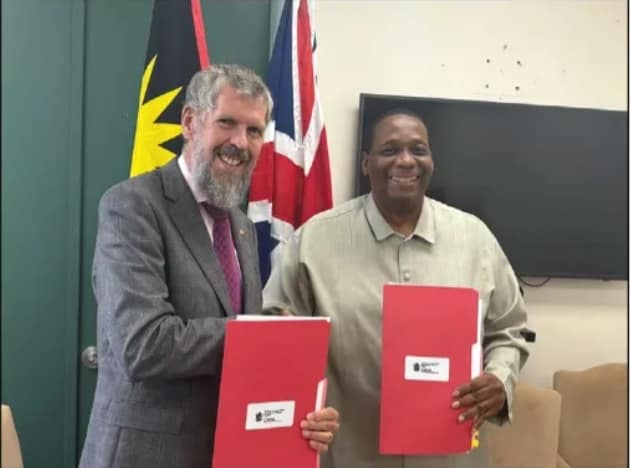
    In a significant diplomatic development, the United Kingdom has formally committed to providing specialized technical assistance to Antigua and Barbuda as the Caribbean nation accelerates preparations for hosting the 2026 Commonwealth Heads of Government Meeting (CHOGM). The cooperation framework was solidified through a Memorandum of Understanding signed on Thursday between Dr. Clarence Pilgrim, Permanent Secretary in Antigua and Barbuda’s Ministry of Foreign Affairs, and British High Commissioner John Hamilton.

    This agreement marks a pivotal advancement in Antigua and Barbuda’s strategic planning for what officials describe as a monumental national endeavor. Dr. Pilgrim emphasized the practical implications of the partnership, noting that a dedicated technical expert from the UK will be seconded to the Ministry of Foreign Affairs starting April 2025. This on-the-ground specialist will work to establish essential systems and operational frameworks necessary for executing a successful and historically significant international gathering.

    High Commissioner Hamilton highlighted the continuity of bilateral cooperation, referencing previous successful collaborations during the preparations for the Fourth International Conference on Small Island Developing States (SIDS4) in 2024. The UK’s decision to replicate this proven support model for CHOGM 2026 demonstrates confidence in the established partnership framework. Hamilton confirmed this technical assistance represents merely one component of broader UK support initiatives planned as Antigua and Barbuda progresses toward hosting the prestigious Commonwealth meeting.

    The agreement underscores the UK’s ongoing commitment to strengthening diplomatic ties within the Commonwealth network while supporting the institutional capacity building of member states. For Antigua and Barbuda, this partnership provides critical technical expertise that will enhance logistical planning, operational efficiency, and international protocol management capabilities ahead of the high-profile summit.