分类: politics

  • Column: Vruchtbare bodem

    Column: Vruchtbare bodem

    Recent confirmation of King Willem-Alexander’s long-anticipated state visit to Suriname has unveiled fascinating historical dimensions of the Dutch royal family’s relationship with the former colony. During the official opening of the Suriname Museum in Amsterdam, the monarch expressed his profound enthusiasm for the upcoming visit with Queen Máxima, noting he had “very much wanted to do this much earlier.

    The King’s remarks during his annual press conference in June revealed more than diplomatic protocol. When questioned about potential travel plans coinciding with Suriname’s 50th anniversary of independence (Srefidensi), he initially provided a formal response about requiring official invitations. However, he subsequently disclosed his deep curiosity about the nation and his hope to experience it similarly to how his mother had.

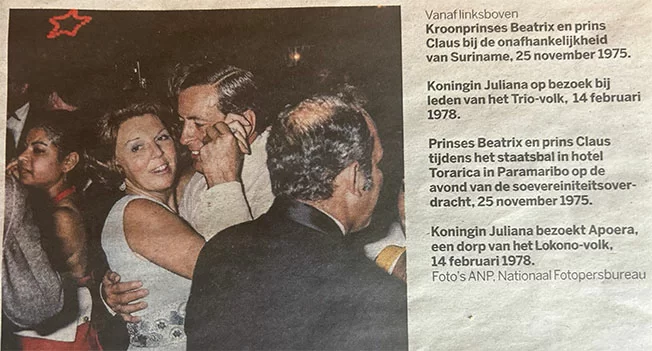
    This seemingly casual comment prompted historical investigation into Princess Beatrix’s numerous visits to Suriname during her pre-reign years. Archival research reveals multiple informal trips beyond official duties, facilitated by the warm relationship between the Orange and Ferrier families. While most remember the celebratory images of Beatrix cheering and dancing during the sovereignty transfer ceremonies, earlier visits tell a more personal story.

    Notably, Beatrix and Prince Claus visited Suriname during their 1966 honeymoon, traveling by traditional korjal boats along the Marowijne River, enjoying local fruits like Groningen markoesa, and demonstrating genuine relaxation far from royal formalities. Historical records confirm a second, less documented July 1966 visit, where the royal couple appeared thoroughly immersed in local culture—dancing, smiling, and completely at ease.

    The King’s reference to his mother describing Suriname as “the most beautiful country she had ever visited” gains deeper context through these historical connections. These personal experiences beyond diplomatic engagements reveal a genuine affection that transcends political relationships, suggesting the upcoming state visit carries emotional significance beyond mere protocol.
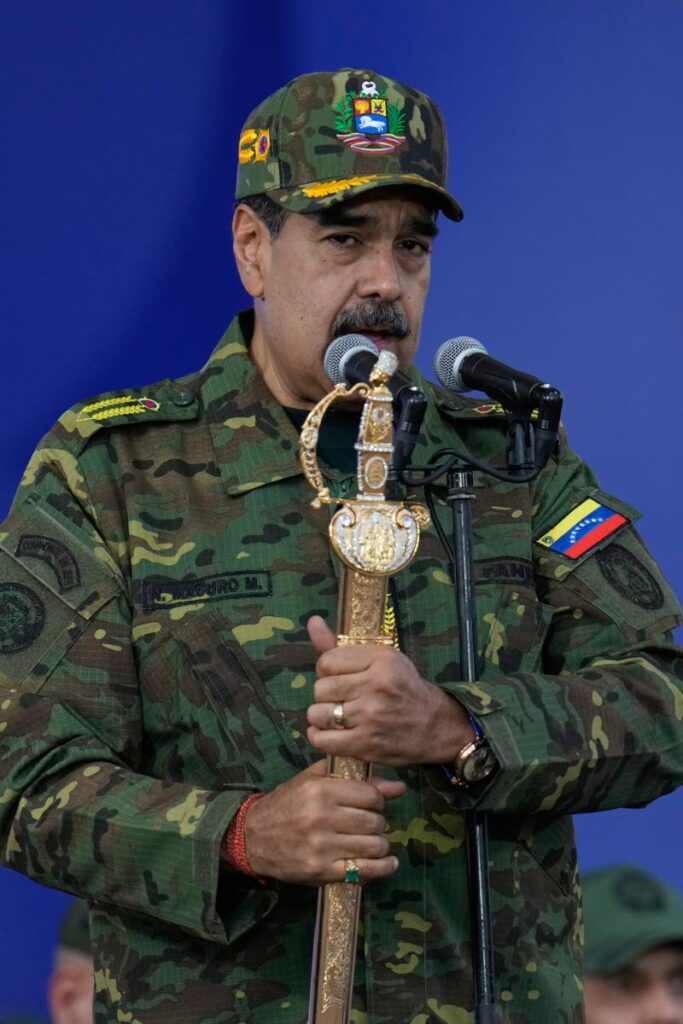
  • Trump Had a Phone Call With Maduro, Told Him to Resign Immediately

    Trump Had a Phone Call With Maduro, Told Him to Resign Immediately

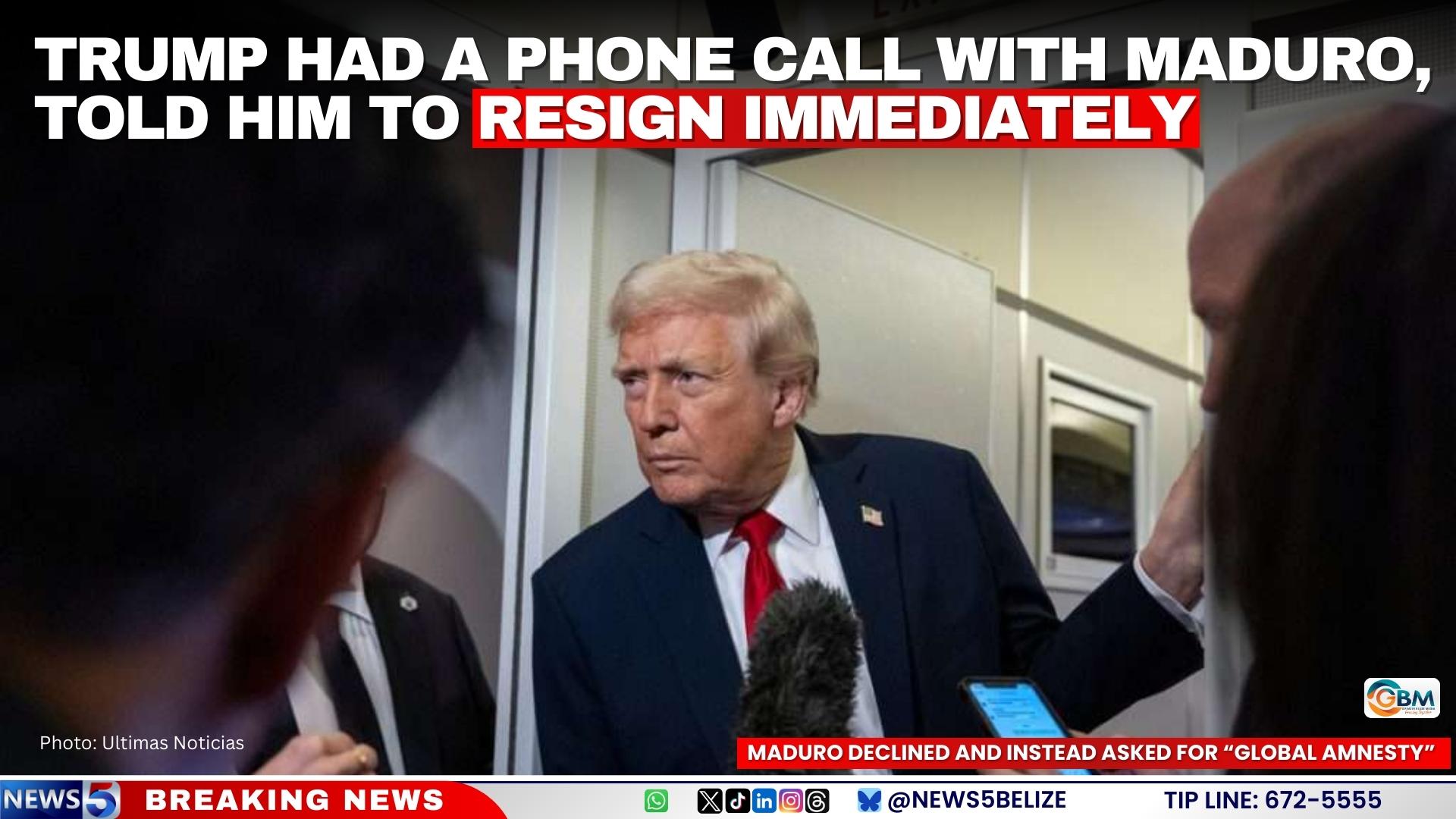
    In a dramatic escalation of tensions between the United States and Venezuela, President Donald Trump engaged in a direct telephone conversation with Venezuelan leader Nicolás Maduro on November 21, delivering an uncompromising demand for his immediate resignation. According to sources familiar with the exchange, Trump offered safe passage for Maduro and his family in return for stepping down from power.

    The Venezuelan president reportedly rejected the ultimatum, countering with a request for comprehensive ‘global amnesty’ protections for himself and key political allies. The Miami Herald first broke details of the high-stakes diplomatic encounter, which Trump later confirmed to reporters while remaining characteristically ambiguous about the conversation’s outcome, stating merely that he ‘wouldn’t say it went well or badly.’

    This diplomatic confrontation occurs against a backdrop of intensifying bilateral friction. Since September, U.S. military forces have conducted lethal strikes against vessels suspected of narcotics trafficking in Venezuelan territorial waters. Additionally, Washington has formally designated Venezuela’s alleged ‘Cartel de los Soles’ as a foreign terrorist organization—a characterization Venezuelan authorities dismiss as politically motivated fabrication.

    The situation further deteriorated when Trump announced via Truth Social that Venezuelan airspace should be considered ‘closed in its entirety.’ Caracas responded with an official communiqué accusing the United States of violating national sovereignty and attempting to illegally control its aviation territory. The Venezuelan government characterized recent U.S. suspension of repatriation flights for Venezuelan migrants as an act of aggression, noting that 75 previous flights had successfully returned nearly 14,000 citizens. The statement concluded with a firm declaration that Venezuela ‘will not accept orders, threats, or interference from any foreign power.’

  • Lawful campaign to dismantle Maduro regime

    Lawful campaign to dismantle Maduro regime

    In a significant development in hemispheric security policy, the United States has intensified its naval operations targeting narcotics-trafficking vessels originating from Venezuela. This strategic shift, while drawing criticism from some United Nations voices, represents a legally defensible response to what experts characterize as state-sanctioned criminal operations threatening regional stability.

    The legal foundation for these maritime interdictions stems from extensive documentation revealing the transformation of Venezuela’s state apparatus under President Nicolás Maduro into a sophisticated narcotics enterprise. US Department of Justice indictments have formally charged Maduro and his inner circle with weaponizing the Venezuelan state apparatus for cocaine trafficking operations. When a government abandons its sovereign responsibility to combat illegal drugs and instead becomes the primary perpetrator, it forfeits the right to shield its activities behind sovereignty claims.

    For Trinidad and Tobago and other Caribbean nations positioned along critical trafficking corridors, this policy has direct implications for national security. The enhanced US naval presence, including the advanced capabilities of the USS Gerald R. Ford strike group, functions as a crucial force multiplier for regional law enforcement agencies. By disrupting supply chains at their source, these operations alleviate pressure on local Coast Guard units and police forces, directly contributing to community safety.

    The characterization of these measures as ‘extrajudicial killings’ fails to acknowledge the nature of the targets—dedicated maritime vessels operating as extensions of criminal enterprises rather than civilian crafts engaged in innocent passage. The inherent right of self-defense under Article 51 of the UN Charter extends to confronting persistent armed threats, including the relentless flow of cocaine that fuels widespread violence and public health crises across the hemisphere.

    This comprehensive campaign serves dual lawful purposes: protecting citizens while undermining the illicit financial networks sustaining an illegitimate regime. By directly targeting trafficking revenues that enrich Venezuelan military and security forces, the US applies legitimate pressure to create conditions conducive to democratic restoration. While diplomatic solutions remain preferable, the human cost of inaction—measured in lost lives and destabilized communities—makes this targeted approach both morally necessary and legally justified in addressing a clear and present danger to regional security.

  • Farley announces January 12 THA elections

    Farley announces January 12 THA elections

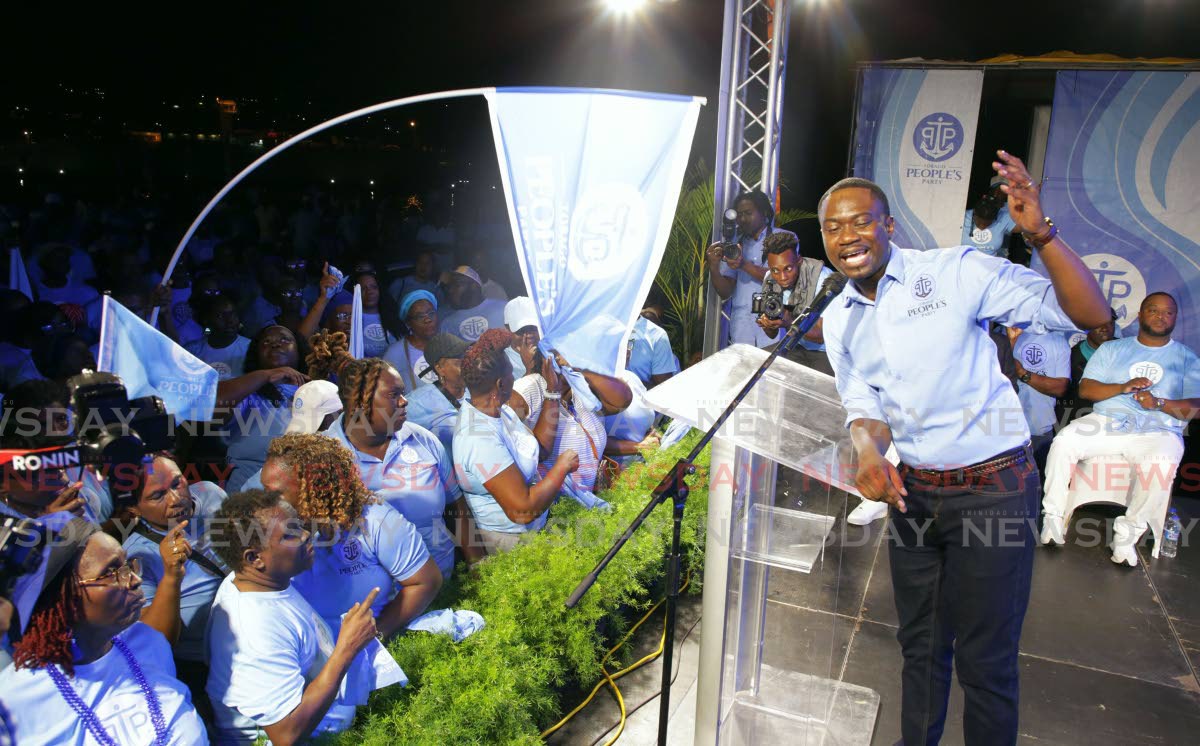
    The Tobago House of Assembly (THA) will hold its pivotal elections on January 12, 2026, as formally announced by Chief Secretary and Tobago People’s Party (TPP) leader Farley Augustine. The declaration came during the party’s candidate unveiling ceremony at Scarborough’s Calypso Rose Boulevard on December 1, where Augustine addressed an assembly of enthusiastic supporters.

    Augustine revealed he has formally notified Prime Minister Keith Rowley of the election date, with both leaders subsequently advising the President of Trinidad and Tobago. The presidential election writ is anticipated to be officially issued around December 5, 2025, initiating the formal electoral process.

    Despite the energized crowd at the campaign event, Augustine delivered a pragmatic message about electoral realities. He emphatically stated that large gatherings do not automatically translate to electoral success, emphasizing that ‘votes win elections, not crowds.’ The TPP leader outlined an intensive grassroots strategy, committing to door-to-door outreach and direct voter engagement across Tobago’s constituencies.

    Augustine expressed confidence in securing all 15 contested seats in the legislative body, underscoring his party’s dedication to mobilizing substantial voter turnout through personalized engagement with every Tobagonian household. The upcoming election represents a critical political event for Tobago’s autonomous governance structure, with potential implications for the island’s developmental trajectory and relationship with the central Trinidadian government.

  • ‘2,500 voters are missing,’ says AG

    ‘2,500 voters are missing,’ says AG

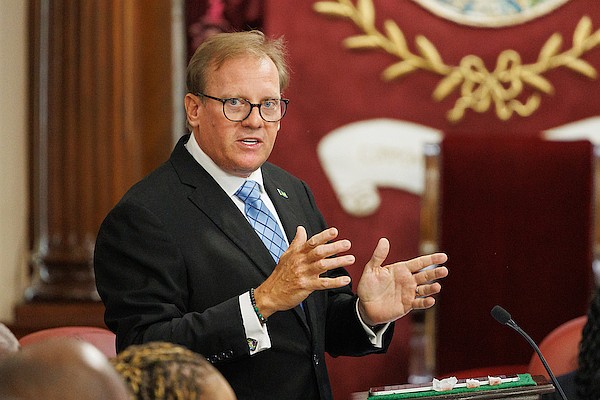
    Bahamian Attorney General Ryan Pinder has publicly acknowledged significant voter registration discrepancies in the recent Golden Isles by-election, contradicting earlier assurances from Parliamentary Commissioner Harrison Thompson about the accuracy of the electoral register. The admission came during Senate deliberations on the Data Protection Bill, 2025, amid growing concerns from opposition parties about the integrity of electoral processes.

    Pinder revealed that both major political parties could only verify approximately 5,500 registered voters in the Golden Isles constituency through aggressive ground operations, despite official records showing 7,926 registered voters. This discrepancy of nearly 2,500 unverified registrations resulted in a notably low voter turnout of just 49%, with only 3,884 ballots cast in the recent election.

    The Attorney General attributed these inaccuracies to multiple systemic factors, including the suspension of active voter transfer exercises since the implementation of the permanent register nine years ago. The COVID-19 pandemic further exacerbated the situation, halting all transfer activities for two years due to curfews and movement restrictions. Additionally, the early election called by the previous Minnis administration interrupted routine scrutiny exercises designed to update voter information and confirm residency statuses.

    Parliamentary Commissioner Thompson had previously dismissed opposition claims, maintaining that his department received no formal complaints regarding missing names or outdated entries. However, Pinder’s statements confirm longstanding concerns about register accuracy that have undermined public confidence in electoral outcomes.

    The Parliamentary Registration Department has reportedly resumed verification exercises, temporarily paused only for the by-election. Both Pinder and Deputy Prime Minister Chester Cooper have urged Bahamian citizens to update their voter information promptly. The government emphasizes that recent amendments to the Parliamentary Elections Act, particularly regarding biometric registration implementation, will significantly streamline future register updates and enhance electoral integrity moving forward.

  • PNM ‘prepared’ as THA election date announced

    PNM ‘prepared’ as THA election date announced

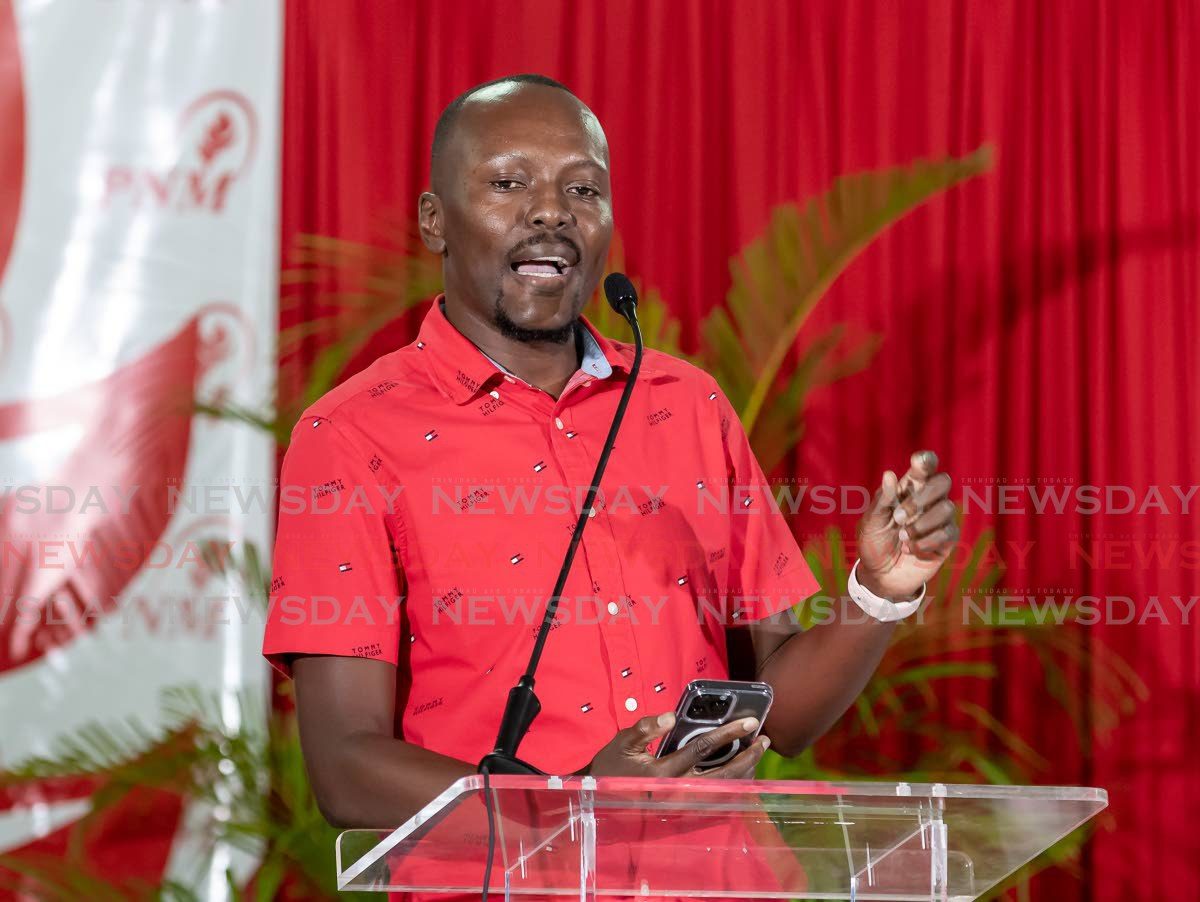
    With the Tobago House of Assembly officially dissolved and elections scheduled, the People’s National Movement (PNM) has expressed strong confidence in its campaign to regain governance of the autonomous island territory.

    PNM Tobago political leader Ancil Dennis revealed the party’s extensive preparations, noting they anticipated the election window between January 12 and February 12 following the assembly’s dissolution on November 12. Under the THA Act, elections must be called within three months after the four-year term concludes.

    The PNM began candidate screening as early as June and finalized its full slate of candidates across all 15 electoral districts by August. Dennis emphasized that these candidates have been actively engaging with constituents since their selection, positioning the election as a referendum on the current administration’s performance from 2021 to present.

    The party plans to introduce a comprehensive development vision focusing on tourism expansion, agricultural revitalization, renewable energy initiatives, job creation, and housing construction programs designed to restore opportunities for Tobago residents.

    The election announcement came on December 1 during a Tobago People’s Party (TPP) event where Chief Secretary Farley Augustine presented his candidates, including former PNM Tobago West chairman Keigon Denoon.

    This electoral contest follows the unprecedented 2021 THA election that resulted in a historic 6-6 deadlock between PNM and Progressive Democratic Patriots (PDP), prompting electoral reform that expanded districts from 12 to 15. The subsequent December 2021 election saw PDP secure a landslide 14-1 victory, ending nearly two decades of PNM dominance. However, political realignments saw 13 PDP assemblymen resign in 2022, leading to the formation of Augustine’s TPP, which recently secured both Tobago parliamentary seats in the April general election.

  • Imbert warns of new taxes coming

    Imbert warns of new taxes coming

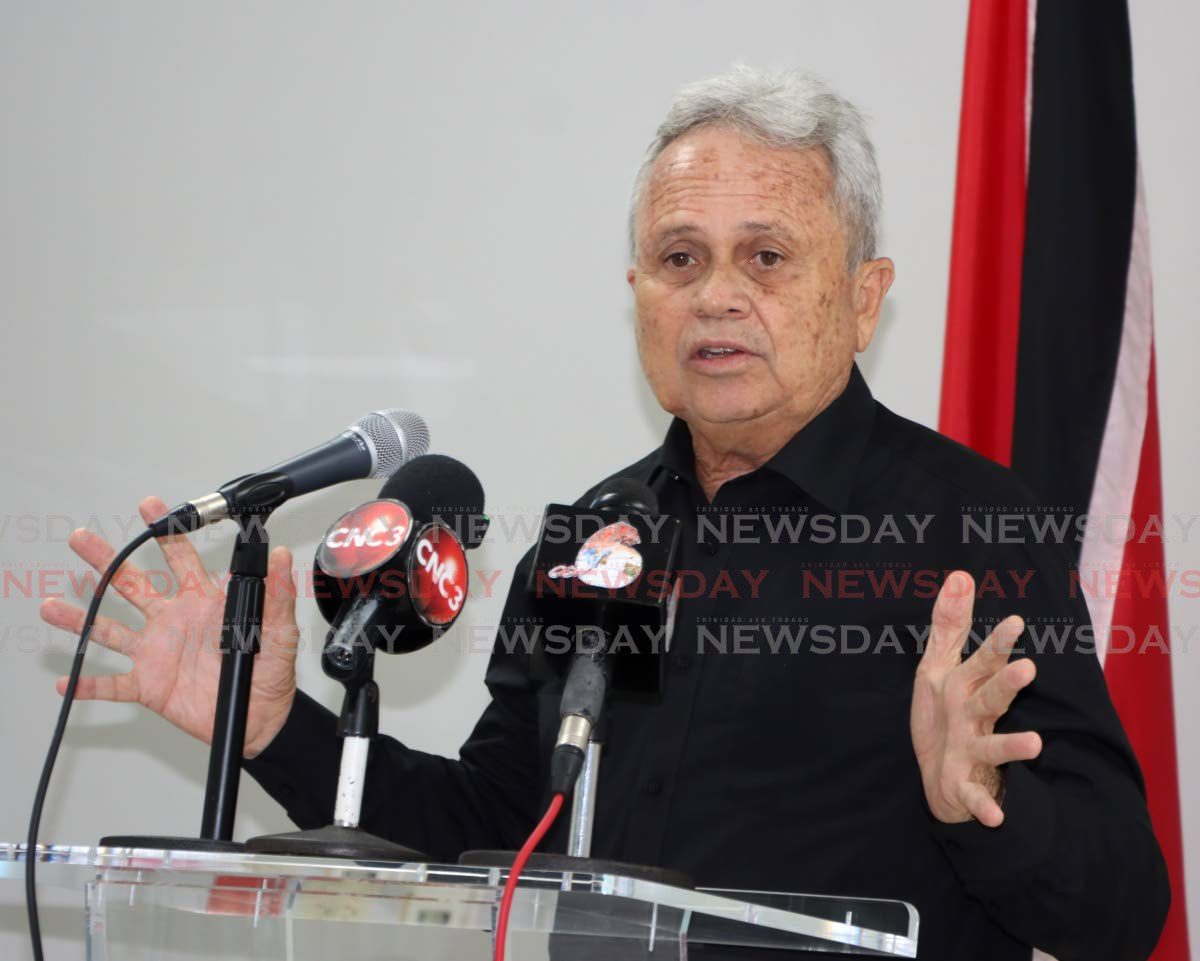
    Former Finance Minister Colm Imbert has issued a stark warning regarding the government’s intention to implement multiple new taxes through the Finance Bill 2025, scheduled for presentation in the House of Representatives on December 5 at 1:30 PM.

    In a social media post on platform X, Imbert revealed that the United National Congress (UNC) government has circulated a comprehensive 44-page legislative document containing what he describes as “an avalanche of new taxes” that the administration intends to rapidly push through parliament. The proposed measures include a landlord tax, electricity surcharges, a substantial 20 percent increase in National Insurance System (NIS) rates, and heightened penalty fines. These would supplement the previously announced 100 percent hike in alcohol taxes implemented in October.

    The Finance Bill represents standard legislative procedure following budget approval, designed to enact policies outlined during budgetary presentations. Finance Minister Davendranath Tancoo had previously announced revenue-generation measures during his October 13 budget presentation, including immediate customs duty increases on rum, beer, and cigarettes. Additional provisions such as NIS increases, electrical surcharges for commercial and industrial consumers, and levies on commercial banking institutions are projected to take effect from January 1, 2026.

    The current 2025/2026 budget framework projects expenditures of $59.232 billion against revenues of $55.367 billion, resulting in a $3.865 billion deficit. This contrasts with the previous administration’s 2024/2025 budget under the People’s National Movement (PNM) government, which anticipated revenues of $54.224 billion, expenditures of $59.741 billion, and a larger deficit of $5.517 billion.

    Minister Tancoo’s budgetary calculations are based on projected oil and natural gas prices of US$73.25 per barrel and US$4.25 per mmbtu respectively, compared to last year’s benchmark prices of US$77.80 per barrel and US$3.59 per mmbtu under the previous government.

  • Fair Trading Commission director grilled over delays in pharmaceutical probe

    Fair Trading Commission director grilled over delays in pharmaceutical probe

    In a tense parliamentary hearing on December 2, Fair Trading Commission (FTC) Executive Director Bevan Narinesingh faced rigorous interrogation from Public Administration and Appropriations Committee (PAAC) Chairman Jagdeo Singh regarding the commission’s perceived inaction on potential anti-competitive practices within the pharmaceutical industry.

    Speaker Singh, visibly frustrated throughout the proceedings, challenged Narinesingh on what he characterized as the FTC’s ‘lethargic’ response to serious allegations of monopolistic behavior in drug supply and distribution. The confrontation centered on the commission’s failure to utilize its statutory powers under the Fair Trading Act despite receiving formal complaints and documentation since September 2024.

    Singh methodically outlined the FTC’s broad investigative authority, particularly emphasizing Section 9 provisions that empower the commission to act on its own initiative without requiring formal complaints. ‘Anti-competitive behavior in a marketplace is among the highest public-interest concerns needing protection,’ Singh asserted, receiving agreement from Narinesingh before pressing further on the commission’s inaction.

    The hearing revealed that despite a September 6, 2024 letter from a private business association raising competition concerns, the FTC’s response consisted primarily of information requests rather than initiating formal investigations. Singh questioned why the commission hadn’t invoked Section 8 powers to compel document production from suspected entities instead of placing the burden on complainants to obtain sensitive corporate records.

    Narinesingh defended the FTC’s approach, citing ongoing evidence gathering through meetings with Health Ministry officials in December 2024 and consultations with the Pharmacy Board. However, when pressed for documentation of these meetings, he could not immediately produce minutes or formal reports.

    The exchange intensified when Singh referenced the FTC’s December 13, 2024 public statement acknowledging that concerns ‘may require further examination.’ The chairman demanded concrete actions beyond letter-writing and meetings, to which Narinesingh cited public notices inviting input through digital channels.

    A critical moment emerged when Narinesingh revealed the FTC had determined ‘sufficient grounds’ for investigation by June 17, 2025 but claimed inability to proceed due to the commission’s board being dissolved since May. Singh challenged this justification, questioning where the Fair Trading Act circumscribes the executive director’s authority based on board availability.

    The session concluded with Singh issuing comprehensive directives for the FTC to provide all relevant documentation, including internal communications, meeting minutes, and task assignments, before adjourning until January 26 for further review.

  • Emotions run high in SYG senate debate

    Emotions run high in SYG senate debate

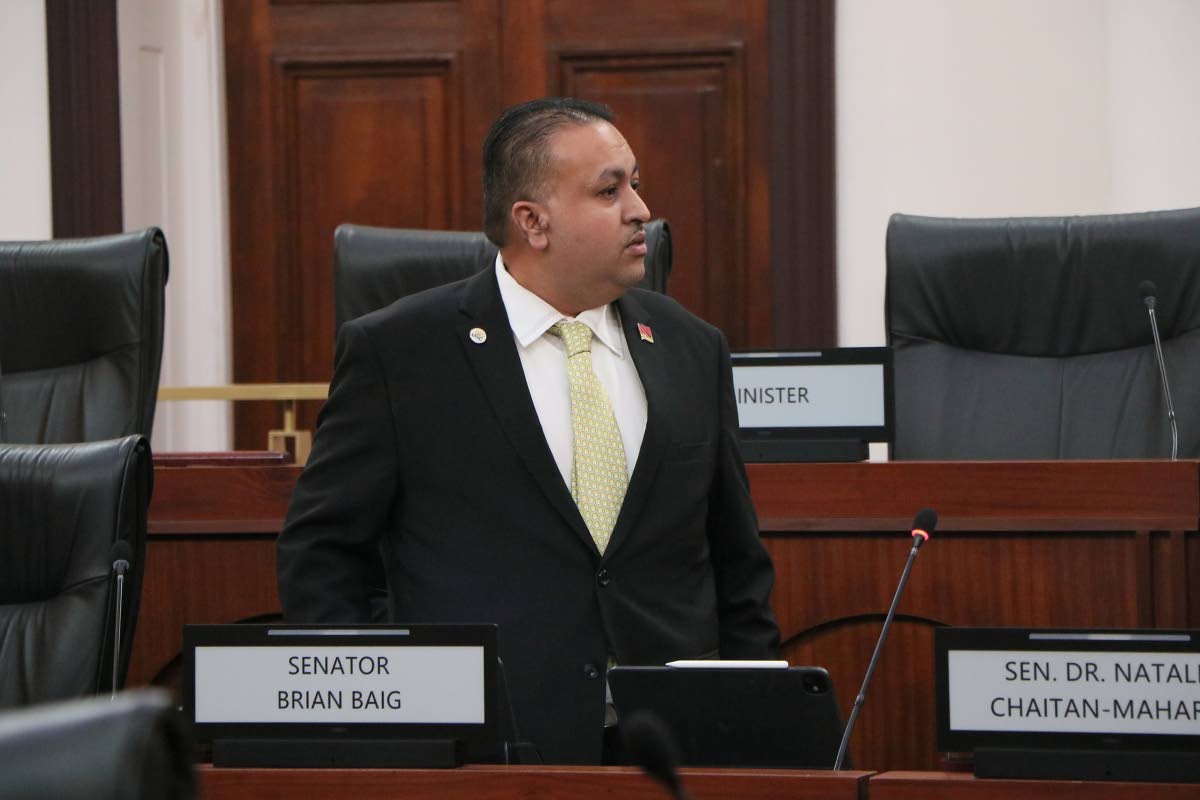
    The Trinidad and Tobago Senate witnessed profoundly emotional deliberations on December 2nd during the debate over the controversial Home Invasion (Self-Defence and Defence of Property) Bill, 2025. Government Senator Brian Baig delivered a heart-wrenching testimony detailing his personal experience as a home invasion survivor, visibly trembling as he addressed the chamber.

    Senator Baig recounted how the traumatic event permanently altered his psychological state, revealing he still wakes daily at 3 AM—the hour preceding the incident—haunted by the fear that intruders remain in his home. The senator described implementing extensive security measures including alarms, round-the-clock security personnel, and guard dogs to restore his family’s sense of safety. Baig further shared the devastating story of his aunt who was murdered during another home invasion, with her throat slit ‘from ear to ear’ while his uncle, a heart patient, was bound to a chair.

    Despite the emotional appeal, opposition Senator Faris Al-Rawi expressed reservations about the legislation’s practical effectiveness. While acknowledging the bill was ‘heading in the right direction,’ Al-Rawi questioned whether the proposed law would actually assist victims in real-time crisis situations. He raised significant concerns regarding the exclusion of approximately 230,000 squatters lacking lawful property possession, the treatment of common areas in housing developments, and the application to institutional dwellings like children’s and geriatric homes.

    Independent Senator Dr. Desiree Murray highlighted additional ambiguities, noting the legislation potentially conflates domestic disputes with armed invasions by labeling known acquaintances as ‘home invaders.’ She warned this blurring of distinctions could lead to disproportionate use of lethal force in situations already covered by existing laws. The debate revealed deep divisions between the emotional imperative for enhanced self-defense protections and practical concerns about legal precision and unintended consequences.

  • Haiti moves closer to staging fresh elections

    Haiti moves closer to staging fresh elections

    Haiti’s transitional government has achieved a critical breakthrough by formally adopting a long-awaited electoral law, marking the most substantial progress toward presidential elections since 2016. This legislative move establishes the legal foundation for restoring democratic governance in the Caribbean nation following years of political instability and severe gang violence.

    The Transitional Presidential Council (TPC), established in April 2024 to steer Haiti through its crisis, approved the legislation alongside the council of ministers. Frinel Joseph, one of two non-voting observers on the nine-member council, characterized the development as “a decisive turning point in the transition” through his official social media communication on Monday.

    Despite this procedural advancement, the adoption process revealed significant internal divisions. Three of the council’s seven voting members deliberately absented themselves from the crucial meeting in an apparent attempt to block the legislation’s passage. Their absence failed to prevent adoption, though the law must still be published in Haiti’s official gazette to attain full legal status.

    The TPC faces mounting challenges beyond internal discord. Some members allegedly seek to leverage the electoral timeline to extend their authority beyond the February 2026 transition deadline and remove incumbent Prime Minister Alix Didier Fils-Aimé. Meanwhile, human rights advocates have expressed concerns about the legislation’s insufficient eligibility safeguards, citing criticisms of the draft proposal circulated before Monday’s vote.

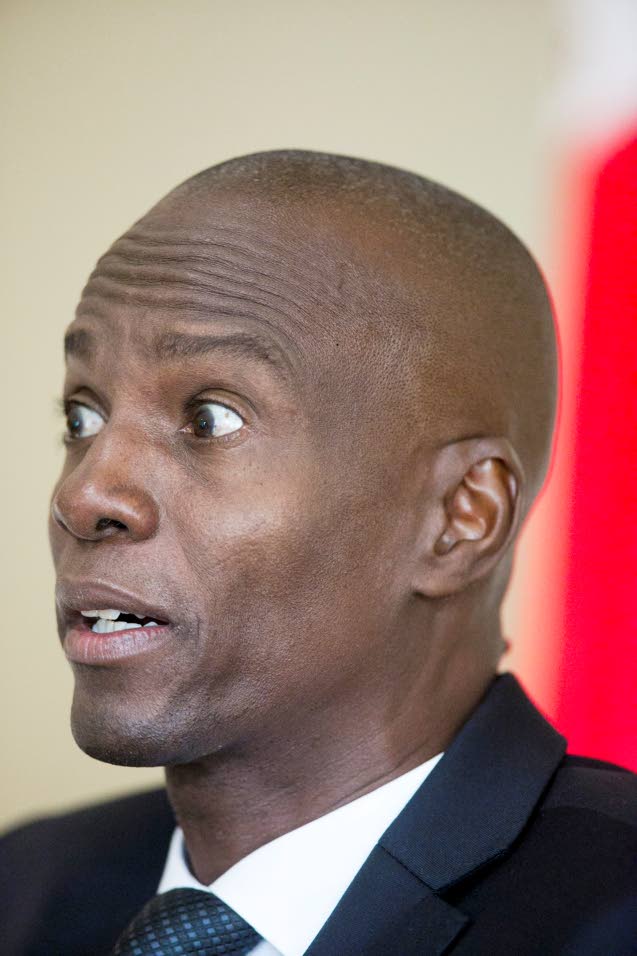
    Haiti’s last presidential election occurred in 2016 when Jovenel Moïse achieved victory among 27 candidates. His July 2021 assassination—which injured his wife and involved former Colombian soldiers—remains unresolved in Haitian courts despite ongoing proceedings in the United States.

    Political analysts caution that while the electoral law constitutes necessary progress, Haiti’s path to legitimate elections remains fraught with institutional challenges and security obstacles that could undermine democratic restoration.