分类: politics

  • OPINION: The Caribbean’s Zone of Peace Meets A Major Hurdle

    OPINION: The Caribbean’s Zone of Peace Meets A Major Hurdle

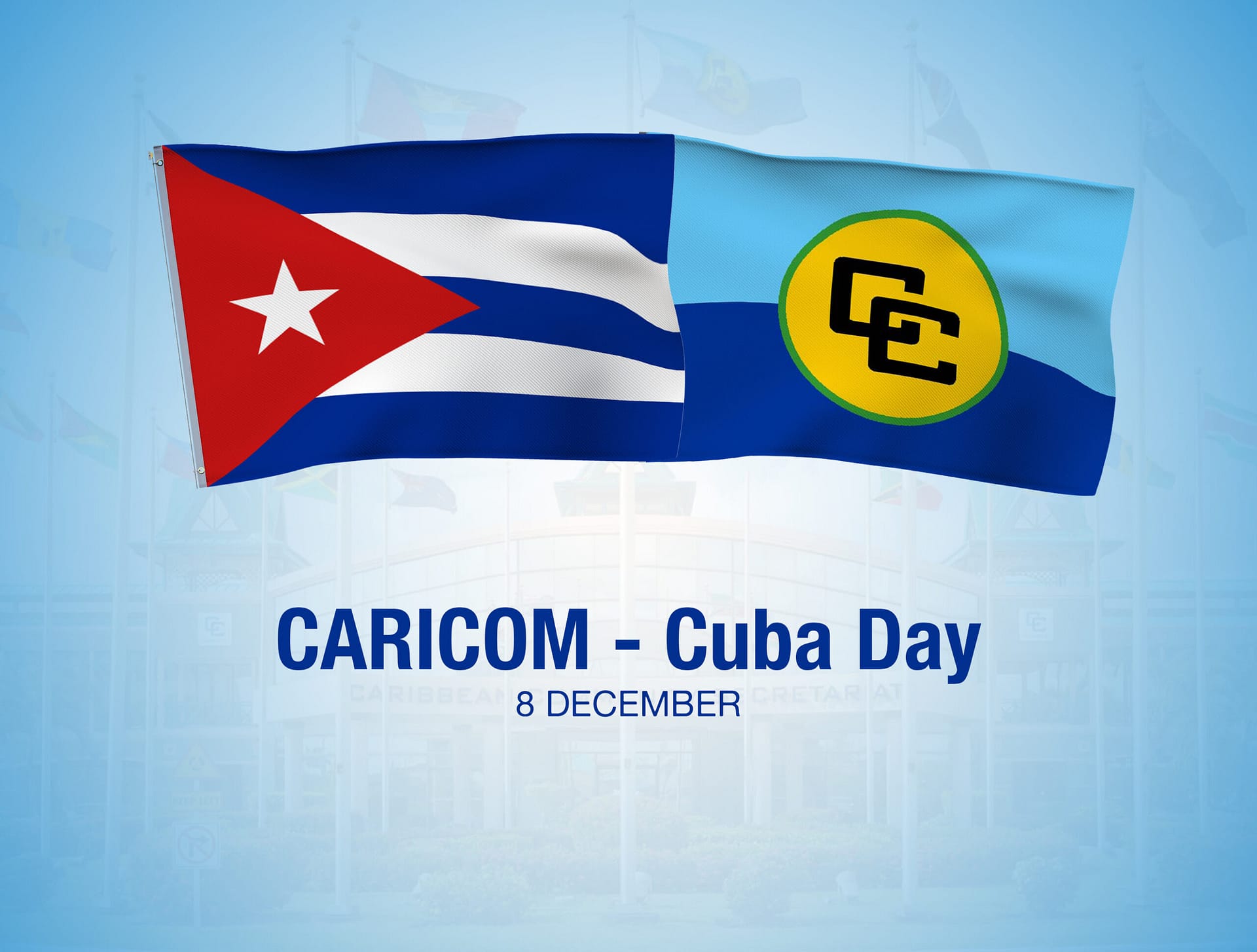
    In the early hours of October 18, 2025, CARICOM released a statement addressing the ‘security build-up in the Region,’ reaffirming the Caribbean as a ‘Zone of Peace.’ The document emphasized dialogue, adherence to international law, and respect for sovereignty and territorial integrity. However, the statement’s deliberate omissions and underlying dynamics reveal deeper geopolitical complexities. Notably, CARICOM avoided directly referencing its influential southern neighbor, a decision that speaks volumes in the realm of international relations. This strategic silence reflects the region’s delicate balance between asserting principled positions and maintaining vital relationships with powerful allies. The omission may also be linked to the neighbor’s recent global scrutiny, particularly following the Nobel Peace Prize awarded to its opposition leader. Amid these dynamics, Trinidad & Tobago’s successful revival of the Dragon gas-field deal with Venezuela stands out as a strategic win, providing the nation with a buffer against external pressures. However, Trinidad’s simultaneous support for U.S. military intervention in the Caribbean raises questions about its diplomatic independence. The broader challenge for CARICOM lies in its limited resources as micro-states, which constrain its capacity to act unilaterally. The region’s reliance on international cooperation and law underscores the need for tangible investments in regional intelligence, security collaboration, and cohesive diplomatic strategies. CARICOM must transition from reactive micro-states to proactive actors, leveraging niche strengths and pooling resources to safeguard its sovereignty and peace in an increasingly interconnected world.

  • Chief and Deputy Chief of Police to receive vehicle upgrade

    Chief and Deputy Chief of Police to receive vehicle upgrade

    In a recent ceremony marking the handover of six new vehicles to the Commonwealth of Dominica Police Force (CDPF), Prime Minister Roosevelt Skerrit unveiled plans to enhance the transportation standards for the nation’s top law enforcement officials. Addressing the gathering, Skerrit emphasized the necessity of upgrading the vehicles assigned to the Chief of Police and the Deputy Chief of Police, particularly for official functions. ‘I will assist with that and ensure that they get appropriate vehicles, fitting of the offices that they hold,’ he declared. The Prime Minister underscored the importance of maintaining high levels of integrity within the police force, warning officers against compromising their roles. ‘Having a gun doesn’t mean that you are safe,’ he cautioned, stressing that compromising state security equates to endangering personal and familial safety. Skerrit urged officers to uphold the law and remain steadfast in their duty to serve and protect, ensuring mutual trust and support among colleagues.

  • Franse ambassadeur bespreekt versterking samenwerking met president Simons

    Franse ambassadeur bespreekt versterking samenwerking met president Simons

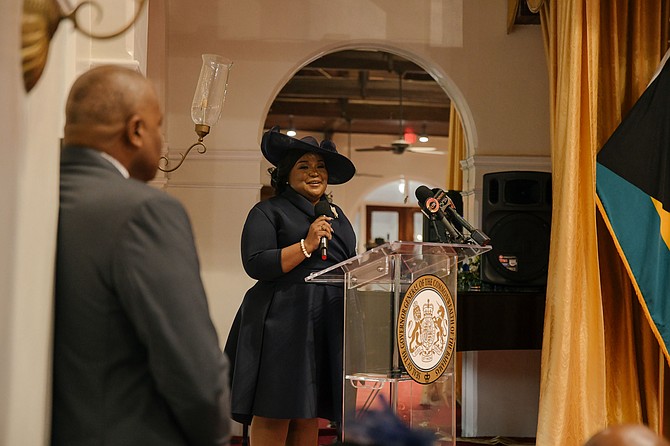
    The French Ambassador to Suriname, Nicolas de Lacoste, paid a courtesy visit to President Jennifer Simons at the Presidential Cabinet on Tuesday. The meeting focused on deepening bilateral cooperation and celebrating the French Days (Journées Françaises), a week-long event currently taking place in Paramaribo. Ambassador De Lacoste described the discussions as “very productive,” emphasizing the strategic importance of various themes for both nations. “We explored ways to further strengthen our ties. This week is particularly special as we celebrate French Days in Paramaribo,” he remarked. The French Days coincide with two significant milestones: Suriname’s 50th anniversary of independence and the 25th anniversary of the regional office of the Agence Française de Développement. A special exhibition at the National Archives highlights the historical and contemporary collaboration between Suriname and France. Throughout the week, a series of public activities are being held, including a cycling tour, culinary events, film screenings, a conference on the Amazon Park of French Guiana, a French market, and French language lessons at the Ministry of Foreign Affairs. “These activities celebrate the friendship between our peoples,” said De Lacoste, expressing hope for strong public participation.

  • Pringle Firmly Denies Involvement in Vehicle Scandal, Calls for Independent Inquiry

    Pringle Firmly Denies Involvement in Vehicle Scandal, Calls for Independent Inquiry

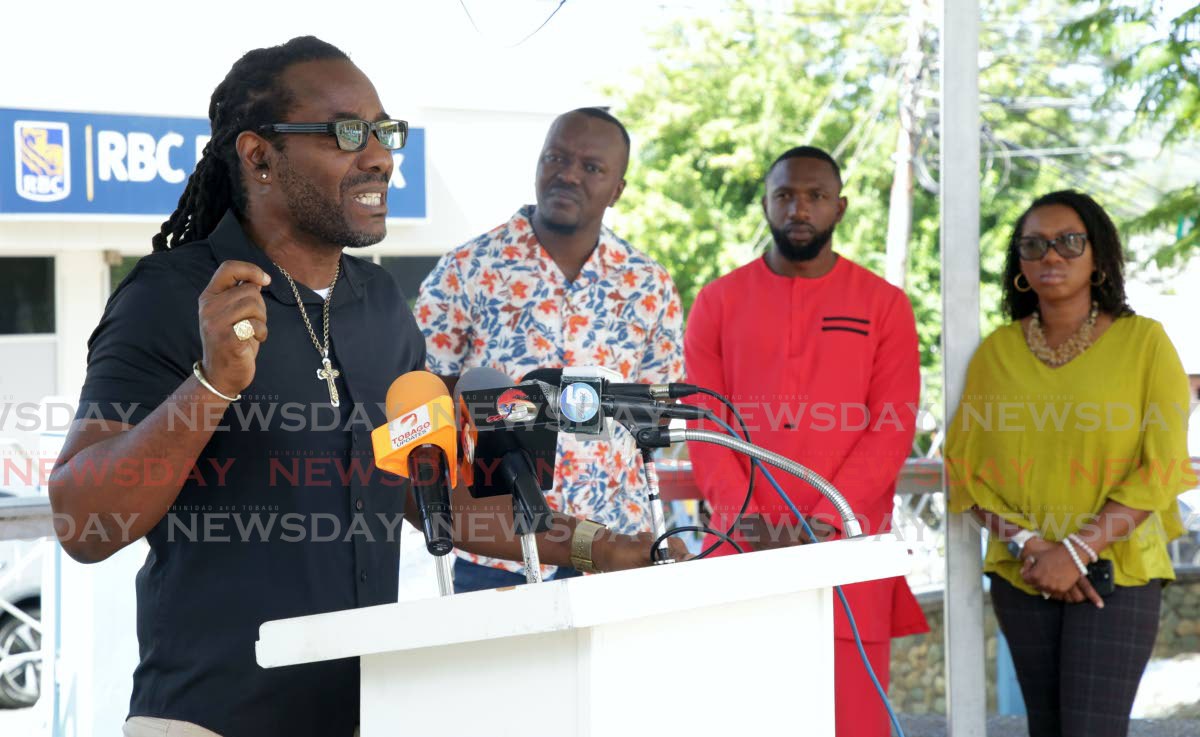
    Opposition Leader Jamale Pringle has vehemently denied any connection to the alleged government vehicle procurement scandal, demanding concrete evidence from accusers and advocating for a comprehensive, independent investigation. Addressing the public at the ‘Vehicle Gate’ town hall meeting, organized by the United Progressive Party, Pringle dismissed the accusations as politically driven attempts to tarnish his reputation and divert attention from systemic corruption within the current administration.

    Pringle challenged his detractors to substantiate their claims, stating, ‘If anyone alleges that Jamale Pringle is involved and has evidence, they should step forward and stand by their accusations. I welcome an independent inquiry not only into this scandal but also into the Public Works Department. Let the truth prevail.’ He further rejected calls for his resignation, labeling the controversy as a ‘red herring’ designed to distract from deeper issues of governance.

    Emphasizing the need for transparency, Pringle called for a thorough investigation into the alleged misuse of funds for vehicle purchases, stressing that accountability must apply to all public officials, irrespective of their political affiliations. ‘We are not afraid of scrutiny,’ he asserted. ‘What we demand is fairness — let the evidence speak, and let the public see who is truly responsible.’

    The ‘Vehicle Gate’ forum convened former civil servants, attorneys, and opposition figures to discuss the scandal, which reportedly involved millions of dollars spent on government vehicles without proper authorization. Pringle’s remarks represented his most forceful public denial to date, as he urged investigators to act swiftly, confident that the truth would exonerate him and expose the actual wrongdoers. ‘This is not a time for political games,’ he declared. ‘It’s a time for truth, transparency, and the rule of law. If anyone believes I’ve done wrong, bring the evidence — because I have nothing to hide.’

  • Pringle: I Can Do Better Than Gaston Browne

    Pringle: I Can Do Better Than Gaston Browne

    Opposition Leader Jamale Pringle has positioned himself as a champion of integrity and accountability, asserting that he can lead Antigua and Barbuda more effectively than Prime Minister Gaston Browne. During a town hall meeting at the Vehicle Gate forum, Pringle emphasized the need for lawful governance, transparent financial management, and a renewed commitment to public trust. His speech resonated with attendees, who responded with enthusiastic applause. Pringle’s remarks were delivered against the backdrop of the alleged multimillion-dollar government vehicle scandal and accusations of systemic financial mismanagement under the Browne administration. He declared, ‘We deserve better, and I can do better,’ framing his leadership as a stark contrast to the current government’s practices. Pringle accused the administration of bypassing parliamentary approval for significant expenditures, violating the Finance and Administration Act, and undermining fiscal discipline. He stressed that accountability should not be subject to political convenience and called for leaders who prioritize the public’s best interests. Pringle also urged unity across party lines, emphasizing that the issue transcends partisan politics. ‘This is not about red or blue,’ he said. ‘It’s about right and wrong. It’s about defending our democracy and protecting future generations.’ The Vehicle Gate forum, attended by legal experts, former public servants, and opposition figures, served as a platform to scrutinize alleged irregularities in government vehicle procurement. Pringle’s address was both a rallying cry for change and a declaration of his readiness to lead that change. He warned that continuing on the current path risks eroding the nation’s moral compass and pledged to provide the leadership Antigua and Barbuda deserves.

  • Azille: Rural East Ready to Launch Petition Demanding Independent Probe into Vehicle Controversy

    Azille: Rural East Ready to Launch Petition Demanding Independent Probe into Vehicle Controversy

    Ashworth Azille, caretaker for the United Progressive Party in St. John’s Rural East, has announced that constituents are preparing to launch a petition calling for an independent investigation into the alleged government vehicle scandal. Speaking at a town hall meeting dubbed ‘Vehicle Gate,’ Azille emphasized the growing public demand for accountability, stating that citizens are determined to see the minister in question step aside to ensure a fair and transparent inquiry. He argued that public confidence in any investigation would be compromised if the minister remains in office, as it could allow for potential manipulation of facts. Azille clarified that the petition is not an accusation of guilt but a necessary step to guarantee the independence of the inquiry. He also criticized Prime Minister Gaston Browne for what he described as ‘double standards,’ referencing a past incident where a minister was required to step aside during a UK-led investigation. Azille stressed that Antigua and Barbuda is a ‘country of laws’ and called for leaders to be held to higher standards of integrity. He acknowledged the strength of the nation’s public administration laws but lamented their weak enforcement. Azille urged citizens to demand better from their leaders and reiterated that only a fully independent inquiry, free from political interference, would satisfy public expectations. ‘If you are so confident that you have nothing to hide, then allow the investigation to happen,’ he concluded. ‘Let the facts exonerate you. You cannot exonerate yourself.’

  • Former Assistant Commissioner Says Police Commissioner Lacks Courage, Calls Force ‘Non-Functional’

    Former Assistant Commissioner Says Police Commissioner Lacks Courage, Calls Force ‘Non-Functional’

    Retired Assistant Commissioner of Police Nuffield Burnett has launched a scathing critique of the Royal Police Force of Antigua and Barbuda, labeling it as ‘non-functional’ and accusing its leadership of lacking courage. Burnett’s remarks were made during a town hall meeting organized by the United Progressive Party, where he joined a panel of former civil servants, attorneys, and political figures to discuss the alleged multimillion-dollar government vehicle scandal. Burnett asserted that the police force is currently at its lowest point in history, citing weak leadership and a severe lack of integrity as primary issues. He acknowledged recent academic achievements by officers but emphasized that these accomplishments have not translated into effective policing. ‘Acquiring degrees—this is the worst we have seen the Royal Police Force. There is the head of the constabulary who doesn’t have anything named courage,’ Burnett stated. He argued that courage and integrity, rather than academic credentials, are essential for effective law enforcement. ‘In these institutions, you must have a measure of courage. It’s not about all these degrees and scholarships. You must have courage and integrity about you,’ he said. Burnett called for the police administration to ‘get its act together’ to fulfill its legal mandate, stressing that every officer has a duty to investigate crimes regardless of the individuals involved. He also highlighted the need for government support in certain investigations, particularly in the vehicle scandal, suggesting that the Director of Public Prosecutions should take the lead. Burnett warned that the failure of the police hierarchy to act decisively erodes public trust and undermines the rule of law. He concluded by urging the force to demonstrate courage and integrity, starting with those entrusted to uphold the law.

  • ‘Ralph, leave Mommy out of your duttyness,’ Bramble tells PM

    ‘Ralph, leave Mommy out of your duttyness,’ Bramble tells PM

    In a heated exchange during the New Democratic Party’s (NDP) campaign event in Belmont, East Kingstown MP Fitz Bramble issued a stern warning to Prime Minister Ralph Gonsalves, urging him to cease bringing his mother into the political discourse. Bramble’s remarks came in response to Gonsalves’ comments at a Unity Labour Party (ULP) rally in Calliaqua, where the Prime Minister criticized Bramble, 64, for allegedly never building a home and residing with his mother.

  • Bowen: DPP, Police, and Integrity Commission All Have Power to Act in Vehicle Probe

    Bowen: DPP, Police, and Integrity Commission All Have Power to Act in Vehicle Probe

    Sherfield Bowen, Member of Parliament for St. Philip South and a prominent attorney, has called on key institutions to promptly investigate the alleged multimillion-dollar government vehicle scandal. Speaking at the United Progressive Party’s “Vehicle Gate” town hall on October 21, Bowen emphasized that the Director of Public Prosecutions (DPP), the police, and the Integrity Commission each possess the authority and responsibility to act without delay. He asserted that no legal or constitutional barriers prevent these bodies from launching inquiries into what has been labeled one of the nation’s most significant corruption allegations.

    Bowen highlighted the statutory powers of these institutions, stressing their independence from political influence. “The police can act, the DPP can act, and the Integrity Commission can act,” he declared. He argued that the evidence already available publicly is sufficient to warrant immediate action. “So long as [the DPP] has enough information that would guide him to the need to continue and to mount the investigation, he should begin,” Bowen stated. “At this very moment… there is enough information in the public domain that will cause him to get on his horse and get people, hire forensic accountants, whatever he needs to do.”

    Bowen further noted that the police are legally obligated to investigate suspected offenses, while the Integrity Commission has the jurisdiction to probe matters involving public officials and potential corruption. He warned that inaction by any of these bodies would raise serious concerns about accountability and institutional integrity.

    The town hall forum, which featured contributions from former senior civil servants and retired law enforcement officers, focused on systemic weaknesses in government oversight and financial management. Attendees called for full transparency and urged independent agencies to act swiftly to restore public trust.

  • One from 15 leaves nought

    One from 15 leaves nought

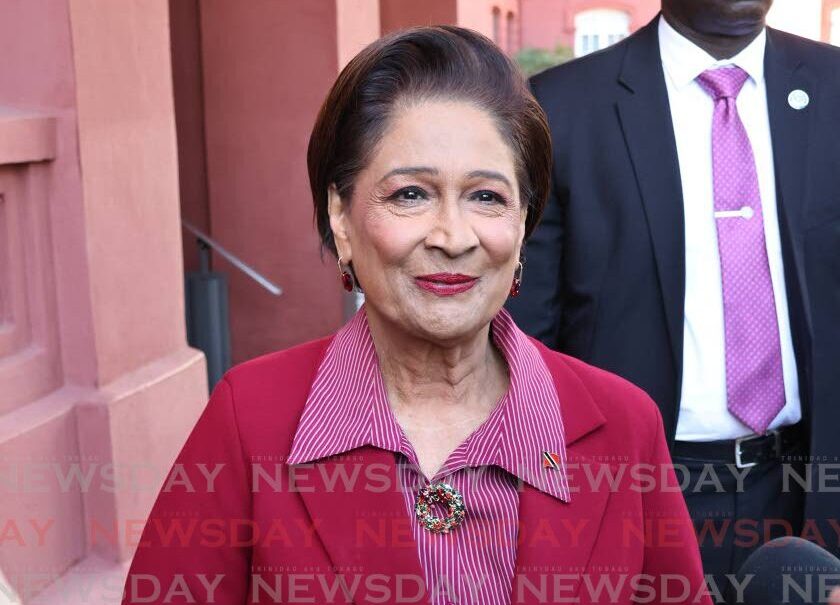
    In 1962, Dr. Eric Williams, the first Prime Minister of Trinidad and Tobago, famously declared ‘one from ten leaves nought’ as his nation withdrew from the West Indies Federation, marking a pivotal moment in the region’s history. Sixty-three years later, another Trinidadian leader, Prime Minister Kamla Persad-Bissessar, appears to be echoing this divisive sentiment. Her administration’s unwavering support for US-led militarization in the Caribbean has raised concerns about the future of regional unity and the Caribbean Community (CARICOM).

    Last week, CARICOM leaders reaffirmed their commitment to maintaining the Caribbean as a ‘Zone of Peace,’ grounded in dialogue, diplomacy, and respect for sovereignty. However, Trinidad and Tobago notably ‘reserved its position,’ refusing to endorse the declaration. Persad-Bissessar has defended this stance, arguing that US military operations, including naval patrols and strikes—some of which have reportedly resulted in the deaths of Trinidadian citizens without due process—are essential to combat narco and human trafficking. She claims these actions will ultimately secure peace in the region.

    This justification, however, stands in stark contrast to the principles of the ‘Zone of Peace,’ which emphasizes collective self-determination and non-militarization. By aligning with US military interests, Trinidad and Tobago risks undermining the moral contract that binds CARICOM nations together. This not only threatens regional integration but also jeopardizes critical economic and social lifelines, including trade, tourism, and food security.

    Persad-Bissessar’s assertion that ‘every nation state in CARICOM has the right to exercise their sovereign rights as they think best’ echoes the narrow self-interest that led to the dissolution of the West Indies Federation in 1962. Her actions suggest that Trinidad and Tobago, buoyed by its mineral wealth and geopolitical leverage, is willing to prioritize its strategic interests over regional solidarity. This approach contrasts sharply with her predecessor, Dr. Keith Rowley, who emphasized the importance of sovereignty rooted in collective action and warned against aligning with US militarization, which he argued would endanger both Trinidad and Tobago’s sovereignty and CARICOM unity.

    The erosion of the ‘Zone of Peace’ has far-reaching implications beyond geopolitics. The Caribbean’s blue economy, which relies on stability and predictability, is at risk as the region’s waters could be perceived as militarized zones rather than hubs of commerce. This could deter investment, disrupt fisheries and shipping, and harm tourism-dependent economies like Barbados and Saint Lucia. Moreover, a militarized Caribbean normalizes dependency on foreign powers, threatening to reduce CARICOM to a collection of vassal states.

    At its core, this issue is not merely a foreign policy divergence but a test of Caribbean cooperation and the legacy of regional unity. The ‘Zone of Peace’ represents the political maturity the West Indies Federation never achieved—a commitment to shared sovereignty rather than its surrender. If Trinidad and Tobago abandons this principle, it risks reopening old wounds that could bleed into every trade negotiation, cultural accord, and regional emergency.

    The Caribbean must decide how to confront crime, instability, and strife. Peace and diplomacy are not naïve ideals but strategic imperatives. History has shown that the region’s survival depends not on the strength of foreign empires but on the endurance of collective action. While the fragility of regional integration cannot be ignored, neither can its resilience. From CARIFTA to the CSME, from cricket to climate diplomacy, the Caribbean’s strength lies in unity. When one member aligns with zero-sum realpolitik, the delicate arithmetic of regional cooperation is threatened: one from fifteen leaves nought.