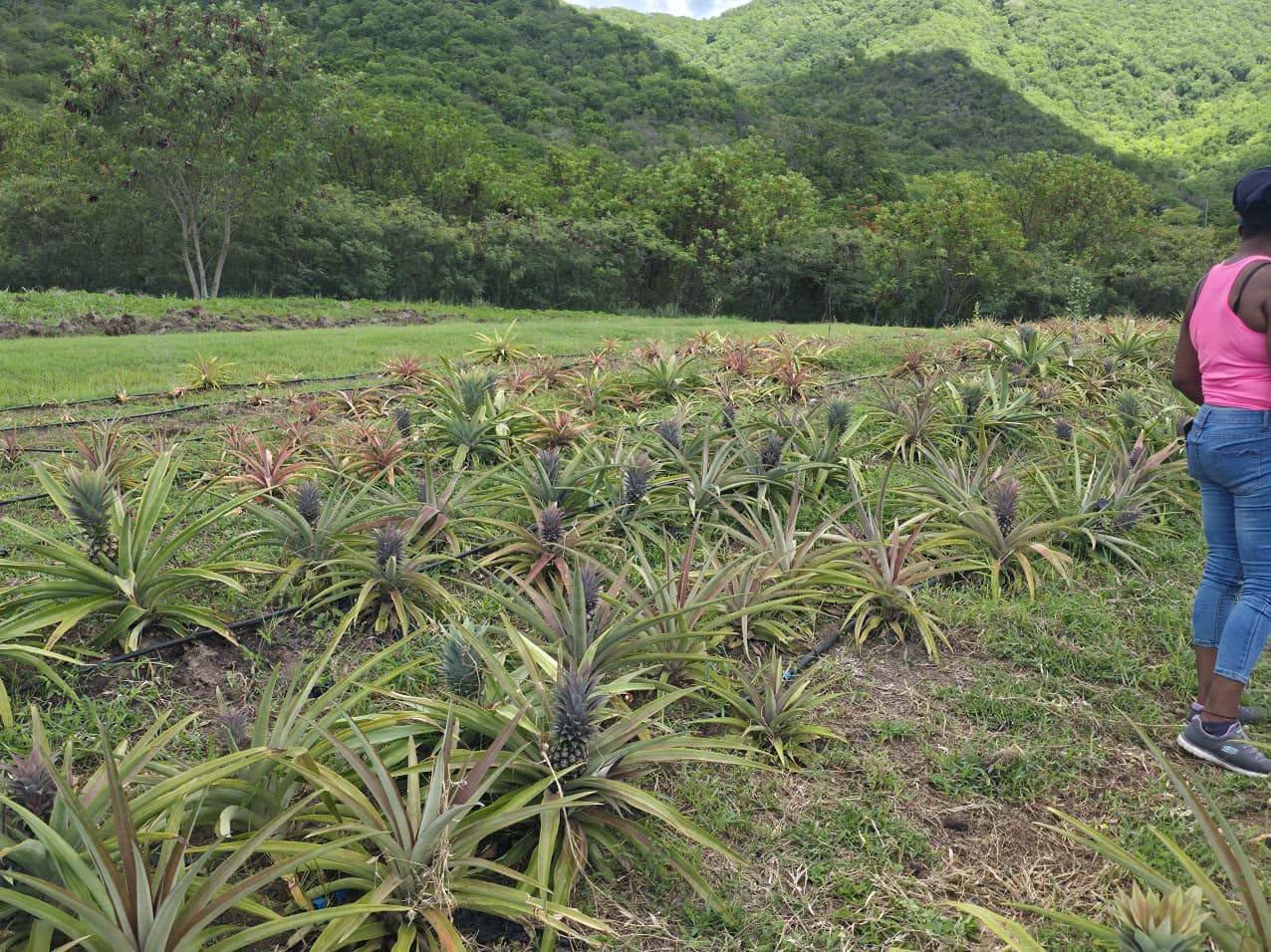
The twin-island nation of Antigua and Barbuda has launched an ambitious revitalization program focused on restoring the prominence of its globally celebrated Antigua Black Pineapple, with a strategic target of growing the national stock of this signature fruit to 200,000 cultivated plants. According to junior Agriculture Minister Anthony Smith, the project has already hit an early milestone, with 15,000 pineapple plants successfully established in growing fields across the country. An additional 15,000 disease-free plantlets are currently being developed off-island through advanced tissue culture propagation techniques at a specialist facility in neighboring St. Vincent. Looking ahead to the next phase of expansion, Antigua and Barbuda is on track to open its own domestic Plant Tissue Culture Laboratory, which is scheduled to reach full operational capacity by October this year. Once up and running, the new onshore facility will eliminate the nation’s reliance on off-island propagation services, enabling local production of high-quality planting material at scale. This local production capacity will in turn allow smallholder and commercial farmers to ramp up output far faster than was previously possible, cutting lead times and reducing associated costs. Minister Smith emphasized that this forward-thinking initiative represents a deliberate fusion of traditional agricultural heritage, modern scientific knowledge, and cutting-edge propagation technology. Beyond reviving a cultural and economic icon, the program plays a key role in advancing the country’s broader national goals around food sovereignty, strengthening domestic food supply chains and improving long-term food security for all Antigua and Barbuda residents. The project also preserves the unique genetic lineage of the Antigua Black Pineapple, a variety prized for its exceptional sweetness, deep color and soft texture that has long been tied to the nation’s identity.
分类: other
-

St. Kitts Prime Minister Terrance Drew in Miami amid medical scare
Across modern digital media platforms, access to premium content is increasingly governed by subscription models. Visitors to this particular article have encountered a standard content restriction: the full text of the piece is not available to unregistered users or those with expired or lower-tier membership plans. The platform clearly outlines the steps required to unlock the content: first, users without an existing account must complete a new account sign-up process, while returning visitors can log in with their existing credentials. After account access is confirmed, users must purchase an active subscription that includes access to this restricted category of content. This paywall structure is a common monetization strategy employed by digital publishers to sustain content production operations, and it explicitly reminds users that their current subscription tier, if any, does not grant permission to view the locked article. No portion of the original protected content is displayed outside of the prompt to complete authentication and subscription purchase.
-
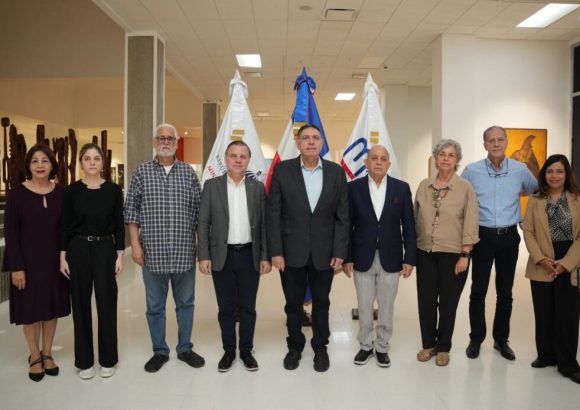
Dominican Republic to host 12th Ibero-American Meeting of Museums
The Caribbean nation of the Dominican Republic has been confirmed as the official host of the 12th Ibero-American Meeting of Museums, a landmark regional gathering scheduled to run from September 14 to 16, 2026, in Santo Domingo. This will mark the first time the quadrennial event has been hosted on Dominican soil, bringing hundreds of museum leaders, heritage conservation specialists, cultural policymakers, and sector professionals from across the Ibero-American region together for three days of collaborative dialogue and knowledge sharing.
Organized jointly by the Dominican Ministry of Culture, the country’s General Directorate of Museums, and the long-standing Ibermuseums Program, the meeting carries forward a legacy that stretches back to 2007, when the first gathering was convened. Today, the event stands as the Ibero-American region’s preeminent forum for cross-border cooperation, technical knowledge exchange, and collaborative design of inclusive, forward-thinking public policies for the museum sector.
Centered on the unifying theme “Shared Heritages, Common Futures,” the 2026 meeting will tackle a broad range of pressing challenges currently shaping the future of cultural institutions worldwide. Core discussion topics include the celebration of global heritage diversity and strategies to deepen meaningful social engagement with local communities, the transformative impact of artificial intelligence on how museums frame and share cultural narratives, and the urgent need to protect biocultural territories amid growing climate change risks.
A host of leading regional and international institutions have stepped forward to support the 2026 gathering, including the Spanish Agency for International Development Cooperation, Dominican cultural hub Centro León, Banco Popular Dominicano, the Indotel Center, and the Banreservas Cultural Center.
Beyond the triennial meeting, the Ibermuseums Program maintains a continuous, far-reaching impact across the region. The network currently unites 22 Ibero-American nations, and delivers ongoing support to more than 10,000 museums through cross-border collaborative projects, professional development training, open knowledge exchange initiatives, and advocacy for public policies that advance equitable, sustainable growth for the cultural sector.
-

Creative Excellence Shines During September Celebrations
As Belize kicks off its annual September national celebrations, the country’s quiet backbone of national identity—its unsung cultural stewards and creative pioneers—stepped into the spotlight this week to receive formal recognition for decades of work shaping the nation’s artistic and cultural landscape. Eight local practitioners across fields ranging from Indigenous traditional knowledge to literary arts, music, dance, theater, and visual art were awarded the 2026 Creative and Cultural Excellence Awards, an annual honor that highlights underrecognized contributions to preserving and growing Belize’s unique multicultural heritage.
Francis Fonseca, Belize’s Minister of Culture, described the annual awards ceremony as one of the nation’s most meaningful annual traditions, noting that most of the honorees have spent decades advancing Belizean culture without widespread public or official acclaim. “Culture, creativity is really the heartbeat of our nation, the heart and soul of our nation,” Fonseca shared at the event, adding that it remains a privilege to recognize the deep personal commitment these artists and cultural leaders have given to Belize.
This year’s awardees carry distinct legacies tied to different strands of Belize’s cultural tapestry: Poet and author Margaret Reynolds received the Zee Edgell Award for Literary Arts, while Sistie Fairweather Harmes was honored for her decades of work advancing dance in Belize. Poots “Titiman” Flores took home the prestigious Andy Palacio Award for Original Belizean Music, and Felicita Cantun was recognized for her lifelong work protecting and revitalizing Indigenous traditional knowledge. The remaining four honorees—Lola Delgado, Emmeth Young, Melissa Castellanos-Espat, and Lita Hunter Krohn—were recognized for their outstanding contributions to visual art, cultural heritage preservation, theater, and cultural leadership respectively.
Yasser Musa, an advisor to Belize’s National Institute of Culture and History (NICH), emphasized that cultural heritage is not a static artifact of the past—it requires active work to survive and evolve. “Culture does not survive simply because it existed yesterday but because someone decides to teach it, perform it or celebrate it,” Musa explained. Since the awards program launched in 2021, a total of 45 Belizean cultural workers have been honored over the past six years, a legacy of recognition that Musa says can never fully capture the full scope of the impact these individuals have had on national life.
To ensure transparency and fairness, the award selection process follows an open, community-centered structure. Every year, the National Celebrations Commission issues a public call for nominations from across the country. Submissions are then reviewed by a cross-stakeholder subcommittee, which deliberates to reach a consensus on honorees before forwarding a final recommendation to the full commission. Fonseca noted that choosing from a pool of highly qualified, deserving nominees is never an easy task, and he is grateful that the decision is not left to political leadership alone.
For the eight 2026 recipients, the tangible recognition of a plaque and formal award carries deep meaning, but the greatest reward is the confirmation that their years of quiet work have left a lasting mark on Belize’s national story. This report was compiled by Shane Williams for News Five, based on a transcript of the outlet’s evening television broadcast.
-
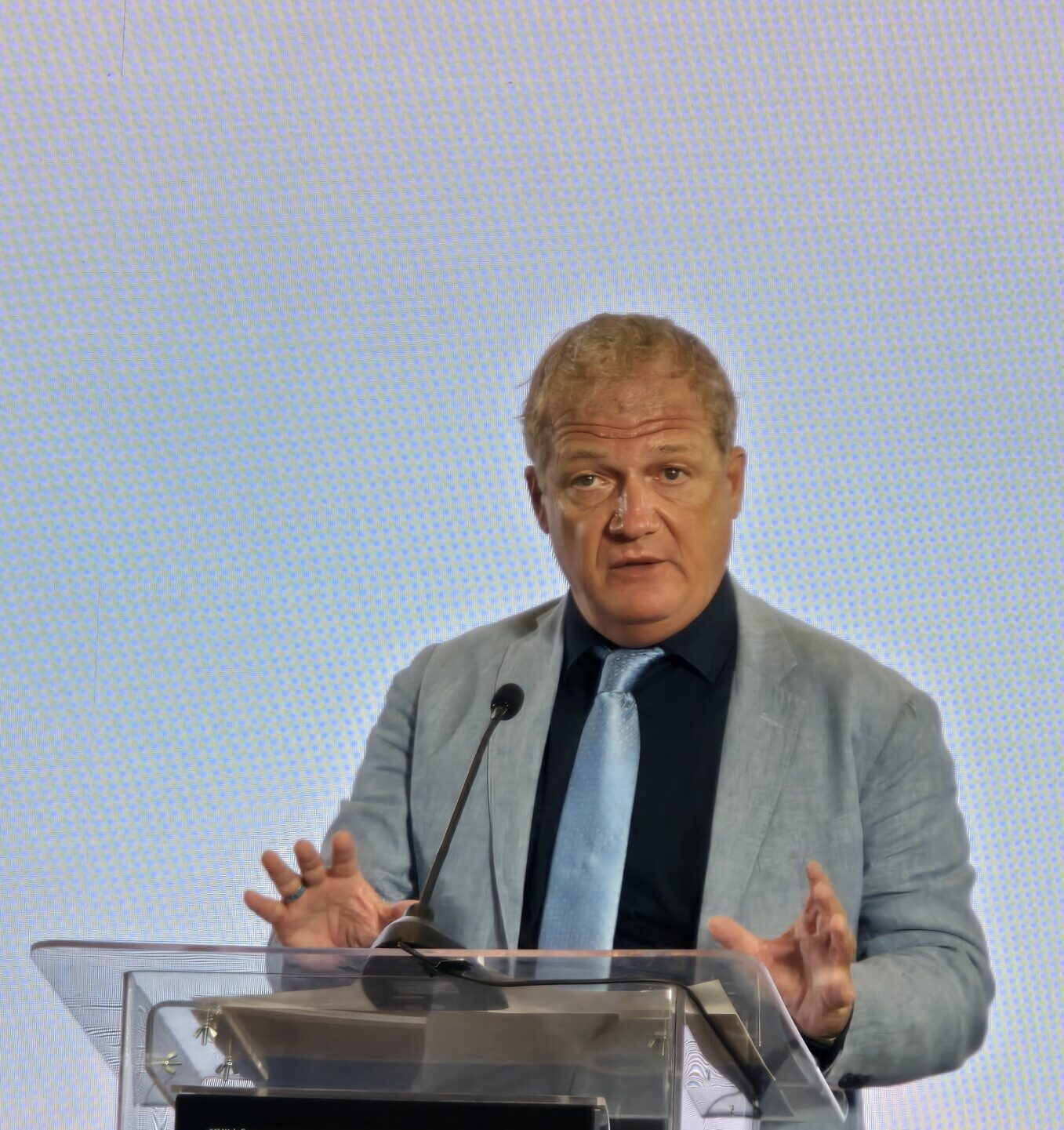
CDB pushes for stronger Caribbean evaluation culture
The Caribbean Development Bank (CDB) has launched the inaugural Caribbean Evaluation Space (C Eval Space), a landmark three-day regional forum hosted at the Wyndham Grand Barbados, Sam Lord’s Castle, that aims to embed a culture of data-driven, context-responsive decision-making across the region’s development sector. Opened on Tuesday, the gathering brings together a diverse cross-section of stakeholders: independent evaluators, national policymakers, academic researchers, and development practitioners from leading regional and global bodies including CDB’s own Office of Independent Evaluation (OIE), the Caribbean Evaluation International Network, the University of the West Indies, and the Community of Latin American and Caribbean States (CELAC).
For decades, conversations about development evaluation for the Caribbean were framed as a side note in larger global discussions, where the region’s unique challenges and priorities were often sidelined. This new forum changes that narrative, putting Caribbean needs, experience, and leadership front and center. Dr. Roberto La Rovere, head of the OIE — the independent CDB unit tasked with assessing the bank’s policies, strategies, and projects to uphold accountability and drive organizational learning — emphasized that C Eval Space is the first regional evaluation platform designed explicitly “by the Caribbean and for the Caribbean.”
“For a long time, conversations about evaluation in our region have been part of broader global discussions. Certainly valuable, but the Caribbean was at times portrayed as a small part of a bigger region, of a larger story. So from today, the C for the Caribbean stands at the centre, also in evaluation,” La Rovere told attendees. He added that the new platform recognizes the Caribbean has its own distinct development realities, unique challenges, homegrown solutions, and valuable lessons to share with the global community, meaning all actionable insights must grow out of local evidence, local experience, and local leadership. The forum’s core long-term goal is to build a connected community of practice capable of asking tough questions, collecting rigorous, meaningful data, and turning evaluation findings into tangible policy and project action.
CDB President Daniel Best doubled down on the urgency of embedding an evaluation culture across the region, noting that today’s shifting development landscape demands far more than perfunctory post-project check-ins. Speaking to the opening of the forum, Best stressed that evidence-based decision-making is no longer optional for the Caribbean — it is an essential foundation for building resilient societies, strengthening public institutions, and ensuring that every development investment delivers tangible benefits to Caribbean citizens.
“This gathering marks an important shift in how we think about development in our region. It reflects a growing understanding that evidence is not optional; it is essential. Essential evidence informs better decisions, guides smarter investments, strengthens accountability, and ultimately delivers better results for the people we serve. Evaluation, therefore, is no longer something that happens at the end of a project. It helps institutions learn, adapt, and improve,” Best said.
He noted that the Caribbean is currently navigating a cascade of interconnected challenges: accelerating climate change impacts, tight fiscal constraints, competing development priorities, rapid digital transformation, and shifting demographic trends, all of which are reshaping the needs of Caribbean societies. At the same time, citizens across the region are increasingly demanding greater transparency, more effective public institutions, and improved public services. In this context, Best argued that transparency and accountability are not just abstract good governance principles — they are critical to upholding national, regional, and global commitments, building public trust, and ensuring that limited development resources deliver maximum impact.
As the independent body tasked with holding CDB accountable to the region, the OIE plays a central role in advancing this mission, Best added. Independent evaluation is core to CDB’s responsibility to steward the resources entrusted to it and deliver on the results it has promised to Caribbean people. This role is particularly critical as the bank implements its 2026–2035 strategic plan, which centers on boosting development effectiveness, tracking measurable results, and driving continuous improvement. Independent evaluation, Best explained, helps the institution understand not just what interventions work, but how to deliver results more effectively and sustainably over time.
Best also highlighted that youth development is a core pillar of CDB’s new strategic plan, noting that young professionals bring the fresh perspectives, digital expertise, and willingness to challenge convention that the evaluation sector needs to evolve. “Young professionals bring fresh perspectives, digital fluency and curiosity, and the courage to ask new questions. You will help redefine how evidence is generated, communicated, and most importantly, how it is used to improve lives. Many of you in this room may one day shape national policies, advise governments, lead institutions, and influence decisions that affect millions of Caribbean people,” he said.
Ultimately, the forum marks a key milestone in the region’s push to take ownership of its development trajectory. By centering Caribbean context and leadership in evaluation, stakeholders aim to build stronger, more accountable institutions that can deliver equitable, sustainable progress for the region for decades to come.
-
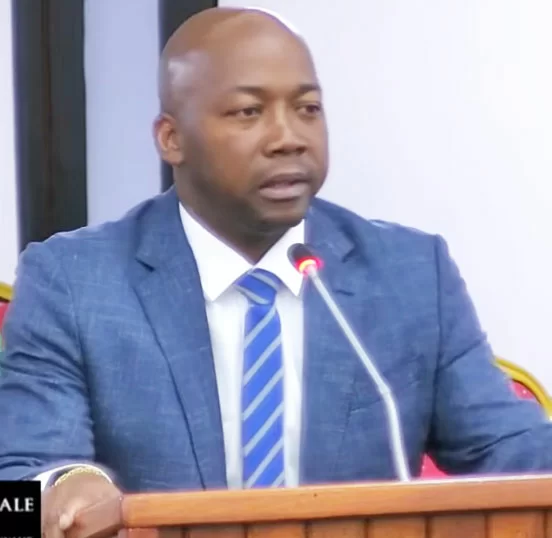
Abiamofo: US$ 500 miljoen nodig om stroomtekort structureel op te lossen
Suriname is grappling with a severe structural electricity deficit that has forced state power utility Energie Bedrijven Suriname (EBS) to implement rolling scheduled blackouts, or loadshedding, in the country’s most populated coastal region, Natural Resources Minister David Abiamofo has confirmed. Addressing questions from members of the National Assembly (DNA) on Tuesday, the minister laid out the full scope of the energy crisis, its causes, and the long-term investments needed to resolve the persistent power shortages.
The current gap in generation capacity has been exacerbated by the annual dry season, creating a dual strain on the country’s energy system, Abiamofo explained. On the demand side, rising temperatures have pushed up electricity consumption, driven largely by increased use of air conditioning. On the supply side, dropping water levels in the country’s main hydroelectric reservoir have forced authorities to limit hydropower output to avoid a far worse crisis later this year.
While Minister Abiamofo confirmed that it would be technically possible to increase hydropower production from the Afobaka dam immediately to eliminate or reduce current loadshedding, the government has deliberately rejected this short-term fix. “It would be unwise to generate more hydroelectric power now only to face far larger problems by the end of this year or early next,” he noted. Uncertainty over rainfall levels during the upcoming short wet season leaves the country at risk of total reservoir depletion if water use is increased too quickly. The government’s policy is to maintain a minimum 110 megawatts (MW) of reserve hydropower capacity to guard against a worst-case scenario if rains fail to arrive as expected.
Across the EPAR region – which covers the capital Paramaribo, Wanica, Para, Commewijne and extends into Saramacca, home to the majority of Suriname’s population – peak electricity demand has grown by roughly 10% compared to 2025, hitting around 280 MW. Current available generation only totals 254 MW, leaving a 26 MW deficit during peak usage hours, with no extra reserve capacity to accommodate unexpected equipment outages. This lack of buffer makes the entire grid extremely vulnerable: if a single generation unit goes offline unexpectedly, the deficit immediately grows, forcing more widespread blackouts than planned.
Rolling blackouts are currently limited to the EPAR region, with power supplies holding steady in other districts, after two new Caterpillar generators were recently installed to meet demand in Nickerie. When implementing loadshedding, EBS prioritizes sparing critical public infrastructure, including hospitals and water treatment facilities operated by the Suriname Water Company (SWM) that lack their own backup generators. Publishing a fixed, long-term rolling blackout schedule for residents has proven unworkable, Abiamofo added, because the absence of reserve capacity means unexpected outages can immediately upend daily planning.
The tight generation capacity has also forced utility operators to delay routine maintenance work wherever possible, in a bid to keep as much capacity online as possible to limit blackouts. The intentional rolling outages are not a sign of mismanagement, Abiamofo stressed: they are a deliberate precaution to prevent widespread total grid collapse caused by overloading the system.
The minister renewed a public appeal to households, businesses and government agencies to cut back on unnecessary electricity use, noting that a similar appeal last year successfully reduced demand and limited the scope of loadshedding. So far this year, consumption has not dropped enough to ease the strain on the grid, with particularly sharp growth recorded near EBS’s main generation facilities. All government ministries and public offices have been ordered to reduce their power use as part of the effort.
To resolve the crisis on a permanent basis, the minister estimates Suriname needs $500 million in investment over the next two to three years to expand generation capacity and lock in long-term reliable power supply. Planned investments include new solar energy projects, emergency backup generation facilities, and expanded thermal power generation from both EBS and state oil company Staatsolie. A tender for new solar capacity is expected to be launched by EBS in the near future, but Minister Abiamofo cautioned that no new capacity will come online immediately: procuring, transporting, installing and connecting new generation equipment to the grid takes time.
Abiamofo also highlighted a deeper, decades-long structural issue that created the current crisis: for years, successive governments have not allowed EBS and SWM to operate at market-aligned, cost-covering rates. This has left the state utilities with insufficient internal capital to fund large-scale infrastructure upgrades, forcing them to rely entirely on central government funding for major investments. “When investment capital is not made available, pressure on existing capacity, existing infrastructure and the existing grid only grows,” he warned. The current administration is now reviewing national subsidy policy for the sector, updating the national electricity sector plan, and revising supporting regulations to address the root of the problem.
For the immediate future, however, the government has very little room to maneuver, Abiamofo confirmed. Available generation capacity cannot be expanded overnight, and as long as peak demand exceeds the safe supply limit of the current grid, loadshedding will remain a necessary tool for EBS to manage the system.
-
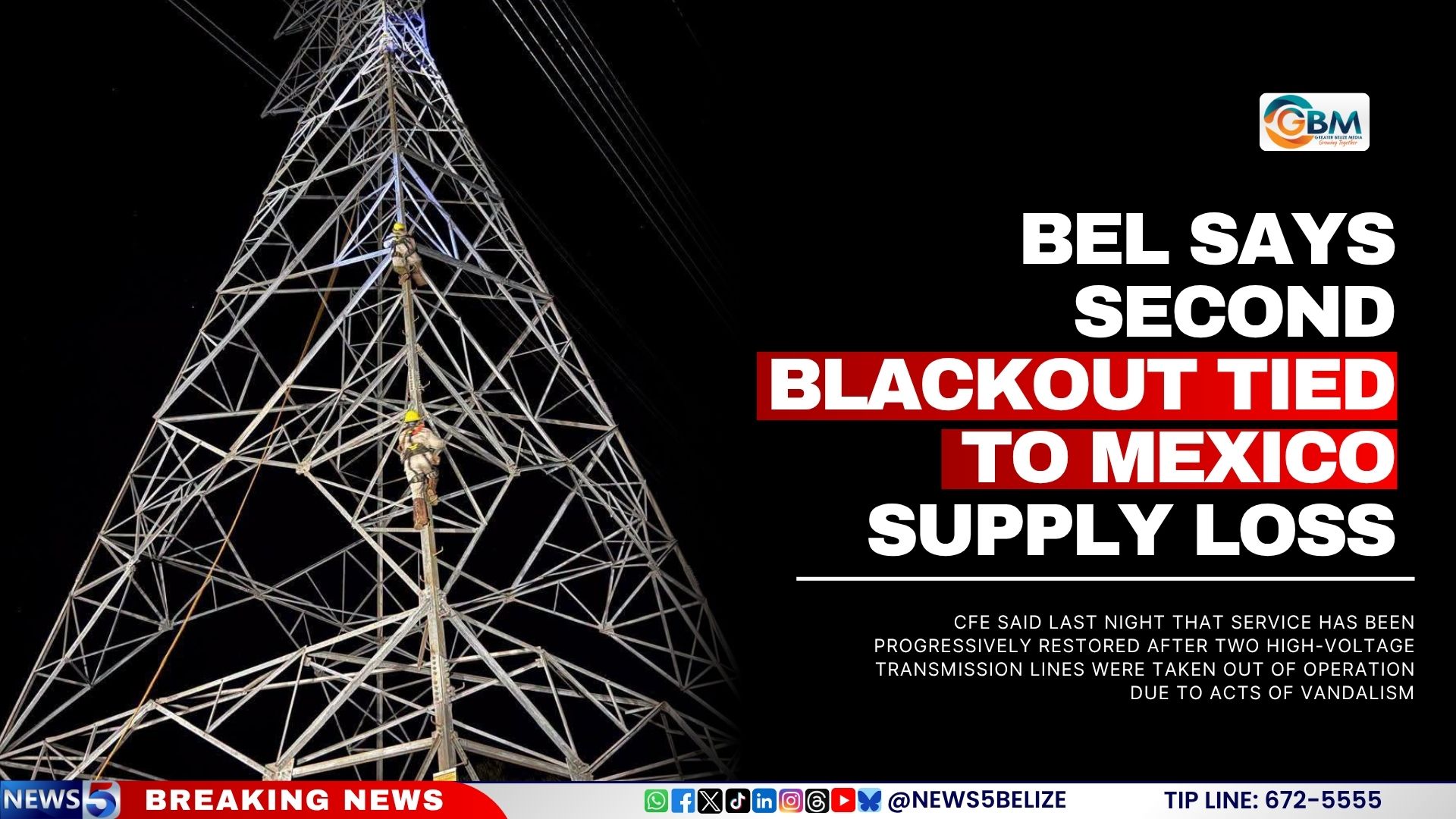
BEL Says Second Blackout Tied to Mexico Supply Loss
Belize is grappling with its second widespread national power outage in seven days, with Belize Electricity Limited (BEL) confirming the failure stemmed from an unexpected interruption to imported electricity from Mexico’s national power utility Comisión Federal de Electricidad (CFE), at a time when domestic generation capacity was already struggling to meet customer demand.
Data released by BEL details the tight supply balance that left the national grid vulnerable on August 31. On that date, total available in-country generation capacity reached only 109 megawatts, while total customer demand hit 117 megawatts – an 8-megawatt gap that left no buffer for an interruption to cross-border imports. This imbalance mirrored conditions exactly one week prior, on August 25, when local generation hit just 103 megawatts against an evening peak demand of 122 megawatts. In both incidents, the sudden loss of CFE supply when the domestic margin was already razor-thin led to full grid outages across the entire country.
CFE later clarified the root cause of its supply interruption: two high-voltage transmission lines in Mexico were forced offline following deliberate acts of vandalism. The outage impacted CFE customers across four Mexican states – Yucatán, Quintana Roo, Campeche and Chiapas – before service began to be progressively restored overnight.
BEL has noted that domestic generation capacity has been constrained for months, with output affected by a combination of seasonal weather patterns, scheduled routine maintenance at existing facilities, and unplanned reduced output at a number of operational power plants. The company had already warned of potential 2026 supply gaps as early as October 2025, prompting an official emergency declaration from Belize’s Cabinet under the Public Utilities Commission’s (PUC) Request for Proposal Regulations. This emergency status cleared the way for BEL to secure contract for temporary floating generation capacity, which is currently being installed at the country’s Westlake Facility. The new capacity is on track to enter service by mid-September 2026, and will remain operational for an initial six-month period to shore up grid reliability.
The additional temporary generation is designed to provide a critical buffer for the national grid during periods of peak demand, or when core supply sources experience unexpected outages. BEL also confirmed that a formal assessment letter submitted to the PUC on August 26 is part of a broader ongoing review of national electricity supply requirements for the next 12 months, which may lead to additional capacity measures being approved.
Even with the upcoming temporary capacity addition, BEL has warned that controlled targeted power interruptions, or rolling load shedding, may still be required occasionally to prevent full grid collapse and maintain overall system stability. This risk remains particularly high if another major supply source is unexpectedly taken offline. The utility has stated that it will continue implementing mitigation measures to reduce disruption to residential and commercial customers across the country as it works to resolve the long-term supply imbalance. The news comes as Belizean consumers already face rising electricity bills, with longer-term renewable energy transition projects intended to fix structural supply gaps still delayed in development.
-
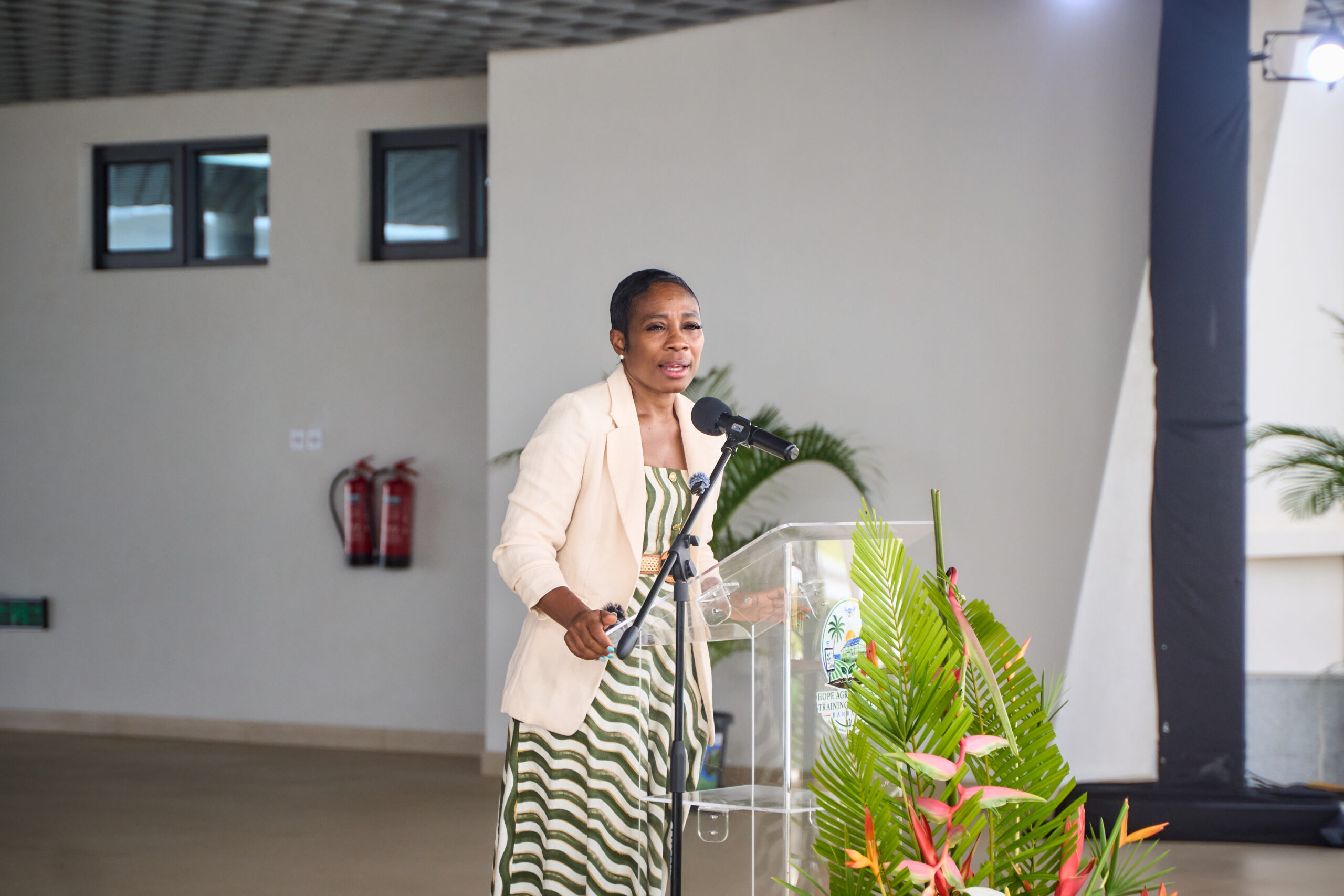
HATI grads promised farmland
Barbados is making a bold push to revitalize its agricultural sector, with two landmark initiatives at the forefront: free farmland for qualifying graduates of the newly launched Hope Agricultural Training Institute (HATI) and the construction of what will be the Caribbean region’s largest tissue culture laboratory. Minister of Agriculture Dr. Shantal Munro-Knight made the announcements Monday as the institute welcomed its very first cohort of students, framing the moves as part of a deliberate national strategy to turn agriculture into a core economic engine and draw more young people into the industry.
Under the new graduate incentive program, HATI students who earn their diplomas or certificates and express a commitment to pursuing professional farming will receive between one and two acres of farmland at no cost. Munro-Knight emphasized that the policy was intentionally designed to remove one of the biggest barriers to entry for new young farmers, addressing longstanding underrepresentation of youth in Barbados’ agricultural workforce. “We are designing a programme within the ministry that will allow us to be able to give those graduates of HATI that are interested in actually becoming farmers,” she explained, adding “That was something that was deliberate and intentional.”
Beyond supporting new entrants, the ministry is investing heavily in upgrading agricultural production infrastructure. A state-of-the-art tissue culture laboratory is scheduled to open its doors in October, a facility Munro-Knight says will be the largest of its kind in the entire region. The lab will produce disease-free, clean planting material to significantly boost the quality of Barbados’ local agricultural output, a major upgrade that addresses longstanding gaps in the country’s supply chain for high-quality planting stock.
The government is also overhauling its existing agricultural support framework to better meet current industry needs. The Farmers’ Empowerment and Enfranchisement Drive (FEED) program is being reframed to ensure it is “fit for purpose”, while new initiatives focused on expanding agro-processing are being rolled out to add more value to local produce and create new market opportunities for farmers. This November, the ministry will launch a national challenge, inviting Barbadians across the country to develop innovative solutions to five of the most pressing challenges currently facing the island’s agricultural sector.
Munro-Knight pushed back against the common narrative that agriculture is merely an underdeveloped potential sector for Barbados, and rejected the widespread myth that young Barbadians have no interest in working in farming. The very presence of the first cohort of HATI students, she argued, disproves that claim. “The fact that you have placed that commitment and passion in agriculture demonstrates to all of us, in fact, it repudiates that myth, that young people are not interested in agriculture,” she told the incoming students.
Declaring that agriculture is already in the early stages of a national resurgence, the minister stressed that the government’s renewed focus on the sector is no accident. For too long, agriculture has been sidelined in conversations about Barbados’ economic growth, talked about only as a future opportunity rather than an immediate core driver of development. “I say that without apology, agriculture is resurging. We will take up space,” she stated. “Agriculture is perhaps one of the most underlooked elements in this society. When we think about economic growth and when we think about the future of this country, agriculture is one of the things that we speak of softly, that we speak of only as having potential, but never as a thing that will take up space and become a major driver.”
Munro-Knight told the new HATI students that they are the critical driving force needed to turn this vision of a revitalized agricultural sector into reality, urging them to embrace their role in shaping the future of Barbados’ food system and economy. “The students that are here today, you are that energy that we need. It is a big mantle that we place on your shoulders, but it is a fundamental and a necessary one,” she said, adding “Agriculture people, we are resurging, but we must do it together.”
-
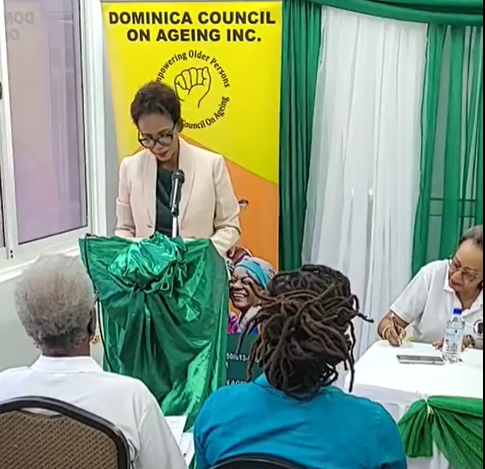
LIVE: The Dominica Council Of Ageing hosts its Media Launch of the Month of the Elderly 2026
The submitted news entry only includes social media sharing buttons and an image link, with no complete textual news content available for in-depth analysis, structural reconstruction, or rewriting. Without the core information, key facts, background context, and narrative details of the original news, it is impossible to generate a complete, accurate rewritten news article that meets the required standards. Users are advised to provide the full text content of the target news to enable proper processing and analysis.
-

World Forum of the Haitian Diaspora
Between August 27 and 29, 2026, the Sheraton Hotel in Laval, Quebec, Canada, played host to a landmark gathering of global Haitian communities: the World Forum of the Haitian Diaspora (FOMADA). As guest of honor at the event, Haiti’s Minister of Culture and Communication Emmanuel Ménard brought a bold new vision for strengthening Haiti’s global cultural footprint, while acknowledging the critical role of diaspora communities in the nation’s future.
Addressing a crowd of international delegations at the forum’s opening reception, Ménard opened by praising the unwavering solidarity Haitian communities spread across the globe have consistently extended to their loved ones back home. Amid ongoing challenges facing Haiti, the minister emphasized that collective action remains the most powerful tool for progress. He called on all diaspora associations to set aside divisions, unify their efforts, and combine their resources to drive tangible change. For Haitian cultural operators, artists, and artisans working both at home and abroad, he issued a rallying cry: draw deep inspiration from Haiti’s rich history, revolutionary thought, and unbroken national spirit to create work that honors and elevates the nation.
In a passionate address to delegates, Ménard articulated a confident vision for Haiti’s cultural future, declaring, “Haiti can achieve the miracle of establishing itself as a cultural powerhouse.” He reaffirmed that the current administration of Prime Minister Alix Didier Fils-Aimé remains fully committed to this goal, noting that even with a packed agenda of urgent national priorities, the government stands firmly behind the cultural policies advanced by the Ministry of Culture and Communication.
Putting that commitment into action, Ménard used the forum as a platform to make a major policy announcement: the official launch of a pilot project to develop the Haitian Cultural Center (CHAC). The initiative is designed to create new professional spaces and expanded international market access for Haitian creators, while ensuring the global spread and celebration of Haiti’s unique cultural heritage across every region of the world.
Beyond his keynote remarks and official announcements, Ménard’s visit to Quebec included a full schedule of engagement with Haitian communities across the province. He traveled to both Montreal and Laval to meet with dozens of local associations and organized community groups, including representatives from the cultural collective “La Perle Retrouvée.” He also held a working meeting with renowned sculptor Anioclès Grégoire, who is currently crafting a 24-meter bronze statue of Haitian founding father Jean-Jacques Dessalines. The new monument will replace the original statue in Cap-Haitien’s Place d’Armes, which was destroyed by vandalism in recent years.
Ménard also held high-level meetings during his trip to advance bilateral and investment cooperation. He met with Haitian-origin Canadian Senator Suze Youance to discuss opportunities for cross-border cultural collaboration, and held extensive working sessions with FOMADA coordinator Kurdy Larèche. Their talks centered on two core priorities: advancing plans to establish a Haitian Cultural Center node in Canada, and exploring major new investment opportunities in key cultural and economic sectors across Haiti.