分类: other

  • Barbados firm wins top prize at 2026 Climate Smart Summit Investor forum competition

    Barbados firm wins top prize at 2026 Climate Smart Summit Investor forum competition

    On Tuesday, a groundbreaking climate solution that turns two regional environmental challenges into a source of energy took home the top honor at the 2026 Climate Smart Summit Investor Forum pitch competition, held in Bridgetown, Barbados. Dr. Legena Henry, a Trinidadian-born mechanical engineer and renewable energy lecturer at the University of the West Indies Cave Hill Campus, claimed the $5,000 grand prize for her Barbados-founded startup Rum and Sargassum Incorporated.

    Six climate-focused founders from across the Caribbean competed in the event, each allocated seven minutes to present their ventures to a panel of five judges drawn from leading regional and international financial institutions. Second place and a $2,500 award went to Dr. Judlyn Telesford-Checkley of Grenada-based GrenadaGrows, while Jamaica’s Teka Smith of Cristeek Gold rounded out the top three, taking home $1,500.

    Henry’s enterprise is a climate infrastructure firm built on an innovative circular model: it converts invasive sargassum seaweed—an increasingly devastating threat to Caribbean coastlines—and wastewater from local rum distilleries into usable renewable natural gas. The project traces its origins back to 2019, when Henry gathered a group of students to explore pathways for Barbados to decarbonize its transportation sector, a gap she noticed remained underaddressed in regional climate transition planning.

    “As a mechanical engineer with three degrees in the field, I realized there was very little conversation around how the transportation sector would actually transition away from fossil fuels here,” Henry explained during her pitch. “I gathered students to explore what a fossil-free transport future for Barbados could look like, and that’s how this project was born.”

    For Henry, the project addresses far more than just the environmental crisis of sargassum blooms. Massive annual sargassum influxes choke coastal marine ecosystems, destroy coral habitats, drive away tourists that form the backbone of many Caribbean economies, and release toxic fumes as the seaweed decomposes on shorelines. Beyond solving this ecological threat, Henry argues that homegrown solutions like hers are critical to building long-term energy security for Caribbean nations, which remain overwhelmingly dependent on imported fossil fuels.

    Against a backdrop of global energy market volatility driven by geopolitical conflict and rising fuel prices, Henry emphasized that regional self-reliance is non-negotiable. “When you look at tensions in key energy chokepoints like the Straits of Hormuz and the ongoing global energy uncertainty, we simply cannot rely on imported energy forever,” she said. “We need to develop our own local energy products here in the Caribbean. No one is going to solve our energy challenges for us. Right now, we’re seeing countries face water shortages and blackouts directly tied to global conflicts in the oil and gas sector. Even plastic prices are climbing, because the entire industry is linked to fossil fuels.”

    Early progress for the startup has already been supported by key backers, starting with seed backing from the Inter-American Development Bank, followed by a $100,000 investment from an angel investor secured after Henry presented the project at a United Nations climate event. The $5,000 grand prize from the Bridgetown competition will go toward completing the company’s first pilot natural gas station project in Barbados, which is already 85% finished.

    The pitch competition is a core component of the inaugural Climate Smart Summit, which is being held in Bridgetown from June 16 to 17. The summit brings together policymakers, investors, and innovators for high-level dialogue, investment matchmaking, and cross-regional collaboration all aimed at scaling up climate-smart solutions across the Caribbean.

    On the opening day of the summit, Racquel Moses, CEO of the Caribbean Climate-Smart Accelerator, announced a bold new commitment to support regional climate founders: the organization is working to mobilize $11.5 million in total capital for participating entrepreneurs, and will publicly track and report on progress and outcomes over the next 18 months, creating greater transparency and accountability for climate investment in the region.


  • Minister Urges Locals to Seize Opportunities from UWI Expansion

    Minister Urges Locals to Seize Opportunities from UWI Expansion

    The submission provided for news processing only contains the instruction “Watch the video for more” with no complete core news content, background details, event facts or relevant context attached. Without the full text of the original news report, it is impossible to carry out in-depth analysis of event core points, reconstruct the news narrative framework, or complete standardized news rewriting and processing in accordance with the given requirements. Users are requested to provide the complete full text of the target English news that needs to be processed, so that the corresponding professional rewriting, classification and analysis work can be carried out as required.

  • Antigua and Barbuda Hotels Earn World Travel Awards 2026 Nominations

    Antigua and Barbuda Hotels Earn World Travel Awards 2026 Nominations

    The Caribbean twin-island nation of Antigua and Barbuda has landed a major international honor for its tourism sector, with a slate of local hotels and resorts securing nominations for the 2026 World Travel Awards. This recognition highlights the nation’s consistent commitment to excellence across key hospitality metrics, including luxury service, environmental sustainability, curated guest experiences, and industry-leading quality.

    The nominated properties, which rank among the country’s top tourism offerings, have been shortlisted across a broad range of Caribbean regional award categories. These span from high-end luxury accommodation and intimate romantic getaways to full-service all-inclusive resorts and innovative sustainable tourism operations, reflecting the wide range of visitor experiences Antigua and Barbuda delivers.

    Widely considered the most prestigious honors program in the global travel and hospitality industry, the World Travel Awards celebrates outstanding achievement across every segment of the worldwide tourism sector. For Antigua and Barbuda, this batch of nominations serves as independent validation of the strength and diversity of the nation’s tourism product, which has built a steady reputation for drawing travelers from every corner of the globe.

    Local tourism officials are now rallying support from residents past visitors, and destination supporters to help turn these nominations into wins by participating in the open public voting process. Voting for the 2026 awards program will remain open until August 28, and eligible voters can cast their ballots through the official portal shared by the nation’s tourism authority.

    “These nominations are a testament to the exceptional quality and unwavering dedication of our entire hospitality sector,” shared tourism leadership in a statement. Officials emphasized that this international recognition reinforces Antigua and Barbuda’s standing as one of the Caribbean’s top travel destinations.

    Local tourism stakeholders are optimistic that these nominations will translate into multiple awards for the nation’s properties, further elevating the destination’s global profile and strengthening its long-standing reputation for world-class hospitality.

  • Environment Ministry advances plan to strengthen park ranger corps

    Environment Ministry advances plan to strengthen park ranger corps

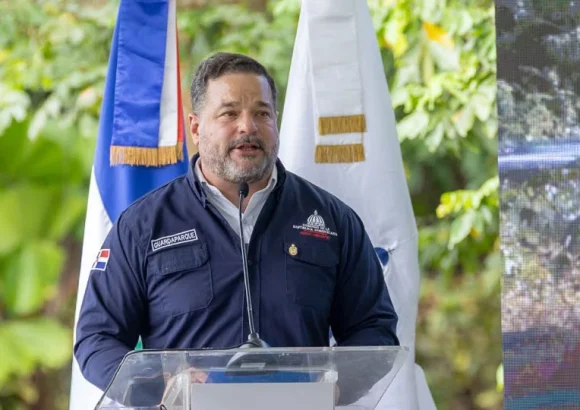
    In a landmark move to boost national conservation efforts, the Dominican Republic’s Ministry of Environment and Natural Resources has announced a sweeping investment initiative designed to strengthen the country’s park ranger service, which safeguards the nation’s ecologically critical protected areas. The comprehensive package includes salary hikes, new operational equipment, and expanded professional training programs, all targeted at elevating the quality of natural resource protection across the country.

    The announcement was made during an official event headed by Dominican Vice President Raquel Peña, where Environment Minister Paíno Henríquez outlined the core terms of the new Dignity Program for the National Park Rangers Corps. Under the program, every active park ranger will receive a RD$5,000 monthly base salary increase, a long-overdue adjustment aimed at addressing substandard working conditions for the frontline conservation workers who protect the nation’s forests, watersheds, coastal ecosystems, and rich biodiversity.

    Beyond compensation improvements, the investment delivers a full suite of new operational tools for ranger patrols: 150 all-terrain motorcycles for remote area access, 1,500 standardized uniforms, 300 two-way communication radios to connect dispersed patrol teams, and 75 secure firearms storage units. To step up anti-poaching and illegal deforestation surveillance, the Environment Ministry purchased 400 service firearms, with an additional 300 units donated by the country’s Ministry of Defense and Ministry of Interior and Police. For the first time in Dominican history, park rangers will be officially licensed to carry and use these firearms during active duty, a change that addresses longstanding safety risks faced by rangers confronting armed illegal resource extractors.

    Minister Henríquez emphasized that rangers bear responsibility for protecting more than a quarter of the Dominican Republic’s total land area, which falls under the protected areas system. He stressed that the reform is far more than a one-time equipment upgrade, adding that it includes formal skills training, official professional certification, and ongoing professionalization programs. These measures are designed to ensure all rangers carry out their duties in line with strict standards for operational safety, ethical responsibility, and respect for human rights.

    Government officials characterize the Dignity Program as one of the largest single investments the Dominican state has ever made in its environmental protection workforce. The national government projects that the reforms will modernize the country’s environmental management framework, reinforce ongoing conservation work, and strengthen the long-term preservation of the Dominican Republic’s unique natural heritage for coming generations.

  • LIVE NOW: Press Conference with Prime Minister Roosevelt Skerrit 10th June 2026

    LIVE NOW: Press Conference with Prime Minister Roosevelt Skerrit 10th June 2026

    When attempting to process a news analysis and rewriting request, only social media sharing prompts including “Share”, “Tweet”, “Share”, and “Pin” were received. No complete core news text, event details, or relevant background information was included in the submission. Without the full body of the original news content, it is impossible to carry out the required in-depth analysis, structural reconstruction, or accurate rewriting that meets the established standards. Users who wish to obtain professional news processing services need to provide the complete original news content along with their request to ensure the output meets accuracy and completeness requirements.

  • Leisure : Did you know ? #31

    Leisure : Did you know ? #31

    As of June 2026, Haiti’s leading local information platform HaitiLibre has announced the expansion of its popular free general knowledge quiz platform, QuizHaitiLibre, growing its total offering to 150 interactive multiple-choice quiz games after adding 31 new entries in its monthly June update. The 31st entry in the platform’s ongoing “Did You Know?” series shines a light on a little-discussed but foundational component of Haiti’s economy and food security: the bulk carriers that keep the country supplied with essential goods.

    Bulk carriers are a specialized class of cargo ship engineered specifically to move large volumes of unpackaged “bulk” goods across international waters. For Haiti, which relies on imports to meet the vast majority of its population’s basic food needs and construction demand, these vessels are far more than just commercial shipping assets—they are lifelines. Key staples that Haitian consumers depend on, including rice sourced from the U.S. and Asian markets, and core construction materials such as cement, all arrive in the country via bulk carriers.

    Unlike many major international ports, most Haitian docking facilities lack advanced, automated cargo-handling infrastructure. To address this gap, many bulk carriers calling on Haitian ports come pre-equipped with on-board cranes that allow them to unload cargo directly at docks that lack permanent heavy lifting equipment. Even with this adaptation, unloading bulk cargo remains a labor-intensive process that relies heavily on skilled stevedores, as well as carefully coordinated storage logistics to move goods to nearby silos and warehouses immediately after unloading.

    The efficient management of bulk carrier deliveries is not just a logistical concern—it is a critical determinant of national food security. Any extended delay in unloading a single bulk carrier can quickly ripple through local markets, triggering product shortages and sudden spikes in food and construction material prices that disproportionately impact low-income Haitian households.

    Beyond this deep dive into Haitian port logistics, QuizHaitiLibre offers audiences a wide range of engaging, accessible general knowledge content covering hundreds of topics related to Haitian life, culture, infrastructure and global affairs. Designed to accommodate all age groups and knowledge levels, every quiz on the platform is 100% free to access, requires no user registration, and offers three distinct difficulty tiers: easy, intermediate, and hard. All content is available in both French and English to serve Haiti’s diverse linguistic communities.

    The platform updates its content library with new quizzes every month, giving returning users fresh material to test their knowledge on a steady basis. Readers are invited to visit the QuizHaitiLibre platform at https://quiz.haitilibre.com/en to explore the full collection of quizzes, share the resource with family and friends, and submit feedback to the platform’s development team.

  • How Sterile Flies Helped Stop a Livestock-Killing Pest

    How Sterile Flies Helped Stop a Livestock-Killing Pest

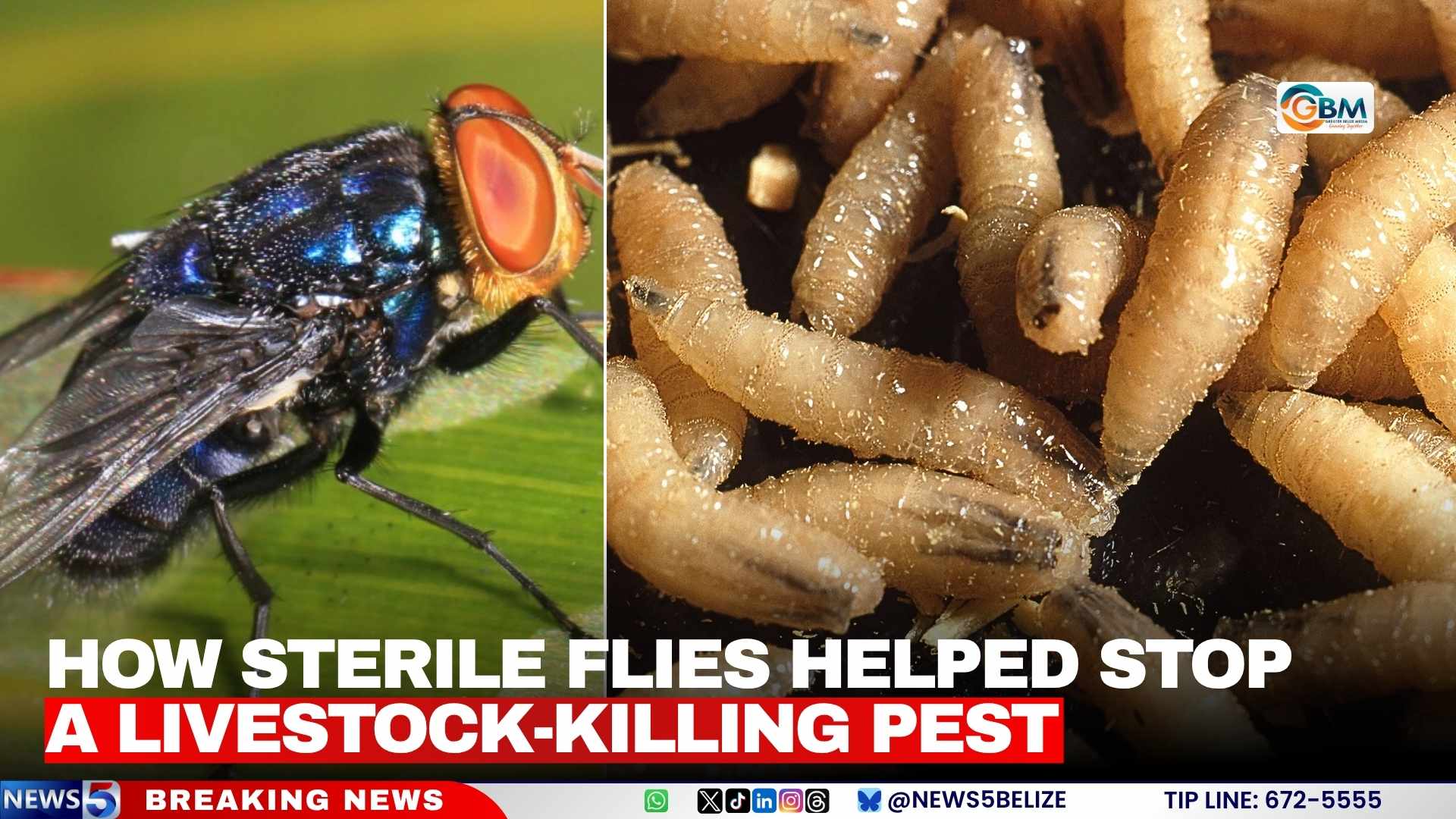
    U.S. Department of Agriculture officials have added three new confirmed cases of New World screwworm infestation, pushing the total number of documented infections across the region to five, according to a 2026 update on the spread of this deadly livestock pest. The newly detected cases include three calves and a goat in southern Texas, plus an infected domestic dog in neighboring New Mexico — a discovery that carries significant warning signs for agricultural authorities. Critically, the infected New Mexico dog had no documented travel history to either Texas or Mexico, indicating that the pest may have already spread beyond the small, currently identified cluster of cases that officials have tracked so far.

    The New World screwworm, the larval stage of a parasitic fly species, differs dramatically from common scavenger fly species. Instead of feeding on decaying dead organic matter, these larvae burrow into the open wounds of warm-blooded hosts and consume living flesh to grow. Adult female flies lay their eggs in any open cut or sore on hosts ranging from commercial cattle and wild game to family pets, and if an infestation is left untreated, it can kill the host animal in just a matter of days. While the vast majority of cases impact animal populations, rare instances of human infestation have also been recorded, adding a small public health risk to the agricultural threat.

    For more than half a century, U.S. government agricultural programs successfully kept the New World screwworm contained far to the south, restricted to areas below the southern tip of Panama. The core of this long-standing control effort is a time-tested population suppression strategy: mass-breed sterile male screwworm flies, then release them over at-risk regions via aircraft. When wild fertile females mate with these released sterile males, they produce no viable offspring, so over successive generations the wild pest population gradually collapses. This innovative pest management strategy worked so well that it completely eradicated the New World screwworm from North America and most of Central America by the late 20th century.

    But the recent detections of new infestations confirm a worrying new trend: the deadly pest is expanding its range northward once again, after decades of successful containment. In direct response to the five confirmed cases now documented across Texas and New Mexico, U.S. agricultural officials have rolled out a two-pronged action plan to stop the spread. First, authorities will deploy mass releases of sterile male flies into all currently affected and high-risk adjacent regions to suppress the growing wild population. Second, officials are moving forward with plans to construct a new dedicated sterile fly production facility in Edinburg, Texas, to support sustained control efforts closer to the current infestation zone. The pest is not a new threat to Central American nations: Belize has a history of recorded infestations across the country, with commercial cattle producers bearing the brunt of economic losses from past outbreaks.

  • Pope Leo XIV has officially accepted the resignation of Bishop Clyde Martin Harvey

    Pope Leo XIV has officially accepted the resignation of Bishop Clyde Martin Harvey

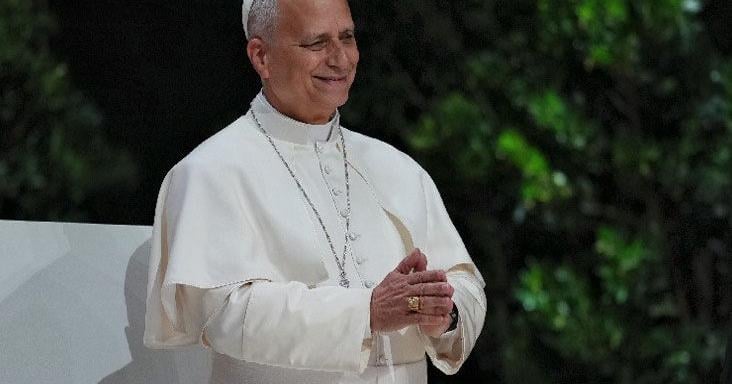
    In a formal church development that closes a years-long transition process, Pope Leo XIV has formally accepted the resignation of Bishop Clyde Martin Harvey, the long-serving leader of the Diocese of St George’s-in-Grenada, the diocese confirmed in a public statement released this week. The resignation process first began back in November 2023, when Bishop Harvey submitted his formal notice of stepping down in compliance with the Roman Catholic Church’s canon law requirements for clergy retirement. At that time, then-Pope Francis declined to accept the immediate resignation, requesting that Harvey remain in his post to oversee diocesan operations through January 31, 2026, to ensure a stable, orderly transition of responsibilities.

    Following the passing of Pope Francis, Pope Leo XIV took office as the head of the Roman Catholic Church in May 2025, inheriting the pending transition process for the Grenada diocese. On Tuesday, June 9, 2026, the new pontiff officially formalized the acceptance of Harvey’s resignation, bringing the transition period to a close. To lead the diocese through the interim period before a permanent new bishop is selected, the Vatican has appointed Archbishop Gabriel Malzaire, who currently serves the Archdiocese of Castries in neighboring St Lucia, as the Apostolic Administrator of the Diocese of St George’s-in-Grenada.

    Archbishop Malzaire is already scheduled to make his first public appearance in his new interim role next Sunday, June 14, 2026. He will lead the monthly devotion service at the Marian Shrine located on Battle Hill, kicking off at 3:00 p.m. local time. For his part, Bishop Harvey is expected to wrap up his remaining administrative duties and depart the diocese next week, marking the end of his tenure leading the Grenada-based diocese.

    A disclaimer accompanying the diocesan announcement notes that NOW Grenada, the outlet that first distributed the statement, does not take responsibility for the personal opinions, public statements or third-party contributed media content included in the announcement. Members of the public are invited to report any potential abusive content via a designated channel provided by the outlet.

  • Dominican Republic and Secrets Playa Esmeralda win top honors at 2026 Wave Awards

    Dominican Republic and Secrets Playa Esmeralda win top honors at 2026 Wave Awards

    Marina del Rey, California — The global travel industry gathered this year at The Ritz-Carlton, Marina del Rey, to celebrate outstanding achievement at the 2026 Wave Awards, where the Dominican Republic walked away with two major honors that cement its status as a premier Caribbean tourism powerhouse.

    For the third year in a row, following back-to-back wins in 2024 and 2025, the Dominican Republic claimed the top title of Caribbean Destination with the Highest Visitor Satisfaction. This repeat recognition underscores the nation’s consistent delivery of standout travel experiences, drawing international visitors year after year with its powdery white-sand coastlines, warm, welcoming hospitality, robust modern tourism infrastructure, and customer-centric travel offerings.

    Adding to the country’s haul of accolades, one of its premier luxury properties, Secrets Playa Esmeralda Resort & Spa, took home the award for Best New or Renovated Resort in the Caribbean. This separate honor further boosts the Dominican Republic’s growing reputation as a leading hub for high-end luxury tourism, showcasing its ability to deliver world-class accommodation that meets global traveler expectations.

    Hosted annually by leading travel industry publication TravelAge West, the Wave Awards stand as one of the most respected recognitions of excellence across the international travel and tourism sector. The 2026 edition of the ceremony honored more than 230 destinations, hospitality companies, and travel professionals from around the globe. Winners are selected through a rigorous, multi-stage evaluation process that combines in-depth product assessments, on-site inspection visits, surveys of seasoned industry advisors, and comprehensive independent online research, lending significant authority to the awards given out each year.

  • Pope invited to visit T&T

    Pope invited to visit T&T

    An official invitation for Pope Leo XIV to visit the Caribbean region, led by the government of Trinidad and Tobago in partnership with the Archdiocese of Port of Spain, has been formally delivered to Vatican authorities, according to Roman Catholic Archbishop Fr Jason Gordon. The invitation was submitted during Gordon’s recent trip to Rome for the Antilles Episcopal Conference, a gathering that opened discussions about a potential papal trip to the island nation and the wider Caribbean.

    In comments provided to Catholic News following the conference, Gordon confirmed that formal documentation of the invitation has been shared with key Vatican offices: a copy was handed directly to the Vatican Secretary of State by Gordon himself, while an additional official version was delivered to the papal nuncio, the Holy See’s diplomatic representative to the region.

    Thus far, Vatican officials have not closed the door on the visit, Gordon explained. When the invitation was raised during discussions with the Secretary of State, the proposal was acknowledged and received respectfully, with no outright rejection of the plan. “We just have to wait, and pray and see,” Gordon said of the ongoing process, adding that outcome remains uncertain but hopeful. “He did not turn it down and not only that he listened.”

    If the visit moves forward, it would mark the first papal trip to the Caribbean in nearly 40 years. The last pope to visit the region was John Paul II, who added a stop in Trinidad and Tobago to the end of his 25th apostolic journey through South America in 1985, following visits to Venezuela, Ecuador, and Peru. During that historic stop on February 5, 1985, Pope John Paul II delivered a homily to worshippers in Port of Spain that highlighted the spiritual meaning embedded in the nation’s name, which references the Christian doctrine of the Holy Trinity. “Permit me to begin, dear brothers and sisters, by venerating the Most Holy Trinity, whose name your country bears: Trinidad and Tobago,” he told the gathering. “Glory to you, O Trinity!”

    The potential visit comes as Pope Leo XIV, the first American-born leader of the Roman Catholic Church and the first pope to hold both U.S. and Peruvian citizenship, has been making high-profile international appearances in recent weeks. Over the weekend, an Associated Press report confirmed that more than one million people gathered in Madrid to attend a Mass presided over by the new pope, where he called on European nations to honor Christianity’s foundational role in shaping the continent’s shared cultural identity and celebrated Spain’s centuries-long tradition of religious faith.