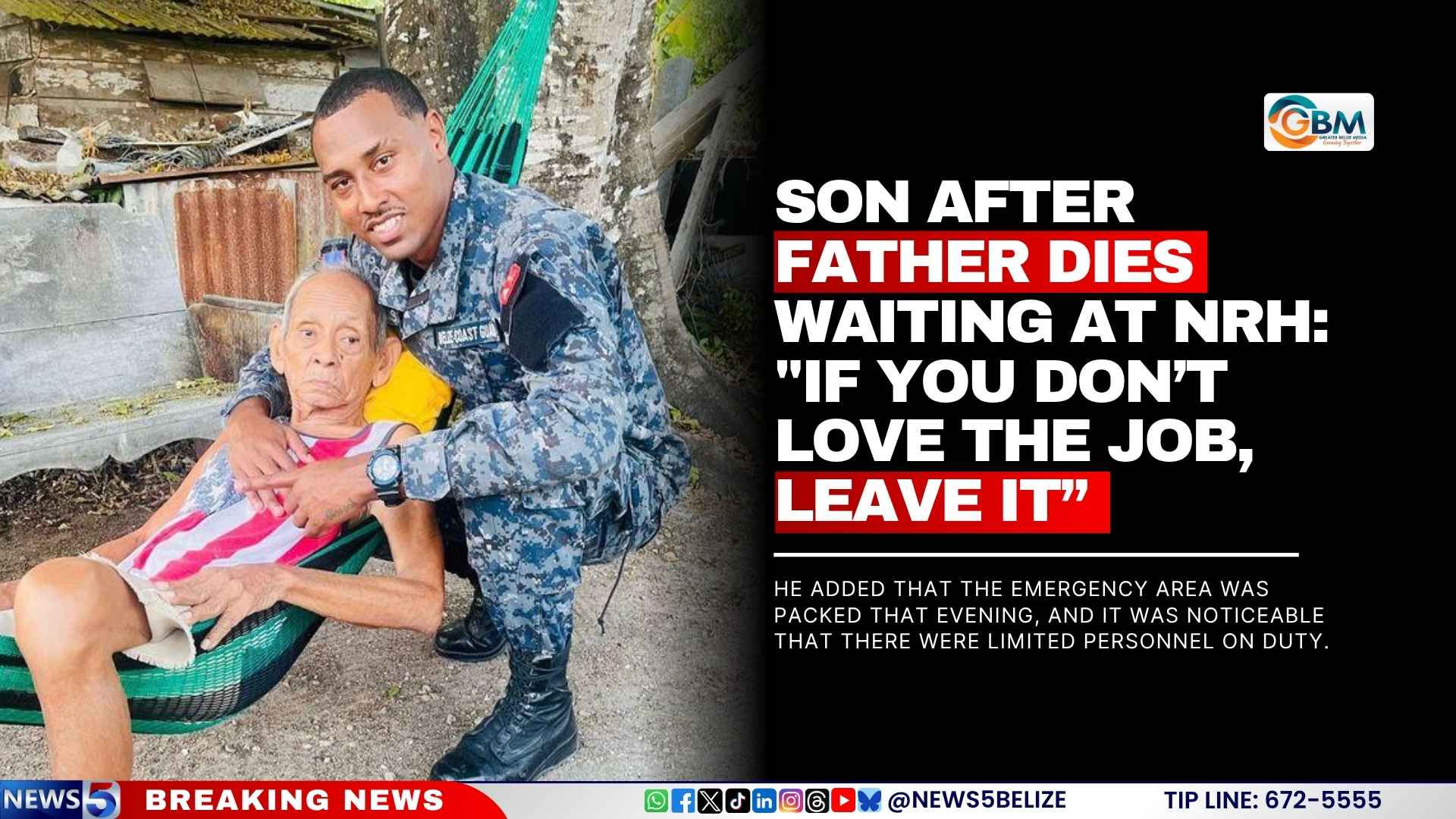
A tragic incident at Belize’s Northern Regional Hospital (NRH) has reignited concerns over the country’s public healthcare system. Eusebio Espinosa Senior, a 92-year-old man, passed away over the weekend while awaiting medical attention. His son, Eusebio Espinosa Junior, recounted the harrowing experience, stating that despite repeated pleas for help, his father was left unattended until it was too late. The elderly man was brought to the hospital on Saturday evening after experiencing severe pain and discomfort. Despite undergoing triage, they were instructed to wait outside as staff attended to other patients. Espinosa Junior claimed that by the time medical personnel responded, his father had already stopped breathing. The emergency area was reportedly overcrowded, with limited staff on duty. Health and Wellness Minister Kevin Bernard has ordered a full investigation into the incident, vowing to hold those responsible accountable if negligence is confirmed. Espinosa Junior expressed skepticism about the investigation’s outcome but emphasized the need for systemic improvements, including increased staffing and better emergency response protocols. He also urged healthcare workers to reconsider their roles if they lack passion for their jobs, stating, ‘If you don’t love what you’re doing, you need to carry on with another occupation.’ The incident has sparked widespread calls for urgent reforms in Belize’s healthcare system to prevent similar tragedies in the future.
分类: health
-

#EyeOnMelissa: Be careful as crocodiles may be displaced, SERHA warns
The South East Regional Health Authority (SERHA) in Jamaica has issued a critical alert to residents of Kingston, St Andrew, St Catherine, and St Thomas, urging heightened vigilance as torrential rains and severe flooding linked to Hurricane Melissa have displaced crocodiles from their natural habitats. Rising water levels in rivers, gullies, and swamps are forcing these reptiles to seek dry ground, potentially bringing them into residential neighborhoods. SERHA has advised the public to avoid wading or playing in flooded areas, gullies, or rivers, and to keep children and pets away from floodwaters or locations where crocodiles have been spotted. The authority has also emphasized that individuals should not attempt to capture or harm any displaced crocodiles. Instead, sightings should be reported immediately to the National Environment and Planning Agency (NEPA) at (876) 754-7540. Additionally, residents are encouraged to clear debris from yards and drains to prevent stagnant water accumulation. SERHA has confirmed that hospitals are on high alert to provide emergency medical assistance, while all health centers remain closed until further notice.
-
Blindness Awareness Month: Early detection key to saving sight
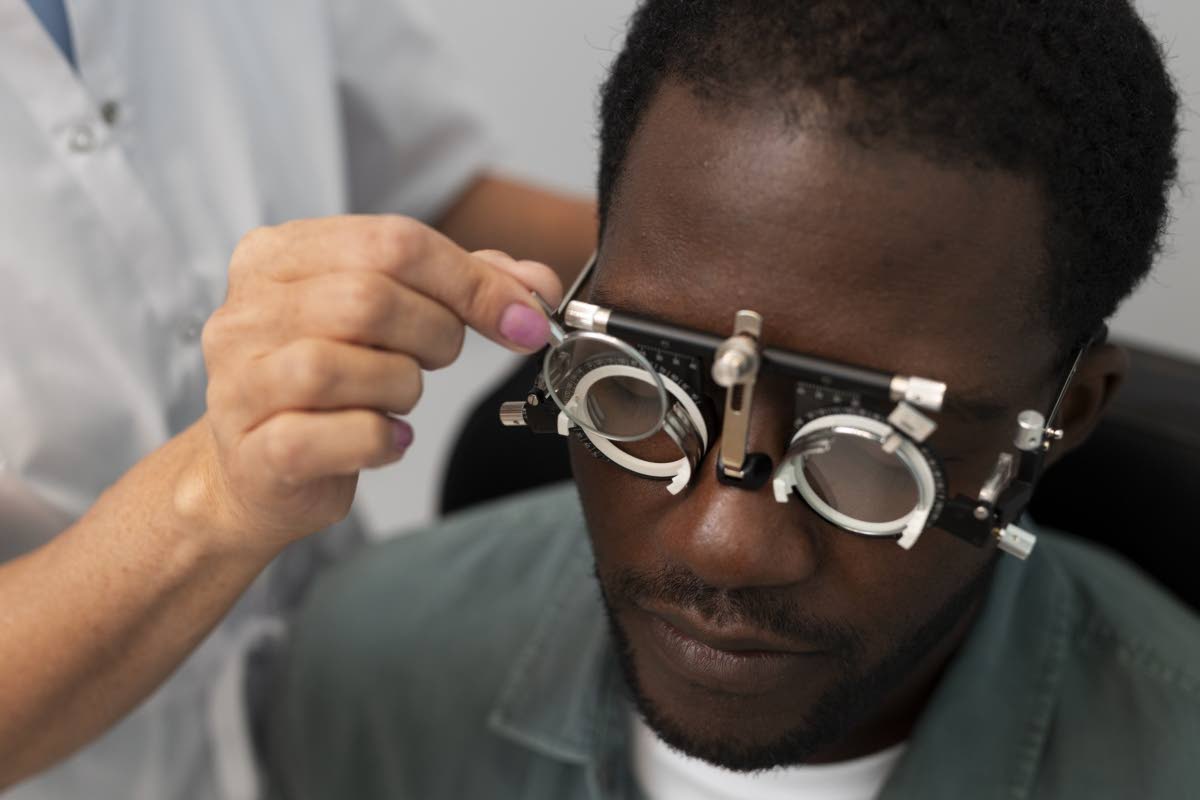
Every year, millions worldwide lose their vision, not because their conditions were untreatable, but because they were detected too late. The World Health Organization (WHO) reports that at least 2.2 billion people globally suffer from near or distance vision impairment, with one billion of these cases being preventable or yet to be addressed. In observance of Blindness Awareness Month, the Trinidad Eye Hospital is emphasizing the importance of early detection and awareness in preventing vision loss.
Dr. Vachel Luces, a consultant ophthalmologist at the Trinidad Eye Hospital, highlighted that the leading causes of vision loss—refractive errors, cataracts, glaucoma, and diabetic retinopathy—are manageable if detected early. ‘Cataracts cloud the lens, glaucoma damages the optic nerve, and diabetes affects retinal circulation,’ he explained. ‘But early intervention can make all the difference.’
Globally, refractive errors and cataracts are the primary causes of vision impairment. However, WHO estimates that only 36% of those with refractive errors and 17% with cataracts have received appropriate treatment. The financial burden of vision impairment is staggering, with $411 billion lost annually in productivity.
Dr. Luces stressed that limited public understanding remains a significant barrier to eye health. ‘Most people only have a surface-level understanding of conditions like cataracts or glaucoma,’ he said. ‘This lack of awareness is why we focus so heavily on community education and free screenings.’
Josiah Ambris, an optometrist at the hospital, noted that many patients only seek help when their vision has already deteriorated. ‘Conditions like glaucoma develop silently, while diabetic eye disease may show early signs like floaters,’ he said. ‘Comprehensive eye tests are often the only way to detect these issues before permanent damage occurs.’
While some vision loss can be reversed—cataracts through surgery and refractive errors with corrective lenses—glaucoma causes irreversible damage. ‘Glaucoma is called the ‘silent thief of sight’ because it affects peripheral vision first, and by the time it’s noticed, the damage is permanent,’ Dr. Luces warned.
Children are also at risk, with some born with cataracts or glaucoma or developing them after injuries or other medical conditions. ‘Annual eye exams are essential for children, not just when they need glasses,’ Dr. Luces emphasized.
Good nutrition, including foods rich in antioxidants, omega-3 fatty acids, and vitamins A, C, and E, can support eye health. However, Dr. Luces cautioned against relying solely on diet. ‘Some eye diseases have contributing factors that only medical exams can detect,’ he said.
Both experts agreed that sudden floaters or flashes of light should not be ignored, as they could signal serious conditions like retinal tears. ‘Floaters are a symptom you don’t wait on,’ Dr. Luces stressed.
Lee Ann Lazarus, the hospital’s eye screening manager, emphasized the importance of regular screenings. ‘Screenings are quick, painless, and can save your sight,’ she said. Throughout October, the Trinidad Eye Hospital hosted free community and school screenings, urging everyone to prioritize their vision health.
-
Regional stakeholders convene to strengthen cancer policy response
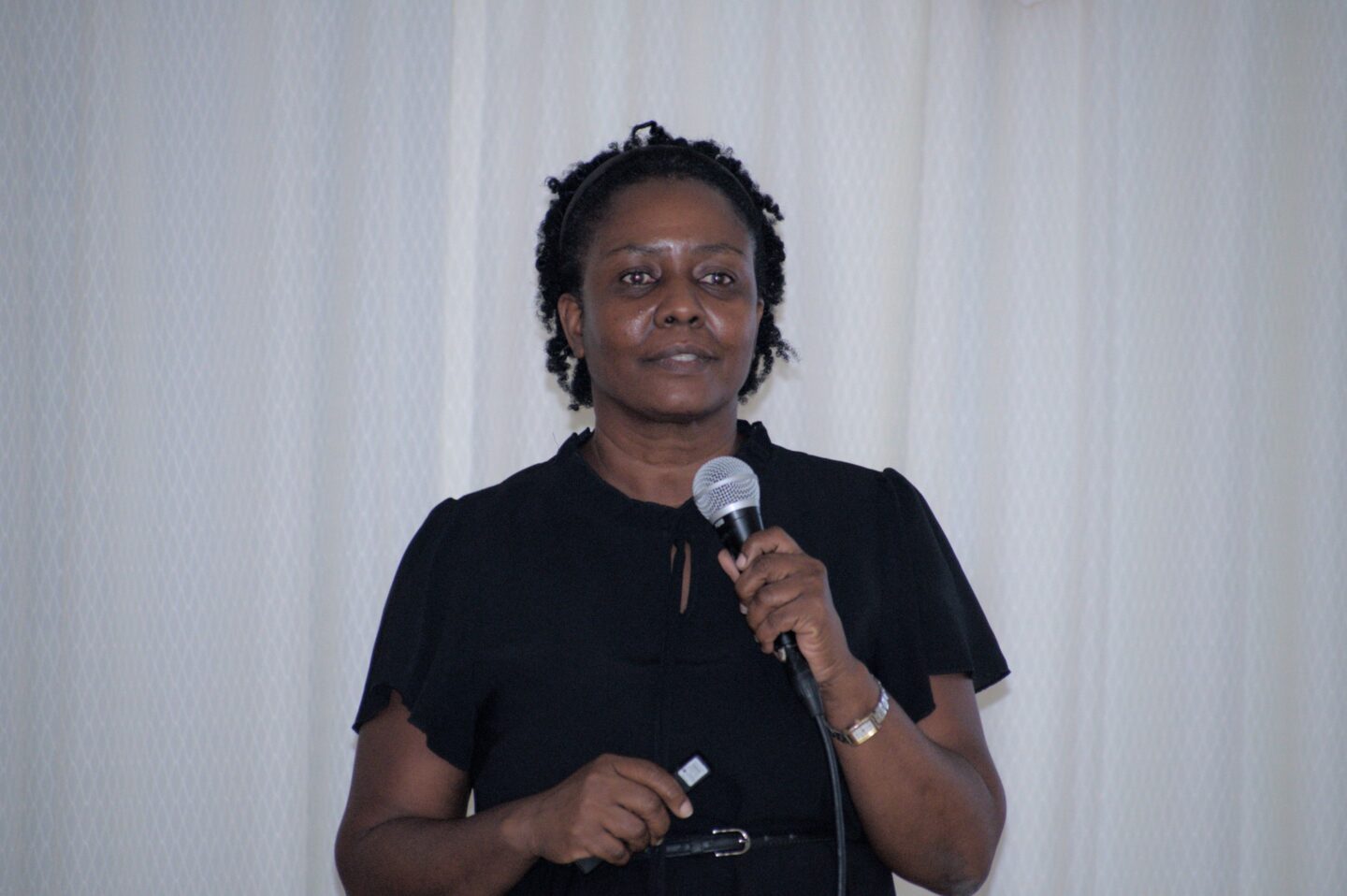
On Wednesday, 8 October, healthcare professionals, policymakers, and regional experts convened for a pivotal Scoping Meeting on Cancer Policy for the Caribbean. Organized by the Caribbean Cancer Portal (CCP) in partnership with governmental and non-governmental organizations across the Organisation of Eastern Caribbean States (OECS), the event marked a significant stride toward a unified regional strategy for cancer prevention and control. Attendees included representatives from private health sectors, ministries of health, civil society organizations, academic institutions, and health authorities, all focused on evaluating current policies and identifying actionable priorities. Cancer remains a leading cause of death in the Caribbean, with escalating incidence and mortality rates attributed to preventable factors such as tobacco use, unhealthy diets, alcohol consumption, physical inactivity, and environmental hazards. While advancements have been made in screening and palliative care, critical gaps persist in policy implementation, treatment accessibility, and data-driven decision-making. Key discussions highlighted the necessity for robust national cancer control plans aligned with global frameworks, improved access to affordable diagnostics and treatments, increased investment in cancer surveillance and research, and enhanced collaboration among governments, private healthcare providers, and development partners. Dr. Lindonne Telesford, Associate Professor at St. George’s University and Co-Founder of the Caribbean Cancer Portal, emphasized the meeting’s importance as a foundational step toward a comprehensive Caribbean Cancer Policy Framework. Dr. Horace Cox, Director of Surveillance, Disease Prevention and Control at the Caribbean Public Health Agency (CARPHA), underscored the urgency of regional cooperation, stating, “Cancer is the leading cause of death in the Caribbean and has a major impact on health and development. Strategic and intentional action is imperative.” Dr. Taraleen Malcolm, Advisor for Noncommunicable Diseases and Mental Health at the Pan American Health Organization (PAHO), echoed this sentiment, expressing gratitude for the collective dedication to advancing cancer prevention and control. The meeting’s outcomes will shape the development of a Caribbean Cancer Policy Roadmap, guiding future initiatives, advocacy efforts, and partnerships to reduce cancer-related morbidity and mortality in the region.
-

Government of Saint Kitts and Nevis commissions five new custom-built ambulances to strengthen emergency medical response
In a significant move to bolster its healthcare infrastructure, the Government of Saint Kitts and Nevis officially commissioned five state-of-the-art, custom-built ambulances on October 27, 2025. The ceremony, held at the Joseph N. France General Hospital, marked a pivotal step in the nation’s ongoing efforts to improve emergency medical services and healthcare delivery. The event featured a symbolic motorcade through Basseterre, allowing residents to witness the new fleet and celebrate this milestone in the nation’s healthcare advancement. Prime Minister and Minister of Health, Dr. Terrance Drew, emphasized that this initiative underscores his administration’s commitment to tangible progress in healthcare. He highlighted that the ambulances, designed specifically for the Federation’s terrain, are equipped with advanced life-support systems, ensuring emergency care begins immediately upon arrival. Dr. Drew also expressed gratitude to the TDC Group of Companies and Toyota for their partnership, noting that the standardized fleet will enhance maintenance efficiency and longevity. Chief Medical Officer Dr. Hazel Laws praised the initiative as transformative, particularly ahead of the holiday season, emphasizing the fleet’s role in strengthening emergency response capabilities. This addition aligns with the government’s broader healthcare modernization agenda, ensuring timely and compassionate emergency care for all citizens.
-

OECS to benefit from lower insulin prices
Health policymakers and senior officials from the Organisation of Eastern Caribbean States (OECS) convened in Grenada this week for the 38th OECS Pharmaceutical Procurement Service (PPS) Policy Board meeting and the 11th Council of OECS Health Ministers. The gatherings aimed to enhance regional cooperation in improving access to essential medicines and health services. On October 21, 2025, the PPS Policy Board engaged in extensive discussions, focusing on a groundbreaking public-private partnership already operational in St. Lucia and St. Kitts and Nevis. This initiative significantly reduces the cost of insulin, a vital medication for individuals with diabetes, marking a transformative step toward pharmaceutical equity in the region. Grenada’s Minister of Health, Hon. Philip Telesford, who chairs the OECS Council of Health Ministers, officially announced the initiative during a press briefing on October 22, 2025. He urged other member states to adopt similar models to expand affordable insulin access, emphasizing its potential to save lives and alleviate financial burdens for thousands of families. Francis Burnett, Interim Head of OECS-PPS, highlighted the initiative as a major advancement, noting that reduced insulin prices would benefit both public health and procurement budgets. The OECS currently procures approximately 120,000 vials of insulin annually. Dr. Didacus Jules, Director General of the OECS, underscored the importance of regional solidarity in addressing geopolitical, financial, and health challenges. The meetings also addressed broader health priorities, including strengthening pooled procurement systems, expanding access to specialized health services, and enhancing collaboration to tackle potential funding reductions. The two-day event combined technical and strategic planning, resulting in agreements to deepen cooperation and deliver tangible health benefits across the OECS region.
-
Communities urged to take collective action to fight rising STIs
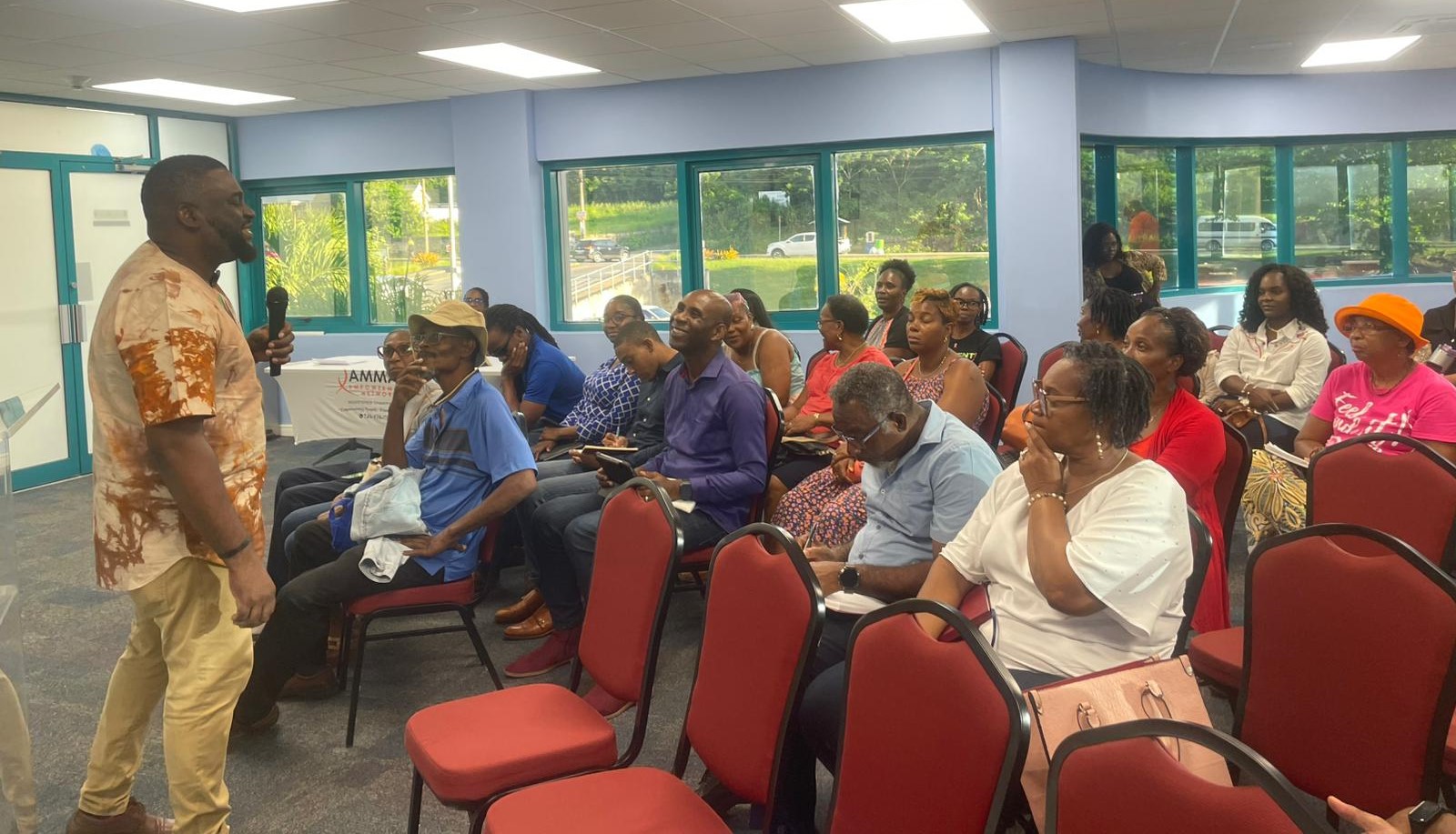
During a thought-provoking evening at Sky Mall on Saturday, Dr. Corey Forde posed a critical question to a small but attentive audience: “What has truly changed in our communities, and how can we prevent ourselves from heading down a destructive path?” This moment of introspection marked a pivotal point in the Ammar Empowerment Network’s (AEN) Family Empowerment Meeting, themed ‘Rise in STIs and the Impact on Youth.’ The event came in response to recent health reports revealing a surge in sexually transmitted infections (STIs) such as gonorrhoea, chlamydia, and syphilis, particularly among individuals in their twenties.
-
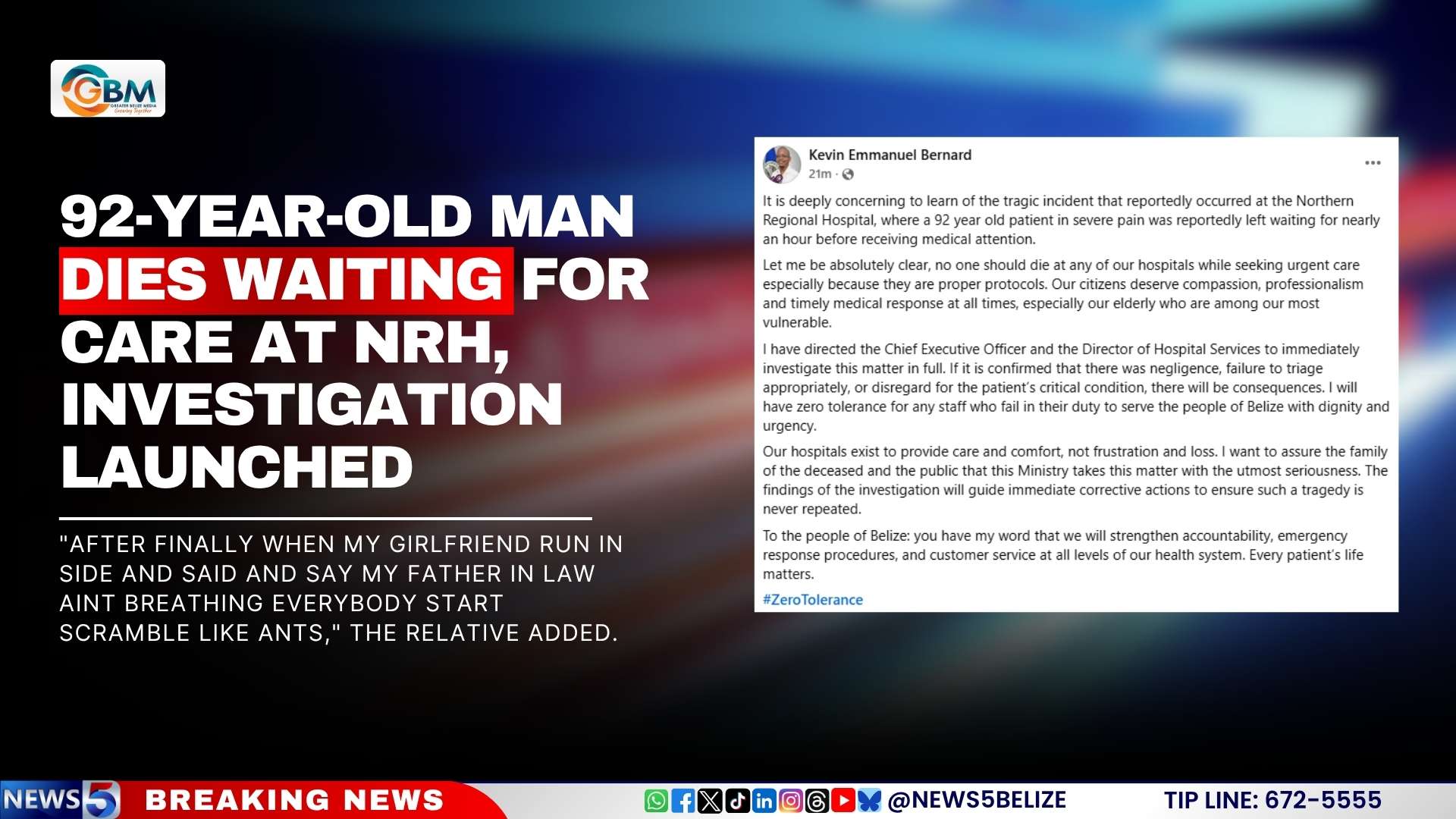
92-Year-Old Man Dies Waiting for Care at NRH, Investigation Launched
A tragic incident at the Northern Regional Hospital (NRH) has prompted a full investigation by Health and Wellness Minister Kevin Bernard. A 92-year-old man reportedly waited nearly an hour for medical attention before passing away, raising serious concerns about the hospital’s emergency response protocols. Minister Bernard described the event as “deeply concerning” and emphasized that “no one should be denied urgent care.” He vowed to hold accountable any staff found negligent or failing to triage appropriately. The incident gained attention after a social media post by the deceased’s relative, who claimed hospital staff dismissed their pleas for help, stating, “We are busy sir, wait outside!” The relative recounted the chaotic scene when it became clear the man was no longer breathing. This is not the first time NRH has faced allegations of negligence, with previous complaints involving a firefighter and an eleven-year-old child. Minister Bernard reiterated the ministry’s “zero tolerance” for lapses in duty and assured that the investigation’s findings would lead to corrective actions to prevent future tragedies.
-

At the intersection of neuroscience and coaching, a Saint Lucian voice emerges
Sarah Joseph, a Certified Neuro-Behavioural Coach, has made significant strides in the field of mental health and brain function. Earlier this year, she was selected as the only Caribbean-based speaker at the International Association of Functional Neurology and Rehabilitation Global Annual Conference, where she delivered a keynote address titled ‘Rewiring the Stuck Mind: Leveraging Neuroplasticity to Overcome Emotional Avoidance and Overthinking.’ Her session received rave reviews, marking a pivotal moment in her career.
Joseph’s journey into behavioural coaching began in 2023 when she started blogging about her personal experiences with autoimmune, neuroimmune, hormonal imbalances, and chronic illnesses. Her blog, S.A.R.A.H Chronicles, evolved into a brand offering mindset transformation services rooted in cognitive neuroscience and behavioural psychology. Her mission is to help individuals rewire their minds, restore emotional balance, and build confidence.
Certified in neuroscience, behavioural change, and emotional mastery, Joseph transitioned from a 13-year career in finance and leadership to full-time behavioural coaching in 2024. She also serves as a facilitator for the Saint Lucia Employers Federation and lectures with the Youth Development and Empowerment Programme. Her work has earned her two nominations for the Caribbean Posh Icon Award.
Joseph’s coaching programmes have garnered widespread acclaim, with clients praising her professionalism and transformative methods. One client noted significant improvements in self-confidence and risk-taking abilities, attributing these changes to Joseph’s one-on-one programme.
Beyond private sessions, Joseph is expanding her reach through various platforms, including her YouTube podcast ‘Master Your Mindset,’ her LinkedIn newsletter ‘The CEO Mindset,’ and a free e-book titled ‘Mastering You.’ These resources aim to empower individuals to take charge of their mental well-being and navigate the often-stigmatised space of mental health.
Joseph’s approach to coaching focuses on the subconscious, addressing neural pathways and emotional triggers to facilitate lasting change. While her business does not provide counselling services, she offers a unique form of support that complements traditional therapy, focusing on restoration and future-oriented growth.
As one of the few behavioural coaches in the Caribbean, Joseph is charting new ground and making a profound impact on mental health in the region.
-
#EyeOnMelissa: Health centres remain closed, hospitals open
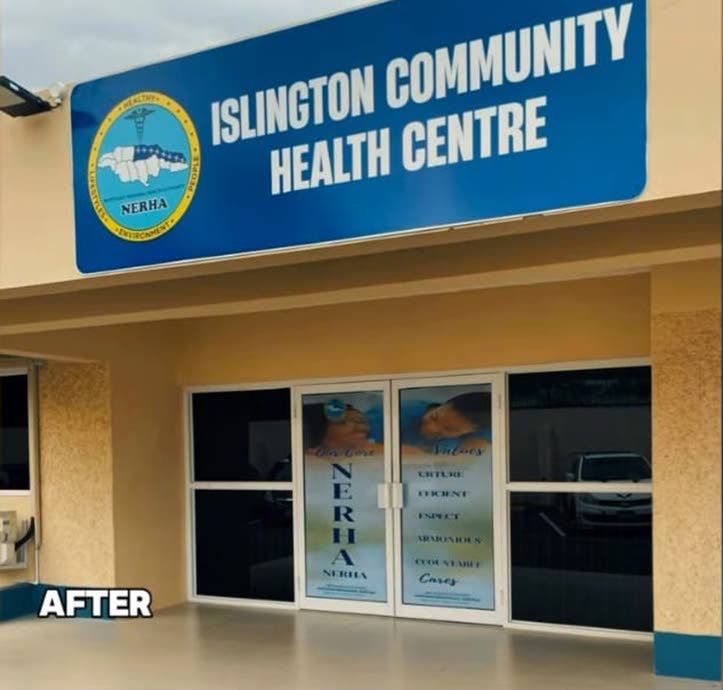
In the aftermath of Hurricane Melissa, Jamaica’s Ministry of Health and Wellness has announced the continued closure of health centers across the island, while public hospitals remain operational. The ministry issued a statement on Monday, confirming the suspension of all primary care services. Patients with scheduled appointments are advised to contact their respective health centers later this week to reschedule. The ministry also emphasized the importance of individuals with chronic conditions, such as diabetes, high blood pressure, heart disease, and asthma, ensuring they have sufficient medication supplies. Those evacuating their homes are urged to bring their medications to shelters. Additionally, patients are reminded to adhere to their prescribed medication regimens even while displaced. Pregnant women nearing their delivery date are encouraged to relocate to accommodations near hospitals or delivery centers to ensure timely access to medical care.