
In a significant move to enhance healthcare accessibility, the Southern Regional Health Authority (SRHA) has announced the reopening of multiple health centers across St Elizabeth, Jamaica. These facilities are now operational to provide essential primary care services to residents in the parish. The reopened centers include Junction, Portsea, Malvern, Santa Cruz, Pepper, Myersville, Lacovia, Balaclava, Maggotty (Holy Spirit Church), Elderslie (mobile unit), Southfield, Bellevue, Newell, Black River (tent), New Market (mobile unit), Gingerhill (medical outreach), and Middle Quarters. Operating hours are set from Monday to Thursday, 8:30 am to 4:30 pm, and on Fridays from 8:30 am to 4:00 pm. The SRHA has clarified that specific services will be available on designated days, ensuring a structured approach to healthcare delivery. This initiative aims to address the growing healthcare needs of the community, particularly in underserved areas, and marks a pivotal step in improving public health infrastructure in the region.
分类: health
-

Unsafe to eat
In the wake of Hurricane Melissa, which struck Jamaica on October 28, the Public Health Department has ordered the destruction of 5,661 kilogrammes of food deemed unsafe for consumption. The decision followed inspections of 5,052 food handling establishments, as disclosed by Minister of Health and Wellness Dr. Christopher Tufton in Parliament on Tuesday. The hurricane, a Category 5 storm, left several south-western parishes without electricity, severely disrupting food safety and public health systems.
Dr. Tufton emphasized the government’s efforts to monitor large farms and food processing facilities to prevent unsafe food from entering the supply chain and to avert potential outbreaks of food-borne diseases. He assured that safety measures would be intensified as access to previously marooned communities improves. Opposition health spokesman Dr. Alfred Dawes echoed the need for vigilance, warning that diseases such as dysentery, dengue, and cholera could emerge in the aftermath of the disaster.
The hurricane caused catastrophic damage to health infrastructure across the island, particularly in the southern and western regions. Seven hospitals, including Black River, Noel Holmes, and Cornwall Regional, suffered extensive roof and structural damage. A field hospital has been established in Black River, with plans for additional facilities in Falmouth and Savanna-la-Mar. Over 100 health centres also reported damage, severely impacting primary care services.
Despite these challenges, the Ministry of Health has initiated a three-phase recovery plan. The first phase focuses on restoring basic health services, preventing disease outbreaks, and addressing staff welfare. Dr. Tufton highlighted that 79% of healthcare professionals have returned to work, enabling the resumption of critical services such as maternal and child health care, HIV treatment, and immunizations in 30% of damaged facilities.
The government’s response also includes mass environmental health actions, psychosocial interventions, and infrastructure repairs. Dr. Tufton stressed the importance of rebuilding the health system to be more resilient, stating, ‘We must build back better.’ The Ministry continues to urge citizens to practice proper hygiene, use safe water sources, and report any illness symptoms promptly.
-

Bodoe: Include wellness in HSE framework
In a compelling address at the American Chamber of Commerce’s TT (Amcham TT) 15th Annual National Excellence in HSE Awards ceremony, Trinidad and Tobago’s Health Minister, Dr. Lackram Bodoe, emphasized the urgent need to evolve the traditional Health, Safety, and Environment (HSE) framework into a more comprehensive model that includes wellness. The event, held on November 10 at the Hyatt Regency in Port of Spain, brought together key stakeholders to discuss the critical role of HSE in safeguarding both human lives and economic productivity.
-

Medical Association Pays Tribute to Late Nurse Orjille Williams-Joseph
The Medical Association of Antigua and Barbuda (MAAB) has expressed profound sorrow over the passing of Nurse Orjille Williams-Joseph, a cherished figure in the nation’s healthcare sector. In a heartfelt statement, the MAAB extended its condolences to her family, friends, and colleagues, emphasizing the deep impact of her loss on the medical community. Nurse Williams-Joseph, though not formally affiliated with the Association, was remembered as a beacon of positivity and resilience. Colleagues fondly recalled her ever-present smile, her ability to lighten tense moments with humor, and her unwavering composure even in the most challenging clinical situations. Her kindness, steady hands, and quiet strength left an indelible mark on countless physicians who had the privilege of working with her. The MAAB highlighted that her legacy would continue to inspire future generations in the healthcare field. The statement concluded with a tribute to her memory, expressing gratitude for her contributions and wishing her eternal peace.
-

Survivors, families, friends join CIBC Walk to raise cancer aid funds
CIBC Caribbean is making significant strides in its mission to raise nearly $100,000 for cancer awareness and support through its annual two-day Walk for the Cure event in Saint Lucia. The initiative, now in its 12th year, is part of the broader Breast Cancer Awareness Month activities and is held across various countries where CIBC operates. This year’s event faced a slight delay due to logistical challenges, including the late arrival of the signature pink T-shirts worn by participants. The first walk took place on November 9 in Gros Islet, attracting a large number of participants, with the second installment scheduled for November 16 in Vieux Fort. Funds are raised through partnerships, sponsorships, and the sale of T-shirts, with all proceeds benefiting Faces of Cancer and the Saint Lucia Cancer Society. These organizations are dedicated to supporting cancer patients, survivors, and their families, while also raising awareness and advocating for improved care systems. Nigel Ollivierre, CIBC Country Head, expressed optimism about surpassing this year’s fundraising target, emphasizing the event’s growing impact. Participants, including survivors and their families, shared heartfelt stories of resilience and solidarity, highlighting the importance of community support in the fight against cancer. Saint Lucia remains unique in the Caribbean for hosting two separate Walk for the Cure events annually, further amplifying its commitment to the cause.
-
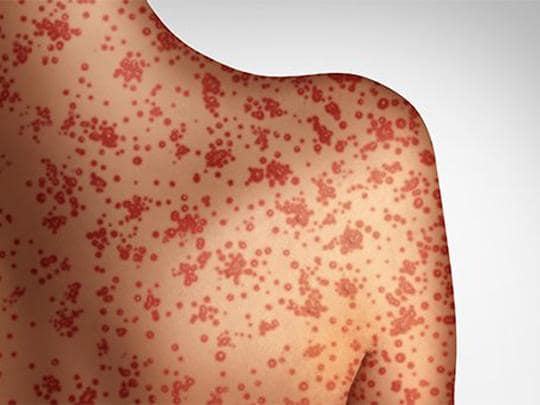
PAHO calls for regional action as the Americas lose measles elimination status
The Pan American Health Organization (PAHO) has declared that the Americas no longer hold the status of being free from endemic measles transmission. This decision was made following a meeting of the PAHO Measles, Rubella, and Congenital Rubella Syndrome Elimination Regional Monitoring and Re-Verification Commission in Mexico City from November 4 to 7, 2025. The Commission concluded that endemic measles transmission has been reestablished in Canada, where the virus has circulated for at least 12 months. This marks a significant setback for the Americas, which had previously achieved measles elimination twice. All other countries in the region maintain their measles-free status. Dr. Jarbas Barbosa, Director of PAHO, emphasized that while this loss is reversible, sustained vaccination efforts and regional cooperation are essential to reclaim the achievement. As of November 7, 2025, 12,593 confirmed measles cases have been reported across ten countries, with 28 deaths recorded. The outbreak has primarily affected under-vaccinated communities, with children under five being the most vulnerable. PAHO is providing technical support to affected countries, focusing on surveillance, vaccination campaigns, and outbreak response. Dr. Barbosa called for renewed efforts to strengthen immunization rates and surveillance systems, highlighting the importance of regional solidarity in combating the virus.
-

NCRHA hosts Mental Health Open Day for staff, public and patients
The North Central Regional Health Authority (NCRHA) marked Mental Health Awareness Day with a series of events aimed at fostering understanding, reducing stigma, and encouraging mental well-being. Celebrated globally on October 10, the NCRHA extended its observance throughout the month with activities designed to engage the public in meaningful ways. Key events included a Mental Health Open Day at the Eric Williams Medical Sciences Complex (EWMSC) on October 15 and another at Arima General Hospital on October 24. These events provided a welcoming environment for individuals to relax, reflect, and seek support. Attendees enjoyed fun games, giveaways, practical mental wellness tips, and one-on-one consultations, all aimed at teaching positive stress management techniques and promoting overall well-being. Prof Gerard Hutchinson, head of the Mental Health Unit, emphasized the importance of such initiatives in bridging the gap between awareness and access to care. He noted a significant increase in individuals seeking help for anxiety, depression, and stress-related issues, highlighting the growing recognition of the need for early intervention. The NCRHA’s Mental Health Unit continues to offer essential outpatient and stress relief services, with approximately 3,000 individuals accessing care monthly across various clinics. Interim CEO Bhadase Seetahal Maraj reaffirmed the NCRHA’s commitment to addressing mental health through strategic, non-judgmental approaches. Chairman Dr Tim Gopeesingh praised the dedication of staff and the encouraging turnout, underscoring the importance of accessible mental health support. The NCRHA remains steadfast in its mission to provide holistic care and ensure mental wellness services are available to all.
-

Diabetes and foot care
As World Diabetes Day 2025 approaches, the theme ‘Diabetes and Well-being’ underscores the importance of holistic health management for individuals living with diabetes. Among the critical yet often neglected aspects of diabetes care is foot health. For diabetics, foot care is not merely a cosmetic concern but a vital component of overall well-being. Poor circulation and nerve damage, common in diabetes, heighten the risk of foot ulcers, infections, and even amputations if left unchecked. Regular foot examinations, daily inspections, and wearing appropriate footwear are essential preventive measures. Moisturising the skin is equally important, as dry skin caused by nerve damage can lead to cracks, creating entry points for infections. Using diabetic-specific moisturisers can help maintain skin hydration and reduce complications. For those seeking to indulge in pedicures, diabetic-friendly spas offer specialised care, ensuring procedures are conducted with utmost safety and precision. Communication with spa staff about medical conditions and specific needs is crucial. Beyond foot care, diabetics must also prioritise sun protection. High blood sugar levels can impair collagen production, making the skin more vulnerable to damage. Applying high-SPF sunscreen and wearing protective clothing can mitigate risks of sunburn and skin cancer. Daily moisturising, staying hydrated, and avoiding harsh chemicals are additional steps to maintain skin health. Regular skin checks for abnormalities are vital for early detection of potential issues. As we commemorate World Diabetes Day 2025, let us remember that proactive care of feet and skin can significantly enhance quality of life and prevent serious complications. Your well-being is in your hands—prioritise your health daily. Delicia Burris, owner of Glorious Touch Health and Wellness Spa, emphasises these practices for a healthier future.
-

Workplace wellness and diabetes: Turning awareness into action
As the world observes World Diabetes Day on November 14, this year’s theme, ‘Diabetes and Well-being,’ with a focus on the workplace, resonates deeply in Trinidad and Tobago. With diabetes affecting 12-15% of adults, the workplace has become a critical arena for prevention and health management. Most adults spend the majority of their day at work—sitting, snacking, and stressing—often with limited opportunities for movement or mindful eating. This sedentary lifestyle exacerbates health risks, making workplaces pivotal in shaping healthier habits. Fitness and nutrition coach Abeni Procope emphasizes that employers play a vital role in fostering wellness. Healthier employees are more productive, take fewer sick days, and exhibit higher morale. Simple, cost-effective measures can make a significant impact. These include hosting on-site health screenings, encouraging movement through stretch breaks or walking meetings, promoting healthier food options, and creating a supportive environment for employees managing diabetes. Procope advocates for consistent, small changes, such as wellness talks or balanced meal ideas, to build a culture of health. Diabetes prevention is rooted in daily habits like movement, balanced nutrition, hydration, and stress management. By partnering with wellness professionals, workplaces can create a ripple effect, leading to healthier families and a stronger nation. This World Diabetes Day, Procope urges businesses to take actionable steps, from hosting health talks to sharing wellness information. Awareness is crucial, but action is transformative. Abeni Procope, a certified fitness trainer and nutrition coach, specializes in holistic wellness and empowers individuals and organizations to lead healthier lives. For more information, visit www.abenipro.com.
-

Modern medicine brings new hope but: Diabetes on the rise in Trinidad and Tobago
The International Diabetes Federation (IDF) has revealed alarming statistics indicating that over 40% of adults in Trinidad and Tobago (TT) are overweight or obese, a significant risk factor for Type 2 diabetes. Currently, diabetes affects 12-15% of the population, with at least 150,000 individuals diagnosed. However, Dr. Chad Bisambar, a renowned diabetes specialist and endocrinologist, warns that the actual number is likely higher due to undiagnosed cases. Diabetes, a chronic condition characterized by elevated blood glucose levels, arises from insufficient insulin production or ineffective insulin use. Dr. Bisambar, who trained at the University of Cambridge and practices at multiple medical institutions in TT, highlights that 90% of diabetes cases are Type 2, often asymptomatic, leading to delayed diagnosis. He also notes a worrying surge in cases among children and young adults under 40. Major risk factors include poor diet, sedentary lifestyles, family history, East Indian descent, and polycystic ovarian syndrome (PCOS) in women. Dr. Bisambar emphasizes that diabetes is the leading cause of heart attacks, strokes, blindness, kidney failure, and lower limb amputations in TT. Addressing misconceptions, he clarifies that elevated blood glucose can cause organ damage even without symptoms and that lifestyle changes can sometimes eliminate the need for medication. Over the past decade, diabetes treatments have evolved significantly. Newer medications like SGLT2 inhibitors and GLP-1 agonists not only lower blood sugar but also protect major organs and reduce body fat. These drugs are now recommended internationally as first- or second-line treatments, particularly for patients with heart or kidney disease. Despite these advancements, access to newer drugs like semaglutide and terzepatide remains limited in TT, posing financial and logistical challenges for patients. Dr. Bisambar stresses the importance of patient education, early detection, and a national screening program to combat the diabetes epidemic. He encourages those affected to seek support from family, healthcare providers, and organizations like the Diabetes Association of TT, emphasizing that with proper guidance, diabetes management can be simplified and remission achieved.