分类: health

  • Praise for crackdown vow on unhealthy school gate vending

    Praise for crackdown vow on unhealthy school gate vending

    In a decisive move against childhood obesity, Barbados Minister of Educational Transformation Chad Blackman has announced he will personally lead comprehensive inspections of food vendors operating near school premises across the island. This initiative has garnered significant support from major health organizations who view it as a crucial step toward addressing the nation’s growing health crisis among children.

    The Barbados Childhood Obesity Prevention Coalition (BCOPC) and the Heart & Stroke Foundation of Barbados Inc. have both endorsed Minister Blackman’s proactive approach, emphasizing that restricting children’s access to unhealthy food options requires intervention beyond school boundaries. While the 2023 School Nutrition Policy established improved nutritional standards within educational compounds, vendors selling sugar-sweetened beverages and ultra-processed snacks immediately outside school gates have continued to undermine these health measures.

    Nicole Foster, chair of the BCOPC, commended the minister’s leadership in enforcing nutrition policies both inside and outside school premises. The coalition has urged simultaneous implementation of the Vending Bill, which would provide legal framework to ensure vendor compliance with healthy food standards. Meanwhile, Heart & Stroke Foundation CEO Greta Yearwood praised the hands-on approach as essential for prioritizing children’s health during this critical period.

    Notably, the initiative will emphasize collaboration over punitive measures, recognizing vendors’ important role in local communities. The program will include training, product reformulation guidance, and support for meeting healthy food standards. Foster highlighted that healthy vending represents not just a public health priority but also an economic opportunity for vendors and young entrepreneurs to tap into the expanding market for affordable, nutritious products.


  • Clinical trial begins with Jusvinza to treat joint sequelae of chikungunya

    Clinical trial begins with Jusvinza to treat joint sequelae of chikungunya

    A groundbreaking clinical trial investigating Cuba’s domestically developed Jusvinza medication for treating persistent polyarthritis in chikungunya survivors commenced this week at the Comandante Faustino Pérez Provincial Clinical Surgical Hospital. The study represents a significant advancement in addressing one of the most debilitating long-term effects of the viral disease.

    Under the leadership of Dr. Yudisay Reyes Pelier, an oncology specialist and member of the Center for Genetic Engineering and Biotechnology (CIGB) Clinical Research Group, the research will assess Jusvinza’s efficacy in alleviating chronic joint inflammation and pain that continues to afflict patients months after recovering from the acute infection phase.

    The randomized trial involves 120 participants aged 19-80, all with confirmed chikungunya diagnoses and joint symptoms persisting beyond three months. Researchers have divided subjects into two equal cohorts: an experimental group receiving Jusvinza alongside conventional therapy, and a control group continuing with standard treatment alone.

    Treatment protocol entails nine subcutaneous injections administered over six weeks, with flexibility for outpatient or inpatient delivery based on individual clinical circumstances and geographical location.

    Jusvinza (scientific designation CIGB-258) is a peptide-based biopharmaceutical product with established emergency authorization in Cuba for severe COVID-19 cases. The drug has demonstrated capacity to regulate hyperinflammatory responses causing pulmonary damage, showcasing its immunomodulatory properties.

    Dr. Eulogio Pimentel Vázquez, CIGB Director, emphasized the medication’s proven safety profile and its development as a cost-effective therapeutic alternative for chronic inflammatory conditions compared to international counterparts.

    This investigation forms part of Cuba’s comprehensive healthcare strategy to address chikungunya’s lasting sequelae following recent epidemic outbreaks that left substantial patient populations with enduring arthralgia compromising quality of life and workforce participation.

    Research teams anticipate Jusvinza will achieve over 70% improvement in clinical outcomes, potentially establishing the Cuban-developed drug as an accessible solution for a condition currently lacking specific effective treatments. The trial simultaneously highlights Faustino Pérez Hospital’s role as a clinical research hub and demonstrates Cuba’s scientific capability in creating innovative solutions for pressing public health challenges.

  • Public Health survey reveals major nursing shortage in Dominican Republic

    Public Health survey reveals major nursing shortage in Dominican Republic

    SANTO DOMINGO – A comprehensive health workforce survey conducted by the Ministry of Public Health has revealed a paradoxical situation in the Dominican Republic’s healthcare system. While the nation exceeds international benchmarks for overall medical personnel availability, it confronts an acute nursing deficit that threatens the quality of care delivery.

    The study demonstrates that the country achieves 56.3 doctors and nurses per 10,000 inhabitants, surpassing the WHO/PAHO target of 44.5. However, this achievement masks a critical imbalance: when examining nursing personnel separately, the density plummets to just 26 per 10,000 people—dramatically below the recommended standard of 70.6. This discrepancy indicates a shortage exceeding 48,000 nursing professionals to meet global norms.

    Demographic analysis reveals a predominantly female workforce (81.1%) with a youthful composition, as 58.3% of health professionals fall within the 25-44 age bracket. The sector demonstrates strong national representation with 99.7% Dominican staff members.

    Academic qualifications present a balanced educational landscape: 48.9% hold university degrees, 20.3% possess postgraduate qualifications, and 30.8% comprise technical staff. The workforce distribution shows physicians constituting 37.3% of personnel while nursing staff represents 32.1%, collectively accounting for nearly 70% of all healthcare workers.

    Geographically, the Ozama region concentrates 36.6% of the health sector’s workforce, with the National District alone hosting 23.9% of all positions. The census documented 107,174 active job positions, with an overwhelming 92.8% dedicated to direct patient care, highlighting the substantial operational demands on both public and private health services.

  • Belize’s Drinking Culture Hits Dangerous Highs; Experts Sound the Alarm

    Belize’s Drinking Culture Hits Dangerous Highs; Experts Sound the Alarm

    Belize faces a mounting public health emergency as new data reveals the nation ranks among the highest consumers of alcohol throughout the Americas. Health authorities are sounding alarms over deeply entrenched drinking patterns that have evolved into a severe societal challenge.

    According to Dr. Mellisa Diaz-Musa, Director of Public Health and Wellness, comprehensive data indicates Belizean drinking habits significantly exceed regional averages. The phenomenon of binge drinking—consuming five to six alcoholic units within a brief timeframe—has become increasingly prevalent, with many individuals reportedly consuming up to eight drinks in a single session.

    Dr. Lila Estephan, Non-Communicable Disease Coordinator, highlights the cultural dimensions of this crisis. Alcohol consumption is intrinsically woven into national celebrations, festivals, and social gatherings, with social media frequently glorifying alcohol-centric lifestyles. This normalization has dire consequences: hospitals are witnessing rising admissions for alcohol-related non-communicable diseases.

    The epidemic displays distinct demographic patterns. Adult males demonstrate the highest consumption rates, but concerningly, approximately 18% of adolescents aged 13-15 report having been intoxicated at least once. Many children experience their first alcohol exposure before age ten.

    Health officials identify cheap, high-potency rum—colloquially termed “bad man”—as particularly problematic due to its accessibility and affordability. This product disproportionately affects marginalized communities, where households allocate substantial portions of their income toward alcohol purchases.

    Beyond physical health implications, alcohol intertwines with social pathologies. Approximately 55% of intimate partner violence cases correlate with alcohol use. Cynthia Williams, Human Development Coordinator at the Gender Affairs Department, clarifies that while alcohol doesn’t directly cause domestic violence, it removes inhibitions and enables violent behaviors.

    Esner Vellos, Director of the National Drug Abuse Control Council, notes that alcohol dependency frequently stems from traumatic environments, including exposure to domestic violence during childhood.

    The Ministry of Health and Wellness contemplates regulatory measures similar to tobacco restrictions, potentially limiting sales of individual alcohol units. However, experts acknowledge significant challenges, including opposition from well-funded beverage industry stakeholders with extensive marketing resources.

  • GPHC boasts of being Caribbean’s leading kidney transplant centre;  each recipient saves almost GY$90 million

    GPHC boasts of being Caribbean’s leading kidney transplant centre; each recipient saves almost GY$90 million

    The Georgetown Public Hospital Corporation (GPHC) has established itself as the Caribbean’s premier kidney transplant center, achieving regional medical leadership through innovative surgical programs and substantial cost savings for patients. Health officials announced Wednesday that the Guyanese institution has performed more transplants than any other Caribbean facility in 2025, with 13 procedures completed this year alone.

    GPHC’s transplant program delivers extraordinary financial benefits to recipients, saving patients between US$400,000-$500,000 (approximately GY$87.2-109 million) compared to market rates for equivalent surgeries elsewhere. The hospital has provided these life-saving procedures completely free of charge, including for patients from several Caribbean nations such as Antigua and Barbuda, Barbados, The Bahamas, and Trinidad and Tobago.

    CEO Robbie Rambarran highlighted the hospital’s pioneering achievements, including performing the Caribbean’s first kidney transplant on a 20kg infant in 2023 and conducting the region’s first laparoscopic donor nephrectomy in 2024. The institution recently achieved another milestone by completing its first chain transplant surgery—an intricate process involving multiple donor-recipient pairs that demonstrates sophisticated medical coordination.

    Multi-organ transplant specialist Dr. Kishore Persaud emphasized the entirely local nature of these accomplishments: “Culturally, there is sometimes a belief that outsiders can do it better than our own. Today, I proudly sit here to say that these surgeries were performed entirely by the doctors and staff of the Georgetown Public Hospital Corporation.”

    Despite these successes, hospital officials revealed concerning statistics about kidney disease in Guyana. From 2023 to present, GPHC has registered 2,200 individuals diagnosed with kidney disease, with 368 patients currently on dialysis—246 of whom began treatment this year. Rambarran noted that demand for dialysis and transplants “exceeds our capacity,” describing this as a “call to action.”

    Health Minister Dr. Frank Anthony indicated that while services remain free for now, the government might eventually charge foreign patients for these “very, very expensive” surgeries as the program develops. The ministry plans to enhance capabilities through international training partnerships with institutions in Spain, Brazil, India, and Canada, and will soon send a doctor to India’s Apollo Hospital to advance HLA testing capabilities.

    Patient testimonials highlighted the exceptional care received. Samantha Ault, who experienced transplants in both Trinidad and Tobago and at GPHC, praised the “amazing transplant team” in Georgetown. David Singh, who previously received treatment in the United States, commended the local doctors’ accessibility: “I’ve never seen a team of doctors that are so loving and caring.” Donor Akeem Ault reported that his experience “changed my entire narrative that I had about hospitals especially Georgetown Hospital.”

  • That belly may be killing you

    That belly may be killing you

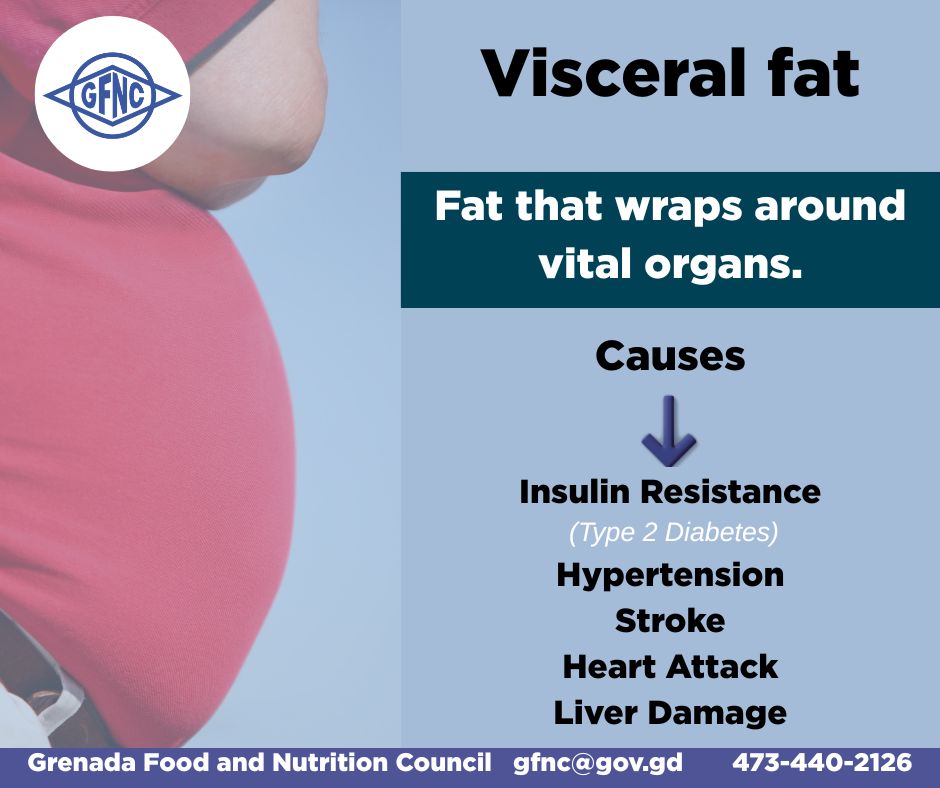
    Medical experts from the Grenada Food and Nutrition Council (GFNC) have issued a crucial health alert regarding abdominal obesity, warning that a protruding belly may signal dangerous internal fat accumulation with serious health implications.

    This deep-lying visceral fat, which envelops vital organs, represents a significant threat to metabolic health. Unlike subcutaneous fat, visceral fat is biologically active, functioning almost as an endocrine organ that releases harmful substances into the bloodstream. These substances trigger systemic inflammation, elevate triglyceride levels, and disrupt essential bodily processes.

    The metabolic consequences are severe and multifaceted. Visceral fat dramatically increases triglyceride production, leading to toxic fat accumulation in muscles and liver. This storage pattern promotes insulin resistance, impairing the body’s ability to regulate blood sugar effectively. Simultaneously, fatty deposits infiltrate blood vessels, forming arterial plaque that stiffens vessel walls and contributes to hypertension through elevated cortisol production.

    Additionally, visceral fat stimulates increased fibrinogen production, a substance that thickens blood and promotes clot formation—significantly elevating stroke and heart attack risks. The liver becomes particularly vulnerable, with excess triglycerides potentially progressing to non-alcoholic fatty liver disease, cirrhosis, and severe hepatic dysfunction.

    Nutritionist Keishon Williams of GFNC identifies multiple contributing factors including chronic stress, sedentary lifestyles, high consumption of refined carbohydrates, ultra-processed foods, and inadequate fiber intake. These elements collectively create the conditions for metabolic syndrome—a dangerous cluster of conditions that dramatically increase cardiovascular and metabolic disease risks.

    The GFNC emphasizes that proactive measures through nutritional counseling and lifestyle modifications can combat this growing health concern. Their recent educational initiative ‘Let’s Chat’ provides comprehensive guidance on addressing visceral fat accumulation and improving metabolic health outcomes.

  • Study Finds Kids Are Trying Alcohol Before Age Ten

    Study Finds Kids Are Trying Alcohol Before Age Ten

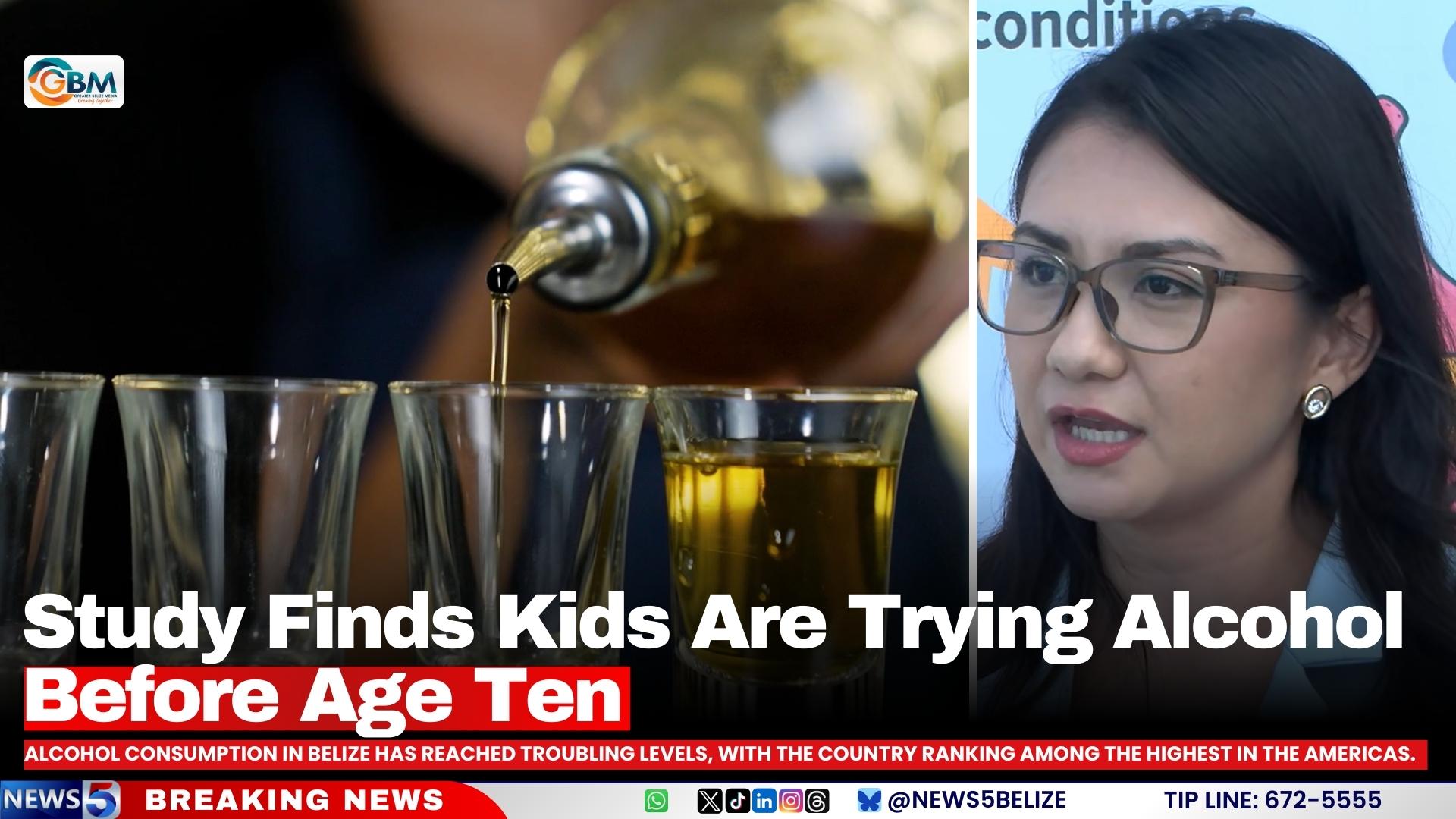
    A comprehensive public health study has revealed a disturbing trend of early alcohol initiation in Belize, with the nation now ranking among the highest consumers in the Americas. The research indicates that 15% of surveyed individuals reported their first experience with alcohol before reaching ten years of age, signaling a profound public health challenge.

    Dr. Melissa Diaz-Musa, Director of Public Health and Wellness, presented concerning data showing Belize’s alcohol consumption rates significantly exceed regional averages. “Compared to the region of the Americas, we are graded high in terms of the amount of alcohol we drink,” Dr. Diaz-Musa stated. “We are also considered to be binge drinkers.”

    The study identified typical binge drinking sessions involving approximately eight glasses of alcohol, with men consuming more frequently and in larger quantities than women. Particularly troubling is the finding that 18% of adolescents aged 13-15 reported experiencing intoxication at least once. A cheap, high-concentration rum locally known as “bad man” has been identified as a primary contributor to the problem.

    Dr. Lila Estephan, Non-Communicable Disease Coordinator, emphasized the cultural dimensions of the crisis. “We have to look at our society and our culture. When we have Independence celebrations, when we have a festival, when we have Agric, what do you see mostly? Alcohol,” Dr. Estephan noted. “You will see a lot of people drinking, and it is something we encourage in our society as fun.”

    The health implications are severe, with alcohol serving as a risk factor for over two hundred health conditions. Beyond physical health consequences, the study found significant social ramifications, with marginalized households spending disproportionate amounts of income on alcohol and families experiencing breakdowns.

    Cynthia Williams, Human Development Coordinator, clarified the relationship between alcohol and violence: “Alcohol is not a cause for domestic violence or gender-based violence. It is a factor.”

    Dr. Estephan further explained the addictive nature of alcoholism, stating, “At the end of the day, alcoholism is a disease and an addiction. We cannot blame the consumer. But it makes it much easier and accessible for the person.”

    The findings present a complex public health challenge that intersects with cultural traditions, economic factors, and accessibility of high-potency alcohol products, requiring comprehensive policy interventions.

  • Roll Up Your Sleeve, It’s Flu Season

    Roll Up Your Sleeve, It’s Flu Season

    Health authorities in Belize are reporting significantly elevated influenza activity as the nation enters its cooler seasonal period. Surveillance data from the Ministry of Health and Wellness indicates an unusually high transmission rate, prompting urgent public health recommendations.

    Medical Officer Dr. Javier Novelo, serving as Surveillance Officer for the Central Health Region, revealed concerning statistics: approximately 25% of over 880 conducted flu tests have returned positive results this year. The predominant circulating viruses identified are influenza and respiratory syncytial virus (RSV), with RSV presenting particularly severe risks for pediatric populations.

    The epidemiological situation continues to deteriorate with climbing case numbers. Children under five years of age and elderly residents face the highest vulnerability. The ministry’s tracking of severe respiratory infections has documented 71 fatalities nationwide this year, including 21 within the Belize District alone.

    Dr. Novelo emphasized the community transmission risk: “While many individuals can successfully combat these infections, they may inadvertently expose more vulnerable population segments.”

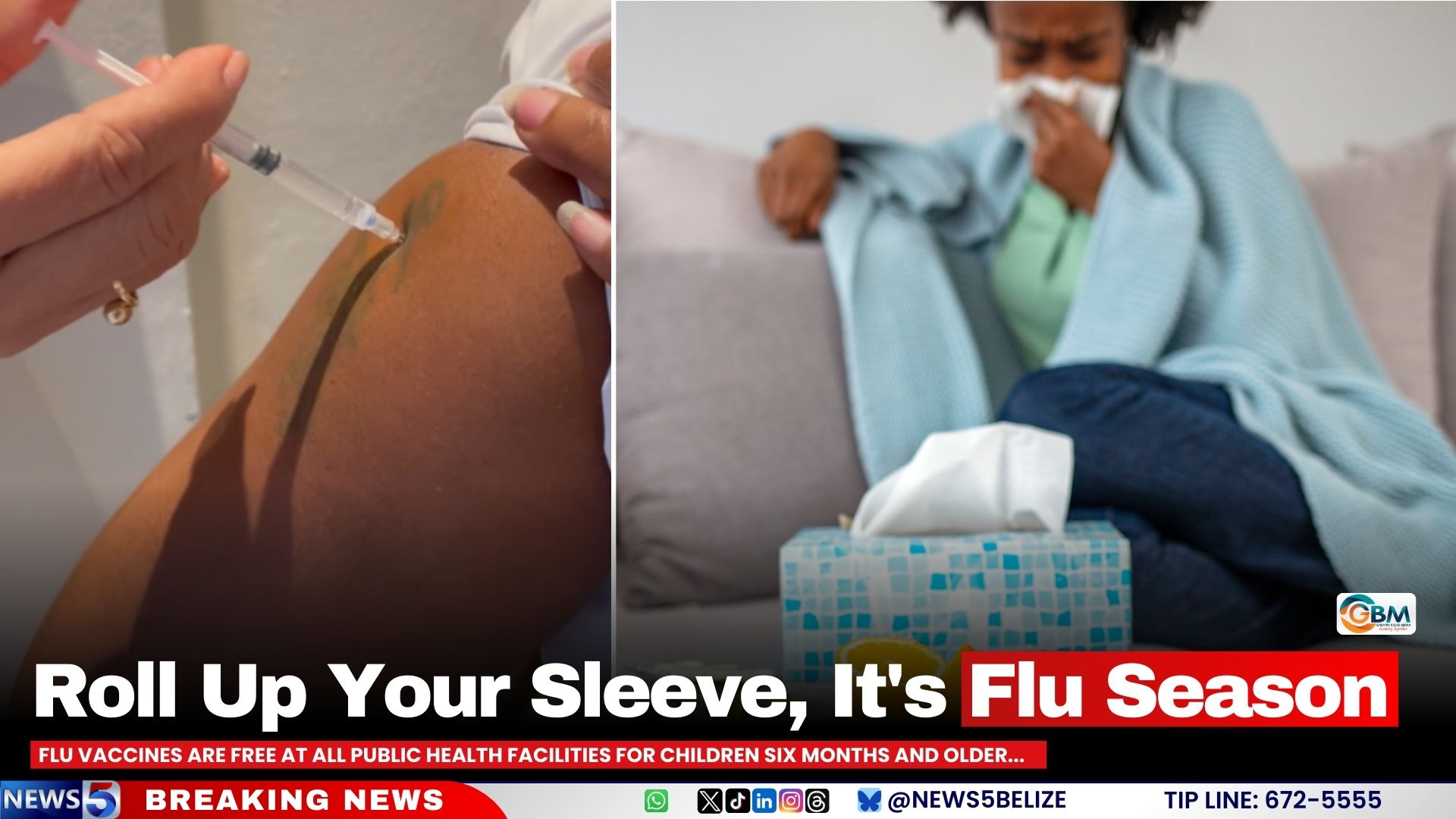
    In response, health authorities are promoting widespread vaccination availability. Flu shots remain freely accessible at all public health facilities for key demographic groups: children aged six months and older, pregnant women, adults with chronic medical conditions, and senior citizens.

    Nurse Lilia Middleton, Manager of the Ministry’s Vaccine Programme, underscored vaccine efficacy and safety: “Vaccinations provide protection at individual, familial, and community levels. They significantly reduce illness incidence, hospitalizations, and serious complications including pneumonia and bronchitis. In some cases, they prevent mortality.”

    Additional preventive measures recommended include consistent hand hygiene, mask usage in crowded settings, self-isolation when symptomatic, and avoiding high-density gatherings. Health professionals note that typical vaccine reactions are generally mild, potentially including injection site discomfort, low-grade fever, or transient fatigue, all manageable with basic care.

  • ARPHA enhances regional monitoring networks for vector-borne illnesses with data analysis training session

    ARPHA enhances regional monitoring networks for vector-borne illnesses with data analysis training session

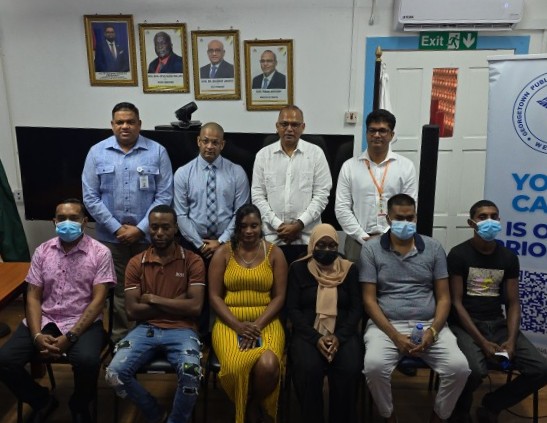
    Trinidad and Tobago recently hosted a pivotal regional workshop organized by the Caribbean Public Health Agency (CARPHA), marking a significant advancement in the region’s public health preparedness. The intensive two-day session, “Enhancing Vector-Borne Disease Monitoring via Data Accuracy, Nowcasting, and Risk Matrix Utilization,” brought together seventeen public health specialists from nine Caribbean nations including Dominica, Barbados, Jamaica, and Guyana.

    The gathering represented a multidisciplinary coalition of epidemiologists, surveillance officials, statisticians, and environmental health experts working to transform how the region addresses mosquito-borne threats. Dr. Lisa Indar, CARPHA’s Executive Director, framed the initiative’s critical importance: “The same tools that help us anticipate dengue, chikungunya, and malaria are precisely what will enable detection and containment of the next pandemic. This investment in superior data systems and Caribbean-tailored decision tools represents our strategic shift from reactive outbreak response to proactive prevention.”

    Building upon foundational work initiated in Barbados last August, the workshop introduced sophisticated nowcasting techniques—innovative epidemiological methods that compensate for reporting delays and data gaps in disease surveillance. This approach provides health authorities with more accurate, real-time understanding of transmission patterns, enabling earlier detection of emerging threats and more reliable risk assessments.

    Dr. Horace Cox, CARPHA’s Director of Surveillance, Disease Prevention and Control, emphasized the interconnected nature of public health threats: “While we cannot predict the next pandemic’s timing or origin, we recognize our environment grows increasingly dynamic and risks continue to escalate. Strengthening our data quality and real-time analysis capabilities directly enhances our regional resilience.”

    The training featured practical exercises integrating epidemiological, entomological, climate, and laboratory datasets. Participants developed skills to translate early warning signals into concrete operational responses, including enhanced surveillance protocols, verification investigations, and rapid vector control measures. A key focus involved aligning early warning outputs with national standard operating procedures to ensure consistent implementation as threat levels intensify.

    Dr. Brian Armour, CARPHA’s Technical Advisor for the Pandemic Fund Initiative, highlighted the regional strategy’s necessity: “Given our geography, population distribution, and tourism dependence, an outbreak in one member state can rapidly evolve into a regional crisis. Pandemic Fund support enables us to develop a comprehensive early warning system integrating indicator-based, laboratory, tourism, and event-based data streams.”

    The workshop also demonstrated how vector-borne disease tools interface with CARPHA’s evolving regional surveillance system, developed through the Pandemic Fund Project. Participants explored technical integration methods that preserve national data sovereignty while enhancing regional coordination. These improvements aim to substantially reduce critical time delays between threat detection, notification, and intervention during public health emergencies.

    This capacity-building initiative directly supports the Pandemic Fund Project’s overarching objectives: strengthening disease surveillance capabilities, developing workforce expertise in data analysis and risk evaluation, and fostering coordinated regional responses to epidemic-prone diseases with pandemic potential.

  • Trinidadian footballer Shaka Hislop reveals he has prostate cancer

    Trinidadian footballer Shaka Hislop reveals he has prostate cancer

    Former Newcastle United and Trinidad and Tobago goalkeeper Shaka Hislop has publicly disclosed his ongoing battle with an aggressive form of prostate cancer. The football pundit shared his personal health journey in a heartfelt video posted to his Instagram account, detailing his diagnosis and treatment to raise awareness among men worldwide.

    Hislop revealed that the cancer was detected approximately 18 months ago during his routine annual physical examination. ‘I consistently insisted on a Prostate-Specific Antigen (PSA) test as part of my check-up,’ Hislop explained. ‘This particular time, my PSA levels were elevated, prompting further investigation through MRI and biopsy procedures which confirmed the presence of an aggressive prostate cancer.’

    The former West Ham player underwent a radical prostatectomy—a surgical procedure for partial or complete removal of the prostate gland—on December 6, 2024. However, Hislop’s medical journey continued when follow-up tests six months post-surgery showed rising PSA levels again. Subsequent scans confirmed the cancer had metastasized to his pelvic bone, requiring immediate medication and an intensive seven-and-a-half week radiation therapy regimen which he recently completed.

    Making a special appeal to Caribbean men who statistically face the highest mortality rates from prostate cancer globally, Hislop emphasized: ‘My community, my people, please go get tested. Understand your PSA numbers and track their historical changes. Prostate cancer becomes survivable when detected early, and various treatment options exist. Testing genuinely saves lives—it certainly saved mine.’

    Hislop’s courageous disclosure follows medical research from institutions like Johns Hopkins Medicine which indicates early detection significantly improves prostate cancer outcomes. His advocacy highlights the critical importance of regular health screenings, particularly for high-risk demographic groups.