
Breast health is often perceived as a concern primarily for adult women, particularly those in their 30s and 40s. However, Dr. Rajen Rampaul, a renowned breast oncologist and reconstructive surgeon, emphasizes that awareness should begin much earlier—even in childhood. As the medical director at Pink Hibiscus Breast Health Specialists, Dr. Rampaul has dedicated decades to breast care and cancer treatment, advocating for a proactive approach to breast wellness. He explains that breast development in young girls, typically between ages eight and 15, is a natural part of puberty. During this period, the emergence of the breast bud, often accompanied by discomfort or pain, is a common occurrence. While these changes can cause concern among parents and young girls, Dr. Rampaul reassures that they are almost always normal and not indicative of health problems. Breast cancer, he stresses, is extraordinarily rare in this age group, with medical literature recording only isolated cases worldwide. Instead, the most common breast condition among adolescents is fibroadenoma—a benign lump that is non-cancerous and rarely a cause for concern. Dr. Rampaul underscores the importance of education and reassurance for both parents and young girls. He recommends consulting a doctor when unusual symptoms arise, not because cancer is likely, but to provide clarity and peace of mind. Ultrasound is the preferred imaging tool for this age group, as it is safe, painless, and free from radiation risks. Hormonal changes during puberty are the primary drivers of breast development and related discomforts. Conditions like polycystic ovarian syndrome (PCOS) can also influence breast health, causing pain and lumpiness due to erratic hormonal cycles. While family history plays a significant role in assessing breast cancer risk in adults, Dr. Rampaul assures that genetics are not a factor during puberty. He advocates for schools and communities to play a pivotal role in promoting breast-health awareness, focusing on normal development and benign conditions rather than instilling fear. Early education, he believes, empowers girls to grow into confident, informed women who are unafraid to take charge of their health.
分类: health
-
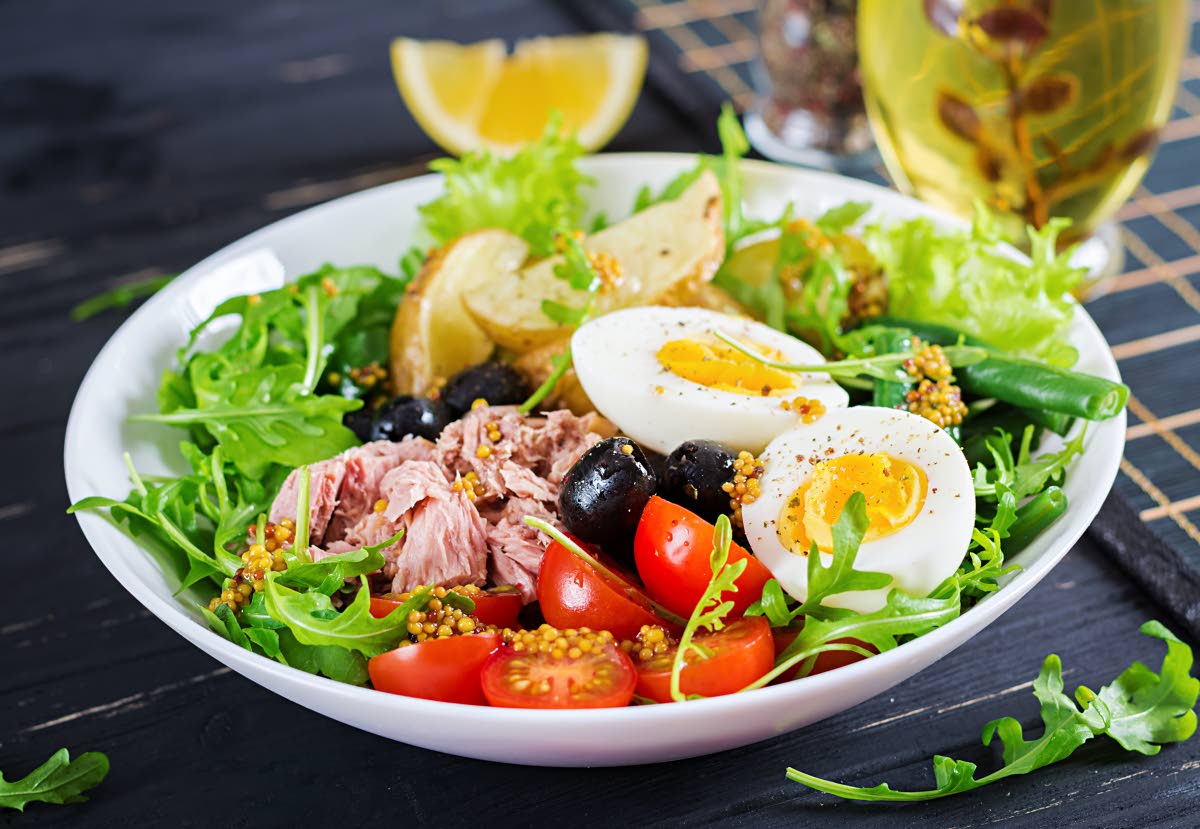
Nourishing the body with healthy eating
The importance of diet in cancer prevention, treatment, and recovery is increasingly supported by scientific evidence, according to surgical oncologist Dr. Rajen Rampaul. He highlights that dietary choices not only reduce cancer risk and recurrence but also play a pivotal role in overall health. Regulatory bodies, such as the International Agency for Research on Cancer, have classified certain foods, particularly red meat, as class-one carcinogens, linking them to colorectal and breast cancers. Dr. Rampaul warns against misleading online information about anti-cancer diets and supplements, emphasizing the need for evidence-based medical guidance. He advocates for whole, plant-based diets, such as the Mediterranean or vegetarian patterns, which are associated with longer, healthier lives. Anti-oestrogen foods like soy, beans, spinach, flax seeds, and turmeric are particularly beneficial. Conversely, foods that promote a high-oestrogen environment may increase cancer recurrence risk and should be minimized. Dr. Rampaul also underscores the benefits of fasting, citing a 2020 study that showed intermittent fasting boosts the immune system. He advises avoiding animal proteins and saturated fats, which contribute to inflammation and elevated cancer risk. Smoking and alcohol should also be eliminated to reduce cancer risk. For patients undergoing treatment, Dr. Rampaul emphasizes the importance of pre-habilitation—enhancing nutritional status before treatment begins. He recommends prescribed protein supplements, protein-enriched drinks, and a balanced intake of vitamins and minerals. Hydration is crucial, with a daily intake of at least three liters of water recommended. Post-treatment nutrition should focus on rebuilding strength, maintaining a healthy weight, and reducing recurrence risk through balanced, evidence-based dietary choices. Dr. Rampaul encourages patients to work with dietitians to adapt these principles to local cuisine, ensuring dietary changes are practical and enjoyable. He concludes that adopting a whole-grain, plant-based diet, avoiding processed foods and red meat, and staying hydrated are simple yet powerful steps toward sustained wellness after cancer treatment.
-

A policewoman’s journey of faith: ‘Cancer doesn’t have me’
Michelle Clement, a dedicated police officer for 15 years, faced a life-altering moment in October 2022 when she was diagnosed with stage 4, grade 2 invasive lobular carcinoma, a form of breast cancer that had spread to both breasts and her lymph nodes. The news initially plunged her into fear and uncertainty, but Clement chose to lean on her faith and resilience to fight the disease. ‘The first thought that came to my mind was that I was going to die and leave my family behind,’ she recounted. However, she made a conscious decision to choose hope over despair, reminding herself that her faith in God was stronger than any medical diagnosis. Clement’s cancer was hormone receptor-positive, which opened up treatment options that have helped slow the progression of the disease and improve her quality of life. For her, every day is now a victory, and she celebrates small milestones with gratitude. Physically, the treatments have been grueling, leaving her tired, weak, and nauseous. Emotionally, she struggled with the thought of her family’s future without her. Yet, spiritually, she found strength in her faith, holding onto the belief that God’s strength is made perfect in her weakness. Clement’s journey has brought her closer to her family, especially her daughters, Clay-Ann and Chloe, who have been her pillars of support. Clay-Ann, 18, and Chloe, 21, have both been inspired by their mother’s courage and resilience. ‘She is, without a doubt, one of the strongest people I’ve ever known,’ Chloe said. Clement hopes her story will encourage others to prioritize regular screenings and early detection. ‘Cancer is not a death sentence,’ she emphasized. ‘Even at stage 4, you can still live a full, meaningful, and joyful life.’ She urges families facing similar challenges to stay positive, do their research, and surround themselves with uplifting people. Clement dreams of a future where cancer has a cure and looks forward to seeing her children graduate, get married, and start families of their own. Her message to women during Breast Cancer Awareness Month is clear: ‘Cancer is a word, not the end of your story.’
-
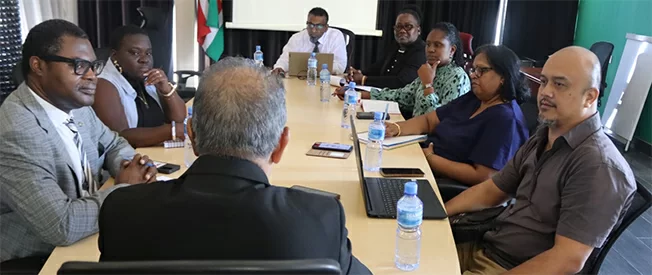
VWA en PAHO versterken samenwerking rond welzijn en arbeid
In a significant meeting on October 12, Suriname’s Deputy Minister of Health, Welfare, and Labor (VWA), Raj Jadnanansing, engaged in discussions with Yafflo Ouattara, the Pan American Health Organization (PAHO) representative in Suriname, to enhance cooperation in the fields of welfare and occupational health. The talks centered on aligning PAHO’s new five-year strategy with Suriname’s national welfare policy, currently under development by the ministry. Both parties emphasized the need for closer collaboration to promote safe and healthy working conditions, particularly in high-risk sectors such as mining and oil and gas. PAHO expressed its readiness to provide technical assistance in training labor inspectors, developing guidelines for safe working environments, and reducing exposure to harmful substances. The discussion also addressed mental health, focusing on suicide prevention and tackling domestic violence. A key outcome was the agreement to organize a multi-stakeholder meeting in the near future to draft a joint roadmap for collaboration. Concluding the meeting, Deputy Minister Jadnanansing presented PAHO’s representative with a copy of ‘The System of Labour Administration in Suriname,’ symbolizing the commitment to shared goals in improving worker health and well-being.
-

Chicken-and-egg situation
The relationship between marijuana use and mental health disorders, particularly schizophrenia, has been brought into sharp focus by Dr. Kristen Robinson-Barrett, a consultant psychiatrist and director of treatment services at Jamaica’s National Council on Drug Abuse (NCDA). According to Dr. Robinson-Barrett, marijuana can activate an individual’s genetic predisposition to schizophrenia, a condition that, once triggered, cannot be reversed. This revelation adds a sobering layer to the viral comment by Jamaican dancehall artist Pablo YG: “Yuh see weh yuh did do, cyaa rub out” (You see what you did, it can’t be undone).
-
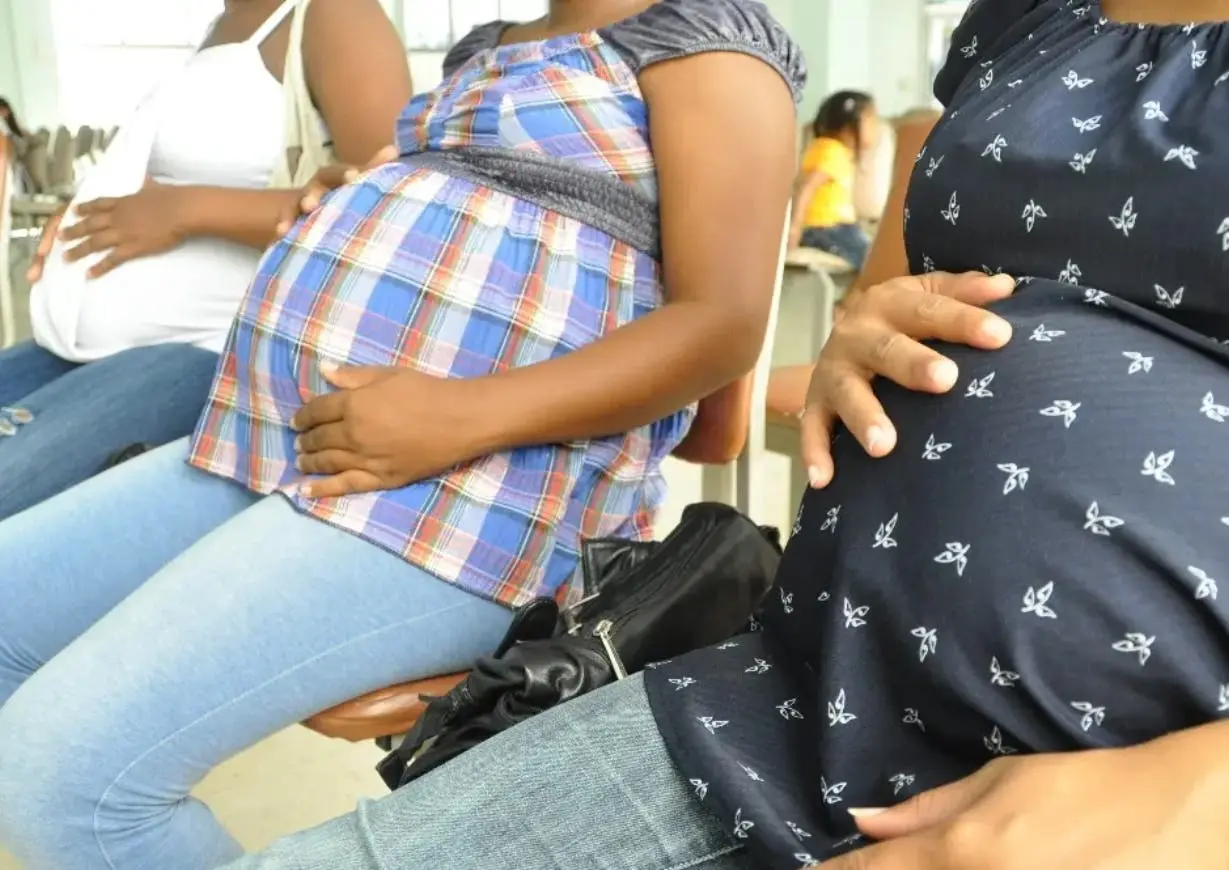
The country registers 123 maternal deaths this year
As of week 39, the Ministry of Public Health’s epidemiological surveillance system has documented 123 maternal deaths, marking a 9% decrease compared to the 135 cases recorded in 2024. Health authorities project a continued downward trend in maternal and infant mortality rates by 2025. However, this overall improvement is overshadowed by significant regional disparities. Provinces such as Santiago, La Altagracia, and Distrito Nacional have reported increases in maternal deaths, with 22, 14, and 7 cases respectively. These figures underscore ongoing challenges in the accessibility and quality of obstetric care, particularly in high-demand areas. Maternal mortality serves as a critical indicator of healthcare quality and is influenced by social determinants like poverty, systemic inefficiencies, and inadequate primary care. Most maternal deaths occur within the public health system, raising concerns about the effectiveness of healthcare personnel and support networks. On the infant mortality front, 1,331 deaths have been reported, reflecting a 22% reduction from the previous year’s 1,700 cases. While provinces like El Seibo, Monseñor Noel, and Monte Plata have shown progress, others such as Independencia, Bahoruco, and Sánchez Ramírez continue to face challenges due to limited healthcare infrastructure. Neonatal mortality, a key measure of perinatal care, has decreased by 16%, from 1,378 to 1,145 deaths. Significant improvements were observed in Monseñor Noel (-63%), Duarte (-43%), San Cristóbal (-39%), Puerto Plata (-38%), and La Altagracia (-35%). However, alarming increases were noted in San José de Ocoa (150%), Independencia (100%), Bahoruco (71%), and Hato Mayor (64%), albeit with smaller absolute numbers. The neonatal group remains the most vulnerable, accounting for the highest number of infant deaths. For nearly three decades, monitoring maternal and infant mortality indicators has been a persistent challenge. Maternal deaths are tracked by hospital committees and reported to the Department of Epidemiology. Experts emphasize the need for greater integration of specialized professionals in public healthcare centers to address these critical issues effectively.
-
Mental Health Is Everyone’s Responsibility, Says Community Advocate
Across Antigua and Barbuda, in homes, schools, and workplaces, countless individuals grapple with mental health challenges in silence. From students struggling to focus in class to employees withdrawing from social interactions, and elderly parents yearning for companionship, the emotional toll is pervasive. On October 10, 2025, the nation joined the global community in observing World Mental Health Day under the theme ‘Access to Service: Mental Health in Catastrophes and Emergencies.’ This year’s theme resonates deeply as the country faces ongoing social pressures, personal hardships, and the impact of a tropical storm. It underscores the importance of emotional resilience and the need to prioritize mental health as a national imperative.
Mental health care access must be strengthened, particularly for young people. Many youths endure unseen battles, often manifesting as frustration or conflict. They are not merely ‘troubled’ but in dire need of compassion, guidance, and safe spaces to express their emotions. Similarly, individuals who appear successful externally may suffer privately. Seeking help should be seen as an act of courage, not weakness. Community programs, counseling sessions, and support groups play a crucial role in reminding people they are not alone.
In St. John’s Rural South, community advocate Jermaine N. Edwards has witnessed firsthand the pain of young people and the isolation of seniors. These experiences highlight the importance of fostering mental wellness through care and understanding. Encouragingly, the stigma surrounding mental illness is gradually fading, replaced by empathy and awareness. Early intervention through counseling and support can prevent deeper suffering.
Schools, workplaces, and community organizations must actively promote mental health. Teachers, employers, and parents should recognize signs of distress and respond with compassion. Parents, in particular, must address their children’s emotional well-being, countering the unrealistic standards often portrayed on social media. Seniors, too, deserve attention, as many face depression due to loneliness or the rapid pace of modern life. Intergenerational programs can bridge this gap, fostering mutual support and understanding.
Mental illness can affect anyone, regardless of age or circumstance. Whether triggered by trauma, social pressure, or natural disasters, it must be met with care, not judgment. Investments in school counselors, community mental health programs, and trained professionals in clinics are essential. On this World Mental Health Day, let us commit to building a culture where help is accessible, voices are heard, and no one feels isolated. Mental health is not an individual issue but a shared responsibility. Together, we can create a society rooted in understanding, healing, and hope.
-

Dominica commemorates World Mental Health Day today
Dominica has joined the global community in commemorating World Mental Health Day on October 10, a day dedicated to raising awareness about mental health issues and advocating for improved mental health care worldwide. This year’s theme, ‘Access to Services – Mental Health in Catastrophes and Emergencies,’ underscores the urgent need for accessible and culturally relevant mental health support during crises. Dr. Nadia Wallace, Consultant Psychiatrist at the Acute Psychiatric Unit (APU), highlighted the persistent neglect and underfunding of mental health treatment in emergency response efforts. She emphasized that natural disasters, accidents, and humanitarian crises often leave individuals grappling with anxiety, depression, grief, and substance abuse, exacerbated by the loss of homes, income, and community ties. Dr. Wallace stressed that children, older adults, and those with pre-existing conditions are particularly vulnerable. Despite growing awareness, access to mental health care remains inconsistent, especially in crisis-stricken areas. Stigma, a shortage of skilled professionals, and inadequate resources further complicate the provision of support. The World Federation for Mental Health (WFMH) is advocating for the integration of mental health into emergency response frameworks, including training frontline workers in psychological first aid and investing in long-term, trauma-informed care. Dr. Wallace urged global stakeholders to prioritize mental health as an essential component of disaster planning and recovery, emphasizing that mental health care is a necessity, not a luxury, and must be equitable and accessible to all.
-
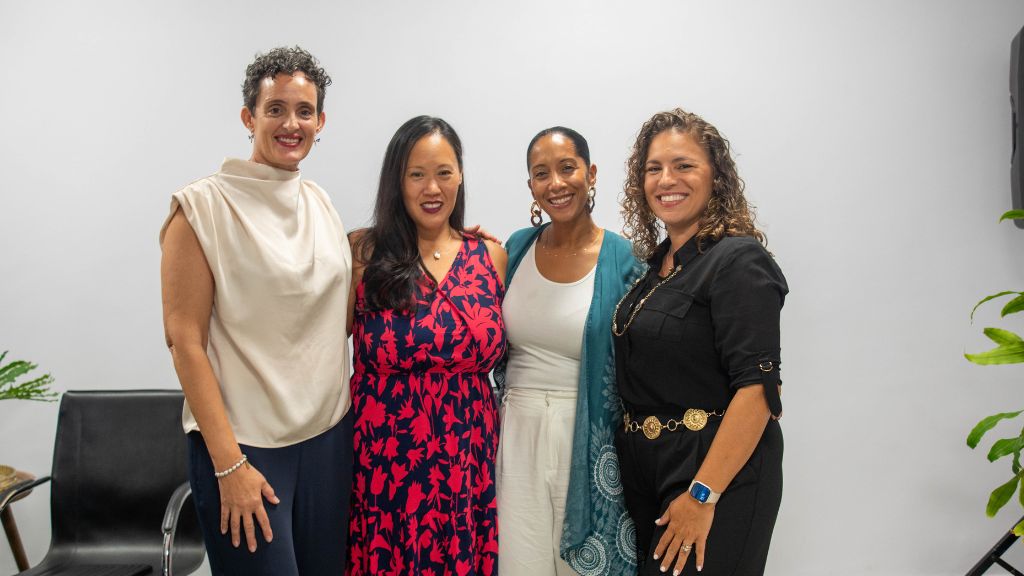
MPower hosts groundbreaking wellness event to empower Jamaican women ahead of World Menopause Day
In anticipation of World Menopause Day on October 18, MPower, a Jamaican women-led advocacy group, is set to host an empowering event titled ‘MPower Yourself.’ Scheduled for Saturday, October 11, at 5:30 PM at the Scotiabank Corporate Learning Centre in Kingston, the evening will focus on education, storytelling, and community connection for women experiencing perimenopause and menopause. The event will feature the screening of the internationally acclaimed documentary *The M Factor*, which delves into the physical, emotional, and professional challenges women face during menopause, including hot flashes, anxiety, weight changes, and workplace stigma. The film includes expert commentary from renowned medical professionals such as Dr. Sharon Malone, Dr. Mary Jane Minkin (Yale), Dr. Wen Shen (Johns Hopkins), and Dr. Stephanie Faubion (Mayo Clinic and The Menopause Society), with a particular focus on the unique experiences of women of colour. Following the screening, attendees will engage in a live Q&A session with a panel of women’s health specialists, including Dr. Kudzai Dombo, Dr. Dainia Baugh, and Dr. Michelle Bailey, who will address culturally relevant insights and critical health issues related to menopause. MPower, co-founded by Sacha Chung, Jodi Mair, and entrepreneurs Elena Diedrick-Lynch and Leisha Wong, aims to reshape the conversation around menopause in the Caribbean, emphasizing education, support, and empowerment. The event is sponsored by companies committed to holistic wellness and women’s empowerment, including Chop’d, WATA, and Pure Country Juices.
-

Smaller Chinese workforce triggers delay concerns for Western Children and Adolescent Hospital
MONTEGO BAY, St James — Dr Christopher Tufton, Jamaica’s Health and Wellness Minister, has expressed growing concerns regarding the downsizing of the Chinese workforce involved in the construction of the Western Children and Adolescent Hospital (WCAH) in St James. The reduction in labor has raised questions about the project’s timely completion, particularly after Chinese workers withdrew their services last month due to unresolved payment issues.