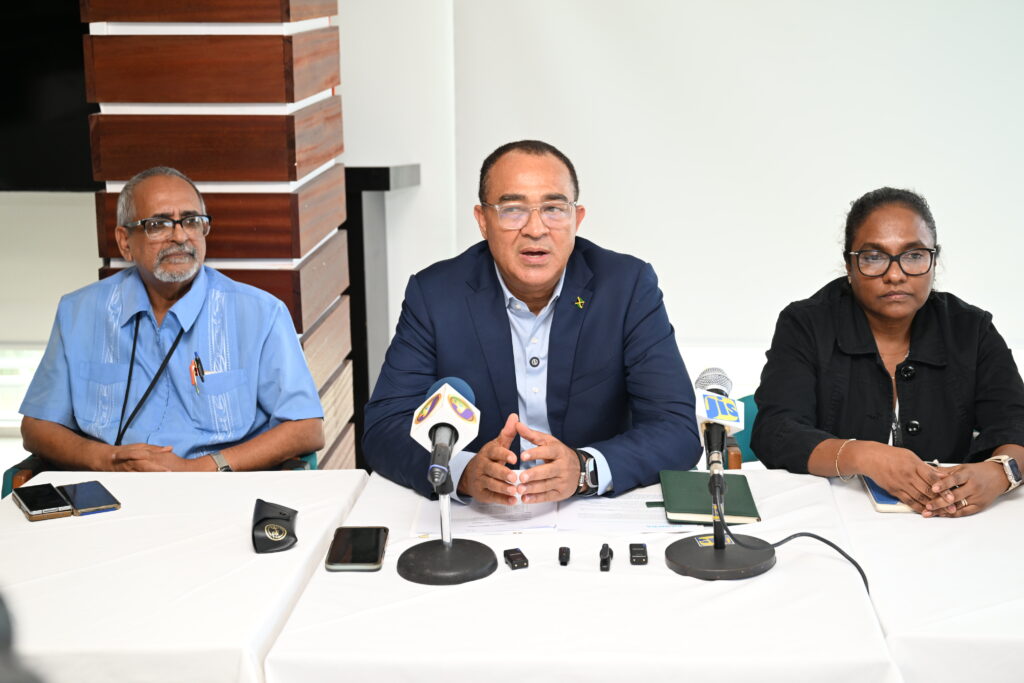
Significant progress has been made in the expansion and modernization of the Savanna-la-Mar Public General Hospital in Westmoreland, Jamaica. During a recent press briefing at the S Hotel in Montego Bay, Dr. Christopher Tufton, Minister of Health and Wellness, provided updates on the project, which aims to enhance healthcare services and alleviate overcrowding. The initiative, now in the procurement phase, focuses on expanding the Accident and Emergency (A&E) Department and upgrading other critical facilities.
分类: health
-
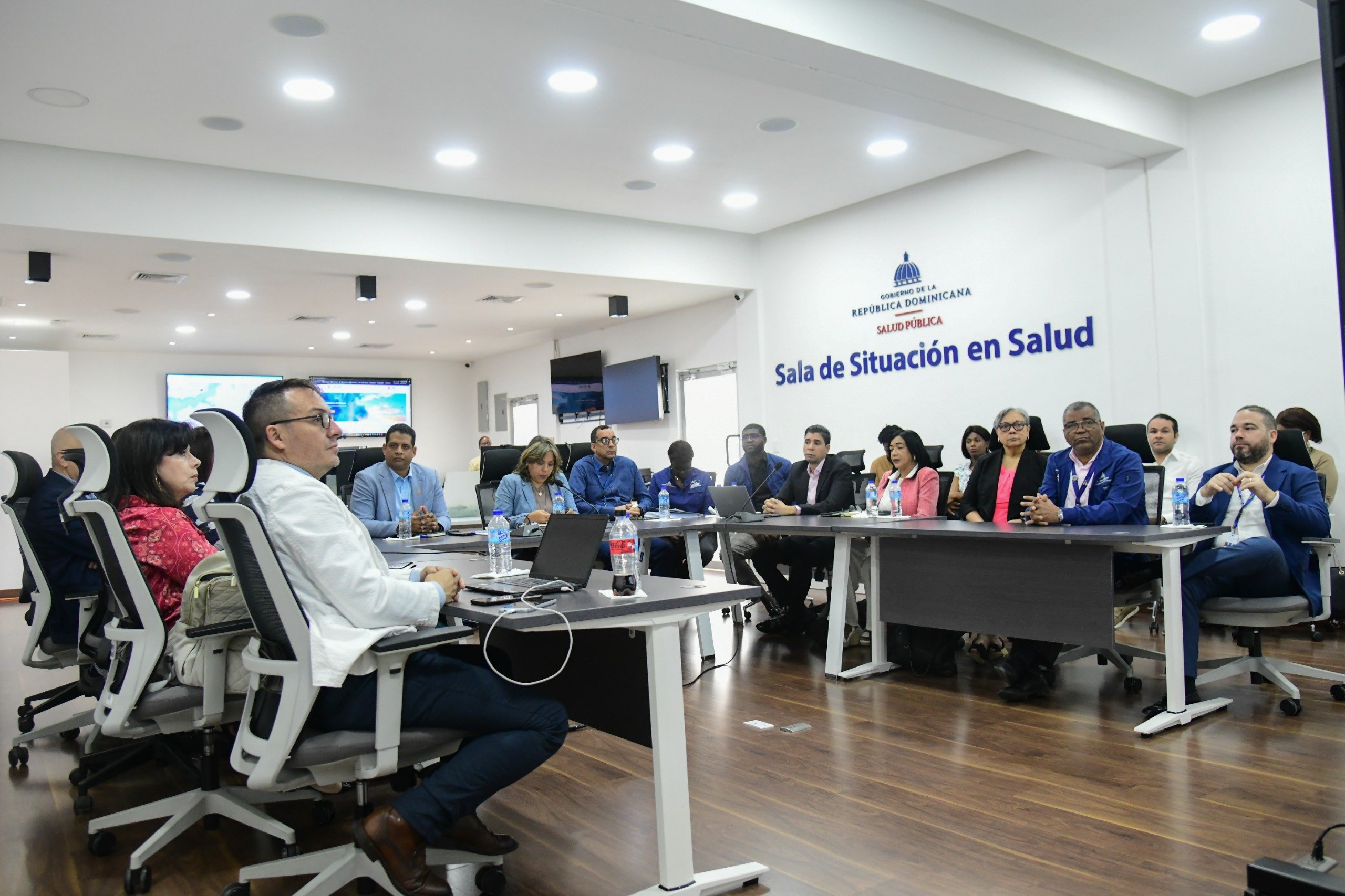
Las Américas Airport advances toward designation as official health entry point
The Dominican Republic’s Ministry of Public Health, in partnership with national and international entities, is making significant strides to designate Las Américas International Airport (AILA–Dr. José Francisco Peña Gómez) as an official Health Point of Entry under the International Health Regulations (IHR-2005). This initiative aims to equip the airport with essential protocols, advanced equipment, and trained personnel to effectively address public health emergencies, including disease outbreaks and other health threats affecting travelers and local residents.
-
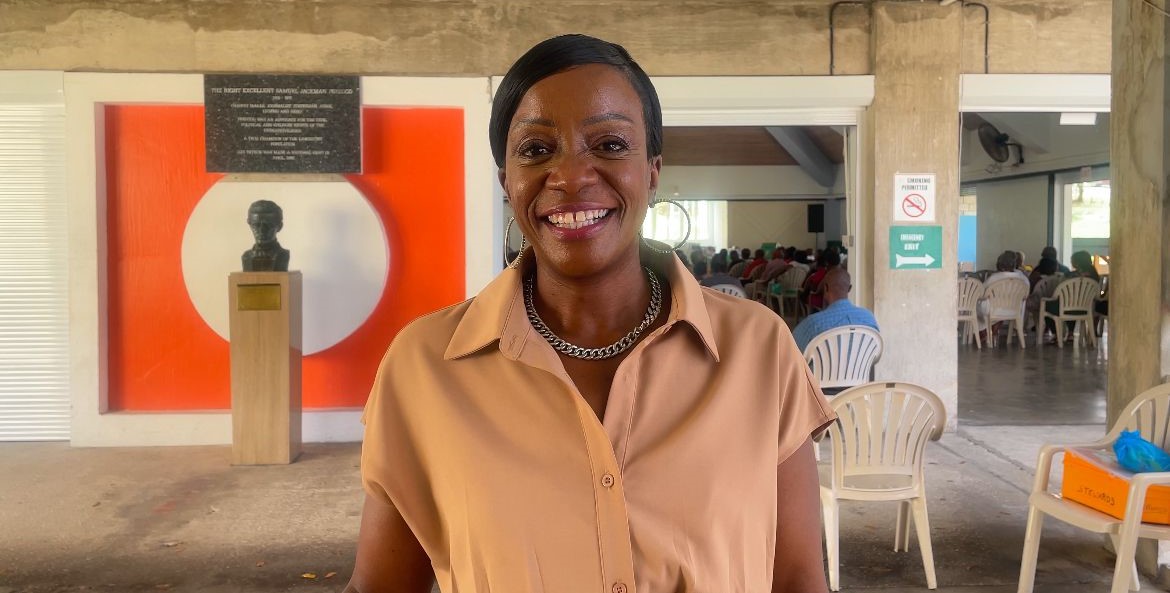
Stigma, responsibilities still deter women seeking substance abuse treatment, says expert
A decade after its establishment, Verdun & Marina House, a Barbados-based treatment facility, is shedding light on the enduring challenges women face in accessing substance abuse treatment. Allison Gotip, Director of Clinical Services, emphasized that societal stigma, childcare obligations, and household responsibilities remain significant barriers preventing women from seeking help. These issues were highlighted during the facility’s 10th-anniversary celebration, held at Trinity Outreach Ministries International in the auditorium of the Samuel Jackman Prescod Institute of Technology.
-

ER Nurse Shenelle Benjamin Honoured with 2025 WOW Factor Health and Wellness Award
Shenelle Benjamin, an Emergency Room Nurse at the Sir Lester Bird Medical Centre (SLBMC), has been awarded the prestigious Health and Wellness Category prize at the 2025 WOW Factor Awards. Recognized for her unwavering dedication, profound compassion, and exceptional commitment to patient care, Benjamin has become a beacon of excellence in Antigua and Barbuda’s healthcare sector. Her ability to thrive in the high-stakes environment of the ER has garnered immense respect from both her colleagues and the patients she serves. The WOW Factor Awards, which honor outstanding professionals across various fields, highlight individuals who demonstrate extraordinary service to their communities. Benjamin’s recognition underscores the critical role healthcare workers play in ensuring the well-being of society. This accolade not only celebrates her personal achievements but also shines a light on the broader contributions of healthcare professionals worldwide.
-
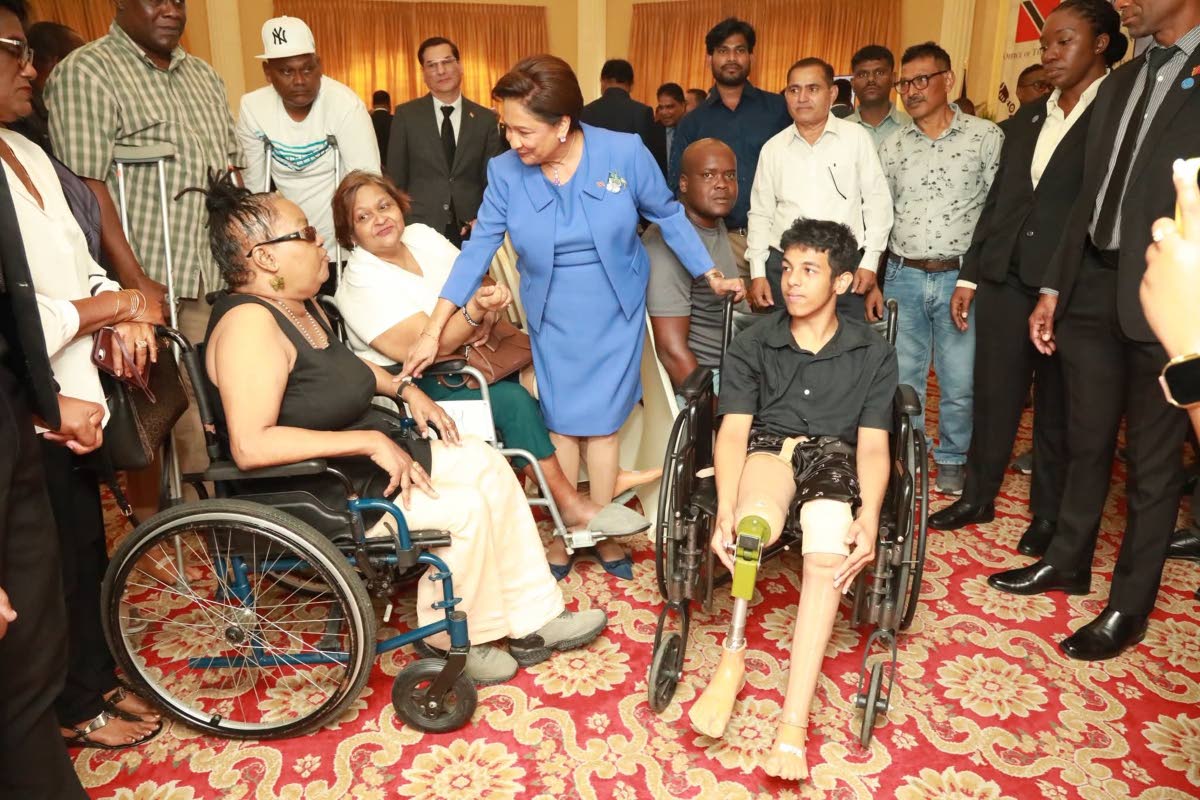
EOC supports Jaipur Foot Centre in Trinidad and Tobago: Walking toward equality
In a landmark move toward social justice and inclusion, Prime Minister Kamla Persad-Bissessar has announced the establishment of a Jaipur Foot Artificial Limb Fitment Centre in Trinidad and Tobago (TT). This initiative, unveiled during a ceremony at the Diplomatic Centre in St. Ann’s on October 3, underscores the government’s commitment to restoring independence and dignity to individuals with disabilities. The Jaipur Foot Organisation, renowned globally for its cost-effective and innovative prosthetic solutions, has already transformed millions of lives worldwide. By bringing this model to TT, the nation takes a significant step toward ensuring free, world-class prosthetic services for its citizens. This project transcends healthcare, embodying a broader vision of equity and social participation. It aligns with the Equal Opportunity Commission’s (EOC) mandate to combat discrimination and promote equal opportunities for all, particularly for those with disabilities, who are protected under the Equal Opportunity Act. The centre will not only provide medical support but also empower individuals to rejoin the workforce, pursue education, and engage fully in their communities. The initiative’s far-reaching benefits include economic empowerment, emotional well-being, and national development, as restored mobility enables individuals to contribute meaningfully to society. The project is a testament to international collaboration, with the TT government partnering with India’s government and the Jaipur Foot Organisation. This partnership emphasizes sustainability through knowledge transfer and local capacity building. The EOC lauds this effort as part of a broader national strategy to foster inclusion, urging employers and educational institutions to embrace accessibility and diversity. The establishment of the Jaipur Foot Centre is a moral and national achievement, reflecting TT’s commitment to treating its most vulnerable members with dignity and respect. It serves as a reminder that investing in people’s potential strengthens the nation’s future. The EOC encourages citizens to celebrate this progress while continuing to address challenges to ensure every individual in TT has the opportunity to thrive.
-
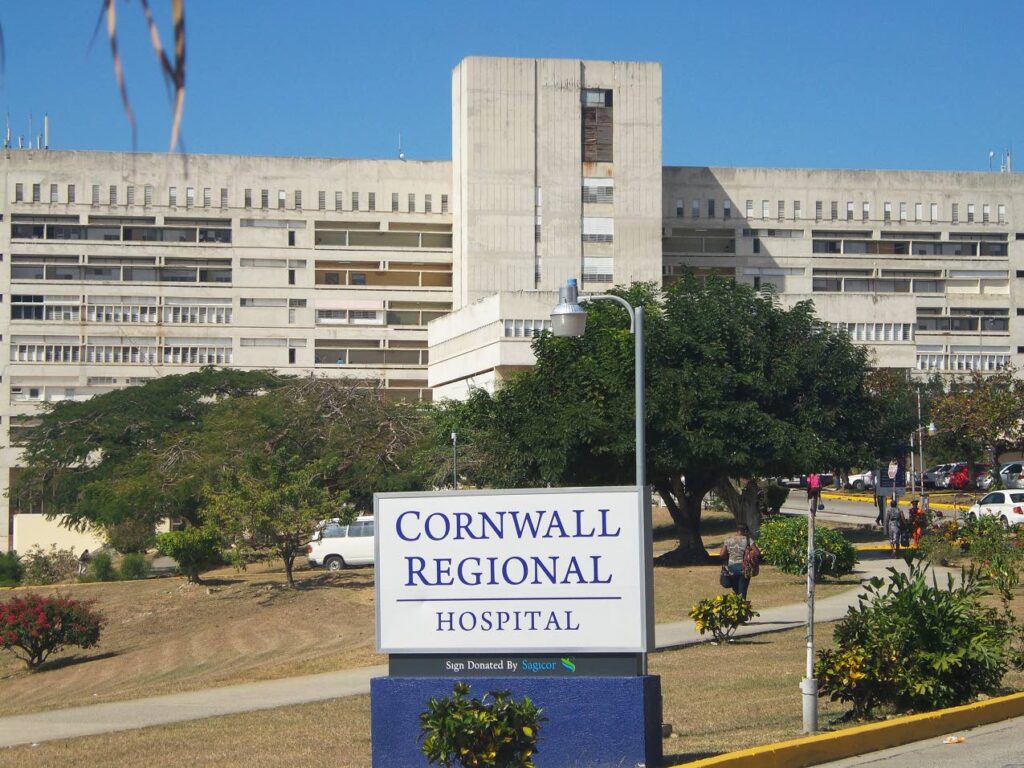
Tufton says CRH rehabilitation must be completed before September 2026
MONTEGO BAY, St James — Dr Christopher Tufton, Jamaica’s Minister of Health and Wellness, has emphasized the urgent need to complete the long-awaited rehabilitation of Cornwall Regional Hospital (CRH) by September 2024. Speaking at a press conference held at S Hotel in Montego Bay on Thursday, Tufton stressed the importance of meeting this deadline, even if it requires intensified efforts from the project team. ‘My position is clear: we must deliver on time. While a slight delay of a month or two might be unavoidable, we cannot afford significant postponements,’ he stated. The minister acknowledged the temptation to extend timelines for perfection but underscored the necessity of accountability among contractors and project leaders to ensure timely and budget-compliant completion. The CRH, a Type A facility, has been undergoing extensive renovations since 2017 due to structural and air quality concerns. Tufton expressed satisfaction with the ongoing work, highlighting progress in critical areas such as the installation of the central air conditioning system, operating theatres, and fire suppression systems. ‘The work is evident when you visit the site. It’s now about accelerating the pace to meet the deadline,’ he remarked. The minister also shifted his focus from providing periodic media updates to achieving the ultimate goal of project completion. ‘I’m no longer interested in showcasing the progress to the media. My priority is to cut the ribbon and open the hospital,’ he concluded.
-
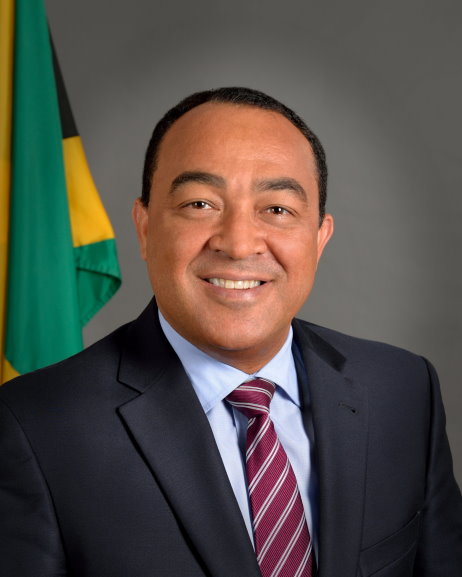
Health ministry to strengthen support for women experiencing menopause
KINGSTON, Jamaica — The Jamaican Ministry of Health and Wellness has unveiled a groundbreaking initiative to enhance support for women navigating perimenopause, menopause, and postmenopause. The program focuses on expanding public education, improving access to healthcare services, and establishing a structured treatment framework at the primary healthcare level. Dr. Christopher Tufton, Minister of Health and Wellness, emphasized the need to address the often-neglected impact of menopause on women’s quality of life. He stated, ‘For too long, menopause has been treated as a taboo subject. We are committed to changing this narrative by ensuring every woman, regardless of location, has access to information, care, and support.’
Data from the Mona Ageing and Wellness Centre at The University of the West Indies (UWI), Mona, reveals that Jamaica is home to approximately 130,000 menopausal women, 76,200 perimenopausal women, and 75,000 postmenopausal women. Menopause, typically occurring between ages 45 and 55, marks the end of menstruation and can result from natural processes or medical interventions such as chemotherapy. Perimenopause, the transitional phase leading to menopause, can span several years and significantly impact physical, emotional, and mental well-being. Globally, women over 50 represented 26% of all women and girls in 2021, up from 22% a decade earlier. Symptoms like hot flashes and night sweats can persist for up to a decade post-menopause.
Dr. Tufton outlined the ministry’s life stage approach, which includes public education campaigns, routine physician examinations, and accessible advice at primary care facilities. He also addressed concerns about the limited availability of medications to alleviate symptoms, assuring that efforts are underway to bridge this gap. ‘We are actively exploring solutions to ensure women have access to necessary medications,’ he affirmed. Additionally, the initiative prioritizes mental health support, encouraging women to utilize counselling services or contact the mental health hotline at 888-NEW-LIFE (888-639-5433).
Dr. Jacquiline Bisasor-McKenzie, Chief Medical Officer, urged women experiencing symptoms such as irregular periods, hot flashes, anxiety, or sleep disturbances to seek assistance at their nearest health center or consult a healthcare provider. This initiative marks a significant step toward empowering Jamaican women through comprehensive care and support during this critical life stage.
-

Breast reconstruction:‘It’s about confidence, not cosmetics’
Breast reconstruction is more than a medical procedure; it is a transformative journey toward restoring normalcy and self-assurance for women who have undergone breast cancer surgery. Dr. Rajen Rampaul, a leading breast oncologist and reconstructive surgeon in Trinidad and Tobago (TT), has been at the forefront of oncoplastic surgery, a specialized field that integrates cancer treatment with reconstructive techniques. This approach not only helps women survive breast cancer but also reclaim their sense of identity and confidence.
Breast reconstruction encompasses a wide range of surgical interventions aimed at restoring the breast’s natural form or appearance. While it is commonly associated with women who have had part or all of a breast removed due to cancer, it also benefits individuals with congenital abnormalities or underdeveloped breasts. Dr. Rampaul emphasized that reconstructive surgery differs fundamentally from cosmetic surgery, as the former focuses on restoring normalcy after injury, disease, or abnormal development, rather than altering what is already normal.
In TT, over 95% of breast reconstruction cases are linked to breast cancer, with the remaining 5% addressing congenital issues. Dr. Rampaul has pioneered various techniques, including oncoplastic surgery, autologous fat grafting, and free flap deep inferior epigastric perforator (DIEP) breast reconstruction. These methods allow for a combined approach that restores both form and function, tailored to the patient’s specific needs.
The timing of reconstruction—whether immediate, delayed, or immediate-delayed—depends on factors such as cancer type, stage, and the need for radiation therapy. Dr. Rampaul highlighted that physical activity levels also influence the choice of reconstruction method. For instance, highly active women may not be ideal candidates for latissimus dorsi flap reconstruction due to potential loss of back strength. Similarly, gym enthusiasts may experience “animation” of implants during chest exercises, prompting surgeons to opt for subcutaneous implant reconstruction using autologous fat grafting.
Recovery times vary, with implant-based reconstruction offering the shortest recovery period and free flap reconstruction requiring the longest. Dr. Rampaul cautioned that while reconstruction can restore physical appearance, it does not restore sensation, and patients must be thoroughly counseled about its limitations.
Beyond the physical, breast reconstruction has profound emotional and psychological benefits. Studies show it significantly aids in recovering from the emotional trauma of breast cancer surgery. However, Dr. Rampaul noted that some patients may still experience regret, underscoring the importance of pre-surgery counseling. Intimacy and self-confidence are critical areas often overlooked in breast cancer literature, with many patients struggling with body image and sexual health post-surgery. Breast reconstruction has been shown to improve these aspects, though breastfeeding may be affected depending on the surgery type.
Dr. Rampaul also addressed the evolving awareness of breast reconstruction in TT. A decade ago, it was often misunderstood as a cosmetic procedure, but today, it is increasingly recognized as an essential part of rehabilitation. Despite cost challenges, the value it adds to a patient’s recovery—both physically and emotionally—is immeasurable. He advised young women considering reconstruction to educate themselves thoroughly, consult qualified surgeons, and understand both the benefits and limitations of the procedure.
Ultimately, breast reconstruction is not about recreating what was lost but about empowering women to regain their confidence and re-enter the world with a renewed sense of normalcy.
-

The emotional journey of men facing breast cancer
When men receive a breast cancer diagnosis, their initial reaction is often disbelief, followed by questions about survival, sexuality, and masculinity. Dr. Nazreen Bhim, a clinical oncologist, highlights that breast cancer in men is frequently misunderstood as a ‘woman’s disease,’ leading to denial, delayed treatment, and heightened stigma. This misconception exacerbates the emotional burden men face, compounding the physical challenges of cancer treatment. Many men struggle with embarrassment, particularly when discussing issues like surgery scars, sexual dysfunction, or body-image changes. Dr. Bhim emphasizes the importance of normalizing language around breast cancer to reduce shame and encourage open dialogue. She advocates for pre-operative counseling, which includes discussing scar patterns, reconstruction options, and tattoo alternatives to help men prepare emotionally and physically. Masculinity and self-image play a significant role in how men process their diagnosis and recovery. Reframing treatment as an active, courageous choice rather than a loss of control can help align care with their sense of self. However, men often underutilize counseling and peer support due to societal conditioning around male strength and emotional restraint. Dr. Bhim recommends gentle but assertive encouragement to increase uptake of these resources. Early psycho-oncology referrals, male-inclusive support groups, and practical checklists for surgery or chemotherapy days can significantly improve coping and recovery. Dr. Bhim also calls for greater visibility and inclusion of men in breast cancer campaigns, urging the medical community and society to feature male survivors in media and expand genetic services to include entire families. Emotional healing, she stresses, is as vital as physical recovery, and men should be encouraged to seek help early through counseling, peer support, or faith-based guidance.
-
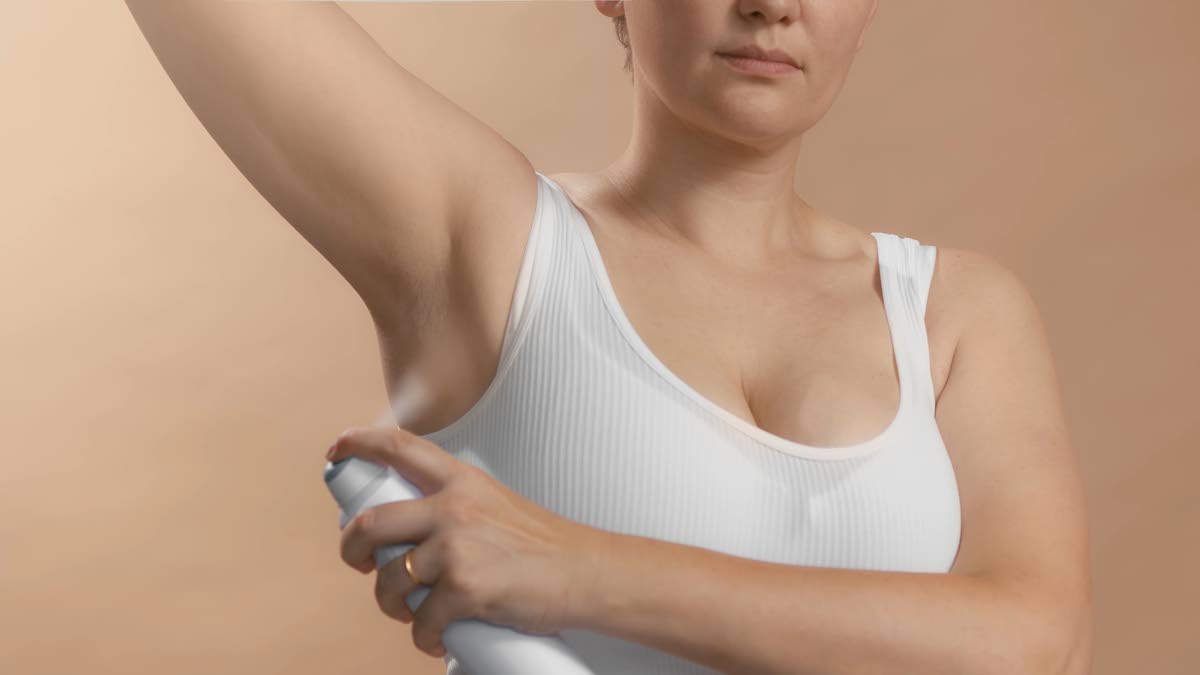
Separating fact from fear: common breast cancer myths
Breast cancer remains one of the most prevalent cancers among women, yet it is often shrouded in myths and misconceptions that can deter individuals from seeking timely care. In an era dominated by digital information, misinformation about breast cancer spreads rapidly through social media, blogs, and casual conversations, often perpetuating unfounded fears and misunderstandings. Dr. Lyronne Olivier, a consultant breast surgeon and associate lecturer at the University of the West Indies, St Augustine, has addressed and debunked several common myths to empower individuals with accurate knowledge and encourage proactive healthcare decisions. One prevalent myth is that breast cancer is solely hereditary. In reality, only 10% of cases are linked to genetic factors, while 90% are sporadic, influenced by environmental and other non-hereditary elements. Another misconception is that breast cancer always presents with pain. However, many cases involve painless lumps, emphasizing the need for clinical evaluation regardless of symptoms. Concerns about mammogram radiation are also unfounded, as the exposure is minimal and significantly outweighed by the benefits of early detection. Additionally, not all breast lumps are cancerous, and lifestyle choices, while beneficial, do not guarantee immunity. Men, though rarely, can also develop breast cancer, and treatment options extend beyond mastectomy, with oncoplastic surgery offering breast preservation. Breast cancer is not a singular disease but comprises various subtypes, each requiring tailored treatment. Mammograms are safe for individuals with breast implants, and products like antiperspirants and underwire bras are not linked to cancer. Finally, eliminating sugar from the diet does not selectively starve cancer cells. Public education and awareness are crucial in combating these myths, fostering early diagnosis, and improving survival rates. Dr. Olivier urges individuals to consult a breast surgeon for any concerns, as early detection remains the cornerstone of effective treatment.