
Basseterre, St. Kitts – In a significant milestone for healthcare modernization, Prime Minister and Minister of Health, Dr. Terrance Drew, announced that the construction of the new Magnetic Resonance Imaging (MRI) facility at the Joseph N. France General Hospital (JNF) is nearing completion. The project, which began in 2024, is part of a broader initiative to enhance diagnostic services across the Federation of St. Kitts and Nevis. During an ambulance commissioning ceremony on October 28, 2025, Dr. Drew revealed that the MRI machine is expected to be operational by the first quarter of 2026. The Prime Minister emphasized that the facility will eliminate the need for many citizens to seek advanced diagnostic services abroad, marking a transformative step in local healthcare accessibility. The MRI building was specifically designed to meet the technical requirements of the equipment, as no existing space in the hospital was suitable. This project is part of a comprehensive healthcare strategy that includes the acquisition of a CT-scan unit and ongoing infrastructure upgrades at JNF. Dr. Drew reaffirmed his government’s commitment to equitable healthcare access, stating, ‘This investment in emergency medical response is a direct expression of our commitment to social justice. Healthcare is not a privilege but a human right.’
分类: health
-

Over 1,600 Emergency Calls Handled in Nine Months: New Ambulances Arrive at a Critical Time, Says CMO
In a significant development for emergency medical services in St. Kitts, Chief Medical Officer Dr. Hazel Laws announced the arrival of five new ambulances at the Joseph N. France General Hospital. This addition comes at a crucial time, as the ambulance service has already responded to 1,628 emergency calls between January and September 2025, averaging 180 requests per month. Dr. Laws highlighted the growing reliance on emergency services, particularly during peak periods such as Christmas and Carnival, which place immense strain on the healthcare system. The new fleet, procured in collaboration with TDC Automotive, is expected to enhance the hospital’s capacity to handle emergencies, including road traffic accidents, natural disasters, and mass casualty events. Dr. Laws emphasized the importance of these vehicles in ensuring swift and reliable care for those in need, underscoring the critical role of emergency responders in safeguarding public health.
-

Cap
Nestled in the historic city of Cap-Haïtien, the Justinien University Hospital (HUJ) has been a beacon of medical excellence and humanitarian service since its establishment in March 1890. This iconic institution, with its distinctive white and turquoise facade, stands as a testament to resilience, innovation, and unwavering dedication to public health. Surrounded by lush greenery and historic architecture, HUJ offers a comprehensive range of services, including maternity care, pediatrics, laboratories, and surgical facilities, all united by a singular mission: to save lives, alleviate suffering, and advance healthcare in northern Haiti. In a bold step toward sustainability, the hospital has embraced modernity by installing solar panels on its roofs, reflecting its commitment to energy autonomy and resource efficiency. The hospital’s diverse team of students, doctors, nurses, and technicians work collaboratively, embodying a shared vocation to serve humanity. From its vantage point, HUJ overlooks the city and the sea, symbolizing a bridge between science and community, care and hope. More than just a healthcare facility, it is a school of life, a sanctuary for the sick, and a guiding light for the people of Haiti.
-
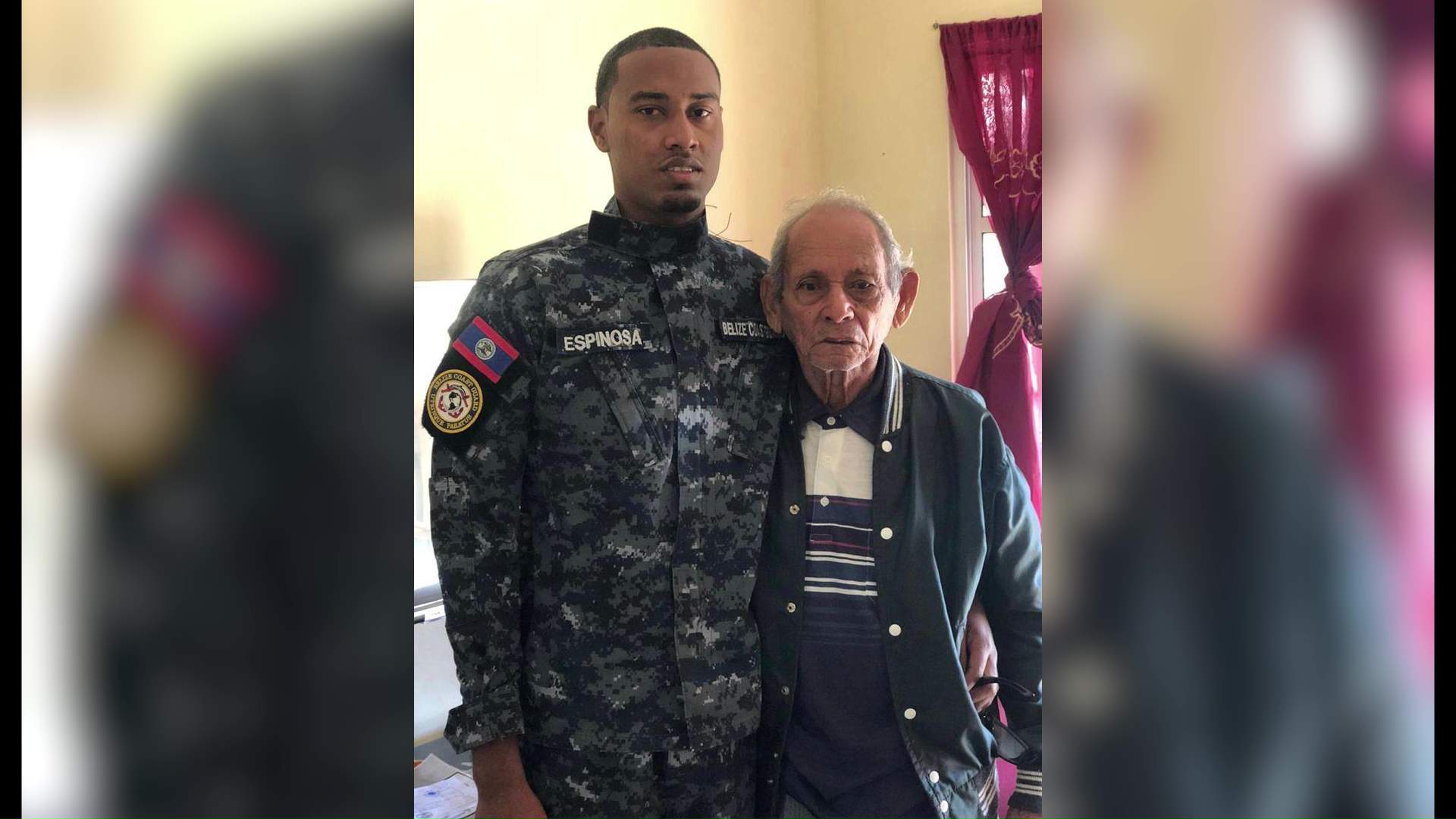
Family Seeks Answers Following Elderly Man’s Death at NRH
A tragic incident at the Northern Regional Hospital (NRH) in Orange Walk has left a family devastated and demanding answers. Eusebio Espinoza Senior, a 92-year-old man, passed away while waiting for medical attention on Saturday afternoon. His son, Eusebio Espinoza Junior, rushed him to the hospital after he began experiencing severe pain. Despite repeated pleas for urgent care, the elderly man reportedly waited for over an hour in the triage area. According to Espinoza Junior, his father’s condition deteriorated rapidly, and by the time medical staff responded, it was too late. Health Minister Kevin Bernard has called for a full investigation into the incident, warning that any medical professional found negligent will face consequences. The grieving son’s account has sparked public outrage and calls for accountability, highlighting systemic issues in emergency healthcare. Espinoza Junior recounted the harrowing experience, stating that despite multiple attempts to seek help, his father was left unattended until he stopped breathing. The incident has raised serious concerns about hospital protocols and patient care standards.
-

Public Health activates cholera prevention protocol amid outbreak in Haiti
Santo Domingo – In response to the recent cholera outbreak in neighboring Haiti, the Dominican Republic has implemented comprehensive prevention and surveillance protocols to safeguard public health. Public Health Minister Víctor Atallah revealed that the government has intensified epidemiological monitoring in border regions, with support from the Ministries of Defense and Immigration. A team of 86 health professionals has been deployed to conduct water quality tests, distribute hygiene kits, and provide educational materials in both Creole and Spanish. Additionally, medications have been prepared for potential suspected cases, though none have been reported so far.
Minister Atallah confirmed that no active cholera cases have been detected within the country. However, the aftermath of Hurricane Melissa, which brought heavy rains and widespread flooding, has prompted health authorities to enhance nationwide surveillance. This effort aims to curb the spread of water- and vector-borne diseases such as diarrhea, hepatitis A, leptospirosis, dengue, and respiratory infections. The Ministry is collaborating with the Emergency Operations Center (COE), INDRHI, and regional water authorities to ensure clean water supply and strengthen chlorination and disinfection systems.
Citizens have been advised to adopt precautionary measures, including avoiding contact with stagnant or contaminated water, boiling water before consumption, covering storage containers, and maintaining proper hygiene. The Ministry is conducting daily monitoring of high-risk provinces and sampling water sources as part of the national health response plan. Atallah emphasized that the government’s primary focus is on protecting lives and preventing disease, underscoring the importance of prevention and public cooperation during the post-hurricane recovery phase.
-

Dominican and Israeli authorities launch joint risk management training in Israel
The Israeli Embassy in the Dominican Republic, in partnership with the Ministry of Public Health and Social Assistance (Mispas), has facilitated the participation of a multidisciplinary Dominican team in the international course “Emergency Situations Management.” This training, scheduled from October 19 to 31, 2025, in Israel, is a joint effort supported by Israel’s Ministry of Foreign Affairs and Mispas’s Department of Risk Management and Environmental Health. The initiative underscores the deepening collaboration between the two nations in emergency healthcare and disaster response. The program offers a comprehensive curriculum on emergency management, encompassing hospital and community response systems, coordination with security forces, and strategies for community resilience. Participants will engage in both theoretical and practical sessions, focusing on mass casualty incidents, hazardous materials management, and hospital organization. Additionally, they will exchange insights with Israeli health authorities, rescue teams, and hospitals to bolster national and international crisis response capabilities. The delegation includes representatives from key Dominican institutions such as Mispas, the National Emergency Operations Center (COE), the Directorate of Emergency and Disaster Assistance (DAEH), the Dominican Red Cross, the National Police Hospital, Plaza de la Salud General Hospital, and the Dominican Air Force. The Israeli Embassy emphasized that this initiative enhances bilateral cooperation in public safety and health preparedness. Mispas further highlighted that the knowledge acquired will be disseminated nationwide to refine hospital response plans, rapid action protocols, and inter-institutional coordination.
-
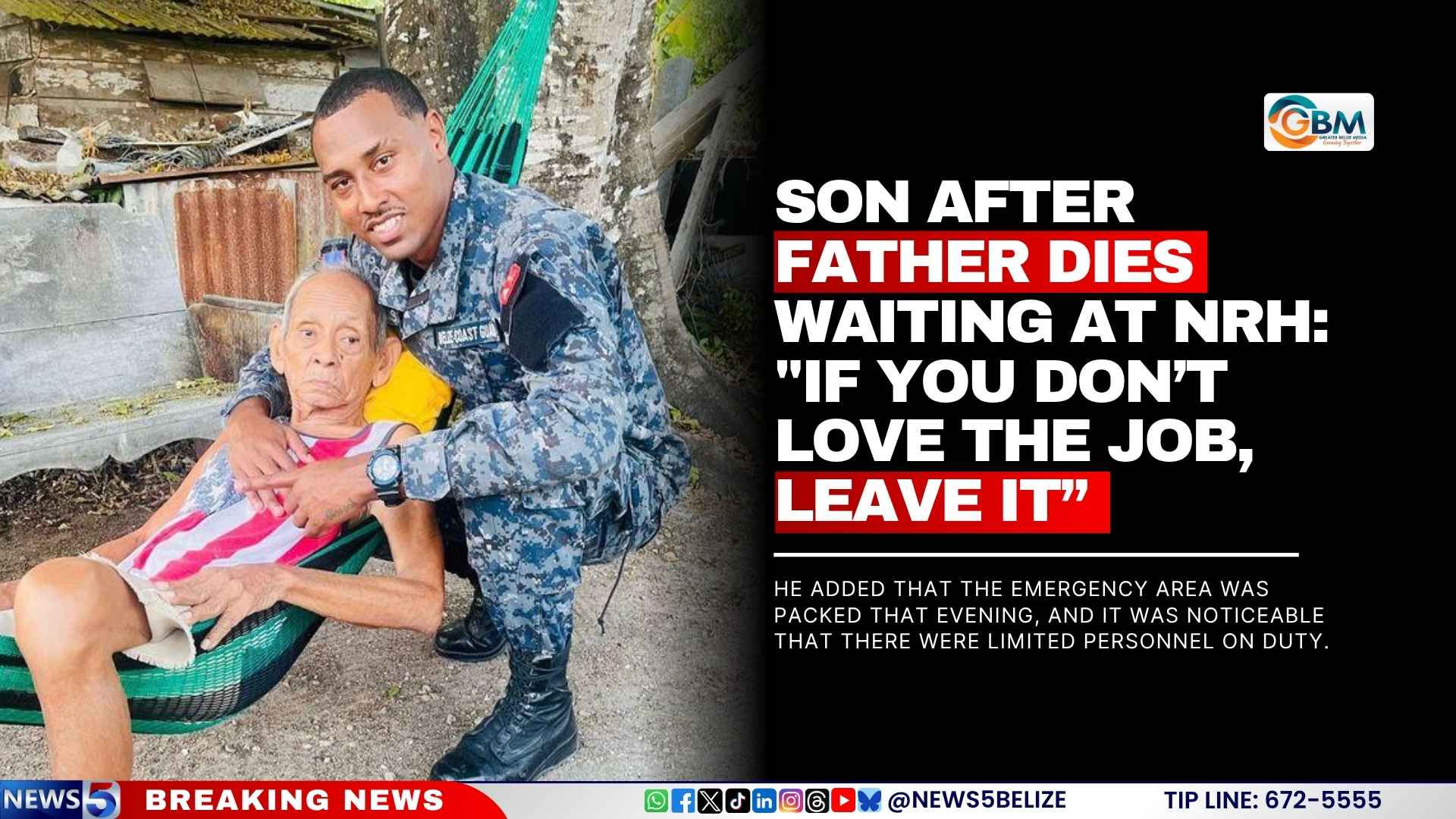
Son After Father Dies Waiting at NRH: “If You Don’t Love the Job, Leave It”
A tragic incident at Belize’s Northern Regional Hospital (NRH) has reignited concerns over the country’s public healthcare system. Eusebio Espinosa Senior, a 92-year-old man, passed away over the weekend while awaiting medical attention. His son, Eusebio Espinosa Junior, recounted the harrowing experience, stating that despite repeated pleas for help, his father was left unattended until it was too late. The elderly man was brought to the hospital on Saturday evening after experiencing severe pain and discomfort. Despite undergoing triage, they were instructed to wait outside as staff attended to other patients. Espinosa Junior claimed that by the time medical personnel responded, his father had already stopped breathing. The emergency area was reportedly overcrowded, with limited staff on duty. Health and Wellness Minister Kevin Bernard has ordered a full investigation into the incident, vowing to hold those responsible accountable if negligence is confirmed. Espinosa Junior expressed skepticism about the investigation’s outcome but emphasized the need for systemic improvements, including increased staffing and better emergency response protocols. He also urged healthcare workers to reconsider their roles if they lack passion for their jobs, stating, ‘If you don’t love what you’re doing, you need to carry on with another occupation.’ The incident has sparked widespread calls for urgent reforms in Belize’s healthcare system to prevent similar tragedies in the future.
-
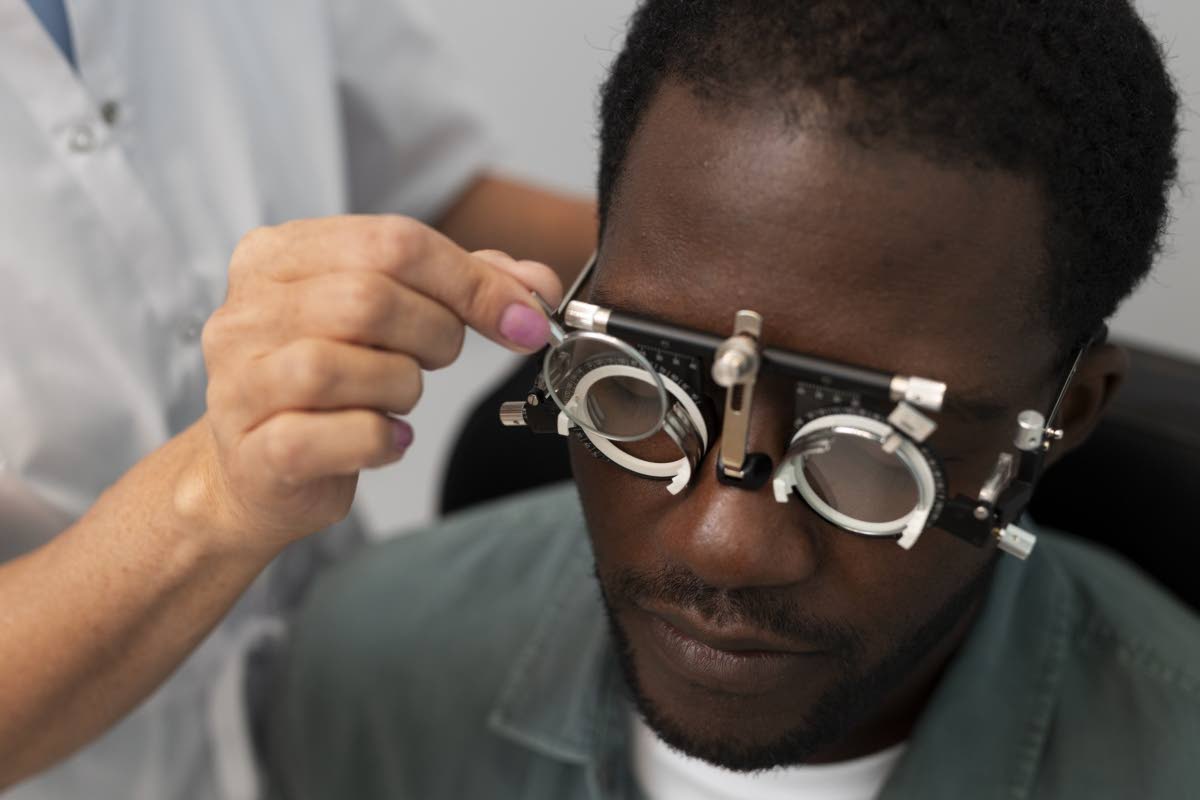
Blindness Awareness Month: Early detection key to saving sight
Every year, millions worldwide lose their vision, not because their conditions were untreatable, but because they were detected too late. The World Health Organization (WHO) reports that at least 2.2 billion people globally suffer from near or distance vision impairment, with one billion of these cases being preventable or yet to be addressed. In observance of Blindness Awareness Month, the Trinidad Eye Hospital is emphasizing the importance of early detection and awareness in preventing vision loss.
Dr. Vachel Luces, a consultant ophthalmologist at the Trinidad Eye Hospital, highlighted that the leading causes of vision loss—refractive errors, cataracts, glaucoma, and diabetic retinopathy—are manageable if detected early. ‘Cataracts cloud the lens, glaucoma damages the optic nerve, and diabetes affects retinal circulation,’ he explained. ‘But early intervention can make all the difference.’
Globally, refractive errors and cataracts are the primary causes of vision impairment. However, WHO estimates that only 36% of those with refractive errors and 17% with cataracts have received appropriate treatment. The financial burden of vision impairment is staggering, with $411 billion lost annually in productivity.
Dr. Luces stressed that limited public understanding remains a significant barrier to eye health. ‘Most people only have a surface-level understanding of conditions like cataracts or glaucoma,’ he said. ‘This lack of awareness is why we focus so heavily on community education and free screenings.’
Josiah Ambris, an optometrist at the hospital, noted that many patients only seek help when their vision has already deteriorated. ‘Conditions like glaucoma develop silently, while diabetic eye disease may show early signs like floaters,’ he said. ‘Comprehensive eye tests are often the only way to detect these issues before permanent damage occurs.’
While some vision loss can be reversed—cataracts through surgery and refractive errors with corrective lenses—glaucoma causes irreversible damage. ‘Glaucoma is called the ‘silent thief of sight’ because it affects peripheral vision first, and by the time it’s noticed, the damage is permanent,’ Dr. Luces warned.
Children are also at risk, with some born with cataracts or glaucoma or developing them after injuries or other medical conditions. ‘Annual eye exams are essential for children, not just when they need glasses,’ Dr. Luces emphasized.
Good nutrition, including foods rich in antioxidants, omega-3 fatty acids, and vitamins A, C, and E, can support eye health. However, Dr. Luces cautioned against relying solely on diet. ‘Some eye diseases have contributing factors that only medical exams can detect,’ he said.
Both experts agreed that sudden floaters or flashes of light should not be ignored, as they could signal serious conditions like retinal tears. ‘Floaters are a symptom you don’t wait on,’ Dr. Luces stressed.
Lee Ann Lazarus, the hospital’s eye screening manager, emphasized the importance of regular screenings. ‘Screenings are quick, painless, and can save your sight,’ she said. Throughout October, the Trinidad Eye Hospital hosted free community and school screenings, urging everyone to prioritize their vision health.
-

#EyeOnMelissa: Be careful as crocodiles may be displaced, SERHA warns
The South East Regional Health Authority (SERHA) in Jamaica has issued a critical alert to residents of Kingston, St Andrew, St Catherine, and St Thomas, urging heightened vigilance as torrential rains and severe flooding linked to Hurricane Melissa have displaced crocodiles from their natural habitats. Rising water levels in rivers, gullies, and swamps are forcing these reptiles to seek dry ground, potentially bringing them into residential neighborhoods. SERHA has advised the public to avoid wading or playing in flooded areas, gullies, or rivers, and to keep children and pets away from floodwaters or locations where crocodiles have been spotted. The authority has also emphasized that individuals should not attempt to capture or harm any displaced crocodiles. Instead, sightings should be reported immediately to the National Environment and Planning Agency (NEPA) at (876) 754-7540. Additionally, residents are encouraged to clear debris from yards and drains to prevent stagnant water accumulation. SERHA has confirmed that hospitals are on high alert to provide emergency medical assistance, while all health centers remain closed until further notice.
-

Regional stakeholders convene to strengthen cancer policy response
On Wednesday, 8 October, healthcare professionals, policymakers, and regional experts convened for a pivotal Scoping Meeting on Cancer Policy for the Caribbean. Organized by the Caribbean Cancer Portal (CCP) in partnership with governmental and non-governmental organizations across the Organisation of Eastern Caribbean States (OECS), the event marked a significant stride toward a unified regional strategy for cancer prevention and control. Attendees included representatives from private health sectors, ministries of health, civil society organizations, academic institutions, and health authorities, all focused on evaluating current policies and identifying actionable priorities. Cancer remains a leading cause of death in the Caribbean, with escalating incidence and mortality rates attributed to preventable factors such as tobacco use, unhealthy diets, alcohol consumption, physical inactivity, and environmental hazards. While advancements have been made in screening and palliative care, critical gaps persist in policy implementation, treatment accessibility, and data-driven decision-making. Key discussions highlighted the necessity for robust national cancer control plans aligned with global frameworks, improved access to affordable diagnostics and treatments, increased investment in cancer surveillance and research, and enhanced collaboration among governments, private healthcare providers, and development partners. Dr. Lindonne Telesford, Associate Professor at St. George’s University and Co-Founder of the Caribbean Cancer Portal, emphasized the meeting’s importance as a foundational step toward a comprehensive Caribbean Cancer Policy Framework. Dr. Horace Cox, Director of Surveillance, Disease Prevention and Control at the Caribbean Public Health Agency (CARPHA), underscored the urgency of regional cooperation, stating, “Cancer is the leading cause of death in the Caribbean and has a major impact on health and development. Strategic and intentional action is imperative.” Dr. Taraleen Malcolm, Advisor for Noncommunicable Diseases and Mental Health at the Pan American Health Organization (PAHO), echoed this sentiment, expressing gratitude for the collective dedication to advancing cancer prevention and control. The meeting’s outcomes will shape the development of a Caribbean Cancer Policy Roadmap, guiding future initiatives, advocacy efforts, and partnerships to reduce cancer-related morbidity and mortality in the region.