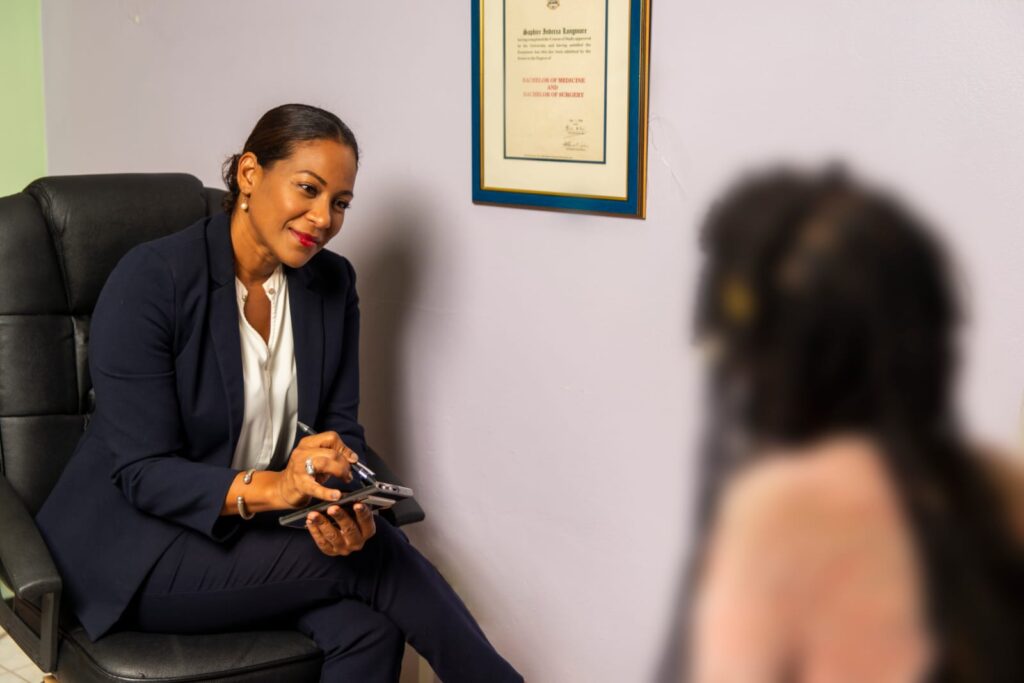
The aftermath of Hurricane Melissa, which struck southwestern Jamaica on October 28 with devastating 185 mph winds and torrential rainfall, has left a lasting impact on the mental health of children in the region. Among the most affected is Mae Allen’s two-year-old grandson, who now cries at the mere sound of raindrops, a stark reminder of the traumatic evacuation his family endured during the storm. This fear is just one example of the psychological scars left by the Category 5 hurricane, which claimed over 40 lives and left hundreds homeless.
分类: health
-

Guyana learning from Suriname how to eliminate malaria
In a significant step towards malaria eradication, a high-level delegation from Guyana, led by PAHO Director Dr. Kim Dickson and representatives from the Guyana Malaria Program, embarked on a knowledge-sharing mission to Suriname from November 19 to 21, 2025. The visit aimed to exchange strategies and lessons from Suriname’s successful elimination of malaria, which earned the country a malaria-free certification from the World Health Organization (WHO) on June 30, 2025—a first for the Amazon region. Suriname’s Communications Service highlighted the mission’s dual focus: supporting Guyana’s progress towards malaria elimination and preventing the reintroduction of the disease in Suriname. During the meeting, Suriname’s Health Minister, Misiekaba, emphasized the importance of regional collaboration, noting that Suriname’s achievement would be unsustainable without joint efforts across the Guiana Shield and Amazon region. He also pointed out the challenge of preventing malaria reintroduction due to cross-border population movements, while praising Guyana’s significant reduction in malaria cases since the previous year. The delegation engaged in a series of activities, including technical meetings with Suriname’s National Malaria Program and the Malaria Elimination Task Force, visits to malaria clinics in Paramaribo and near the Afobaka Dam, and a scheduled stop at a Medical Mission clinic to observe community-based prevention and treatment practices. Dr. Yafflo Ouattara, PAHO Director in Suriname, underscored the necessity of regional cooperation, stating that the exchange of knowledge and strategies would be crucial for maintaining Suriname’s malaria-free status and accelerating Guyana’s progress. This collaboration marks a pivotal moment in the fight against malaria in the Amazon region, with both nations committed to achieving a malaria-free future.
-
Dominican Republic faces rising diabetes rates
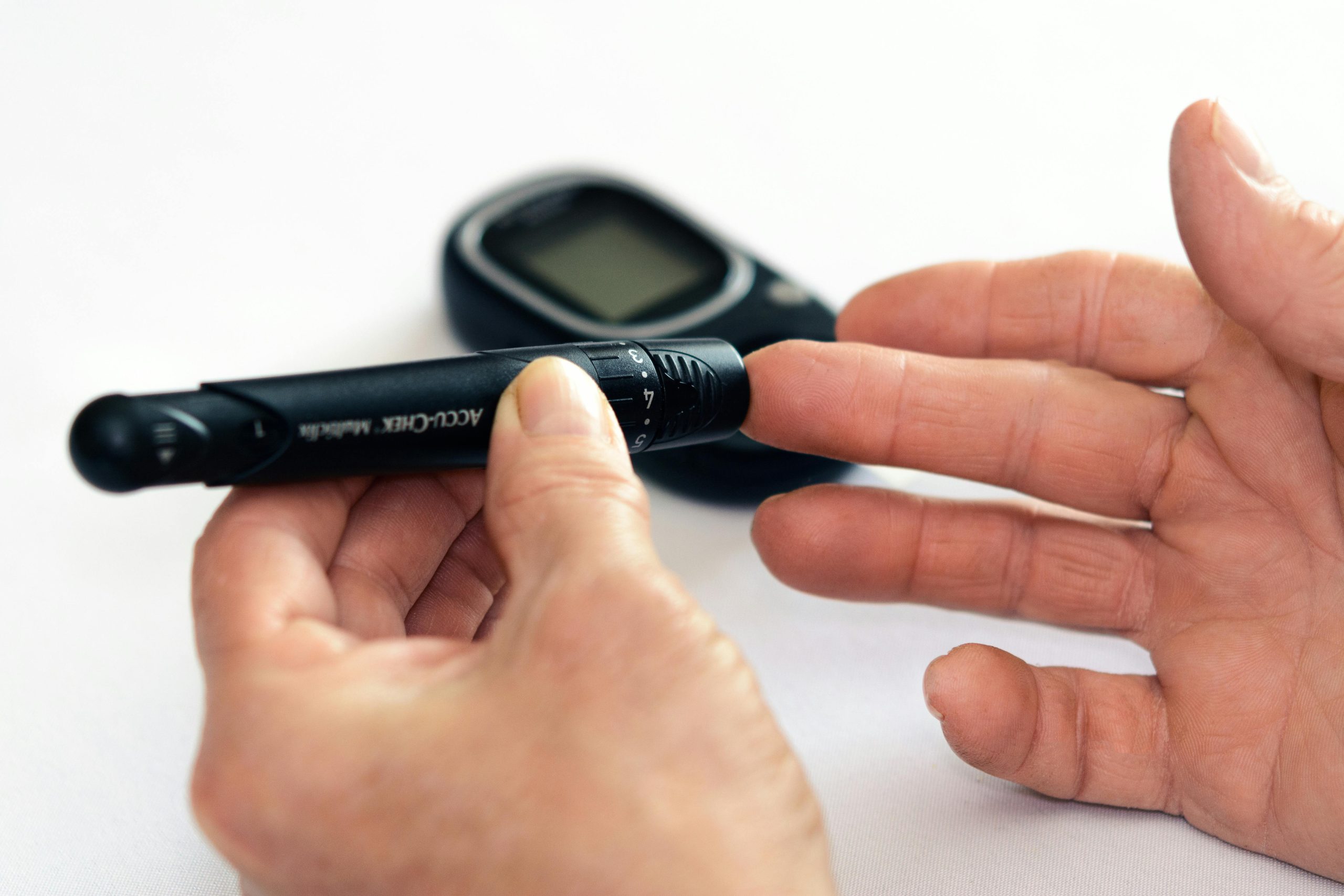
The Dominican Republic is grappling with a mounting diabetes crisis, as highlighted by the National Institute of Diabetes, Endocrinology and Nutrition (INDEN). Recent data reveals that 13.45% of the population is living with diabetes, while an alarming 2.35% remain undiagnosed, leaving them vulnerable to severe health complications. Broader health estimates indicate that 14% of Dominicans have diabetes, and an additional 9.3% are in a prediabetic state, signaling a pressing public health challenge that is overwhelming the nation’s healthcare infrastructure. INDEN has underscored the critical risks associated with undiagnosed diabetes, including heightened chances of cardiovascular disease, kidney failure, and vision impairment due to delayed treatment. The institution has issued a public appeal for regular health screenings, the adoption of healthier lifestyles, and enhanced early-detection initiatives to curb the escalating impact of this chronic condition on the population.
-

Boledo Millions to Fund National Health Insurance
The Briceño administration has unveiled an ambitious plan to leverage Boledo lottery profits to bolster Belize’s healthcare system. Prime Minister John Briceño announced that earnings from Boledo sales are projected to exceed $20 million this year, with the funds earmarked for the rollout of National Health Insurance (NHI) nationwide. This initiative aims to provide comprehensive health coverage to citizens, addressing long-standing gaps in the healthcare infrastructure. Narda Garcia, CEO of the Ministry of Investment, emphasized the need for NHI to operate as an autonomous body, enabling direct funding from the Belize Government Lotteries Limited (BGLL). Currently, Boledo profits are channeled through the government before reaching NHI, which operates under the Social Security Board. Garcia anticipates that legislative changes in December or January will formalize NHI’s autonomy, streamlining the financial process. The Prime Minister highlighted the success of the Boledo initiative, noting that the first year of operations (April 2024 to March 2025) generated $16.7 million, surpassing expectations. This innovative funding strategy underscores the government’s commitment to improving healthcare accessibility and quality for all Belizeans.
-

St Jude Hospital begins Phase 1 commissioning after handover
The St. Jude Hospital (SJH) project has reached a significant milestone with the official handover of the completed hospital buildings from contractor Rayneau Gajadhar to the Ministry of Health and the Government of Saint Lucia. The ceremony, held on November 16, marked the beginning of the hospital’s commissioning process rather than its opening. This phase involves preparing the facility for safe and effective operation, including the installation and testing of medical equipment, staff training, and the transition of administrative services. According to Communications Specialist Jade Brown, the hospital is currently in phase one of commissioning, which includes relocating administrative and support services to the new Augier site. The finance department has already begun operations at the permanent location, with other departments such as the kitchen, laundry, and physiotherapy scheduled to follow. Physiotherapy services, temporarily suspended during the move, will resume on November 24 at the new site. Brown highlighted that the delayed arrival of medical equipment, partly due to Hurricane Melissa, has slowed the transition of clinical departments. Three containers of equipment have arrived, with more expected. Brown clarified that the contractor’s continued presence is essential for equipment installation, staff training, and ensuring a smooth transition. She emphasized that patient relocation will only occur once all systems are fully operational and staff are adequately trained. The commissioning team, comprising medical professionals, technocrats, and contractor representatives, continues to assess the hospital’s readiness and plan the next steps in the transition process.
-
Six dead as Jamaica experiences outbreak of leptospirosis – Tufton
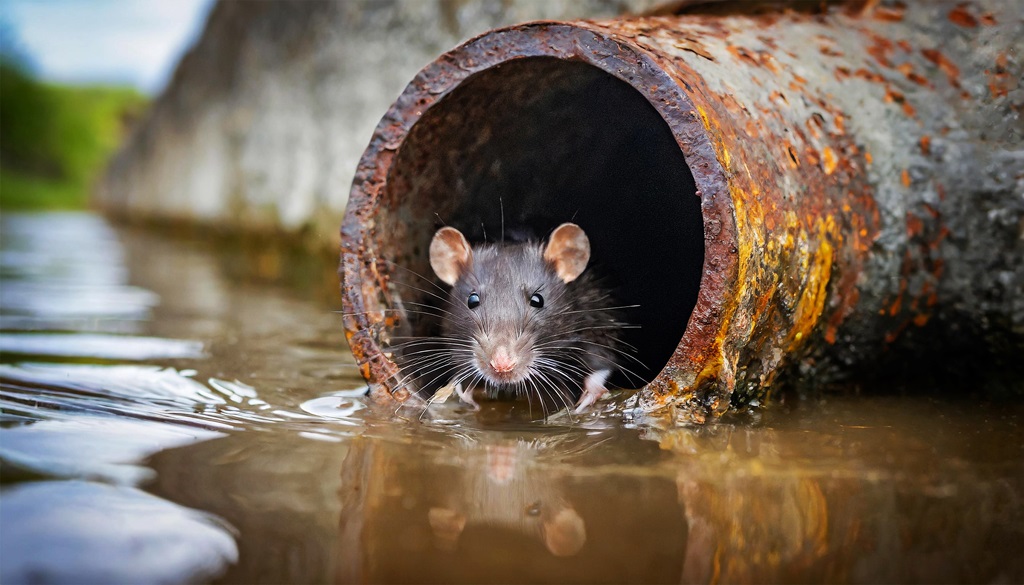
Jamaica is currently grappling with a leptospirosis outbreak, with nine confirmed cases and 28 suspected or probable cases reported as of October 30. Tragically, six deaths have been linked to the suspected cases. The outbreak was disclosed by Dr. Christopher Tufton, Minister of Health and Wellness, during a press briefing on Friday. He emphasized that the cases span across eight parishes, marking a significant surge compared to the two to 21 cases recorded over the previous 34 months. The outbreak is attributed to the aftermath of Hurricane Melissa, which has heightened the risk of exposure to contaminated water and soil. Leptospirosis, caused by bacteria thriving in water tainted by the urine of infected animals—particularly rats, but also cats, dogs, and livestock—poses a severe public health risk following heavy rainfall or flooding. Dr. Tufton urged individuals, especially those involved in post-hurricane cleanup efforts, to exercise extreme caution by wearing appropriate protective gear to mitigate the risk of infection.
-
Antigua and Barbuda to Roll Out National Health Insurance in 2026
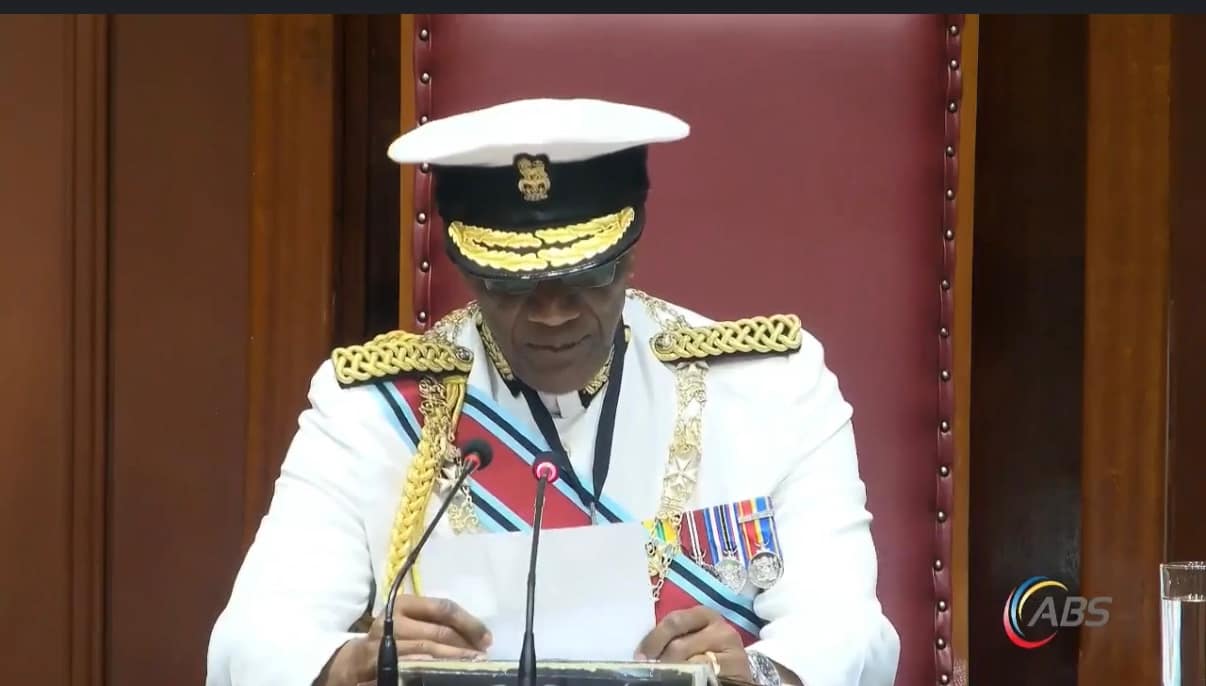
Antigua and Barbuda is set to implement a National Health Insurance (NHI) system in 2026, marking a significant shift from the 46-year-old Medical Benefits Scheme (MBS). The new system aims to provide broader coverage, enhance protection for vulnerable populations, and ensure portability across CARICOM member states. Governor General Sir Rodney Williams announced the initiative during the Throne Speech at the opening of Parliament, emphasizing the government’s commitment to modernizing healthcare in response to evolving national needs. The NHI will expand the range of covered diseases, address the growing burden of non-communicable diseases (NCDs) like diabetes and hypertension, and ensure equitable access to care for all citizens, particularly the elderly and those with chronic illnesses. The transition aligns with ongoing upgrades to health infrastructure, including a new mental health facility in Seaview Farm and a state-of-the-art dialysis center at the old Holberton site, which will also support kidney transplants. Sir Rodney also highlighted the government’s focus on promoting healthier lifestyles to combat rising NCD rates. As the 2026 rollout approaches, details on contribution rates and benefits are expected to be unveiled, positioning the NHI as a cornerstone of universal healthcare access in Antigua and Barbuda’s next phase of development.
-

Health & Wellness Fair highlights urgent need for more open conversations about prostate cancer among men
The Bureau of Gender Affairs and the Ministry of People Empowerment and Elder Affairs marked this year’s International Men’s Day with a Health and Wellness Fair, focusing on a pressing yet often overlooked issue in Barbados: the importance of open dialogue about prostate cancer. Held at the Warrens Office Complex’s northern car park, the event attracted a record turnout, with men from across the island availing themselves of free health screenings. Despite the growing participation, health officials emphasized that prostate cancer remains a sensitive topic, underscoring the need for broader national discourse.
At the Barbados Cancer Society tent, Registered Nurse Sarah Stennett highlighted the challenges of early detection due to men’s reluctance to discuss the disease. “Prostate cancer is the most prevalent cancer in Barbados, particularly aggressive among Black men,” she explained. “Screening, which involves a simple annual blood test starting at age 40, is crucial, but conversations remain limited. Men are more open to discussing it if they have a family history of the disease.”
Despite the silence, progress was evident, with over 90 men undergoing PSA blood tests, nearing the day’s target of 100. “The conversations are happening, albeit slowly,” Stennett noted. “We need these discussions to permeate communities nationwide.”
William Warner, Director of the Bureau of Gender Affairs, reported a steady increase in participation, with 90 screenings conducted this year compared to 60 last year. He attributed this growth to the Bureau’s strategy of bringing healthcare services directly to men, addressing their historical reluctance to seek formal medical care. “Men don’t typically access healthcare, so we’re meeting them where they are,” Warner explained.
Event coordinator Natalie Nichols, a Research Officer at the Bureau, observed that the surge in attendance reflects men’s preference for community-based, outdoor health initiatives over clinical settings. “This year, we offered 100 free prostate screenings, and the response has been overwhelming,” she said. Nichols added that the fair’s annual growth, with more partners and participants, signals a shift in attitudes toward once-taboo health issues.
One attendee encouraged others to overcome their hesitation. “Get over the shyness,” he urged. “Many of us are here doing the same thing. Talk about it. Get tested.”
The fair featured a diverse range of health and wellness providers, including the National HIV/AIDS Commission, the Caribbean Colon Cancer Initiative, and the Diabetes and Hypertension Association. Additional services, such as nutrition guidance, massages, and grooming, were offered by partners like the National Nutrition Centre and Nikita School of Cosmetology, ensuring the event was inclusive and accessible.
Warner emphasized the importance of persistence in driving change. “It’s a gradual process, but consistent messaging will encourage more men to get tested and know their status,” he said. “Over time, we believe the message will resonate.”
-
Progress Update on the New Sickle Cell Unit
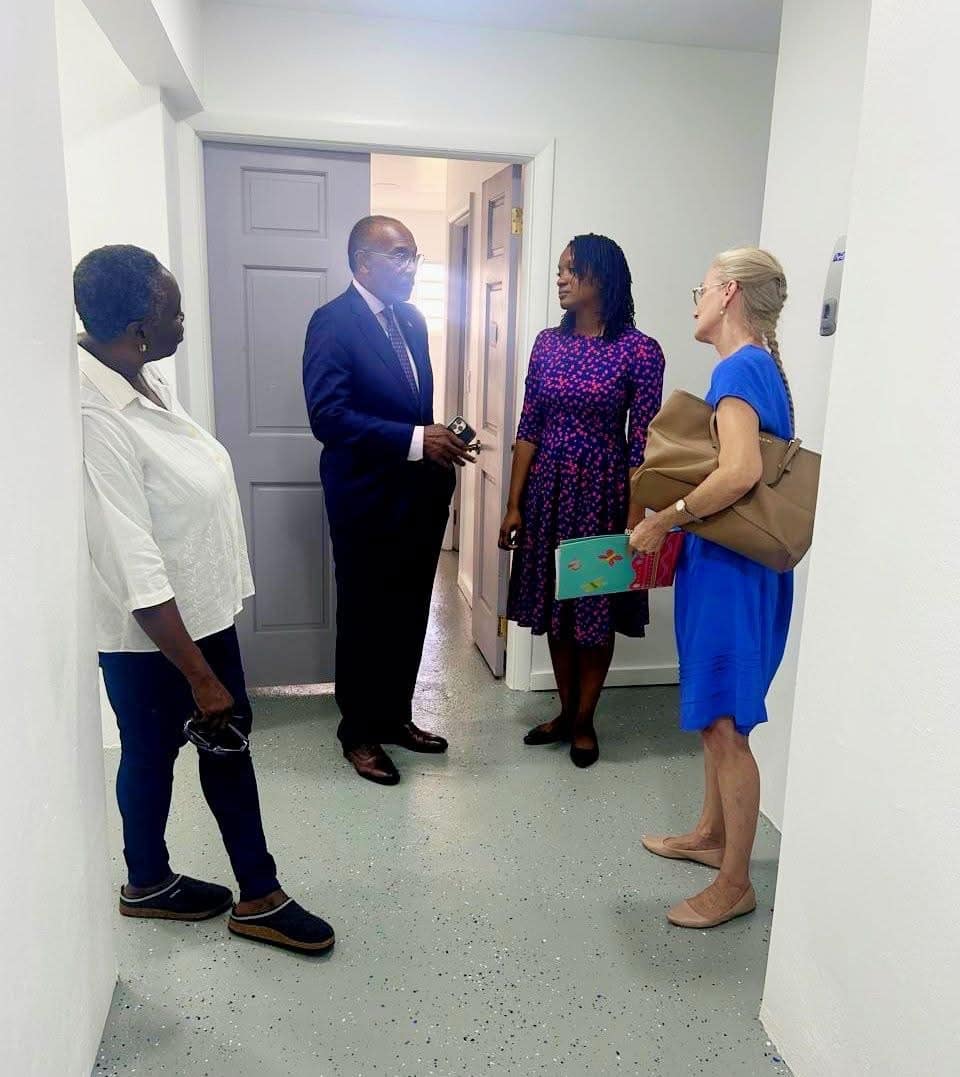
The Ministry of Health, Wellness, Environment, and Civil Service Affairs has announced notable advancements in the establishment of the new Sickle Cell Unit. A recent site inspection was led by Minister Sir Molwyn Joseph, accompanied by Dr. Shivon Belle-Jarvis, Director of the Sir Lester Bird Medical Centre, Dr. Edda Hadeed, Head of the Sickle Cell Association, and other key officials. The delegation observed that the infrastructure is nearly complete, with primary preparatory tasks approaching finalization. The facility has been thoroughly cleaned, rooms freshly painted, and beds installed, resulting in a functional five-bed unit at this stage. The Sickle Cell Unit aims to offer comprehensive support for individuals with sickle cell disease, including acute clinical care, patient education, and family counseling services. During the visit, officials discussed the remaining steps needed for the unit’s operational launch, such as finalizing essential equipment, completing staffing arrangements, and conducting specialized training to ensure the clinical team is fully prepared to deliver high-quality care. The Ministry remains on schedule to hand over the unit by the end of the year, with ongoing preparations to ensure staff are equipped to provide optimal and holistic care to sickle cell patients. Minister Joseph emphasized the importance of keeping the public informed and reiterated the Ministry’s dedication to enhancing care for those affected by chronic and inherited blood disorders.
-
Working from all areas to address the country’s epidemiological situation
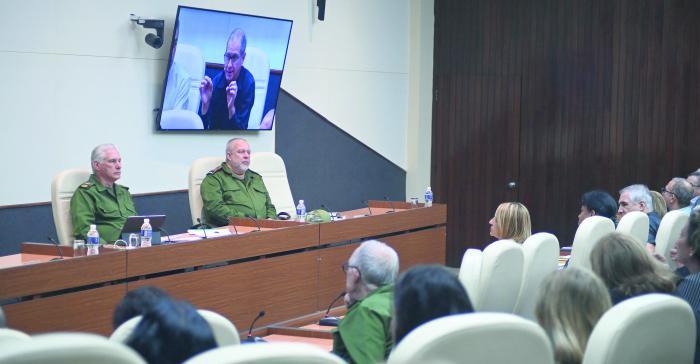
In response to the escalating arbovirus epidemic in Cuba, marked by the simultaneous circulation of chikungunya and dengue viruses, President Miguel Díaz-Canel Bermúdez convened a critical meeting with health experts, scientists, and researchers. The session focused on strategies to reduce mosquito infestation rates, enhance treatment protocols, and mitigate the impact of these diseases on the population. Lorena Vázquez Bello, first deputy director of the Pedro Kourí Institute of Tropical Medicine (IPK), emphasized the importance of understanding chikungunya’s clinical manifestations, which differ significantly from other diseases. She highlighted symptoms such as abrupt high fever, severe arthralgia, and arthritis, which often require hospitalization. Preliminary studies of 32 patients at IPK revealed complications including dehydration, acute confusion in the elderly, and neurological issues. To address these challenges, the Ministry of Public Health (Minsap) has approved 26 studies aimed at developing new products and refining treatment protocols. Ileana Morales Suárez, Minsap’s director of Science and Technological Innovation, noted that ongoing research focuses on chronic joint discomfort post-infection, with targeted health interventions planned for vulnerable groups, particularly the elderly. Additionally, efforts are underway to develop diagnostic tests and repurpose existing products like Jusvinza for chikungunya treatment. The meeting also addressed logistical measures, including the repair of fumigation equipment and the production of repellents. These comprehensive actions underscore Cuba’s commitment to leveraging science, medical care, and industry to counteract the current epidemiological crisis and strengthen arbovirus prevention and treatment.