分类: health

  • Health ministry to strengthen support for women experiencing menopause

    Health ministry to strengthen support for women experiencing menopause

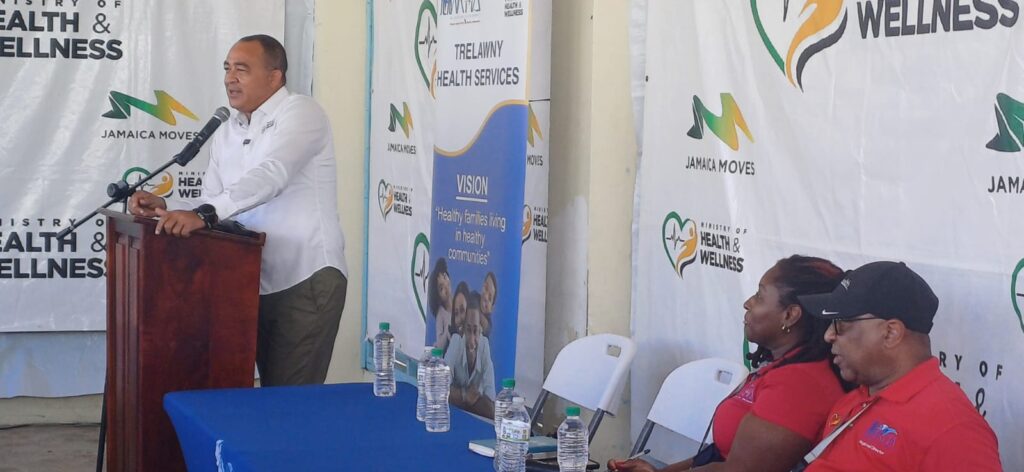
    KINGSTON, Jamaica — The Jamaican Ministry of Health and Wellness has unveiled a groundbreaking initiative to enhance support for women navigating perimenopause, menopause, and postmenopause. The program focuses on expanding public education, improving access to healthcare services, and establishing a structured treatment framework at the primary healthcare level. Dr. Christopher Tufton, Minister of Health and Wellness, emphasized the need to address the often-neglected impact of menopause on women’s quality of life. He stated, ‘For too long, menopause has been treated as a taboo subject. We are committed to changing this narrative by ensuring every woman, regardless of location, has access to information, care, and support.’

    Data from the Mona Ageing and Wellness Centre at The University of the West Indies (UWI), Mona, reveals that Jamaica is home to approximately 130,000 menopausal women, 76,200 perimenopausal women, and 75,000 postmenopausal women. Menopause, typically occurring between ages 45 and 55, marks the end of menstruation and can result from natural processes or medical interventions such as chemotherapy. Perimenopause, the transitional phase leading to menopause, can span several years and significantly impact physical, emotional, and mental well-being. Globally, women over 50 represented 26% of all women and girls in 2021, up from 22% a decade earlier. Symptoms like hot flashes and night sweats can persist for up to a decade post-menopause.

    Dr. Tufton outlined the ministry’s life stage approach, which includes public education campaigns, routine physician examinations, and accessible advice at primary care facilities. He also addressed concerns about the limited availability of medications to alleviate symptoms, assuring that efforts are underway to bridge this gap. ‘We are actively exploring solutions to ensure women have access to necessary medications,’ he affirmed. Additionally, the initiative prioritizes mental health support, encouraging women to utilize counselling services or contact the mental health hotline at 888-NEW-LIFE (888-639-5433).

    Dr. Jacquiline Bisasor-McKenzie, Chief Medical Officer, urged women experiencing symptoms such as irregular periods, hot flashes, anxiety, or sleep disturbances to seek assistance at their nearest health center or consult a healthcare provider. This initiative marks a significant step toward empowering Jamaican women through comprehensive care and support during this critical life stage.

  • Breast reconstruction:‘It’s about confidence, not cosmetics’

    Breast reconstruction:‘It’s about confidence, not cosmetics’

    Breast reconstruction is more than a medical procedure; it is a transformative journey toward restoring normalcy and self-assurance for women who have undergone breast cancer surgery. Dr. Rajen Rampaul, a leading breast oncologist and reconstructive surgeon in Trinidad and Tobago (TT), has been at the forefront of oncoplastic surgery, a specialized field that integrates cancer treatment with reconstructive techniques. This approach not only helps women survive breast cancer but also reclaim their sense of identity and confidence.

    Breast reconstruction encompasses a wide range of surgical interventions aimed at restoring the breast’s natural form or appearance. While it is commonly associated with women who have had part or all of a breast removed due to cancer, it also benefits individuals with congenital abnormalities or underdeveloped breasts. Dr. Rampaul emphasized that reconstructive surgery differs fundamentally from cosmetic surgery, as the former focuses on restoring normalcy after injury, disease, or abnormal development, rather than altering what is already normal.

    In TT, over 95% of breast reconstruction cases are linked to breast cancer, with the remaining 5% addressing congenital issues. Dr. Rampaul has pioneered various techniques, including oncoplastic surgery, autologous fat grafting, and free flap deep inferior epigastric perforator (DIEP) breast reconstruction. These methods allow for a combined approach that restores both form and function, tailored to the patient’s specific needs.

    The timing of reconstruction—whether immediate, delayed, or immediate-delayed—depends on factors such as cancer type, stage, and the need for radiation therapy. Dr. Rampaul highlighted that physical activity levels also influence the choice of reconstruction method. For instance, highly active women may not be ideal candidates for latissimus dorsi flap reconstruction due to potential loss of back strength. Similarly, gym enthusiasts may experience “animation” of implants during chest exercises, prompting surgeons to opt for subcutaneous implant reconstruction using autologous fat grafting.

    Recovery times vary, with implant-based reconstruction offering the shortest recovery period and free flap reconstruction requiring the longest. Dr. Rampaul cautioned that while reconstruction can restore physical appearance, it does not restore sensation, and patients must be thoroughly counseled about its limitations.

    Beyond the physical, breast reconstruction has profound emotional and psychological benefits. Studies show it significantly aids in recovering from the emotional trauma of breast cancer surgery. However, Dr. Rampaul noted that some patients may still experience regret, underscoring the importance of pre-surgery counseling. Intimacy and self-confidence are critical areas often overlooked in breast cancer literature, with many patients struggling with body image and sexual health post-surgery. Breast reconstruction has been shown to improve these aspects, though breastfeeding may be affected depending on the surgery type.

    Dr. Rampaul also addressed the evolving awareness of breast reconstruction in TT. A decade ago, it was often misunderstood as a cosmetic procedure, but today, it is increasingly recognized as an essential part of rehabilitation. Despite cost challenges, the value it adds to a patient’s recovery—both physically and emotionally—is immeasurable. He advised young women considering reconstruction to educate themselves thoroughly, consult qualified surgeons, and understand both the benefits and limitations of the procedure.

    Ultimately, breast reconstruction is not about recreating what was lost but about empowering women to regain their confidence and re-enter the world with a renewed sense of normalcy.

  • The emotional journey of men facing breast cancer

    The emotional journey of men facing breast cancer

    When men receive a breast cancer diagnosis, their initial reaction is often disbelief, followed by questions about survival, sexuality, and masculinity. Dr. Nazreen Bhim, a clinical oncologist, highlights that breast cancer in men is frequently misunderstood as a ‘woman’s disease,’ leading to denial, delayed treatment, and heightened stigma. This misconception exacerbates the emotional burden men face, compounding the physical challenges of cancer treatment. Many men struggle with embarrassment, particularly when discussing issues like surgery scars, sexual dysfunction, or body-image changes. Dr. Bhim emphasizes the importance of normalizing language around breast cancer to reduce shame and encourage open dialogue. She advocates for pre-operative counseling, which includes discussing scar patterns, reconstruction options, and tattoo alternatives to help men prepare emotionally and physically. Masculinity and self-image play a significant role in how men process their diagnosis and recovery. Reframing treatment as an active, courageous choice rather than a loss of control can help align care with their sense of self. However, men often underutilize counseling and peer support due to societal conditioning around male strength and emotional restraint. Dr. Bhim recommends gentle but assertive encouragement to increase uptake of these resources. Early psycho-oncology referrals, male-inclusive support groups, and practical checklists for surgery or chemotherapy days can significantly improve coping and recovery. Dr. Bhim also calls for greater visibility and inclusion of men in breast cancer campaigns, urging the medical community and society to feature male survivors in media and expand genetic services to include entire families. Emotional healing, she stresses, is as vital as physical recovery, and men should be encouraged to seek help early through counseling, peer support, or faith-based guidance.

  • Separating fact from fear: common breast cancer myths

    Separating fact from fear: common breast cancer myths

    Breast cancer remains one of the most prevalent cancers among women, yet it is often shrouded in myths and misconceptions that can deter individuals from seeking timely care. In an era dominated by digital information, misinformation about breast cancer spreads rapidly through social media, blogs, and casual conversations, often perpetuating unfounded fears and misunderstandings. Dr. Lyronne Olivier, a consultant breast surgeon and associate lecturer at the University of the West Indies, St Augustine, has addressed and debunked several common myths to empower individuals with accurate knowledge and encourage proactive healthcare decisions. One prevalent myth is that breast cancer is solely hereditary. In reality, only 10% of cases are linked to genetic factors, while 90% are sporadic, influenced by environmental and other non-hereditary elements. Another misconception is that breast cancer always presents with pain. However, many cases involve painless lumps, emphasizing the need for clinical evaluation regardless of symptoms. Concerns about mammogram radiation are also unfounded, as the exposure is minimal and significantly outweighed by the benefits of early detection. Additionally, not all breast lumps are cancerous, and lifestyle choices, while beneficial, do not guarantee immunity. Men, though rarely, can also develop breast cancer, and treatment options extend beyond mastectomy, with oncoplastic surgery offering breast preservation. Breast cancer is not a singular disease but comprises various subtypes, each requiring tailored treatment. Mammograms are safe for individuals with breast implants, and products like antiperspirants and underwire bras are not linked to cancer. Finally, eliminating sugar from the diet does not selectively starve cancer cells. Public education and awareness are crucial in combating these myths, fostering early diagnosis, and improving survival rates. Dr. Olivier urges individuals to consult a breast surgeon for any concerns, as early detection remains the cornerstone of effective treatment.

  • Men and breast cancer: breaking the silence

    Men and breast cancer: breaking the silence

    When breast cancer is mentioned, the conversation often centers on women. However, clinical oncologist Dr. Nazreen Bhim emphasizes that breast cancer can affect anyone with breast tissue—including men. Globally, male breast cancer accounts for less than one percent of all cases, but its impact is equally profound. In Trinidad and Tobago (TT), the numbers are similarly small, yet the challenges are significant. Dr. Bhim, who practices at Medical Associates Hospital, highlights that breast cancer is the leading cancer in TT, with male cases forming a minimal fraction of the total. Between 2015 and 2020, the national breast cancer incidence was around 75 per 100,000, with male cases making up less than one percent by international standards. Despite the low prevalence, male breast cancer presents unique challenges, including delayed diagnoses and societal stigma, making awareness crucial. Dr. Bhim, trained at the University of Cape Town and MD Anderson Cancer Center, specializes in advanced radiation therapies and palliative care. She explains that male breast cancer typically affects older men, with a median diagnosis age of 69. Symptoms often include a painless lump near the nipple, nipple retraction, or discharge. Genetic factors, particularly BRCA2 mutations, significantly increase the risk. Unlike women, male breast cancers are more often hormone-receptor positive and less likely to be triple-negative, a more aggressive form. Diagnosis involves mammography, ultrasound, and biopsy, with treatments mirroring those for women, including surgery, systemic therapy, and radiation. Dr. Bhim advocates for increased awareness, genetic testing for high-risk individuals, and rapid-access clinics to reduce diagnostic delays. She also stresses the importance of strengthening data collection to improve outcomes. While TT’s healthcare system has the core capabilities to manage male breast cancer, challenges like wait times and drug access persist. Early detection remains key, as most cases are treatable when caught early.

  • Tufton hoping to end stigma with Bellevue name change

    Tufton hoping to end stigma with Bellevue name change

    For many Jamaicans, the mention of Bellevue Hospital evokes images of a ‘madhouse’ or ‘mad people,’ a perception deeply rooted in its history since its establishment in 1861 as the Jamaica Lunatic Asylum. This negative stigma has persisted for over a century, but Jamaica’s Health and Wellness Minister, Dr. Christopher Tufton, is determined to change this narrative. Speaking at a recent Jamaica Observer Monday Exchange, Tufton emphasized the need to rebrand the institution to foster a more positive public perception of mental health care. ‘The name Bellevue itself carries a stigma,’ Tufton stated, adding that renaming the hospital is a consideration he will recommend as part of broader reforms. The hospital is set for redevelopment, with plans to construct a 100-bed facility to address acute mental health cases. The 50-acre site will be segmented, with portions dedicated to mental wellness and other health-related purposes. Tufton stressed the importance of repositioning Bellevue as a place of healing and support, rather than a source of societal ostracism. Historically, Bellevue began as a mental health facility in the 1840s, evolving from the Jamaica Lunatic Asylum to its current name in 1946. Today, it serves approximately 400 patients across 23 wards and is the largest psychiatric institution in the English-speaking Caribbean. Since 2010, the hospital has undergone significant reforms, focusing on de-stigmatization, decentralization, and reducing long-term institutionalization. The goal is to rehabilitate patients swiftly and reintegrate them into their communities, marking a shift toward a more progressive approach to mental health care in Jamaica.

  • Living a full life, road to recovery

    Living a full life, road to recovery

    Breast cancer, a life-altering diagnosis, often shatters the dreams of young women, including aspirations of marriage, motherhood, and career growth. Dr. Rajen Rampaul, a breast oncologist and reconstructive surgeon, highlights the unique challenges faced by younger patients, particularly concerns about fertility, identity, and long-term plans. Unlike older women who may have already raised families, younger survivors grapple with the emotional and physical toll of treatment, including fatigue, scarring, and fertility loss, which disrupt their daily lives and responsibilities.

    Dr. Rampaul emphasizes the transformative role of breast reconstruction in restoring confidence and reintegrating survivors into society. Psychological support, he notes, is equally critical, with initiatives like the Think Pink support group providing a safe space for women to share experiences and navigate their journeys. He underscores the importance of open communication with partners and family members to maintain healthy relationships during recovery.

    Practical lifestyle changes, such as maintaining a healthy weight through diet and exercise, are vital for reducing the risk of recurrence. Dr. Rampaul also advises regular follow-ups, adhering to international guidelines, to monitor patients’ health. For those concerned about their children’s risk of developing cancer, he recommends proper risk assessment based on family history and age.

    Ultimately, Dr. Rampaul encourages survivors to embrace life fully, emphasizing that healing begins with honesty, connection, and the belief that life can be wholesome again. ‘Communication is the key,’ he says, urging patients to share their fears and seek support from loved ones and professionals.

  • Motherhood after breast cancer

    Motherhood after breast cancer

    A breast cancer diagnosis can feel like a life-altering setback, especially for women aspiring to start or expand their families. However, Dr. Rajen Rampaul, a renowned breast oncologist and reconstructive surgeon, offers a message of hope and empowerment. With nearly three decades of experience, Dr. Rampaul has dedicated his career to advancing women’s health and breast cancer care. As the medical director at Pink Hibiscus Breast Health Specialists, he leads one of the Caribbean’s premier centers for breast-related treatments, specializing in radioactive and oncoplastic surgeries—procedures recognized as the global gold standard.

    Dr. Rampaul emphasizes that breast cancer does not mark the end of a woman’s dreams of motherhood. Advances in treatment and fertility preservation have made it increasingly safe for survivors to conceive and raise children. While breast cancer itself does not directly impact reproductive potential, the choice of treatment can significantly influence fertility. For instance, chemotherapy can affect ovarian cells, potentially impairing egg production, whereas radiation therapy, typically directed at the breast, does not harm fertility. Hormone therapy, however, can reduce estrogen levels, which are crucial for fertility and pregnancy.

    To address these challenges, Dr. Rampaul highlights the importance of individualized fertility preservation strategies. Options include ovarian suppression, tissue freezing, and, in some cases, embryo harvesting. However, he cautions that time constraints often make embryo harvesting impractical for urgent cancer treatments. For women with hormone-positive cancers, ovarian stimulation is not recommended, but tissue freezing remains a viable option.

    Pregnancy after breast cancer requires careful planning and medical supervision. Dr. Rampaul advises waiting at least five years post-treatment, though this timeline must consider the patient’s age and cancer type. Hormone-positive cancers pose a higher risk of recurrence during pregnancy due to elevated estrogen levels, whereas hormone-negative cancers do not carry this risk. Breastfeeding after treatment depends on the type of surgery and whether radiation was involved. While mastectomy or radiation may limit breastfeeding ability, it does not affect a woman’s capacity to conceive or deliver a healthy baby.

    Dr. Rampaul underscores the importance of emotional and psychological support for breast cancer survivors. He encourages women to seek comprehensive counseling and utilize growing online support systems. ‘Our role as medical practitioners is to help patients achieve a full and beautiful life, which includes the possibility of motherhood,’ he says. With modern medical advancements and compassionate care, breast cancer survivors can confidently pursue their dreams of starting or growing their families.

  • Understanding breast health in young girls

    Understanding breast health in young girls

    Breast health is often perceived as a concern primarily for adult women, particularly those in their 30s and 40s. However, Dr. Rajen Rampaul, a renowned breast oncologist and reconstructive surgeon, emphasizes that awareness should begin much earlier—even in childhood. As the medical director at Pink Hibiscus Breast Health Specialists, Dr. Rampaul has dedicated decades to breast care and cancer treatment, advocating for a proactive approach to breast wellness. He explains that breast development in young girls, typically between ages eight and 15, is a natural part of puberty. During this period, the emergence of the breast bud, often accompanied by discomfort or pain, is a common occurrence. While these changes can cause concern among parents and young girls, Dr. Rampaul reassures that they are almost always normal and not indicative of health problems. Breast cancer, he stresses, is extraordinarily rare in this age group, with medical literature recording only isolated cases worldwide. Instead, the most common breast condition among adolescents is fibroadenoma—a benign lump that is non-cancerous and rarely a cause for concern. Dr. Rampaul underscores the importance of education and reassurance for both parents and young girls. He recommends consulting a doctor when unusual symptoms arise, not because cancer is likely, but to provide clarity and peace of mind. Ultrasound is the preferred imaging tool for this age group, as it is safe, painless, and free from radiation risks. Hormonal changes during puberty are the primary drivers of breast development and related discomforts. Conditions like polycystic ovarian syndrome (PCOS) can also influence breast health, causing pain and lumpiness due to erratic hormonal cycles. While family history plays a significant role in assessing breast cancer risk in adults, Dr. Rampaul assures that genetics are not a factor during puberty. He advocates for schools and communities to play a pivotal role in promoting breast-health awareness, focusing on normal development and benign conditions rather than instilling fear. Early education, he believes, empowers girls to grow into confident, informed women who are unafraid to take charge of their health.

  • Nourishing the body with healthy eating

    Nourishing the body with healthy eating

    The importance of diet in cancer prevention, treatment, and recovery is increasingly supported by scientific evidence, according to surgical oncologist Dr. Rajen Rampaul. He highlights that dietary choices not only reduce cancer risk and recurrence but also play a pivotal role in overall health. Regulatory bodies, such as the International Agency for Research on Cancer, have classified certain foods, particularly red meat, as class-one carcinogens, linking them to colorectal and breast cancers. Dr. Rampaul warns against misleading online information about anti-cancer diets and supplements, emphasizing the need for evidence-based medical guidance. He advocates for whole, plant-based diets, such as the Mediterranean or vegetarian patterns, which are associated with longer, healthier lives. Anti-oestrogen foods like soy, beans, spinach, flax seeds, and turmeric are particularly beneficial. Conversely, foods that promote a high-oestrogen environment may increase cancer recurrence risk and should be minimized. Dr. Rampaul also underscores the benefits of fasting, citing a 2020 study that showed intermittent fasting boosts the immune system. He advises avoiding animal proteins and saturated fats, which contribute to inflammation and elevated cancer risk. Smoking and alcohol should also be eliminated to reduce cancer risk. For patients undergoing treatment, Dr. Rampaul emphasizes the importance of pre-habilitation—enhancing nutritional status before treatment begins. He recommends prescribed protein supplements, protein-enriched drinks, and a balanced intake of vitamins and minerals. Hydration is crucial, with a daily intake of at least three liters of water recommended. Post-treatment nutrition should focus on rebuilding strength, maintaining a healthy weight, and reducing recurrence risk through balanced, evidence-based dietary choices. Dr. Rampaul encourages patients to work with dietitians to adapt these principles to local cuisine, ensuring dietary changes are practical and enjoyable. He concludes that adopting a whole-grain, plant-based diet, avoiding processed foods and red meat, and staying hydrated are simple yet powerful steps toward sustained wellness after cancer treatment.