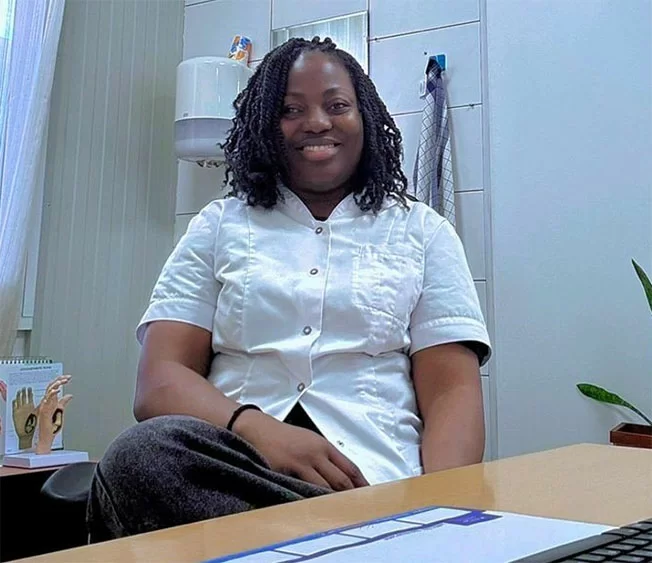
In a groundbreaking development for Suriname’s healthcare system, Dr. Meredith Dosoe has become the nation’s first and only rheumatologist since joining Diakonessenhuis Hospital in June 2024. Her arrival marks a transformative moment in specialized rheumatic care, addressing what was previously a significant gap in the country’s medical services.
Rheumatological conditions, encompassing over 200 disorders affecting joints, muscles, tendons, and bones, have long been misunderstood as inevitably disabling. Modern medical advances have fundamentally changed this perception, with early detection and innovative treatments now enabling effective management of these autoimmune conditions that affect individuals across all age demographics.
Patients typically present with symptoms including persistent pain, swelling, morning stiffness, and profound fatigue. Beyond physical manifestations, these conditions frequently trigger secondary consequences including skin abnormalities, hair loss, unexplained fever, and involuntary weight loss. The psychosocial impact is equally significant, often leading to social isolation, depressive symptoms, employment challenges, and financial dependency.
Dr. Dosoe emphasizes the critical importance of early intervention: ‘Persistent joint discomfort, morning stiffness, unexplained swelling, recurrent fever, or emerging skin changes constitute clear indicators requiring prompt medical attention. Timely diagnosis and appropriate treatment can prevent irreversible joint damage and preserve functionality.’
Despite these advances, Suriname’s rheumatic care faces substantial systemic challenges. Limited insurance coverage for specialized laboratory testing, medication costs reaching approximately SRD 20,000 monthly, and growing wait times present significant barriers to care. Compounding these issues, some patients discontinue treatment upon initial symptom improvement, potentially triggering disease flares and worsened long-term outcomes.
Diakonessen Hospital remains committed to enhancing rheumatic care infrastructure. Dr. Dosoe reflects: ‘Each small victory matters profoundly—a patient regaining independent mobility, a young SLE sufferer accessing timely treatment, or expensive medication finally receiving coverage. While rheumatological conditions remain chronic, modern approaches have transformed them into manageable health challenges rather than hopeless diagnoses. The disease may persist, but how we live with it has fundamentally changed.’