分类: health

  • Grieving Family Calls for Urgent Reform After Newborn’s Death at KHMH

    Grieving Family Calls for Urgent Reform After Newborn’s Death at KHMH

    A Belizean family is advocating for systemic changes at Karl Heusner Memorial Hospital (KHMH) following the devastating loss of their newborn daughter, Darielle, who passed away merely four days after birth. The infant was delivered on January 17th at Western Regional Hospital in Belmopan, where medical personnel were commended for their proficient and compassionate treatment. However, due to respiratory complications requiring oxygen support, the newborn was transferred to KHMH that same evening.

    The subsequent experience, according to the father, descended into what he characterized as a horrific ordeal. The family alleges they faced inadequate communication, dismissive behavior, and an apparent absence of empathy from multiple KHMH staff members. The infant’s grandmother, who remained at the hospital throughout the crisis, reported receiving minimal updates and being treated with indifference during the most critical hours of the baby’s struggle.

    Despite fighting for her life until Tuesday evening, the newborn ultimately succumbed to her condition. The grieving father has chosen to publicize their tragedy, stating that excessive infant fatalities and heartbroken families departing from KHMH have become an unacceptable norm. He is urgently petitioning the Ministry of Health to comprehensively review neonatal care protocols, enhance medical staff training programs, and rectify systemic deficiencies within the healthcare facility.

    The family maintains their daughter warranted superior medical attention and is imploring authorities to implement immediate corrective measures to prevent future tragedies. Neither the Ministry of Health and Wellness nor KHMH administration responded to requests for commentary regarding these serious allegations.


  • Government Moves Forward on Two New Regional Hospitals

    Government Moves Forward on Two New Regional Hospitals

    The Belizean government has initiated decisive action to confront the nation’s escalating healthcare challenges by advancing plans for two new regional hospitals. This development comes as aging medical facilities in northern and southern regions struggle with severe overcrowding and outdated infrastructure.

    Health Minister Kevin Bernard, alongside Toledo area representatives Oscar Requena and Osmond Martinez, recently convened with consulting experts commissioned to conduct comprehensive feasibility studies. The proposed locations for these critical healthcare facilities are Punta Gorda Town in the Toledo District and Orange Walk in the north.

    According to the Ministry of Health and Wellness, these studies will evaluate whether constructing entirely new medical centers represents a more viable solution than continuing to invest resources in hospitals that have operated for over four decades. Deputy Director of Hospital Services Lizette Bell emphasized that both regions have reached a critical juncture, with existing facilities no longer meeting contemporary healthcare demands.

    The Punta Gorda Hospital, operational for approximately fifty-five years, has significantly exceeded its original capacity and functional requirements. A particularly concerning issue is its geographical isolation—the facility lies nearly two hours from the nearest advanced care center at Southern Regional Hospital in Stann Creek, and currently lacks surgical capabilities.

    Similarly, the Northern Regional Hospital in Orange Walk, serving both Orange Walk and Corozal Districts, faces parallel challenges after forty-four years of service. The maternity ward frequently operates beyond 100% capacity, forcing staff to accommodate patients in surgical units. Emergency and trauma care facilities remain critically undersized for the growing population they serve.

    This healthcare infrastructure expansion represents the government’s most substantial response to long-standing systemic pressures, signaling a potential transformation in Belize’s medical service delivery framework.

  • Government Unveils Nurse Retention Package

    Government Unveils Nurse Retention Package

    In a decisive move to address critical healthcare workforce challenges, the Belizean government has officially implemented a multi-phase nurse retention package. This strategic initiative, approved by national authorities, directly confronts the persistent outflow of trained nursing professionals that has severely strained the country’s healthcare infrastructure.

    According to the Ministry of Health and Wellness, the comprehensive program emerged from extensive data analysis confirming nurses’ indispensable role as the foundation of Belize’s medical system. The retention strategy features tiered financial incentives designed to reward specialization, improve working conditions, and foster long-term professional commitment.

    Chief Nursing Officer Lizette Bell detailed the package’s components, revealing that Phase One (implemented in 2025) introduced a specialist allowance equivalent to 10% of annual salaries and increased uniform allowances from $300 to $500 annually. The upcoming Phase Two, scheduled for April 2026, will provide a $200 monthly hazard allowance and a $100 night allowance after ten consecutive night shifts.

    The third phase, commencing in 2027, will introduce responsibility, vehicle, and telephone allowances for specific nursing categories based on their qualifications and roles. Bell emphasized that while significant, the financial package represents just one component of a broader strategy that includes expanded educational opportunities and substantial investments in nursing professional development over the past several years.

    The initiative reflects Belize’s recognition that retaining experienced healthcare professionals requires both immediate incentives and long-term career pathway development, addressing both economic factors and professional growth opportunities that contribute to workforce migration.

  • Antigua and Barbuda Welcomes Arrival of 119 Ghanaian Nurses

    Antigua and Barbuda Welcomes Arrival of 119 Ghanaian Nurses

    In a landmark development for Caribbean healthcare, Antigua and Barbuda has significantly strengthened its medical workforce with the arrival of 119 nursing professionals from Ghana. Health Minister Sir Molwyn Joseph personally welcomed the contingent at V.C. Bird International Airport during a ceremonial reception on Friday evening.

    The minister, adorned in traditional African attire, characterized the event as “a truly delightful moment in the history of Antigua and Barbuda,” noting it represents one of the largest single delegations to traverse the Atlantic from Ghana. The arrival ceremony emphasized shared heritage and familial bonds, with Minister Joseph explicitly telling the nurses they had “rejoined your family.”

    This strategic recruitment initiative addresses critical staffing shortages that have challenged the nation’s healthcare system. According to official assessments, Antigua and Barbuda requires approximately 400 nurses to operate effectively. Prior to this deployment, the system relied on roughly 260 local nurses supplemented by 33 Cuban healthcare professionals.

    The newly arrived nurses will undergo a comprehensive three-week orientation program encompassing cultural integration, clinical alignment protocols, and specialized role training before beginning their assignments. All recruits have committed to three-year service contracts with the nation’s healthcare system.

    Government officials cited successful implementations of Ghanaian nursing staff in other Caribbean nations, including Barbados and The Bahamas, as influential in their recruitment decision. The addition of these professionals is projected to elevate staffing levels slightly above minimum operational requirements and significantly improve current nurse-to-patient ratios, which stand at approximately 1:10.

    An official welcome ceremony is scheduled for Saturday to further integrate the healthcare professionals into their new community and practice environment.

  • Health threat of global plastics projected to soar

    Health threat of global plastics projected to soar

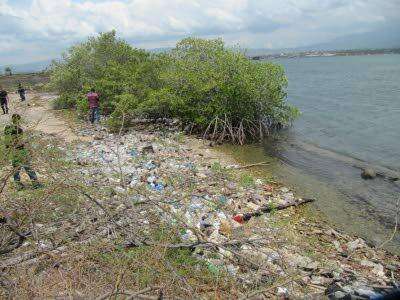
    PARIS — A groundbreaking study published in The Lancet Planetary Health reveals that plastic’s detrimental impact on human health is poised to escalate dramatically in the coming decades without immediate global intervention. The comprehensive research, conducted by a British-French scientific team, analyzes the entire lifecycle of plastic—from fossil fuel extraction to landfill disposal—documenting its multifaceted health consequences.

    The study represents the first global attempt to quantify healthy years of life lost due to plastic-related health impacts, using Disability-Adjusted Life Years (DALYs) as a measurement metric. Current projections indicate a disturbing trend: under business-as-usual conditions, plastic-related DALYs would surge from 2.1 million in 2016 to 4.5 million by 2040—more than doubling within a generation.

    Lead author Megan Deeney of the London School of Hygiene & Tropical Medicine emphasized that these findings “undoubtedly represent a vast underestimate” of plastic’s true health toll, as the study couldn’t account for all potential harm mechanisms, including microplastic contamination and chemical leaching from food packaging.

    The research identifies greenhouse gas emissions from plastic production as the most significant health threat, followed closely by air pollution and exposure to toxic chemicals. The investigation traces the journey of a typical plastic water bottle—from its origins in oil and gas extraction through chemical transformation into PET plastic, global transportation, and eventual disposal. Deeney highlighted the notorious “cancer alley” in Louisiana, where over 200 petrochemical plants involved in plastic production concentrate health risks for local communities.

    Despite recycling initiatives, the study found that improved waste management alone produces minimal health benefits. The most effective solution involves substantially reducing unnecessary plastic production at its source. This finding comes as international efforts to establish a global plastic pollution treaty faced setbacks in August due to opposition from oil-producing nations.

    Deeney concluded that national-level actions remain crucial to addressing this “global public health crisis,” emphasizing that the window for meaningful intervention is closing rapidly as plastic production continues to accelerate worldwide.

  • Dr Olsheath Bowen earns MBA in Healthcare Management

    Dr Olsheath Bowen earns MBA in Healthcare Management

    The Sir Lester Bird Medical Centre (SLBMC) is celebrating a significant professional milestone achieved by one of its senior medical staff members. Dr. Olsheath Bowen, a seasoned Emergency Medicine Consultant at the institution, has successfully earned a Master of Business Administration (MBA) with a specialization in Healthcare Management.

    Dr. Bowen completed his advanced degree program at the Paul and Virginia Engler College of Business, which forms part of West Texas A&M University in the United States. This academic achievement represents a strategic fusion of clinical expertise and sophisticated business administration training, equipping him with enhanced capabilities in healthcare leadership.

    In an official communiqué, the medical center administration lauded Dr. Bowen’s accomplishment as “truly an amazing achievement,” emphasizing that the MBA provides “an excellent foundation for healthcare leadership.” The statement further highlighted that this educational pursuit demonstrates Dr. Bowen’s dedication to his professional development and his commitment to advancing healthcare delivery standards.

    This individual achievement occurs within the broader context of SLBMC’s institutional emphasis on continuous staff development. The hospital administration identifies professional advancement programs as crucial components in strengthening patient care services and enhancing health system management capabilities throughout Antigua and Barbuda. The medical center expressed collective pride in Dr. Bowen’s accomplishment, noting that it reinforces the institution’s commitment to healthcare excellence.

  • SLBMC Nurse Philis Humphreys Earns Master’s Degree in Nursing Leadership

    SLBMC Nurse Philis Humphreys Earns Master’s Degree in Nursing Leadership

    The Sir Lester Bird Medical Centre (SLBMC) celebrates a groundbreaking academic achievement as one of its dedicated nursing professionals attains an advanced degree in healthcare leadership. Philis Humphreys, serving as an Infection, Disease and Environmental Health (IDEH) specialist nurse, has successfully completed her Master of Science in Nursing with a concentration in Nurse Executive from the prestigious Walden University.

    This educational accomplishment represents a transformative moment for both the individual practitioner and the medical institution’s nursing corps. Hospital administration formally recognized Humphreys’ scholarly dedication, emphasizing how her pursuit of advanced knowledge demonstrates exceptional commitment to professional development within Antigua’s healthcare landscape.

    The medical center’s leadership team characterized this achievement as particularly inspirational for fellow healthcare workers, noting that Humphreys’ academic journey exemplifies the potential for career advancement through persistent effort and intellectual curiosity. The qualification specifically prepares nursing professionals for executive-level responsibilities, potentially influencing future healthcare policy and clinical management approaches.

    SLBMC officials expressed confidence in Humphreys’ emerging leadership capabilities, suggesting her advanced training would contribute significantly to the institution’s operational excellence and patient care standards. The hospital community views this milestone as reinforcing the critical importance of continuous education in elevating healthcare quality and organizational performance across the Caribbean region.

  • Nieuw SZF-bestuur krijgt sleutelrol in stabiliteit en betaalbaarheid van zorg

    Nieuw SZF-bestuur krijgt sleutelrol in stabiliteit en betaalbaarheid van zorg

    Suriname’s Minister of Health, Welfare, and Labor, André Misiekaba, officially inaugurated the new governing board of the State Health Insurance Foundation (SZF) on Friday, emphasizing the institution’s critical role in the nation’s healthcare system. The installation ceremony marked a strategic move toward enhanced oversight, financial discipline, and operational transparency within the country’s primary health insurer.

    Minister Misiekaba underscored that the effectiveness of Suriname’s entire healthcare infrastructure is intrinsically linked to SZF’s performance. “The healthcare system stands or falls with the functioning of SZF,” he stated, adding that any operational challenges at the foundation would create “a problem for all of Suriname.” The newly appointed board has been tasked with serving as the ministry’s eyes and ears, providing rigorous supervision of the fund’s management and daily operations.

    A paramount objective for the incoming administration involves preparing the transition to a single-payer healthcare model, where all payments within the sector would be processed exclusively through SZF. This structural overhaul aims to achieve greater efficiency, improved cost control, and enhanced oversight across healthcare services. Implementation will require legislative amendments and intensive consultations with healthcare providers and stakeholders.

    Board member Marciano Djanam emphasized to the Suriname Communication Service that policy changes must yield tangible benefits for citizens. Despite economic challenges, he affirmed the commitment to maintaining accessible and affordable healthcare. “We already see doctors receiving timely payments and patients avoiding additional co-payments at main pharmacies. This stability must be maintained and strengthened,” Djanam noted.

    The diverse board composition includes financial experts, medical professionals, and business leaders: Soecil Oemar, Marciano Djanam, Raynel Enfield, Rajendra Ramautar, Raoul Abisoina, and Milton Sandvliet. Joan Dogojo and Reginald Talea will serve as deputy members to ensure decision-making continuity. The board will remain in function until the next regular governance elections in September.

  • Health sector not at crisis level, says Tufton

    Health sector not at crisis level, says Tufton

    MANDEVILLE, Jamaica — Health and Wellness Minister Dr. Christopher Tufton has acknowledged severe overcrowding at Jamaican hospitals while explicitly avoiding the term ‘crisis’ to describe the situation. During a Friday tour of Mandeville Regional Hospital, which he characterized as a ‘rescue centre’ for western Jamaica, Tufton addressed the critical capacity issues facing the healthcare system.

    The minister revealed that Mandeville Regional Hospital is operating at 78% above its 250-bed inpatient capacity and 50% above outpatient capacity, with approximately 350-360 inpatients currently receiving treatment. This surge has forced medical staff to treat patients in makeshift areas including hallways and temporary privacy corners, creating significant logistical challenges.

    Tufton attributed the overcrowding to multiple factors, primarily the aftermath of Hurricane Melissa which devastated infrastructure last October. Black River Hospital, normally equipped with 150 beds, currently operates with only 30-40 beds due to hurricane damage. The minister warned that overcrowding conditions are likely to persist until March when reconstruction of damaged hospitals is completed.

    In response to the crisis, Tufton announced immediate measures including construction of a new ward at Mandeville that will accommodate 30-40 additional patients. He also emphasized enhancing primary healthcare services through increased home visits, extended health center hours, and improved field vigilance to reduce hospital visits for non-emergency cases.

    The minister made a direct appeal to Jamaicans to utilize primary healthcare facilities instead of hospitals for non-urgent matters and to maintain medication regimens to prevent unnecessary hospitalizations. He praised healthcare workers for going ‘beyond the call of duty’ while acknowledging the tremendous stress on medical staff.

    Tufton’s hospital tour continued through the weekend with visits to Black River, Savanna-La-Mar, Noel Holmes, Cornwall Regional, and Falmouth hospitals to assess conditions firsthand and coordinate emergency response efforts across the region.

  • Minister points to sharp decline in health centre visits

    Minister points to sharp decline in health centre visits

    WESTMORELAND, Jamaica — Jamaica’s healthcare system is confronting a critical challenge in the aftermath of Hurricane Melissa, with Health and Wellness Minister Dr. Christopher Tufton revealing a dramatic decline in health center utilization across storm-affected parishes. Despite all facilities being fully operational—whether in permanent structures or temporary setups—patient attendance remains significantly below pre-hurricane levels.

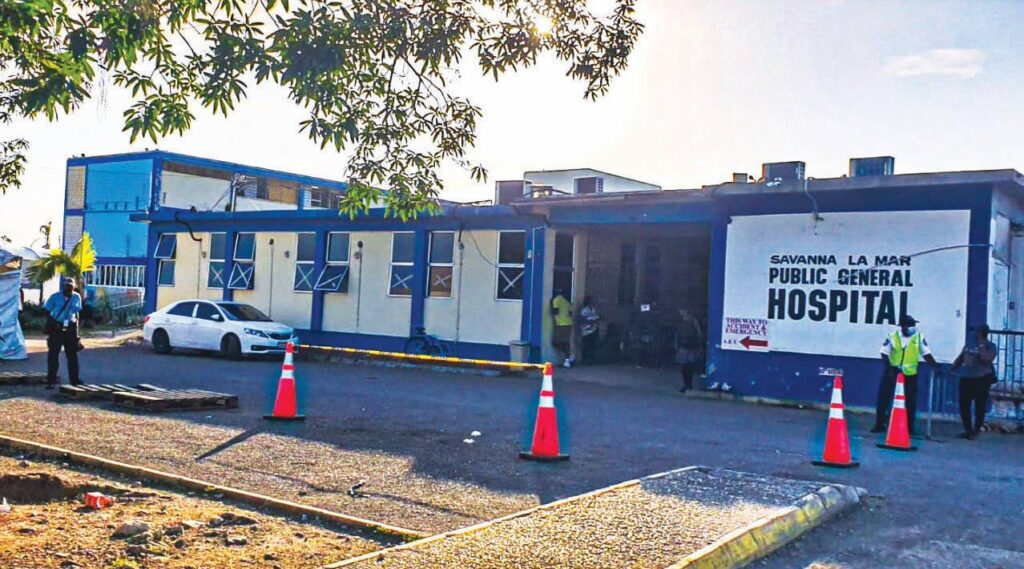
    During an inspection visit to Savanna-la-Mar Public General Hospital last Friday, Minister Tufton expressed grave concern over attendance rates languishing at merely 60-70% of normal capacity in regions battered by the Category 5 storm. This downturn coincides with severe overcrowding at hospitals, where the Savanna-la-Mar facility is currently treating 298 patients despite being designed for 218 beds.

    The minister identified multiple factors driving this healthcare paradox, noting that many residents remain preoccupied with rebuilding their homes and lives following October’s devastating hurricane. This distraction from routine healthcare maintenance poses particular risks for patients managing chronic conditions such as diabetes and hypertension, who may be neglecting medication regimens and essential follow-up appointments.

    Tufton warned that this neglect could trigger a secondary health crisis, with manageable conditions deteriorating until they require emergency intervention. This pattern inevitably drives patients to bypass local health centers and proceed directly to hospital emergency departments, exacerbating the existing overcrowding situation.

    Emphasizing the structured approach to healthcare delivery, the minister urged Jamaicans to reactivate their engagement with the public health system: “Utilize the services of your health centers. Stop there before you come to the hospital. Very, very important. There are doctors there. There are nurses there. There’s a file there for you, more than likely, if you use the public health system.”

    The ministry confirmed that comprehensive services remain available at health centers, including National Health Fund pharmaceuticals and medications. Tufton concluded with a powerful message about the integral role of health in disaster recovery: “You cannot fix back after hurricane if you’re not healthy. If you ignore that part you’re going to break down and end up in the hospital and we are trying to avoid that.”