分类: entertainment

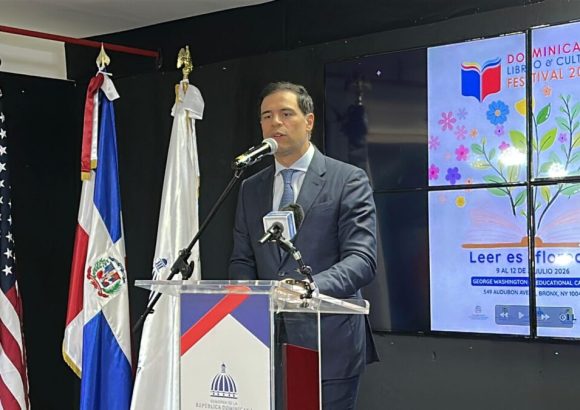
  • New York to host 2026 Dominican Book and Culture Festival

    New York to host 2026 Dominican Book and Culture Festival

    A landmark celebration of Dominican art, literature and identity is set to take over New York City next summer, as the Dominican Republic prepares to host the 2026 Dominican Book and Culture Festival from July 10 to 12. Convening a diverse cross-section of creative minds, industry builders and cultural stewards from both the Dominican diaspora and the broader global community, the three-day event will be hosted at the George Washington Educational Campus, located in the heart of Washington Heights – a neighborhood long rooted in Dominican American life. Overseeing the festival is Dominican Republic Culture Minister Roberto Ángel Salcedo, who has spearheaded efforts to expand the nation’s cultural outreach to communities abroad.

    Rey Andújar, a key organizer of the gathering, outlined that the festival’s multidisciplinary programming centers on four core pillars: literature, visual and performing arts, entrepreneurship, and the exploration of shared cultural identity. Under the unifying official theme “reading is flourishing,” the event sets out to achieve two interconnected goals: shine a well-deserved spotlight on the breadth of Dominican talent and growing cultural industries based in the United States, while forging stronger, more lasting bonds between the Dominican government and its vast community of citizens and descendants living overseas.

    Attendees will have access to a packed schedule of immersive activities, ranging from intimate literary panels and in-person author readings to a bustling open-air artisan bazaar showcasing handcrafted traditional goods. A dedicated pavilion highlighting women-owned Dominican businesses will offer networking and exhibition opportunities for female entrepreneurs, alongside curated fashion exhibitions highlighting contemporary Dominican design and vibrant live cultural performances that bring folk and modern traditions to life. Delegations of published writers from across the Caribbean, Europe and the United States – including contingents from the Dominican Republic, Puerto Rico, Spain and multiple U.S. regions – will travel to New York to take part in the festival’s programming.

    In a nod to Dominican history and national legacy, special curated exhibits and presentations will honor three iconic national figures: founding father Juan Pablo Duarte, his activist sister Rosa Duarte, and pioneering educator Ercilia Pepín, ensuring their contributions to Dominican identity and progress are centered for new generations of attendees.

    Organizers have emphasized that engaging younger members of the diaspora is a top priority for the 2026 festival. To that end, a full slate of age-specific literary and educational activities has been designed specifically for children and young people, with the dual goal of fostering a love of reading and creative expression while helping younger attendees connect to their Dominican cultural heritage.


  • Broadcasters warn against piracy as World Cup approaches

    Broadcasters warn against piracy as World Cup approaches

    KINGSTON, Jamaica — Just seven days ahead of the 2026 FIFA World Cup’s opening match on June 11, the only officially licensed Jamaican rights holders for the tournament have issued a urgent public warning crack down on widespread unauthorized broadcast and streaming of matches. Television Jamaica (TVJ) and Caribbean Premier Sports Ltd, which operates the RUSH Sports network, have reaffirmed their status as the sole authorized entities to deliver 2026 FIFA World Cup content across every available platform in Jamaica, including traditional television, digital streaming services, and public screenings.

    In their joint formal statement released Thursday, the two broadcasters clarified that accessing World Cup matches via unapproved third-party channels constitutes a violation of international intellectual property laws. Specifically, the organizations called out access through sideloaded apps on modified consumer devices — such as customized Amazon Firesticks, altered Android TV boxes, modified IPTV receivers, and other unvetted streaming applications — as clear acts of piracy, copyright infringement, and intellectual property theft.

    The rights holders emphasized that no other media entity, ranging from competing broadcasters and streaming platforms to IPTV operators, independent websites, social media accounts, public viewing organizers, and commercial hospitality venues, holds any legal license to broadcast, retransmit, stream, or publicly exhibit 2026 FIFA World Cup content anywhere within Jamaica’s borders. This exclusive rights mandate extends to every conceivable mode of content transmission: cable television, direct-to-home satellite, IPTV services, mobile streaming apps, internet-based platforms, social media live streams, public community screenings, and commercial venue broadcasts.

    Of particular note is the restriction on commercial public exhibitions: even popular hospitality spots such as bars, restaurants, live entertainment venues, and public community events or fan zones are prohibited from showing matches without explicit written authorization from either CPSL/RUSH Sports or TVJ, aligned with FIFA’s formal public viewing regulations and global licensing structure.

    To enforce these exclusive rights, the Jamaican rights holders confirmed they are collaborating closely with FIFA and the governing body’s global network of anti-piracy enforcement partners as part of FIFA’s flagship worldwide Content and Brand Protection Programme. This coordinated effort is focused on proactively identifying, flagging, and removing all illegal broadcast streams, illegal retransmissions, and pirated content across digital and physical channels in Jamaica.

    For consumers and business owners to easily verify legitimate broadcasts, the organizations confirmed that all official, legal 2026 World Cup transmissions in Jamaica will display an on-screen logo from either TVJ or RUSH Sports. Any World Cup content broadcast or streamed within Jamaica that does not carry this official identifier should be immediately recognized as unauthorized and potentially illegal.

    To support ongoing enforcement efforts, the broadcasters are calling on the Jamaican public to actively report any suspected piracy or unauthorized World Cup broadcasts directly to their teams. To help investigators quickly address violations, reporters are asked to include supporting evidence when submitting tips: screenshots of unauthorized streams, short video clips of illegal public screenings where possible, direct links to illicit online streams, physical venue addresses for unauthorized public viewings, or details about the modified devices being used to access pirated content.

  • Sundays After Church shines a light on faith, power and hidden realities

    Sundays After Church shines a light on faith, power and hidden realities

    KINGSTON, Jamaica — A groundbreaking original television drama is pushing conversations about underdiscussed topics in religious communities across the island, bringing raw, honest explorations of faith, personal relationships, institutional leadership and accountability to small screens.

    Helmed by husband-and-wife creative duo Eric and Natasha Brown, founders of local production outfit Cinnamon Brown Entertainment, *Sundays After Church* moves past the polished public face of Sunday worship to unpack the messy, unspoken layers of life for churchgoing people once the final hymn fades and sanctuary doors close. Unlike many mainstream portrayals of faith communities that focus only on public worship, the series centers the untold personal struggles, hidden conflicts and complex interpersonal dynamics that shape believers’ lives away from the congregation.

    Boasting a dynamic ensemble cast and tightly crafted narrative storytelling, the show weaves together interconnected storylines tackling universal themes: romantic love, deep betrayal, personal identity, the corrupting pull of power, and the constant, often fraught balancing act of upholding religious values while navigating the messiness of ordinary modern life.

    In a statement shared about the project, the production team emphasized its commitment to radical honesty around faith. “This series is about truth,” they explained. “We’re exploring the human side of faith, the parts people don’t always talk about, but absolutely experience.”

    The creators designed the show to invite both religious and secular audiences to re-examine common assumptions about church culture, moving beyond what is shared from the pulpit to unpack pressing, rarely addressed issues ranging from romantic relationships among congregants to personal moral struggles, failures of institutional leadership, and how power dynamics shape life within faith-based communities.

    Natasha Brown, the production company’s chief operating officer, brings more than two decades of cross-sector experience spanning finance, procurement, business development and organizational leadership to the project. Beyond overseeing Cinnamon Brown Entertainment’s day-to-day operations and long-term strategic growth, she also serves as the series’ intimacy coordinator, ensuring thoughtful, authentic portrayals of vulnerable personal interactions.

    Her husband Eric Brown wears multiple hats as an author, independent filmmaker and creative entrepreneur, who writes under the pen name Cinnamon Brown. He has built a reputation for crafting unflinching, character-driven stories centered on the interconnected experiences of relationships, faith, ambition and resilience within Black communities. After rising to bestseller status as a novelist, Brown expanded his work into screen-based content, remaining dedicated to producing content that entertains while pushing audiences to engage in open, meaningful dialogue about complex topics.

    With *Sundays After Church*, the Brown couple says their core goal is not to judge or divide, but to challenge entrenched perspectives, catalyze constructive conversation across communities, and give viewers an unfiltered, humanizing look at the lived reality of faith beyond Sunday pews.

  • Courtney Undah Privilege, Money B link for GMML

    Courtney Undah Privilege, Money B link for GMML

    A decades-long cross-genre friendship has birthed an exciting new musical release that bridges Caribbean and American West Coast sounds. Reggae and dancehall performer Courtney Undah Privilege has dropped his latest single, *GMML (Gi Me Me Loot)*, a collaborative track featuring Money B, a founding member of the iconic hip-hop collective Digital Underground.

    The partnership between the two artists did not emerge out of thin air: they first connected years ago while living and working in Oakland, California, forging a bond that extended far beyond casual professional acquaintance. That longstanding personal and creative rapport shines through on the finished track, where Undah Privilege anchors the production with a hypnotic, high-energy vocal performance, while Money B lays down his signature smooth yet commanding flow, creating a dynamic balance that elevates the whole song.

    The result is a cohesive, authentic sonic fusion that blends the rhythmic roots of Caribbean reggae and dancehall with the classic grit of West Coast hip-hop, a synergy that came naturally thanks to the pair’s history of working together. As Undah Privilege explained, the shared creative history and inherent chemistry between him and Money B made the recording process seamless from start to finish.

    “I have worked with Money B of Digital Underground on many projects in the past. There is musical history and chemistry, which allowed a seamless recording of GMML,” the artist shared.

    This is far from Undah Privilege’s first mark on global popular music. He is the originator of the iconic sampled line “Six Million Ways to Die, Choose One,” a phrase that has been woven into countless reggae, dancehall, and hip-hop tracks across decades, becoming a staple of cross-genre production. With this new release, Undah Privilege says he aims to bring the genre-blending sound to a global audience, hoping the track resonates far beyond existing fanbases.

    “I hope to reach wide audiences with this single, given its dancehall and hip hop fusion style. I would love to gain traction with hip hop audiences. Additionally, I would like to garner great appreciation for Money B, who has a notable place in hip hop history as a member of Digital Underground alongside late bandmates Shock G and Tupac,” he explained.

    Beyond his work in music, Undah Privilege has built a multifaceted career across screen and production. He is widely recognized for his role as Melvin on the comedy series *Arnold’s Caribbean Pizza*, produced by veteran television creators Bentley Kyle Evans — best known for hit 90s series *Martin* and *The Jamie Foxx Show* — and Trae Ireland. His film resume includes featured roles in projects including *Gangsta’s Paradise*, *Cop and a Badman*, *Straight Out*, and *Rude Boy the Jamaican Don*, highlighting his versatility as a performer across narrative and genre formats.

    Looking toward the future, Undah Privilege is expanding his creative footprint through his own production banner, Podeville Productions. In a joint partnership with Mix Frames Entertainment, he is currently developing the feature film *Dream Chaser*, an ambitious project centered on themes of perseverance, vision, and the pursuit of personal and professional success. The film is currently slated for a wide release in summer 2026.

  • World Cognac Day!

    World Cognac Day!

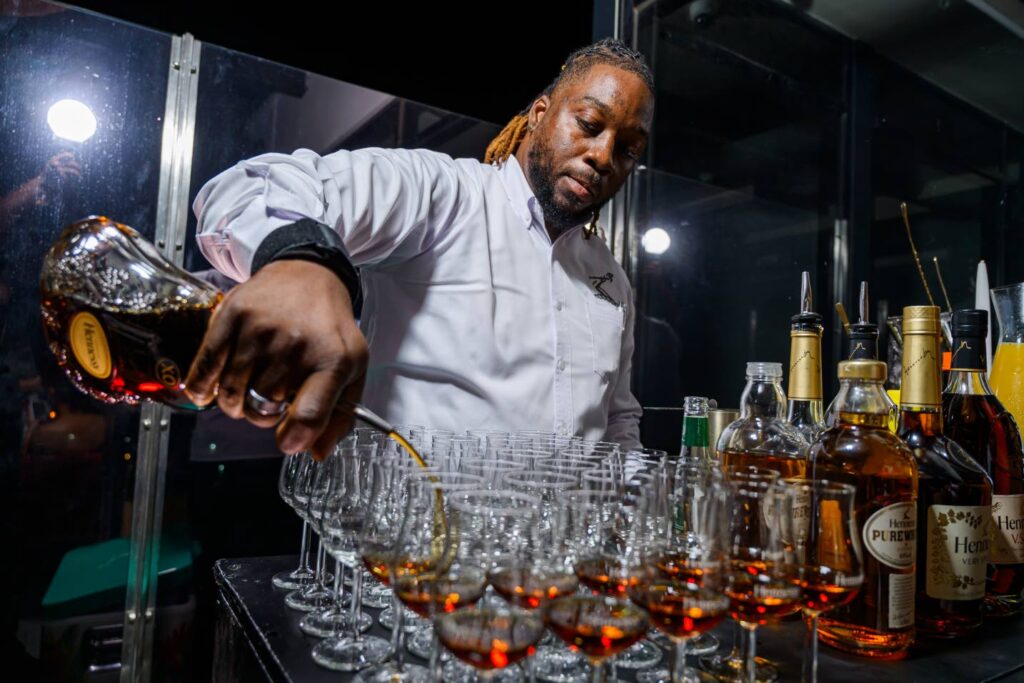
    In the lead-up to the annual recognition of World Cognac Day, one of the spirit’s most iconic global brands took center stage at a bespoke culinary event at Kingston’s acclaimed Ivy23 restaurant on June 2. Nearly 50 invited guests – including Jamaican Olympian Asafa Powell, content creator Carmen-Elena “Cholita” Stewart, and prominent local food industry figures – gathered for an intimate three-course pairing dinner highlighting the unique versatility of three of Hennessy’s core expressions: VS, VSOP, and XO.

    Ivy23 has built its reputation on a boundary-pushing culinary philosophy that fuses flavors and cooking techniques from across four continents: Europe, Asia, India, and the Caribbean, weaving these disparate influences into cohesive, innovative menu items. For this exclusive collaboration with Hennessy, co-owner Vivek Chatani explained that the team opted not to tone down Ivy23’s signature bold flavors to accommodate the cognac, but instead designed each course to meet each spirit expression as an equal creative partner. In a nod to the collaborative spirit of the event, the kitchen even infused Hennessy directly into two of the evening’s three main courses, letting the spirit’s depth elevate every bite.

    The evening kicked off with an energetic opening course designed to highlight the bold character of Hennessy VS, the youngest and most vibrant of the three expressions, which boasts bright fruit notes and a robust finish. Guests were served two small plates: Spicy Chilli Oil Chicken Dumplings and Cognac-infused Chicken Tikka. The dumplings deliver a sharp, lingering heat, while the tikka features warm, bold spices rounded out by a rich cream, cashew and cheese sauce cooked with a cognac reduction. The bright structure of Hennessy VS cuts through the dish’s richness and stands up evenly to the heat, creating a balanced, dynamic first impression that set the tone for the rest of the night.

    The meal transitioned smoothly into the second course, which paired Hennessy VSOP with a creamy saffron risotto topped with grilled shrimp. Unlike the bold bite of VS, VSOP is a rounder, more refined expression with soft vanilla, gentle spice and delicate floral notes that echo the earthy, aromatic sweetness of saffron. The creamy texture of the risotto balances the cognac’s warm finish, while the grilled shrimp adds a subtle smoky sweetness that complements the spirit’s nuanced profile, resulting in a smooth, harmonized midpoint for the evening.

    The dining experience culminated in a decadent final course centered on Hennessy XO, the crowning jewel of the brand’s core portfolio. XO is the richest and most complex of the three expressions, with deep notes of dark chocolate, dried fruit, coffee, and aged oak. To mirror these layers, the kitchen paired XO with a duo of desserts: a dark chocolate mousse infused with Hennessy, and a classic tiramisu defined by its rich coffee and cream layers. The overlapping flavor profiles of the food and spirit create a seamless, luxurious finish that brought the evening’s exploration of cognac and food pairing to a satisfying close.

    Beyond the food and drink, Chatani noted that the structured pairing experience invited guests to slow down and engage more intentionally with their meal. After each bite of food and sip of cognac, guests return to their plate to discover how the flavors shift: the spice softens, the saffron’s aroma opens up, and the chocolate notes round out the finish, creating a dynamic, interactive sensory experience rather than a standard meal.

    Hosted in partnership with Select Brands, the event turned a global celebration of cognac into an intimate, locally rooted experience that aligned with Ivy23’s core mission. “We want Ivy23 to be a space for culinary discovery, where guests can try something new they won’t find anywhere else in Kingston,” Chatani explained. “Constant innovation is at the heart of what we do, whether that’s developing new signature dishes in our kitchen or partnering with iconic brands like Hennessy to create one-of-a-kind experiences. Jamaica’s food scene is brimming with incredible talent, and we’re proud to contribute to its growth by drawing on global flavors, adding our own unique local twist, and delivering unforgettable experiences for our guests.”

    The evening also featured welcome cocktails including the Hennessy Pure White Cast Away and the signature Henny Mash, a refreshing blend of muddled strawberries, Hennessy, Triple Sec, lime juice, and syrup topped with Sprite, proving further the versatility of Hennessy cognac in a range of drinking experiences.

  • Party Monarch return draws strong response from entertainers

    Party Monarch return draws strong response from entertainers

    Barbados’ iconic Party Monarch competition is making a triumphant return after a multi-year hiatus, and early signs point to one of the most competitive and highly anticipated editions in the event’s history. Official data released this Monday by the National Cultural Foundation (NCF) confirms that more than 220 total entries have been submitted for the two core competition divisions: 92 registrations for the high-energy Power Soca category, and 134 entries for the melodic Sweet Soca division. This overwhelming outpouring of participation confirms widespread demand from local performers for the restoration of this beloved performance platform.

    Barry Knight, president of the Barbados Association of Creatives and Artistes (BACA), has emerged as one of the competition’s most vocal supporters, framing its revival as a long-awaited solution to a critical gap in Barbados’ calypso and soca ecosystem. For years, Knight explained, local artists lacked a structured competitive space to debut new work and earn tangible financial returns on their creative investments. When soca artists spend thousands of dollars on studio time, production, and song promotion, a major competition like Party Monarch gives them a clear goal to work toward and a path to earn back those costs — and potentially turn a profit — if they place well.

    Knight also singled out for praise the NCF’s updated registration framework, which shifted from the old, tent-based submission process of previous years to a fully streamlined digital system with clear, category-specific entry requirements. Despite the new structured rules, artists turned out in droves to meet the submission deadline, proving that hunger for the competition never faded during its break. “The volume of registrations we see right now makes it clear how badly artists wanted this opportunity back,” Knight noted. “Artists went out of their way to meet the requirements, and the final submission numbers reflect just how much pent-up interest there was.”

    Looking ahead to the upcoming Crop Over season, Knight says the 2024 competitor lineup sets the stage for a thrilling contest. The field blends veteran fan-favorite performers with exciting first-time competitors, a mix that is expected to raise the overall quality of the competition and draw larger public interest to the broader Crop Over festival. This blend of experience and fresh talent, he argues, will highlight the depth of Barbados’ homegrown soca talent and build widespread public anticipation for the coming festival season.

    For Knight, the revived Party Monarch competition is more than just a contest: it is a key driver of growth for Barbados’ cultural and entertainment sector. “With the high calibre of competitors, the solid promotion behind the event, and the excitement already building among artists and fans alike, this year’s competition is set to deliver top-tier entertainment and strengthen Crop Over’s reputation as a world-class cultural festival,” he said. “All eyes are now on the upcoming semi-finals, and ultimately the finals, to see what these incredible artists will bring to the stage.”

  • Antigua and Barbuda’s Abigail Piper Takes Financial Literacy Message to Miss Caribbean Universe

    Antigua and Barbuda’s Abigail Piper Takes Financial Literacy Message to Miss Caribbean Universe

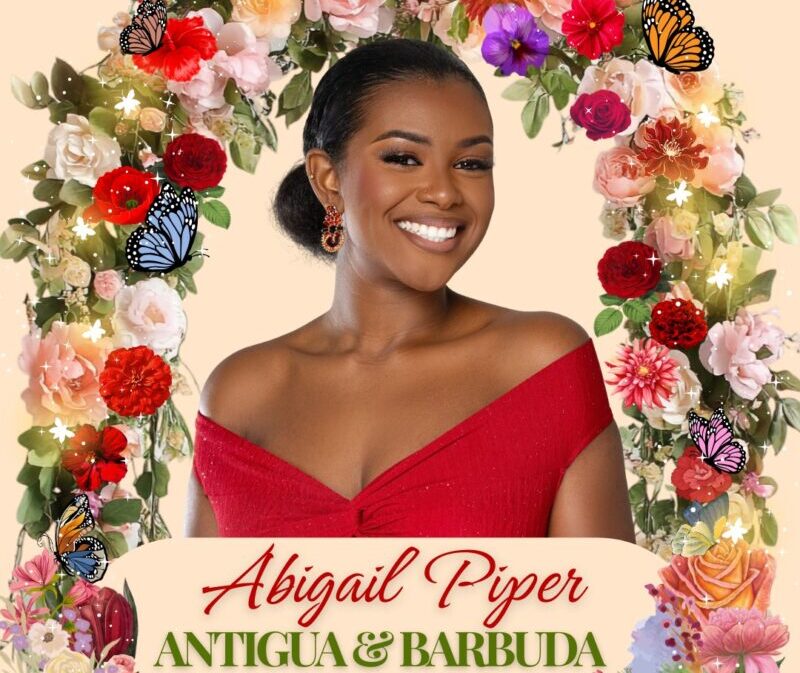
    As the countdown to the 2026 Miss Caribbean Universe pageant begins, one name carries the hopes and pride of the entire Antigua and Barbuda nation: 27-year-old Abigail Piper, selected to represent the dual-island nation at the June 13 competition hosted in St. Thomas, U.S. Virgin Islands. With more than ten years of pageantry experience under her belt, a stellar academic record, a thriving career in the performing arts, and a deep commitment to community uplift, Piper enters the contest as one of its most well-rounded contenders.

    Piper’s pageantry journey traces back to 2014, when she claimed first runner-up honors at the Christ the King High School Queen of the Forms Pageant, marking the start of a years-long streak of impressive placements. She notched her first major pageant win in 2016, taking home the title of Teen Splash, and in more recent competitions, she secured second runner-up at the Antigua Labour Queen Pageant and first runner-up at Antigua’s Queen of Carnival Pageant. These results have honed the stage presence and competitive grit that she will bring to the regional stage in St. Thomas.

    Beyond the pageant runway, Piper has built a remarkable academic profile. As a student at Christ the King High School, she passed 14 core subjects, earning top Grade One marks in 11 of them. She went on to graduate with honors from Antigua State College, where she completed an associate degree in entrepreneurship, before moving on to Rutgers University. In 2022, she graduated with distinction from Rutgers with a Bachelor of Science degree in accounting, and she is now working toward her ultimate professional goal of earning certification as a Certified Public Accountant.

    Piper’s talents extend far beyond the classroom and the pageant stage, with deep roots in Antigua and Barbuda’s performing arts scene. She has appeared in multiple productions hosted by the Antigua Film Academy, performs regularly as a member of the local band de Alphas, and previously represented the nation as a member of its national cheerleading team. Her contributions to the country’s cultural landscape were formally recognized in 2017, when she was honored with a National Cultural Award. Piper says that her years of training in music, dance and drama have been foundational, helping her cultivate the confidence, self-discipline and commanding stage presence that set top pageant contestants apart.

    What truly sets Piper apart, however, is her commitment to lifting up the next generation through community outreach. Focused on youth empowerment via education and personal development, she has made expanding access to financial literacy for young people a core personal mission. Earlier this year, she completed a tour of primary schools across Antigua’s St. John’s Rural North constituency, where she spoke to students about actionable skills including time management, academic focus, and foundational money management. To complement these conversations, she donated a collection of child-friendly financial literacy books to local school libraries, leaving a lasting resource for future students.

    As she prepares to compete for the Miss Caribbean Universe 2026 crown at St. Thomas’ Ruth E. Thomas Auditorium in Charlotte Amalie, Piper says she hopes her journey sends a message to aspiring young people across the Caribbean: that with consistent determination, anyone can pursue their dreams, lean into their unique talents, and use their knowledge and platform to lift up their local communities.

  • Television Caribbean (TVC) officially launched at CCTA 47

    Television Caribbean (TVC) officially launched at CCTA 47

    On May 26, 2026, the 47th Annual Caribbean Cable and Telecommunications Association (CCTA) Conference opened its doors at the St. Kitts Marriott Resort, and the event played host to a milestone moment for regional media: the official launch of Television Caribbean (TVC), a new broadcast channel for the Federation of St. Kitts and Nevis that is now accessible to viewers via The Cable’s Ultra TV service on channel 40.

    This is not an entirely new venture for regional audiences: TVC first held a soft launch in December 2023, giving viewers a preview of its content lineup ahead of the full official rollout. Operated by Palm Branch Media, the channel has built its programming identity around centering local and Caribbean-produced content, filling a gap for regionally focused storytelling that resonates with local communities.

    During the official launch presentation at the conference, Andre Huie, Chief Executive Officer of Palm Branch Media, formally introduced TVC to industry delegates and stakeholders. The presentation included a promotional reel that showcased the channel’s expanding roster of original content and its in-house production capacity, highlighting the network’s investment in high-quality regional media.

    A core pillar of TVC’s offering is its extensive live sports coverage, which spans some of the most popular regional competitions. Huie highlighted that the channel broadcasts marquee events including the Big 6 T20 Tournament, SKNABA Basketball leagues, local community football competitions, Leeward Islands cricket tournaments, and the Cool and Smooth T20 Cricket Tournament, bringing live regional sports directly to households across the Federation.

    Beyond sports, TVC has developed a diverse slate of original, locally produced programming spanning news, current affairs, lifestyle, culture, and music. Its lineup includes *From the Sidelines*, a weekly sports discussion series that analyzes local, regional, and international sports developments; *Newsline 360*, the channel’s flagship news and current affairs program; *Insights*, an interview series that profiles untold stories of residents of St. Kitts and Nevis; *The JIFE Music Show*, an inspirational gospel program that spotlights Caribbean gospel artists and features exclusive interviews; *Inside Football*, a magazine-style show dedicated to covering local football development; and *Main Event*, an entertainment program that highlights local performers and features new music videos. All original primetime programs air weeknights at 8:00 p.m. local time, with repeat broadcasts scheduled for 10:00 a.m. and 6:00 p.m. the following day to accommodate varying viewer schedules.

    Huie expanded on the network’s brand promise behind its slogan “See The Difference”, outlining the core vision that drives TVC’s content strategy. He emphasized that the channel is committed to delivering fresh, meaningful Caribbean-focused programming that stands out from existing options on the regional airwaves. “We intend to bring something different to the television landscape in St. Kitts and Nevis and the Caribbean,” Huie said. “Our goal is to bring the finest in television programming in news, sports and entertainment and provide an alternative to inform, educate and entertain.”

    The official launch presentation received a warm, positive reception from conference delegates, many of whom are industry leaders from across the Caribbean telecommunications and broadcast sector. Viewers interested in learning more about TVC’s programming schedule, content, and updates can find additional information via the channel’s official website at www.tvcplus.live and its social media platforms.

    This report is based on a press release distributed by TVC and published by SKNVibes.com, which maintains that it has not edited the original submission for spelling or grammatical errors, and that views expressed in the original release do not necessarily reflect those of SKNVibes.com or its commercial partners.

  • Leisure : Did you know ? #29

    Leisure : Did you know ? #29

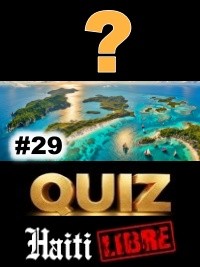
    Nestled along Haiti’s 1,700-kilometer Caribbean coastline lies a little-known geographic secret that many geography and travel enthusiasts have never encountered. While most general knowledge resources only reference the country’s four or five largest islands, the nation actually boasts more than 100 small islands, islets, and cays scattered across its surrounding territorial waters, creating a diverse coastal mosaic that adds unique complexity to Haiti’s national landscape.

    This sprawling archipelago includes a number of notable landmasses, from the twin Cayemite Islands (Grande Cayemite and Petite Cayemite) to Île à Cabrit, which sits in the sheltered bay of Port-au-Prince, the Sept Frères island chain off Haiti’s northern coast, and the remote Ilet-à-Brouée. The vast majority of these small landforms remain uninhabited by permanent human settlements, and most only see occasional use as temporary shelter for local fishermen working in nearby coastal waters.

    Beyond their geographic intrigue, these scattered island territories support remarkable ecological diversity, ranging from lush, protective mangrove forests that serve as critical nurseries for marine life to bright, pristine coral sandbanks that host unique coastal ecosystems. Managing this extensive maritime domain has emerged as a key priority for Haiti, both to preserve these fragile natural environments and to unlock opportunities for the development of sustainable, low-impact coastal tourism that can benefit local communities. What makes this geographic tapestry even more distinctive is that every tiny cay carries its own traditional local name and unique ecological or geographic characteristics, weaving together a richer, more diverse portrait of Haiti’s national territory than most popular sources share.

    This little-known geographic fact was shared as part of the answer key for the popular HaitiLibre Quiz platform, a free general knowledge resource that invites users to test their knowledge across a huge range of topics, from Haitian history, geography, and culture to global current events and specialized subject areas. Launched as an interactive public resource, the quiz platform does not require user registration, making it accessible to people of all age groups and backgrounds. It offers content across three distinct difficulty tiers—easy, intermediate, and hard—and all quizzes are available in both French and English to serve a broad international audience.

    As of a major monthly platform update rolled out on June 1, 2026, the site added 31 brand-new quizzes, bringing the total number of interactive games available to 150, with new content added on a monthly basis to keep the resource fresh for returning users. For those seeking more challenging content, the platform’s dedicated expert menu offers a curated selection of advanced quizzes on specialized topics. Users can explore the full collection of quizzes, share the platform with friends and family, and submit feedback to the HaitiLibre team directly through the official quiz website.

  • ‘Sea Wolves in Warm Waters: The U-Boat Battle In The Caribbean’ – Book review and author response

    ‘Sea Wolves in Warm Waters: The U-Boat Battle In The Caribbean’ – Book review and author response

    For most students and enthusiasts of World War Two naval history, the Caribbean theatre is rarely given the attention it deserves. Popular and even academic narratives often fixate on better-known battlegrounds, from the high-stakes Atlantic convoy crossings to the frigid Arctic supply routes, framing the sun-drenched Caribbean archipelago as a tranquil backdrop far removed from the chaos of global conflict. That widespread neglect is exactly what author and Caribbean scholar Clement Richards sets out to correct with his new release, *Sea Wolves in Warm Waters: The U-boat Battle in the Caribbean*, published in May 2026. A new review from military historian Dr. James Bosbotinis, originally featured in The Naval Review, offers a balanced deep dive into this groundbreaking work of historiography, which the book’s author has since responded to with contextual clarifications.

    Drawing on hundreds of declassified multinational archival sources – ranging from official military war diaries to cabinet-level government policy documents – Richards repositions the Caribbean as a strategically critical linchpin of the Allied war effort, rather than a peripheral afterthought. During Operation NEULAND, Germany’s 1942 offensive in the region, Nazi U-boats targeted the Caribbean’s core economic assets: the massive oil refineries across Aruba, Curaçao, and Trinidad, plus key shipping lanes that carried vital supplies of oil and bauxite to feed Allied industrial production. By cross-referencing Grand Admiral Karl Dönitz’s personal diaries with the individual operational logs of deployed U-boats, Richards builds a convincing case that Operation NEULAND was not a scattered string of opportunistic raids, but a coordinated, well-planned strike aimed at crippling a core Allied supply artery.

    The book’s multi-perspective framework draws on four distinct source bases: German military records, British high command policy papers, U.S. intelligence summaries, and local Caribbean community and government archives. This approach allows Richards to clearly trace how Allied defenses in the region evolved over the course of the campaign, from the initial uncoordinated response to the gradual rollout of formal convoy systems, expanded aerial patrol coverage, and growing anti-submarine warfare capacity that steadily eroded U-boat effectiveness by the mid-war period.

    One of the book’s greatest strengths is its commitment to centering the human cost of the conflict, rather than only detailing troop movements and strategic planning. Richards shines a light on the experiences of merchant seamen who suddenly found their routine shipping routes transformed into killing fields, where torpedo strikes left ships burning and leaking oil across once-calm waters. He also explores how the war abruptly shattered the relative peace of Caribbean island communities, which had long viewed the global conflict as a distant European affair. Beyond the immediate violence, Richards details how the massive military infrastructure built by the Allies during the war permanently reshaped Caribbean islands physically and economically, laying the groundwork for the modern commercial tourism industry and accelerating the push for decolonization in the post-war era.

    For all its contributions to the field, Bosbotinis notes the work is not without its limitations. A notable methodological imbalance emerges from the uneven availability of source material: while German, British and American military operations are reconstructed through detailed, complete institutional records, the experiences of local Caribbean populations are drawn from far more fragmented sources, including oral histories and scattered social accounts. This leads to a narrative that often frames Caribbean communities primarily through stories of suffering, rather than highlighting instances of local agency and active participation in the war effort. Additionally, Bosbotinis argues that the text devotes disproportionate space to the opening phase of Operation NEULAND in 1942, leading to repetitive coverage of the initial German offensive and the region’s first response, while the period after 1943 – when Allies had solidified their defensive posture – is covered far too briefly. This overemphasis on the initial “crisis” phase leaves the long-term impacts of wartime mobilization on daily Caribbean life underexplored. Finally, while Anglophone Caribbean communities receive extensive coverage, the Dutch ABC Islands and Vichy-controlled French Antilles are given only limited treatment, and the author’s choice to use summary source notes rather than full detailed citations will likely frustrate academic researchers hoping to verify specific claims or follow up on obscure local incidents.

    Despite these shortcomings, Bosbotinis concludes that *Sea Wolves in Warm Waters* is an indispensable addition to both World War Two maritime history and Caribbean historiography. It builds on the foundational work of earlier scholars like Kelshall and André, while expanding public and academic understanding of how global war touched even the most seemingly remote tropical communities. Even with its structural and geographic gaps, the book successfully challenges the persistent myth of the Caribbean as a passive, peripheral paradise during the war, reminding readers of the strategic importance of the theatre and the enduring legacy of struggle and sacrifice that lies beneath its popular image as a tranquil tourist destination.

    Following the publication of the review, Richards released a formal response clarifying two key criticisms raised by Bosbotinis. Addressing the claim that the book overemphasizes Caribbean suffering at the expense of local agency, Richards noted that during the war the Caribbean was almost entirely controlled by colonial powers, leaving local populations with very little scope for autonomous political or military action. As colonial subjects, most Caribbean communities experienced the war as the recipients of Allied policy rather than independent actors, and the emergence of distinct Caribbean political agency only came in the post-independence era after the war ended. That historical context necessarily shaped the narrative structure of the book.

    On the topic of limited coverage of French and Dutch Caribbean territories, Richards explained that access to local archival material presented significant practical barriers. Most French Caribbean territories were controlled by Vichy France for much of the war, and language barriers combined with restricted access to local French archives made deep research difficult. Dissident activity from French Caribbean territories connected to the Free French movement is covered in a dedicated chapter of the current book, and Richards plans to explore this topic in full in a future work, given Dominica’s central role in those events. Similar access issues impacted research on Dutch islands, with most available material coming from British and other English-language sources, limiting the depth of local Dutch perspectives that could be incorporated. Richards emphasized that he did not aim to excuse the gaps identified in the review, only to explain the practical contextual constraints that shaped the book’s research and writing.