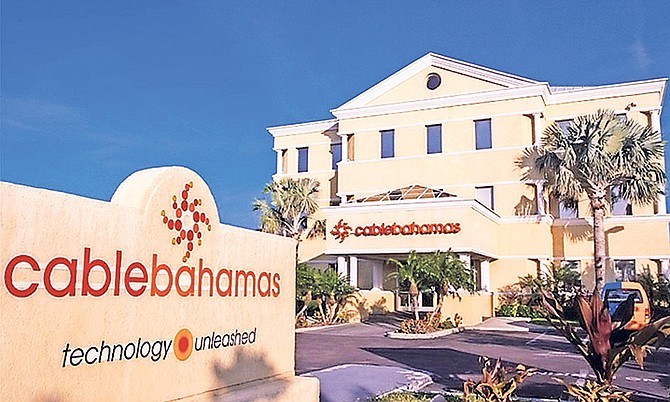
Cable Bahamas, a leading communications provider listed on the Bahamas International Securities Exchange (BISX), has resolved its prolonged tax dispute with the Bahamian government by paying a total of $3.538 million. The settlement, announced by the company’s president and CEO, Franklyn Butler, marks the end of a contentious battle over unpaid Value-Added Tax (VAT) and Business Licence fees. The decision to settle was driven by legal advice indicating that the Department of Inland Revenue (DIR) was likely to prevail in the dispute. The payment includes $2.313 million, which was initially deposited as part of the appeal process, and an additional $1.225 million to ensure compliance post-settlement. Butler emphasized the company’s commitment to being a responsible corporate partner, stating, ‘We’re glad to get that off our plate. The Government is a partner of ours, and we want to pay our fair share of taxes.’ The dispute primarily revolved around VAT on international inbound roaming and call charges, as well as insurance proceeds. Cable Bahamas’ share of the payment amounted to $1.039 million, while its subsidiary, Aliv, accounted for the majority of the settlement at nearly $2.5 million. The company’s financial statements for the year ending June 2025 reflect the settlement, with government and regulatory fees increasing by over $4.45 million year-over-year to $19.197 million. In addition to the tax dispute, Cable Bahamas is negotiating with the Utilities Competition and Regulation Authority (URCA) over a fine related to non-compliance with quality standards for its pay-TV service in 2021. The company has also renewed its operating licenses for its subsidiary, Cable Freeport, for a 15-year period, though its legal battle with URCA over regulatory authority in Freeport continues.
分类: business
-

From content to commerce
In the evolving landscape of modern business, attention has become the new currency. However, mere attention is no longer sufficient to sustain success. The year 2025 marks a pivotal shift where every scroll, like, and comment represents a micro-transaction in culture. Creators, once content with being digital celebrities, are now transforming into founders, curators, and architects of immersive, creator-led experiences. These businesses bring digital storytelling to life through cafes, tours, events, and tangible products, fostering a sense of belonging among consumers. The future of business lies at the intersection of content and community, where storytelling extends beyond the digital realm into real-world spaces that make people feel part of a narrative. This global phenomenon is not confined to major markets; it is also gaining momentum in the Caribbean. Creators like Jamel ‘Certified Sampson’ Sampson, Kyle Boss, and Gervail ‘Jr Lee’ Lee are turning digital influence into thriving physical businesses, from ice cream shops to comedy tours. The data underscores this trend, with Goldman Sachs projecting the global creator economy to reach US$480 billion by 2027. However, scaling this movement requires a supportive ecosystem, including stronger digital infrastructure, investment in innovation, and government recognition of creators as cultural exporters. As Caribbean entrepreneurs embrace this shift, the focus is on building creator-led experiences that will define the next decade of business. To aid this transition, digital strategist Keron Rose is hosting a workshop titled the Digital Revenue Roadmap, offering insights on monetizing digital presence and creating sustainable income ecosystems. The time has come for Caribbean entrepreneurs to move beyond products and craft experiences that resonate globally.
-
Carib prices rise after excise duty hike
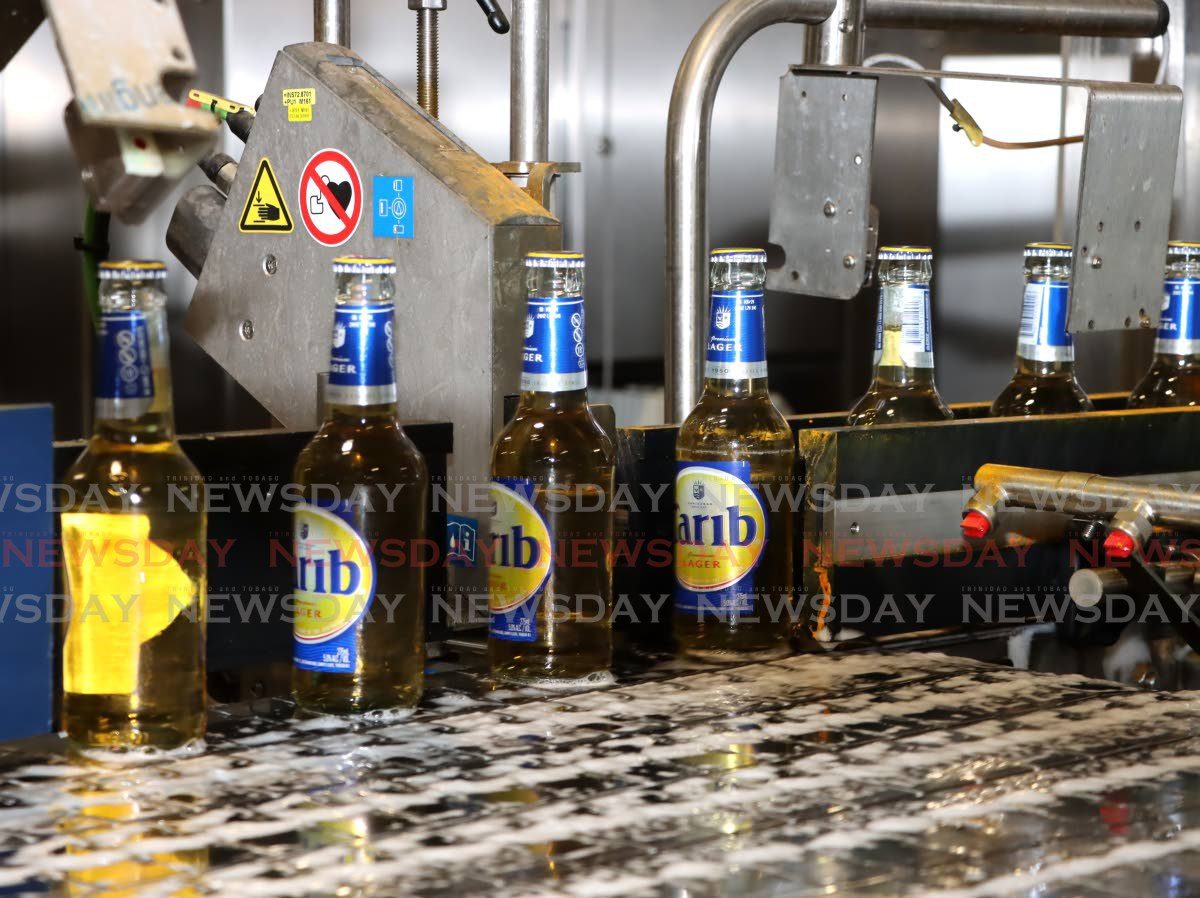
CARIB Brewery has announced a substantial price increase for several of its popular beverages, including Carib, Stag, and Guinness, in response to the government’s decision to double excise duties on alcoholic drinks as part of the 2026 budget. The new pricing, effective immediately, sees Carib, Stag, and Pilsner rise to $13 per bottle, up from $10-$11 previously. Stouts like Royal Extra Stout now retail at $15, while Guinness and Heineken have both increased to $22 per bottle. Non-alcoholic products such as Malta and Shandy have also risen to $10, though prices for Smirnoff Ice, Caribe Hard Cider, Vitamalt, Ginseng-Up, Smalta, Heineken 0.0, and Rockstone Tonic Wine remain unchanged. The price adjustments are directly linked to Legal Notice No 376, which raised the excise duty on alcoholic beverages from $5.14 to $10.28 per litre. This change took immediate effect for locally produced alcohol, including Carib Brewery’s products, as excise duties are payable when goods leave bonded warehouses for sale. Imported products will face similar increases later, pending review by the Solicitor General’s office. In a statement, Carib Brewery described the price adjustments as a ‘responsible and measured response’ to the government’s move, emphasizing efforts to balance economic realities with consumer affordability. The company also pledged to continue investing in its people, brands, and infrastructure while maintaining product quality. The announcement follows reports that Carib temporarily paused deliveries earlier in the week to recalculate costs, with bar owners awaiting new price lists before confirming retail adjustments. Bar Owners Association president Satesh Moonasar noted that the 100% rise in excise duty would likely be passed on to customers, as most bar operators cannot absorb the full increase. Finance Minister Davendranath Tancoo defended the duty hike during his October 13 budget presentation, stating it was part of a broader effort to raise revenue after years without adjustment, with the impact on individual bottles of beer being minimal.
-

Rethinking retail tax
In a significant move aimed at streamlining taxation and boosting economic efficiency, Trinidad and Tobago’s Finance Minister Davendranath Tancoo announced plans to replace the existing Value Added Tax (VAT) system with a sales tax during the 2025/2026 budget presentation on October 13. The VAT system, in place since 1989, has been criticized for its administrative complexity, backlog of refunds, and negative impact on business confidence. Tancoo emphasized that the proposed sales tax system would be simpler, more efficient, and aligned with models used in countries like the US and Canada. The current VAT rate stands at 12.5%, but the new system aims to eliminate loopholes and improve compliance through better resource allocation and digitization. Additionally, the government announced the removal of VAT on ‘basic’ food items, effective October 17, to address national food affordability. This includes products like pumpkin, watermelon, and coconut water. Industry leaders, including the TT Manufacturers’ Association and the Supermarket Association, have expressed cautious optimism, highlighting potential benefits such as reduced administrative burdens and improved cash flow for businesses. However, concerns remain about the transition process, particularly for small enterprises and farmers, who may face challenges in adapting to the new system. The government has pledged to ensure the transition is revenue-neutral and socially balanced, with protections for low-income households.
-

NIS amendments: A win for all
In a landmark announcement during the 2025/2026 national budget presentation, Finance Minister Davendranath Tancoo unveiled sweeping reforms to the National Insurance System (NIS). These changes, aimed at ensuring the long-term sustainability of the system, include a phased increase in contribution rates and a gradual rise in the qualifying age for full pension benefits from 60 to 65 years, effective January 2028. These measures, though initially surprising to some, were deemed both inevitable and necessary following the 11th Actuarial Review, which warned that the National Insurance Board’s (NIB) reserves could be depleted within eight years without decisive action. The reforms reflect global demographic trends, including aging populations, declining birth rates, and a shrinking workforce, which are placing immense pressure on social security systems worldwide. Minister Tancoo reassured citizens that those retiring before January 1, 2028, will remain unaffected, and existing pensioners will continue to receive their full entitlements, including the minimum pension at age 60. These reforms have been welcomed by financial professionals as a demonstration of fiscal responsibility and a commitment to long-term sustainability. Similar measures have been adopted globally, with countries like Denmark, France, the United Kingdom, and Barbados adjusting their retirement ages to align with demographic shifts. While these changes may be challenging, they are essential to preserving the integrity of the NIS, which supports over 200,000 citizens in securing income and dignity during retirement. By acting now, the government aims to safeguard the financial well-being of the nation and ensure future generations benefit from a stable and reliable safety net.
-

Powering the future: Wind, green hydrogen could redefine Trinidad and Tobago
As Trinidad and Tobago (TT) adapts to a rapidly evolving global energy landscape, the nation is charting a bold new course. At the forefront of this transformation is a strategic pivot toward large-scale wind energy deployment, coupled with green hydrogen and green ammonia production. This initiative is poised to become TT’s next major economic driver, ensuring its competitiveness in a world increasingly focused on decarbonization.
-

From local to legendary: Is export readiness key for SMEs?
For entrepreneurs and senior-level employees in Trinidad and Tobago’s small and medium-sized enterprises (SMEs), achieving export readiness is a significant milestone. The Trinidad and Tobago Chamber of Commerce (TT Chamber) has long emphasized this goal through its Contact Magazine and various initiatives, offering incentives, support services, and financing options to help businesses scale from micro to large enterprises. Both public and private sectors have introduced technical and operational growth programs, including the TT Chamber’s inaugural SME Conference, ‘Catalyst,’ aimed at fostering SME development. However, while some SMEs have achieved remarkable regional and international success, many still struggle to break through. This raises critical questions about policy environments, financing accessibility, and the effectiveness of public and private support systems. Marc Sandy, Manager of the Trade & Business Development Unit at the TT Chamber, highlights that while these factors are important, the entrepreneur’s passion and commitment to building a sustainable brand are paramount. One standout example is Farm and Function, a local agro-processing company that has expanded its regional footprint despite challenges, including the COVID-19 pandemic. Founded by David Thomas and Rachel Renie-Gonsalves, the company evolved from d’Market Movers, an online fresh produce distributor, into a leading supplier of frozen fruits. Farm and Function’s success story underscores the importance of resilience, strategic pivoting, and a clear vision. As SMEs navigate the complexities of export readiness, they must ask themselves fundamental questions about their ambitions, adaptability, and discipline. The journey from local to legendary demands not only financial and operational readiness but also an unwavering commitment to a global vision.
-

‘AI amplifies human intelligence’, says expert
KINGSTON, Jamaica — Amid growing concerns about artificial intelligence (AI) replacing human roles, Adrian Dunkley, founder and CEO of Star Apple AI, reassured human resource professionals that AI’s true potential lies in enhancing human intelligence, not replacing it. Dunkley’s remarks were delivered during the Human Resource Management Association of Jamaica’s (HRMAJ) launch of HRM Week 2025, held from October 5 to 10 under the theme, ‘Transforming Work: Human-Centered Leadership in the Age of AI.’
Speaking at the HRMAJ webinar titled ‘Empowering People with AI,’ Dunkley emphasized that AI serves as a tool to amplify human capabilities rather than diminish them. ‘AI didn’t replace human intelligence; it amplified it,’ he stated. He highlighted the transformative potential of AI in freeing employees from routine tasks, enabling them to focus on creativity, innovation, and meaningful connections. ‘The real opportunity lies in using AI to make work more human,’ he added.
Dunkley also shared insights from Caribbean organizations already leveraging AI, noting an average weekly time savings of five hours per employee. He underscored the importance of leadership in fostering trust and collaboration, stating, ‘When leaders help employees understand and experiment safely with AI, confidence and collaboration grow.’
Dr. Cassida Jones Johnson, President of HRMAJ, echoed these sentiments, emphasizing the rise of emotional intelligence as a critical leadership skill in the AI era. ‘As AI takes over routine and analytical tasks, emotional intelligence is fast becoming the defining skill of successful leaders,’ she said. Dr. Jones Johnson also stressed the irreplaceable value of human insight, emotion, and connection, asserting that the most effective leaders combine intelligence with empathy and ethics.
HRMAJ further highlighted the growing importance of empathy, creativity, adaptability, and ethical decision-making in leadership, citing World Economic Forum predictions that these skills will be in high demand by 2030. The association also emphasized the significance of neurodiversity, psychological safety, and inclusive leadership in building resilient and innovative workplaces.
HRM Week 2025 set the stage for HRMAJ’s annual conference, scheduled for November 12–13, 2025, at the Pegasus Hotel in New Kingston. The conference will explore the theme ‘From Strategy to Impact: Mastering Leadership Excellence Through HR,’ further delving into the intersection of AI and human-centered leadership.
-

Mystic India Opens in Panama
What started as a celebrated wedding catering service has now evolved into Panama’s first fine dining Indian restaurant. Mystic India, after nearly a decade of creating unforgettable culinary experiences at grand Indian weddings across Panama, has officially launched its permanent establishment. This new venture offers residents and visitors a unique blend of authentic Indian flavors, artistic presentation, and exceptional hospitality. Since 2014, the Mystic India team has been traveling annually to Panama to cater lavish Indian weddings, earning a reputation for consistency, quality, and unmatched flavor. Their dedication has secured the trust of numerous Indian families who repeatedly invite them to celebrate their most cherished occasions. ‘We’ve had the honour of being invited to cater weddings in Panama for over a decade,’ a spokesperson for Mystic India shared. ‘Each year, our team travels to Panama to create unforgettable culinary experiences. Guests would often ask, ‘Why don’t you open a restaurant in Panama?’’ That opportunity recently arose, and the team seized it, transforming their years of passion and expertise into a permanent culinary landmark. The result is Mystic India, a stunning new restaurant that redefines the perception of Indian cuisine in Panama. With elegant décor, warm service, and an inventive menu, Mystic India has quickly captivated food lovers across the city. The restaurant’s soft opening was met with overwhelming enthusiasm, with a fully booked first night and steady reservations ever since. The buzz continues to grow as the team prepares for its grand opening on October 18, marking a new era for fine dining in Panama City. ‘Mystic India isn’t just about food — it’s about sharing culture, celebration, and connection,’ shared founder Karina Mahbubani. ‘Panama has always welcomed us with open arms during weddings and special events, and now, we’re honoured to make it our home.’ With its blend of traditional recipes, modern presentation, and impeccable consistency, Mystic India promises to be a destination where every meal feels like a celebration.
-

Jamaica Observer, Gleaner move to sign joint venture agreement
In a landmark move for Jamaica’s media industry, Jamaica Observer Limited (JOL) and Gleaner Company Media Limited (GCML) have announced their decision to form a formal joint venture (JV) by the end of the calendar year. This strategic collaboration, initiated through a memorandum of understanding (MOU) signed in early August, aims to explore operational efficiencies by outsourcing shared printing and distribution logistics services, print production, and distribution networks. Following a comprehensive fact-finding period, the two independent entities have agreed to establish a JV focused on creating a unified logistics model for print production and distribution. The partnership is expected to yield significant cost savings, improved delivery timelines, and enhanced consumer service. Anthony Smith, CEO of the RJRGleaner Communications Group, emphasized that the JV discussions have meticulously outlined the coordination and efficient logistics required to ensure the stability and integrity of both operations. Dominic Beaubrun, Managing Director of JOL, highlighted the transformative potential of this collaboration, noting its practical and forward-thinking approach to preserving the industry. Despite the joint venture, both companies will retain their independence, with separate ownership, operations, and editorial control, ensuring continued high-quality journalism and service to their respective audiences. The Gleaner, established in 1834, and the Observer, founded in 1993, bring decades of experience to this innovative partnership.