
Shallamar-Ann Williams, the visionary behind Shally’s Balloons Plus, has been honored with the Entrepreneur Award at the prestigious WOW Factor Awards 2025. Recognized for her exceptional creativity, remarkable business growth, and unwavering commitment to excellence, Williams has established her company as a leader in event decor and balloon artistry. Shally’s Balloons Plus has gained widespread acclaim for its innovative balloon designs and unparalleled customer service, transforming celebrations across Antigua and Barbuda. The WOW Factor Awards, which highlight individuals and businesses that inspire through innovation, leadership, and community impact, celebrated Williams’ achievements as a testament to her entrepreneurial spirit and dedication to her craft. This accolade underscores her significant contributions to the industry and her role as a trailblazer in the field of event decoration.
分类: business
-

Jeannette Bowery Wins WOW Factor 2025 Award for Sales and Marketing
Jeannette Bowery, a distinguished professional at Hadeed Motors Ltd., has been honored as the Sales and Marketing Category Winner at the prestigious WOW Factor Awards 2025. This annual event, held in Antigua and Barbuda, recognizes exceptional achievements and professionalism across various industries. Bowery’s victory underscores her remarkable contributions to customer engagement and innovative marketing strategies within the automotive sector. The WOW Factor Awards organizers lauded Bowery’s unwavering dedication and outstanding performance, highlighting her role in elevating service standards within the local business community. Her success not only reflects her personal commitment but also sets a benchmark for excellence in the industry. The award ceremony celebrated her ability to blend creativity with customer-centric approaches, making her a standout figure in the competitive automotive market. Additionally, the event served as a platform to promote digital marketing opportunities, encouraging businesses to leverage customizable and flexible advertising packages to enhance their visibility and reach.
-
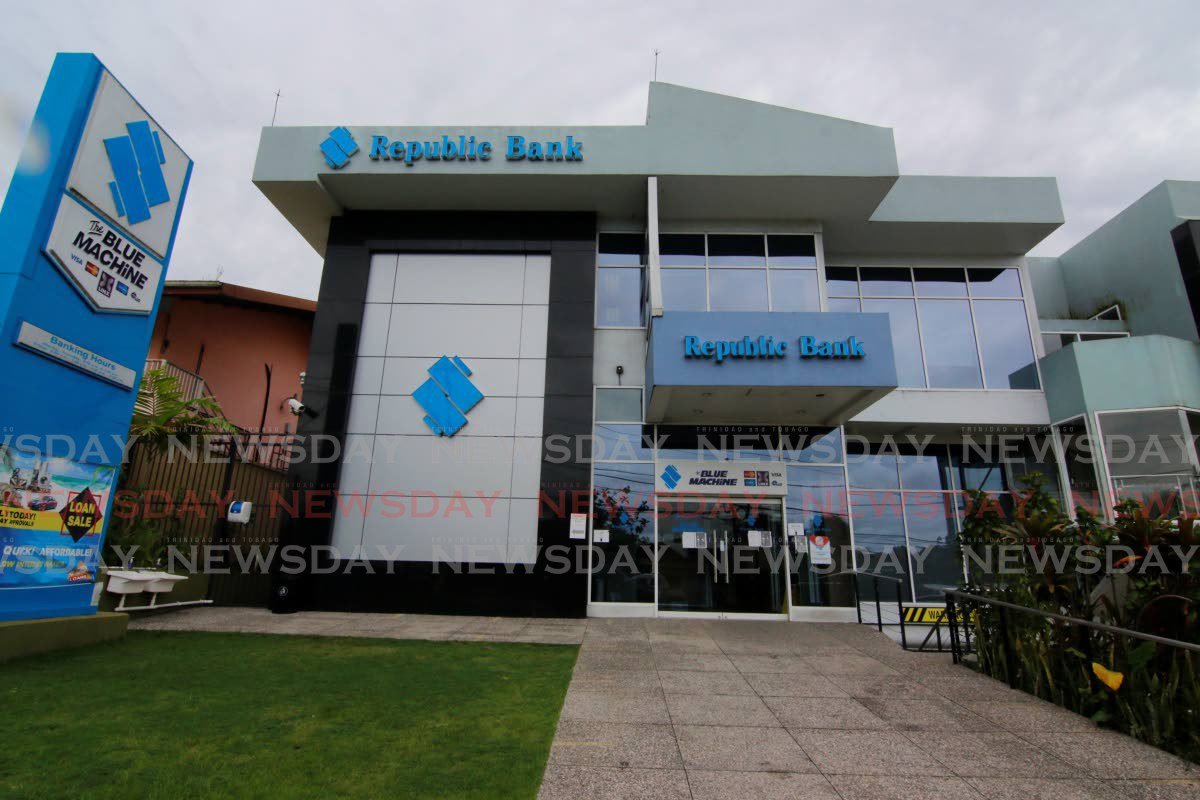
Tancoo: Republic Bank board to be appointed
In a significant move to enhance economic fairness and regional representation, Finance Minister Davendranath Tancoo announced that the government will soon appoint a majority of directors at Republic Bank Ltd. This announcement was made during the presentation of the 2025/2026 national budget at the Red House on October 13. Minister Tancoo emphasized the government’s commitment to ensuring that Tobago’s interests are represented on the boards of major financial institutions, including Republic Bank Ltd, First Citizens Bank, and Eximbank. He proudly stated that each of these boards will include a Tobago union-based presence, reflecting the government’s dedication to regional inclusivity. Currently, Republic Bank Ltd’s board includes chairman Vincent Pereira, president and managing director Nigel Baptiste, and directors Trevor Gomez, Edward Ince, Jacqueline HC Quamina, Caroline Toni Sirju-Ramnarine, Kristine Thompson, and Gregory Thomson. Republic Bank Ltd is a subsidiary of Republic Financial Holdings Ltd (RFHL), which recently saw the resignation of two directors: Shameer Ronnie Mohammed on October 3 and Waltnel Sosa on October 7. This strategic move by the government aims to strengthen governance and ensure equitable representation across the nation’s financial sector.
-

ASYCUDA system to undergo full upgrade
The Ministry of Finance in Trinidad and Tobago has announced a comprehensive upgrade to the Automated System for Customs Data (ASYCUDA), set to be operational within the next 18 months. The enhanced system will introduce digital payment capabilities, aiming to modernize and streamline international trade processes. Finance Minister Davendranath Tancoo unveiled the plans during the budget presentation at the Red House on September 13. The upgrade is expected to minimize manual intervention, improve risk assessment, and expedite customs clearance, with a target of transferring goods between private bonded warehouses within 24 hours. Additionally, the system will support full valuation capabilities, electronic declarations, and integration with the court system. The project is a collaborative effort between the Trinidad and Tobago government and the United Nations Conference on Trade and Development (UNCTAD), supported by a steering committee comprising public and private stakeholders. This initiative follows a major system disruption in July, which caused significant financial losses for businesses due to prolonged downtime.
-
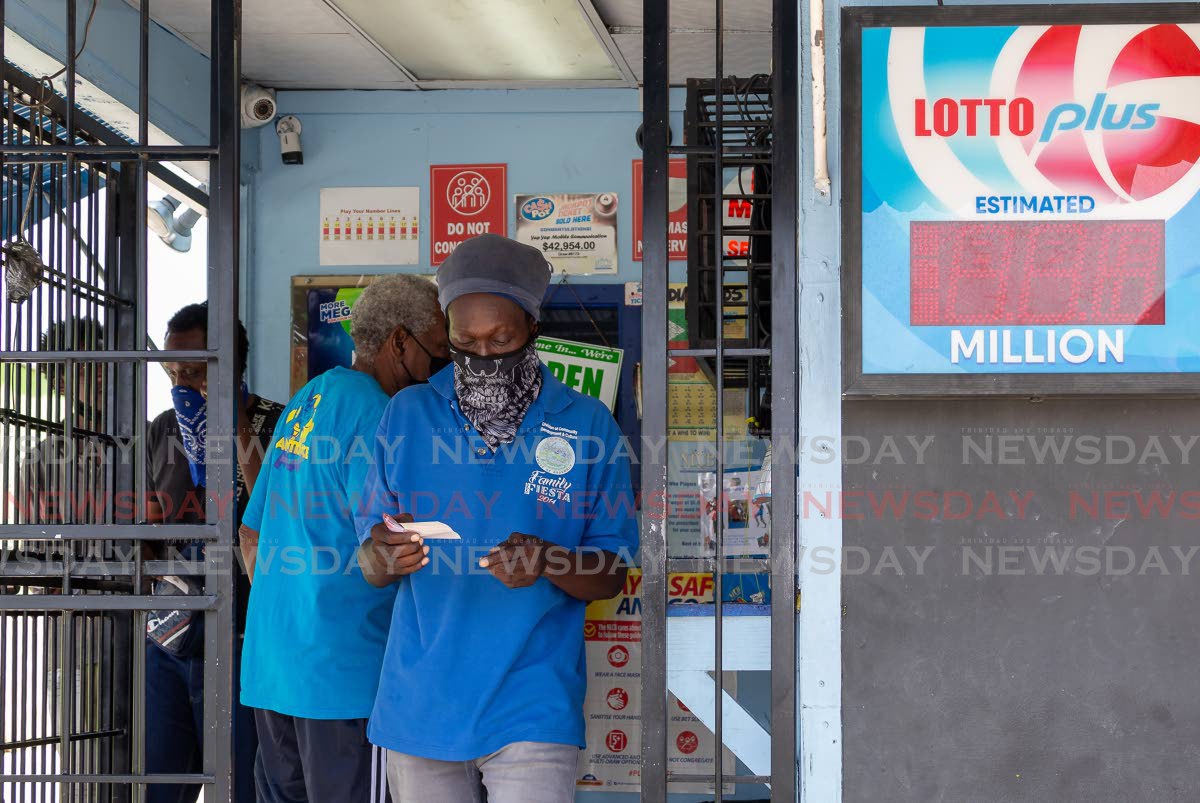
Tancoo: Stiffer penalties for illegal gambling
In a bold move to curb the significant financial losses caused by illegal gambling, the government has announced stricter penalties for operators of illicit betting schemes, including the popular ‘whe whe’ game. Finance Minister Davendranath Tancoo, during his budget presentation on October 13, highlighted the severe impact of underground betting on the National Lotteries Control Board (NLCB) and the broader economy.
-

Sales tax to replace VAT
Finance Minister Davendranath Tancoo has unveiled plans for a significant tax reform in Trinidad and Tobago, aiming to replace the existing Value Added Tax (VAT) system with a sales tax. The announcement comes in response to growing concerns over the current VAT framework, which has been described as overly burdensome for businesses and the Board of Inland Revenue Division. Tancoo highlighted that the complexity of the VAT system has led to a surge in refund claims, eroding business confidence and complicating fiscal management. The proposed sales tax, to be applied at the point of final transaction, is touted as a simpler and more efficient alternative. Tancoo emphasized that the new system would eliminate the intricate process of calculating and auditing refund claims, making it easier to administer. The government plans to initiate the review process within the current fiscal year, supported by technical guidance. However, the transition will necessitate extensive legal amendments, administrative restructuring, IT system reconfiguration, and close collaboration with stakeholders nationwide. Tancoo assured that the government would address the existing backlog of refund claims and ensure that the shift to a sales tax remains revenue-neutral and socially equitable.
-

Caribbean cryptocurrency concerns
At a recent webinar on October 2, hosted by the Caribbean Digital Finance Alliance (CDFA), fintech professionals across the Caribbean convened to discuss the pressing issue of cryptocurrency regulation. The event, set to formally launch in November, was prompted by Trinidad and Tobago’s (TT) recent proposal to ban virtual assets, sparking a broader regional dialogue on the matter. Moderator Dennis Augustine emphasized that the discussion aimed to explore fundamental policy questions rather than critique specific legislation. He posed a critical question: Should the Caribbean adopt a cautious approach to virtual assets, or is outright prohibition the more prudent stance? Mark Pereira of ZLabs highlighted TT’s forex constraints, noting that the Central Bank’s opaque distribution of US dollars has led individuals to seek alternative methods, including cryptocurrency. Pereira advocated for regulated use of stablecoins to improve forex accessibility. Annie Bertrand of the CDFA underscored the influence of the Financial Action Task Force (FATF) in shaping regional financial compliance, while Prof Louis De Koker warned against the pitfalls of both pausing and banning virtual assets. Pereira proposed a public-private partnership framework, suggesting a regulatory sandbox to allow the Central Bank to test its systems. He emphasized that collaboration between the government and private sector could lead to a progressive virtual asset bill. De Koker echoed this sentiment, highlighting the private sector’s market insights as invaluable to regulators. With the global crypto market now valued at $4 trillion, the consensus was clear: all countries must adapt to this evolving financial landscape.
-
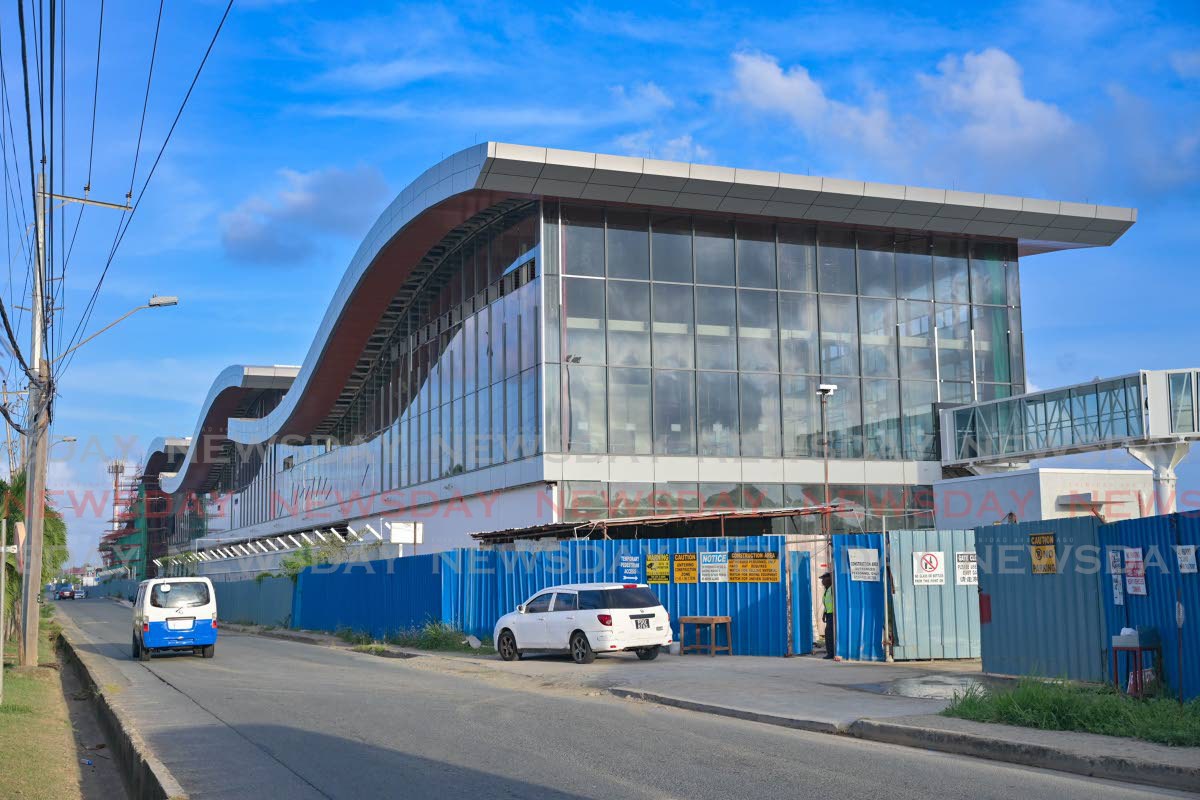
Tobago airport ‘fully operational’ by March 2026
The ANR Robinson International Airport in Tobago is on track to become fully operational by March 2026, as announced by Finance Minister Davendranath Tancoo during the 2025/2026 national budget presentation. The airport, which underwent a comprehensive redevelopment and expansion project initiated in 2019, reached substantial completion in February 2025. The ‘practical opening’ of the terminal, marking the end of the construction phase, was overseen by former Prime Minister Dr. Keith Rowley. However, operational readiness, including staff training and system testing, remains underway. Minister Tancoo emphasized that the government is committed to ensuring the airport’s full operationalization by the second quarter of fiscal 2026, moving beyond the ‘practical opening’ phase. This development is expected to bolster Tobago’s tourism sector and establish Trinidad and Tobago as a key regional air hub.
-
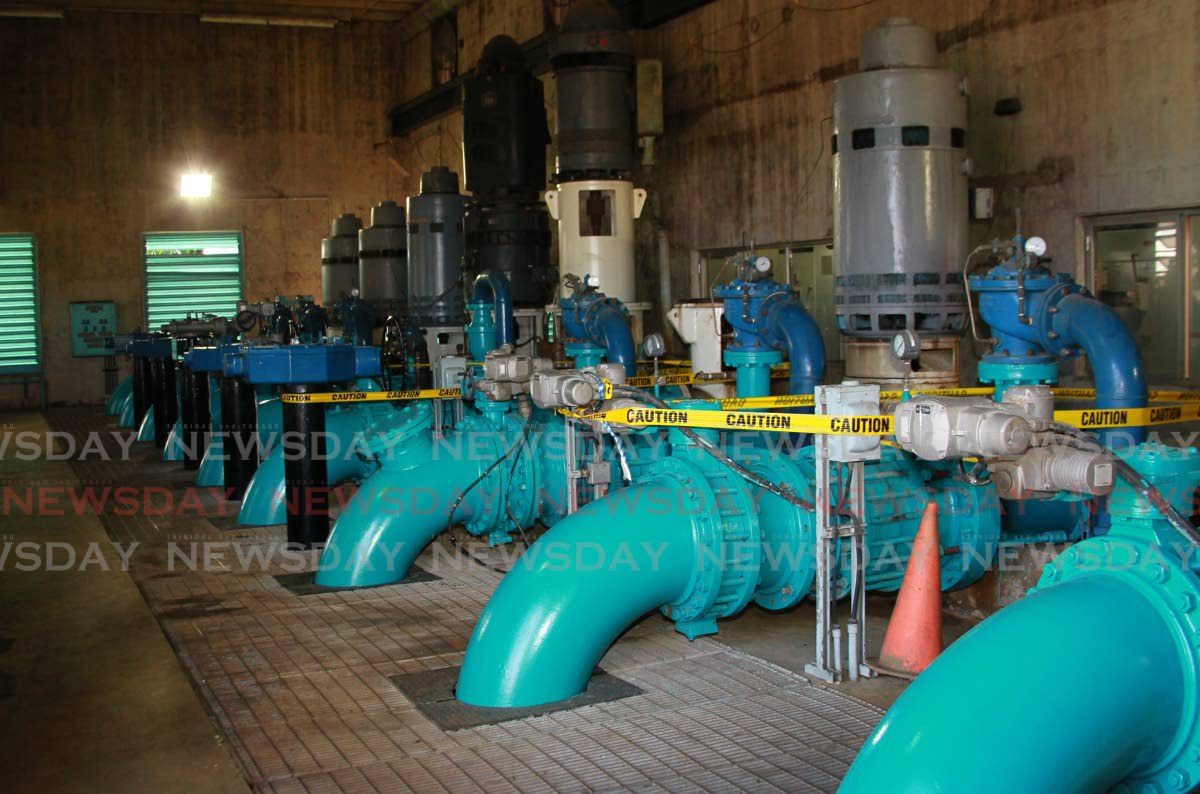
Tancoo reveals $50m WASA smart-metering project
Finance Minister Davendranath Tancoo has unveiled a $50 million smart-metering initiative aimed at modernizing Trinidad and Tobago’s water infrastructure. The program, set to launch in the 2026 fiscal year, is part of a broader strategy to enhance revenue generation and curb water wastage. Tancoo emphasized the government’s decision to scrap the WASA transformation plan, a move that safeguards 3,700 jobs and reallocates $30 million in savings to essential services. He highlighted significant improvements in water supply, particularly in historically underserved areas like Siparia and Maracas Bay, where residents now receive water three times a week and five days a week, respectively. Additionally, a $300 million pipeline replacement program will target key mains in Port of Spain, San Fernando, and Arima. The smart-metering system, initially proposed in 2019 by former Public Utilities Minister Robert Le Hunte, aims to enhance billing accuracy and reduce water losses. Despite previous resistance, the renewed initiative reflects the government’s commitment to sustainable water management.
-
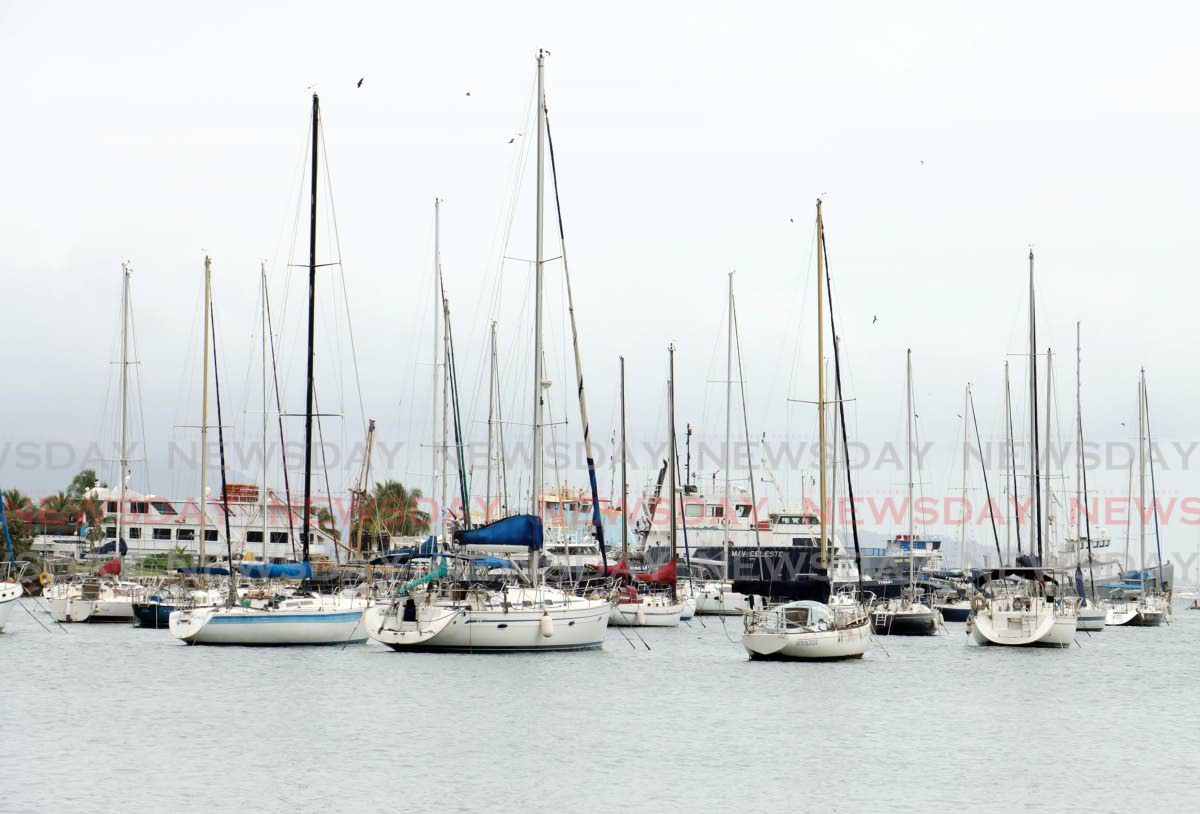
Government to invest US$12b in maritime sector
In a bold move to revitalize its maritime sector, Trinidad and Tobago’s Finance Minister Davendranath Tancoo unveiled a comprehensive $12 billion investment plan spanning seven years. The initiative aims to create 3,000 jobs and reposition the nation as a regional maritime hub. Key strategies include streamlining immigration and customs procedures, implementing digital clearances, and developing public-private partnership (PPP)-driven marinas and super yacht facilities to boost tourism and attract foreign investment. Additionally, the government plans to repurpose underutilized state assets, such as transforming the Caroni racing complex into a world-class convention center in collaboration with the TT Manufacturers’ Association (TTMA). To further strengthen the economy, a new export academy will be established, aiming to produce 100 export-ready firms annually. The government will also partner with the TT Chamber of Industry and Commerce and the Inter-American Development Bank to provide SMEs with training in trade facilitation, financing, e-commerce, and global marketing. The Eximbank will resume its core mandate of supporting exporters through foreign currency loans, with payments initially made in TT dollars before transitioning to the loan’s currency. Transparency in eligibility criteria and public reporting will ensure fairness, particularly for SMEs. Other initiatives include launching a national registry of exporters, promoting a ‘buy local’ campaign, and advancing partial scope agreements with India and West Africa.