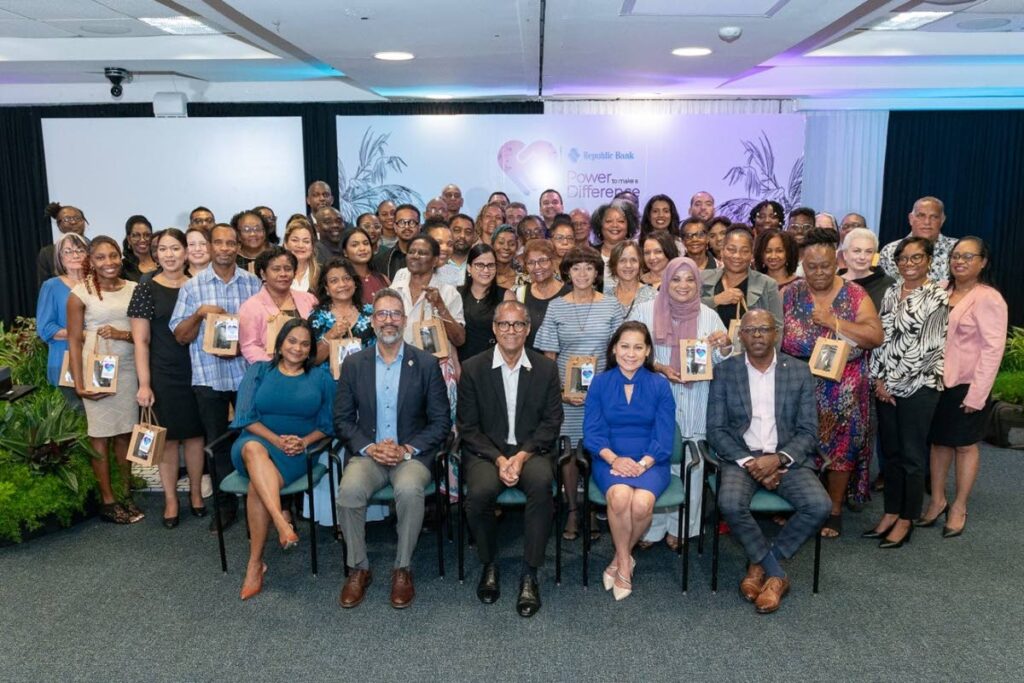
Republic Bank has officially launched the 2025/2026 cohort of its flagship corporate social responsibility (CSR) initiative, the Power to Make a Difference (PMAD) programme. The announcement was made on October 9, marking the third year of the bank’s ambitious five-year $125 million commitment to social development, spanning from 2023 to 2028. This year, 75 non-governmental organisations (NGOs) focused on driving positive social change have been selected as partners for the programme. These NGOs will collaborate with Republic Bank to advance initiatives in education, healthcare, environmental preservation, inclusion, culture, sports, youth development, poverty alleviation, and entrepreneurship. Speaking at the launch event, Vice President Richard Sammy emphasized the bank’s determination to make this year the most impactful yet. He highlighted the importance of strengthening partnerships, fostering innovation, and ensuring that collective efforts create lasting ripple effects across communities. The PMAD programme, which was first introduced in 2003, aligns with Republic Bank’s environmental, sustainability, and governance (ESG) objectives. It also supports the United Nations’ principles for responsible banking and contributes to the achievement of sustainable development goals. Over the years, the programme has expanded beyond Trinidad and Tobago to include Barbados, the Eastern Caribbean, Grenada, Guyana, and Suriname. This expansion underscores Republic Bank’s dedication to building stronger, more resilient communities across the region.
分类: business
-
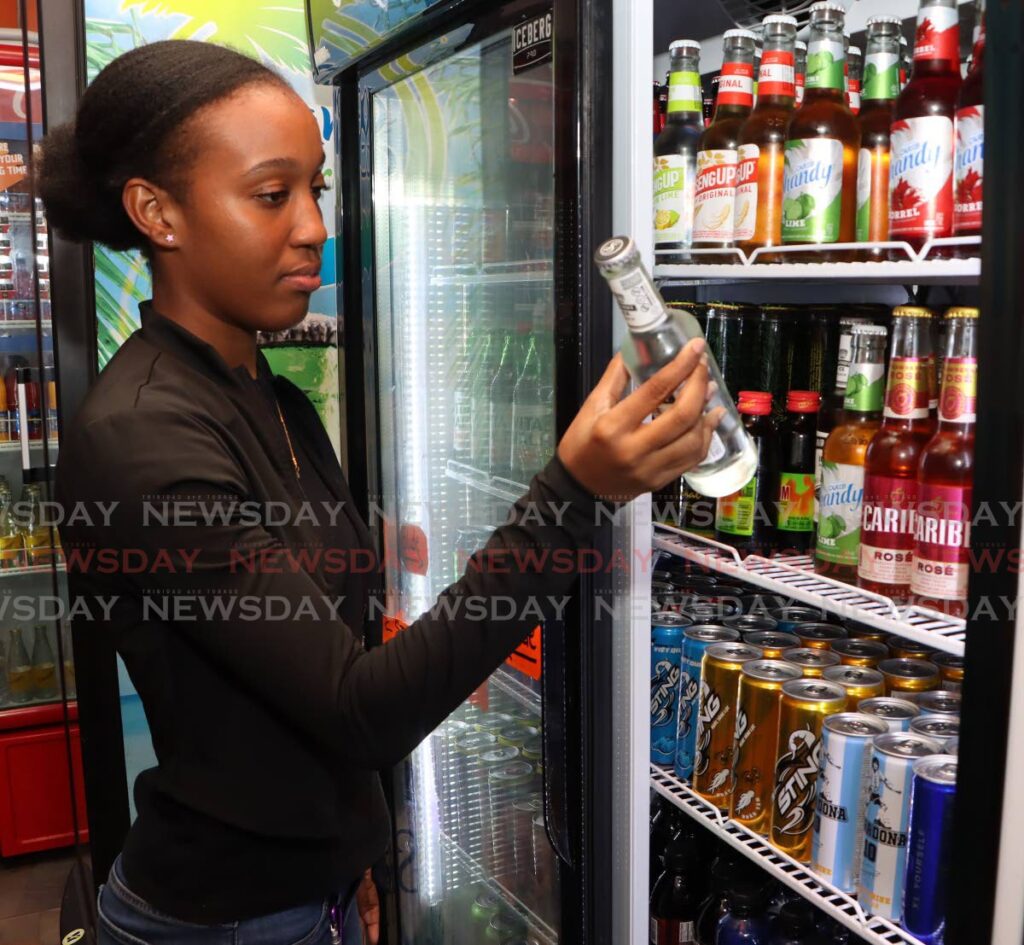
Alcohol, tobacco duties to apply locally first
In a significant fiscal move, Trinidad and Tobago has announced a 100% increase in customs duties on alcohol, beer, and tobacco, effective immediately. Finance Minister Davendranath Tancoo unveiled this decision during the presentation of the 2025-2026 national budget on October 13. Contrary to widespread assumptions, the hike applies equally to both locally produced and imported goods, marking a substantial shift in the country’s taxation policy.
-

Obika: Budget heavy in rhyme but hollow economically
Economist and former senator Taharqa Obika has delivered a scathing assessment of the United National Congress (UNC) administration’s inaugural $59.2 billion national budget, labeling it as “heavy in rhyme but hollow in economic reason.” Obika, who once served as a UNC senator before defecting to the People’s National Movement (PNM), criticized Finance Minister Davendranath Tancoo’s budget presentation for its lack of substantive economic direction despite its rhetorical flair. Speaking to Newsday via WhatsApp, Obika remarked that while Tancoo’s delivery was energetic and even poetic, it failed to address critical economic challenges. He argued that the budget missed the opportunity to establish a robust foundation for the country’s recovery over the next five years, leaving “gaping holes” in areas such as revenue generation, pension reform, and taxation policy. Obika, who holds an MBA in Finance and a BSc in Economics, highlighted the absence of concrete strategies to meet expenditure targets, particularly in revenue collection. He warned that the lack of detail could indicate the government’s inability to balance the books without resorting to devaluing the TT dollar. Obika also criticized the proposed replacement of the Value Added Tax (VAT) system with a sales tax, calling it “a mere statement rather than a well-developed policy intervention.” He cautioned that tampering with VAT, which accounts for over 10% of government spending, without a clear replacement plan is “fiscally reckless.” Additionally, he condemned the decision to raise the National Insurance System (NIS) pension age from 60 to 65, phased between 2028 and 2036, which he said would place undue strain on workers. Obika also predicted that the new landlord tax would lead to rent increases of at least 3.6%, further burdening citizens. He concluded that the budget, rather than inspiring confidence and guiding investment, “reads more like a poem than a plan.”
-

Unicomer Strengthens OECS Communities Through Culture, Sports, and Education in 2025
In 2025, Unicomer Group has reaffirmed its commitment to the Caribbean region by continuing its legacy of community investment and cultural support across the Organisation of Eastern Caribbean States (OECS). Building on the strong foundation laid in 2024, the company has launched a series of initiatives aimed at enriching lives and strengthening communities through cultural sponsorships, sports partnerships, educational support, and youth empowerment programs.
-

Buitengewone AVA Staatsolie op het laatste moment afgeblazen
The highly anticipated Extraordinary General Meeting (EGM) of Staatsolie, scheduled for today, was abruptly canceled at the last minute. The meeting, convened by Board Chairman Gonda Asadang and the Ministry of Natural Resources (NH), was set to address critical governance changes within the company. Notably, the Ministry of Oil & Gas, which oversees policy in the sector, appeared conspicuously absent from the discussions. The primary agenda items included the resignation of current Board of Commissioners (BOC) members and the appointment of new appointees: Rudolf Elias (Chairman), Sergio Akiemboto (Chief of Staff at the President’s Office), Aroon Samjhawan, Ewald Poetisi, Rudie Chin Jen Sem, Chantal Doekhie, and Edgar Caffé. Staatsolie’s Managing Director, Annand Jagesar, confirmed to Starnieuws that the management was informed of the cancellation this morning. ‘We were notified that the EGM will not proceed today. Beyond that, the management is unaware of the reasons behind this decision,’ Jagesar stated. According to Staatsolie’s statutes, an EGM must be convened at least 15 days in advance, though deviations can be approved during the meeting itself. The reasons for the postponement and the new date for the meeting remain undisclosed, leaving stakeholders in the dark about the future of the company’s leadership.
-
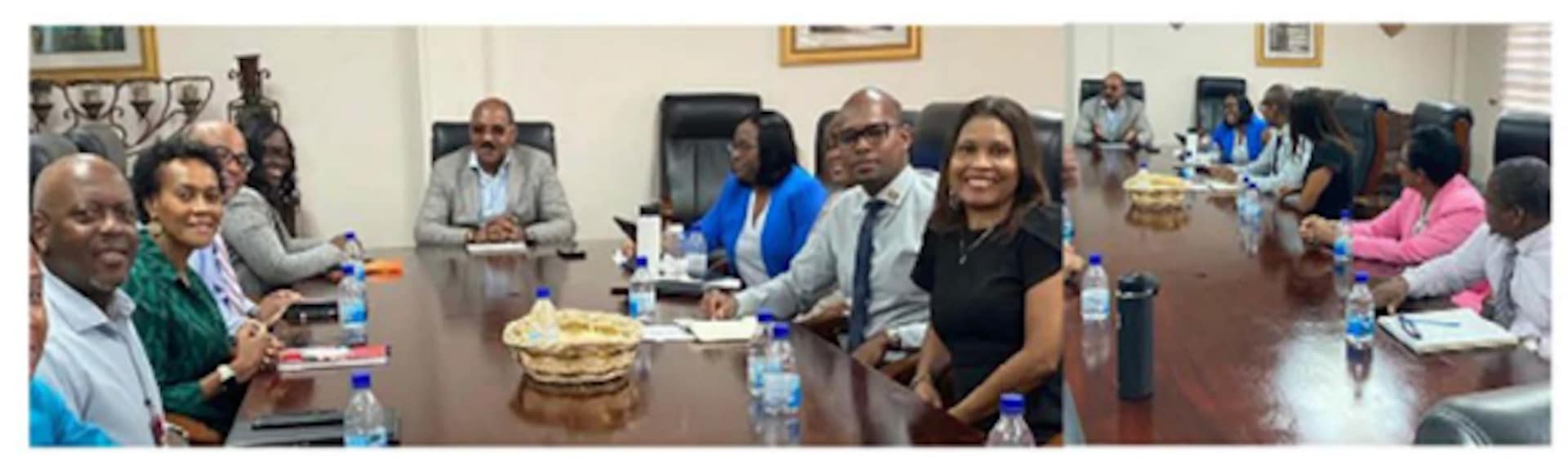
PM Browne Meets with The Antigua and Barbuda and Montserrat Bankers Association
The Antigua and Barbuda and Montserrat Bankers Association (ABMBA) recently convened with Prime Minister Gaston Browne and senior officials from the Ministry of Finance and Corporate Governance to bolster collaboration on financial inclusion and sector resilience. The meeting, held in recognition of October as Financial Literacy Month within the Eastern Caribbean Currency Union (ECCU), emphasized the importance of integrating financial education into national school curricula.
Discussions centered on improving access to financial services for underserved and vulnerable groups, as well as enhancing business confidence across the nation. Both parties reaffirmed their commitment to developing innovative financial products and expanding credit access for small and medium-sized enterprises (SMEs). This initiative is part of a broader roadmap aimed at promoting economic empowerment and fostering long-term collaboration in the banking sector.
Addressing regional and local concerns, the ABMBA and the Ministry of Finance highlighted the rise in banking-related crimes. They urged the public to remain vigilant against scams and fraudulent schemes, agreeing to expand public awareness campaigns that promote responsible banking practices.
The Ministry of Finance and the ABMBA reiterated their dedication to building a secure, inclusive, and resilient financial system that supports the economic advancement of citizens across Antigua and Barbuda and Montserrat.
-
Economy : Summary, key points of the 2025-2026 budget
The Haitian Council of Ministers has officially approved the 2025-2026 national budget, totaling 345 billion gourdes, marking a 6.8% increase from the previous fiscal year. This budget is strategically designed to address critical priorities such as public security, electoral organization, and macroeconomic stabilization, as outlined by the Transitional Government. The budget aims to restore confidence, consolidate progress, and lay the groundwork for inclusive and sustainable growth. Key areas of focus include the restoration of public security, the organization of general elections, economic recovery, and the modernization of tax administration. The budget also emphasizes a territorialized approach to public spending, ensuring greater transparency and efficiency in resource allocation. Macroeconomic projections indicate a modest real GDP growth rate of 0.3%, with an end-of-period inflation rate of 23.4%. The budget will be primarily financed through domestic resources, including tax and customs revenues, which account for 70.5% of the total funding. Capital expenditures, representing 38.2% of the budget, will focus on infrastructure rehabilitation, regional recovery, and social protection systems. Specific initiatives include the rehabilitation of police stations, the strengthening of the Haitian National Police and Army, and the introduction of reliable technologies to ensure transparent elections. Additionally, the budget allocates resources for food security, healthcare, education, and gender-based violence prevention, aiming to address the needs of the most vulnerable populations.
-
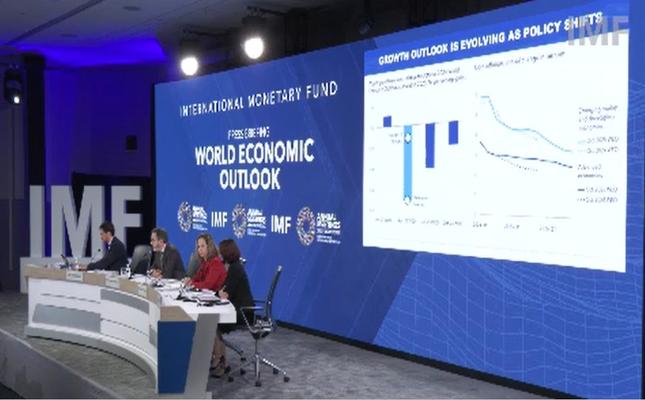
IMF projects continued global growth despite trade tensions and potential economic headwinds
The International Monetary Fund (IMF) has projected a resilient global economic growth trajectory, forecasting expansions of 3.2% in 2025 and 3.1% in 2026, despite persistent trade tensions and broader economic uncertainties. These projections were unveiled during the IMF-World Bank Annual Meetings in Washington, D.C., where officials highlighted the complex interplay of evolving trade policies and fiscal dynamics shaping the global outlook. Pierre-Olivier Gourinchas, IMF’s Chief Economist, emphasized that while inflationary pressures have increased modestly, the impact of tariff shocks has been mitigated by trade exemptions and new agreements. He noted that many countries have avoided retaliatory tariffs, and private-sector adaptability has cushioned the effects of policy shifts. However, Gourinchas warned that risks remain, particularly in advanced economies like the U.S., where growth projections have been revised downward due to inflationary and labor market challenges. In Latin America and the Caribbean, the IMF has revised growth forecasts upward, with Mexico leading the region. Guyana, driven by its booming oil sector, remains the Caribbean’s fastest-growing economy, though growth is expected to slow significantly in 2025.
-
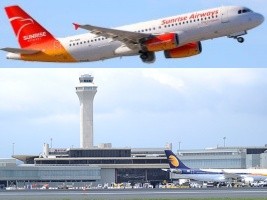
Travel : Sunrise Airways wants to open a direct route between Haiti and Newark (NJ)
Sunrise Airways, a privately owned Haitian airline, is taking significant strides to expand its international reach by proposing a wet lease agreement for a direct flight route between Haiti and Newark Liberty International Airport (EWR) in the United States. This innovative approach involves leasing an aircraft and its crew from a third-party operator, along with outsourcing insurance, maintenance, and other operational aspects. This strategy allows Sunrise Airways to expedite the launch of the Newark route without the need to invest in owning or leasing entire aircraft and staffing. The proposal is under close scrutiny by aviation regulators and industry experts, as its success could mark a pivotal moment in Haiti’s efforts to rebuild its tourism sector and enhance its global appeal. To proceed, Sunrise Airways must secure approval from U.S. aviation authorities, who will evaluate compliance with safety, security, and bilateral agreements. This process includes rigorous reviews of maintenance records, crew credentials, insurance, and liability provisions, as well as adherence to U.S. aviation standards. Regulators will also ensure that the wet lease agreement does not compromise safety or oversight, potentially requiring additional safeguards such as joint oversight or insurance guarantees. If approved, the direct Haiti-Newark route would have far-reaching implications, opening new tourism opportunities, improving travel conditions for Americans, and facilitating access to the U.S. for Haitians and the large Haitian diaspora. The route would also strengthen ties between Haiti and its largest trading partner, the United States, while serving as a vital transportation link for the Haitian diaspora in New Jersey, New York, and Florida. Newark Liberty International Airport, a major hub in the Northeast, would provide convenient access for travelers, further enhancing the route’s potential impact.
-
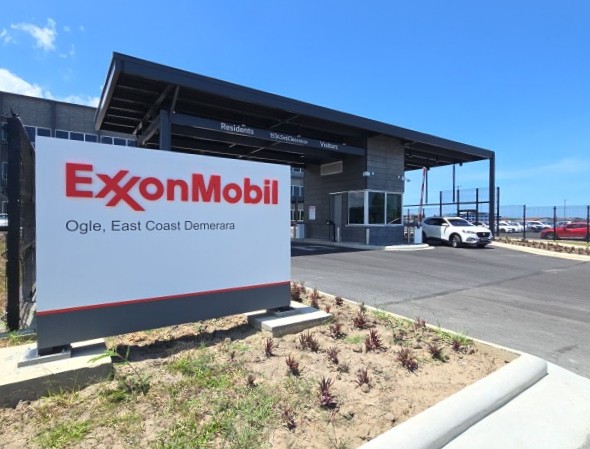
Converting into liquefied natural gas not a priority – ExxonMobil Guyana’s chief
ExxonMobil Guyana’s CEO, Alistair Routledge, announced on Monday that the company’s focus in Guyana will be on utilizing natural gas for domestic growth rather than converting it into Liquefied Natural Gas (LNG) for export. This decision comes as ExxonMobil prepares to develop its first non-associated gas field at Longtail in the Stabroek Block. Routledge emphasized that the gas would primarily support power generation, data centers, and an alumina plant, aligning with Guyana’s broader economic development goals. While LNG conversion remains an option, the immediate priority is to maximize the gas’s value within the country. The company aims to complete environmental impact studies by late 2026 and submit a field development plan (FDP) to the Guyanese government. Initial production will focus on condensate, a liquid byproduct of natural gas, for global export. Gas reinjection into wells will also be employed to enhance condensate recovery, with natural gas extraction expected to begin 10 to 15 years after Longtail’s condensate production starts. ExxonMobil forecasts a daily production rate of over one billion cubic feet of natural gas from Longtail. In contrast, water reinjection will be used at the Hammerhead field, which contains heavier oil, with gas potentially exported to existing pipelines or the Liza Unity FPSO to boost oil recovery.