分类: business

  • Igniting potential: Why mentorship matters more than ever

    Igniting potential: Why mentorship matters more than ever

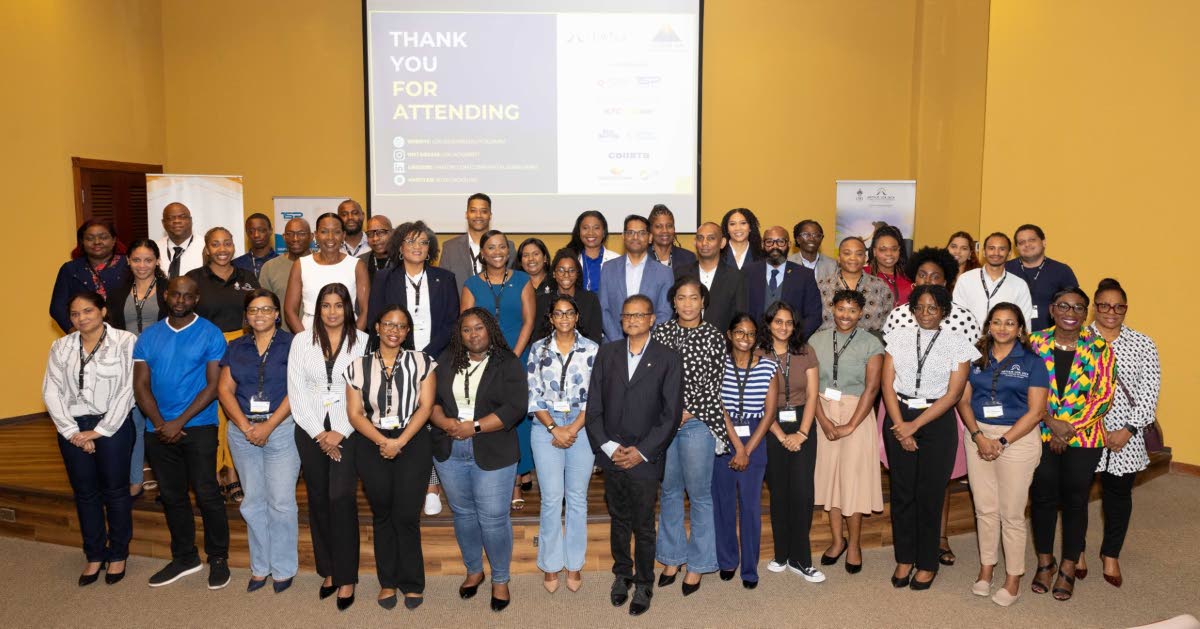
    In a significant move to bolster professional development and leadership in the Caribbean, two prominent mentorship programmes have been launched. The Human Resource Management Association of TT (HRMATT) initiated its Youth Mentorship Programme on October 4, followed by the Arthur Lok Jack Global School of Business Alumni Association (ALJGSBAA) on October 11. These initiatives aim to bridge the gap between academia and industry, fostering the next generation of leaders.

    HRMATT’s programme targets ambitious youth aged 16-35, connecting them with seasoned professionals to build workplace readiness, career direction, and networking opportunities. The six-month programme, starting at the Cipriani College of Labour and Co-operative Studies, is designed to provide crucial guidance often missing for newcomers in the workforce.

    The ALJGSBAA’s initiative, exclusive to its current students and alumni, pairs mentees with accomplished graduates, including C-Suite leaders and entrepreneurs. This programme focuses on guiding students through academic and professional challenges, expanding networks, and facilitating knowledge transfer across generations.

    Both programmes underscore the importance of mentorship in today’s rapidly evolving workplace. Mentorship offers human insight, lived experience, and encouragement, which are invaluable in navigating the complexities of modern career paths. These initiatives not only benefit mentees but also provide mentors with opportunities to give back, share wisdom, and leave a lasting legacy.

    The alignment in leadership between HRMATT and ALJGSBAA creates opportunities for collaboration, joint events, and expanded mentorship networks. The programmes have garnered support from various partners, highlighting the significance of mentorship as a national priority. However, there is a call for more partners to join this transformative movement.

    As these initiatives look to the future, their vision is clear: to expand reach, deepen impact, and unlock the potential of emerging talent across Trinidad and Tobago. Mentorship is more than guidance; it is a catalyst for transformation, building a vibrant, interconnected ecosystem that empowers individuals and strengthens the region.

  • LETTER: Caribbean Banks – Shot In The Foot

    LETTER: Caribbean Banks – Shot In The Foot

    In a striking revelation, the Cayman Islands, one of the Caribbean’s most prominent financial hubs, lacks any form of bank deposit insurance, leaving customers vulnerable in the event of a banking crisis. This oversight stands in stark contrast to neighboring nations like the British Virgin Islands, Bahamas, and Jamaica, which offer varying levels of deposit protection. The absence of such safeguards in the Cayman Islands has raised concerns, particularly in light of recent global banking turmoil, such as the Silicon Valley Bank collapse.

  • CPSO welcomes removal of US tariffs on key Caricom exports

    CPSO welcomes removal of US tariffs on key Caricom exports

    The Caricom Private Sector Organisation (CPSO) has lauded the United States’ decision to eliminate tariffs on critical export sectors within the Caribbean Community (Caricom), marking a significant relief for regional industries. These tariffs, initially imposed in April 2025 and later updated in August 2025, had severely impacted Caricom’s export revenues, particularly in the Base Metals, Agriculture & Food, and Chemicals sectors. The CPSO had previously estimated that the reciprocal tariffs would result in an annual loss of US$653.6 million in export revenue for Caricom Member States. The Agriculture & Food and Chemicals sectors bore the brunt of these tariffs, with projected annual losses of US$117.7 million and US$86.1 million, respectively. The removal of these tariffs, enacted through an Executive Order on 14 November 2025 by President Donald Trump, is expected to stabilize key agricultural and agroprocessing supply chains across Caricom and enhance the competitiveness of Trinidad and Tobago’s chemical exports, including fertilizers and related products. Dr. Patrick Antoine, CPSO Chief Executive Officer and Technical Director, emphasized the pivotal role of coordinated advocacy by Caricom Heads of Government, including Jamaica’s Prime Minister Andrew Holness, Trinidad and Tobago’s Prime Minister Kamla Persad Bissessar, Guyana’s President Mohamed Irfaan Ali, and The Bahamas’ Prime Minister Philip Davis, in securing this outcome. The US remains Caricom’s principal trade partner, and the tariff removal is anticipated to strengthen the US-Caricom trade relationship. The CPSO continues to work towards eliminating remaining tariffs affecting Caricom’s exports to the US, reinforcing its commitment to advancing trade facilitation, competitiveness, and long-term economic resilience.

  • GHTA CEO shines as key panellist at CHTA CHIEF conference

    GHTA CEO shines as key panellist at CHTA CHIEF conference

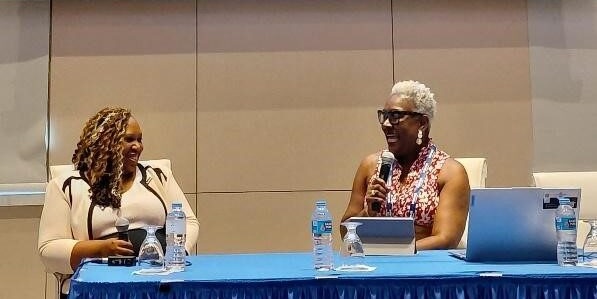
    Arlene Friday, CEO of the Grenada Hotel & Tourism Association (GHTA), emerged as a pivotal figure at this year’s Caribbean Hospitality Industry Exchange Forum (CHIEF) conference. As a key panellist on the forum titled ‘Tourism for Us,’ Friday captivated attendees with her profound insights and actionable strategies on community tourism across the Caribbean region. Her address underscored the indispensable role of local communities in crafting authentic and sustainable tourism experiences. She urged Caribbean communities to reclaim their narratives, ensuring that their unique histories, traditions, and voices remain central to tourism development. ‘Communities are not just part of the tourism product — they are the heartbeat of it,’ Friday asserted. ‘When we empower our people to tell their own stories and create genuine connections with visitors, tourism becomes not only sustainable but transformative.’ Friday also emphasized the importance of fostering stronger linkages between hospitality stakeholders and local communities. She highlighted that such collaborations not only drive economic opportunities but also preserve cultural identity. Her message of empowerment and inclusion resonated deeply with industry professionals, policymakers, and delegates, all of whom are committed to a more community-centred approach to tourism. The CHIEF Conference continues to serve as a dynamic platform for tourism leaders to connect, share innovations, and chart the future of the region’s hospitality sector. Arlene Friday’s contributions at the conference reinforce the critical importance of placing people and place at the heart of tourism growth throughout the Caribbean.

  • New debt-for-social swap to boost education, healthcare, heritage – minister

    New debt-for-social swap to boost education, healthcare, heritage – minister

    Barbados is spearheading a groundbreaking debt-for-social swap initiative aimed at redirecting savings from restructured sovereign debt into vital social programmes, including education, healthcare, and heritage preservation. Economic Affairs Minister Kay McConney unveiled the plan during her address at the United Nations BCCI Private Sector Forum held at the Hilton Barbados Resort on Tuesday. McConney emphasized that the forum was not merely a discussion but a call to align national priorities with private sector capabilities and adopt international best practices tailored to Barbados’ unique needs. She stressed that traditional financing models are inadequate for achieving the nation’s ambitious goals, necessitating innovative approaches. The debt-for-social swap will restructure existing debt to reduce interest payments, with the savings allocated to high-priority social initiatives. McConney explained the mechanism succinctly: “You restructure the debt, reduce the interest rate, and commit the savings to specific purposes like climate, nature, or social programmes.” This initiative builds on Barbados’ successful track record of innovative financing, including the Blue Bond debt-for-nature swap with The Nature Conservancy, which redirected $150 million toward marine conservation and climate adaptation. Similarly, the 2024 debt-for-climate swap repurposed $300 million in domestic debt, generating $125 million in fiscal savings for climate-resilient projects. McConney assured that the debt-for-social swap would not increase the island’s overall debt burden but would strategically utilize existing obligations to create fiscal space for critical social investments. She highlighted the indispensable role of the private sector in supporting these initiatives, urging collaboration among government, businesses, banks, and development partners. “The social swap allows us to channel resources to where they matter most, without adding to our debt base,” McConney stated. “It is an example of how financial innovation can serve human development, and we are inviting the private sector to be partners in this journey.”

  • Coast Guard Busts Illicit Cigarette Cargo in Corozal Free Zone

    Coast Guard Busts Illicit Cigarette Cargo in Corozal Free Zone

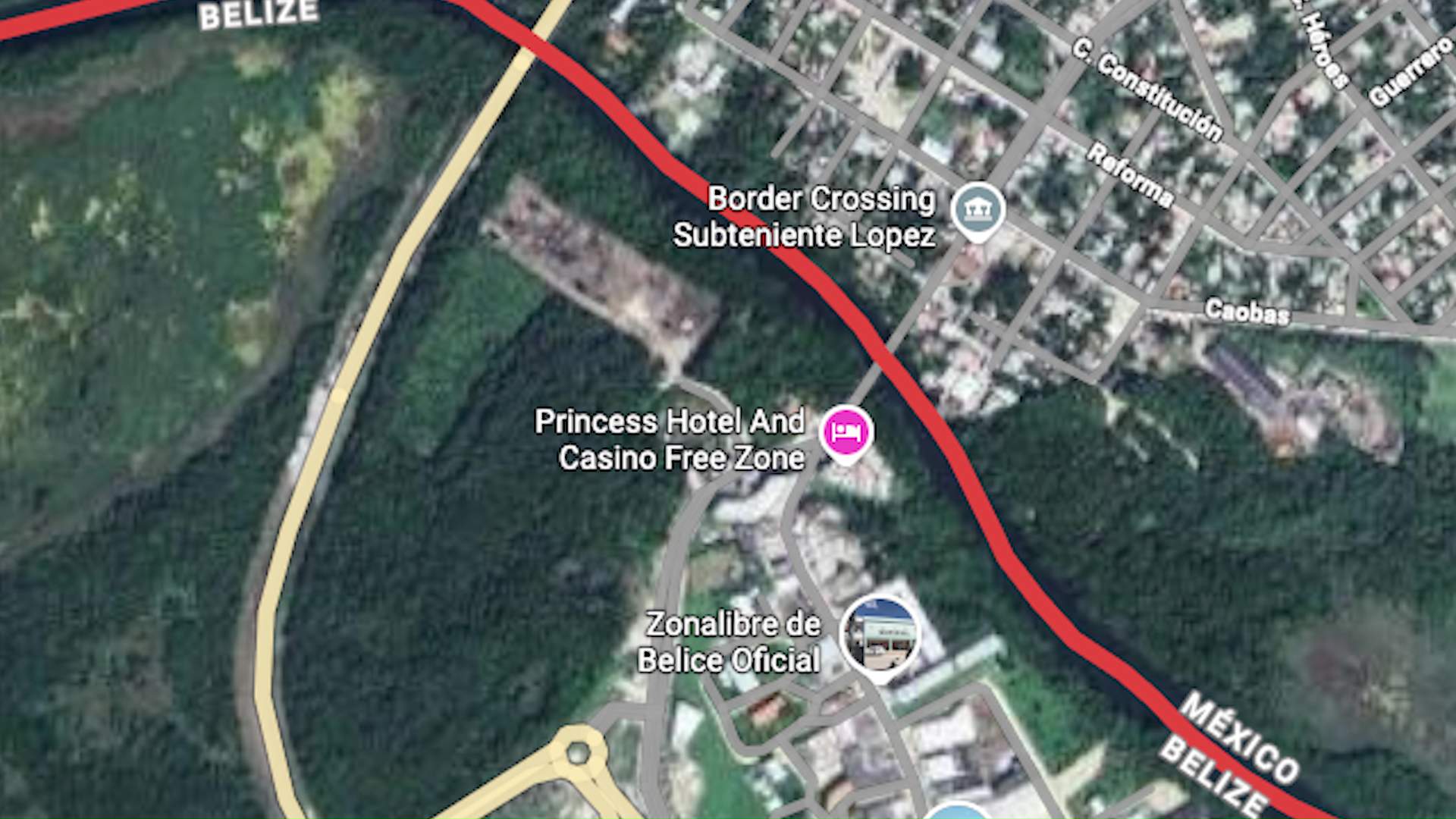
    In a significant crackdown on illicit trade, the Belize Coast Guard has intercepted a large shipment of contraband cigarettes near the Corozal Free Zone, raising concerns about security and oversight in one of the country’s busiest commercial hubs. The operation, conducted around midnight on October 12, 2025, targeted suspicious cargo believed to be destined for Mexico. Rear Admiral Elton Bennett, Commandant of the Belize Coast Guard, confirmed the seizure, stating that the cargo was discovered outside the zone’s permit area. Despite the successful interception, no individuals were detained as they fled upon the Coast Guard’s approach. The seized goods were promptly handed over to the police and customs departments in the presence of a justice of the peace. Admiral Bennett emphasized the Coast Guard’s increased operations in the northern border region, particularly around the Rio Hondo River, which has become a hotspot for illicit activities. While the exact origin of the cargo remains under investigation, authorities suspect it may have originated from the Corozal Free Zone. This incident underscores the ongoing challenges in combating cartel influence and illegal trade in the region.

  • PM Urges Belizeans to Cash In on Tax-Free Weekends

    PM Urges Belizeans to Cash In on Tax-Free Weekends

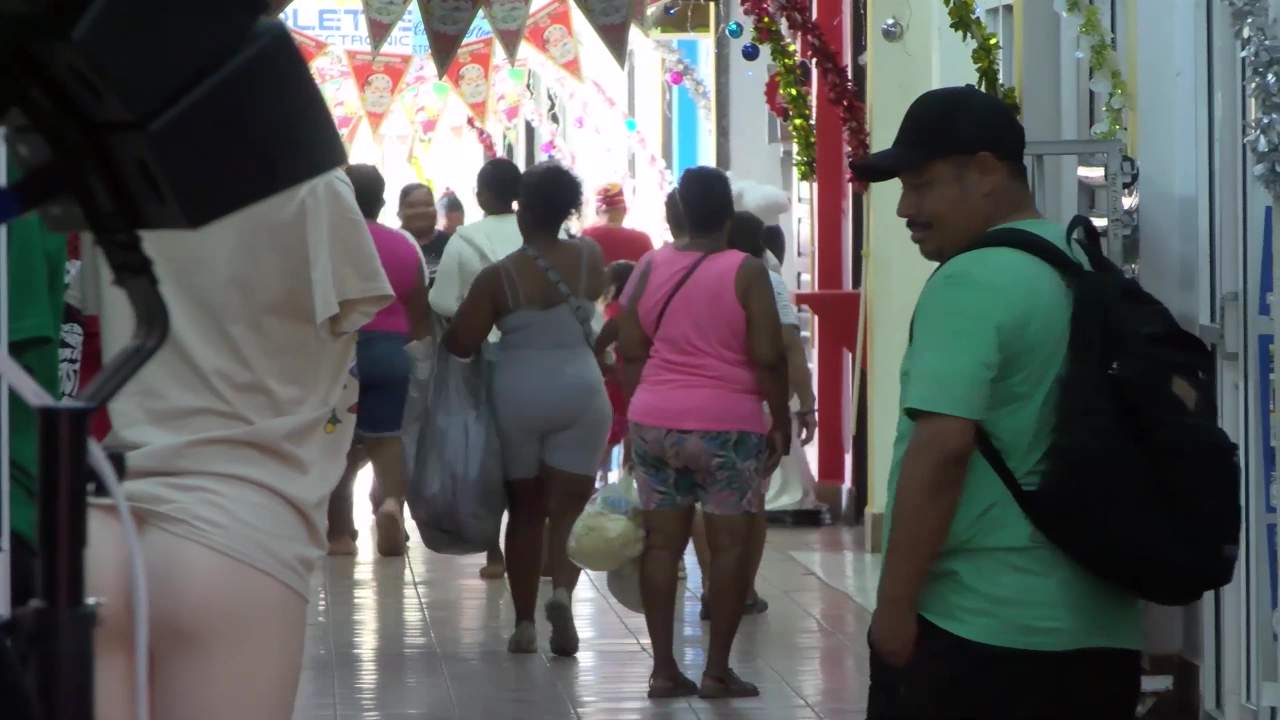
    In a bid to ease the financial burden on Belizeans amid rising living costs, Prime Minister John Briceño has announced the introduction of tax-free weekends scheduled for December. The initiative, which will waive the General Sales Tax (GST) on specific dates, aims to provide relief to families as they prepare for the holiday season. The tax-free periods are set for December 6-7 and December 20-21, coinciding with payday cycles to maximize consumer spending power.

  • IMF projects 2026 economic acceleration for the Dominican Republic

    IMF projects 2026 economic acceleration for the Dominican Republic

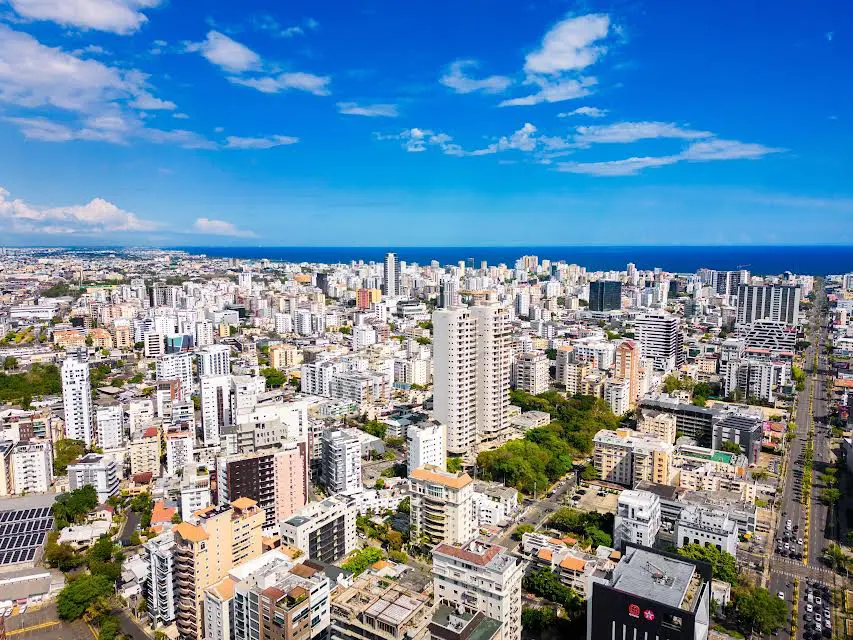
    SANTO DOMINGO – The International Monetary Fund has concluded its Article IV consultation for the Dominican Republic, delivering a broadly positive assessment of the nation’s economic trajectory through 2025. While acknowledging a recent growth deceleration attributed to global financial tightening and worldwide uncertainty, the Fund projects a robust recovery with growth accelerating to 4.5% in 2026, nearing the country’s long-term potential of approximately 5%.

    The IMF’s preliminary findings highlight the Dominican Republic’s strong economic fundamentals, which include manageable risks and significant policy flexibility to counteract adverse scenarios. This resilience has been bolstered by expansive fiscal and monetary policies that have stimulated a gradual rebound in key sectors. Notably, credit activity, export volumes, and the vital tourism industry have all demonstrated strengthened performance. Inflation remains well-contained, with an estimated average of 3.7% for the year 2025.

    External sector stability is another cornerstone of the assessment. The current account deficit is projected to hold steady at around 2.5% of GDP, a level deemed sustainable as it is fully financed by robust foreign direct investment flows, signaling enduring investor confidence.

    Despite a risk profile where external challenges—including volatile financial conditions and vulnerability to climate events—currently outweigh domestic positives, the IMF asserts the country is well-equipped to handle potential shocks. This capacity stems from substantial international reserves, a stable banking sector, and the existence of fiscal space for countercyclical measures.

    The consultation placed significant emphasis on the critical need for structural reforms. Key recommendations include advancing a comprehensive tax reform designed to boost government revenues by rationalizing generalized subsidies, all while safeguarding essential social spending. The adoption of a medium-term revenue strategy was advised as a framework for broader fiscal modernization.

    Furthermore, the IMF stressed the urgency of fully implementing the national Electricity Pact to reduce substantial sector losses and alleviate fiscal pressures. The Fund also advocated for enhanced governance, labor market flexibility, and social security reforms aligned with the country’s Meta 2036 development plan. Increased public investment in infrastructure, education, and healthcare was identified as vital for fostering more inclusive and competitive growth.

    On monetary policy, the Central Bank’s approach was deemed appropriate. The IMF recommended maintaining exchange rate flexibility, limiting foreign exchange interventions to episodes of severe market disruption, and strengthening the monetary transmission mechanism while gradually phasing out extraordinary liquidity support introduced during past crises.

    The financial system was recognized as sound with low systemic risk. The IMF encouraged authorities to continue bolstering regulatory and supervisory frameworks, fully implement Basel II and III capital standards, and further enhance policies to combat money laundering and terrorist financing.

  • Senator George Says Antigua’s Debt Remains Manageable as Country Targets 60% by 2035

    Senator George Says Antigua’s Debt Remains Manageable as Country Targets 60% by 2035

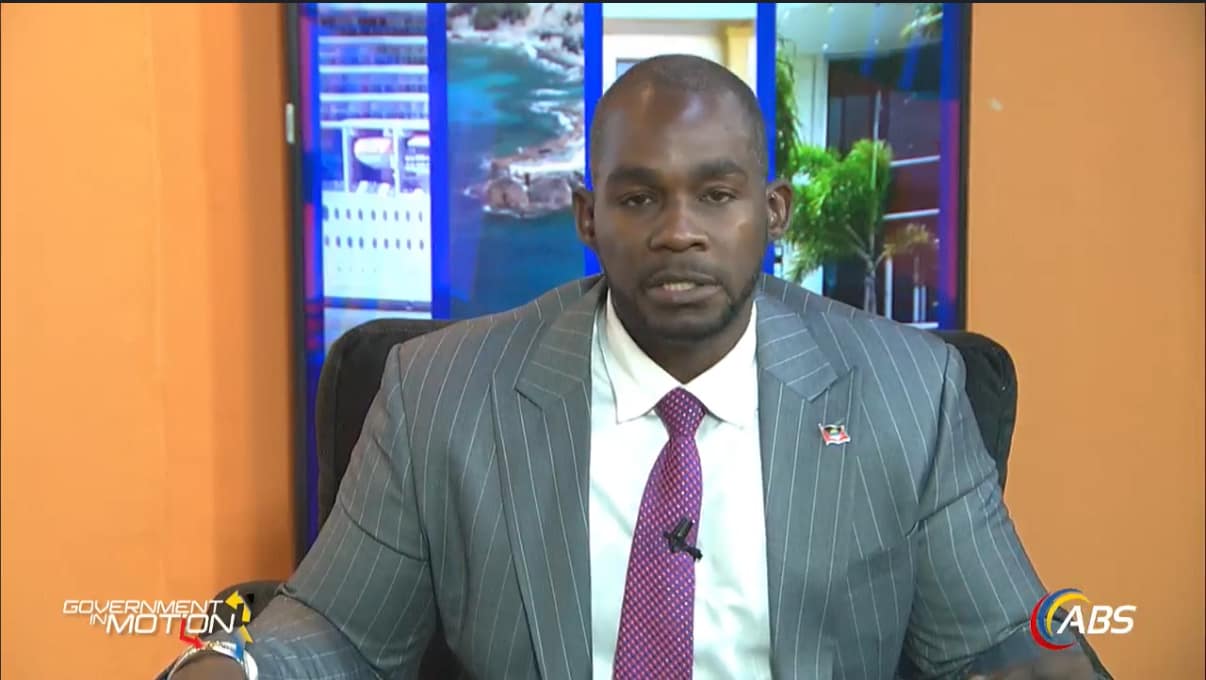
    Senator Dwayne George has affirmed that Antigua and Barbuda’s debt situation remains stable and is poised for improvement, despite ongoing global and climate-related challenges. During an appearance on ABS’s ‘Government in Motion,’ George revealed that the country’s debt-to-GDP ratio currently stands at approximately 62 percent, with projections indicating a slight decline to around 60 percent by 2035. ‘Our debt-to-GDP is about 62 percent, and by 2035 we will be at about 60 percent,’ George stated optimistically. ‘That’s lovely. We’re doing quite fine.’

    The government services approximately $65 million in debt each month, with total monthly financial obligations reaching roughly $89 million. However, George emphasized that the overall financial outlook remains manageable. This is largely due to the administration’s strategic shift from short-term borrowing to securing longer-term, lower-interest financing. ‘We want cheaper financing and long-term financing because that helps ease the pressure,’ he explained.

    George’s remarks were made in the context of recent discussions with officials from the International Monetary Fund (IMF) and the World Bank. During these engagements, Antigua and Barbuda, alongside other small states, highlighted the economic strain caused by frequent external shocks. These conversations underscored the urgent need for better-structured funding mechanisms that acknowledge the unique vulnerabilities of small island economies. ‘We are exposed to shocks almost every cycle,’ George noted. ‘It’s why we continue to argue for concessional financing and mechanisms that recognise our realities.’

  • Grenada finalises investment facilitation categorisation

    Grenada finalises investment facilitation categorisation

    Grenada is poised to modernize its investment landscape through a pivotal two-day national stakeholder consultation, scheduled for November 17–18, 2025. This hybrid event, blending in-person and virtual participation, aims to finalize the categorization of needs under the World Trade Organization’s (WTO) Investment Facilitation for Development (IFD) Agreement. The workshop is a collaborative initiative involving the International Trade Centre (ITC), the OECS Commission, and Grenada’s Investment Promotion Agency (GIDC), supported by the WTO and funded by the European Union’s RIGHT Programme.