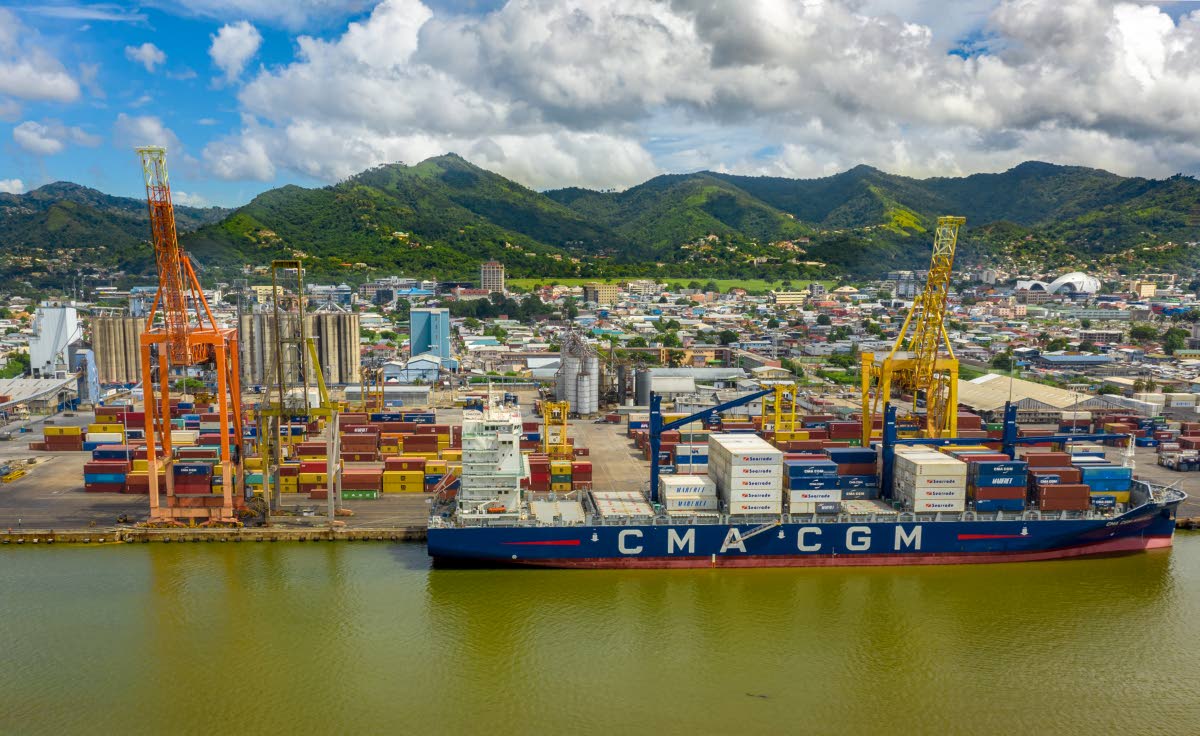
In a strategic move signaling a shift in economic priorities, Trinidad and Tobago (TT) Prime Minister Kamla Persad-Bissessar has announced a “significant realignment” in the nation’s foreign partnerships. Speaking on October 29, Persad-Bissessar emphasized the need to strengthen ties and foster cooperation with countries outside the Caribbean region. This announcement comes amidst a backdrop of geopolitical tensions, including disagreements within Caricom over the region’s designation as a “zone of peace” and strained relations with Venezuela due to TT’s support for the United States’ military presence in the area. These developments have led to Venezuela suspending energy deals with TT and labeling Persad-Bissessar as “persona non grata.” While some view this pivot as a potential risk to TT’s economic stability, Dr. Mahindra Ramesh Ramdeen, CEO of the Trinidad and Tobago Manufacturers Association (TTMA), sees it as a positive step. Ramdeen highlighted that the Prime Minister’s statement does not imply a cessation of trade with Caricom but rather a call to diversify and expand into new markets. He noted that the Caricom market, while significant, is saturated, and TT’s manufacturing sector must look beyond regional borders to sustain growth. Ramdeen also pointed to the impact of climate change, such as Hurricane Melissa’s devastation in Jamaica, as a reminder of the need for risk mitigation through market diversification. Despite geopolitical challenges, Ramdeen assured that private sector trade would remain resilient, emphasizing the importance of innovation and expansion. TT’s business community has already begun exploring opportunities outside Caricom, with conglomerates like Ansa McAL, Agostini, and Massy making inroads into markets such as the United States, India, and Europe. These moves, coupled with increased exports of products like Angostura rum, underscore the potential for TT to carve out a stronger global presence. Ramdeen concluded that this strategic shift is a natural trajectory for growth, essential for fostering the next generation of successful TT businesses.
分类: business
-
Business sector weighs in on warship arrival, Venezuela fallout
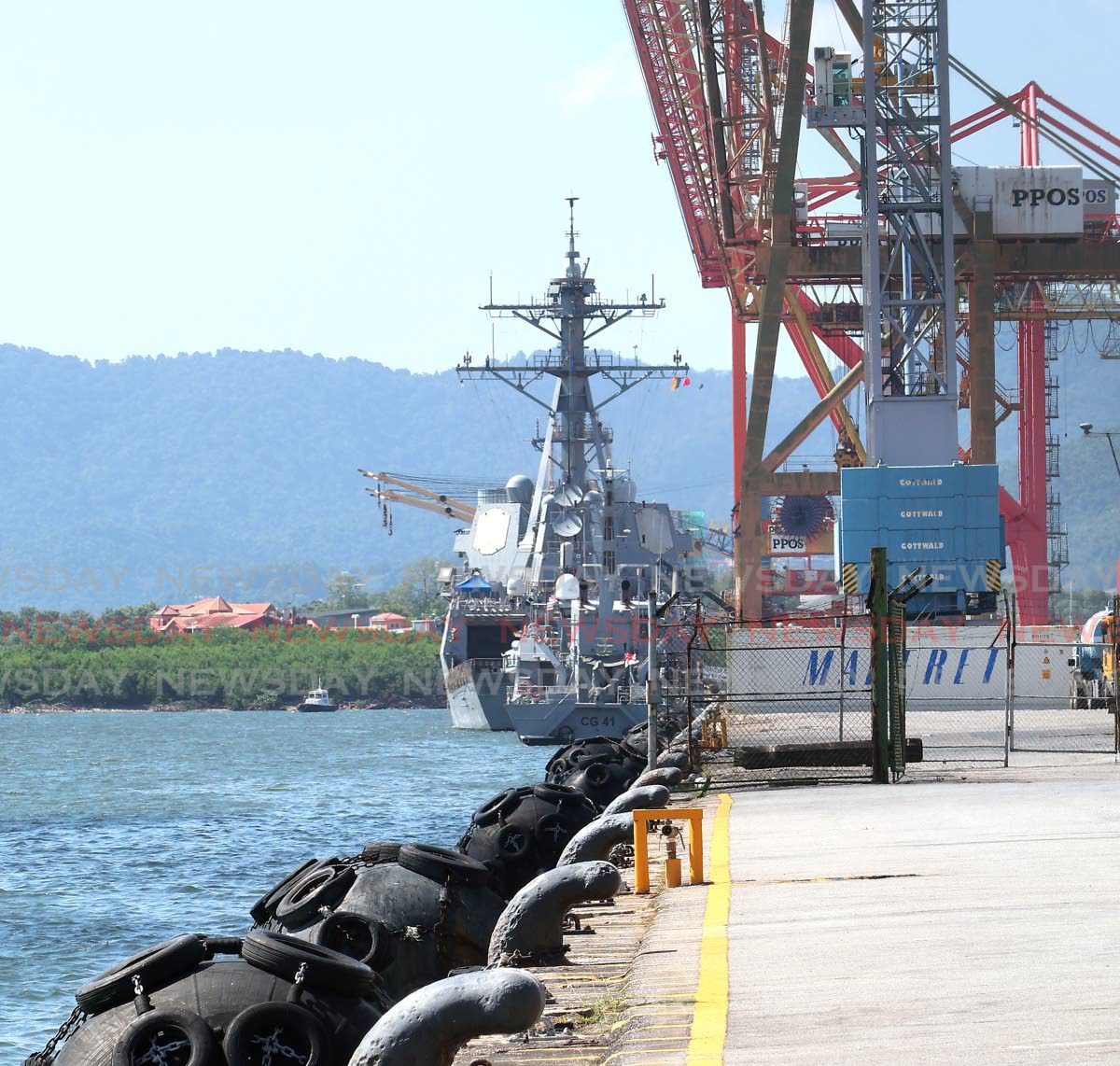
The temporary docking of the USS Gravely, a United States Navy guided-missile destroyer, at the Port of Spain from October 26 to October 30 has caused significant disruptions to commercial operations and reignited discussions about Trinidad and Tobago’s (TT) delicate geopolitical position between the US and Venezuela. The vessel’s presence for joint training exercises with the TT Coast Guard led to the redirection of several cargo ships to the Port of Point Lisas, a move coordinated by the Port Authority of TT, the Port of Spain, and the Point Lisas Industrial Port Development Corporation (Plipdeco). While this mitigated extensive logistical delays, it incurred additional costs and raised concerns among business chambers about future risks. The TT Chamber of Industry and Commerce reported moderate delays in cargo clearance and increased operational costs, urging the government to implement temporary relief measures such as waiving demurrage charges and expediting time-sensitive cargo clearance. The chamber emphasized the need for improved port infrastructure and contingency planning to address vulnerabilities. Meanwhile, the Greater Tunapuna Chamber of Industry and Commerce highlighted logistical challenges and higher transport costs, warning that such disruptions could impact the Christmas season’s economic activity. The situation is further complicated by new fiscal measures set to double customs and clearance fees in January, adding to importers’ burdens. Geopolitical tensions between the US and Venezuela have also escalated, with Venezuela suspending energy agreements with TT and declaring Prime Minister Kamla Persad-Bissessar persona non grata. The Energy Chamber of TT has called for a renewed focus on domestic gas production to ensure energy security, emphasizing the need for reliable gas supplies for petrochemical plants and LNG facilities. The business community has expressed caution, warning that port disruptions, fee increases, and suspended energy deals could weaken investor confidence and challenge TT’s role as a regional energy hub.
-
Rethink before Trinidad and Tobago forced to go to the IMF
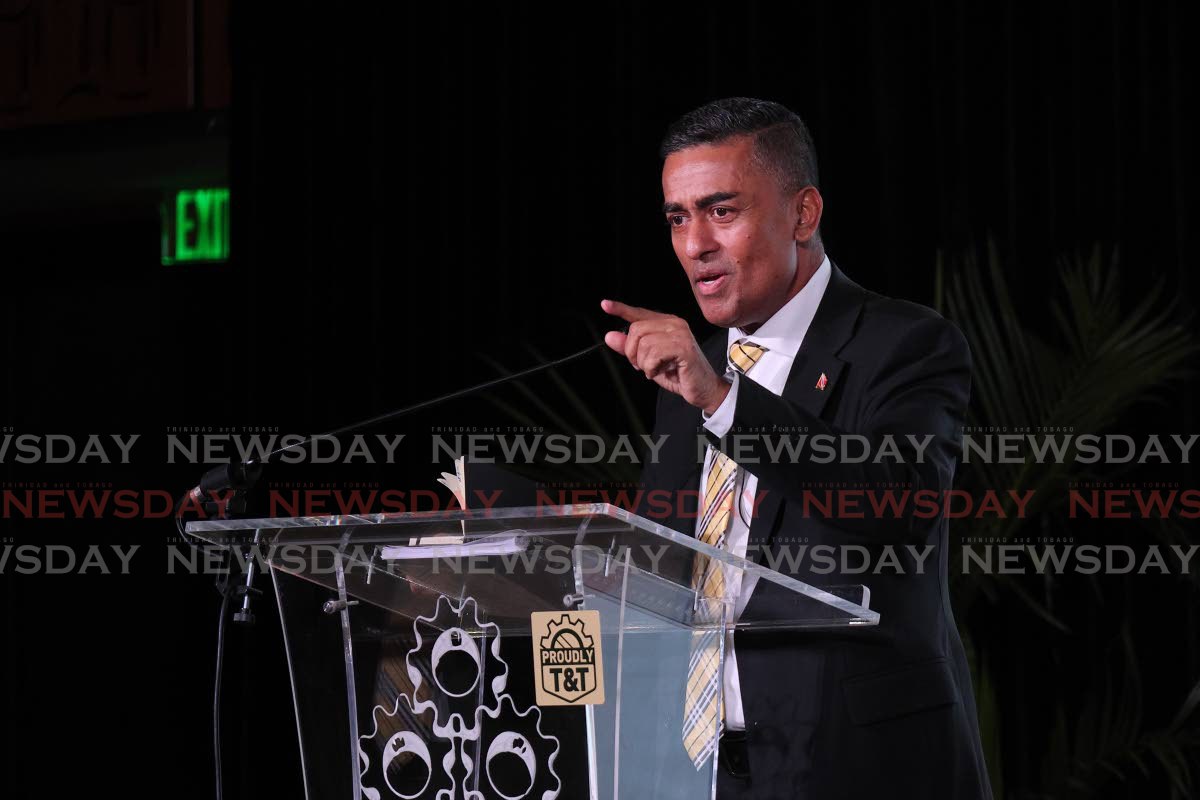
Since his inauguration in January, US President Donald Trump has stirred global economic uncertainty with his aggressive tariff policies. Trump’s administration believes these tariffs will generate revenue, reduce the US deficit, protect American industries, and safeguard national security by restricting imports of strategic materials. The goal is to encourage domestic production, create jobs, and stimulate economic growth, while addressing the $1.78 trillion deficit of the world’s largest economy.
In stark contrast, Trinidad and Tobago’s UNC government, which assumed office in May, inherited a $7 billion deficit from the previous PNM administration. Finance Minister Davendranath Tancoo’s recent budget presentation revealed a markedly different approach. Despite low oil and gas production and reduced revenue, the government has not focused on cutting the deficit by reducing imports. Instead, it has encouraged the importation of foreign-used vehicles and reduced super gas prices by $1 per litre. Critics argue that this $500 million expenditure could have been better allocated to repairing the nation’s deteriorating road network, which would enhance productivity and reduce vehicle wear and tear.
While the US aims to bolster local industries, Trinidad and Tobago’s policies seem to undermine domestic competitiveness. The government has increased electricity and NIS costs for local industries, while imposing heavy taxes on the alcoholic beverage sector, one of the country’s most internationally competitive industries. This move risks business closures, layoffs, and reduced foreign exchange earnings. The recent closure of the Nutrien Pt Lisas facility further exacerbates future revenue concerns.
Observers lament the decline of Trinidad and Tobago’s once-thriving manufacturing sector and urge the government to reconsider its policies before resorting to IMF intervention. The contrasting economic strategies of the US and Trinidad and Tobago highlight the complexities of managing national economies in a globalized world.
-
NH International loses Privy Council appeal over MoE piling job
In a landmark ruling, the Privy Council has dismissed an appeal by NH International (Caribbean) Ltd, affirming that Gordon Winter Company Ltd is entitled to payment for piling work completed at the Ministry of Education building site in 2006. The dispute, which has spanned over a decade, centered on unpaid work performed by Gordon Winter, a subcontractor hired for the ten-story project. The case highlights the complexities of construction contracts and the legal principles governing payment disputes. The piling work, which proved more challenging than anticipated due to adverse soil conditions, required variations from the original specifications. While Gordon Winter was compensated for some of its work, payments ceased after April 2006, prompting the company to halt operations in June of that year. Gordon Winter sought payment on a contractual quantum meruit basis, arguing that NH International had been unjustly enriched by its work. NH International, however, counterclaimed that Gordon Winter had breached the contract by abandoning the project. The Privy Council, led by Lord Burrows, rejected NH’s arguments, emphasizing that Gordon Winter’s claim for payment was valid under the contract. The ruling upheld the Court of Appeal’s decision, which had reduced NH’s damages for delay to $350,000 and referred Gordon Winter’s claims for additional costs to a master in chambers for assessment. The Privy Council’s decision underscores the importance of honoring contractual obligations and ensuring fair compensation for work performed, even in cases where procedural complexities arise. The judgment also reaffirms the principle that parties cannot be denied payment for work clearly executed under contract, regardless of technical legal arguments.
-

Suriname voert nationale zelfevaluatie uit voor WTO-investeringsakkoord
Suriname has initiated a comprehensive national self-assessment of its investment climate as part of the World Trade Organization’s (WTO) Investment Facilitation for Development (IFD) agreement. This significant step was taken during a national workshop held at the Assuria Event Center, attended by government officials, business leaders, civil society organizations, and international partners. The event marked a pivotal moment in Suriname’s efforts to align its investment procedures with global standards and national development priorities. Minister of Foreign Affairs, International Trade, and Cooperation, Melvin Bouva, emphasized that the process is grounded in principles of partnership, transparency, and pragmatism. The primary objective is to streamline investment procedures, making them more efficient, predictable, and internationally competitive. The workshop focused on three key areas: enhancing understanding of the WTO-IFD agreement, conducting a national self-assessment of regulatory frameworks and procedures, and identifying priorities for improvement and capacity building. Minister Bouva highlighted the critical role of the Suriname Investment Trade Agency (SITA) in fostering better coordination, transparency, and investment promotion. ‘By strengthening SITA, we aim to make Suriname more competitive and attractive to sustainable investors,’ he stated. The outcomes of the workshop will serve as a foundation for further policy development and international alignment within the WTO-IFD process, reinforcing Suriname’s commitment to leveraging diplomacy for trade, investment, and sustainable partnerships.
-
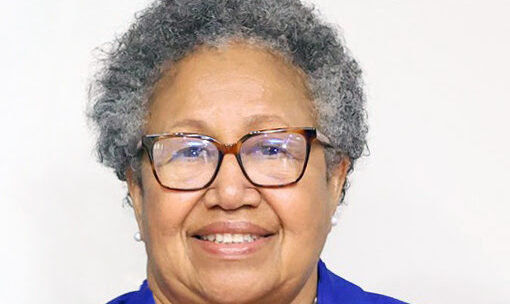
CARICOM SG calls on global support to lower insurance costs for islands vulnerable to hurricanes
Dr. Carla Barnett, Secretary-General of the Caribbean Community (CARICOM), has issued a compelling call for international cooperation to address the mounting insurance costs plaguing the tourism industry in Small Island Developing States (SIDS). Speaking at the 6th Global Services Forum during the 16th United Nations Conference on Trade and Development (UNCTAD16), Dr. Barnett underscored the severe vulnerabilities of CARICOM’s service-driven economies to climate-related disruptions. She emphasized that rising insurance premiums for older tourism properties and the near-impossibility of securing coverage for new investments pose significant threats to the region’s economic stability. The forum, centered on the theme “Services: A New Frontier of Economic Transformation for Equitable, Inclusive and Sustainable Development,” highlighted the services sector’s critical role in driving global GDP, which accounts for approximately two-thirds of economic output. In CARICOM nations like The Bahamas, Saint Lucia, and Barbados, services contribute up to 75% of GDP, while even more diversified economies such as Trinidad and Tobago and Jamaica rely on services for around 60% of their economic activity. Dr. Barnett also addressed the tourism sector’s heightened anxiety during extreme weather events, such as Hurricane Melissa, and stressed the need for preparedness and resilience. She advocated for strengthened international partnerships with organizations like UNCTAD, the World Trade Organization (WTO), and international development banks to bridge structural gaps and enhance institutional capacities. One key initiative highlighted was UNCTAD’s Trade in Services project, which focuses on building data infrastructure to support evidence-based policymaking. The CARICOM services sector spans diverse industries, including tourism, financial services, ICT, professional services, and entertainment. Dr. Barnett reiterated that targeted global support is essential to unlocking the sector’s potential and safeguarding it against the escalating impacts of climate change.
-
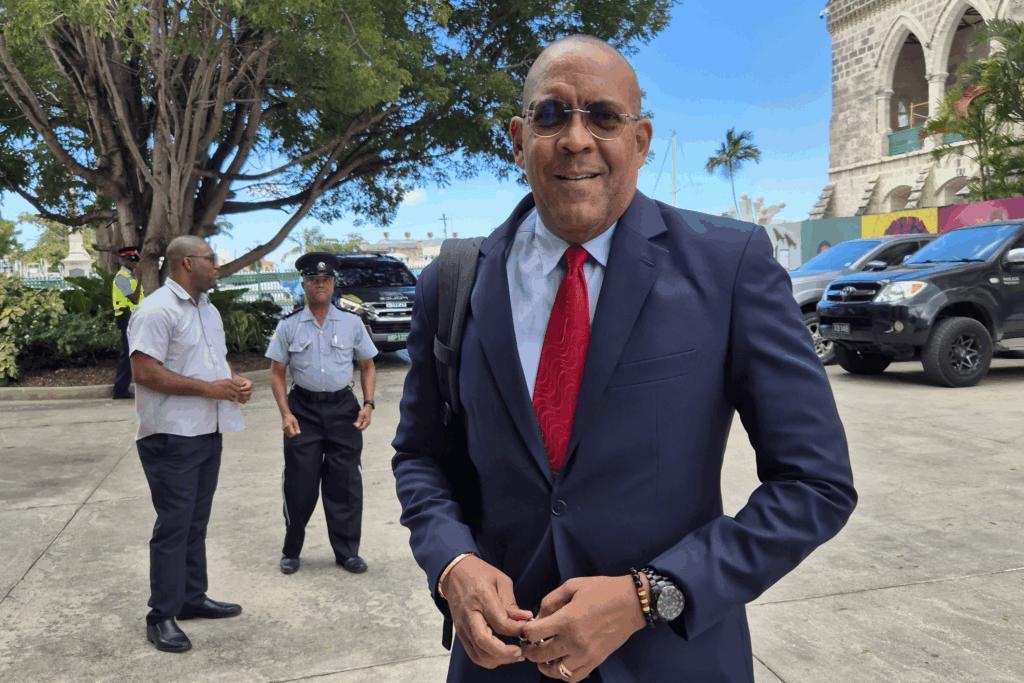
Govt accelerates $20bn energy transformation plan
Barbados is poised to embark on a transformative renewable energy journey, as the government accelerates its Energy Transition Investment Plan, a multibillion-dollar initiative expected to save the island $16 billion over the next decade and generate thousands of green jobs. Minister of Foreign Affairs and Foreign Trade Kerrie Symmonds announced the plan in Parliament on Tuesday, emphasizing its potential to reshape the nation’s energy landscape and economy.
-

Long Bay Brewing Marks Milestone with Eye on Regional Market
The Long Bay Brewing Company, a proud Antiguan-owned enterprise, recently opened its doors to the public, commemorating three successful years of beer production under the Barrett Group. During an open house event held on Tuesday, attendees were treated to an exclusive tour of the brewery and had the opportunity to sample its diverse range of beers, including lager, IPA, and stout. Originally catering to hotels and bars, the company has now ventured into the retail market with a new line of canned beers, marking a significant milestone in its growth trajectory.
In addition to its product expansion, Long Bay Brewing has solidified its brand presence through strategic sponsorships of major events such as Carnival 2025, Caribana in Barbuda, and The Melting Pot Show. Francis, a representative of the company, emphasized that these sponsorships reflect the brewery’s deep connection to community and celebration. “Long Bay Beer is more than just a product; it’s a symbol of our cultural heritage and shared joy,” he stated.
Currently, the brewery distributes its products island-wide, producing up to 2,000 cases weekly, with the potential to scale up to 3,000 cases. While the primary focus remains on the local market, Francis hinted at broader regional aspirations. “We take immense pride in brewing our beers right here in Antigua and Barbuda,” he said. “Our vision is to create a brand that proudly carries the Antiguan name across the Caribbean, showcasing our craftsmanship and dedication to quality.”
-
Tourism Figures Show Seasonal Slowdown but Steady U.S. Market Growth
The tourism sector in Antigua and Barbuda continues to exhibit its characteristic seasonal trends, with the summer months presenting persistent challenges for hoteliers. According to the latest data from the Antigua and Barbuda Hotels and Tourist Association (ABHTA), average hotel occupancy in August 2025 stood at 60.4 percent, a slight increase from the 59.9 percent recorded in the same month the previous year. However, September witnessed a notable decline, with occupancy dropping to 42 percent compared to 46.2 percent in 2024.
For the first seven months of 2025, stay-over arrivals reached 205,893, marking a modest rise from the 205,004 visitors during the same period in 2024. The United States remains the dominant source market, contributing over half of all stay-over tourists, with arrivals increasing to 115,599 from 109,016 in 2024. The United Kingdom follows as the second-largest market, with 44,007 arrivals, up from 42,152 the previous year. Canada, while ranking third, experienced an 18 percent decline, with 17,578 visitors compared to 20,660 in 2024.
Despite the seasonal dip, industry leaders perceive the marginal year-on-year improvements as a sign of steady resilience in Antigua and Barbuda’s core tourism markets, even amidst global travel uncertainties.
-

Room for debate as Uber enters Barbados
Uber officially debuted its ride-hailing services in Barbados last Tuesday with a high-profile event at the Hilton Barbados. The launch introduced three key offerings: Uber Taxi, Uber Reserve, and Uber Hourly. Uber Taxi allows passengers to book rides to their desired destinations, while Uber Reserve enables users to schedule trips up to 90 days in advance or as close as 30 minutes before pickup. Uber Hourly provides the option to hire a driver by the hour, catering to tourists needing airport transfers or island tours.