LAGOS, Nigeria — Air Peace, the largest airline in West and Central Africa, is set to introduce a groundbreaking monthly charter service connecting Lagos and Accra to Antigua and Barbados, with additional extensions to Trinidad and Tobago and Jamaica. The service, scheduled to commence on December 21, 2025, marks a significant milestone in intercontinental travel, as Air Peace becomes the sole carrier offering direct flights from West and Central Africa to the Caribbean. This initiative is expected to foster enhanced tourism, trade, and cultural exchange between the two regions. The new route builds on Air Peace’s previous Caribbean operations, including the Lagos–Montego Bay charter in 2020 and the Abuja–St. Kitts and Nevis service in 2025. The airline’s strategic vision emphasizes bridging continents and expanding interregional travel opportunities. To cater to travelers, Air Peace has collaborated with Tour Brokers International of Nigeria, Sun Seekers Tours of Ghana, and Adansi Travels of Ghana to offer exclusive tour packages. Flight fares for Antigua, Barbados, Jamaica, and Trinidad & Tobago are now accessible on the airline’s website and through accredited travel agents. This development underscores Air Peace’s commitment to innovation and its role as a key player in global aviation.
分类: business
-

Suriname-Guyana handelsrelaties gaan nieuwe fase in
Andrew Baasaron, Suriname’s Minister of Economic Affairs, Entrepreneurship, and Technological Innovation, recently concluded a series of field visits in Guyana as part of a working trip aimed at fostering bilateral economic collaboration. Accompanied by Guyana’s Minister of Tourism, Industry, and Commerce, Susan Rodrigues, Baasaron toured key facilities, including the Guyana Marketing Corporation (GMC), a processing plant, and an industrial site. The visit followed high-level discussions between the two ministers on joint initiatives in tourism, trade, and industrial development. At the Guyana Shop, a hub for promoting local products for both domestic and export markets, Baasaron praised Guyana’s organized agricultural and agro-processing sectors, calling it an inspiring model of government-private sector collaboration. Discussions at the processing facility explored the potential for establishing a similar structure in Suriname to support small and medium-sized enterprises (SMEs) in product development and export. Baasaron emphasized that such efforts align with Suriname’s goals of strengthening its non-oil sector, enhancing regional food security, and diversifying exports. The delegation also engaged with local entrepreneurs and officials at the industrial site to gain insights into Guyana’s approach to industrial projects, which could inform the development of industrial zones in Suriname.
-

The eyes of the world are on the Dominican Republic: Why?
Francisco “Paco” Pérez, President of the Official Chamber of Commerce of Spain in the Dominican Republic (CAMACOESRD), highlighted on Wednesday that the Dominican Republic has become a focal point for global attention. Pérez attributed this growing interest to the nation’s remarkable economic, social, and political stability, which stands out in an era of global polarization. He emphasized that these attributes provide investors with a sense of security, ensuring that their investments are well-protected. Additionally, the country’s robust legal framework and attractive profitability further distinguish it as a prime destination for foreign investment. Pérez remarked, “These are the greatest attributes this country has for investment.”
Despite its strengths, Pérez acknowledged areas for improvement, particularly in infrastructure development. He stressed the importance of enhancing road networks, water supply systems, and transportation to sustain the country’s growth trajectory. “The government shares this vision, and progress is underway,” he added.
Iban Campo Urriza, Secretary of the Official Spanish Chamber of Commerce in the Dominican Republic and Director of Llorente y Cuenca (LLYC), emphasized the critical role of education in fostering innovation and entrepreneurship. Campo Urriza highlighted the need for skills development in STEM (science, technology, engineering, and mathematics) and closer alignment with technological advancements. He noted that while the Dominican Republic has made strides, there is still work to be done in equipping its workforce with the necessary technical expertise. “Innovation and entrepreneurship demand specific skills and technological proficiency, which the country must continue to address,” he said.
Campo Urriza also pointed to initiatives aimed at training local talent, including collaborations with international experts. He expressed confidence that strengthening these efforts would solidify the Dominican Republic’s position as a regional leader in Central America and the Caribbean. “Investing in talent development and specialized qualifications will make a significant difference in maintaining our competitive edge,” he concluded.
-

Spanish businessmen highlight the advantages and challenges of investing in the Dominican Republic.
The Dominican Republic has solidified its position as a global investment hub, attracting significant Spanish investment totaling $1.126 billion, second only to the United States. This surge is attributed to the nation’s robust legal security, macroeconomic stability, and attractive incentives, as highlighted by executives from the Official Spanish Chamber of Commerce in the Dominican Republic (CAMACOESRD) and the Dominican Week in Spain (SEDE) platform during a recent luncheon hosted by the Corripio Communications Group. Francisco (Paco) Pérez, president of CAMACOESRD, emphasized the country’s exceptional economic, social, and political stability, which stands out in an era of global polarization. He noted that Spanish investment has diversified beyond tourism into strategic sectors like renewable energy, infrastructure, and communications. José Maldonado, vice president of SEDE, underscored the role of the Renewable Energy Law and the double taxation treaty between the two nations in driving investment. However, challenges remain, particularly in improving service infrastructure and education to meet the demands of new investments. Pérez and other leaders stressed the importance of maintaining tax incentives to sustain the Dominican Republic’s regional leadership, citing competition from countries like Jamaica and Costa Rica. In a bid to further promote the country, Spanish business leaders announced the upcoming SEDE event, scheduled for March 27-31 in Madrid and Asturias, which will showcase the Dominican Republic’s banking system, digital advancements, and creative industries.
-

Government Strikes $128M Deal for Fortis’ Hydro Assets and BEL Shares
In a landmark move, the Belizean government, led by Prime Minister John Briceño, has finalized a $128 million deal to acquire Fortis Belize’s hydro assets and a 33% stake in Belize Electricity Limited (BEL). The agreement, announced in the House of Representatives, follows an independent valuation by Nera Consulting, which appraised the hydro assets at $122 million. Through strategic negotiations, the government secured a $12 million discount, reducing the cost to $110 million. Additionally, the BEL shares, initially valued at $62 million, were purchased for just $18 million, marking a significant reduction. Prime Minister Briceño emphasized that the final prices were based on historical data, global projections, and future profitability, ensuring a fair deal for taxpayers. However, the acquisition raises critical questions about its impact on consumers. Will electricity tariffs decrease, and if so, when? How will hydrological risks, such as droughts and low reservoir levels, affect hydroelectric power generation? Furthermore, how will Belize’s reliance on imported electricity from Mexico influence tariff stability post-acquisition? The Public Utilities Commission (PUC) may conduct a separate review to adjust rates based on revised generation costs, adding another layer of complexity to this transformative deal.
-

Hydro Deal Adds to Debt; Gov’t Bets on Recovery Plan
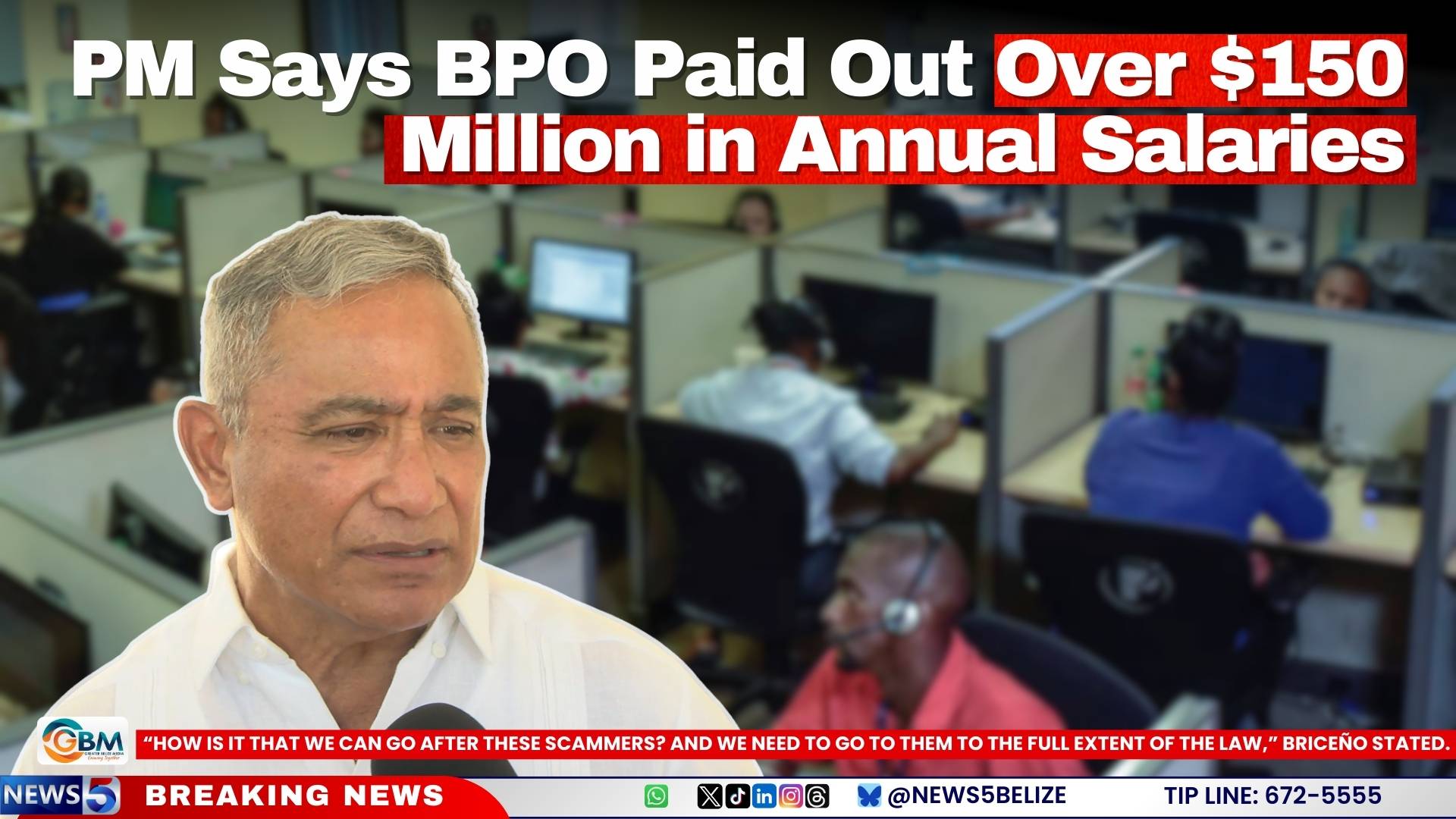
In a significant economic development, Belize’s government has announced a hydro deal that will temporarily increase the nation’s debt-to-GDP ratio by 4%. Prime Minister John Briceño addressed the public today, emphasizing that this move is part of a broader recovery plan aimed at stabilizing the economy. To finance the deal, the government will issue treasury notes, leveraging domestic resources rather than foreign borrowing. The Central Bank is tasked with securing $122 million in foreign exchange to facilitate the transaction. The Prime Minister assured citizens that the government plans to divest shares in hydro plants to offset costs, aiming to break even or even achieve a profit. This strategy involves selling shares to local institutional investors, including credit unions and insurance companies. While the immediate impact on public debt is marginal, the long-term success of this plan hinges on market conditions and investor confidence. The government remains optimistic, projecting that the sale of these shares will exceed their current purchase price of $1.50 per share. However, questions linger about potential risks, such as drought, tariff shocks, or shifts in investor appetite, and whether the government has contingency plans in place.
-

Panton Questions Economic Impact of Fortis Nationalization on Electricity Costs
In a heated session in the House of Representatives, opposition leader Tracy Panton strongly criticized the Belizean government’s decision to nationalize Fortis, raising concerns about the potential impact on electricity costs for citizens. Panton argued that the nationalization of Fortis would not automatically lead to cheaper electricity for Belizeans. She referenced recent statements by Prime Minister John Briceño, suggesting that if the government had focused as much on reducing electricity costs as it did on negotiating the Fortis deal, Belizeans might have seen tangible financial relief. Panton emphasized the importance of transparency, urging the government to clearly explain the benefits of the $260 million loan arrangement to the public. She highlighted the significant role energy costs play for residential, commercial, and industrial sectors, including tourism, and called for meaningful efforts to address the high cost of energy in the country. The debate underscores growing concerns about the economic implications of the Fortis nationalization and its potential burden on Belizean households and businesses.
-

Opposition Questions Tax Breaks in Share Sale; Small Businesses Left Out?
The recent Fortis and BEL share sale has sparked significant debate, with Opposition Leader Tracy Panton raising critical concerns about the fairness of tax exemptions granted to domestic investors. Panton revealed that these investors will enjoy substantial tax breaks, including exemptions from stamp duty, business tax, income tax, and withholding tax on dividends or interest. While this appears advantageous for large institutional players, Panton argues that small and medium-sized enterprises (MSMEs) are left without such benefits, creating an uneven playing field. The government’s plan to sell shares to recover acquisition costs has further fueled skepticism about who truly stands to gain. Panton emphasized the disparity, noting that while Belizeans face rising utility costs, fuel taxes, and GST, these major investors are granted a ‘tax-free paradise.’ The Opposition’s critique highlights broader issues of economic inequality and the burden placed on ordinary citizens amidst these financial maneuvers.