分类: business

  • Kamla’s master plan: PM unveils revitalisation agenda, eyes job explosion

    Kamla’s master plan: PM unveils revitalisation agenda, eyes job explosion

    Prime Minister Kamla Persad-Bissessar has officially launched the TT Revitalisation Blueprint, a sweeping national infrastructure plan aimed at creating over 50,000 jobs and fundamentally transforming Trinidad and Tobago. The ambitious initiative, unveiled at the Diplomatic Centre in St. Ann’s on November 6, includes 129 construction projects designed to modernize key areas such as the Port of Spain and San Fernando waterfronts, Invaders Bay, and Queen’s Park Savannah. The Port of Spain port is also slated for a significant expansion.

    Works Minister Jearlean John detailed the plan, emphasizing its potential to make the country “unrecognisable” within a decade. Among the standout projects are the demolition of prisons in Port of Spain, Golden Grove, and Carrera Island, with plans to relocate inmates to a state-of-the-art “justice centre” in Tamana. The vacated sites will be repurposed into an arts and cultural centre, a new housing community, and an offshore luxury resort, respectively.

    The blueprint also features a 100-mile road network connecting San Fernando to southeastern communities like Mayaro, alongside the development of four five-star hotels, a 400-berth marina, and a convention center at Invaders Bay. Downtown Port of Spain will see the introduction of a multi-modal transportation hub, enhancing connectivity across the capital.

    To facilitate the plan, the government launched Udecott’s electronic tender portal, inviting businesses to bid on projects until January 2026. Contracts are expected to be awarded shortly thereafter, with construction slated to begin by August 2026.

    Prime Minister Persad-Bissessar emphasized the project’s transformative potential, calling it a “declaration of intent” rather than a mere vision. She highlighted Trinidad and Tobago’s strategic advantages, including its location outside the hurricane belt, a skilled workforce, and a stable democracy, as key factors to attract investors.

    Addressing concerns about funding, Persad-Bissessar assured that the government would collaborate closely with private investors and explore various financing models. Minister John remained optimistic about foreign investment, dismissing geopolitical tensions as a barrier.

    The TT Revitalisation Blueprint represents a bold step toward economic diversification and national development, aiming to leave a lasting legacy for future generations.
  • $250-billion storm hit for Jamaican manufacturers

    $250-billion storm hit for Jamaican manufacturers

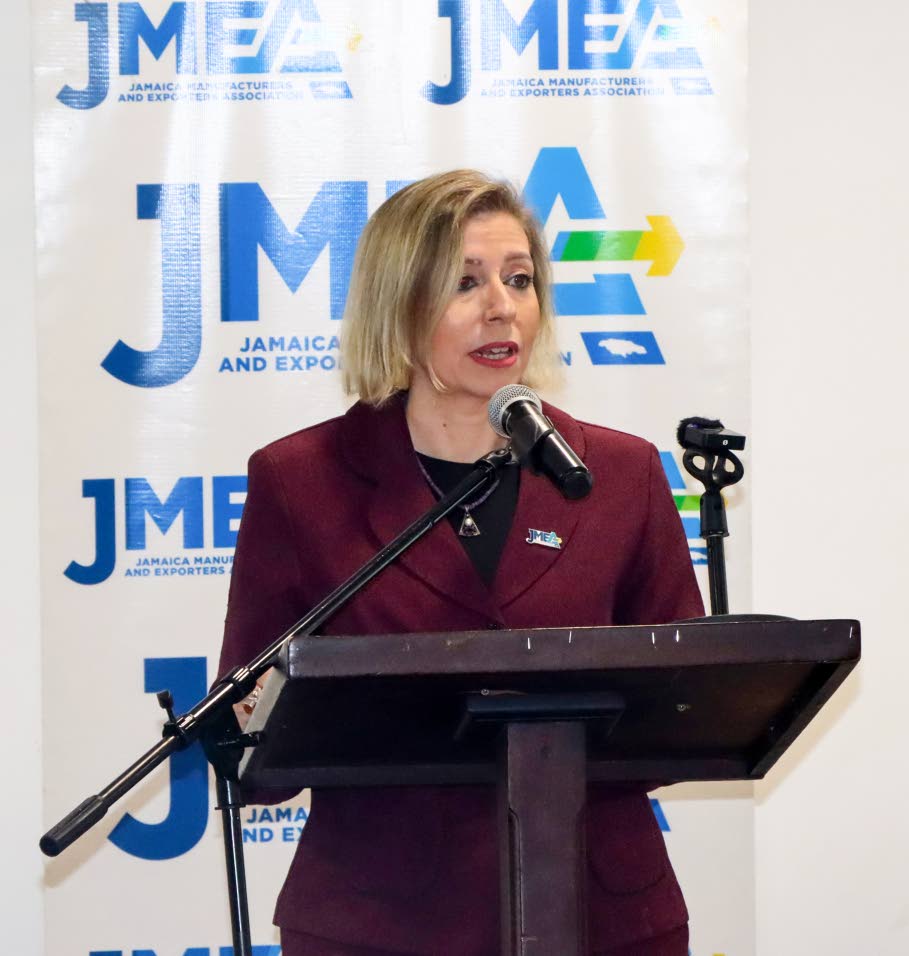
    KINGSTON, Jamaica — The Jamaica Manufacturers and Exporters Association (JMEA) disclosed on Friday that Jamaican manufacturers, ranging from large-scale food processors to small furniture makers, have incurred an estimated $250 billion in damages due to Hurricane Melissa. This preliminary figure, anticipated to rise, highlights the catastrophic impact on the nation’s productive sector and has prompted a unified relief and recovery initiative.

  • Markets drop as valuations and US jobs, rates spook investors

    Markets drop as valuations and US jobs, rates spook investors

    Global stock markets experienced a downturn on Friday, mirroring Wall Street’s losses as investors grappled with weak US jobs data and mixed signals from the Federal Reserve regarding potential interest rate cuts. The week’s volatility culminated in a negative close, fueled by a report from Challenger, Gray & Christmas revealing that US layoff announcements reached a 22-year high last month. This marked the worst year for layoffs since 2020, when the pandemic severely impacted the labor market. Investors, relying on private data due to the ongoing government shutdown, faced heightened uncertainty about the US economy’s health. While recent private hiring data showed an increase, concerns about the labor market persisted, pressuring the Fed to consider a third consecutive rate cut in December. However, comments from Fed officials, including Cleveland Fed chief Beth Hammack and Chicago Fed boss Austan Goolsbee, suggested that another rate reduction was not guaranteed. Hammack emphasized the need to address high inflation, calling the current policy ‘barely restrictive.’ Goolsbee expressed unease about making decisions without comprehensive data during the shutdown. Wall Street’s major indexes, particularly tech-heavy Nasdaq and S&P 500, ended the day down, with tech firms bearing the brunt of the sell-off. Asian markets, including Tokyo and Seoul, also declined, while European markets showed mixed results. The recent market rally, driven by AI investments and hopes for rate cuts, has sparked concerns about overvaluation and potential corrections. Pepperstone’s Michael Brown noted the fragility of market sentiment but maintained a bullish outlook, citing robust earnings growth and a resilient economy.

  • Is Studley Park up to the task?

    Is Studley Park up to the task?

    Prime Minister Kamla Persad-Bissessar and Chief Secretary Farley Augustine recently celebrated the granting of an export licence to the Studley Park Quarry in Tobago, marking a significant milestone for the island’s economic autonomy. The licence, issued on November 4 at the Tobago House of Assembly Legislature in Scarborough, has been hailed as a tangible step towards reducing Tobago’s reliance on external economic support. However, questions linger about the quarry’s ability to capitalize on this opportunity and generate meaningful foreign exchange earnings. Critics argue that outdated equipment and low productivity could hinder the quarry’s ability to meet export demands consistently. Additionally, the regional market for construction materials is highly competitive, with established players dominating in terms of product quality, pricing, shipping reliability, and marketing reach. Without urgent modernization and strategic improvements, the licence may remain a symbolic gesture rather than a catalyst for economic growth. The success of this initiative now rests on the Tobago House of Assembly’s ability to address these challenges and transform potential into tangible results.

  • Ansa Merchant Bank profit rises 40%

    Ansa Merchant Bank profit rises 40%

    ANSA Merchant Bank Ltd (AMBL) has announced a remarkable 40% increase in profit before tax for the nine months ending September 30, 2025, reaching $180.9 million, up from $129.4 million in the same period last year. Chairman A Norman Sabga hailed the results as a testament to the bank’s robust financial performance, with group assets growing by 2.98% and earnings per share rising to $1.78 from $1.39 in 2024. The bank’s diversified operations, including banking, insurance, and mutual funds, all contributed to this impressive growth. In the banking sector, pre-tax profit rose by 12.2% to $85.8 million, while the insurance segment saw a 45% increase to $129.4 million, driven by improved underwriting and higher investment income. The mutual funds business also performed well, generating $16.4 million in pre-tax profit, up from $15.5 million in 2024. Net operating income for the period stood at $456.4 million, compared to $415.9 million the previous year, with operating profit at $180.9 million after $275.5 million in expenses. Profit attributable to shareholders surged by 33% to $152.5 million after tax. Total assets grew to $10.22 billion, with shareholders’ equity increasing to $2.74 billion and total liabilities at $7.48 billion. The group also reported net cash from operating activities of $279.8 million and held $538.9 million in cash and cash equivalents at the end of the period. Sabga attributed the strong performance to steady growth in the loan portfolio, expansion of private-wealth management services, and improved premium income in insurance operations. He expressed confidence in the bank’s continued success and commitment to delivering value to shareholders and customers.

  • Regional agricultural officials reach consensus to enhance technical collaboration, facilitate innovative technologies to mitigate risks to food safety

    Regional agricultural officials reach consensus to enhance technical collaboration, facilitate innovative technologies to mitigate risks to food safety

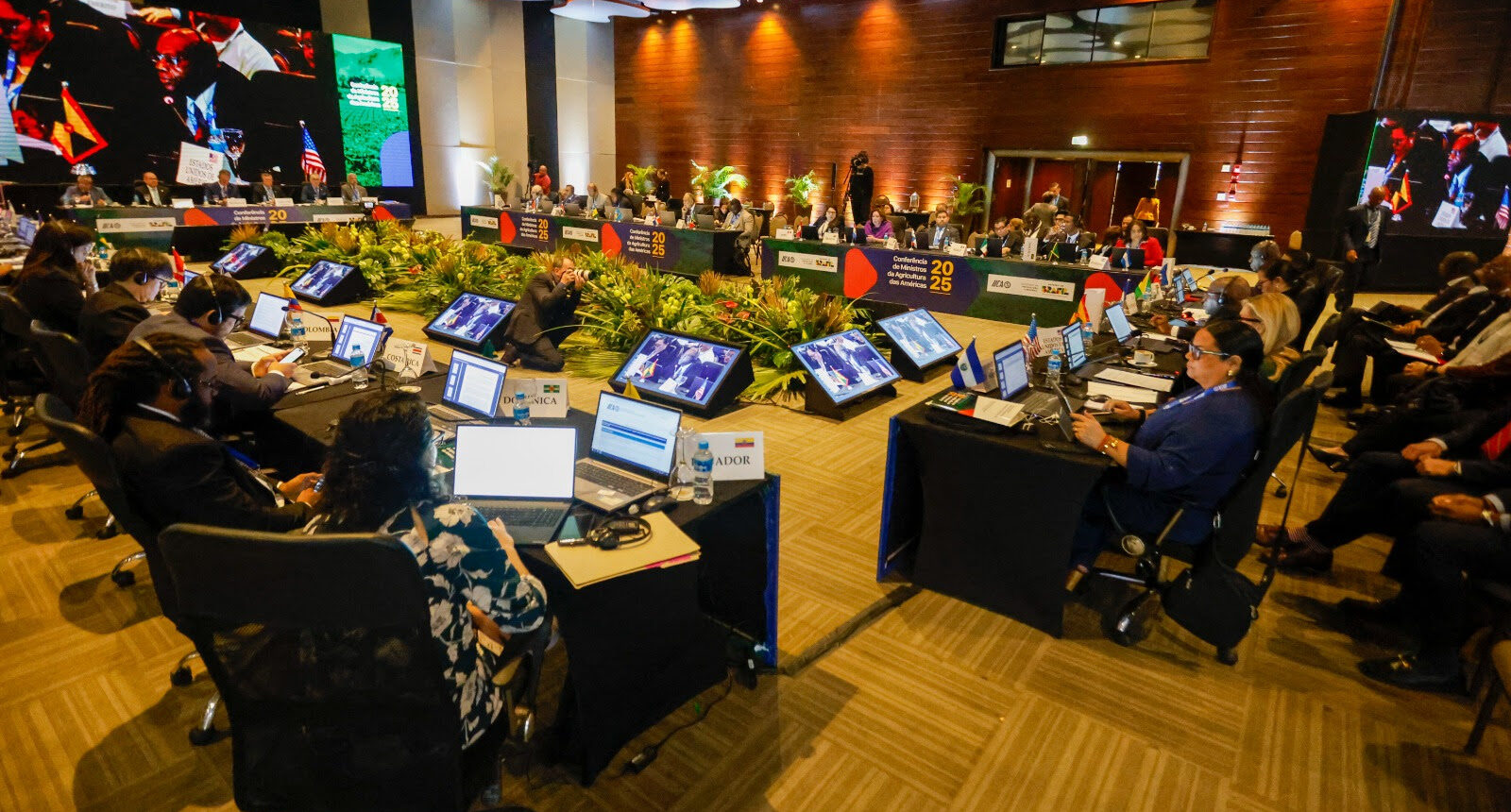
    Agricultural ministers from across the Americas gathered in Brasília to forge a united front against pests and diseases threatening regional food security. The meeting, hosted by the Brazilian government in collaboration with the Inter-American Institute for Cooperation on Agriculture (IICA), focused on enhancing technical cooperation, improving information sharing, and expanding access to advanced technologies. Key threats addressed included the New World screwworm, African swine fever, and other transboundary plant and animal diseases, which pose significant risks to farmers and rural communities. Participants pledged support for the Agricultural Health and Food Security Initiative of the Americas, a platform aimed at coordinating collective efforts in this critical area. Delegates from Argentina and the United States emphasized the importance of science-based decision-making in trade and agricultural production, noting that IICA Member States are the world’s largest net exporters of food. They stressed that maintaining a competitive, secure, and healthy agricultural system is vital for prosperity, public health, and regional development.

  • Government Monitoring Supermarkets for Food Price Reductions After Tariff Suspension

    Government Monitoring Supermarkets for Food Price Reductions After Tariff Suspension

    The Prices and Consumer Affairs Division is actively overseeing local supermarkets to ensure that consumers reap the benefits of the government’s temporary suspension of the Common External Tariff (CET) on essential food items. Maurice Merchant, Director General of Communications, emphasized this during the weekly post-Cabinet press briefing on Thursday. He confirmed that the suspension is already in effect, stating, ‘It is in place. Individuals should have already started to see some decrease in the cost of those items. The tariffs have been removed.’

    When questioned about the readiness of consumer protection officials to verify compliance, Merchant assured that they are fully equipped. ‘They were the first to be notified of the reduction as this came through the Ministry of Trade. They are aware and they are monitoring,’ he explained. He further noted that the impact of this policy will be reflected in upcoming monthly reports. ‘We should see some reporting during the next cycle of monthly reports that we get from these divisions as it relates to the lifting of the CET on these items,’ he added.

    The Cabinet’s decision to remove import tariffs on key goods was aimed at alleviating the cost-of-living pressures. Officials have also pledged to take corrective measures if retailers fail to pass on the savings to consumers.

  • Alarm bij Deviezencommissie over gelduitvoer via stichtingen

    Alarm bij Deviezencommissie over gelduitvoer via stichtingen

    The Foreign Exchange Commission of Suriname has raised alarms over a significant surge in foreign currency outflows through local foundations, prompting stricter regulatory measures. Chairman Arun Sankatsing revealed that tens of millions in foreign currency are being transferred abroad without proper accountability. In response, the Commission has intensified its scrutiny of fund origins, aligning with the 1947 Foreign Exchange Regulation and international anti-money laundering (AML) and counter-terrorism financing (CFT) standards. The Commission emphasized that foundations must comply with these regulations and provide transparent documentation of their financial sources. Sankatsing clarified that these enhanced controls are not new but a reinforcement of existing laws and international obligations. However, notaries representing these foundations have expressed concerns, citing delays in transaction processing and increased administrative burdens due to the stringent verification requirements. The Commission maintains that these measures are essential to safeguard Suriname’s financial integrity and comply with AML/CFT laws. The surge in foreign currency outflows, particularly through foundations, has been labeled a high-risk category under international standards, necessitating additional documentation to mitigate risks and protect monetary stability. The Commission’s actions come ahead of Suriname’s evaluation at the upcoming CFATF meeting in Barbados, where compliance with AML/CFT regulations will be assessed. Sankatsing stressed that cooperation from all stakeholders is crucial to address these challenges effectively.

  • Bedrijven zetten stap naar datagedreven toekomst

    Bedrijven zetten stap naar datagedreven toekomst

    Suriname is positioning itself at the forefront of a data-driven future, as highlighted during the leadership seminar ‘Data as a Compass,’ organized by Consulytic. The event brought together executives, policymakers, and entrepreneurs to explore how data can serve as a guiding force for economic growth and decision-making. The seminar was inspired by the book ‘Data as a Compass’ by Dutch data strategist Rob van den Wijngaard, who was specially invited to Suriname for the occasion. Minister Andrew Basaron of Economic Affairs, Entrepreneurship, and Technological Innovation (EZOTI) opened the event, emphasizing that Suriname stands at a critical economic juncture. He stressed that with anticipated developments in the oil and gas sector, businesses must prepare for scaling, international competition, and more efficient decision-making. ‘Data-driven operations are no longer optional but a necessity,’ he stated. Van den Wijngaard, in his presentation, argued that the shift to data-driven practices begins not with technology but with people. ‘The success of data-driven organizations is not determined by the volume of data or the quality of software,’ he said. ‘It starts with leaders who demonstrate vision and guide their teams on a journey of learning and improvement.’ He expressed optimism about Suriname’s potential, citing motivation, curiosity, and a willingness to build a strong, future-oriented economy. The seminar also included masterclasses for EZOTI ministry officials and executives from leading companies, focusing on data-driven leadership, collaboration, and the role of data in modern business operations. Bibi Mustapha, Operations Manager at Consulytic, noted that the event marks the beginning of a broader movement. ‘The world is changing rapidly. Surinamese organizations have the opportunity not just to catch up but to lead. We are guiding businesses and government institutions through this transition—not just with technology but with knowledge, leadership, and sustainable collaboration,’ she said. Van den Wijngaard concluded with optimism, stating, ‘Something beautiful is coming to Suriname. The energy is palpable. This is a country ready to grow.’

  • Indocafe launches first national sustainable coffee certification

    Indocafe launches first national sustainable coffee certification

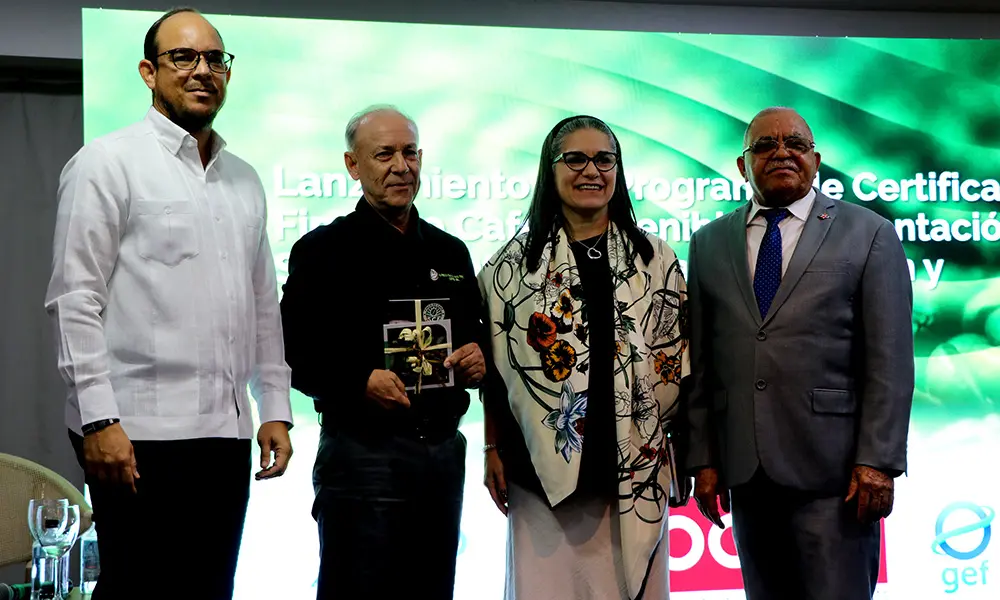
    Santo Domingo – In a significant move to enhance the competitiveness and sustainability of its coffee sector, the Dominican Coffee Institute (Indocafe) has unveiled two groundbreaking initiatives: the Sustainable Coffee Farm Certification Program (SCF) and the Integrated Coffee Information and Services System (Siisec). These programs aim to position the Dominican Republic as a leader in sustainable coffee production while addressing global market demands. The SCF, developed under the Biodiversity in Productive Landscapes Project (BPP), marks a historic achievement as the first national certification for sustainable coffee farms in the Dominican Republic and the broader Caribbean region. This certification underscores the potential to harmonize agricultural productivity with biodiversity conservation and sustainable economic development. Meanwhile, Siisec is designed to improve traceability and quality assurance, particularly for exports to the European Union. During the launch event, the National Office of Industrial Property (ONAPI) officially awarded Indocafe the ‘Sustainable Coffee Farm’ accreditation mark, and the United Nations Development Programme (UNDP) presented the first promotional kit to producer Alfredo Díaz. Indocafe’s Executive Director, Leónidas Batista Díaz, highlighted the transformative impact of these initiatives, emphasizing their role in fostering a more resilient and globally competitive coffee industry.