
In a significant crackdown on illicit trade, the Belize Coast Guard has intercepted a large shipment of contraband cigarettes near the Corozal Free Zone, raising concerns about security and oversight in one of the country’s busiest commercial hubs. The operation, conducted around midnight on October 12, 2025, targeted suspicious cargo believed to be destined for Mexico. Rear Admiral Elton Bennett, Commandant of the Belize Coast Guard, confirmed the seizure, stating that the cargo was discovered outside the zone’s permit area. Despite the successful interception, no individuals were detained as they fled upon the Coast Guard’s approach. The seized goods were promptly handed over to the police and customs departments in the presence of a justice of the peace. Admiral Bennett emphasized the Coast Guard’s increased operations in the northern border region, particularly around the Rio Hondo River, which has become a hotspot for illicit activities. While the exact origin of the cargo remains under investigation, authorities suspect it may have originated from the Corozal Free Zone. This incident underscores the ongoing challenges in combating cartel influence and illegal trade in the region.
分类: business
-

PM Urges Belizeans to Cash In on Tax-Free Weekends
In a bid to ease the financial burden on Belizeans amid rising living costs, Prime Minister John Briceño has announced the introduction of tax-free weekends scheduled for December. The initiative, which will waive the General Sales Tax (GST) on specific dates, aims to provide relief to families as they prepare for the holiday season. The tax-free periods are set for December 6-7 and December 20-21, coinciding with payday cycles to maximize consumer spending power.
-
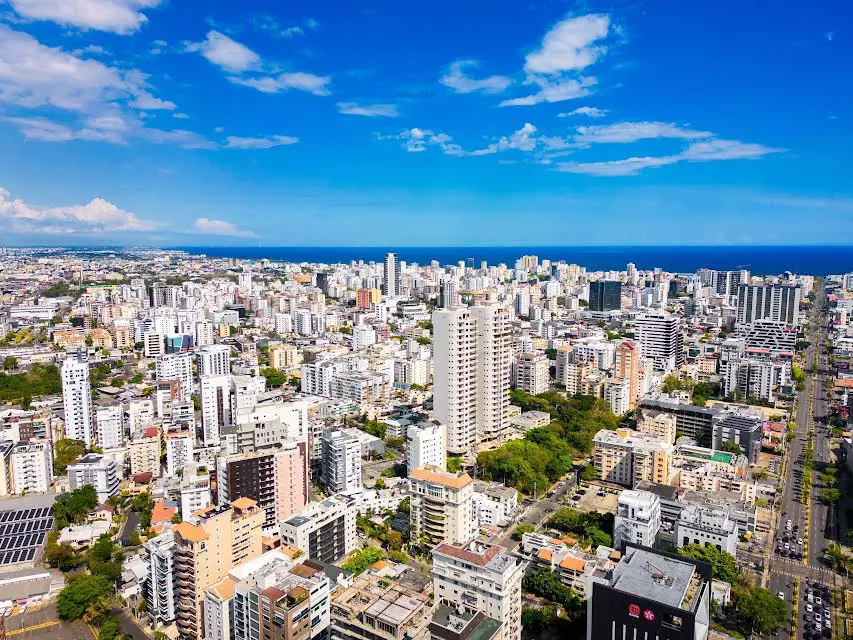
IMF projects 2026 economic acceleration for the Dominican Republic
SANTO DOMINGO – The International Monetary Fund has concluded its Article IV consultation for the Dominican Republic, delivering a broadly positive assessment of the nation’s economic trajectory through 2025. While acknowledging a recent growth deceleration attributed to global financial tightening and worldwide uncertainty, the Fund projects a robust recovery with growth accelerating to 4.5% in 2026, nearing the country’s long-term potential of approximately 5%.
The IMF’s preliminary findings highlight the Dominican Republic’s strong economic fundamentals, which include manageable risks and significant policy flexibility to counteract adverse scenarios. This resilience has been bolstered by expansive fiscal and monetary policies that have stimulated a gradual rebound in key sectors. Notably, credit activity, export volumes, and the vital tourism industry have all demonstrated strengthened performance. Inflation remains well-contained, with an estimated average of 3.7% for the year 2025.
External sector stability is another cornerstone of the assessment. The current account deficit is projected to hold steady at around 2.5% of GDP, a level deemed sustainable as it is fully financed by robust foreign direct investment flows, signaling enduring investor confidence.
Despite a risk profile where external challenges—including volatile financial conditions and vulnerability to climate events—currently outweigh domestic positives, the IMF asserts the country is well-equipped to handle potential shocks. This capacity stems from substantial international reserves, a stable banking sector, and the existence of fiscal space for countercyclical measures.
The consultation placed significant emphasis on the critical need for structural reforms. Key recommendations include advancing a comprehensive tax reform designed to boost government revenues by rationalizing generalized subsidies, all while safeguarding essential social spending. The adoption of a medium-term revenue strategy was advised as a framework for broader fiscal modernization.
Furthermore, the IMF stressed the urgency of fully implementing the national Electricity Pact to reduce substantial sector losses and alleviate fiscal pressures. The Fund also advocated for enhanced governance, labor market flexibility, and social security reforms aligned with the country’s Meta 2036 development plan. Increased public investment in infrastructure, education, and healthcare was identified as vital for fostering more inclusive and competitive growth.
On monetary policy, the Central Bank’s approach was deemed appropriate. The IMF recommended maintaining exchange rate flexibility, limiting foreign exchange interventions to episodes of severe market disruption, and strengthening the monetary transmission mechanism while gradually phasing out extraordinary liquidity support introduced during past crises.
The financial system was recognized as sound with low systemic risk. The IMF encouraged authorities to continue bolstering regulatory and supervisory frameworks, fully implement Basel II and III capital standards, and further enhance policies to combat money laundering and terrorist financing.
-
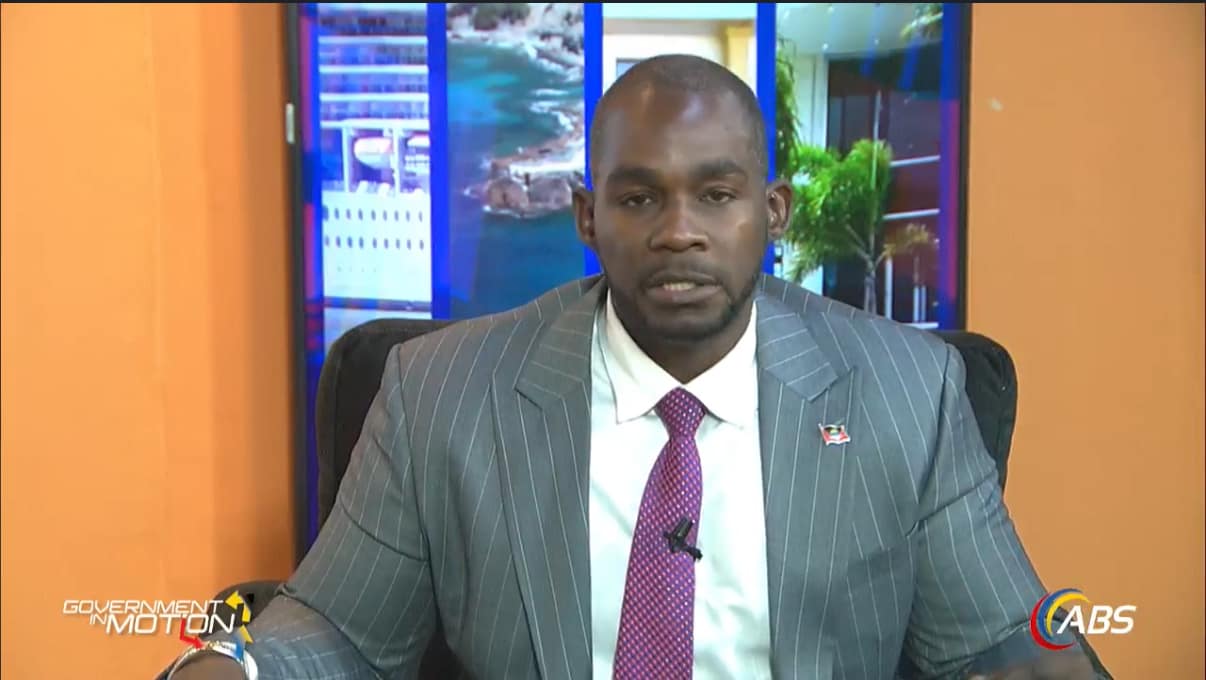
Senator George Says Antigua’s Debt Remains Manageable as Country Targets 60% by 2035
Senator Dwayne George has affirmed that Antigua and Barbuda’s debt situation remains stable and is poised for improvement, despite ongoing global and climate-related challenges. During an appearance on ABS’s ‘Government in Motion,’ George revealed that the country’s debt-to-GDP ratio currently stands at approximately 62 percent, with projections indicating a slight decline to around 60 percent by 2035. ‘Our debt-to-GDP is about 62 percent, and by 2035 we will be at about 60 percent,’ George stated optimistically. ‘That’s lovely. We’re doing quite fine.’
The government services approximately $65 million in debt each month, with total monthly financial obligations reaching roughly $89 million. However, George emphasized that the overall financial outlook remains manageable. This is largely due to the administration’s strategic shift from short-term borrowing to securing longer-term, lower-interest financing. ‘We want cheaper financing and long-term financing because that helps ease the pressure,’ he explained.
George’s remarks were made in the context of recent discussions with officials from the International Monetary Fund (IMF) and the World Bank. During these engagements, Antigua and Barbuda, alongside other small states, highlighted the economic strain caused by frequent external shocks. These conversations underscored the urgent need for better-structured funding mechanisms that acknowledge the unique vulnerabilities of small island economies. ‘We are exposed to shocks almost every cycle,’ George noted. ‘It’s why we continue to argue for concessional financing and mechanisms that recognise our realities.’
-

Grenada finalises investment facilitation categorisation
Grenada is poised to modernize its investment landscape through a pivotal two-day national stakeholder consultation, scheduled for November 17–18, 2025. This hybrid event, blending in-person and virtual participation, aims to finalize the categorization of needs under the World Trade Organization’s (WTO) Investment Facilitation for Development (IFD) Agreement. The workshop is a collaborative initiative involving the International Trade Centre (ITC), the OECS Commission, and Grenada’s Investment Promotion Agency (GIDC), supported by the WTO and funded by the European Union’s RIGHT Programme.
-

Browne Says Antigua Positioned for First-Class Expansion on British Airways Routes
Prime Minister Gaston Browne of Antigua and Barbuda has expressed confidence in the nation’s ability to secure additional first-class seats on British Airways flights, citing the rapid growth of its luxury hotel sector as a key driver. Speaking on the *Browne and Browne* show, Browne emphasized that the expansion of high-end accommodations is reshaping Antigua’s market profile, making a compelling case for airlines to enhance their premium offerings.
Browne projected that within the next five to ten years, Antigua will emerge as a significantly more attractive destination, with the influx of luxury properties directly influencing the availability of first-class air travel. “As those luxury properties take root and are completed, we will have more luxury rooms, and you’re going to get more first-class seats,” he stated.
The Prime Minister’s remarks followed a suggestion from hotelier Andrew Michelin, who urged Antigua to actively pursue a first-class cabin on British Airways routes. Michelin argued that Antigua’s hospitality offerings have surpassed those of many regional competitors, positioning the island as a prime candidate for expanded premium services.
Michelin highlighted Antigua’s growing appeal to high-net-worth visitors, its direct UK connections, and the increasing popularity of Barbuda as factors that bolster its case for premium airlift. He also noted the island’s enhanced regional connectivity through LIAT and the presence of upscale properties like Jamwe Bay as additional justifications for a first-class service.
Browne endorsed Michelin’s proposal, stating that Antigua’s upward tourism trajectory and its emergence as a high-value Caribbean destination create a strong foundation for airlines to increase their premium seating capacity. The Prime Minister’s vision underscores the nation’s commitment to elevating its global standing in luxury travel and hospitality.
-
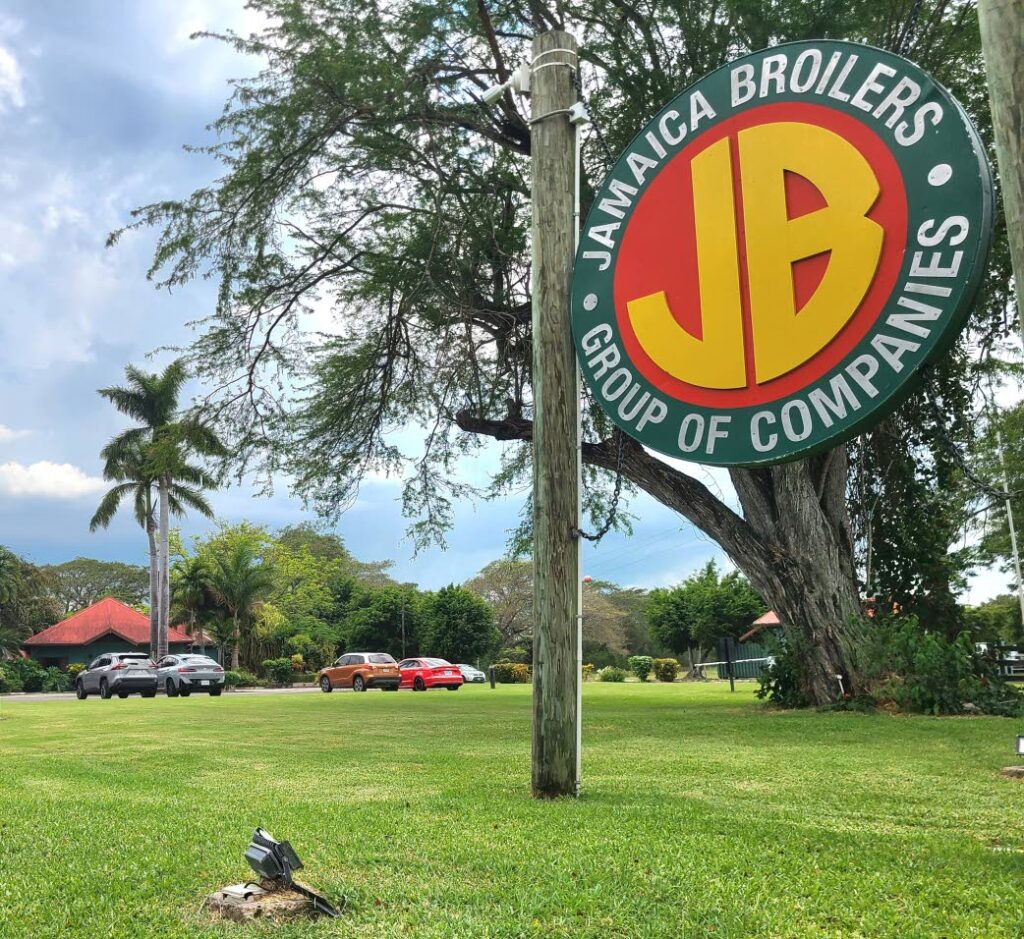
Levy warns of Q3 perfect storm: US meat price collapse and Hurricane Melissa bite into JBG’s recovery
Jamaica Broilers Group (JBG) President and CEO Chris Levy has issued a stark warning about the company’s upcoming third quarter, citing a dual crisis of collapsing US meat prices and the disruptive effects of Hurricane Melissa on its core Jamaican market. Despite a recent operational turnaround that slashed US production costs by a third, Levy emphasized that external shocks now pose the greatest threat to recovery. This warning contrasts sharply with JBG’s strong Q1 performance, which saw a $1.6 billion profit, attributed to the initial success of its operational overhaul. However, Levy cautioned that this momentum is unlikely to continue, predicting a “bumpier” path to full-year recovery. The company’s Q2 results, expected by mid-December 2024, will include a significant $40 billion asset revaluation aimed at rebuilding shareholder equity. Meanwhile, Q3, covering the period ending January 31, 2025, is expected to be particularly challenging, with US meat prices plummeting and Jamaican revenues projected to dip by 5-6% due to the hurricane’s impact. While JBG’s main revenue driver, Best Dressed Chicken, is expected to remain resilient, its Hi-Pro division, which supplies baby chicks and feed, is likely to face significant challenges. Despite operational improvements in the US meat business, falling prices may negate these gains. Levy confirmed that strategic reviews are underway, including potential difficult decisions for the US meat business, with a possible exit still on the table. The company’s ability to navigate these turbulent economic and environmental conditions will be critical to its full recovery.
-

JBG chief questions how auditors missed massive fraud as multiple checks failed to detect $46b irregularities
Executives at Jamaica Broilers Group (JBG) have expressed deep concerns over the failure of multiple audit teams to detect a significant, multi-year fraud within the company’s US operations. CEO Chris Levy highlighted the oversight failure as a critical issue requiring further investigation. The fraud, which involved concealing costs in biological assets and inventory accounts while understating vendor financing, led to a staggering $46 billion in financial adjustments. Despite three layers of auditors—including those from the US banking syndicate and JBG’s own auditors—issuing clean opinions on financial statements, the irregularities were ultimately uncovered by an internal whistleblower. Ian Parsard, Senior Vice President of Finance and Corporate Planning, expressed astonishment at the systemic failure, noting the coordinated efforts by leadership to evade detection. The company has since implemented sweeping reforms, including replacing its US accounting team, changing auditors, and introducing new controls with IBM’s assistance. The new auditors bring specific poultry industry expertise, enabling them to identify irregularities previously overlooked. This case raises broader questions about the effectiveness of audits in complex, multi-jurisdictional organizations and underscores the potential for determined management to bypass even robust financial oversight systems. For JBG, the fallout has been severe, necessitating a complete financial restructuring and eroding shareholder trust.
-
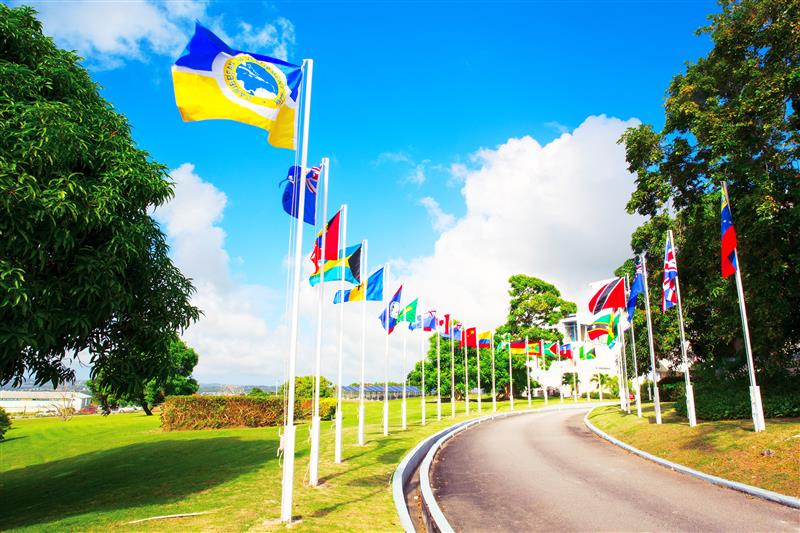
CDB issues inaugural sustainable bond in Swiss market
BRIDGETOWN, Barbados – In a landmark move, the Caribbean Development Bank (CDB) announced on Wednesday the successful issuance of its first-ever sustainable bond, raising 100 million Swiss francs (approximately US $110 million). This five-year bond, carrying a fixed coupon of 0.59 per cent, marks a significant step under the bank’s newly established Sustainable Finance Framework. The issuance, which was met with robust demand, was priced at the top of its initial guidance, with the order book closing within just 90 minutes of opening. The proceeds from this bond will be directed towards funding projects in the bank’s borrowing member countries, focusing on critical areas such as renewable energy, climate adaptation, sustainable water management, and food security. The investor base was predominantly composed of treasury departments, which secured 62 per cent of the deal, followed by asset managers (17 per cent), private banks (11 per cent), and pension plans and insurance companies (5 per cent each). The CDB, which holds an Aa1/AA+/AA+ rating, emphasized that this transaction not only strengthens its yield curve but also underscores its dedication to embedding sustainability into its core operations. Established in 1970, the CDB serves 19 borrowing members across the Caribbean and nine non-borrowing members, including Brazil, Canada, China, and the United Kingdom. As of December 2024, the bank’s total assets were reported at US$2.02 billion.
-

Gas prices up $3.06, diesel down $4.50
KINGSTON, Jamaica—Motorists across Jamaica are bracing for a notable surge in fuel prices, effective Thursday, November 20, as announced by Petrojam, the nation’s sole oil refinery. The latest ex-refinery costs indicate a uniform increase across various fuel types, signaling a financial burden for consumers and businesses alike.