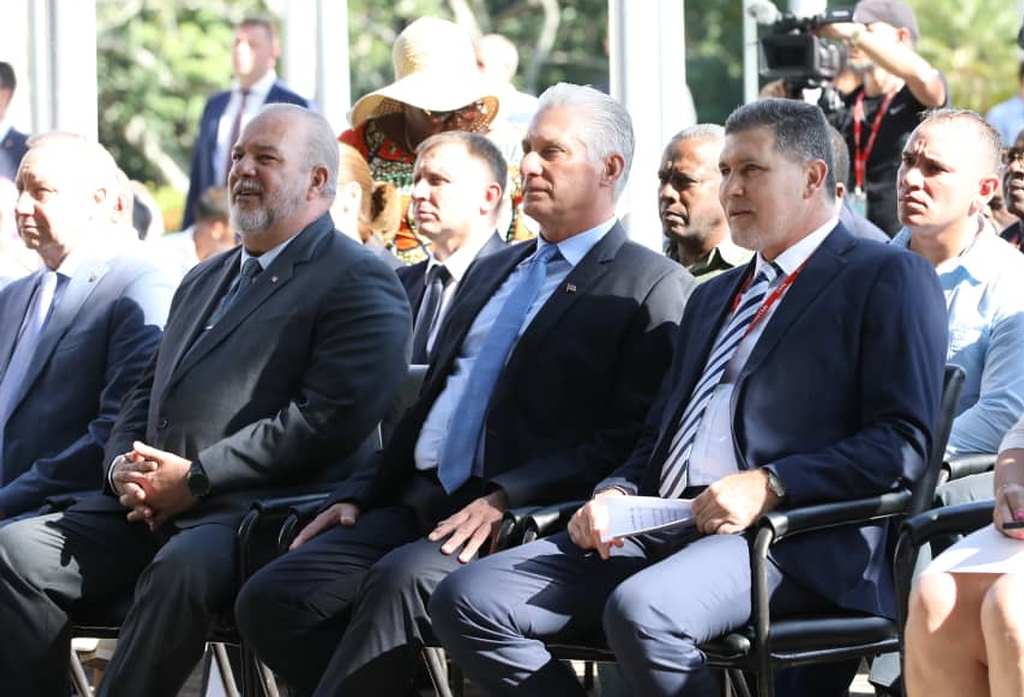
The 2025 edition of the Havana International Fair (FIHAV) is set to take place at the Expocuba fairgrounds from November 24 to 29, attracting business leaders and official delegations from 47 countries and the European Union. This prestigious event, organized by the Cuban government, aims to foster international trade and investment opportunities on the island. Deputy Prime Minister and Minister of Foreign Trade and Investment, Oscar Perez-Oliva, announced the participation of 16 official delegations, including representatives from Venezuela, Mexico, Bulgaria, the Eurasian Economic Union, the Czech Republic, Iran, the Congo, Zimbabwe, Comoros, Angola, and South Africa. Additionally, key figures such as the director of the Colon Free Zone in Panama, executive secretaries of ALBA-TCP and the Latin American Economic System (SELA), and the secretary general of ALADI will be in attendance. This year’s FIHAV introduces five thematic areas: Made in Cuba, The Energy Transition, AI Cuba, Unique Cuba, and the Integration Mechanisms Forum. The event will also feature the VIII Investment Forum, an updated Portfolio of Opportunities, product presentations, and National Days. Concurrently, the Caribbean Banking Forum will be held on November 26 and 27 at the Parque Central Hotel, focusing on enhancing financial integration among CARICOM member states. Five business forums with Cuba’s major trading partners—Russia, Vietnam, Iran, Turkiye, and Argentina—will provide insights into new foreign investment policies designed to attract more capital. Antonio Carricarte, president of the Cuban Chamber of Commerce, confirmed the participation of 240 Cuban companies, including 181 state-owned enterprises and 61 private micro, small, and medium-sized enterprises (mipymes).
分类: business
-

FIHAV 2025 opens in Havana
The 39th Havana International Fair (FIHAV) is set to unfold from November 24 to 29 at the Expocuba fairgrounds, marking another significant event in Cuba’s economic calendar. This year’s edition introduces five innovative thematic areas, each designed to highlight Cuba’s potential in various sectors.
-
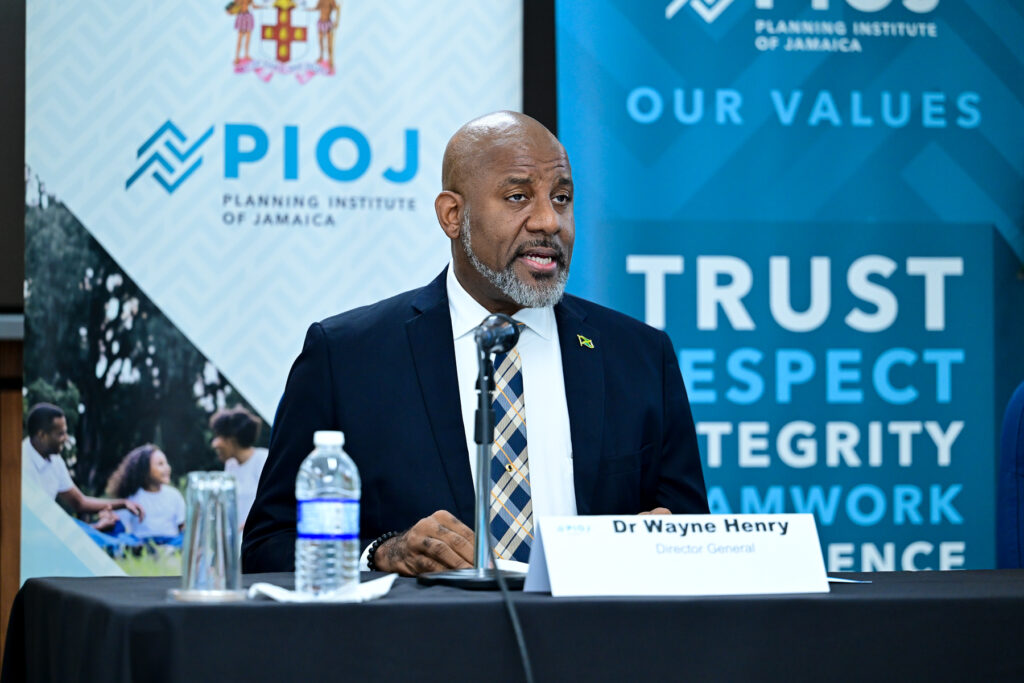
Economy to contract 11-13 per cent Oct-Dec — PIOJ
KINGSTON, Jamaica — The aftermath of Hurricane Melissa, which struck the island on October 28, has left Jamaica grappling with unprecedented economic challenges. Preliminary estimates from the Planning Institute of Jamaica (PIOJ) indicate a potential 13 per cent decline in the country’s gross domestic product (GDP) for the final quarter of this year. This marks one of the most severe economic contractions since the COVID-19 pandemic in 2020.
-

Hadco Ltd commits to investing in local brands
In a significant move to bolster local manufacturing, Hadco Ltd has reaffirmed its dedication to distributing, supporting, and investing in homegrown brands. This commitment was formalized during a Memorandum of Understanding (MoU) signing ceremony held on November 10 at Eyescream Animation, a local advertising agency. The event underscored Hadco’s ongoing partnerships with prominent local companies such as Halfmoon Ice Cream, Creamery Ice Cream, Novelties & Yogurt, Fresh Start Juices, Farm and Function, Adam’s Sauces, and Amare Probiotics. These brands have earned widespread recognition for their innovation, quality, and authenticity. Marc Clarke, Hadco’s marketing manager, emphasized the company’s unwavering support for local enterprises, stating, ‘At Hadco, we take great pride in being a champion for local innovation. Our commitment extends beyond distribution; it’s about investing in and nurturing brands that embody the creativity and entrepreneurial spirit of Trinidad and Tobago.’ Dale Parson, president of the Trinidad and Tobago Manufacturers’ Association (TTMA), praised Hadco’s leadership in strengthening the local manufacturing sector, noting its role in providing critical distribution, marketing, and business development support. Marcus Sun Kow, managing director of Fresh Start Juices, expressed optimism about the renewed partnership, highlighting opportunities for growth and expanded production. Anastasia Pickering, brand manager for Creamery Ice Cream, Novelties and Yogurt, also emphasized the importance of Hadco’s investment in promoting locally made products. Hadco’s recommitment marks a pivotal step in empowering local producers, fostering innovation, and enhancing confidence in Trinidad and Tobago’s manufacturing potential.
-
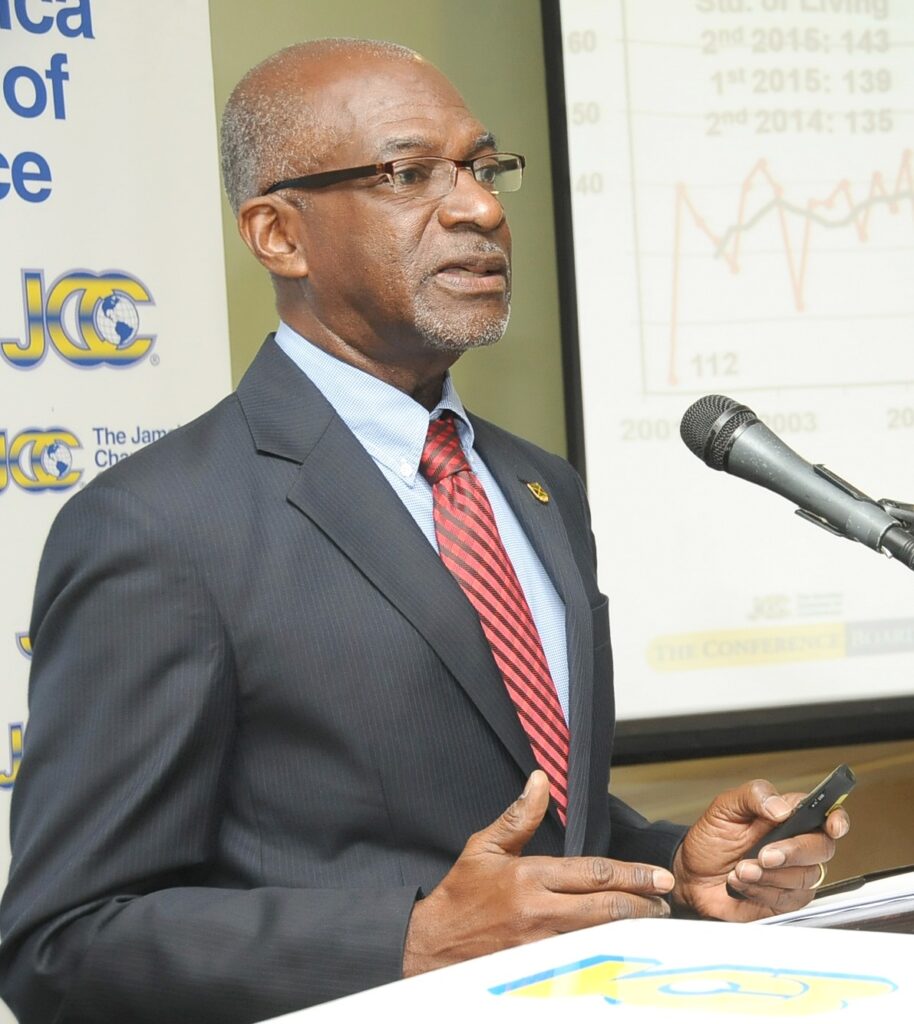
Jamaica’s economy was surging before Hurricane Melissa – survey
KINGSTON, Jamaica — Jamaica’s economy was on a robust upward trajectory in the third quarter of 2025, as revealed by the latest JCC/GK Capital Management Business and Consumer Confidence Indices. The data, collected before Hurricane Melissa struck, highlights a significant surge in both consumer and business confidence, marking the strongest economic performance in over two decades.
-
BOJ warns of prolonged inflation spike
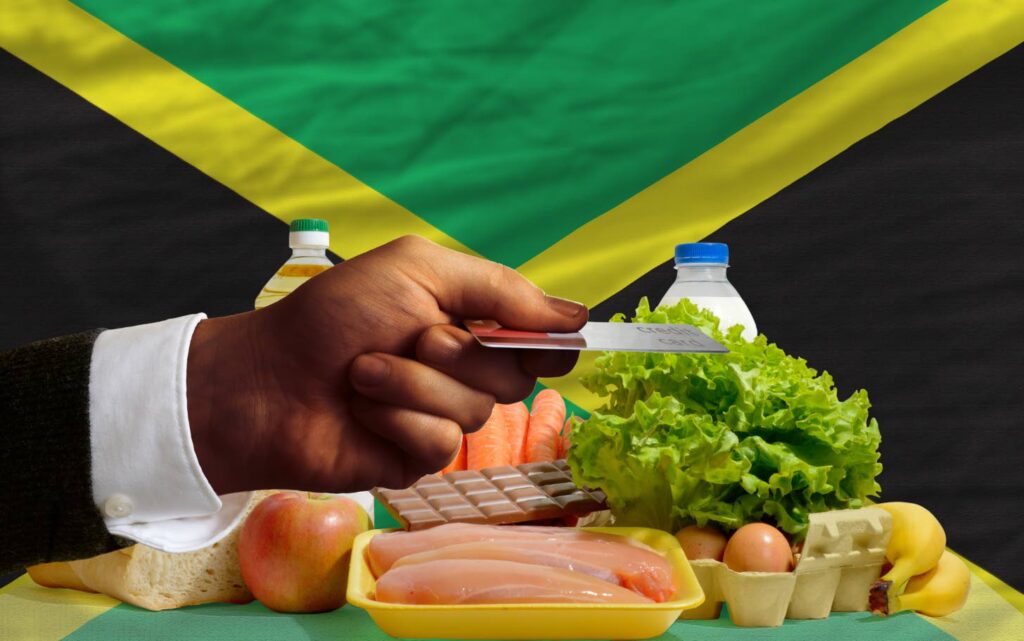
The Bank of Jamaica (BOJ) has issued a stark warning to households and businesses, urging them to prepare for a significant rise in inflation driven by the aftermath of Hurricane Melissa. The central bank projects that inflation will exceed its target range of four to six per cent in the near term, with price stability not expected to return until 2027. This comes despite Jamaica enjoying relatively low inflation below six per cent over the past two years, as reported by the Statistical Institute of Jamaica (Statin).
Hurricane Melissa, a Category 5 storm that struck Jamaica’s south-western coast on October 28, has caused extensive economic disruption, damaging infrastructure and disrupting productive activities. The BOJ anticipates that annual headline inflation will rise sharply from 2.9 per cent in October 2025, with core inflation—excluding volatile food and fuel prices—also breaching the target range by mid-2026. This inflationary pressure is expected to ripple across various sectors, including food, utilities, transport, and personal care services.
Early signs of inflation are already evident in the October Consumer Price Index (CPI), which recorded a 1.5 per cent increase in food prices, driven by significant surges in vegetables, tubers, and pulses. Electricity costs also rose, contributing to a 0.8 per cent increase in housing-related expenses. The government’s decision to temporarily suspend fiscal rules to fund relief and reconstruction efforts is expected to inject more money into the economy, further exacerbating inflationary pressures.
In response, the BOJ has adopted a cautious approach, maintaining its key interest rate at 5.75 per cent while implementing measures to stabilise the foreign exchange market. The central bank has already sold US$210 million to the market since the hurricane and plans to provide foreign currency directly to energy sector entities. These steps aim to prevent a depreciating Jamaican dollar from worsening inflation by increasing the cost of critical imports for reconstruction.
The BOJ remains committed to its inflation target and is prepared to adjust its monetary policy stance if inflationary risks escalate further. The next policy decision announcement is scheduled for December 18, 2025, as the central bank continues to monitor price movements closely.
-
Gov’t to lend JPS US$150m for restoration work; rejects request for extension to licence
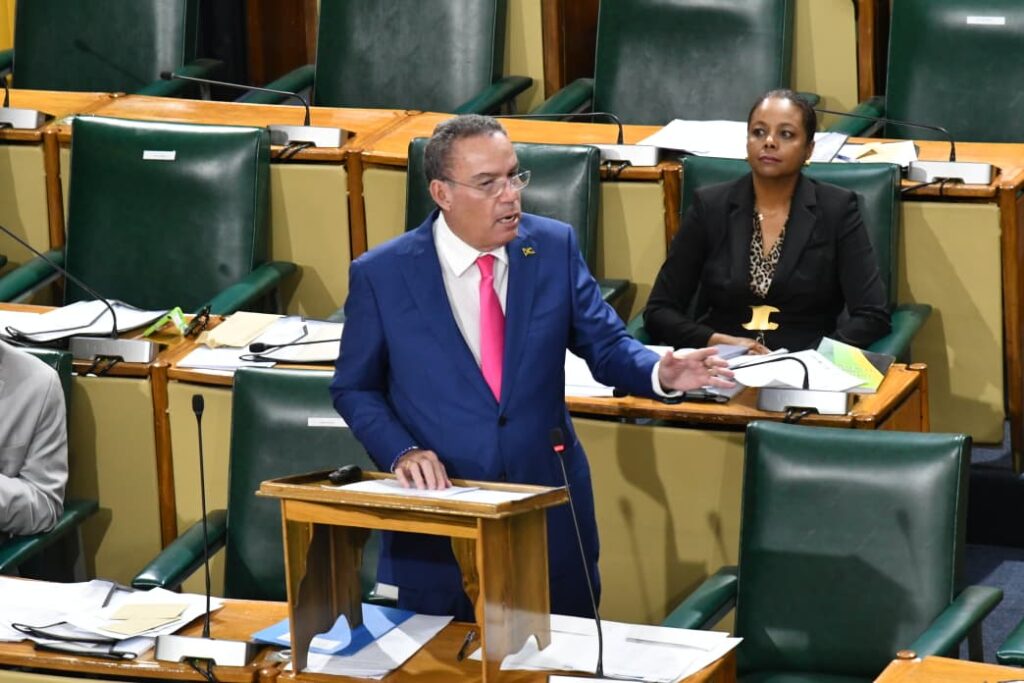
The Jamaican Government has pledged a $150 million loan to the Jamaica Public Service Company (JPS) to aid in the reconstruction of its power grid, severely damaged by Hurricane Melissa. However, the Andrew Holness Administration has declined JPS’s request to extend its current licence, set to expire in 2027, which the company sought to secure additional funding for the restoration efforts. Energy Minister Daryl Vaz announced the decision during a House of Representatives session, emphasizing the need to address two critical issues separately: the immediate funding for grid restoration and the ongoing negotiations for a new electricity licence. The Government has approved a conditional bridging loan to JPS, ensuring the company can proceed with restoration without extending its licence. This move will enable 300 overseas line workers and specialized equipment to arrive in Jamaica by December, aiming for full customer restoration by early 2026. Vaz highlighted that the Government has safeguarded its interests, with provisions ensuring repayment of the loan if a new licence is not agreed upon. The Government has also finalized a consultancy contract to support negotiations with JPS, ensuring a structured and protected approach to the process.
-
US retail sales cool as consumers battle higher prices
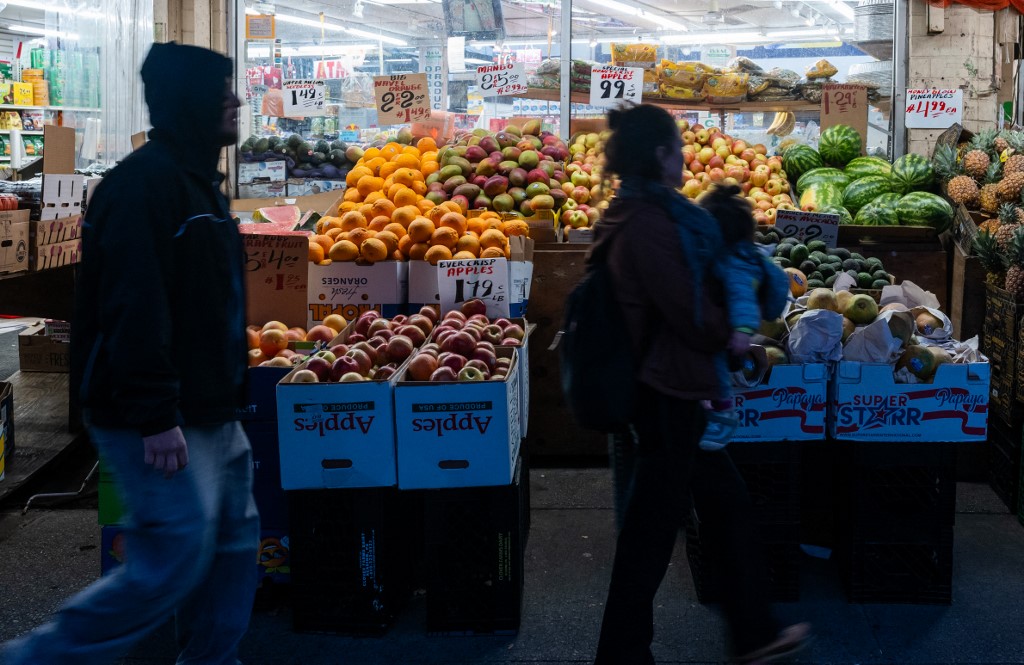
The latest economic data from the United States reveals a slowdown in retail sales growth for September, as consumers grapple with rising prices and businesses face escalating costs. According to the Commerce Department, retail sales increased by a modest 0.2 percent month-on-month, falling short of analyst expectations and marking a deceleration from August’s 0.6 percent gain. Concurrently, the Labor Department reported a 0.3 percent rise in producer prices for September, driven primarily by a 0.9 percent surge in goods costs, particularly energy and food. These trends highlight the growing economic pressures stemming from President Donald Trump’s tariffs, which have begun to ripple through the economy. Some businesses have already reported higher operational costs due to these duties, prompting the administration to expand tariff exemptions for certain agricultural products. The release of these reports was delayed due to the record-long government shutdown between October and mid-November, which disrupted the collection and publication of key economic data. Year-on-year, retail sales in September were up 4.3 percent, though specific sectors such as motor vehicles, clothing, and electronics experienced declines. The data underscores the challenges facing both consumers and businesses as they navigate an increasingly complex economic landscape.
-
Staatsolie opent offshore-deur voor wereldwijde investeerders
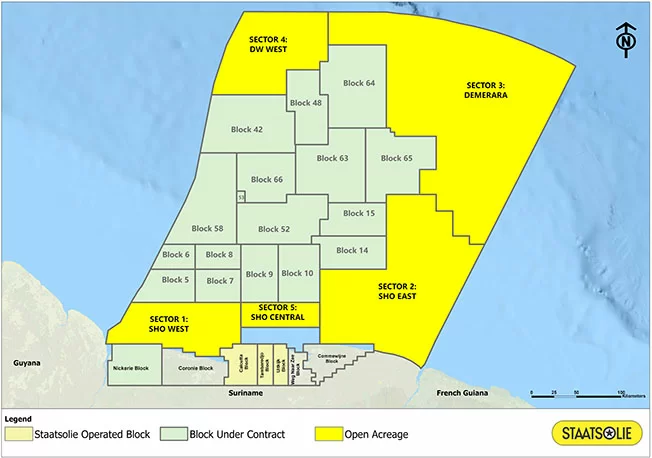
Suriname has officially unveiled its Open-Door Offering, a groundbreaking initiative designed to provide international oil and gas companies with flexible access to a significant portion of its offshore territory. Launched by Staatsolie on Monday, this strategic move aims to bolster Suriname’s standing in the Guiana Basin and attract investors to explore both shallow and deep-water blocks. Approximately 60% of the nation’s offshore area is now available for exploration, offering companies the opportunity to select their preferred blocks and submit tailored work programs. The initiative features attractive fiscal terms, low surface risks, and a stable, investment-friendly environment to enhance global interest. Companies can opt for Production Sharing Contracts or Joint Study Agreements for collaborative analysis. Selected areas will be publicly listed on the Open-Door Offering webpage, allowing competitors to submit rival proposals within a 90-day window. Concurrently, Staatsolie introduced the GeoPortal, an interactive platform providing comprehensive geological and geophysical data, available for lease at favorable rates. Additionally, the company released the GeoAtlas of Suriname, a detailed resource based on decades of data collection and analysis, offering a complete overview of the Guiana Basin’s geology and potential. The GeoAtlas is freely downloadable from Staatsolie’s website, further supporting exploration efforts.
-

‘Passport can’t eat’
The Citizenship by Investment (CBI) programme, a transformative model of foreign direct investment, has become a cornerstone of economic growth across most Organisation of Eastern Caribbean States (OECS) nations. However, in St. Vincent and the Grenadines (SVG), this proven initiative is often overshadowed by political rhetoric, leaving citizens misinformed about its potential benefits. While neighbouring countries like St. Kitts and Nevis, Antigua and Barbuda, Grenada, Dominica, and St. Lucia have harnessed CBI to fuel their economies, SVG lags behind, missing out on decades of prosperity. CBI, also known as economic citizenship, allows individuals to obtain citizenship by investing significantly in the host country. Despite having a passport ranked similarly to its neighbours in global visa-free access, SVG continues to dismiss the programme entirely. The Eastern Caribbean Central Bank, through Governor Timothy Antoine’s proposed regulatory framework, has emphasized the importance of CBI to the region’s economic stability and advancement. Neighbouring islands have reaped tangible benefits from CBI, including modern infrastructure, luxury developments, and higher GDP per capita. For instance, St. Kitts and Nevis boasts well-maintained highways, double salary bonuses for public servants, and upscale hotels, all funded by CBI revenues. Similarly, Dominica is constructing a new international airport with CBI funding. These outcomes highlight the programme’s potential to uplift entire nations. As SVG reflects on its leadership and policy direction, it is crucial to move beyond outdated rhetoric and embrace innovative economic strategies. The nation deserves policies that elevate all citizens, ensuring a rising tide lifts every ship.