作者: admin

  • Cuba and Venezuela, a solid foundation for regional unification

    Cuba and Venezuela, a solid foundation for regional unification

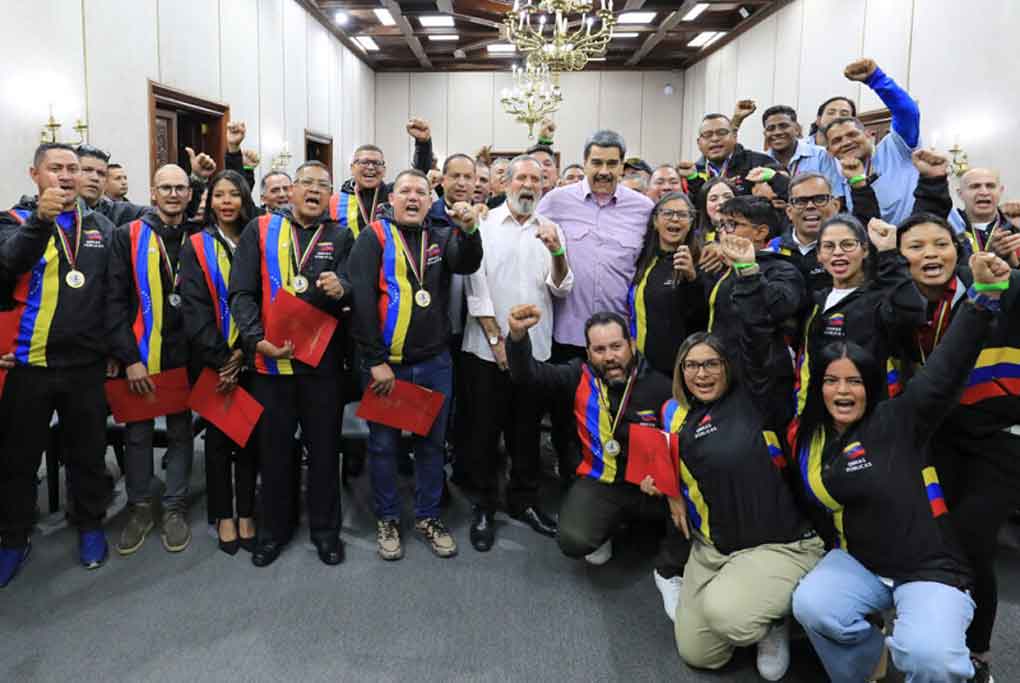
    President Nicolás Maduro of Venezuela has formally recognized the Cuba-Venezuela International Brigade with the nation’s prestigious Antonio Jose de Sucre Order of Merit for Builders of the Homeland. The ceremony, held at Miraflores Palace, celebrated the brigade’s critical role in repairing extensive damage across multiple provinces following Hurricane Melissa’s devastating path.

    The multidisciplinary team of Cuban specialists, comprising experts from electrical, transportation, and public works sectors, spent several weeks engaged in intensive recovery operations. Their deployment demonstrated exceptional technical capability and humanitarian commitment in restoring essential infrastructure and services to affected communities.

    During the official proceedings, Maduro characterized the brigade’s contribution as “profoundly inspiring” and underscored the “unquestionable brotherhood” between Caracas and Havana. He articulated a vision of international relations founded on solidarity rather than conflict, identifying Cuba as the “world champion of solidarity” for its six-decade history of providing technical and medical assistance across Africa, Asia, and Latin America.

    The Venezuelan leader further articulated that both nations share a mission to demonstrate that the future of the Western Hemisphere must be built upon cooperation rather than “war, military threats, colonialism, or slavery.” He concluded with a firm declaration that the Cuba-Venezuela alliance represents an indestructible bond capable of overcoming all adversities to ensure victory prevails.
  • Cuban province beats to the rhythm of music festival

    Cuban province beats to the rhythm of music festival

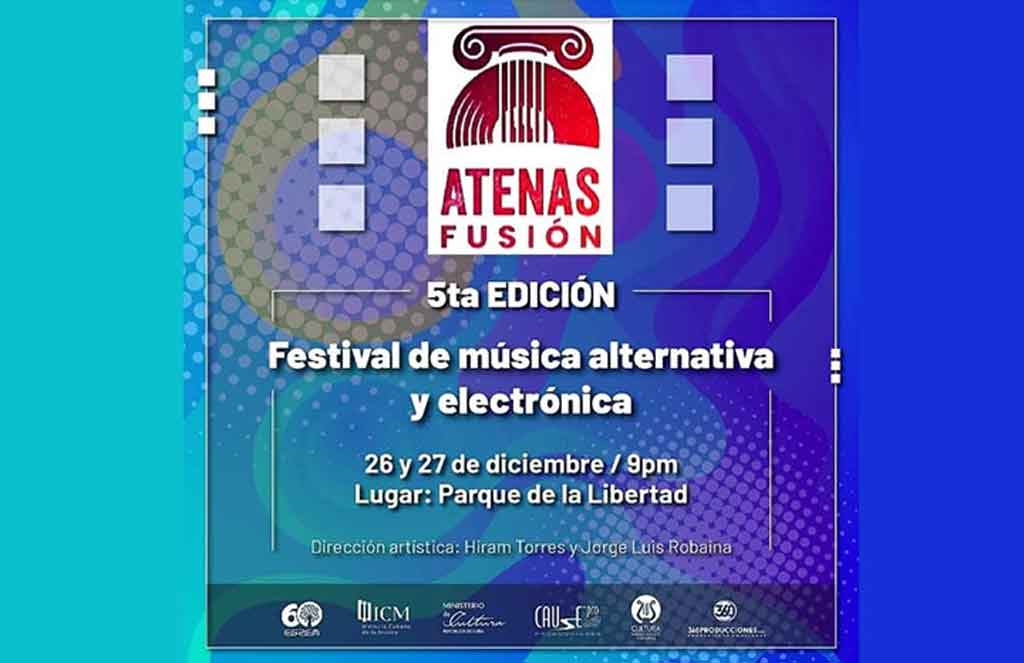
    The fifth edition of the Athens Fusion Festival culminated in a spectacular celebration of sound, transforming a chilly night in western Cuba into an electrifying musical experience. Under the artistic direction of acclaimed actress Maria Laura German, the event showcased an impressive lineup of alternative and electronic performers who captivated audiences until the early morning hours.

    Featured artists including DJ Dany, collective Karamba, DJ Wikiri, and Glens delivered powerful performances that demonstrated music’s transformative power to evoke deep emotional responses. The festival reached its emotional peak with the appearance of urban music sensation Mama estoy brillando, whose contemporary sound and widespread popularity among Cuban youth generated particularly enthusiastic crowd reactions.

    The festival’s final day promises an equally diverse and visually stunning program featuring performances by Jotabarrioz, Adrian Berazain, and Abel Gerones. Established as a premier destination for audio innovation, the Athens Fusion Festival has built its reputation on championing musical experimentation while fostering meaningful interaction between artists and audiences.

    This annual event continues to serve as a vital platform for emerging and established musicians exploring new sonic territories, prioritizing both artistic innovation and collective enjoyment within Cuba’s vibrant music scene.

  • Over 3 000 children receiving toys from the Sandals Foundation

    Over 3 000 children receiving toys from the Sandals Foundation

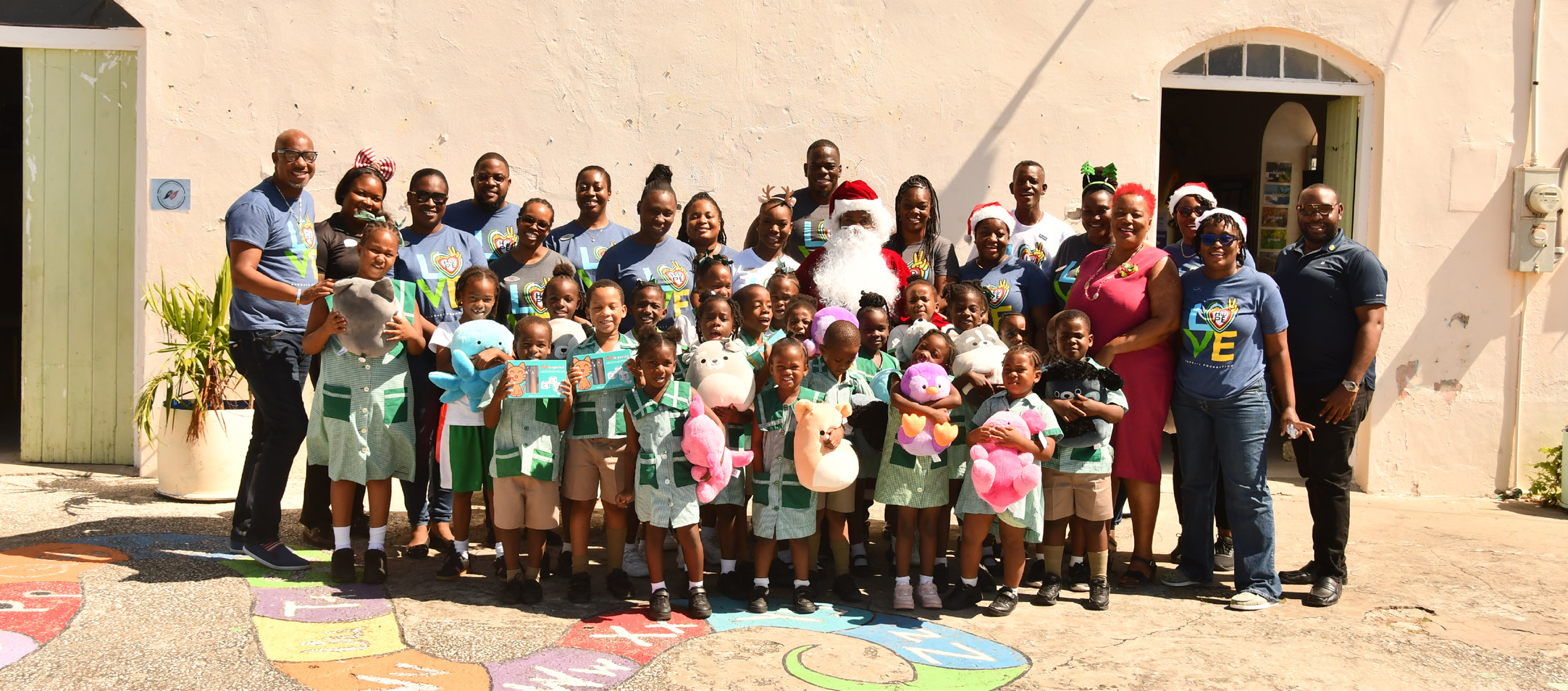
    In a monumental holiday outreach effort, the Sandals Foundation has orchestrated one of its most expansive seasonal initiatives to date, delivering festive cheer to thousands of children across the Caribbean. The foundation’s annual toy distribution program, now in its thirteenth year, achieved unprecedented scale through strategic partnerships with major US toy manufacturers.

    This December, the initiative culminated in the distribution of 45,000 toys across nine Caribbean islands, marking the first regional collaboration with industry leaders Spin Master, Jazwares, and The Toy Foundation™. The carefully curated selection featured educational puzzles, popular PAW Patrol figurines, Squishmallows plush toys, building blocks, and dinosaur figurines specifically chosen to inspire creativity and developmental growth.

    On Barbados alone, the Sandals Barbados team delivered over 3,000 toys to ten educational institutions and community organizations. The December 9th school distribution event formed the centerpiece of island-wide activities that extended to numerous Christmas parties and community events throughout the month.

    Bruno Couesnon, General Manager of Sandals Barbados, emphasized the profound impact on both recipients and team members: “Witnessing the transformative moment when children encounter Santa and receive their gifts creates enduring memories for our staff. This annual tradition has evolved into a deeply anticipated occasion for all participants.”

    Heidi Clarke, Executive Director of the Sandals Foundation, articulated the program’s deeper significance: “These efforts communicate essential messages of hope and validation to every child. Our corporate partners have demonstrated extraordinary commitment in helping us convey that each young recipient is seen, valued, and cherished.”

    The comprehensive outreach benefited numerous institutions including St. Lawrence Primary, St. Catherine’s Primary, Half Moon Fort Primary, Arthur Smith Primary, The Salvation Army, ThenWhat! Charity, and the Barbados Police Force’s holiday event, alongside various nurseries, churches, and community groups throughout the region.

  • Actress Eslinda Nunez, a face of Cuban cinema, turns 82

    Actress Eslinda Nunez, a face of Cuban cinema, turns 82

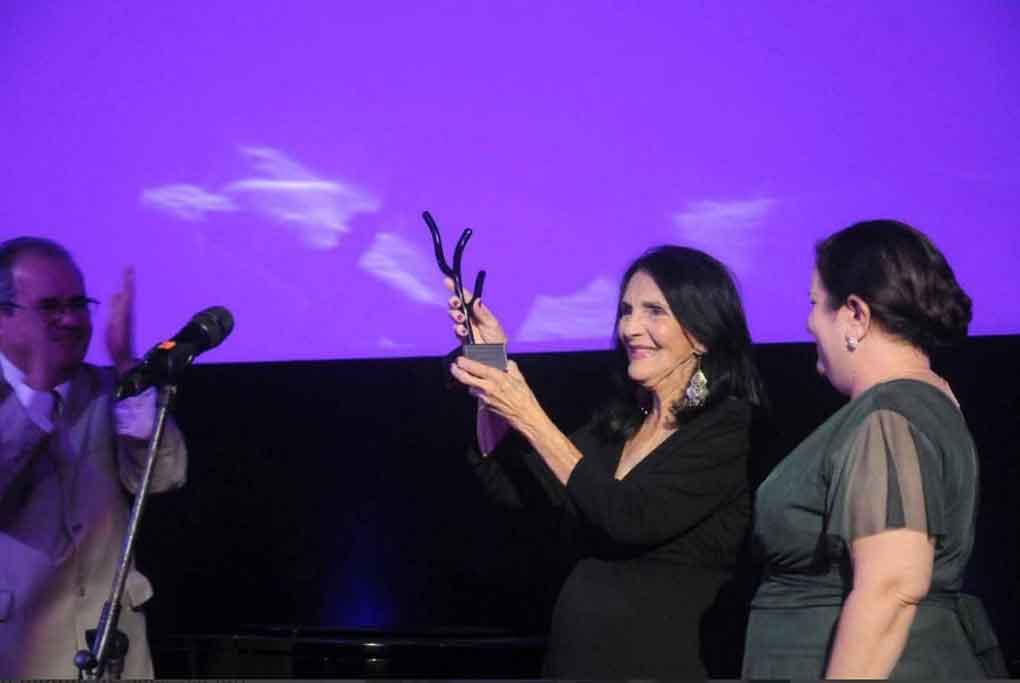
    The Cuban cultural community is celebrating the extraordinary career of acclaimed actress Eslinda Núñez, whose profound contributions to cinema have left an indelible mark on Cuban and Latin American film. Recognized with Cuba’s prestigious National Film Award in 2011 and honored with the Coral of Honor at the 44th Havana Film Festival, Núñez has established herself as a towering figure in the region’s artistic landscape.

    Born in 1943 in Santa Clara, Núñez developed an acting style characterized by remarkable dramatic intensity and unwavering dedication to her craft. Her performances in landmark films such as ‘Lucía’ (1968) and ‘La primera carga al machete’ (1969) under directors Humberto Solás and Manuel Octavio Gómez respectively, have become essential viewing in the canon of Latin American cinema.

    The Ministry of Culture extended warm congratulations to the actress, highlighting her iconic roles that have defined generations of Cuban storytelling. Meanwhile, the Cuban Film Institute (ICAIC) acknowledged that Núñez’s career represents an integral chapter in their organization’s history, noting her ability to embody complex characters with exceptional talent and dignity.

    Multiple cultural institutions including the Union of Writers and Artists of Cuba (UNEAC), the Hermanos Saiz Association, and the CubaActores project joined in celebrating Núñez’s legacy. UNEAC specifically emphasized how her screen presence has created unforgettable moments in national culture, establishing her work as a continuing benchmark for artistic authenticity and sensitivity that has inspired both viewers and creators across generations.

  • Havana’s Gorria Gallery Workshop celebrates its tenth anniversary

    Havana’s Gorria Gallery Workshop celebrates its tenth anniversary

    The Gorria Gallery Workshop, a significant cultural institution in Havana’s historic San Isidro neighborhood, is marking its tenth anniversary with a landmark exhibition titled “Tenth Anniversary Assembly.

    Founded in December 2015 by acclaimed Cuban actor and filmmaker Jorge Perugorría—recipient of the 2023 National Film Award and an accomplished visual artist—the gallery has evolved into a vital center for artistic promotion and community engagement in one of Havana’s most culturally vibrant districts.

    The anniversary exhibition showcases works from distinguished artists who have presented individual shows at the gallery throughout its decade-long existence. The prestigious roster includes Roberto Fabelo, winner of the 2004 National Visual Arts Award, alongside contemporary talents Eduardo Abela, Levi Orta, May Reguera, and Perugorría himself, who has significantly expanded his creative practice into visual arts techniques.

    The exhibition’s opening ceremony attracted numerous prominent figures from Cuba’s national cultural scene, highlighting the gallery’s established role as a cornerstone of Havana’s artistic community. This gathering of cultural leaders underscored the institution’s successful integration of artistic excellence with neighborhood social dynamics.

    The exhibition, which opened to considerable acclaim, will remain accessible to the public for an extended period, running through March 2026, offering both locals and international visitors ample opportunity to experience this celebration of Cuban artistic achievement.

  • American woman dies after violent assault in Antigua and Barbuda

    American woman dies after violent assault in Antigua and Barbuda

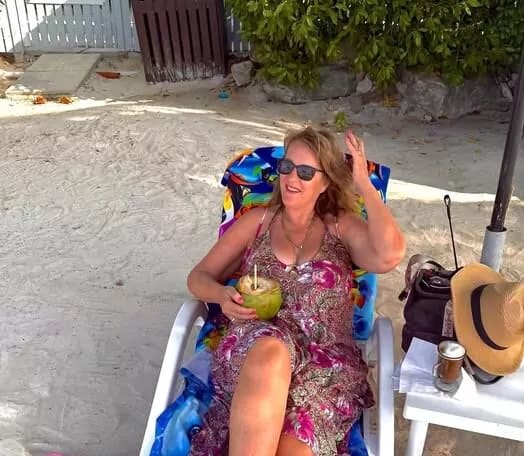
    In a tragic development that has shocked both local and international communities, American entrepreneur Karen Johansson has passed away after sustaining critical injuries during a violent incident in Antigua and Barbuda. The attack occurred while Johansson was overseeing her horseback riding excursion business along the popular Runaway Beach shoreline.

    Medical authorities confirmed the victim suffered irreversible neurological damage described by family members as a ‘catastrophic traumatic brain injury.’ Despite immediate medical intervention and life support measures, medical professionals determined no possibility of neurological recovery or independent respiratory function.

    Following the heartbreaking prognosis, Johansson’s family honored her commitment to organ donation, allowing her final act to provide life-saving assistance to multiple recipients through organ transplantation.

    Antiguan law enforcement officials have identified a person of interest currently undergoing interrogation—reported to be Johansson’s recent former romantic partner. While formal charges remain pending, investigative sources indicate the assault appears connected to their recently terminated relationship. The Royal Police Force of Antigua and Barbuda continues to withhold official statements regarding ongoing investigative procedures and potential criminal proceedings.

  • Puerto Rico’s pro-independence initiative gains support in Congress

    Puerto Rico’s pro-independence initiative gains support in Congress

    Puerto Rican advocacy groups within the United States are spearheading groundbreaking legislation that would establish a status referendum explicitly prohibiting full annexation of the Caribbean territory—a prospect vehemently opposed by former President Donald Trump. This legislative initiative, rooted in the philosophical traditions of Puerto Rican intellectual Eugenio Maria de Hostos, emphasizes independence as a democratic and inclusive process requiring recognition of all Puerto Ricans’ will, including the substantial diaspora community.

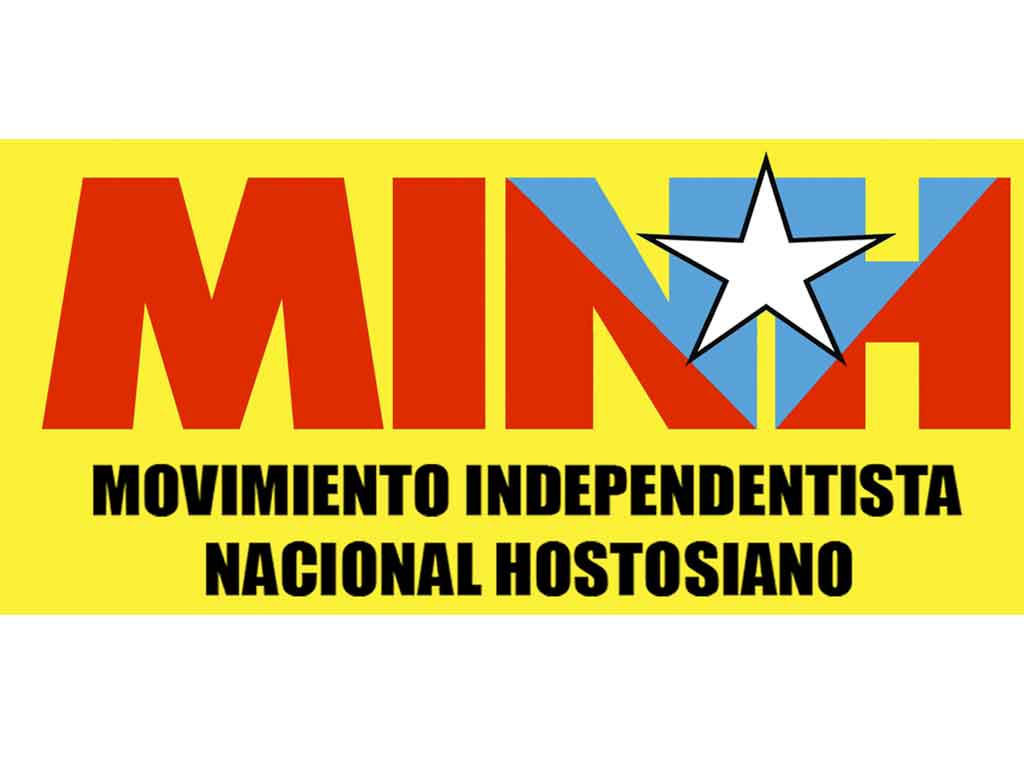
    The Hostosian National Independence Movement (MINH), represented by National Directorate member Jaime Inclán, asserts that any resolution regarding Puerto Rico’s political future must acknowledge the complete Puerto Rican nation beyond geographical boundaries. The organization’s leadership contends that principles of human dignity and popular sovereignty necessitate including diaspora voices in self-determination processes.

    Demographic data reveals a striking reality: approximately 9 million people identify as Puerto Rican, with only 3.2 million residing on the island itself. This distribution results from multiple migration waves, including Washington’s explicit emigration encouragement policies during the 1940s and the devastating displacement following 2019’s Hurricane Maria, which forced approximately 600,000 citizens to relocate.

    The MINH movement maintains that Congressional actions regarding Puerto Rico’s political status must formally recognize both the inherent right to self-determination and independence as a legitimate constitutional option, challenging over 120 years of colonial administration that began with U.S. acquisition in 1898.

  • Trinidad and Tobago Works Minister Jearlean John Says Caricom Trade Remains Secure

    Trinidad and Tobago Works Minister Jearlean John Says Caricom Trade Remains Secure

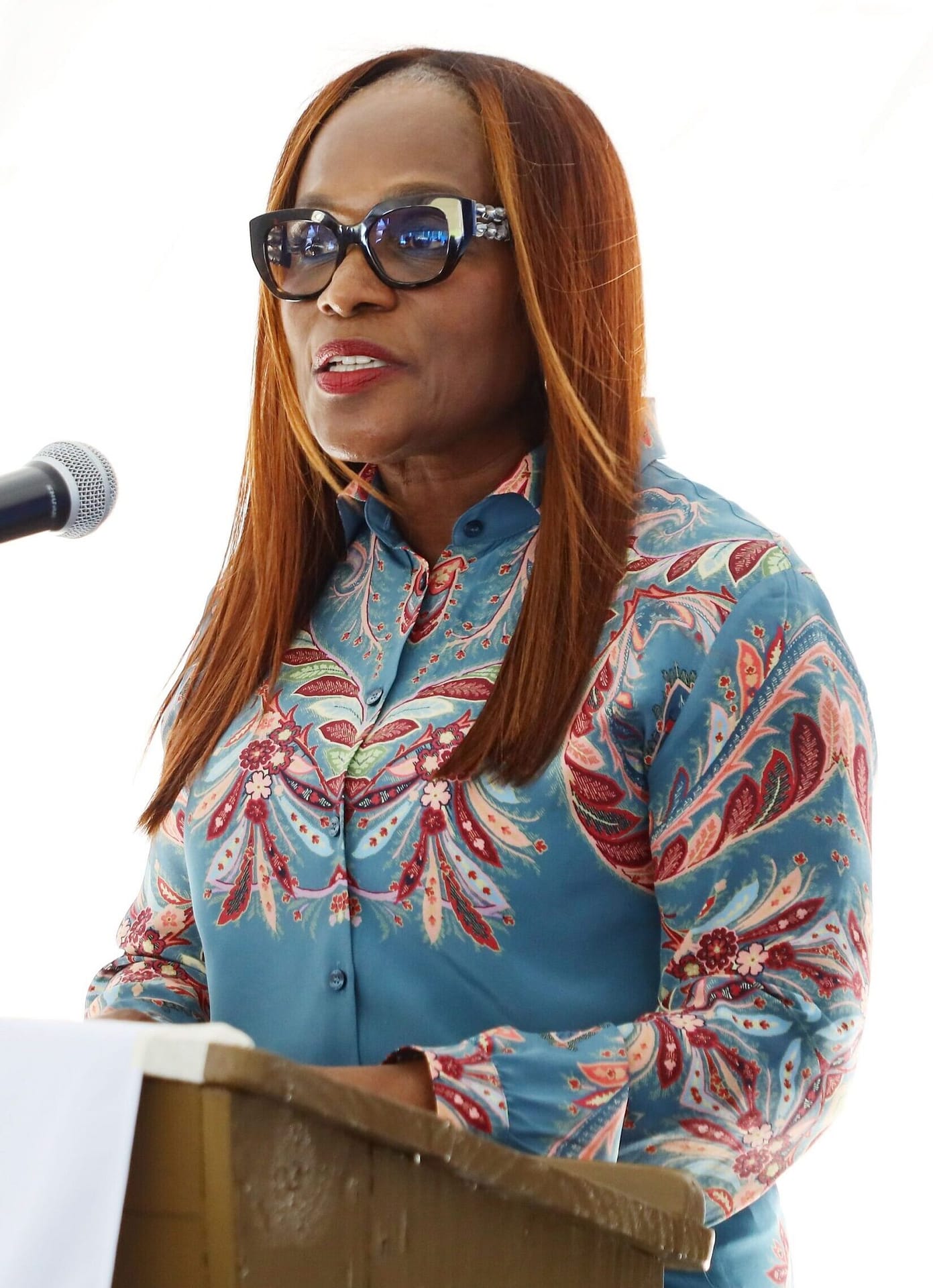
    Amid escalating regional tensions following critical remarks about CARICOM’s functionality, Trinidad and Tobago’s Minister of Works Jearlean John has delivered reassurances to manufacturers and exporters regarding the nation’s enduring trade relationships within the Caribbean Community. The minister’s comments come directly after Prime Minister Kamla Persad-Bissessar characterized the regional body as ‘dysfunctional,’ sparking strong reactions from fellow CARICOM leaders including Antigua and Barbuda’s Prime Minister Gaston Browne.

    Addressing reporters during the inauguration of the St Mary’s Police Station, Minister John provided measured responses to concerns about potential economic repercussions for local businesses in the coming year. She characterized the government’s approach as ‘firm, purposeful, and intentional’ while explicitly denying any recklessness in their diplomatic communications.

    The minister framed recent governmental statements as necessary reflections of realities requiring open discussion rather than expressions of hostility toward CARICOM partners. ‘These are things that have to be said by the government of Trinidad and Tobago. This is what people know, so they have to be said,’ John explained, while simultaneously emphasizing the nation’s fundamental commitment to regional unity.

    John pointed to Prime Minister Persad-Bissessar’s personal history within the Caribbean region as evidence of Trinidad and Tobago’s genuine connections to CARICOM, noting her educational background in Barbados and professional experience in Jamaica. ‘She’s a Caribbean woman, and that’s why she’s in this role,’ the minister stated, framing the Prime Minister’s perspective as inherently regional rather than narrowly nationalistic.

    Responding specifically to observations that Trinidad and Tobago benefits substantially from CARICOM trade arrangements, John acknowledged the nation’s strong export performance but reframed this success as a matter of competitive advantage rather than structural imbalance. She highlighted the quality and pricing of Trinidadian products as key factors driving regional demand, suggesting market dynamics rather than preferential treatment explain trade patterns.

    The minister concluded with direct reassurances to business stakeholders concerned about market stability, expressing confidence that historical, familial, and qualitative factors would continue to sustain trade relationships. ‘We are very sure that, based on familial and historical ties, and the quality of what we do, we will continue to score big with CARICOM business,’ John affirmed, while adding a final message of solidarity: ‘I want to tell CARICOM—we love them. Of course, we are part of that network; we are from here.’

  • Cuba’s PM praises community contribution in hit disaster area

    Cuba’s PM praises community contribution in hit disaster area

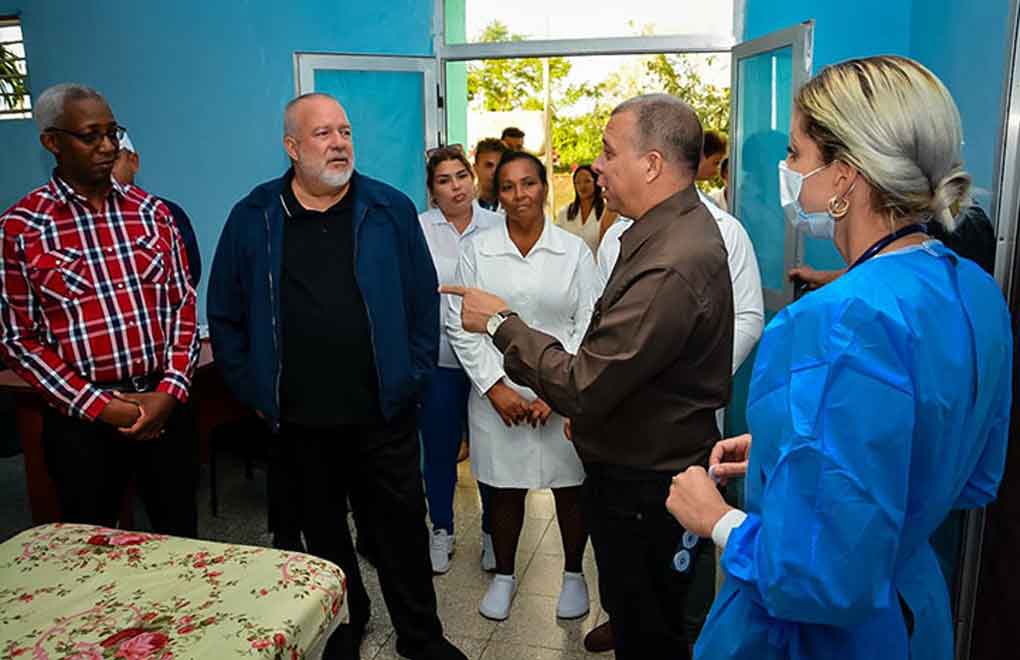
    Cuban Prime Minister Manuel Marrero has publicly praised the remarkable recovery efforts in Holguín province’s municipality of Cacocum, following the devastating impact of Hurricane Melissa. Through official social media channels, Marrero highlighted the collective spirit that has driven the region’s rehabilitation, noting that the territory demonstrates “what can be achieved through unified community contribution.”

    The Prime Minister’s visit included comprehensive inspections of several key social projects initiated in the aftermath of the natural disaster. He toured the pioneering Community Food Project in La Agraria settlement—the first such initiative in the province—which provides essential nutritional support to nine elderly residents and one vulnerable youth.

    Marrero’s itinerary further encompassed the Expedicionarios del Corynthia semi-boarding school, an institution offering crucial assistance to over 198 mothers within the municipality. The educational facility represents Cuba’s commitment to supporting working families through state-sponsored childcare solutions.

    Significant attention was given to the Solar Kit Sales Program, where the Prime Minister visited a beneficiary family home. This government initiative provides affordable solar energy solutions to low-income households, promoting sustainable energy access across economically challenged communities.

    The Ruben Batista Rubio Polyclinic received particular emphasis during the tour, serving approximately 13,000 residents while maintaining the region’s sole intensive care unit. Marrero evaluated the medical facility’s capabilities and resource requirements following recent weather-related challenges.

    Additional visits included the Miguel Gonzalez Intensive Garden agricultural project, the Municipal Government headquarters, and Plaza 2 de Diciembre. At the historic plaza, the Prime Minister participated in celebrations commemorating the 67th anniversary of the Cuban Revolution’s triumph in Holguín province, connecting contemporary recovery efforts with the nation’s broader revolutionary narrative.

  • COMMENTARY: A breach within CARICOM widens

    COMMENTARY: A breach within CARICOM widens

    The second administration of U.S. President Donald Trump has precipitated significant fractures within the Caribbean Community (CARICOM), testing bilateral relations while undermining regional cohesion. This geopolitical shift mirrors divisions witnessed during Trump’s first term regarding Venezuela policy, creating a tumultuous backdrop for Caribbean foreign relations with Washington.

    The recent U.S. proclamation imposing partial entry restrictions on nationals of Antigua and Barbuda and Dominica exemplifies Washington’s scattershot approach to CARICOM relations. Though temporarily suspended following diplomatic engagement, this episode highlights the underlying tensions between cordial bilateral relations and fundamentally different visions of international governance.

    A critical fracture emerged with Trinidad and Tobago’s political transition in April 2025. Prime Minister Kamla Persad-Bissessar’s government broke from CARICOM consensus by supporting increased U.S. military presence in the region through ‘Operation Southern Spear.’ This alignment with Washington marks a dramatic departure from Trinidad’s traditional foreign policy and has drawn criticism from regional partners.

    The operation represents an escalation of U.S. pressure against Venezuela’s Maduro regime, targeting oil tankers carrying Venezuelan crude—a strategy with far-reaching implications for Caribbean energy security. Cuba and other nations reliant on Venezuelan shipments view these developments with particular concern.

    Trinidad’s Foreign Ministry defends its cooperation, citing enhanced surveillance capabilities, joint military exercises, and successful narcotics interdiction efforts. The government has approved transit for U.S. military aircraft and installed American radar systems, framing these actions as beneficial to national security.

    However, this position has sparked domestic criticism and regional backlash. Antigua and Barbuda issued a strongly worded statement criticizing Trinidad’s approach, prompting Persad-Bissessar to accuse CARICOM of aligning with ‘the Maduro narco government’ in social media posts that seemingly targeted a U.S. audience.

    Most CARICOM members remain committed to traditional foreign policy principles emphasizing peace, multilateralism, and dialogue. The bloc’s October 2025 meeting reaffirmed these values, though Trinidad reserved its position, highlighting the growing divide.

    Analysts suggest the Trump administration’s ‘Enlist and Expand’ strategy—dubbed the ‘Trump Corollary’ to the Monroe Doctrine—seeks to project U.S. hegemony throughout the Western Hemisphere. This ‘might makes right’ approach threatens to undermine CARICOM’s collective foreign policy effectiveness precisely when unity is most needed.

    The fracture within CARICOM represents a significant departure from decades of coordinated foreign policy and threatens to weaken the bloc’s international standing if not effectively addressed by regional leaders.